By
Last updated: November 2026
Quick answer: Illinois House Bill 1312, signed by Gov. JB Pritzker in December 2025, bars civil immigration arrests of people going to, attending or leaving court, inside courthouses and within 1,000 feet of them, unless agents have a judicial warrant or order. It also requires hospitals, licensed day care centers and public universities to adopt procedures for immigration enforcement requests, and it lets people sue for constitutional violations during civil immigration enforcement. It does not stop ICE from arresting people elsewhere, override federal law, or protect anyone with a judicial warrant. The U.S. Department of Justice sued to block it in December 2025, so check that case before relying on any protection.

Richard T. Herman, Esq.
Founder of Herman Legal Group, with more than 30 years of immigration-law experience. Richard’s profile · Why trust Richard Herman
Key facts
- Courthouses: no civil immigration arrests of parties, witnesses or companions in or within 1,000 feet of Illinois courts, absent a judicial warrant or order.
- Damages: at least $10,000 for a courthouse arrest in violation of the law.
- Illinois Bivens Act: a state-law right to sue for constitutional violations during civil immigration enforcement, with attorney’s fees.
- Institutions: hospitals, day cares and public universities must have policies for enforcement requests and data privacy.
- Litigation: DOJ sued Illinois in December 2025; outcome not confirmed as of November 2, 2026.
- Federal side: DHS rescinded its “protected areas” guidance in January 2025.
What does the Illinois anti-ICE law (HB 1312) do?
Gov. Pritzker signed the bill after months of aggressive immigration enforcement by the Trump administration in the Chicago area, including the federal operation known as Operation Midway Blitz. When Pritzker signed the bill, it took effect immediately, and the Illinois Coalition for Immigrant and Refugee Rights praised it. HB 1312 is a package of protections for immigrant communities and Illinois residents regardless of immigration status, though it does not make any place fully off limits to ICE officers. Reporting on the signed law (JURIST, December 2025) describes these parts:
| Part | What it does | Main limit |
|---|---|---|
| Courthouse protection (Article 10) | Bars civil arrests of parties, witnesses and people accompanying them inside courthouses and within 1,000 feet; minimum $10,000 damages for violations | Judicial warrants and court orders still allow arrests |
| Illinois Bivens Act (Article 5) | Lets people sue over constitutional violations during civil immigration enforcement; attorney’s fees; punitive damages can consider masks and body cameras | Qualified immunity remains a defense |
| Hospitals (Article 15) | Policies for agents: legal contacts, credential checks, patient privacy; fines up to $500 per day for noncompliance | Does not create a no-arrest zone |
| Public universities and day cares (Articles 20 and 25) | Procedures for access requests and protecting status information | Does not bar federal agents with lawful authority |
It builds on the Illinois TRUST Act, which already limits how local law enforcement and local police cooperate with U.S. Immigration and Customs Enforcement (ICE). The new law adds limits that apply directly to federal immigration agents, which is why the federal government challenged it.
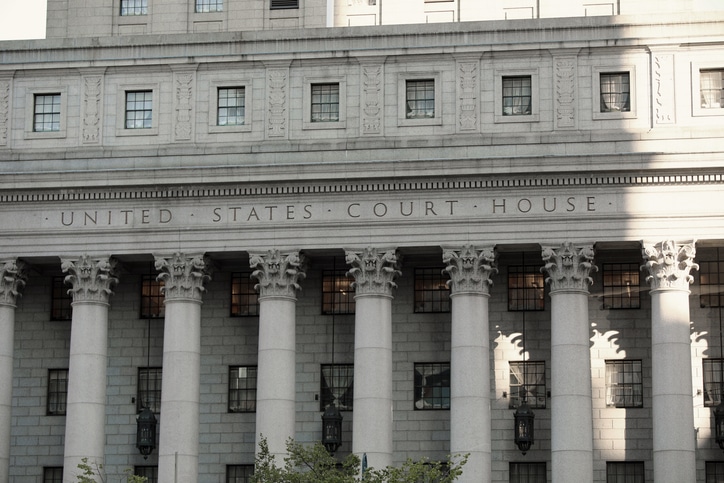
What the Illinois law does not do
- It does not stop ICE everywhere. Arrests at home, at work, in traffic stops and in public away from protected sites remain possible.
- It does not override a judicial warrant or order. An administrative ICE warrant (Form I-200 or I-205) signed by an immigration officer is not a judicial warrant.
- It cannot change federal immigration law. A removal order, an overstay or a criminal record still matters under federal law, and federal courts decide whether a state law intrudes on federal power.
- It does not reach federal immigration courts the same way. Check-ins and hearings at federal facilities raise separate questions.
At the federal level, DHS rescinded the policy that had limited enforcement at “protected areas” such as schools, hospitals and places of worship in January 2025. That makes state limits like HB 1312 more important, but also more contested.
The DOJ lawsuit against Illinois
In December 2025, the U.S. Department of Justice sued Gov. Pritzker and Illinois on behalf of the Department of Homeland Security and the federal government, arguing that the courthouse ban, institutional rules and damages provisions violate the U.S. Constitution and endanger federal officers (NBC News). Challenges like this usually turn on the Supremacy Clause and whether a state may regulate federal officers. We could not confirm a final ruling as of November 2, 2026. Before relying on HB 1312, check whether any court has blocked all or part of it.
Illinois courthouses: can ICE agents still arrest me near court?
If you are a party, witness or companion going to or from an Illinois court, HB 1312 says civil immigration agents may not arrest you inside the courthouse or within 1,000 feet without a judicial warrant or order. Agents may still act on a judicial warrant, may still make criminal arrests, and may wait farther away. If you have an old removal order or a pending criminal case, get legal advice before your court date, not after.
The same caution applies to USCIS offices, which are federal sites; see ICE arrests at USCIS interviews and whether ICE can arrest you with a pending application.
Protect your constitutional rights: steps before court, hospital or school visits
- Carry your attorney’s phone number and a copy of any pending case receipt.
- Know the difference between a judicial warrant (signed by a judge) and an ICE administrative warrant.
- You have the right to remain silent and to speak to a lawyer; do not sign documents you do not understand. See your rights if ICE comes to your door.
- Write down names, badge numbers and what happened if you see a possible violation; it may support a claim under the Illinois Bivens Act.
- Make a family plan for children and finances in case of detention.
Frequently asked questions
What is Illinois HB 1312?
A 2025 Illinois law that bars civil immigration arrests in and near courthouses, sets rules for hospitals, day cares and public universities, and creates a state right to sue for constitutional violations during immigration enforcement.
Are hospitals and schools “ICE-free zones” in Illinois?
Not in the sense of a ban. They must have policies for handling agents and protecting information, but federal agents with lawful authority can still act.
Can I sue ICE in Illinois?
HB 1312 creates a state-law claim for constitutional violations, but qualified immunity applies and the DOJ lawsuit may affect it. Talk to a lawyer quickly.
Does the Illinois law protect someone with a removal order?
Only in the protected courthouse setting described above, and not against a judicial warrant. A removal order can be enforced elsewhere.
Is HB 1312 in effect?
It took effect immediately when Pritzker signed the bill in December 2025, but the DOJ challenge means you should check for any court order limiting it.
Herman Legal Group was founded in 1995 by Richard T. Herman. Our offices are in Cleveland and Columbus (Worthington), Ohio, and because immigration law is federal we help clients in Illinois and anywhere in the United States, with consultations and documents handled virtually and attorneys traveling when needed. A consultation is $245, and a one-hour attorney document review of your notices or court papers is $595. For removal defense, see our deportation defense lawyers.
Last updated November 2026. General information, not legal advice. Reading this page does not create an attorney-client relationship. HB 1312 is being challenged in federal court and enforcement practices change; check the current status before relying on it.