

Who won—and what follows?
Start with election outcomes and policy follow-through in Congress and the states.

HERMAN LEGAL GROUP · NOVEMBER 4 POST-ELECTION UPDATE
Democrats won control of the House and Senate. This tracker now follows what that means for ICE oversight and funding, deportation policy, DACA, asylum, H-1B and employment immigration, public charge, visa policy, legalization proposals and the limits of congressional power while President Trump remains in office.
Updated November 4, 2026. Chamber control is clear from current results; individual race margins and final certifications may continue to change.
NOVEMBER 4, 2026 UPDATE
Democrats won control of both the U.S. House and Senate in the 2026 midterm elections. President Trump remains in office through January 2029, so the election changes congressional power but does not transfer executive control of DHS, ICE, USCIS or the State Department. The new Congress takes office on January 3, 2027.
Current post-election reporting points to a sharp increase in congressional oversight of immigration enforcement, including ICE operations and detention conditions. At the same time, deportation enforcement can continue because the executive branch still controls immigration agencies and because significant enforcement funding has already been enacted. See The Washington Post’s immigration takeaways and Reuters on the post-election House leadership shift.
| Issue | What the November 4 result changes | What does not automatically change |
|---|---|---|
| House control | Democrats will control House committees, subpoenas, hearings and the legislative agenda beginning January 2027. | Trump remains president and can veto legislation. |
| Senate control | Democrats will control Senate committees, oversight and the floor agenda, subject to Senate rules and vote thresholds. | Many immigration bills will still need bipartisan support to overcome procedural barriers and any presidential veto. |
| ICE oversight | Expect more document demands, hearings and investigations into enforcement practices and detention conditions. | Oversight does not itself stop arrests or detention operations. |
| ICE funding | Congress can scrutinize future appropriations, attach conditions and refuse some new funding requests. | Existing appropriations and previously enacted enforcement funding remain available unless lawfully changed. |
| Deportation policy | Congress can investigate tactics, condition future spending and legislate limits if enough votes exist. | The executive branch retains broad enforcement discretion under existing immigration law. |
| Legalization | The election creates more space for negotiations over Dreamers, long-term residents, farmworkers or broader reform. | No legalization program exists merely because control of Congress changed. |
| DACA | Congress can attempt statutory protection or broader Dreamer legislation. | Existing litigation and executive implementation remain controlling until Congress enacts a law or courts act. |
| Asylum | Congress can investigate restrictions, detention practices and agency implementation and can legislate if a bill can pass. | DHS and DOJ can continue many existing asylum policies under current statutes and regulations. |
| H-1B and employment immigration | Congress can hold hearings, change statutory caps or rules by legislation, and review agency implementation. | USCIS and DOL can continue administering current H-1B and employment rules, including lawful regulatory changes. |
| Public charge | Congress can investigate implementation and try to legislate standards. | Executive agencies can continue applying existing statutes, regulations and lawful guidance. |
| Visa policy | Congress can investigate State Department practices, funding and delays and can legislate substantive rules. | The president and State Department retain substantial authority over visa administration, security screening and foreign-policy-based restrictions. |
Very little changes automatically before the new Congress is sworn in. The current Congress remains in office through the end of the 119th Congress. Between now and January 3, 2027, the White House and current agencies can continue enforcement and adjudication under existing law, while members of the incoming majority can prepare investigations, document requests, hearing plans and legislation for the next Congress.
Bottom line: the election materially changes oversight, funding leverage and the legislative agenda. It does not by itself end deportation enforcement, create legalization, restore DACA by statute, change asylum law, or rewrite visa rules overnight.
Results edition: November 4, 2026. Control of both chambers is clear from current results, but many individual races and final margins remain subject to canvassing and certification. This page will be updated as leadership assignments, committee plans and immigration priorities become more specific.

LAW, FAMILIES & THE ECONOMY
Richard T. Herman, Esq., founder of Herman Legal Group, has practiced immigration law for more than 30 years. His work connects immigration with families, entrepreneurship and community growth.
ON THE RECORD · NOVEMBER 4, 2026
“The market correction has begun. The American people have spoken, and they have soundly rejected MAGA, and Trump’s misguided and cruel policies. These policies, including aggressive immigration enforcement, Iran war, tariffs, and the shadow policies of self-enrichment and corruption, have done massive damage to this country. We have started the long journey towards healing and recovery. I anticipate deep Congressional investigations into what I believe was a criminal enterprise that Trump ran out of the White House, so that the American people can see the full record. When the American people see and understand the full scale of what I believe were illegal and unconstitutional acts from the Trump administration, as well as the Congressional GOP complicity, I anticipate Democratic victory in November 2028, and a Democratic President, Democratic controlled Senate and House in 2029. At that time, long-awaited comprehensive immigration reform has a high probability of passing. This will allow the U.S. to implement a 21st century immigration policy that can stress border enforcement, low tolerance for criminal aliens, turbocharges economic growth for the U.S., and fairness and humanity to immigrants.”
— Richard T. Herman, Esq., founder, Herman Legal Group
This statement is Richard’s personal political opinion and forecast. It is not a court or congressional finding, and it is not legal advice.
Start with election outcomes and policy follow-through in Congress and the states.
Separate delays, travel restrictions and litigation before deciding what to do.
Use the notice and deadline checklist while policy debates continue.
FROM ELECTION RESULTS TO GOVERNING CONSEQUENCES
This resource will follow two connected stories: the election outcomes and the decisions that follow them. Each substantive update will identify the date, responsible officials, source, status and practical consequences for immigrant families, workers, employers and communities.
| Track | Election outcome | What happens afterward |
|---|---|---|
| U.S. House | Winning party, majority margin and leadership. | Committee control, investigations, subpoenas, hearings, findings, proposed bills and spending conditions. |
| U.S. Senate | Winning party, majority margin and leadership. | Oversight, legislation, nominations and the votes needed to advance specific measures. |
| Governors | Winning candidate and party in states holding elections, whether control changes, and the start of the new term. | State executive action, ICE cooperation, budget proposals, bills signed or vetoed, and the state’s participation in legal challenges. |
| Immigration agencies and courts | Not elected in these races; included to explain the consequences of the results. | Changes affecting ICE enforcement, USCIS adjudication, embassy processing, travel restrictions and the implementation of court orders. |
The post-election coverage will examine the difference between promised oversight and completed work: whether records are produced, findings are substantiated, legislation advances and agency practices change. It will also cover resistance by the White House, disputes over subpoenas, vetoes and court challenges that affect implementation.
Control of the House, the Senate or both will be identified precisely. A Democratic House with a Republican Senate has different legislative options from Democratic control of both chambers. Even with both, a congressional majority does not itself control the presidency or enact a law. The House explains the steps after both chambers pass a bill.
New congressional terms begin January 3 under the Twentieth Amendment. The period between the election and the new Congress matters too: outgoing lawmakers and the administration can still act.
Election entries will distinguish a forecast, a named provider’s projected winner, unofficial returns and certified results. Official state results are available through state election offices. Policy entries will identify whether an action is announced, proposed, scheduled, enacted or issued, effective, blocked or stayed, or implemented. Those distinctions make it possible to see what changed and what remains unresolved.
Each policy entry will include what happened, who acted, who is affected, when it takes effect and what happens next. Where implementation has not been verified, the entry will say so.
| Election track | Status on November 4, 2026 | Source and label | Still open |
|---|---|---|---|
| House control | Democrats projected to win the majority. MS NOW estimates at least 250 seats; CBS News estimates Democrats could reach 259, though the final number could be lower. | AP call reported by TIME; MS NOW and CBS News estimates. Projection. | Final seat count, Speaker election, committee leadership and official results. |
| Senate control | Democrats projected to win the majority, flipping Republican-held seats in Iowa, Kansas, Maine, North Carolina, Ohio, South Carolina and Texas. NewsNation reports at least 54 Democratic seats. | AP call reported by TIME; NewsNation. Projection. | Alaska and Mississippi remain too close to call. Scott Colom (D) and Sen. Cindy Hyde-Smith (R) are nearly tied in Mississippi. |
| Governors | Democrats flipped five offices and secured a majority of governorships for the first time in 16 years, according to NBC News. Republicans entered the election with a 26–24 majority. | NBC News. Projection. | Alaska is uncalled in the sources reviewed. Official state results and inaugurations follow. |
Vote shares below are unofficial and may change. Official results come from state election offices.
| Race | Result | Unofficial vote share | Immigration position to compare with votes |
|---|---|---|---|
| Ohio | Sherrod Brown (D) projected over Sen. Jon Husted. Flip. | 50.0%–45.2% (98.8% counted) | ICE rules, body cameras and unmasking; no commitment to abolish ICE in the cited interview. |
| North Carolina | Roy Cooper (D) projected over Michael Whatley. Flip. | 58.7%–39.1% (99.0%) | Vetoed a 2022 bill mandating sheriff cooperation with ICE. |
| Maine | Troy Jackson (D) projected over Sen. Susan Collins, who conceded. Flip. | 53.8%–46.1% (86.0%) | Campaign platform calls for abolishing ICE. |
| Texas | James Talarico (D) projected over Ken Paxton, who conceded. Flip. | 55.2%–42.9% (96.4%) | Border security plus comprehensive reform, citizenship pathways and a mask ban for ICE agents. |
| Iowa | Josh Turek (D) projected over Ashley Hinson. Flip. | 50.5%–46.4% (98.1%) | Earned legal status and agricultural visas, while citing a vote for a 2024 Iowa enforcement measure. |
| Alaska | Not called. Mary Peltola (D) and Sen. Dan Sullivan (R) are in a very close race. Anchorage Daily News reports the result likely won’t be known until mid-November, after ranked-choice tabulation. | Peltola 102,701 (48%); Sullivan 102,075 (47.7%) in preliminary results after 2 a.m. | House record includes support for several enforcement measures. |
| Georgia | Sen. Jon Ossoff (D) projected over Mike Collins, who conceded. Democratic hold. | 59.0%–41.0% (98.7%) | Demanded civil-liberties protections before additional ICE funding. |
| Michigan | Abdul El-Sayed (D) projected over Mike Rogers. Democratic hold. | 52.5%–45.5% (96.6%) | Campaign statement calls for abolishing ICE. |
Sources: NBC News Senate results, Forbes on AP calls, PBS on Michigan, Houston Public Media on Texas and CNBC on Georgia and Iowa.
| Race | Status | What to compare next |
|---|---|---|
| New York’s 17th | Cait Conley (D) defeated Rep. Mike Lawler, who conceded. Flip (ABC7). | Her platform on visible ICE identification, 287(g), citizenship pathways and USCIS backlogs against her bills and votes. |
| Arizona’s 1st | Amish Shah (D) leads Jay Feely in NBC’s count. No projection confirmed in the sources reviewed. | If seated: his ICE funding votes, guardrails, and DACA and guest-worker positions. |
| State | Result | Unofficial vote share | First immigration question |
|---|---|---|---|
| Ohio | Amy Acton (D) projected over Vivek Ramaswamy. Flip. Inauguration: January 11, 2027. | 52.3%–44.4% (98.8%) | Will she change any state-agency agreements or set limits on assistance to ICE? Her cited statements support lawful enforcement and professional standards, not a blanket noncooperation pledge. |
| Georgia | Keisha Lance Bottoms (D) projected over Rick Jackson. Flip. | 54.3%–45.7% (98.6%) | Will her Atlanta detention-limits record translate into statewide action, and what does existing state law allow? |
| Iowa | Rob Sand (D) projected over Zach Lahn. Flip. | 55.5%–44.5% (98.4%) | What will he do about state or local assistance to ICE, and how will state institutions approach international hiring? |
| Nevada | Aaron Ford (D) projected over Gov. Joe Lombardo. Flip. | 51.7%–44.2% (87.2%) | Will his attorney-general challenges to ICE practices become executive action on state cooperation or detention contracts? |
| Alaska | Not called in the sources reviewed. Jonathan Kreiss-Tomkins (D) leads Bernadette Wilson (R). | 49.2%–29.2% (73.9%) | Would his proposed surveillance limits affect immigration-related data access? No ICE or 287(g) commitment was verified. |
Democrat Gina Hinojosa won in Texas, which NBC News lists among the Democratic gains. Republican Byron Donalds won in Florida, Democrat David Crowley won in Wisconsin, and Gov. Wes Moore won in Maryland. Their immigration records have not yet been reviewed for this page, so no positions are stated here.
Sources: NBC News governor results and Ohio inauguration date. A governor cannot grant a green card, change federal visa numbers or stop federal enforcement. Campaign statements are not state law.
The following is one published model’s snapshot. These figures are election probabilities, not probabilities of legalization, a change in deportation policy, or approval of an individual case.
Source: Decision Desk HQ: 2026 forecast; source update October 24, 2026, 6:24 PM. Retrieved October 25. The retrieved timestamp does not specify a timezone. These figures are a dated snapshot and do not update automatically.
Models can differ in their assumptions and results. The figures here come from Decision Desk HQ alone; they are not an average or a consensus forecast.
Projected outcome: Democratic House + Democratic Senate. The other three scenarios remain as a record of the pre-election analysis.
Select a scenario to read its potential immigration implications. Percentages below are the same source’s published joint probabilities; they are not calculated by multiplying the House and Senate odds.
HLG analysis: Democrats would control committee agendas in both chambers from January 2027, and the Senate would gain a check on nominations. Expect coordinated oversight and harder bargaining over future spending.
Main constraint: Most contested Senate legislation still needs 60 votes for cloture, and any bill faces a presidential veto unless Congress can override it. Earlier multiyear enforcement funding also limits what new spending fights can change.
HLG analysis: House hearings and investigations become a plausible source of scrutiny, while the Senate could resist House legislation and continue advancing administration nominees.
Main constraint: Expect divided-government bargaining. Whether a particular funding condition survives depends on the text, existing appropriations and negotiations.
HLG analysis: Continued alignment with the administration would provide a more favorable setting for further enforcement legislation and funding proposals.
Main constraint: Party control does not establish support for every bill. Narrow margins, policy disagreements, Senate procedure and courts could still constrain outcomes.
HLG analysis: A Democratic Senate could scrutinize nominations and administration policy, while a Republican House could pursue enforcement legislation.
Main constraint: Neither chamber could enact a new immigration statute alone. Substantial changes would require negotiation across chambers and with the president.
Scenario weights: Decision Desk HQ, October 24 snapshot. The policy implications are conditional assessments. No scenario assumes a change in the presidency from a congressional election.
CONGRESSIONAL CANDIDATES & POLICY LEADERS · OCTOBER 25, 2026
The congressional story includes candidates who could flip Republican-held seats, Democrats defending existing seats, and House figures who could shape the agenda of a new majority. These are different roles. The selection below highlights competitive races and immigration-policy influence; it is not a statistical ranking of prominence or a prediction that everyone listed will win.
Unlike governors, members of Congress vote on federal immigration statutes, agency funding and oversight. Senate winners also vote on executive and judicial nominations. Their views can help explain what a Democratic majority might attempt—and where Democrats themselves disagree.
| Candidate and race | Stated policy or documented record | What the result could affect |
|---|---|---|
| Sherrod Brown — Ohio Challenging Jon Husted. |
In a May 17 CNN interview, Brown called for rules governing ICE, body cameras and removal of agents’ masks. When pressed on abolishing the agency, he did not commit to that position. | An Ohio pickup would affect Senate control and the coalition for enforcement guardrails. The cited interview supports accountability measures, not an abolition pledge or a complete 2026 legalization platform. |
| Roy Cooper — North Carolina Open Republican-held seat; Republican opponent Michael Whatley. |
As governor, Cooper vetoed the 2022 Require Cooperation with ICE 2.0 bill, objecting to mandating that sheriffs perform federal agents’ work with local resources. He said dangerous offenders could already be prosecuted regardless of status. | His veto is evidence of a past position on mandated local cooperation. It is not a complete statement of his current Senate platform or proof that he would support abolishing ICE. |
| Troy Jackson — Maine Challenging Susan Collins. |
His campaign platform reviewed October 25 explicitly calls for dismantling and abolishing ICE. | A Jackson victory would add a senator advocating structural replacement rather than only changes to training or oversight. How responsibilities would be reassigned would depend on legislative text. |
| Mary Peltola — Alaska Challenging Dan Sullivan. |
Her House record includes support for several enforcement measures and criticism of Biden’s border policies. FactCheck.org’s October 23 review links the underlying votes and explains why an attack ad omits relevant context. | Her record shows that a Democratic pickup would not necessarily produce a vote against all enforcement measures. Past House votes should be distinguished from a specific commitment about future ICE funding or abolition. |
| James Talarico — Texas Challenging Republican nominee Ken Paxton. |
His immigration platform combines border security with comprehensive reform, citizenship pathways for specified groups, public-safety-focused enforcement, a mask ban and visible identification for ICE agents, and more immigration judges. He also proposes improved employer access to migrant workers with labor safeguards. | His proposals directly address legalization, legal immigration and agency accountability. A Senate seat would give him a vote and platform; enactment would still require a legislative coalition. |
| Josh Turek — Iowa Open Republican-held seat; Republican opponent Ashley Hinson. |
In the October 13 debate, he supported an earned route to legal status and agricultural-worker visas, while citing his vote for a 2024 Iowa enforcement measure. Radio Iowa’s original debate report documents both elements. | His combination of legalization and enforcement positions matters for any potential compromise. The cited debate does not establish a blanket opposition to ICE or a fully specified legalization bill. |
Race identities and pickup context: Reuters’ October 19 Senate-race overview, alongside the candidate and record sources above. These are pickup opportunities, not declared winners or a claim that every race favors the Democrat. No race-specific win probabilities are assigned here.
| Candidate and electoral role | Immigration and ICE position | Why this matters |
|---|---|---|
| Jon Ossoff — Georgia Incumbent defending a Democratic-held seat. |
In a January 25 official statement, Ossoff demanded civil-liberties protections before additional ICE appropriations and said he would oppose the measure then scheduled. His work also includes detention-abuse investigations. | His race affects whether Democrats retain a seat. The record supports funding conditions and oversight; it should not be presented as an established pledge to abolish ICE. |
| Abdul El-Sayed — Michigan Democratic nominee for the open Democratic-held seat; Republican opponent Mike Rogers. |
His January 25 campaign statement explicitly calls for abolishing ICE, rethinking immigration enforcement and pursuing comprehensive reform alongside border security. | A win would retain a Democratic-held seat while adding an advocate of structural change. It would not be a Republican-to-Democratic flip. His proposal remains distinct from reforming the existing agency. |
| Candidate and district | Stated immigration policy | Potential follow-through |
|---|---|---|
| Cait Conley — New York’s 17th District Challenging Republican Mike Lawler. |
Her campaign platform reviewed October 25 proposes body cameras, uniforms and visible identification, no masked agents, revocation of 287(g) agreements, citizenship pathways for undocumented residents and Dreamers, and investment in USCIS staffing and technology to reduce backlogs. She prioritizes enforcement against dangerous criminals and traffickers. | These commitments allow a comparison after the election: which bills she sponsors, how she votes on funding, and whether she advances processing and family-reunification reforms. A member of Congress cannot unilaterally revoke every agreement. |
| Amish Shah — Arizona’s 1st District Open Republican-held seat; Republican opponent Jay Feely. |
In an October 14 original interview report, Shah supported continued ICE funding with training and guardrails, border resources to combat fentanyl, and constitutional enforcement. The report also describes his support for a pathway for DACA recipients and a guest-worker program. | His position demonstrates why a Democratic pickup cannot automatically be counted as a vote to defund or abolish ICE. The relevant measures are his actual funding votes and the safeguards and legal pathways he supports. |
Election outcomes determine whether Democrats gain a majority; internal leadership and committee decisions then determine who leads it. The following figures matter because of their existing roles or policy influence. Their inclusion is not a pickup forecast or a guarantee of a future office.
| House figure | Documented position or action | Post-election question |
|---|---|---|
| Hakeem Jeffries — New York House Democratic leader. |
In his October 21 interview transcript, Jeffries called for judicial warrants, body cameras, unmasking and independent investigations. He described Judiciary and Oversight Democrats as central to accountability work. | If Democrats win and he is elected Speaker, what reaches the floor, what funding limits are pursued and how differences within the caucus are resolved? |
| Robert Garcia — California Top Democrat on House Oversight. |
His committee’s accountability letters seek investigations by DHS watchdogs into alleged enforcement abuses. He has also led the public immigration-enforcement dashboard effort. | If he leads the committee in a Democratic majority, which requests become formal investigations, what evidence is obtained and what action follows? |
| Jamie Raskin — Maryland Top Democrat on House Judiciary. |
In a January 22 statement, Raskin announced opposition to the specified DHS funding legislation, citing enforcement tactics and obstruction of congressional oversight. | How would Judiciary oversight, civil-rights legislation and agency-funding negotiations develop? Opposition to a particular bill is not necessarily opposition to every possible funding package. |
| Alexandria Ocasio-Cortez — New York Prominent progressive House voice. |
Her official immigration page supports citizenship for undocumented residents, including Dreamers, and documents action concerning student detention and immigration-related data sharing. | What legalization, privacy and enforcement safeguards gain support across the caucus? Her policy influence does not itself establish a committee chairmanship or a majority for a particular bill. |
These positions range from abolishing ICE to retaining its funding with stronger safeguards. Support for legalization, border enforcement, guest-worker programs, privacy restrictions and faster processing also differs. A Democratic congressional victory would change institutional power; the actual immigration agenda would depend on which candidates win, their votes, the proposals they support and what can pass.
That is an important test of Richard’s 2029 reform forecast: whether electoral gains produce a coalition capable of writing durable immigration legislation while investigating misconduct and improving administration. After the election, campaign positions can be compared with sponsored bills, roll-call votes, oversight actions and implementation.
Positions and records reviewed October 25, 2026. Older statements are dated and identified as historical records. Unverified positions are not inferred from party labels; none of these proposals is presented as current law.
GOVERNORS & STATE-BY-STATE CONSEQUENCES
The governor track will connect each covered election outcome to the new or returning administration’s actions. It will identify the winner, party, whether the state changes party control, inauguration date, legislative control and the immigration commitments made during the campaign. A Democratic or Republican victory will be followed by the same question: what did the governor actually do?
| State-policy question | What post-election coverage will examine | Why it matters |
|---|---|---|
| Cooperation with ICE | State-agency directives and specific 287(g) agreements, including any new, revised or ended arrangements. | State and local participation can affect enforcement encounters. The agreement and the agency involved matter. |
| State legislation | Immigration-related bills introduced, signed or vetoed, together with effective dates and court restrictions. | A campaign pledge and an enforceable state law have different consequences. |
| Budgets and administration | Proposed and enacted spending, agency leadership, and programs affecting enforcement or immigrant services. | Budget authority and implementation determine whether an announcement becomes an operating program. |
| Legal challenges | Which state officials bring or join a case, the relief sought, subsequent orders and any appeal or stay. | A lawsuit is different from a court order that changes what government may do. |
| Communities and employers | Documented effects on families, employers, students and local institutions, with particular attention to Ohio. | Practical effects can differ from campaign rhetoric and national headlines. |
Governors’ powers vary by state, including their executive-order, appointment, budget and veto authority. The National Governors Association explains those differences. Legislative approval, independent elected officials and court rulings can limit what a governor can deliver.
ICE’s 287(g) program permits delegation of specified immigration functions to authorized state or local officers under federal direction and supervision. A governor’s position does not by itself establish the status of every sheriff’s or local agency’s agreement; those arrangements need individual confirmation.
Governors and state attorneys general are distinct offices, and the official responsible for litigation will be identified in each case. State actions can affect the environment immigrants live and work in, but a governor cannot independently grant a federal green card, change federal visa numbers or enact a federal legalization program.
Current status: governor results appear above, and the candidate profiles below record pre-election positions. No post-election state-policy actions have been entered yet.
CANDIDATE POSITIONS · CHECKED OCTOBER 25, 2026
A change in party control does not tell the whole immigration story. These five races involve Republican-held governorships, but the candidates differ on enforcement, cooperation with ICE, international hiring and surveillance. The election ratings below are MultiState’s published consensus labels, with the provider’s update date. They are not HLG probabilities, and a “Tilt” or “Lean” rating is not a predicted winner.
| State and Democratic candidate | Pickup outlook and opponent | Documented immigration or ICE position |
|---|---|---|
| Ohio — Amy Acton | Lean D · October 24. Open Republican-held office; main Republican opponent: Vivek Ramaswamy. | Supports lawful enforcement, professional standards and better law-enforcement training. No blanket noncooperation pledge established by the cited statements. |
| Alaska — Jonathan Kreiss-Tomkins | Tilt D · October 19. Open Republican-held office; ranked-choice contest with Bernadette Wilson, Dave Bronson and Treg Taylor. | Proposes banning Flock cameras and similar AI surveillance. A specific ICE/287(g) commitment was not verified in the reviewed platform. |
| Iowa — Rob Sand | Tilt D · October 22. Open Republican-held office; Republican opponent: Zach Lahn. | Opposes closing the door to international workers in the H-1B hiring debate; advocates immigration-system reform. A specific local ICE-noncooperation policy remains unclear. |
| Georgia — Keisha Lance Bottoms | Toss-up · October 19. Open Republican-held office; Republican opponent: Rick Jackson. | As Atlanta mayor, ended receipt of ICE detainees at the city jail under the cited agreement. Has supported cooperation that is lawful and responsible. |
| Nevada — Aaron Ford | Tilt R · October 19. Republican incumbent: Joe Lombardo. | Condemns ICE overreach; his attorney-general record includes joining a coalition urging limits on warrantless ICE arrests. That does not establish a blanket ban on state cooperation. |
Rating sources: Ohio, Alaska, Iowa, Georgia and Nevada. Retrieved October 25, 2026. MultiState describes its ratings as a consensus of Cook Political Report, Sabato’s Crystal Ball and Pluribus News. The first three currently favor the Democrat to varying degrees; Georgia is competitive without a favored party in this rating, and Nevada still favors the Republican. This is a selected watchlist, not a ranking of every governor race.
Stated policy: In a January 16, 2026 Ideastream interview, Acton supported enforcing immigration laws lawfully, investing in law-enforcement training and a transparent investigation of a fatal ICE encounter. Her campaign’s August 30 clarification said she supports working with federal law enforcement while requiring professional standards; it disputed claims that her press-conference remarks announced a new immigration-enforcement policy.
What a win would mean: These statements support an emphasis on lawful enforcement and training. They do not establish a promise to terminate every 287(g) agreement, bar all ICE cooperation or stop federal operations.
Unanswered policy questions: Whether her administration would change state-agency agreements, set specific limits on assistance to ICE or restrict immigration-related data sharing. Any later commitment or executive action will need to be compared with this baseline.
Stated policy: His campaign platform reviewed October 25, 2026 proposes a statewide ban on Flock cameras and similar AI-driven mass-surveillance technology, and protection of voters’ personal information from federal intrusion. These are privacy proposals; they are not, by themselves, a specific promise to limit immigration enforcement.
What remains unverified: The reviewed platform did not establish a specific commitment on 287(g), civil immigration detainers, state assistance to ICE or immigration-detention contracts. Party affiliation and general privacy positions are insufficient to fill those gaps.
What a win would mean: His surveillance proposal could become relevant to law-enforcement data practices if implemented. Its actual scope, exceptions and effect on immigration-related access would depend on the resulting policy or legislation.
Legal immigration: In the October 14 debate, Sand opposed shutting out workers from other countries, while Lahn called for banning H-1B use in public universities and state-government jobs. Gray Media’s original debate report documents the contrast. It is a concrete distinction affecting public institutions as employers, rather than a proposed change to federal H-1B eligibility.
ICE and enforcement: At a June town hall, Sand did not give a clear commitment when asked about municipalities refusing ICE cooperation, according to Iowa Public Radio’s reporting. At an October 7 roundtable, he emphasized a limited gubernatorial role and advocacy for federal reform, as reported by Little Village.
What a win would mean: His international-hiring position is clearer than his proposed rules for state or local assistance to ICE. A win should not be described as a promise to end cooperation. Specific plans for agreements, detention and state resources remain questions for subsequent policy announcements.
Documented record: Atlanta’s official account of the September 2018 order states that Mayor Bottoms directed the city corrections department to stop receiving ICE detainees under its U.S. Marshals Service agreement. This was an action concerning the city’s detention facility, not a statewide prohibition.
Stated position: In the April 2026 Democratic debate, she supported some ICE/law-enforcement collaboration where it is responsible and lawful and does not target vulnerable people, according to Georgia Public Broadcasting’s debate coverage.
What a win would mean: Her mayoral record supports scrutiny of detention arrangements. It does not settle which statewide agreements she would change or how she would address existing state law. Any proposed statewide limits would need to be evaluated for their scope, legal authority and legislative requirements.
Stated position: In a January 26, 2026 campaign statement, Ford condemned violent federal enforcement and criticized what he described as ICE overreach. That is his attributed criticism, not a court finding.
Attorney-general record: A September 9, 2026 Nevada attorney-general announcement identifies his participation in a coalition urging a court to halt warrantless ICE arrests. The announcement documents the position taken in litigation; it does not establish that the requested relief was granted.
What a win would mean: His record supports an expectation of challenges to practices he considers unlawful. A specific commitment to cancel existing state cooperation arrangements, detention contracts or every form of ICE assistance has not been established by these sources. The governor and attorney general have distinct powers, even when the same person moves between those offices.
After the election, each profile will connect the result to actual orders, legislation, budgets, agreements and litigation. It will identify what the winner promised, what the winner did, the action’s legal status and who is affected. That makes this a record of immigration-policy consequences rather than a list of candidates’ party labels.
Campaign position is not current state law. A candidate’s criticism, mayoral record or court filing does not itself change a state’s existing obligations or create protection from federal enforcement. None of these profiles changes the need to comply with operative notices and deadlines.
RICHARD HERMAN’S CENTRAL FORECAST · OCTOBER 25, 2026
Richard T. Herman believes there is a high probability of substantial immigration reform in 2029. His central argument is that Trump’s aggressive immigration agenda has overplayed the public’s mandate, creating conditions for a political backlash. Democratic gains in the 2026 midterms, investigations that substantiate administration misconduct, and Democratic victories in the 2028 presidential and congressional elections could turn that backlash into a governing opportunity.
This is Richard’s political forecast as of October 25, 2026. It is not a published election-model result or a numerical probability. The specific 2029 timing is his present judgment; the op-eds linked below document the broader arguments behind it.
November 4 update: Democrats are projected to win both chambers, so the first stage of this pathway has occurred. The forecast still depends on substantiated oversight findings, the 2028 elections and a coalition able to pass legislation. See Richard’s reaction to the results.
This outlook builds on Richard’s earlier HLG analysis, “From Crackdown to Reform,” which already connected enforcement backlash, the 2026 elections and the possibility of reform by 2029. The analysis here adds a dated election snapshot, the role of congressional investigations and the practical barriers facing pending immigration cases.
In Richard’s view, the most consequential effect of a Democratic midterm victory may emerge over several years. Control of a chamber could give Democrats a platform to investigate how immigration powers have been used and how decisions were made within the administration. If investigations produce credible evidence of White House or agency misconduct, those findings could influence public opinion, the accountability debate and the 2028 campaign.
The next step would be electoral. If Democrats win the White House and sufficient congressional support in 2028, Richard expects the first year of the new administration to offer a strong opportunity for legislation. The prospect is strongest if candidates campaign on a specific immigration program and arrive with a coalition prepared to enact it. A midterm victory creates an opening for oversight; an effective legislative coalition is what could convert the later election into durable reform.
| Stage | Richard’s proposed pathway | Evidence to watch |
|---|---|---|
| 2026 midterms | Democratic gains create greater capacity for investigations and oversight. | Actual chamber control, committee leadership and announced investigative priorities. |
| 2027–2028 accountability | Substantiated findings could make enforcement overreach and presidential conduct a greater political liability. | Documents, testimony, corroborated findings, agency responses and voter reaction—not allegations alone. |
| 2028 elections | Democratic presidential and congressional victories create an opportunity to govern on reform. | The nominees’ proposals, election outcomes, legislative margins and coalition commitments. |
| 2029 governing window | A new administration and a workable congressional coalition pursue substantial legislation. | Bill text, presidential backing, committee action, a route through both chambers and implementation funding. |
Richard’s thesis is that support for controlling the border does not grant an unlimited political mandate for aggressive enforcement throughout American communities. Voters can favor enforcement while objecting to its methods, family consequences, effects on employers or interference with people pursuing legal immigration. As those consequences become more visible, he expects the demand for a more humane, efficient system to broaden.
His predicted coalition reaches beyond immigrants and traditional immigration advocates. Employers need dependable workers and rules; universities compete for students and researchers; families need stability; communities need residents, entrepreneurs and a viable tax base. Richard believes enforcement overreach can bring these interests together around a practical reform agenda.
He developed the political-liability argument in “How Trump Could Turn Immigration Into a Republican Liability,” Campaigns & Elections, August 18, 2026. His Rio Grande Guardian column of August 12, 2026 examines why voters who favored stronger border control may reject enforcement excess. Those articles advance an argument about a potential backlash; they do not establish a future election outcome.
The 2028 result will also depend on voters’ judgments about the economy, affordability, presidential competence and foreign policy, including developments involving Iran. In this scenario, dissatisfaction with the administration in those areas could reinforce an immigration backlash. Conversely, economic improvement or developments voters regard as foreign-policy successes could strengthen Republicans and weaken that pathway. These are factors to monitor, not findings in this article about current economic performance or the outcome of any Iran-related event.
Investigations also have to establish facts. Democratic control does not guarantee the discovery of wrongdoing, and a committee allegation is not a judicial finding. The strength of that pathway depends on the quality of the evidence, whether voters find it persuasive and whether Democrats offer a credible governing alternative.
Richard’s expected direction includes a legalization pathway for many undocumented residents, reforms that better serve high-skilled workers and American employers, and a more humane and efficient immigration system. That includes attention to legal immigration delays, reliable adjudication and meaningful due process. This is the policy direction he predicts and supports; eligibility requirements, exclusions, visa numbers and implementation dates would depend on legislation that does not yet exist.
In “How America Finds Its Way After Trump,” The Well News, July 21, 2026, Richard argues for durable legislation, competent administration and lawful accountability. His Springfield reform analysis connects the debate to Ohio families, employers and communities. See his public writings archive for additional independently published commentary.
Richard’s confidence in the 2029 opportunity is high as a political judgment. The proposed sequence still requires several outcomes: meaningful oversight, an electoral response, Democratic victories in 2028, and a coalition able to move legislation through Congress. Party control alone cannot resolve Senate procedure, disagreements over legalization or competing legislative priorities. Each condition could strengthen or weaken the case for reform in 2029.
For an individual case, the rule remains immediate: pursue available options and comply with current notices, hearings and filing deadlines. Richard’s confidence in future reform is not a reason to postpone a viable filing or assume protection from removal.
A bill generally needs passage in both chambers and presidential approval; Congress can override a veto with two-thirds support in each chamber. Most contested Senate legislation also faces a cloture threshold generally requiring 60 votes in a full Senate. Exceptions, including applicable budget procedures, require separate analysis. Sources: National Archives and U.S. Senate.
Existing funding matters as well. Section 90003 of Public Law 119-21 appropriated $45 billion for detention capacity, available until September 30, 2029. A change in congressional control would not automatically rescind that appropriation. The statutory total is not a measurement of current spending or remaining funds.
A proposal, an agency announcement and an enforceable change have different consequences. What matters for an individual case is which action has legal effect, when it takes effect and whom it covers.
OVERSIGHT & ACCOUNTABILITY
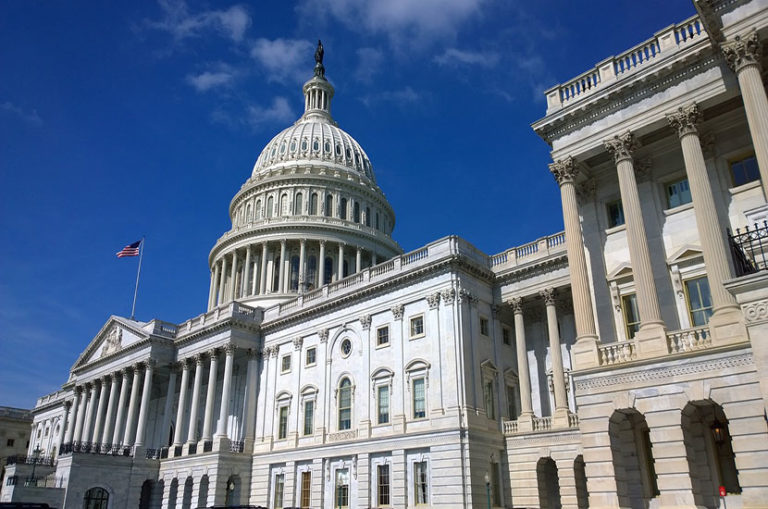
A shift in control of even one chamber could change committee leadership, hearing agendas and investigative priorities. Each chamber can conduct authorized oversight without the other passing a bill. Subpoena authority depends on the committee’s jurisdiction, authorization and rules; a letter from an individual lawmaker is not equivalent to a committee subpoena.
Oversight can establish facts and put officials’ explanations on the public record. Its potential consequences include agency corrections, new reporting requirements, spending proposals and evidence that informs later legislation. Announcing an investigation does not establish that any of those consequences has occurred.
| Tool | What it can produce | What determines its effect |
|---|---|---|
| Hearings and testimony | Public explanations, contradictions and commitments | Witnesses, testimony, responses and follow-through |
| Document requests and subpoenas | Records about decisions, operations or contracts | Authority, compliance, objections and disclosure |
| GAO and inspector-general work | Audits, findings and recommendations | Report scope, agency response and implementation |
| Spending oversight | Scrutiny of costs and proposals for conditions or changes | Proposed text versus enacted restrictions |
| Investigative reports and referrals | Findings and requests for further action | Evidence, recipient response and actual outcome |
Framework source: Congressional Research Service, Congressional Oversight Manual, updated March 27, 2026 (government-authored report reproduced by EveryCRSReport).
A valid congressional subpoena generally requires compliance absent a sufficient privilege or other legal justification. Executive-privilege disputes, negotiations and litigation can delay production. Criminal contempt referrals depend on executive-branch prosecution; civil enforcement relies on courts and can raise jurisdictional and separation-of-powers issues. Neither is a guaranteed fast route to disclosure. Source: CRS, Congressional Subpoenas: Enforcing Executive Branch Compliance.
In its September 24, 2026 report, GAO found deficiencies in ICE’s planning for detention expansion and recommended a comprehensive strategic plan. DHS agreed, with completion anticipated by August 31, 2027. A future committee could ask what has changed and whether the recommendation was implemented. The report is an existing finding, not proof that a future congressional investigation has begun. Source: GAO-26-108663.
Rep. Robert Garcia, the top Democrat on House Oversight, has said that ICE and DHS abuses need to be investigated (Yahoo News, citing his October 20 CNN interview). TIME reports that he previously said he would lead investigations into ICE’s conduct if Democrats won (TIME). These are stated intentions. No new-Congress investigation has been opened, and committee leadership is not yet set.
In a pre-election analysis, Brookings argued that a blue wave was unlikely to produce a major shift in ICE activity, citing executive authority and nearly $240 billion in immigration funding approved through reconciliation in 2025 and 2026. The authors suggested that major changes may have to wait until after 2028.
Potential subjects include detention conditions and medical care; enforcement decision-making; contracting and technology procurement; compliance with court orders; citizenship and visa-processing practices; and the quality of agency data. These are potential subjects, rather than an announcement that a particular committee has opened an investigation. HLG’s ICE contractor resource supplies related background; commercial participation alone does not establish misconduct.
Possibly, if findings lead an agency to revise practices or lead to enforceable legislation, contract action or judicial relief. That is a conditional pathway, not an automatic consequence. Hearings can also produce disclosure without a policy change. A committee cannot itself grant a green card, release a detainee, decide a removal case or issue a judicial injunction.
An investigation becomes consequential through the records it uncovers, the findings it establishes and the actions that follow. Public attention alone does not establish a change in enforcement.
A committee finding or referral does not itself establish criminal liability. Any prosecution and adjudication require separate lawful processes. An allegation, a congressional finding, a referral for prosecution, a criminal charge and a final judgment represent different stages; readers should not treat them as equivalent.
Democratic control of a chamber could bring more immigration investigations and public scrutiny of the administration. Whether those investigations change enforcement or processing will depend on the evidence uncovered and the agency decisions, legislation or court orders that follow. Their longer-term political significance is central to Richard’s forecast for reform in 2029.
THE POLICY WATCHLIST
These outlooks address the period through December 31, 2027. “Likely” means the stated direction is the working expectation; “uncertain” means the available evidence does not support a clear direction; “unlikely” means a substantial obstacle remains. These terms are not numerical probabilities. Confidence describes the strength of the assessment, rather than the desirability of an outcome.
Likely: continued enforcement capacity across all four scenarios. Confidence: moderate.
Existing multiyear appropriations provide a reason to expect operational continuity. Opposition control could increase scrutiny and bargaining pressure, but the extent of any operational effect remains uncertain.
Next signals: Watch new spending legislation, enacted rescissions or conditions, agency operating plans and applicable court orders. Arrests, detention population and completed removals measure different aspects of enforcement.
Practical meaning: Families should continue to respond to actual notices and hearing dates. An election forecast is not evidence that a removal case has stopped.
Uncertain: material employer-friendly statutory expansion by the end of 2027. Confidence: low.
A bipartisan workforce agreement is a possible route, but chamber control cannot establish agreement on visa numbers, selection criteria or protections. Administrative changes may move on a different timetable from Congress.
Next signals: Watch introduced text, committee action, cross-party sponsorship, Federal Register rules and court decisions. The scope and effective date of an H-1B change determine whom it affects.
Practical meaning: Employers and professionals should assess sponsorship, status expiration and travel using currently applicable rules. Do not plan employment around an anticipated reform.
Unlikely: an election result alone produces immediate backlog relief. Confidence: high.
The Department of State’s Visa Bulletin operates within a statutory allocation framework. Substantial legislative relief would need an enacted mechanism; monthly movement and processing changes must be measured separately.
Next signals: Track the monthly bulletin, USCIS chart selection, actual processing measures and legislation addressing visa availability. The direction of an individual category can differ from the national political narrative.
Practical meaning: Check the applicable category and priority date. A forecast for Congress cannot establish whether a visa is available.
Uncertain: direction and durability of relief through 2027. Confidence: low.
Asylum, TPS, DACA and parole involve different legal authorities and affected groups. Treating them as one policy forecast would conceal important differences and litigation risks.
Next signals: Program announcements, country designations and court orders can affect different groups on different dates. Current eligibility depends on the specific program and applicable order.
Practical meaning: Individuals need program-specific advice on eligibility, renewals and work authorization. A ruling affecting one group may not cover another.
Likely: continuing public and legal attention. Confidence: moderate.
DOJ’s October 5 announcement of 40 denaturalization actions is evidence of enforcement activity. It does not establish final judgments, a population-wide risk estimate or the outcome of any individual case.
Next signals: N-400 receipts, completions, denials and pending inventory show different aspects of naturalization processing. In denaturalization cases, a filed action is different from a final judgment.
Practical meaning: Applicants with criminal, disclosure or prior immigration issues should obtain individualized review. Political criticism and a filed complaint are not substitutes for the applicable legal standard.
This card addresses the period through 2027. Richard’s separate high-probability reform forecast concerns 2029, after the 2028 elections.
Unlikely: a sweeping package by the end of 2027 on the evidence assembled here. Confidence: low.
A congressional election can change incentives and the negotiating agenda, but does not establish a cross-party coalition, presidential agreement or an implementable package. A viable coalition and a concrete legislative agreement would improve that outlook.
Next signals: Watch actual legislative text, committee votes, named negotiators, leadership commitments and a credible route through both chambers. Targeted bills may progress independently of a comprehensive deal.
Practical meaning: No one should pay a registration fee, abandon an existing option or assume work authorization based on a proposed legalization program.
Uncertain: meaningful, sustained processing relief by the end of 2027. Confidence: low.
Legal eligibility and practical access are separate questions. A person may have a potential immigration pathway yet face a long USCIS queue, an unavailable interview, administrative processing or a restriction on visa issuance or entry. Congressional oversight could examine these barriers, but does not itself resolve them.
Next signals: Comparable processing data, interview availability, announced holds, travel restrictions and operative court orders will show whether access is improving.
Practical meaning: Identify the particular barrier before choosing an inquiry, expedite request, exception request or litigation strategy. See the delay and litigation framework below.
Sources for these outlooks: detention appropriation; November 2026 Visa Bulletin; DOJ’s October 5 announcement. The outlooks describe possible developments; the linked sources document the specific laws, reports and announcements discussed.
LEGAL ELIGIBILITY & PRACTICAL ACCESS

A major immigration policy question is whether people can actually use the legal pathways available to them. Delayed decisions can separate families, disrupt employment and leave travel plans unresolved. The administration of legal immigration is therefore as consequential to many families and employers as deportation policy or legislative reform.
“Slow-walking” describes a concern worth investigating; a long wait alone does not establish intentional obstruction. Pending inventory, receipts and completions, comparable processing periods, staffing information and documented policy changes can help explain a delay. Resource constraints, case-specific review and a confirmed processing hold require different responses. USCIS provides processing-time information and an e-Request system; an agency inquiry threshold is not, by itself, a judicial determination that a delay is reasonable.
| Barrier | Information that helps explain the barrier | Question for the affected person |
|---|---|---|
| USCIS adjudication delay | Form, category, office, receipt or interview date, comparable processing data and inquiry history. | Is an inquiry or supported expedite request appropriate, and does counsel see a viable delay claim? |
| NVC or embassy interview queue | Case stage, document completion, visa availability and post-specific scheduling information. | Is the obstacle missing information, visa numbers or appointment capacity? |
| INA 221(g) refusal and administrative processing | Refusal date, requested documents, submission evidence and subsequent communications. | Does the applicant need to act, or is further government review pending? |
| Visa-issuance or entry restriction | Controlling instrument, effective date, affected nationality and visa category, exceptions and applicable judicial relief. | Does this particular restriction cover the person, document and proposed journey? |
| Litigation | Court, docket, challenged action, latest order, appeal or stay, covered parties and implementation evidence. | Does operative relief actually cover this person and this barrier? |
The State Department explains that a 221(g) refusal may later be reconsidered after requested information is provided or administrative processing is resolved. It remains a refusal while unresolved; it should not be described as an approval awaiting printing. Administrative-processing duration varies by case.
Illustrative situation — not an HLG client account
Imagine a spouse whose immigrant petition is approved. The family still needs to know whether the case is ready for an interview, whether a visa is available, whether additional documents are required, and whether a separate issuance restriction applies. If the case later enters administrative processing, that introduces another question. “The petition was approved” does not identify which remaining step is blocked.
The practical starting point is a case timeline: what was filed, what was decided, what was requested, what was submitted, and which office has the next action. That record helps counsel select a response instead of treating every delay as the same problem.
Different travel restrictions can have different coverage and exceptions. State’s guidance on Presidential Proclamation 10998 describes restrictions on visa issuance and entry, with defined coverage and exceptions. An approved petition does not by itself answer whether a visa can be issued or the traveler can be admitted.
One example shows why current legal status matters: State’s August 28, 2026 update says the January immigrant-visa issuance pause affecting nationals of 75 countries was no longer in effect as of August 21, in accordance with the order in CLINIC et al. v. Rubio et al. This reports State’s implementation statement; the underlying order and docket must be checked before assessing any individual’s coverage. It does not establish that separate proclamation restrictions ended or that every affected case was completed.

Potential routes include mandamus and an Administrative Procedure Act unreasonable-delay claim. 5 U.S.C. § 706(1) authorizes a reviewing court to compel agency action unlawfully withheld or unreasonably delayed, subject to applicable limits. Whether a claim can proceed depends on the action sought, the agency’s legal duty, jurisdiction, governing precedent and the case record. Asking a court to require action is different from obtaining an order approving the benefit.
Visa litigation also encounters limits on review of consular decisions. The Supreme Court’s Department of State v. Muñoz decision illustrates those barriers; a delay lawsuit requires analysis of the particular claim and controlling law. Filing a complaint does not guarantee an interview, decision, visa or favorable outcome.
Oversight could seek records about processing holds, screening policies, staffing, interview capacity and the implementation of court orders. Hearings and document production could help establish whether delays reflect capacity constraints, individual review or a documented policy choice. That evidence may inform legislation or litigation, but a committee cannot adjudicate an individual application or erase a travel restriction through a hearing.
The key question through the end of 2027 is whether applicants experience sustained improvement in their particular category or consular post. A policy announcement matters most when it produces lawful access, completed decisions or shorter waits.
Never ignore a notice from immigration court, ICE or USCIS. Have it reviewed promptly, calendar every deadline, and respond or appear as required—even if you believe the notice is a mistake. Follow embassy document requests too. An election forecast, congressional inquiry or filed lawsuit should never be treated as a substitute for complying with an operative notice or order.
For Cleveland, Columbus and other communities, national immigration decisions affect families, hiring, international students, business formation and local institutions. Richard’s reform outlook connects those local interests to a national question: whether the political response to aggressive enforcement can produce a system that better serves communities and employers.
Democrats are projected to win both the House and Senate, based on AP calls reported by TIME. The new Congress begins January 3, 2027. Some races remain uncalled and official results are still to come.
No. Current laws, ICE operations, USCIS rules, court dates and filing deadlines remain in effect unless a specific law, rule or court order changes them. Keep following every notice and deadline. For case-specific advice, book a consultation or call 216-696-6170.
Amy Acton is the projected winner. Her election does not itself change federal enforcement or any existing state agreement. This page will record any state action after she takes office.
No election result itself suspends immigration enforcement. Congressional oversight and legislation could affect policy, but the actual consequences depend on enacted changes, executive decisions and court rulings.
A political forecast cannot determine the best filing strategy. Evaluate existing eligibility, deadlines, risks and alternatives before making a decision.
No. The displayed percentages come from a named external model and a dated snapshot. The policy assessments, including Richard’s 2029 reform forecast, are separate political judgments.
Congress can oversee ICE through appropriately authorized committees and can legislate within its constitutional powers. Committee jurisdiction and rules matter. A congressional investigation is different from supervising an individual ICE operation or deciding a person’s case. See the congressional oversight section above.
Public findings may identify information relevant to a case, but they do not replace individualized evidence or a legal remedy. Any resulting agency action or court order must be examined to determine whether it applies to the affected person.
No. A change requires a relevant legal or administrative action with an applicable effective date. Campaign statements, hearings and political forecasts do not themselves change eligibility. For a current example of how election-policy tools can affect naturalized citizens, see HLG’s 2026 guide to naturalized citizens flagged as noncitizens.
Journalists can follow the linked primary sources and identify the date and author of any assessment they cite. For comment, contact Richard T. Herman, Esq. at richard@lawfirm4immigrants.com or 216-696-6170.
Election probabilities: The displayed percentages come from the named provider and dated snapshot. They measure election outcomes, not the likelihood of immigration reform or the result of an individual case. No combined model or consensus probability is presented.
Richard’s analysis: The 2029 reform forecast is his political judgment. The seven near-term outlooks address a different horizon: the end of 2027. Terms such as “likely,” “uncertain” and “unlikely” describe those assessments without assigning numerical probabilities.
Legal status: Campaign promises, introduced bills, enacted laws, agency guidance and court orders have different effects. A government announcement states the agency’s position; an allegation is not a finding of misconduct. The cited source, effective date and coverage matter.
Coverage and updates: This page is intended to follow the 2026 congressional and governor election outcomes, the transition and the immigration decisions that follow, including Democratic oversight where Democrats win control. The current edition adds election results as of November 4, 2026; candidate positions were reviewed October 25, 2026. Updates are manual and dated; no automatic results feed or continuing monitoring has been activated.
This resource provides general information and political analysis. It does not determine individual eligibility or replace case-specific legal advice.