


Naturalization & Citizenship services
HERMAN LEGAL GROUP · CITIZENSHIP SERVICES
N-400 Denial Lawyer for Citizenship Problems
Help with citizenship RFEs, interview problems, delayed decisions and the next step after a denial. For advance preparation, see our USCIS interview preparation lawyer service.
For the broader citizenship framework, see HLG’s Naturalization Lawyer for N-400 and Citizenship Cases page.
Herman Legal Group helps applicants understand what went wrong, organize the relevant evidence and choose a response. If USCIS has already denied your application and you need details about a hearing, go directly to our N-336 hearing and naturalization appeal service. This page helps you identify the appropriate path across the broader range of N-400 problems.
What kind of N-400 problem are you facing?
| What you received or experienced | What needs attention |
|---|---|
| A rejected filing | Correct the filing defect and confirm a properly accepted application. A rejection and a decision denying eligibility are different. |
| An RFE, N-14 or other evidence request | Identify every requested item, the response instructions and the deadline. Explain missing or inconsistent records with supporting evidence. |
| A notice of intent to deny (NOID) | Address the stated grounds and adverse information before USCIS makes its decision. A NOID is not yet a final denial. |
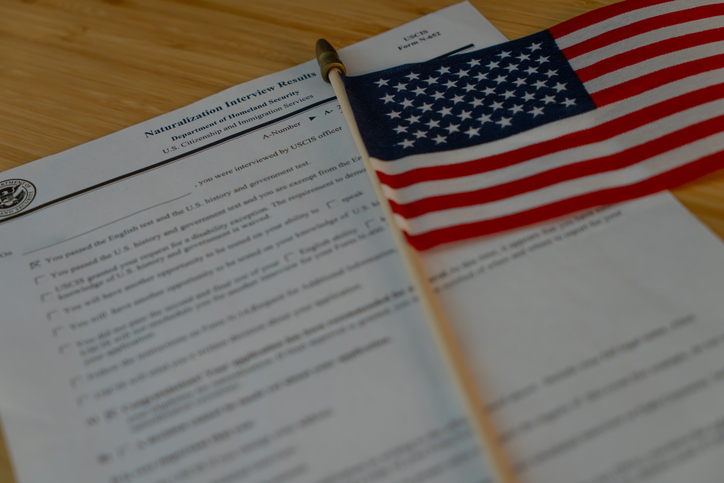
| “A decision cannot yet be made” after the interview | Read the interview result and any follow-up notice. The application may still be pending. Passing the tests does not resolve every eligibility issue. |
| A written N-400 denial | Review the short N-336 filing window immediately and compare hearing review with other options. |
| No decision after the naturalization examination | Review the examination date, procedural history and possible relief under 8 U.S.C. § 1447(b). |
| Citizenship already granted, now challenged | Use our denaturalization defense service. This is a different legal process. |
USCIS can continue an examination to permit an applicant to address deficiencies. The written request matters more than an informal description such as “my interview went badly.” See 8 CFR 335.3 on naturalization decisions and continued examinations.
What should you do first?
- Preserve the complete notice. Keep all pages, the envelope, online-account messages and the date of any service on your attorney. Tell HLG if a deadline or appointment is close.
- Make a short case timeline. Include filing, biometrics, interviews, requests, responses and address changes. Identify exactly what remains pending.
- Collect the version USCIS received. Compare your submitted N-400 and prior immigration filings with the records now being requested.
- Get the response route checked before sending more information. A new application, an N-336 request, a records request and a court action serve different purposes. Booking an appointment or requesting your file does not preserve a filing deadline.
Common reasons citizenship cases become complicated
Travel, continuous residence and physical presence
A person can hold a green card and still fail a naturalization residence requirement. Continuous residence and the number of days physically present in the United States are separate questions. Review exact departure and return dates, where you actually lived, and any applicable exception. Certain extended absences can create a presumption of disrupted residence; absences of a year or more generally present a different problem. The residence regulation explains the rules and relevant evidence.
Criminal history and good moral character
An arrest, dismissed charge, conviction and completed sentence are not interchangeable. Obtain the actual court disposition and sentencing record rather than relying on a background-check summary. USCIS may also examine tax compliance, support obligations and statements under oath. Some issues are tied to the statutory review period; others can have lasting consequences. The good-moral-character regulation permits consideration of earlier conduct in specified circumstances. HLG’s crimmigration service addresses the overlap between criminal records and immigration status.
A November 2026 USCIS memo also directs officers to examine child support, I-864 and I-134 sponsor obligations and public benefits use. See our guide to good moral character memo PM-602-0201.
The N-400 also asks about crimes you committed but were never arrested for. In October 2026 a former Canton doctor was convicted of naturalization fraud for answering “no” to that question; see the Canton naturalization fraud case.
Questions about the original green card or earlier filings
Naturalization requires lawful admission for permanent residence. An old approval does not settle every question about whether the underlying legal requirements were met. Allegations involving a prior marriage, asylum claim, identity, employment petition or omitted immigration history need a careful comparison of the complete record. See 8 U.S.C. § 1429. Do not assume that withdrawing the N-400 will erase information already provided to the government.
Automated vetting now compares the N-400 with every earlier filing, so old discrepancies surface quickly. See our guide to inconsistent answers and AI vetting. If you have not filed yet, an immigration history audit can find these problems first.
English, civics and disability-related issues
If USCIS questioned a medical disability certification or the applicant needs an exception, our N-648 medical disability waiver lawyers review the certification, USCIS policy and available responses.
Failing part of the test at the first interview generally leads to a second opportunity under the testing rules, rather than an immediate final denial for that failure alone. 8 CFR 312.5 generally places reexamination between 60 and 90 days after the first examination, subject to its exceptions. The applicable test version, age-based exceptions, accommodations and a possible Form N-648 medical disability exception require separate review. An N-648 is not a waiver of all naturalization requirements.
Marriage-based eligibility, pending I-751 and changed circumstances
A pending I-751, separation, divorce, changed residence or other development can affect how a citizenship case should proceed. The filing basis and relevant dates matter. Bring the marriage and immigration records so counsel can evaluate whether the original basis remains available and what must be resolved first. Our naturalization service covers eligibility and application planning.
How should you respond to an N-400 RFE or NOID?
Build the response around the notice. For each request or allegation, identify the fact USCIS needs established, the supporting record and any explanation needed to connect them. A large packet without a clear connection to the issue can leave the central question unanswered.
- Use the actual response deadline and submission instructions. Do not assume all USCIS notices allow the same number of days.
- Include complete, legible records and required translations; identify which exhibit answers each point.
- Explain discrepancies truthfully. Do not replace an earlier answer with a different account without addressing the inconsistency.
- Keep the full response and delivery or online-submission confirmation.
- Seek prompt advice if an allegation concerns fraud, unlawful voting, a false citizenship claim or eligibility for the original green card. See our fraud and misrepresentation allegations page.
If the notice requests information you cannot obtain, counsel can assess available secondary evidence and how to document the problem. For related procedures across immigration applications, see USCIS problems, denials and appeals.
N-400 denied: N-336 hearing, a new application or court review?
A denied applicant may request a USCIS hearing using Form N-336. 8 CFR 336.2 provides a 30-day period after receipt of the denial; service rules and the actual notice must also be reviewed. Do not assume a particular deadline by counting from when you opened the envelope. Get the decision reviewed promptly.
A hearing may be appropriate when USCIS overlooked evidence, made a factual mistake or applied the wrong legal rule. A later N-400 may be more appropriate when eligibility depends on a new filing date or a changed circumstance. Refiling does not erase the previous record or preserve the hearing deadline.
Our N-336 service page covers deadlines, hearing preparation, retesting, evidence, fees and what happens after the hearing. If the denial remains after the administrative hearing, 8 U.S.C. § 1421(c) provides a separate route for judicial review, subject to the applicable requirements. Federal-court representation needs its own scope and jurisdiction assessment.
Does an N-400 denial mean you lose your green card?
An N-400 denial does not by itself cancel permanent-resident status. The reason for the denial can nevertheless expose a separate immigration problem. Some criminal, fraud, voting or other facts may raise grounds for removal under 8 U.S.C. § 1227.
That distinction should guide the consultation: are we addressing only citizenship eligibility, or also a potential threat to permanent residence? Tell counsel about any Notice to Appear, immigration-court case or government investigation. An N-336 filing is not a general protection against removal.
What if USCIS has not decided your N-400?
If your interview occurred more than 120 days ago without a final decision, review our N-400 delay and 1447(b) lawsuit lawyer service for the federal-court option. Pre-interview delays and final denials follow different procedures.
First distinguish a delay before the examination from a delay after it. Under 8 U.S.C. § 1447(b), if USCIS fails to determine the application within 120 days after the examination conducted under the statute, an applicant may ask the appropriate federal district court to act. The court can decide the matter or return it to USCIS with instructions.
The 120-day clock is not measured from the date you filed N-400. Counsel must check the examination and jurisdictional facts. A case pending before the examination may require a different analysis, including whether an unreasonable-delay action is viable. Neither an inquiry nor litigation guarantees approval. See our USCIS delay and mandamus service.
If a notice refers to a policy hold, security review or court order, bring that notice. Whether a particular policy or order applies requires a current, case-specific review; a national pending-case count cannot answer that question.
How Herman Legal Group can help
Our first task is to identify the decision you need to make. We review the notice, the submitted record, the relevant dates and any consequences beyond the N-400. Depending on the agreed representation, assistance may include:
- Reviewing a citizenship RFE, NOID, interview result or denial.
- Organizing an evidence response and explaining inconsistent or incomplete records.
- Preparing for a follow-up interview or assessing a testing or disability issue.
- Comparing N-336 hearing review, later refiling and available judicial remedies.
- Evaluating delay, permanent-residence risks and coordination with other counsel.
An initial consultation is useful when you need a strategy decision. If you have prepared a packet and want an attorney to examine it with you, consider immigration document review. Review the service description before booking: an appointment does not automatically include advance file review, response preparation, hearing attendance or litigation.
What to bring to your consultation
- Every page of the USCIS notice, delivery evidence and any upcoming deadline.
- The filed N-400, supporting exhibits, interview results and previous responses.
- Your green card, relevant passports and a dated travel history.
- Prior immigration applications and approvals relevant to the problem.
- Issue-specific records such as certified criminal dispositions, tax transcripts, support records, marriage documents or medical-exception materials.
Do not delay deadline review while waiting for every record. Tell us what is missing and what you have already requested. A USCIS Freedom of Information Act (FOIA) request may help obtain immigration records, but it does not extend an N-336 or notice-response deadline.
Citizenship help in Cleveland, Columbus and beyond
HLG has a Cleveland headquarters and a Columbus-area office in Worthington. Remote consultations are available for applicants elsewhere. USCIS representation, travel to an interview and any federal-court appearance depend on the facts, attorney availability, admission requirements and the agreed engagement. Find related records and preparation resources in our Citizenship & Green Card Maintenance hub.
Common questions
Is an N-14 or “decision cannot yet be made” a denial?
Not necessarily. An N-14 can request additional information, and an interview result can leave the application pending. Read the actual notice and respond to any instructions. A written denial raises a different response route and deadline.
Can I file a new N-400 immediately after a denial?
There is no single waiting period that fixes every denial. Whether a new application is appropriate depends on the reason for denial, the applicable eligibility dates and any permanent or continuing issue. A new filing also does not preserve the N-336 hearing deadline.
Can you review a case filed by someone else?
Yes. Bring the submitted application and complete USCIS correspondence. HLG can assess a case you filed yourself or with another representative, subject to conflicts and the agreed scope.
Should I wait for my complete immigration file before getting help?
Not if a response or hearing deadline is approaching. A records request may help reconstruct the case, but it does not pause the deadline. Start with the notice and the documents you already have.
Does passing the citizenship test mean USCIS must approve me?
No. English and civics are only part of the naturalization review. USCIS must also determine that the other applicable requirements are satisfied. Keep following case notices through the oath process.
General information, not advice for a particular case. Requesting a consultation does not establish representation, file a response or extend a deadline.
Fees: A one-hour consultation with an HLG immigration attorney is $245. A one-hour attorney document review is $595. Book a consultation.