
Quick Answer
Consult a youngstown ICE detention lawyer for effective representation.
If you need assistance, contact a youngstown ICE detention lawyer for expert guidance.
Finding a qualified youngstown ICE detention lawyer can significantly impact your case.
When someone is detained by ICE in Youngstown, Ohio, families are often thrown into chaos: multiple facilities, multiple agencies, a confusing court system, and urgent legal deadlines. What makes Youngstown detention particularly challenging is that many detainees are denied bond not because they are dangerous or a flight risk, but because ICE claims the immigration judge has “no jurisdiction” to even hold a bond hearing.
Having a youngstown ICE detention lawyer on your side is crucial for timely action.
A youngstown ICE detention lawyer can help navigate the system effectively.
When facing ICE, having a youngstown ICE detention lawyer ensures your rights are protected.
This article is designed to be the definitive, Ohio-specific resource on:
-
Which facilities hold ICE detainees in the Youngstown area
-
How to locate a detainee quickly (even after transfers)
-
How phone, mail, and visitation typically work
-
How to pursue immigration bond through Cleveland Immigration Court
-
What to do when a judge says “no bond jurisdiction” (often in EWI cases)
-
How to file federal habeas corpus under 28 U.S.C. § 2241 in the Northern District of Ohio
-
The most important national development: the Maldonado Bautista v. Santacruz class action and Final Judgment declaring covered detainees are under § 1226(a) (bond-eligible), not § 1225(b)(2) (mandatory detention)
If your loved one is detained in Youngstown (NEOCC or Mahoning County Justice Center), you can speak with Herman Legal Group here:
Book a consultation
If you need legal assistance, consider consulting a youngstown ICE detention lawyer who can guide you through the complexities of the system.
A youngstown ICE detention lawyer will provide invaluable assistance throughout the legal process.
Consulting a youngstown ICE detention lawyer can provide clarity in complex cases.
Consulting with a youngstown ICE detention lawyer is essential for understanding your options.

1) Where ICE Detainees Are Held in Youngstown
A youngstown ICE detention lawyer can assist in understanding your rights.
Contact a youngstown ICE detention lawyer if you have questions about your case.
“ICE detention in Youngstown” usually means one of two locations.
A) Northeast Ohio Correctional Center (NEOCC) — Youngstown
Engaging a youngstown ICE detention lawyer can help you navigate your rights.
2240 Hubbard Road, Youngstown, OH 44505
NEOCC publishes facility rules and contact procedures in its facility document:
Northeast Ohio Correctional Center Facility Information (CoreCivic PDF)
The Ohio Department of Rehabilitation and Correction lists NEOCC here:
Northeast Ohio Correctional Center (Ohio DRC)
B) Mahoning County Justice Center — Youngstown
110 Fifth Avenue, Youngstown, OH 44503
Mahoning County jail information is here:
Mahoning County Inmate Information
Mahoning County’s public inmate search portal is here:
Mahoning County Public Inmate Lookup
Important: ICE detainees can be moved with little notice. Families should assume transfers can occur at any time, especially after court hearings, medical visits, or classification changes.
2) How to Find Out Where Someone Is Detained (Fast)
Step 1: Use ICE’s Online Detainee Locator
The first place to check is ICE’s public locator:
ICE Online Detainee Locator System
Best practice: Use the A-number + country of birth. Name searches frequently fail due to spelling variations, hyphens, accents, and data entry errors.
If the person was detained in the last day or two, the locator may not update immediately. In that window, you may need to call.
Step 2: Confirm via ICE’s facility pages
NEOCC ICE listing:
ICE – Northeast Ohio Correctional Center
Mahoning County Justice Center ICE listing:
ICE – Mahoning County Justice Center
Have ready:
-
Full legal name
-
Date of birth
-
A-number (if known)
-
Country of birth
-
Date of arrest and arresting agency (ICE, local police, state troopers, etc.)
Step 3: Check county jail tools when relevant
If the person is suspected of being at Mahoning County, use:
Mahoning County Public Inmate Lookup
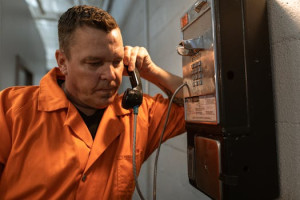
3) How to Talk to a Detainee (Phones and Accounts)
Phone systems can differ by facility and can change. One commonly used service portal for NEOCC communication is:
ConnectNetwork – NEOCC (ICE)
Practical tips:
-
Expect outgoing calls only; detainees typically cannot receive direct inbound calls.
-
Ask the detainee what system is being used and whether you must pre-fund an account.
-
Keep a running “detainee file”: A-number, facility, booking date, housing unit (if available), attorney contact, Cleveland court date, and key documents.
4) How to Mail Documents or Personal Items
Mailing to NEOCC
NEOCC’s facility document includes mail rules and required addressing format:
NEOCC Mail Policies (CoreCivic PDF)
Use this standard addressing format:
Detainee Full Name + Registration Number
Northeast Ohio Correctional Center
2240 Hubbard Road
Youngstown, OH 44505
Common pitfalls:
-
Missing the registration/A-number can delay or block delivery.
-
Books and magazines often must be shipped directly from publishers or approved retailers (review facility rules before ordering).
Mailing to Mahoning County Justice Center
Start with county guidance here (then confirm ICE-specific restrictions by calling the facility):
Mahoning County Inmate Information

5) How Visitation Works (NEOCC and Mahoning)
Visiting at NEOCC
NEOCC’s visitation guidance appears in its facility documentation:
NEOCC Visitation Policies (CoreCivic PDF)
Before traveling, confirm:
-
Whether visits are in-person or video
-
Whether appointments are required
-
Visitor ID requirements
-
Dress code rules
-
Whether ICE detainees have separate procedures
Visiting at Mahoning County
Mahoning County visitation info:
Mahoning County Visitation

6) The Youngstown Bond Crisis: Why People Are Denied Bond “For Jurisdictional Reasons”
Families often seek help from a youngstown ICE detention lawyer for effective representation.
Families often rely on a youngstown ICE detention lawyer for effective representation.
Families often assume “bond denied” means the detainee is considered dangerous. In many Youngstown cases, that’s not what happened.
Instead, ICE claims the detainee is held under a detention statute that makes the person ineligible for bond, and the immigration judge agrees they lack authority to hold a bond hearing.
The battle usually turns on which statute governs detention:
-
Bond-eligible discretionary detention:
8 U.S.C. § 1226 -
Mandatory detention for certain “applicants for admission”:
8 U.S.C. § 1225
Why this hits “EWI” detainees so hard
ICE has argued that people who entered without inspection (“EWI”) are treated as “applicants for admission” and therefore fall into § 1225(b)(2) mandatory detention. Immigration judges have sometimes relied on the BIA decision:
Matter of Yajure Hurtado (BIA 2025)
When the judge says “no bond jurisdiction,” the case often shifts into federal court via habeas corpus.
7) Cleveland Immigration Court: How Youngstown Detainees Get Bond Hearings (When Bond Is Available)
Youngstown detainees typically litigate custody in Cleveland Immigration Court.
Court information:
Cleveland Immigration Court (EOIR)
Check case status here:
EOIR Automated Case Information (ACIS)
What you’re trying to secure is a custody redetermination hearing (bond hearing) under § 1226(a) when available:
8 U.S.C. § 1226(a) (Cornell LII)
8) Winning Bond Hearing Strategy in Cleveland Immigration Court (Practical, Evidence-Driven, and Built for Real Outcomes)
If bond jurisdiction exists, you should treat the bond hearing like a mini-trial: the judge is deciding whether the detainee can safely be released and whether the person will come back to court.
A) Build a “Bond Packet” that answers the judge’s questions before they ask them
The judge is evaluating two core issues:
-
Danger to the community
-
Flight risk
Your bond packet should be organized and indexed, with the most persuasive items first.
1) Proof of Ohio community ties (reduce flight risk)
Include:
-
Marriage certificate, children’s birth certificates
-
Proof of stable residence (lease, mortgage, utility bills)
-
Letters from family, clergy, employers, and community members (signed, dated, specific)
-
Evidence of long-term presence in Ohio (tax filings, medical records, school records)
2) Employment and financial stability (reduce flight risk)
Include:
-
Employer support letter (job title, wages, schedule, and confirmation of employment)
-
Pay stubs (recent)
-
Proof of lawful or pending work authorization if applicable (do not guess; document it)
3) Criminal history documentation (control danger argument)
If there is any criminal history, do not minimize or omit it. Provide:
-
Certified dispositions
-
Proof of compliance with probation, court orders, treatment, counseling
-
Letters of rehabilitation and community support
-
Evidence showing charges dismissed or reduced (where true)
For those facing detention, hiring a youngstown ICE detention lawyer is essential.
To ensure a successful outcome, hiring a youngstown ICE detention lawyer is essential.
4) Medical and vulnerability evidence (humanitarian leverage)
If the detainee has serious medical issues, disabilities, or caregiving responsibilities, document:
-
Diagnoses
-
Treatment needs
-
Risk of harm in detention
-
Family dependency evidence
B.) Model Immigration Bond Packet (Cleveland Immigration Court) — Table of Contents
Use this as a practical structure for a bond hearing packet. The goal is to make it easy for the immigration judge to see: (1) the person will appear for court and (2) release is safe.
Cover Page
-
Detainee full name
-
A-number
-
Facility (NEOCC / Mahoning County Justice Center)
-
Hearing date/time (if set)
-
Counsel information
Exhibit Index (One Page)
A clean index with short exhibit descriptions.
Exhibit A — Identity and Case Snapshot
-
Copy of NTA
-
Any custody/bond orders
-
EOIR case status printout from EOIR ACIS
Exhibit B — Proof of Ohio Residence and Community Ties
-
Lease/mortgage
-
Utility bills
-
Sponsor ID + proof of address
-
Family relationship documents (marriage certificate, birth certificates)
Exhibit C — Employment and Financial Stability
-
Employer letter (job title, schedule, wages, return-to-work confirmation)
-
Pay stubs (recent)
-
Tax filings (if available)
Exhibit D — Character and Community Support Letters
-
Letters from clergy, community leaders, neighbors, family
-
Each letter should be signed, dated, and include contact info
Exhibit E — Criminal Dispositions (If Any)
-
Certified dispositions
-
Proof of compliance (probation completion, treatment programs)
-
Rehabilitation documentation
Exhibit F — Medical and Humanitarian Evidence (If Applicable)
-
Diagnoses and treatment records
-
Caregiving obligations (children, elderly parents)
-
Documentation showing detention-related medical risk
Exhibit G — Proposed Release Plan
-
Exact address upon release
-
Transportation plan for Cleveland hearings
-
Compliance plan (check-ins, reminders, counsel communications)
Model Sponsor Declaration (For Bond Hearing)
Declaration of Sponsor in Support of Immigration Bond
I, ____________________________, declare as follows:
-
Identity and relationship. I am ___ years old. I reside at ______________________________ in Ohio. I am the __________________ (relationship) of ____________________________ (detainee), A-Number __________________.
-
Housing and stability. If ____________________________ is released from ICE custody, they will reside with me at the address above. This is a stable residence, and I have authority to allow them to live here.
-
Support and supervision. I will provide housing and basic support. I will help ensure they attend all immigration court hearings in Cleveland and comply with any reporting requirements.
-
Transportation plan. I will provide transportation to Cleveland Immigration Court when required (or arrange reliable transportation). I understand hearing dates can change and I will monitor the schedule with counsel.
-
Compliance assurance. I understand the importance of court appearances. I will remind ____________________________ of all hearing dates and help coordinate communication with their attorney.
-
Contact information. I can be reached at:
Phone: ____________________________
Email: ____________________________
I declare under penalty of perjury that the foregoing is true and correct.
Date: ____________________
Signature: ______________________________
Printed Name: ___________________________
(Attach sponsor ID and proof of address as exhibits.)
C) Create a “Release Plan” that feels real (judges respond to structure)
Your release plan should include:
-
Exact release address (with proof)
-
Sponsor declaration (who will house the person and ensure compliance)
-
Transportation plan to Cleveland hearings
-
Compliance plan (check-ins, reminders, legal counsel contact)
D.) Cleveland Immigration Court: Bautista-Based Record Preservation and Bond Jurisdiction Arguments (Motion/Oral Argument Paragraphs)
Use case: The respondent requests a bond hearing or custody redetermination and ICE asserts detention is under INA § 235(b)(2) (8 U.S.C. § 1225(b)(2)), arguing the Court lacks jurisdiction. These paragraphs are drafted to preserve statutory classification arguments, invoke the Bautista framework, and build a clean record for federal habeas review if needed.
i) Framing the issue (opening paragraph)
Respondent respectfully requests an individualized custody determination and a bond hearing. ICE asserts Respondent is detained under INA § 235(b)(2) and that this Court lacks bond jurisdiction. Respondent contests that statutory classification. The correct detention authority is INA § 236(a) (8 U.S.C. § 1226(a)), which authorizes release on bond and requires an individualized custody determination. Compare 8 U.S.C. § 1225 with 8 U.S.C. § 1226.
ii) Interior arrest / posture facts that matter (tailor to case)
Respondent was arrested in the interior of the United States (including in Ohio), not at a port of entry. ICE served a Notice to Appear and placed Respondent in removal proceedings. Respondent is not seeking to relitigate the merits of removability through this custody request. The narrow issue is whether ICE has correctly identified the governing detention statute. Respondent’s detention posture is consistent with § 1226(a) custody and therefore warrants a bond hearing.
iii) Addressing Matter of Yajure Hurtado without overclaiming
Respondent recognizes that DHS and immigration courts have referenced Matter of Yajure Hurtado (BIA 2025) in custody jurisdiction disputes. However, Respondent preserves the argument that ICE’s reliance on § 1225(b)(2) here is a misclassification under the INA. The Court should make explicit findings on (1) which statute DHS claims governs custody and (2) whether the Court is denying jurisdiction based on that statute, so that the statutory basis for detention is clearly preserved.
iv) Bautista persuasive authority / class framework (tight paragraph)
A federal district court has rejected DHS’s broad application of § 1225(b)(2) mandatory detention to covered interior detainees and entered judgment declaring that covered detainees are detained under § 1226(a). See Maldonado Bautista v. Santacruz (Final Judgment) and the court’s Class Certification and Summary Judgment Order (PDF). While this Court is not bound by an out-of-circuit district court decision, Bautista is persuasive authority confirming that DHS’s categorical § 1225(b)(2) approach is legally defective in the interior-arrest context. Respondent requests the Court consider this authority in evaluating ICE’s asserted custody basis and the availability of a bond hearing.
v) Alternative request: custody findings + record preservation (if IJ insists no jurisdiction)
If the Court concludes it lacks bond jurisdiction, Respondent respectfully requests that the Court issue a written custody order or make oral findings on the record identifying:
-
the specific statutory authority ICE asserts for detention (including whether ICE is relying on § 1225(b)(2));
-
whether the Court’s denial is based on a conclusion that detention falls under § 1225(b)(2); and
-
whether the Court is relying on Matter of Yajure Hurtado or related authority.
These findings are necessary to preserve Respondent’s statutory challenge to ICE’s custody authority and to enable prompt federal review.
vi) Clean bridge to federal habeas (do not threaten; state procedural reality)
Respondent further notes that if the immigration court denies jurisdiction, Respondent will evaluate federal habeas review of detention authority under 28 U.S.C. § 2241 in the appropriate U.S. District Court, because the legality of continued detention under the correct statute presents a federal question appropriate for habeas review. See 28 U.S.C. § 2241.
vii) Requested relief (choose one or both; keep it crisp)
Accordingly, Respondent requests that the Court:
-
(1) recognize custody under § 1226(a) and schedule a bond hearing / provide an individualized custody determination; and/or
-
(2) if the Court denies jurisdiction, issue a clear custody order identifying the statutory basis ICE asserts and the legal grounds for the Court’s jurisdictional ruling, for record preservation.
viii) Optional one-liner for a written motion caption (if you want a heading)
Respondent’s Motion for Custody Redetermination and Record Preservation Regarding DHS’s Asserted § 1225(b)(2) Detention Authority
D) Preempt ICE arguments
ICE often argues:
-
Prior missed court dates
-
Prior orders of removal
-
Prior immigration violations
-
Weak ties or unstable residence
-
Public safety concerns
You counter with:
-
Documentation and context
-
Proof of stable supervision
-
Credible commitment to attend hearings (especially when represented)
E) Know the statutory fight is still relevant even at bond stage
If ICE is claiming § 1225 detention, preserve and document arguments showing why § 1226 should apply. This becomes crucial for habeas if bond is denied “for jurisdictional reasons.”
9) The Ohio Habeas Path: When the Judge Says “No Bond Jurisdiction,” Federal Court May Be the Next Move
Habeas corpus authority
Federal habeas corpus is governed by:
28 U.S.C. § 2241
For Youngstown detainees, habeas litigation often proceeds in the Northern District of Ohio:
U.S. District Court – Northern District of Ohio
The court provides a reference form (useful for structure even if you draft a lawyer-built petition):
N.D. Ohio § 2241 form (PDF)
Why habeas matters in Youngstown specifically
Northern District of Ohio has issued decisions ordering bond hearings in Youngstown-area detention scenarios.
A key Youngstown-based decision is Gonzalez Lopez, where the petitioner was detained at Mahoning County Justice Center and the court ordered a § 1226(a) bond hearing within a fixed timeframe or release:
Gonzalez Lopez v. Director of Detroit Field Office (N.D. Ohio, Nov. 25, 2025) (Justia Law)
Northern District of Ohio also has more recent filings and recommendations reflecting the same legal dispute (whether § 1225 or § 1226 governs) and emphasizing this is fundamentally a statutory-interpretation question appropriate for federal review. (Justia Dockets & Filings)
10) Step-by-Step Habeas Filing Guide for Youngstown Detainees (Northern District of Ohio)
This is written for clarity. In real cases, you should strongly consider counsel due to procedural pitfalls and the government’s aggressive defenses.
Step 1: Confirm venue and custody location
If detained at NEOCC or Mahoning County Justice Center, venue is generally Northern District of Ohio.
N.D. Ohio court website
Step 2: Identify the correct respondent(s)
In immigration habeas, the “proper respondent” fight can derail cases. Typically, petitions name:
-
The facility warden (immediate custodian) and/or
-
ICE/ERO officials responsible for the detention decision (often Detroit Field Office leadership)
Because this can be technical and fact-specific, counsel is advised.
Step 3: Draft the petition (structure that wins)
A strong petition generally includes:
(A) Jurisdiction section
Cite § 2241 and explain the petitioner is “in custody” and challenging detention legality.
28 U.S.C. § 2241
(B) Factual background
-
Arrest date and place
-
Facility history (NEOCC / Mahoning, transfers)
-
Removal case status (NTA, proceedings underway)
-
Custody decisions (IJ said no jurisdiction, parole denied, etc.)
(C) Claims for relief (common in Youngstown EWI cases)
-
ICE misclassified detention under § 1225(b)(2) rather than § 1226(a)
-
Denial of bond hearing is unlawful under the INA
-
Due process violation (especially with prolonged detention, lack of individualized review)
(D) Relief requested
You typically request:
-
An order requiring a bond hearing under § 1226(a) within a specific number of days, or
-
Release (or conditional release) pending the hearing, depending on the posture
Step 4: Attach exhibits (make the record undeniable)
Enlist the help of a youngstown ICE detention lawyer to prepare your case.
Strong exhibits include:
-
NTA
-
Custody redetermination request and IJ decision
-
Any BIA custody decision
-
ICE custody documentation / parole denial
-
Timeline exhibit (one page)
-
Proof of ties and proposed release plan (often used to justify interim release)
Step 5: File, pay fee, or seek fee waiver
Court’s practice can vary. If proceeding pro se, use the N.D. Ohio guidance and forms.
N.D. Ohio § 2241 form (PDF)
Step 6: Be ready for the government’s defenses
Common defenses include:
-
Mandatory detention under § 1225(b)(2)
-
Exhaustion arguments (you didn’t appeal to the BIA)
-
Jurisdictional arguments and respondent disputes
-
“This is an immigration matter barred by the REAL ID Act” (often contested depending on claim framing)
Your petition should anticipate these and frame the challenge as custody legality and statutory interpretation, not a direct challenge to removal.
11) The Biggest National Update: Maldonado Bautista (California) and What It Means for Youngstown Detainees
If your loved one is detained in Youngstown and the judge says “no bond jurisdiction” based on § 1225(b)(2), Maldonado Bautista is the most important case to know right now.
A youngstown ICE detention lawyer can provide invaluable support during the process.
What the federal court entered (Final Judgment)
The court entered a final judgment declaring that covered “Bond Eligible Class” members:
A youngstown ICE detention lawyer can provide critical guidance during this process.
-
are detained under 8 U.S.C. § 1226(a), and
-
are not subject to mandatory detention under § 1225(b)(2). (Justia Law)
You can review the final judgment here:
Order Granting Plaintiff’s Motion to Enforce Judgment (C.D. Cal, Febraury 18, 2026)
Maldonado Bautista v. Santacruz – Final Judgment (C.D. Cal., Dec. 18, 2025) (Justia Law)
Class certification + summary judgment materials are available here:
Amended Order Granting Class Certification and Summary Judgment (PDF) (Northwest Immigrant Rights Project)
The ACLU case hub also posts court documents:
Maldonado Bautista v. DHS – ACLU Case Page (American Civil Liberties Union)
Why this matters in Ohio
Youngstown detainees are often arrested inside Ohio, not at a border or port of entry. Maldonado Bautista directly targets DHS policy applying § 1225(b)(2) mandatory detention to certain interior EWI detainees (a key driver of “no bond jurisdiction” denials).
If facing detention in Youngstown, contact a youngstown ICE detention lawyer immediately.
The DHS policy at issue (why courts are fighting)
The case is widely described as challenging a DHS policy issued in 2025 instructing ICE to treat many EWI individuals as subject to § 1225(b)(2) mandatory detention. A case summary is available here:
Maldonado Bautista case summary (Civil Rights Litigation Clearinghouse) (Civil Rights Litigation Clearinghouse)
NWIRP also provides a practical advisory for seeking bond hearings post-Bautista:
NWIRP Practice Advisory on Maldonado Bautista (PDF) (Northwest Immigrant Rights Project)
The key strategic point for Youngstown families
If the person fits the class definition (which must be analyzed carefully), Bautista supports arguments that:
-
ICE is unlawfully categorizing detention under § 1225(b)(2)
-
The correct statute is § 1226(a)
-
The immigration court should hold a bond hearing, and federal habeas can be used when it does not
Always consult with a youngstown ICE detention lawyer when navigating complex cases.
Reality check: Ohio courts are not uniform
Ohio federal courts have not spoken with one voice on this issue. Some Northern District of Ohio decisions have ordered bond hearings. (Justia Law)
But Southern District of Ohio has issued decisions concluding certain detainees are properly detained under § 1225(b)(2) in specific circumstances.
For example, Judge Cole’s decision in Alcan reflects Southern District reasoning that § 1225(b)(2) can apply and expressly notes dismissal without prejudice if a petitioner wishes to seek relief as a potential Bautista class member. (Justia Dockets & Filings)
Southern District decisions referenced in Alcan include cases like Lucero (S.D. Ohio). (Justia Dockets & Filings)
What this means: Your strategy in Youngstown must be evidence-driven and posture-driven:
-
Are you challenging ICE’s classification?
-
Are you a potential Bautista class member?
-
Are you seeking a bond hearing order in N.D. Ohio?
-
Are you facing adverse S.D. Ohio precedent depending on detention location and case posture?
If you are detained, reach out to a youngstown ICE detention lawyer for assistance.
12.) Bautista Eligibility Checklist: Does Maldonado Bautista Apply to a Youngstown Detainee?
Why this matters: If ICE is detaining someone in Youngstown under INA § 235(b)(2) and Cleveland Immigration Court says “no bond jurisdiction,” the detainee may be eligible for relief under the nationwide class action judgment in Maldonado Bautista v. Santacruz.
Key court materials:
A) Quick Screening Questions (Yes/No)
A detainee is more likely to fall within the “bond-eligible” class framework when most of the following are true:
Contact a youngstown ICE detention lawyer if you have questions about your case.
-
Arrest location: The person was arrested inside the United States (for example, in Ohio), not at a port of entry.
-
Proceedings posture: ICE placed the person into removal proceedings (NTA issued) rather than simple border turn-back processing.
-
Detention statute used by ICE: ICE paperwork cites 8 U.S.C. § 1225(b)(2) (or states the person is an “applicant for admission” subject to § 235(b)).
-
Bond hearing denial: Cleveland Immigration Court denied a bond hearing because it lacked jurisdiction (often with references to § 1225(b) and/or Matter of Yajure Hurtado).
-
Continuing custody: The person remains detained at facilities like NEOCC or Mahoning County Justice Center while custody is treated as mandatory.
B) What to Pull from the File (Document Checklist)
To analyze class membership and enforceability, gather:
-
NTA (Notice to Appear) showing charging and procedural posture
-
ICE custody paperwork that shows the detention authority (look for § 1225(b)(2) references)
-
IJ custody order stating “no bond jurisdiction” (and any written reasoning)
-
Any BIA custody decision if a custody appeal was attempted
-
Detention timeline (arrest date, transfer dates, all hearing dates)
-
Facility confirmation (Youngstown location history)
C) How to Use Bautista Strategically in Ohio (Practical Moves)
Even though the judgment is from California, it can still be leveraged in Ohio cases:
-
In Cleveland Immigration Court: Cite the Bautista framework to challenge ICE’s § 1225(b)(2) classification and preserve the record for federal review. Use the class materials above to frame the dispute.
-
In Northern District of Ohio habeas: Use Bautista as persuasive authority and as a class-based legal framework supporting the argument that the correct detention statute is § 1226(a) rather than § 1225(b)(2).
-
If the person is not a clear class member: Bautista can still support the statutory argument that ICE’s post-2025 classification policy has been rejected by a federal court.
D) Caution: Not Every EWI Detainee Automatically Qualifies
Eligibility depends on the certified class definition and factual posture. Use the actual court order and advisory materials above, and consult counsel promptly.
If you need help with a Bautista analysis for a Youngstown detainee, schedule a strategy consult:
Book a consultation with Herman Legal Group
We recommend reaching out to a youngstown ICE detention lawyer for specialized assistance.
13.) Habeas Appendix: “Best Paragraphs” for Youngstown § 2241 Petitions in Northern District of Ohio
Purpose: These are model paragraphs you can adapt to your facts. They are written to fit the common Youngstown pattern: (1) detention at NEOCC or Mahoning, (2) Cleveland Immigration Court says “no bond jurisdiction,” (3) ICE claims § 1225(b)(2) mandatory detention, (4) petitioner argues § 1226(a) applies.
A) Jurisdiction and Nature of the Case (Model Paragraph)
Petitioner brings this action under 28 U.S.C. § 2241 to challenge the legality of ongoing immigration detention and to seek an order requiring an individualized custody determination. Petitioner is “in custody” within the meaning of § 2241 because ICE continues to physically confine Petitioner at a facility within the Northern District of Ohio. This petition challenges detention authority and the denial of a bond hearing—not the underlying merits of removal—and therefore is a proper exercise of habeas jurisdiction. See 28 U.S.C. § 2241 and the court’s habeas framework. A district court may grant conditional relief requiring a bond hearing within a specified period or release where detention is unlawful. See, e.g., Gonzalez Lopez v. Director of Detroit Field Office (N.D. Ohio, Nov. 25, 2025).
B) The Statutory Misclassification Claim (Model Paragraph)
ICE is detaining Petitioner under 8 U.S.C. § 1225(b)(2) by treating Petitioner as an “applicant for admission” subject to mandatory detention, and the immigration judge has concluded the court lacks bond jurisdiction on that basis. Petitioner contends this is a statutory misclassification. The correct detention statute is 8 U.S.C. § 1226(a), which authorizes release on bond and requires an individualized custody determination. This statutory dispute is central to the legality of continued detention and is appropriate for habeas review. Compare 8 U.S.C. § 1225 with 8 U.S.C. § 1226.
(Embedded statute links for reference: 8 U.S.C. § 1225 and 8 U.S.C. § 1226.)
C) Addressing “No Bond Jurisdiction” and Yajure Hurtado (Model Paragraph)
In custody proceedings, the immigration judge denied a bond hearing based on a conclusion that the court lacked jurisdiction, often associated with ICE’s reliance on 8 U.S.C. § 1225(b)(2) and the BIA’s reasoning in Matter of Yajure Hurtado (BIA 2025). The immigration court’s lack of bond jurisdiction, however, does not resolve the separate federal question presented here: whether ICE’s continued detention authority is lawful under the correct statute. Where § 1226(a) applies, the detainee is entitled to an individualized custody determination.
D) Using Maldonado Bautista as Persuasive Authority / Class Framework (Model Paragraph)
A federal district court has rejected DHS’s broad application of § 1225(b)(2) mandatory detention to covered interior detainees and entered judgment declaring the appropriate detention authority for class members is § 1226(a). See Maldonado Bautista v. Santacruz (Final Judgment) and the court’s Class Certification and Summary Judgment Order (PDF). Although this Court is not bound by a district court decision from another circuit, the judgment is persuasive and confirms the legal defect in ICE’s categorical reliance on § 1225(b)(2) to deny custody hearings for detainees arrested in the interior and placed into removal proceedings.
E) Requested Relief — Make It Specific (Model Paragraph)
Petitioner respectfully requests that this Court issue a conditional writ requiring Respondents to provide an individualized custody determination consistent with 8 U.S.C. § 1226(a) within a specific timeframe (e.g., 7–14 days), and to release Petitioner if such a hearing is not provided. This remedy is consistent with Northern District of Ohio precedent ordering a bond hearing within a fixed period or release. See Gonzalez Lopez v. Director of Detroit Field Office (N.D. Ohio, Nov. 25, 2025).
F) Exhibits Checklist (Quick Add-On)
Attach:
-
NTA
-
IJ custody order stating “no bond jurisdiction”
-
Any BIA custody decision
-
ICE custody paperwork reflecting § 1225(b)(2) basis
-
One-page detention timeline
-
Release plan + sponsor declaration
-
Proof of ties (residence, family, employment)
For structural reference, see the court’s N.D. Ohio § 2241 form (PDF).
14) What Families Should Gather Immediately (Bond + Habeas + Bautista Readiness)
If you want the fastest path to release, gather these immediately:
Ensure you have a youngstown ICE detention lawyer to guide you through every step.
Core identifiers
A youngstown ICE detention lawyer will help you understand the complexities of your case.
For support, engage a youngstown ICE detention lawyer who is experienced in these matters.
-
A-number
-
Full legal name, DOB, country of birth
-
Facility location and booking date
Immigration case documents
-
Notice to Appear (NTA)
-
IJ custody decision (especially if it says “no bond jurisdiction”)
-
Any parole or custody determinations
-
Any BIA custody decisions (if present)
Proof supporting bond
-
Lease/mortgage, utility bills
-
Employment letters and pay stubs
-
Sponsor letter + ID
-
Family letters and community support letters
-
Medical documentation
A one-page timeline
-
Arrest date
-
Transfers
-
First hearing date
-
Bond request date and denial date
-
Total detention time
15) What to Do Today if Your Loved One Is Detained in Youngstown
-
Locate them using the ICE Detainee Locator
-
Confirm if they are at NEOCC or Mahoning County Justice Center
-
Check Cleveland court case status via EOIR ACIS
-
Determine whether ICE is claiming detention under 8 U.S.C. § 1225 or 8 U.S.C. § 1226
-
If bond is available, build a winning bond packet and request hearing
-
If the judge says “no jurisdiction,” evaluate federal habeas in Northern District of Ohio and Bautista class strategy using the Final Judgment (Justia Law)
Consult a youngstown ICE detention lawyer to explore your legal options.
16) Contact Herman Legal Group (CTA)
Youngstown detention cases frequently require a blended strategy:
-
Cleveland Immigration Court custody litigation
Finding a youngstown ICE detention lawyer can greatly assist in your case.
-
Federal habeas corpus in Northern District of Ohio
-
Bautista class analysis and enforcement posture
-
Evidence-driven bond packet building
Speak with Herman Legal Group here:
Book a consultation
You may also find this Ohio-wide guide helpful:
ICE Detention in Ohio: How to File Habeas for Bond Hearings (Herman Legal Group LLC)
For the best outcomes, hire a youngstown ICE detention lawyer who understands the nuances of the law.
FAQ: Youngstown ICE Detention, Bond Hearings, Hurtado, Bautista, and Ohio Habeas
1) Where are ICE detainees held in Youngstown, Ohio?
Most commonly at:
- Northeast Ohio Correctional Center (NEOCC), 2240 Hubbard Road, Youngstown, OH 44505 (facility policies: CoreCivic NEOCC PDF)
- Mahoning County Justice Center, 110 Fifth Avenue, Youngstown, OH 44503 (county info: Mahoning County Inmate Information)
ICE can transfer detainees quickly, so confirm location before visiting or mailing.
2) How do I find someone detained by ICE in Youngstown?
Start with the official locator: ICE Online Detainee Locator
Best practice: search using the A-number + country of birth. Name searches often fail due to spelling variations.
3) What if ICE’s locator doesn’t show my loved one yet?
This is common in the first 24–48 hours after arrest or transfer. In that window:
- Keep trying the locator
- Call the facility where you believe they were taken (NEOCC or county jail)
- Gather the A-number (if available), DOB, and country of birth for faster confirmation
4) How do detainees make phone calls from NEOCC?
Phone systems change, but a commonly used portal for NEOCC is: ConnectNetwork – NEOCC (ICE)
Calls are typically outgoing only. Ask the detainee what vendor is currently active and whether you must fund an account.
5) How do I mail documents or letters to someone at NEOCC?
Use the addressing format and rules in the facility policies: NEOCC Mail Policies (PDF)
Typical format:
Detainee Full Name + Registration Number (A-number)
Northeast Ohio Correctional Center
2240 Hubbard Road
Youngstown, OH 44505
Always include the A-number when possible.
6) How do visitation rules work for Youngstown ICE detention?
Policies can change. Confirm rules before traveling:
- NEOCC: NEOCC Visitation Policies (PDF)
- Mahoning County: Mahoning County Visitation
7) Which court handles bond hearings for Youngstown detainees?
Most Youngstown detainees litigate custody through Cleveland Immigration Court: Cleveland Immigration Court (EOIR)
Check hearing dates and case status here: EOIR ACIS
8) What is an “immigration bond hearing” (custody redetermination)?
A bond hearing is where an immigration judge decides whether a detainee can be released while removal proceedings continue, typically under INA § 236(a) / 8 U.S.C. § 1226.
The judge generally evaluates:
- Flight risk
- Danger to the community
9) Why are so many Youngstown detainees denied bond because the judge says “no jurisdiction”?
Because ICE may claim detention is under INA § 235(b) / 8 U.S.C. § 1225, arguing the person is subject to mandatory detention and not bond-eligible.
In some cases, immigration judges cite the BIA decision: Matter of Yajure Hurtado (BIA 2025)
10) What’s the difference between § 1225 and § 1226 for detention?
- § 1226: generally allows bond eligibility and individualized custody review. (8 U.S.C. § 1226)
- § 1225: often treated as mandatory detention for certain “applicants for admission,” which ICE uses to argue “no bond jurisdiction.” (8 U.S.C. § 1225)
Your case may hinge on whether ICE misclassified custody under the wrong statute.
11) What is Maldonado Bautista and why does it matter for Ohio detainees?
Maldonado Bautista v. Santacruz is a federal class action from California addressing DHS/ICE detention classification practices tied to § 1225(b)(2) mandatory detention.
Key document: Maldonado Bautista v. Santacruz – Final Judgment
Why it matters in Ohio: it supports arguments that some interior-arrest detainees treated as § 1225(b)(2) mandatory may actually be § 1226(a) bond-eligible—which can be leveraged in Cleveland custody litigation and in Ohio habeas strategy.
12) Does Bautista automatically give every Youngstown detainee a bond hearing?
No. Eligibility depends on the case posture and whether the detainee fits the class framework and factual criteria. Even when not directly enforceable, Bautista can still be cited as persuasive authority in statutory misclassification disputes.
13) If the immigration judge says “no bond jurisdiction,” what is the next legal option?
Often the next step is federal habeas corpus challenging unlawful detention and seeking an order requiring an individualized custody determination.
Habeas statute: 28 U.S.C. § 2241
Northern District of Ohio (for Youngstown-area detention): U.S. District Court – Northern District of Ohio
14) What can a federal habeas petition realistically ask the judge to do?
Common habeas relief requests include:
- Ordering the government to provide a bond hearing (or individualized custody review) within a set number of days
- Ordering release if the government fails to provide that review in time
A key N.D. Ohio example ordering a § 1226(a) bond hearing within a timeframe: Gonzalez Lopez v. Director of Detroit Field Office (N.D. Ohio)
15) What documents should families gather immediately to help with bond or habeas?
High-priority items:
- A-number, DOB, country of birth
- NTA (Notice to Appear)
- Immigration judge custody order (especially “no bond jurisdiction” language)
- ICE custody paperwork showing § 1225 vs § 1226 basis
- Proof of Ohio ties: lease, bills, family records
- Employment letters, pay stubs
- Medical records (if applicable)
- A one-page detention timeline (arrest date → today)
16) How do we “win” a bond hearing in Cleveland Immigration Court?
Winning bond is evidence-driven. Strong bond packets usually include:
- Stable housing and sponsor declaration
- Proof of long-term Ohio ties (family, community, church)
- Employment proof or verified job offer
- Certified criminal dispositions (if any) + rehabilitation proof
- A specific release plan (address, transport, compliance plan)
HLG resource: Immigration Bond in Ohio: First 72 Hours After an ICE Arrest
17) How quickly should we contact an immigration lawyer after a Youngstown ICE detention?
Immediately—especially if:
- There is a fast Cleveland hearing date
- ICE is claiming § 1225(b)(2) and the judge may deny bond jurisdiction
- There are medical issues or urgent family needs
- Removal appears imminent
Consultation: Book a consultation with Herman Legal Group
18) Is this article legal advice for my case?
No. Detention and bond eligibility are highly fact-specific. Use this as an educational roadmap and consult counsel to apply the strategy to your facts.
Resource Directory (Youngstown ICE Detention)
Herman Legal Group Blog Library: Bond & Custody Litigation
1. The Colossal Impact of the Bautista ICE Detention Ruling (2026)
Focus: Federal court decision vacating the detention framework tied to Matter of Yajure Hurtado and restoring bond eligibility under § 1226(a) for affected detainees.
The Colossal Impact of the Bautista ICE Detention Ruling 2026
This article explains:
-
How the Bautista ruling affected ICE detention authority
-
Why § 1225(b)(2) classification was challenged
-
How bond jurisdiction may be restored
-
What this means for detainees previously denied bond
2. ICE Detention in Ohio: How to File Habeas for Bond Hearings
Focus: Federal habeas corpus strategy in Northern District of Ohio when Cleveland Immigration Court denies bond jurisdiction.
ICE Detention in Ohio: How to File Habeas for Bond Hearings
This guide covers:
-
§ 1225 vs § 1226 detention disputes
-
Filing under 28 U.S.C. § 2241
-
Northern District of Ohio procedure
-
Record preservation strategy
3. Immigration Bond in Ohio: What to Do in the First 72 Hours After an ICE Arrest
Focus: Immediate bond strategy after ICE detention in Ohio.
Immigration Bond in Ohio: What to Do in the First 72 Hours After an ICE Arrest
This article outlines:
-
How to locate a detainee
-
How to prepare a bond packet
-
Bond eligibility factors
-
Practical steps families must take immediately
4. Deportation Judges: Inside the 2025 Immigration Court Crackdown & Bond Jurisdiction Issues
Focus: Procedural and policy shifts affecting bond hearings, including custody jurisdiction changes following Matter of Yajure Hurtado.
Deportation Judges: Inside the 2025 Immigration Court Crackdown & Bond Jurisdiction Issues
This article discusses:
-
Immigration court trends affecting custody
-
Bond jurisdiction erosion
-
Strategic implications for detainees
5. 7 Essential Tips for Legal Assistance for Deportation Defense
Focus: Practical detention and defense planning, including bond hearing preparation and custody strategy.
7 Essential Tips for Legal Assistance for Deportation Defense
This guide complements:
-
Bond motion preparation
-
Early case structuring
-
Strategic legal response after ICE arrest
Locate a detainee
A youngstown ICE detention lawyer can help streamline the process for detainees and their families.
Youngstown detention facilities
Cleveland Immigration Court and case status
Federal habeas (Northern District of Ohio)
Key statutes
Key cases and materials (core to this article)
Consider a youngstown ICE detention lawyer to navigate complex legal challenges.
-
Gonzalez Lopez (N.D. Ohio, bond hearing ordered) (Justia Law)
-
Maldonado Bautista Final Judgment (C.D. Cal., Dec. 18, 2025) (Justia Law)
-
Maldonado Bautista Class Cert + SJ Order (PDF) (Northwest Immigrant Rights Project)
-
Alcan (S.D. Ohio, § 1225(b)(2) applied; notes Bautista class route) (Justia Dockets & Filings)
Consulting a youngstown ICE detention lawyer can significantly improve your chances of success.
Hiring a youngstown ICE detention lawyer is crucial for navigating your legal challenges.