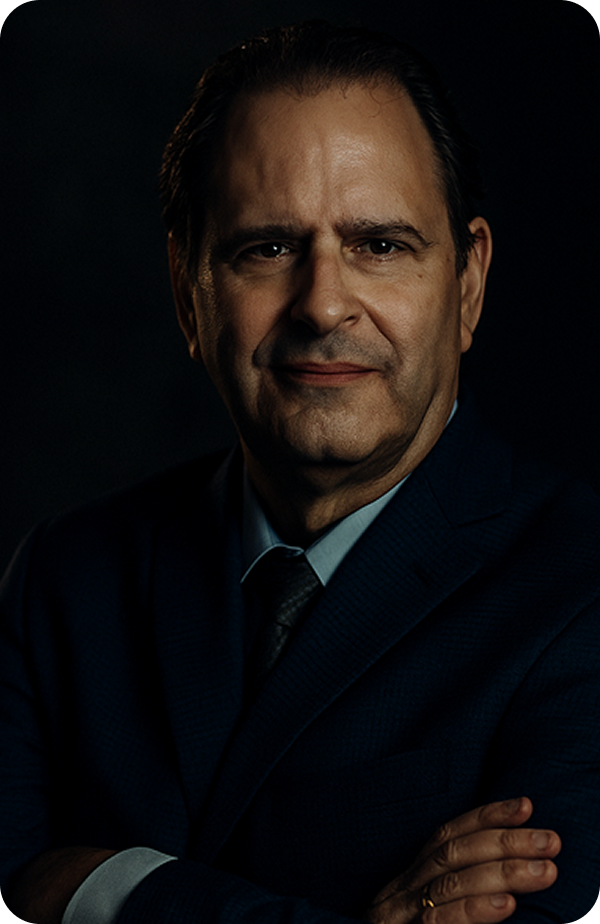
 By
By
Can immigrants get a vaccine waiver for U.S. immigration?
Yes. U.S. immigration law allows limited vaccine waivers for applicants who cannot receive required vaccinations due to medical contraindications or sincere religious or moral beliefs. These waivers are authorized under INA § 212(a)(1)(A)(ii) and INA § 212(g)(2), are documented through the immigration medical exam, and are decided by USCIS—not doctors. Applicants who refuse required vaccines without qualifying for a waiver can be found inadmissible and denied immigration benefits.
Fast Facts: Immigration Vaccine Waivers
Understanding the complexities of vaccine waiver immigration is crucial for applicants navigating the U.S. immigration system.
-
Vaccination requirements arise under INA § 212(a)(1)(A)(ii)
-
Waivers are authorized by INA § 212(g)(2)
-
Civil surgeons document eligibility; USCIS decides admissibility
-
Some vaccine refusals require Form I-601
-
Personal preference is not a valid legal basis
-
COVID-19 vaccines are no longer required for immigration medical exams
-
Improper refusal can result in inadmissibility and denial

What Are the Vaccine Requirements for U.S. Immigration?
U.S. immigration law requires most immigrant visa and adjustment-of-status applicants to complete a medical examination demonstrating compliance with vaccination requirements.
This requirement applies to:
-
Family-based green card applicants
-
Employment-based immigrant applicants
-
Diversity Visa applicants
-
Refugees and asylees adjusting status
The statutory authority comes from INA § 212(a)(1)(A)(ii), which renders an applicant inadmissible for failure to comply with vaccination requirements recommended by the Advisory Committee for Immunization Practices (ACIP).
The CDC determines which vaccines are required through binding technical instructions:
https://www.cdc.gov/immigrantrefugeehealth/panel-physicians/vaccinations.html
USCIS implements these requirements through the immigration medical exam (Form I-693):
https://www.uscis.gov/i-693
HLG background guidance:
https://www.lawfirm4immigrants.com/immigration-medical-exam-i-693/

Who Has Authority Over Immigration Vaccine Waivers?
Authority is divided clearly by law and policy in the realm of vaccine waiver immigration:
-
Civil surgeons / panel physicians apply CDC technical instructions and record findings
-
USCIS determines inadmissibility and waiver eligibility under the INA
Physicians cannot approve waivers. They only certify:
-
Medical contraindications
-
Age-inappropriate vaccines
-
Claimed religious or moral objections
USCIS evaluates admissibility under 8 CFR § 212.1 and USCIS Policy Manual, Volume 8, Part B:
https://www.uscis.gov/policy-manual/volume-8-part-b

What Types of Vaccine Waivers Are Allowed Under U.S. Immigration Law?
Medical Contraindication Waivers (Including Blanket Waivers)
Medical waivers apply when a required vaccine is not medically appropriate under CDC criteria.
Qualifying conditions include:
-
Severe allergic reactions
-
Documented adverse vaccine responses
-
Immunocompromising conditions or treatments
-
Pregnancy (when applicable)
Blanket Medical Waivers Explained
A “blanket waiver” exists when CDC instructions permit marking one or more vaccines as not medically appropriate, eliminating the need for a separate waiver application.
Key points:
-
Authorized by INA § 212(g)(2)(A)
-
Implemented through CDC technical instructions
-
Recorded directly on Form I-693
-
Still reviewed by USCIS for compliance
USCIS policy authority:
https://www.uscis.gov/policy-manual/volume-8-part-b-chapter-3
HLG analysis of medical exam mistakes:
https://www.lawfirm4immigrants.com/immigration-medical-exam-problems/
Religious Objection Waivers: Legal Standards and USCIS Scrutiny
Religious waivers are authorized by INA § 212(g)(2)(C) and are among the most scrutinized health-related waivers.
USCIS requires:
-
A belief that is religious in nature
-
Sincerity and consistency
-
Objection to all vaccines, not selected ones
USCIS evaluates the totality of the evidence, including:
-
Applicant declarations
-
Past vaccination records
-
Adjustment-of-status interview testimony
-
Consistency across filings
Relevant USCIS guidance:
https://www.uscis.gov/policy-manual/volume-8-part-b-chapter-4
HLG deep-dive on religious vaccine objections:
https://www.lawfirm4immigrants.com/religious-vaccine-waiver-immigration/
Moral or Ethical Objections: Narrow and High-Risk
Moral objections are also permitted under INA § 212(g)(2)(C) but face higher denial rates.
USCIS distinguishes:
-
Deeply held belief systems
-
From political, philosophical, or scientific disagreement
Common failure points:
-
Selective vaccine refusal
-
Policy-based objections
-
Inconsistent personal history
HLG analysis of moral objection risks:
https://www.lawfirm4immigrants.com/moral-vaccine-waiver-immigration/
Why Disagreement With Vaccine Science Is Not Enough for a Religious or Moral Waiver
Many immigration applicants believe that refusing vaccines because they do not trust the science, disagree with public health guidance, or question vaccine safety qualifies as a religious or moral objection. Under U.S. immigration law, this belief is usually incorrect.
The Legal Standard Focuses on Belief, Not Scientific Opinion
Vaccine waivers under INA § 212(g)(2)(C) are granted based on the applicant’s belief system, not the applicant’s views about medicine, government policy, or scientific studies.
USCIS does not evaluate whether an applicant’s concerns about vaccines are reasonable, correct, or supported by evidence. Instead, USCIS evaluates whether the objection arises from a deeply held religious or moral belief that functions independently of scientific debate.
Disagreement with science is treated as an opinion, not a protected belief.
Scientific Skepticism Is Considered a Personal or Policy-Based View
USCIS consistently distinguishes between:
-
Religious or moral beliefs (which may qualify), and
-
Personal, political, philosophical, or scientific views (which generally do not)
Objections based on statements such as:
-
“I don’t trust the studies”
-
“The vaccines were developed too quickly”
-
“I disagree with CDC recommendations”
-
“I believe vaccines are unsafe”
are typically viewed as policy or scientific disagreements, not religious or moral beliefs.
These positions are considered changeable opinions, not belief systems that govern the applicant’s life conduct.
Religious and Moral Waivers Require a Belief System, Not a Conclusion
For a waiver to qualify, USCIS looks for a belief that:
-
Exists independently of scientific consensus
-
Is not dependent on data, studies, or expert disagreement
-
Would remain unchanged even if scientific evidence shifted
In other words, the objection must exist even if the science were universally accepted.
If an objection disappears when scientific arguments change, USCIS treats it as a conditional opinion, not a protected belief.
Selective Refusal Based on Science Undermines Credibility
Applicants who refuse vaccines because they disagree with the science often:
-
Accept some vaccines but not others
-
Change positions over time
-
Tie objections to specific technologies or manufacturers
USCIS views selective refusal as strong evidence that the objection is analytical, not belief-based.
By contrast, religious or moral waivers require opposition to all vaccines, regardless of formulation, origin, or risk profile.
USCIS Does Not Weigh Scientific Merits
A critical and often misunderstood point is that USCIS does not adjudicate scientific disputes.
USCIS officers are instructed to:
-
Apply CDC technical instructions
-
Apply statutory waiver criteria
-
Evaluate sincerity and consistency
They do not assess:
-
Vaccine efficacy
-
Safety studies
-
Competing scientific opinions
-
Alternative medical research
Arguments grounded in science, even if sincerely held, are usually legally irrelevant to waiver eligibility.
Why These Claims Are Often Denied
Claims based on distrust of science are frequently denied because they:
-
Do not demonstrate a religious or moral framework
-
Are framed as objections to government or medical authority
-
Depend on factual assertions rather than belief
-
Are inconsistent with prior conduct or medical history
USCIS policy emphasizes that vaccine waivers are not a forum for public health disagreement.
Practical Implication for Applicants
Applicants who oppose vaccines based on scientific disagreement face a high risk of denial, especially if:
-
The objection is recent
-
The objection is selective
-
The explanation relies on studies, statistics, or expert opinions
Once denied, correcting the record is difficult and may require an I-601 waiver with discretionary review.
Applicants should understand this distinction before refusing required vaccines, as refusal based on scientific disagreement can create permanent immigration consequences.
What Happens If You Recently Took a Vaccine but Refuse Another?
A common issue in vaccine waiver cases arises when an applicant recently received one or more vaccines but now seeks to refuse additional required vaccines. Under U.S. immigration law and USCIS policy, this situation creates serious credibility problems for religious or moral waiver claims.
USCIS Does Not Permit “Pick and Choose” Vaccine Objections
USCIS policy is clear: to qualify for a vaccine waiver based on religious or moral belief under INA § 212(g)(2)(C), the applicant must object to all vaccines, not selected vaccines.
Applicants who:
-
Accept some vaccines but refuse others
-
Object only to newer vaccines
-
Refuse vaccines based on formulation or manufacturer
are generally viewed as engaging in selective refusal, which USCIS treats as evidence that the objection is not belief-based.
This principle is explicitly reflected in USCIS Policy Manual, Volume 8, Part B, which instructs officers to evaluate whether the objection applies universally or selectively.
Why Recent Vaccination History Matters
When an applicant has recently received vaccines, USCIS evaluates:
-
Timing of the vaccinations
-
Consistency of the stated belief
-
Whether the belief existed before the refusal
Recent vaccination undermines a waiver claim unless the applicant can credibly explain:
-
A genuine change in belief
-
When the belief formed
-
Why prior compliance occurred
Without a clear and persuasive explanation, USCIS often concludes the objection is situational or opportunistic, not sincerely held.
Medical vs. Belief-Based Distinctions
It is important to distinguish:
-
Medical contraindications, which can arise after prior vaccination and remain valid
-
Religious or moral objections, which USCIS expects to be consistent over time
Medical changes may justify refusing a later vaccine. Belief-based changes require extraordinary clarity and credibility.
USCIS Policy on Universal Opposition
USCIS guidance emphasizes that a qualifying belief:
-
Must be held against vaccination as a practice
-
Cannot be limited to specific diseases, risks, or technologies
-
Cannot depend on current scientific understanding
Applicants who oppose vaccines only after previously accepting them face a high risk of denial unless the record clearly demonstrates a sincere and comprehensive belief.
Practical Consequences of Selective Refusal
Applicants who attempt to “pick and choose” vaccines often face:
-
A finding of inadmissibility under INA § 212(a)(1)(A)(ii)
-
Denial of the waiver request
-
The need to file Form I-601, with long processing times
Selective refusal is one of the most common reasons religious and moral vaccine waivers are denied.
Key Takeaway
Under U.S. immigration law, vaccine waivers based on belief require opposition to all vaccines. Recent vaccination followed by selective refusal is usually fatal to a religious or moral waiver claim unless supported by compelling, consistent, and well-documented evidence.
Applicants considering refusal after prior vaccination should seek legal guidance before making that decision, as USCIS treats consistency as a central factor in waiver adjudication.
The I-601 Waiver for Vaccine-Related Inadmissibility
When Is Form I-601 Required?
Form I-601 is required when:
-
USCIS finds inadmissibility under INA § 212(a)(1)(A)(ii)
-
A blanket medical waiver does not apply
-
The applicant seeks discretionary relief under INA § 212(g)(2)
This commonly occurs in:
-
Religious objection cases
-
Moral objection cases
-
Incomplete or inconsistent I-693 filings
USCIS form reference:
https://www.uscis.gov/i-601
HLG I-601 overview:
https://www.lawfirm4immigrants.com/i-601-waiver-guide/
Legal Standard for Vaccine-Based I-601 Waivers
Unlike most I-601 waivers, no extreme hardship showing is required for vaccine-related inadmissibility.
USCIS evaluates:
-
Sincerity and credibility
-
Scope of objection
-
Consistency over time
-
Compliance with CDC instructions
Policy authority:
https://www.uscis.gov/policy-manual/volume-9-part-d
Evidence Required for I-601 Vaccine Waivers
Typical evidence includes:
-
Detailed sworn declaration
-
Religious or moral explanation
-
Supporting affidavits
-
Medical exam records
-
Proof of consistent belief
USCIS applies a totality-of-the-circumstances analysis.
Where to File Form I-601
-
Adjustment of Status (U.S.): Filed with USCIS after inadmissibility finding
-
Consular Processing: Filed after visa refusal through USCIS lockbox
Filing instructions:
https://www.uscis.gov/i-601-direct-filing-addresses
Filing Fee and Costs
-
USCIS filing fee: $930 (subject to change)
-
Additional costs: legal preparation, translations, affidavits
Official fee schedule:
https://www.uscis.gov/forms/filing-fees
I-601 Processing Time
Typical processing range:
-
6–18 months, depending on service center
Check current estimates:
https://egov.uscis.gov/processing-times/
Strategic Risks of I-601 Vaccine Waivers
-
Long processing delays
-
Credibility-based denials
-
Limited appeal rights
HLG discussion of waiver denial consequences:
https://www.lawfirm4immigrants.com/waiver-denial-consequences/
What Happens If You Refuse Vaccines Without a Valid Waiver?
Applicants may face:
-
Inadmissibility under INA § 212(a)(1)
-
Adjustment-of-status denial
-
Immigrant visa refusal
USCIS inadmissibility overview:
https://www.uscis.gov/green-card/green-card-eligibility/grounds-of-inadmissibility
Real-World Immigration Scenarios
Scenario 1: Medical Contraindication Properly Documented
Risk Level: Low
Outcome: Blanket waiver applies
Scenario 2: Religious Objection Requiring I-601
Risk Level: Medium
Outcome: Approval depends on evidence and credibility
Scenario 3: Moral Objection With Inconsistent History
Risk Level: High
Outcome: Likely denial
Scenario 4: Selective Vaccine Refusal
Risk Level: High
Outcome: Inadmissibility and I-601 denial likely
Law vs. Policy vs. Practice: How Vaccine Waivers Are Actually Decided
One of the most common sources of confusion in vaccine waiver cases is the failure to distinguish between what the law allows, what USCIS policy instructs, and how cases are decided in practice. Understanding this distinction is critical for accurately assessing risk.
Law: What the Statute Allows
U.S. immigration law establishes vaccination requirements and limited waiver authority through two key provisions:
-
INA § 212(a)(1)(A)(ii) creates inadmissibility for failure to comply with required vaccinations
-
INA § 212(g)(2) authorizes three narrow waiver pathways:
-
Receipt of missing vaccinations
-
Medical inappropriateness
-
Religious beliefs or moral convictions
-
The statute answers only one question: Is a waiver legally possible?
It does not guarantee approval.
Policy: How USCIS Instructs Officers to Decide
USCIS policy translates the statute into adjudicatory standards, primarily through:
-
The USCIS Policy Manual (Vol. 8, Part B)
-
Form I-601 instructions, which define the evidentiary burden
Under policy, religious and moral waivers require proof that the applicant:
-
Is opposed to vaccinations in any form
-
Holds a belief that is religious or moral in nature
-
Holds that belief sincerely and consistently
Policy introduces credibility analysis, which is not explicit in the statute but is decisive in outcomes.
Practice: What Actually Happens in Real Cases
In real adjudications, most vaccine waiver denials do not fail because waivers are legally unavailable. They fail because the record does not support credibility.
Common practice-level realities include:
-
Selective refusal is treated as disqualifying
-
Prior vaccination history is heavily scrutinized
-
Late explanations rarely cure early inconsistencies
-
Consular cases face stricter evidentiary review
In practice, most vaccine waiver cases fail on consistency, not eligibility.
This gap between law, policy, and practice explains why applicants who believe they “qualify” are often denied.
Common Myths About Immigration Vaccine Waivers — and the Legal Reality
Public discussion of vaccine waivers often relies on assumptions that do not reflect immigration law or USCIS practice. The following myths are among the most common—and most damaging.
Myth 1: “If I object to one vaccine, I can get a waiver.”
Reality:
Religious and moral waivers require opposition to all vaccines, not selected vaccines. Selective refusal is one of the most common reasons for denial.
Myth 2: “Doctors approve vaccine waivers.”
Reality:
Civil surgeons document medical findings or claimed objections. USCIS alone decides waiver eligibility and admissibility.
Myth 3: “Disagreeing with vaccine science is a moral objection.”
Reality:
USCIS treats disagreement with science, safety data, or public health guidance as a personal or policy opinion, not a protected belief.
Myth 4: “COVID-era flexibility still applies.”
Reality:
COVID-19 vaccine requirements changed, but the legal framework for vaccine waivers did not. Waiver standards remain narrow and evidence-driven.
Myth 5: “I can explain inconsistencies later if USCIS asks.”
Reality:
Credibility is evaluated from the initial record forward. Late explanations often reinforce, rather than cure, doubts.
Myth 6: “A religious letter guarantees approval.”
Reality:
Third-party letters are optional. USCIS focuses on the applicant’s own statements, conduct, and consistency over time.
Myth 7: “Filing an I-601 fixes everything.”
Reality:
The I-601 is discretionary, slow, and evidence-intensive. Filing does not overcome credibility problems created earlier in the case.
Key Case Law and Administrative Decisions on Vaccine Waivers in Immigration
Important context: There is no binding federal appellate case law squarely deciding vaccine waivers under INA § 212(g)(2). Most guidance comes from USCIS administrative decisions, statutory text, and agency policy. Federal court cases below are included only where they clarify how U.S. law distinguishes religious belief from personal or scientific disagreement.
USCIS Administrative Appeals Office (AAO) Decisions
(Persuasive authority; fact-specific; not binding precedent)
Matter of [Redacted], AAO Non-Precedent Decision (Dec. 3, 2024)
Issue: Religious or moral vaccine waiver under INA § 212(g)(2)(C)
Summary:
The AAO reviewed a denied Form I-601 vaccine waiver where the applicant claimed a religious or moral objection. The AAO reiterated that USCIS must evaluate whether the applicant is opposed to all vaccinations, whether the objection is religious or moral in nature, and whether the belief is sincerely held. The decision emphasized that generalized distrust of vaccines or selective refusal does not satisfy the statutory standard.
Holding:
A vaccine waiver requires proof of (1) opposition to vaccinations in any form, (2) a religious or moral basis, and (3) sincerity. Failure to establish any element warrants denial.
Matter of [Redacted], AAO Non-Precedent Decision (Oct. 12, 2023)
Issue: Effect of prior vaccinations on religious waiver eligibility
Summary:
The AAO addressed whether an applicant who previously received vaccines could still qualify for a religious or moral waiver. The AAO explained that prior vaccination does not automatically bar a waiver, but it significantly impacts credibility and requires a persuasive explanation showing a genuine change in belief.
Holding:
USCIS may deny a vaccine waiver where the applicant’s past conduct undermines the claimed belief and the applicant fails to credibly explain the inconsistency.
Matter of [Redacted], AAO Non-Precedent Decision (Jan. 20, 2010)
Issue: Early application of INA § 212(g)(2) vaccine waiver
Summary:
In one of the earlier AAO decisions interpreting the vaccination waiver statute, the AAO reviewed whether the applicant met the statutory criteria for a waiver of health-related inadmissibility. The decision reinforced that vaccine waivers are discretionary and require strict compliance with statutory elements.
Holding:
Even where a waiver category exists by statute, USCIS retains discretion to deny if the applicant fails to meet evidentiary or credibility requirements.
Federal Court Cases Relevant to Religious and Moral Objections
(Not immigration cases; persuasive only on belief-vs-preference analysis)
Phillips v. City of New York, 775 F.3d 538 (2d Cir. 2015)
Issue: Religious exemptions to vaccination mandates
Summary:
Parents challenged New York’s vaccination law and its limits on religious exemptions. The court examined how governments may evaluate whether a claimed religious belief is genuine and sincere, as opposed to a personal objection.
Holding:
States may condition vaccine exemptions on proof of sincere religious belief and are not required to accept personal, philosophical, or scientific objections as religious.
Link:
https://law.justia.com/cases/federal/appellate-courts/ca2/14-2156/14-2156-2015-01-07.html
Workman v. Mingo County Board of Education, 419 F. App’x 348 (4th Cir. 2011)
Issue: Constitutionality of mandatory vaccination without religious exemption
Summary:
A parent challenged a school vaccination requirement that lacked a religious exemption. The court considered whether mandatory vaccination violated constitutional rights.
Holding:
Mandatory vaccination laws do not violate the Constitution even where no religious exemption is provided.
Link:
https://law.justia.com/cases/federal/appellate-courts/ca4/09-2352/092352.u-2011-03-25.html
Jacobson v. Massachusetts, 197 U.S. 11 (1905)
Issue: Government authority to require vaccination
Summary:
The Supreme Court addressed whether a state could mandate vaccination in the interest of public health over individual objection.
Holding:
Individual liberty does not include the right to refuse vaccination when the government acts within its public-health authority.
Link:
https://tile.loc.gov/storage-services/service/ll/usrep/usrep197/usrep197011/usrep197011.pdf
How This Case Law Applies to Immigration Vaccine Waivers
-
USCIS decisions, not federal courts, primarily govern vaccine waivers in immigration cases
-
AAO decisions consistently require opposition to all vaccines, not selective refusal
-
Federal court cases support the broader legal principle that personal or scientific disagreement is not the same as religious belief
-
USCIS applies these principles through INA § 212(a)(1)(A)(ii) and § 212(g)(2), using a credibility-based, evidence-driven analysis
Frequently Asked Questions About Vaccine Waivers for Immigration
1. Can I refuse vaccines for a U.S. green card?
Yes, but only in limited situations. U.S. immigration law allows vaccine waivers only for valid medical contraindications or sincere religious or moral beliefs. Refusing vaccines based on personal preference, distrust of science, or policy disagreement usually results in a finding of inadmissibility and denial of the application.
2. Are COVID-19 vaccines still required for immigration?
No. COVID-19 vaccines are no longer required for U.S. immigration medical exams under current CDC guidance. However, other vaccines designated by the CDC remain mandatory unless a valid waiver applies.
3. Who decides whether my vaccine waiver is approved?
Only U.S. Citizenship and Immigration Services decides vaccine waiver approval. Civil surgeons or panel physicians document medical findings or claimed objections, but they do not grant waivers.
4. Can I pick and choose which vaccines I refuse?
No. For religious or moral waivers, USCIS requires opposition to all vaccines. Selectively refusing certain vaccines while accepting others almost always leads to denial because it undermines credibility and shows the objection is not belief-based.
5. What if I already took some vaccines but now refuse others?
Recent vaccination followed by refusal creates serious credibility problems. USCIS expects belief-based objections to be consistent over time. Without a clear and persuasive explanation for the change, waiver requests are often denied.
6. Is distrust of vaccine science enough for a waiver?
No. Disagreement with scientific studies, safety data, or public health guidance is considered a personal or policy opinion, not a protected religious or moral belief. USCIS does not evaluate scientific arguments when deciding vaccine waivers.
7. What is a “blanket” medical vaccine waiver?
A blanket waiver applies when the CDC determines a vaccine is not medically appropriate, such as due to allergy, immune conditions, or pregnancy. These waivers are documented on the medical exam and usually do not require a separate application.
8. When do I need to file Form I-601 for a vaccine waiver?
Form I-601 is required when USCIS finds you inadmissible for missing vaccines and the case is not covered by a blanket medical waiver. This is common in religious or moral objection cases.
9. Do I need to prove extreme hardship for a vaccine I-601 waiver?
No. Vaccine-based I-601 waivers do not require an extreme hardship showing. USCIS focuses instead on sincerity, consistency, and whether the objection meets statutory requirements.
10. How long does a vaccine I-601 waiver take?
Processing times commonly range from 6 to 18 months, depending on the USCIS service center, evidence quality, and whether a Request for Evidence is issued.
11. How much does a vaccine waiver cost?
The USCIS filing fee for Form I-601 is $930 (subject to change). Additional costs may include attorney fees, translations, affidavits, and supporting documentation.
12. Can refusing vaccines delay my green card?
Yes. Vaccine issues are a frequent cause of Requests for Evidence, interview delays, and denials. Improper refusal can significantly extend processing time or require a waiver application.
13. Are children subject to the same vaccine rules?
Children are subject only to age-appropriate vaccines. Vaccines not required due to age are marked as not medically appropriate and do not require a waiver.
14. Can my religious leader write a letter to help my case?
A letter is not required, but supporting statements can help. USCIS evaluates the totality of the evidence, including consistency, personal explanation, and past conduct, not just third-party letters.
15. Can I reapply if my vaccine waiver is denied?
Sometimes, but denial can create lasting complications. Refiling without addressing credibility or consistency issues often leads to repeat denials. Legal review before reapplying is critical.
What This Means Going Forward
Vaccine waivers remain a narrow but lawful pathway under U.S. immigration law. Medical contraindications, religious objections, and moral beliefs are governed by distinct statutory standards, and the I-601 waiver plays a central role when blanket exemptions do not apply. Errors at the medical exam or waiver stage can permanently affect admissibility.
Applicants should seek legal analysis before refusing required vaccines.
Consult Herman Legal Group for individualized guidance:
https://www.lawfirm4immigrants.com/book-consultation/
Authoritative Resource Directory: Vaccine Waivers for U.S. Immigration
Primary Federal Law & Policy (Highest Authority)
-
U.S. Citizenship and Immigration Services – Policy Manual, Health-Related Grounds of Inadmissibility
https://www.uscis.gov/policy-manual/volume-8-part-b
Definitive USCIS guidance on vaccination requirements, medical contraindications, and religious or moral waivers under INA § 212(a)(1). -
U.S. Citizenship and Immigration Services – Form I-693 (Immigration Medical Exam)
https://www.uscis.gov/i-693
Official instructions governing how civil surgeons document vaccine compliance and waiver eligibility. -
U.S. Citizenship and Immigration Services – Form I-601 (Waiver of Grounds of Inadmissibility)
https://www.uscis.gov/i-601
Required waiver application when vaccine-related inadmissibility is not covered by a blanket medical exemption. -
U.S. Citizenship and Immigration Services – Grounds of Inadmissibility Overview
https://www.uscis.gov/green-card/green-card-eligibility/grounds-of-inadmissibility
High-level explanation of how health-related inadmissibility affects green card and immigrant visa cases.
Medical & Technical Standards (Binding on USCIS and Physicians)
-
Centers for Disease Control and Prevention – Vaccination Requirements for Immigration
https://www.cdc.gov/immigrantrefugeehealth/panel-physicians/vaccinations.html
Binding CDC technical instructions defining which vaccines are required and when vaccines are “not medically appropriate.” -
Centers for Disease Control and Prevention – Technical Instructions for Civil Surgeons
https://www.cdc.gov/immigrantrefugeehealth/civil-surgeons.html
Governs how medical contraindications and blanket waivers are documented on Form I-693.
Statutory & Regulatory References (Primary Law)
-
Immigration and Nationality Act (INA) § 212(a)(1)(A)(ii)
Health-related inadmissibility for failure to comply with vaccination requirements. -
INA § 212(g)(2)
Statutory authority for vaccine waivers, including medical, religious, and moral objections. -
8 C.F.R. § 212.1
Regulatory framework for health-related grounds of inadmissibility.
These provisions are the legal foundation USCIS applies in all vaccine waiver adjudications.
USCIS Processing & Timing Tools
-
U.S. Citizenship and Immigration Services – Case Processing Times
https://egov.uscis.gov/processing-times/
Used to track I-601 vaccine waiver timelines, which commonly range from 6–18 months. -
U.S. Citizenship and Immigration Services – Filing Fees
https://www.uscis.gov/forms/filing-fees
Official source for current Form I-601 filing fees and related costs.
Herman Legal Group (HLG) Internal Authority Resources
These internal resources provide applied legal analysis and practice-based guidance:
-
Herman Legal Group – Immigration Medical Exam (Form I-693) Guide
https://www.lawfirm4immigrants.com/immigration-medical-exam-i-693/
Practical breakdown of medical exam requirements, common errors, and vaccine-related delays. -
Herman Legal Group – Vaccine Waivers for Immigration
https://www.lawfirm4immigrants.com/vaccine-waiver-immigration/
In-depth analysis of medical, religious, and moral vaccine waivers under U.S. immigration law. -
Herman Legal Group – Religious Vaccine Objections in Immigration Cases
https://www.lawfirm4immigrants.com/religious-vaccine-waiver-immigration/
Detailed discussion of sincerity, consistency, and USCIS credibility assessments. -
Herman Legal Group – Moral Objection Vaccine Waivers
https://www.lawfirm4immigrants.com/moral-vaccine-waiver-immigration/
Explains why moral-only objections face higher denial rates and how USCIS evaluates belief systems. -
Herman Legal Group – Adjustment of Status (Green Card Inside the U.S.)
https://www.lawfirm4immigrants.com/adjustment-of-status/
Context for how vaccine issues affect green card applications filed within the United States. -
Herman Legal Group – I-601 Waiver Guide
https://www.lawfirm4immigrants.com/i-601-waiver-guide/
Comprehensive overview of waiver strategy, evidence standards, costs, and risks.