
You can request an expedited U.S. visa interview by submitting an emergency appointment request through the U.S. consulate’s visa scheduling system after booking a regular appointment. Approval is discretionary and generally limited to medical, humanitarian, or urgent public-interest situations. USCIS does not control consular interview scheduling, and expedited appointments are not guaranteed.
Yes, it is possible to expedite a U.S. visa interview, but only under narrow circumstances.
Expedited or emergency visa appointments are granted solely at the discretion of individual U.S. consulates and are typically reserved for urgent medical, humanitarian, or public-interest situations. USCIS does not control visa interview queues at U.S. embassies or consulates abroad.
Understanding the process to expedite U.S. visa interview requests can help streamline your application.
Expedited visa interviews are discretionary, not a legal right
Each U.S. consulate sets its own emergency criteria
Medical emergencies are the most commonly approved basis
Employment urgency alone is usually insufficient
USCIS cannot override consular scheduling decisions
Documentation determines outcomes more than advocacy
Denials are common and not appealable

Applicants who may qualify include:
Individuals with documented medical emergencies
It is crucial to prepare thoroughly to expedite U.S. visa interview requests effectively.
Applicants facing urgent humanitarian crises involving immediate family
Workers whose presence is required for critical public-interest roles
Students at risk of losing a non-deferrable academic program
Applicants seeking expedited interviews for travel convenience, weddings, tourism, or routine business travel are routinely denied.
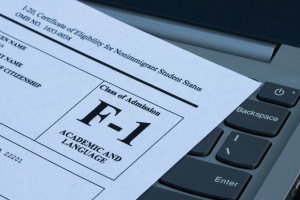
U.S. visa interviews are scheduled and conducted exclusively by the Department of State, not by USCIS.
USCIS adjudicates visa petitions and applications
U.S. consulates control interview availability, timing, and expedition
Attorneys, employers, and members of Congress cannot compel consular action
U.S. consulates have sole authority over visa interview scheduling, and their decisions are not subject to appeal, review, or override by USCIS or immigration courts.
For official wait-time data, see the
U.S. Department of State Visa Appointment Wait Times.
An expedited or emergency visa appointment is a special scheduling accommodation granted when waiting for a regular interview would cause serious, immediate harm.
There is no statutory right to an expedited visa interview under the Immigration and Nationality Act (INA). Approval depends on Department of State policy and local consular capacity.
Consulates most often approve requests involving:
Life-threatening illness
Urgent medical treatment unavailable locally
Critical care needs of immediate family members
Medical documentation must be specific, current, and verifiable.
Examples include:
Death or imminent death of a close relative
Severe injury or crisis requiring immediate presence
Proof of relationship and emergency is required.
Occasionally approved when:
The work impacts public health, safety, or national interest
Delay would cause substantial harm beyond employer inconvenience
Some consulates consider expedites when:
A student risks losing a funded or non-deferrable academic program
Deferral is not possible
Approval varies significantly by post.
The following are routinely rejected:
Long visa wait times by themselves
Employer preference or internal deadlines
Financial hardship without imminent harm
Planned family events, weddings, or tourism
General anxiety about delays or uncertainty
Book a regular visa interview
Access the consulate’s online scheduling portal
Submit an emergency request with documentation
Wait for approval or denial from the consulate
First, schedule a standard visa interview through the appropriate consular system.
Second, submit an emergency appointment request through the same portal, explaining the urgency and uploading supporting evidence.
Third, monitor the portal or email for a decision from the consulate.
Most requests are decided within days, but timing varies by post.
Official consular portals can be found through
U.S. Embassy and Consulate Websites.
Approval: A new interview date is issued, often on short notice
Denial: The original appointment remains in place
No appeal: Consular decisions are final
Re-requests: Permitted only if circumstances materially change
Consulates are not required to explain why a request was denied.
Risk level: Low
Likelihood of approval: High
Best option: Expedite request with hospital documentation
Risk level: Medium–High
Likelihood of approval: Low
Alternative: Remote work or delayed start
Risk level: Medium
Likelihood of approval: Moderate, post-dependent
Risk level: Medium
Likelihood of approval: Moderate–High with proof
By submitting an emergency appointment request through the consulate’s scheduling system after booking a regular interview.
Applicants with documented medical, humanitarian, or urgent public-interest needs.
No. Scheduling is controlled solely by U.S. consulates under the Department of State.
No. Approval is discretionary and varies by consulate.
Medical records, death certificates, employer letters, or school documentation, depending on the basis.
No. Advocacy cannot override consular discretion.
Anywhere from 24 hours to several days, depending on the post.
Only if circumstances materially change.
Criteria are similar, but processing capacity may differ.
No. There is no paid expedite option for consular interviews.
Visa issuance authority arises under INA § 221, with implementation delegated to the Department of State.
Consular officers apply Department of State policy and local operational constraints when evaluating emergency requests.
Applicants should distinguish between statutory law, agency policy, and on-the-ground consular practice.
Primary reference:
U.S. Department of State – Bureau of Consular Affairs
Expedited U.S. visa interviews are discretionary accommodations granted by U.S. consulates in limited emergency situations. They are not controlled by USCIS and cannot be compelled through legal or political advocacy. Approval is generally limited to documented medical, humanitarian, or urgent public-interest needs. Most requests based on convenience, employment timing, or routine hardship are denied.
Expedited visa interviews remain a narrow exception rather than a solution to global visa backlogs. Applicants who succeed typically present clear evidence, meet recognized emergency criteria, and understand the limits of consular authority. Careful preparation and realistic expectations are essential.
This article explains general consular procedures and does not replace individualized legal advice.
For case-specific guidance, you may
schedule a consultation with Herman Legal Group.
This directory consolidates the most authoritative primary sources, official tools, and legal guidance related to expediting U.S. visa interviews at consulates worldwide. It is intended for immigrants, employers, journalists, advocates
Visa Appointment Wait Times (Official Tool)
U.S. Department of State – Visa Appointment Wait Times
Official consulate-by-consulate interview backlog data used by embassies worldwide.
U.S. Embassies & Consulates Directory
U.S. Embassy and Consulate Websites
Primary entry point for country-specific visa scheduling systems and emergency appointment instructions.
Bureau of Consular Affairs – U.S. Visas
Travel.State.Gov – U.S. Visas
Official explanations of visa categories, interview procedures, and consular processing.
Nonimmigrant Visa Interview Overview
Visa Interview Process
Baseline explanation of interview requirements applicable to all applicants.
USCIS Role in the Visa Process
USCIS – Consular Processing
Clarifies the distinction between petition approval and visa issuance.
USCIS Expedite Criteria (Context Only)
USCIS – Expedite Requests
Relevant for understanding limits of USCIS authority; does not govern consular interviews.
Immigration and Nationality Act (INA) § 221
Statutory basis for visa issuance authority delegated to consular officers.
Doctrine of Consular Nonreviewability
Establishes that consular visa decisions, including expedited scheduling, are not appealable.
Department of State Consular Discretion Policies
Referenced throughout official State Department guidance rather than a single codified rule.
Country-Specific Visa Scheduling Portals
Accessible through individual embassy websites listed at:
U.S. Embassy and Consulate Websites
Medical Documentation Standards
Referenced indirectly through consular instructions and physician letters; no universal template exists.
Consular Processing Delays Explained
Understanding Consular Processing Delays
U.S. Visa Interview Preparation Guide
What to Expect at a U.S. Visa Interview
H-1B Visa Timing and Processing Challenges
H-1B Visa Processing and Timing Issues
Emergency Immigration and Travel Options
Emergency Immigration and Travel Options
Legal Consultation for Time-Sensitive Visa Issues
Schedule a Consultation with Herman Legal Group