 By
By
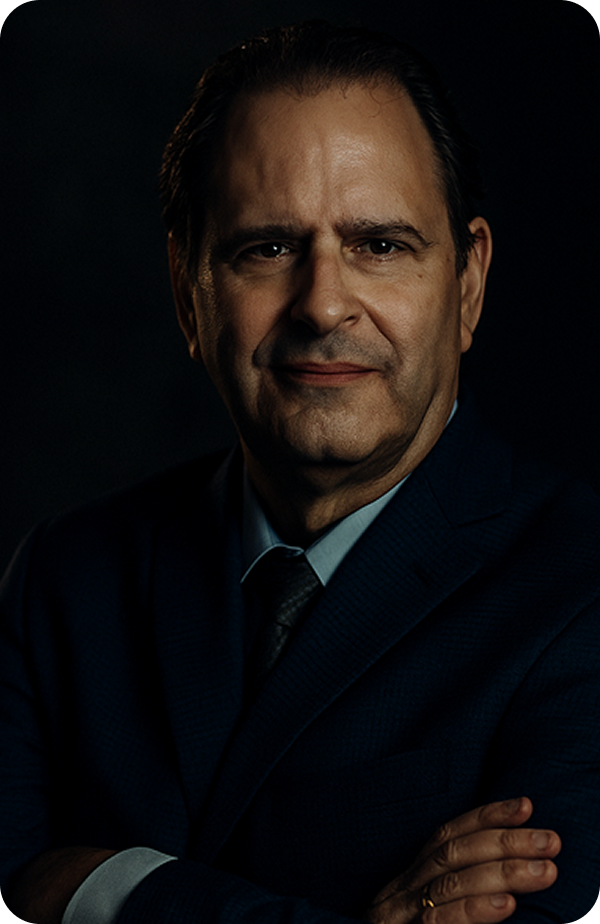
Last updated: October 27, 2025By Richard T. Herman, Esq.Herman Legal `Group – The Law Firm for Immigrants
In recent years, alleged abuses by ICE and CBP, along with the involvement of federal agents and federal law enforcement in the Chicago campaign, have drawn national attention to immigration enforcement practices.
At a Glance
Fast Fact:
A federal judge has ordered Border Patrol Chief Gregory Bovino to testify in Chicago federal court over alleged abuses by ICE and CBP during a 2025 immigration enforcement surge known as Operation Midway Blitz.
Thousands of arrests, use of tear gas, and claims of warrantless raids have triggered one of the most significant civil-rights showdowns in modern U.S. immigration enforcement.
1. Why Gregory Bovino’s Testimony Matters
The order for Gregory Bovino, a top Department of Homeland Security official, to personally appear before U.S. District Judge Sara Ellis marks a turning point for transparency in federal immigration operations.
Bovino’s deposition is a central element of the legal proceedings, with the court closely examining the scope and content of his testimony.
Plaintiffs—including journalists, clergy, and immigrant advocates—allege that ICE and CBP officers used excessive force, violated a consent decree, and conducted arrests without valid warrants during mass enforcement sweeps in the Chicago area. Concerns have been raised about the conduct of immigration agents and customs enforcement, particularly regarding their crowd control tactics and interactions with the public.
The ongoing lawsuit against immigration and customs enforcement has raised significant concerns about federal practices in Chicago.
Important Note:
If proven, these violations could reshape how immigration enforcement is monitored across the United States, potentially leading to new consent decrees and oversight requirements.

2. Who Is Gregory Bovino?
Gregory Bovino serves as a senior Border Patrol official overseeing multiple field offices, including coordination with ICE’s Enforcement and Removal Operations (ERO). As defendant Gregory Bovino in ongoing legal proceedings, he has been identified as a central figure in recent court cases. His long career includes both border and interior enforcement oversight—making him one of the highest-ranking officials ever compelled to testify in a civil-rights suit about ICE practices.
As Border Patrol commander Gregory Bovino, he has faced scrutiny for his leadership during controversial immigration enforcement operations in Chicago, where patrol commander Gregory Bovino directed actions involving the deployment of tear gas and crowd control tactics. After his court appearance, the judge issued an order to produce defendant Gregory Bovino for testimony regarding these enforcement actions.
Bovino’s deposition has become a key part of the legal process, with the scope and limitations of his testimony closely monitored. When discussing his command, it is important to note that other agents, including CBP Deputy Incident Commander Kyle Harvick, played significant roles in the enforcement actions during Operation Midway Blitz. Bovino previously served as Chief Patrol Agent of the El Centro Sector in California.
He is also the U.S. Customs and Border Patrol Commander involved in the Trump administration’s Operation Midway Blitz in Chicago. Bovino has become the public face of the Trump administration’s aggressive immigration enforcement operations in sanctuary cities. Bovino has been a U.S. Border Patrol veteran since 1996.
Key Insight:
Bovino’s testimony may clarify whether aggressive crowd-control and arrest tactics were authorized, or if field agents exceeded their mandates.
3. Operation Midway Blitz: Chicago’s Enforcement Surge
Launched in mid-2025, Operation Midway Blitz aimed to locate and detain undocumented immigrants with prior removal orders in the Chicago metropolitan area. The operation resulted in a large number of immigration arrests, with federal agents arresting individuals during targeted enforcement actions across Chicago’s neighborhoods.
ICE claims more than 3,000 individuals were arrested within months—a number that shocked local leaders and immigrant-rights organizations. The Department of Homeland Security describes the operation as targeting criminal illegal immigrants and fugitives with prior deportation orders. The deployment of BORTAC units allowed federal agents, including border patrol agents, to use riot control measures such as tear gas deployment and less lethal chemical agents for crowd control. During these enforcement actions, agents deployed tear gas canisters and pepper balls into residential streets, sometimes without multiple warnings, leading to controversy over tossing tear gas and other objects during confrontations. Body worn cameras were required to be activated to document these enforcement actions and ensure compliance with legal standards.
There were two incidents in the village neighborhood of Little Village and Albany Park, where federal agents’ aggressive tactics—including feds treatment and immediate threat assessments—led to the deployment of riot control measures. The little village confrontation, in particular, highlighted the impact of these tactics on the community. These actions also affected Chicago’s immigrant processing center and had a significant impact on the broader community. However, the operation has led to a major increase in arrests and mandatory detentions, effectively nullifying the purpose of the 2022 consent decree for many migrants.
Need to Know:
The operation spread across Little Village, Irving Park, Cicero, Berwyn, Albany Park, the village neighborhood, and Cook County suburbs.
Agents were joined by CBP’s BORTAC units—tactical teams usually reserved for border operations.
Sources:
- ABC7 Chicago – ICE Chief Bovino Acknowledges 3,000 Arrests
- CBS Chicago – Federal Judge Questions Use of Force
- WBEZ – Court Orders Bovino to Appear
4. Alleged Abuses and Civil-Rights Claims
4.1 Use of Tear Gas and Riot Control Weapons
Residents and plaintiffs allege that ICE and CBP officers fired tear gas and pepper balls—both less lethal chemical agents, including the use of pepper ball projectiles and tear gas canisters—into residential streets without adequate warnings, affecting children and bystanders. Plaintiffs further allege that these actions amounted to violating people’s constitutional rights.
Reports indicate that agents deployed tear gas by tossing tear gas canisters into crowds as part of riot control measures, sometimes after issuing multiple warnings, and sometimes in response to an immediate threat posed by protesters throwing rocks and other objects.
Videos allegedly show crowds dispersing near schools while agents lacked visible body worn cameras, despite requirements for their use during such enforcement operations. Bovino has been accused of violating a temporary restraining order by deploying tear gas into a crowd of protesters without prior warning.
Expert Tip:
Under federal court orders, DHS agencies must log and report all use-of-force incidents in civilian areas—failure to do so can trigger contempt proceedings. When chemical agents, such as tear gas, are deployed for crowd control, their use must be recorded by body worn cameras as mandated by court order.
4.2 Warrantless Arrests and Blank Warrants
Court filings claim agents carried unsigned warrant templates during raids—an alleged violation of the 2022 consent decree limiting warrantless ICE entries in Illinois. In some cases, immigration agents have been arresting individuals based on reasonable suspicion, sometimes citing apparent ethnicity as a relevant factor among other factors considered during immigration arrests and enforcement actions. If confirmed, it could expose ICE to civil liability and possible DOJ investigation. A separate federal judge in Chicago ruled that ICE violated the 2022 consent decree by making warrantless arrests without probable cause. Plaintiffs in a lawsuit against the DHS also claim that agents have a pattern of making false statements to justify their actions.
4.3 Targeting of Journalists and Community Observers
Multiple news crews reported being blocked or detained while filming raids.
Civil-rights attorneys argue these actions violated First Amendment protections and were intended to intimidate press coverage of immigration operations.
5. The Court Orders and Legal Timeline
- October 9, 2025: Judge Ellis issues a temporary restraining order (TRO) requiring DHS to preserve all video evidence and prohibit chemical-agent use without clear warnings.
- October 21: Court allows limited discovery and subpoenas to top officials.
- October 27: Order compelling Gregory Bovino to appear and testify under oath.
- November 2025 (expected): Evidentiary hearing and potential contempt ruling.
Bovino’s deposition is a key part of the ongoing lawsuit, focusing on his role in the enforcement actions and the treatment of protesters.
Key Insight:
This marks the first time a sitting Border Patrol chief has been compelled to testify over domestic enforcement tactics.
6. DHS Response and Official Statements
The Department of Homeland Security defends its actions, stating that crowd-control measures were necessary to protect officers amid escalating protests. Bovino has defended his actions by stating that agents were acting in self-defense during confrontations with protesters. The Department of Homeland Security claims Bovino was hit by objects thrown by protesters, which plaintiffs’ lawyers dispute. Bovino stated that the use of force by law enforcement should be the least amount of force necessary to achieve a mission.
A homeland security spokesperson emphasized that all ICE and CBP activities were conducted “consistent with agency policy and under judicial review.” During these operations, federal law enforcement agents and federal officers were allowed federal agents to use aggressive tactics under certain conditions, including the deployment of crowd-control measures and force, as permitted by legal and procedural guidelines.
However, the judge noted “inconsistencies” between DHS’s claims and body-cam records.
7. Legal Experts Weigh In
Civil-Rights Attorneys view Bovino’s testimony as a precedent-setting event.
According to WBEZ, plaintiffs will focus on whether federal agencies ignored court orders or circumvented local oversight. Bovino’s testimony is part of a larger legal and political battle surrounding immigration enforcement in Chicago. An ongoing lawsuit has raised concerns about federal enforcement practices, including the use of force and compliance with civil rights protections. The Supreme Court majority has recently weighed in on related issues, influencing the current legal debate and shaping how such enforcement actions are evaluated.
If the court finds systemic misconduct, new federal guidelines on use of force and data reporting could follow.
Expert Commentary (Richard T. Herman):
“This case highlights the tension between national enforcement authority and local civil-rights protections. The testimony of Gregory Bovino could become a blueprint for how future ICE operations are scrutinized.”
8. Community Reaction and Public Impact
8.1 Community Outcry
Local immigrant families in Little Village and Irving Park have reported trauma, property damage, and distrust of law enforcement. Incidents on residential streets in the village neighborhood, including the widely reported Little Village confrontation where federal agents deployed tear gas and aggressive tactics, have intensified community outcry. Faith leaders have called for federal monitoring and compensation for affected residents.
8.2 Advocates Mobilize
Organizations like the Illinois Coalition for Immigrant and Refugee Rights (ICIRR) and the ACLU of Illinois filed amicus briefs urging stronger constraints on ICE operations. The ongoing lawsuit and concerns about federal enforcement tactics, including the use of force and crowd control measures, have mobilized these organizations.
8.3 Media and Transparency Demands
Major Chicago outlets, including the Sun-Times and WBEZ, petitioned for release of body-camera footage and unredacted incident logs, citing public interest. WBEZ reporter agents have been actively covering the enforcement actions, providing detailed reports on the involvement of federal agents and the impact on local communities.
9. National Relevance and Policy Implications
While centered in Chicago, the lawsuit could have nationwide effects. The Trump administration’s immigration enforcement and crowd control policies, which are being challenged in the ongoing lawsuit, have raised concerns across the country about the use of force and civil rights protections. The Trump administration’s emphasis on strict immigration controls and the deployment of federal resources has further intensified national debate.
President Donald Trump publicly considered deploying the National Guard to Chicago to address civil unrest and violent crime. Illinois Gov JB Pritzker voiced strong opposition to federal intervention and the deployment of federal law enforcement or the National Guard in Chicago.
Courts in New York, Los Angeles, and Cleveland are already referencing the Bovino order in ongoing civil-rights cases.
Need to Know:
A ruling affirming misconduct could lead to a new DHS oversight model, requiring external auditors for all urban enforcement campaigns.
10. Comparing Top Law Firms Handling ICE-Related Cases (2025)
| Law Firm | Specialty | Offices | Client Reviews (2025) | Website |
|---|---|---|---|---|
| Herman Legal Group | Immigration & Civil Rights Litigation; 30+ yrs experience | Cleveland / Columbus OH / Nationwide | ★★★★★ (4.9/5) | lawfirm4immigrants.com |
| National Immigration Law Center | Federal policy advocacy & litigation | Washington D.C. / Los Angeles | ★★★★☆ (4.6/5) | nilc.org |
| ACLU Immigrants’ Rights Project | Civil-rights suits & injunction enforcement | National | ★★★★★ (4.8/5) | aclu.org |
| Kirkland & Ellis LLP | Complex litigation / federal court practice | Chicago HQ / Global | ★★★★☆ (4.5/5) | kirkland.com |
Expert Tip:
If you or a loved one experienced harm during an immigration enforcement action, consult a firm experienced in federal civil-rights and immigration defense.
11. Future Oversight and Reform Proposals
Legal analysts propose:
- Mandatory body-camera activation for all ICE and CBP operations
- Mandatory use of body worn cameras during protests, crowd control, and enforcement operations to ensure transparency and accountability
- Stricter controls and oversight on the deployment of chemical agents such as tear gas, including clear legal and procedural requirements for their use
- Oversight and regulation of riot control measures to ensure compliance with legal standards and protection of civil rights
- Real-time reporting of use-of-force incidents to Congress
- Independent Inspector General review for any urban deployment
- Public database of ICE operations under judicial review
12. Broader Civil-Rights Context
This case is part of a larger pattern of court-ordered accountability following reports of ICE abuses nationwide. Across the country, there are ongoing lawsuits and growing concerns that federal agencies, including Border Patrol and immigration enforcement, are violating people’s constitutional rights through their tactics and treatment of protesters and immigrants. In Cleveland and Columbus, OH, immigration advocates are now citing the Chicago case to demand local sanctuary policy reviews.
13. What to Watch Next
- Will Gregory Bovino’s testimony or Bovino’s deposition reveal internal DHS memos or new details about federal enforcement actions?
- How does the ongoing lawsuit address public concerns about the use of force, crowd control, and potential civil rights violations during immigration enforcement?
- Could the court expand the consent decree?
- Will Chicago become a model for national enforcement oversight?
14. Conclusion
The Bovino testimony symbolizes a watershed in how America examines immigration enforcement.
Whether the court finds ICE and CBP acted lawfully or violated civil rights, this case will likely shape future DHS accountability standards. A federal judge questioned claims that the thousands of individuals arrested were all serious criminals, noting many did not have criminal records.
The ongoing lawsuit raises concerns about federal agencies potentially violating people’s constitutional rights, especially regarding the treatment of protesters and the use of force.
Key Takeaways:
- Judge Sara Ellis has compelled Border Patrol Chief Gregory Bovino to testify on ICE practices in Chicago.
- Allegations include tear gas use, warrantless arrests, and media suppression.
- The outcome could redefine DHS oversight nationwide.
- Law firms such as Herman Legal Group are monitoring the case for clients affected by ICE enforcement.
Author Bio

Richard T. Herman, Esq. has practiced immigration law for over 30 years and founded Herman Legal Group, serving clients worldwide in 10 languages. He is co-author of Immigrant, Inc. and frequently appears as an expert commentator on immigration policy and civil rights.