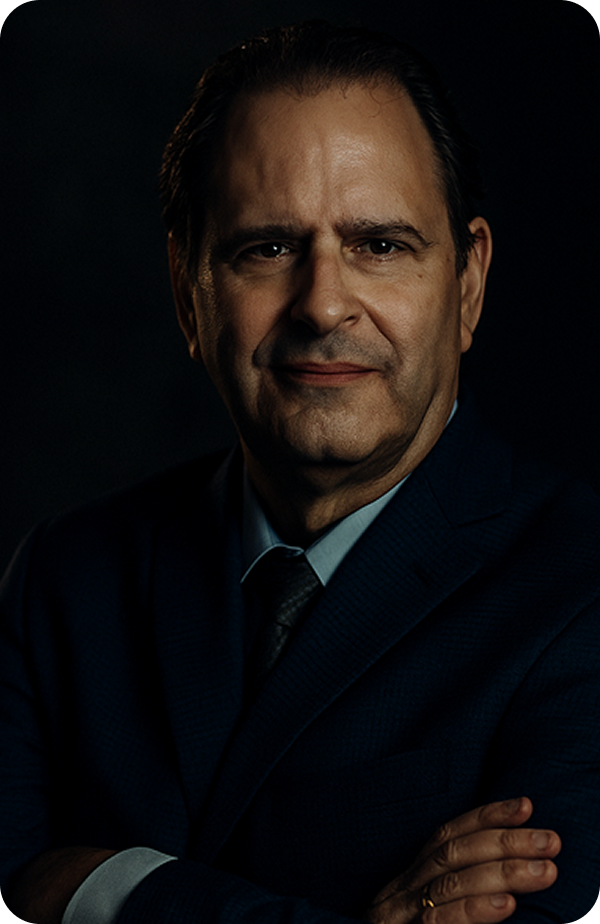
By Richard T. Herman, Immigration Lawyer — Herman Legal Group
QUICK ANSWER
Starting in 2026, the Department of Homeland Security (DHS) will expand its collection of social media identifiers from almost all immigrant applicants—including visa applicants, green card applicants, asylum seekers, and even citizenship applicants.
Under the federal government’s digital-identity initiative in Executive Order 14161, DHS, USCIS, the State Department, CBP, and ICE will analyze:
- Usernames
- Past usernames
- Linked accounts
- Photos, comments, likes, and shares
- Political posts
- Tags from friends
- Cross-platform metadata
To protect yourself, schedule a confidential digital-footprint review:
Schedule a Consultation

FAST FACTS
| Topic | Details |
|---|---|
| Rule Name | DHS Social Media Identifier Expansion Rule |
| Legal Authority | Executive Order 14161 |
| Agencies Involved | DHS, USCIS, U.S. Department of State, CBP, ICE |
| Expected Start | 2026 |
| Forms Impacted | DS-160, DS-260, I-485, I-130A, N-400, I-589, I-765 |
| What Must Be Disclosed | All social media identifiers used within a specified window |
| Risk Level | High |
| Recommended Action | Pre-filing social media review |
INTRODUCTION
The Department of Homeland Security is preparing to launch one of the largest digital-vetting expansions in U.S. immigration history.
Beginning in 2026, DHS and the U.S. Department of State will require immigrants to disclose:
- All social media usernames
- Past usernames
- Secondary accounts
- Alias accounts
- Public posts, likes, and comments
- Tagged content
- Group memberships
- Political content
- Language-specific content (even if misunderstood)
This expansion is part of the federal government’s broader digital identity project under Executive Order 14161, requiring immigration agencies to use social media to verify identity, detect fraud, and screen for “risk indicators.”
Internal HLG resources you should link throughout the article:
- Marriage Green Card Guide
- I-130 Filing Guide
- I-485 Adjustment Guide
- H-1B Visa Guide
- F-1 / OPT Guide
- Asylum Guide
- Digital Privacy & Immigration
Quote from Attorney Richard T. Herman
“Social media is now part of your immigration file. DHS is evaluating your digital life alongside your immigration forms. Preparation and consistency matter more than ever.”

A. What DHS Wants to Collect in 2026
Identifiers DHS Will Require:
- Current usernames
- Past usernames
- Alias or secondary accounts
- Old accounts you may have forgotten
- Linked accounts
Platforms DHS Monitors:
- TikTok
- X/Twitter
- WhatsApp identifiers
- Snapchat
- YouTube
- Telegram
- GitHub
Content DHS Reviews:
- Public posts
- Comments
- Likes, reactions
- Photos and tagged images
- Political posts
- Religious posts
- Group memberships
- Event participation
Metadata DHS Analyzes:
- IP addresses
- Location history
- Posting timelines
- Device fingerprints
- Cross-platform identity matching
B. Forms That Will Include Expanded Social Media Disclosure
DHS and the State Department will embed expanded social media screening into:
- DS-160 (Nonimmigrant visas) – State Department Visa Services
- DS-260 (Immigrant visas)
- I-485 (Green card applications) – USCIS
- I-130A (Spousal background form)
- N-400 (Citizenship)
- I-589 (Asylum)
- I-765 (EAD)
- I-131 (Advance parole)
Official regulatory information:
Federal Register Notice

C. Why DHS Is Expanding Social Media Screening
Under Executive Order 14161, DHS must integrate online identity verification into immigration adjudications.
DHS claims it needs this information to:
- Confirm identity
- Detect fraud or misrepresentation
- Identify extremist or violent risk indicators
- Verify relationships (marriage cases)
- Confirm employment history
- Screen asylum claims
- Evaluate immigrant intent
This aligns with DHS’s broader “continuous vetting” programs and automated risk-scoring models.
D. Real Risks for Immigrants
High-Risk Categories
- Humor or sarcasm taken literally
- Foreign-language posts misinterpreted
- Photos implying unauthorized work
- Political content misunderstood
- Contradictions with your immigration filings
- Old usernames linked to controversial content
- Group memberships misinterpreted
DHS Risk Scale
1 – Minimal
2 – Low
3 – Moderate
4 – High
5 – Extreme (asylum, activists, journalists, dissidents)
E. Who Is Most Affected?
Marriage Green Card Applicants
Social media inconsistencies can lead to RFEs, NOIDs, or Stokes interviews.
Resource: Marriage Green Card Guide
F-1 / OPT / STEM OPT Students
LinkedIn employment claims must match SEVIS records.
Resource: F-1 Visa Guide
H-1B Professionals
Job duties, employer, or skills posted online must match the LCA and H-1B petition.
Resource: H-1B Visa Guide
Asylum Applicants
Political or activist content is often reviewed in depth.
Resource: Asylum Guide
VAWA Applicants
Online communication patterns may be scrutinized.
F. Ohio Impact Section
Ohio cities most affected:
Cleveland
- Refugees
- Asylum seekers
- International students
Columbus
- Fastest-growing immigrant community in Ohio
- OSU international students
- Tech/H-1B workers
Cincinnati
- Healthcare and engineering workers
Dayton
- Defense-industry immigration cases
Local office links:
G. How Herman Legal Group Reviews Your Social Media
Our digital-footprint review includes:
- Reviewing posts, photos, comments
- Identifying red flags
- Verifying cross-platform identity consistency
- Preparing explanations for problematic content
- Advising on legal, safe cleanup
- Preparing clients for interviews
Schedule a confidential review:
Schedule a Consultation
H. Social Media Red Flags That Could Trigger Denials
- Photos implying unauthorized work
- Relationship timelines that don’t match
- Political content misinterpreted
- Comments made years ago
- Being tagged in inappropriate posts
- Conflicting job descriptions
- Statements implying immigrant intent while on a visitor visa
- Old usernames linked to controversial posts
I. How DHS Confirms Identity Online
DHS uses:
- Face recognition
- Phone number/email linkage
- Behavioral analytics
- Device fingerprinting
- IP/location history
- Automated risk scoring
- Social-graph mapping
- Commercial data brokers
These tools create a digital identity profile that can impact your immigration case.
J. Immigration Lawyers vs. Online Services vs. Notarios
| Feature | Herman Legal Group | Boundless/RapidVisa | Notarios |
|---|---|---|---|
| Licensed Attorneys | ✔ | ✘ | ✘ |
| Social Media Review | ✔ | ✘ | ✘ |
| RFE/NOID Defense | ✔ | Limited | ✘ |
| Ohio Knowledge | ✔ | ✘ | ✘ |
| Fraud Protection | High | Low | None |
Resource: Why Hire an Immigration Lawyer
FAQ
SECTION 1 — GENERAL QUESTIONS ABOUT THE DHS SOCIAL MEDIA RULE
1. What is the DHS social media rule for immigrants?
It is a new 2026 requirement for immigrants to disclose all social media identifiers across multiple platforms so DHS and the State Department can perform digital identity checks.
See full analysis:
Executive Order 14161 Analysis
2. Which immigrants are affected by the new social media rule?
Virtually all:
- Visa applicants
- Green card applicants
- U.S. citizen spouses petitioning for immigrant spouses
- Asylum seekers
- Work-visa holders
- Students on F-1/OPT
- Naturalization applicants
3. Does DHS really check deleted posts?
Yes. Deleted posts often remain in:
- Platform backup archives
- Screenshot collections
- Data brokers
- Third-party analytic tools
4. What if I used old usernames years ago?
You must report them. USCIS treats omissions as potential misrepresentation.
5. Will DHS access my private messages?
Private messages can be accessed during:
- Asylum investigations
- Fraud investigations
- National security screening
- Trafficking or smuggling cases
6. What if I forget a username?
List all accounts you reasonably believe you controlled.
If unsure, schedule a review:
Schedule a Consultation
7. Will DHS use AI to analyze social media?
Yes. DHS, USCIS, and CBP now use:
- Sentiment analysis
- Face recognition
- Behavioral analytics
- Cross-platform matching
- Association mapping
8. Is the DHS social media rule legal?
Yes. It is authorized under:
- National security provisions of the INA
- Executive Order 14161
- DHS digital identity modernization initiatives
9. Do immigrant children need to disclose social media?
Yes, for certain visa and immigrant categories if they maintain social media accounts.
10. Does this apply to green card renewals?
Indirectly, yes. While I-90 does not ask for social media, DHS uses continuous vetting.
SECTION 2 — QUESTIONS ABOUT WHAT DHS REVIEWS ONLINE
11. Will DHS look at photos I’m tagged in?
Yes. Tagged content is frequently misinterpreted.
12. Will they check my likes and reactions?
Yes — these can be interpreted as endorsements or associations.
13. Will DHS check Facebook groups or private communities?
Yes. Group membership is considered a “digital association.”
14. Can DHS misunderstand humor or sarcasm?
Absolutely. Algorithms often misread jokes, satire, memes, or cultural expression.
15. Will foreign-language posts be translated?
Yes, typically with automated translation tools that may miss nuance.
16. Will DHS check my LinkedIn?
Yes — especially for:
- H-1B consistency
- PERM consistency
- Employment history checks
See: H-1B Visa Guide
17. Will DHS examine political content?
Yes — especially for asylum, security, and N-400 “good moral character.”
18. Does DHS search for extremist content?
Yes — even if posts were jokes or reposts.
19. Will DHS review my TikTok or Reels?
Yes. Video-based content is increasingly used in identity checks.
20. Do deleted photos on Instagram matter?
If they were ever public or shared, copies may exist.
SECTION 3 — QUESTIONS ABOUT SPECIFIC VISA CATEGORIES
21. How does the social media rule affect marriage green cards?
DHS checks for:
- Timeline inconsistencies
- Relationship authenticity
- Photos of previous relationships
- Public fights or allegations
See: Marriage Green Card Guide
22. Will DHS use social media during Stokes interviews?
Yes — inconsistencies can trigger heightened marriage fraud suspicion.
23. How does social media affect K-1 fiancé visas?
Posts about timelines, relationships, or prior relationships can raise RFEs.
24. How does it affect F-1 or OPT students?
Online job posts must match SEVIS-approved work.
Resource: F-1 / OPT Guide
25. How does it affect H-1B workers?
LinkedIn job titles must match the H-1B petition and LCA.
See: H-1B Visa Guide
26. Does it affect asylum applicants?
Significantly — political posts, activism, and online affiliations are heavily scrutinized.
See: Asylum Application Guide
27. Does it affect VAWA applicants?
Yes — DHS may review communication patterns and relationship evidence online.
28. Does it affect DACA recipients?
DACA renewals involve background checks that can incorporate digital data.
29. Does it affect TPS holders?
Potentially, through background screening and continuous vetting.
30. Does it affect citizenship applicants under N-400?
Yes — social media may be reviewed for:
- Good moral character
- Criminal history indicators
- False testimony
See: Citizenship Guide
SECTION 4 — WHAT YOU SHOULD AND SHOULD NOT DO
31. Should I delete old posts?
Do not mass-delete anything without legal guidance.
Deleting may appear like concealment.
32. Should I deactivate my accounts before applying?
No. Sudden disappearance of accounts can be a red flag.
33. Should I change my username?
You must still disclose all past identifiers.
34. Should I remove old political posts?
This depends; get legal advice:
Schedule a Consultation
35. Should I delete old LinkedIn positions?
Not before ensuring consistency with your immigration filings.
36. Can I block DHS from seeing my content?
Privacy settings do not prevent government access during vetting.
37. Should I ask friends to stop tagging me?
Yes — set tagging approval and ask friends to avoid problematic tags.
38. Should I scrub my likes and comments?
Carefully — changes must not appear evasive.
39. Should I delete TikToks or Reels?
Not without legal review.
40. Should I create new accounts?
This may look like you’re hiding older accounts.
SECTION 5 — COMMON SOCIAL MEDIA RED FLAGS
41. Posts about unauthorized work
These can trigger:
- Visa denials
- I-485 denials
- Asylum credibility issues
42. Political posts misinterpreted as extremist
Even retweets or reposts can trigger review.
43. Relationship inconsistencies
Different anniversaries or partner mentions from the past may confuse USCIS.
44. Inconsistent job titles
H-1B cases fail when LinkedIn contradicts the LCA.
45. Photos with weapons
Often classified as “risk indicators.”
46. Jokes about immigration or crime
Frequently misinterpreted.
47. Alcohol or drug-related posts
May affect good moral character.
48. Being tagged in inappropriate content
Can still be treated as part of your “digital identity.”
49. Anti-American or anti-government posts
Major red flag.
50. Posts suggesting immigrant intent while holding a visitor visa
For example:
“I’m moving to the U.S. forever!”
SECTION 6 — QUESTIONS ABOUT GOVERNMENT MONITORING
51. Does DHS use face recognition?
Yes — CBP and ICE use face-matching tools.
52. Does DHS use phone-number and email matching?
Yes — DHS correlates phone numbers with accounts.
53. Does DHS use location data?
Yes — geolocation metadata is increasingly used.
54. Does DHS use commercial data brokers?
Yes — numerous private vendors supply social media data.
55. Does DHS monitor accounts continuously?
Some categories (asylum, refugees, employment visas) undergo ongoing vetting.
56. Can DHS identify anonymous accounts?
Often yes — through device fingerprints, IP data, and linked profiles.
57. Does DHS collaborate with foreign governments?
Yes — especially for asylum and security screening.
58. Can DHS examine VPN usage?
Yes — VPN patterns may be flagged as identity obfuscation.
59. Does DHS check past user bios and profile descriptions?
Yes — these can reveal inconsistent timelines.
60. Does DHS check “deleted” Instagram stories?
If they were re-shared or archived externally, yes.
SECTION 7 — OHIO-SPECIFIC QUESTIONS
61. Are Ohio immigrants especially affected?
Yes — Cleveland, Columbus, and Cincinnati USCIS field offices have increased fraud-detection protocols.
62. Do Ohio marriage cases get stricter social media review?
Yes — especially in Cleveland and Columbus.
63. Do Ohio employers filing H-1B petitions need to review worker LinkedIn pages?
Absolutely — inconsistencies cause RFEs.
See: H-1B Visa Guide
64. Are Columbus F-1 students at OSU targeted?
They receive high scrutiny due to SEVIS monitoring.
65. Are Cleveland refugees and asylum seekers monitored online?
Yes — especially for political content.
See: Asylum Guide
66. Do Cincinnati applicants face strict marriage fraud screening?
Yes — increased reliance on digital evidence.
67. Do Dayton applicants (defense industry) face special screening?
Yes — enhanced security vetting.
SECTION 8 — LEGAL STRATEGY & PROTECTION
68. Can Herman Legal Group review my social media before filing?
Yes. This is highly recommended.
Schedule a Consultation
69. Can HLG help prepare explanations for problematic posts?
Yes — including sworn statements and context letters.
70. Can HLG represent me if social media causes an RFE or NOID?
Absolutely — with 30+ years of experience defending cases.
Learn more: Removal Defense
71. Can social media hurt my chances at citizenship?
Yes. N-400 “good moral character” is partly evaluated through digital behavior.
72. Should I get a full digital-footprint audit before applying?
Yes — for all immigrants, but especially for:
- Marriage green cards
- H-1B workers
- F-1/OPT students
- Asylum seekers
- Visitors with I-130 pending
73. Do online fights or arguments cause problems?
Yes — DHS may classify them as “aggressive digital behavior.”
74. Can Herman Legal Group help Ohio families specifically?
Absolutely — HLG is one of Ohio’s leading immigration firms.
Ohio Immigration Lawyer
Will DHS review deleted posts?
Yes. Deleted content may exist in archives or third-party datasets.
Do private accounts matter?
Yes. Screenshots, group posts, and shared content may still be visible.
Can DHS misunderstand jokes?
Absolutely. Algorithms do not understand context or satire.
Will DHS review my spouse’s accounts?
Yes—especially in marriage-based cases.
Can a meme really cause problems?
Yes, if misinterpreted.
Will DHS review my LinkedIn profile?
Yes. LinkedIn contradictions are a major source of RFEs.
Can I delete accounts before filing?
This may look suspicious. Consult Herman Legal Group first.
Does this rule affect citizenship applicants?
Yes—especially under N-400 “good moral character” analysis.
Can DHS access private messages?
In certain cases (asylum, trafficking, criminal investigations), yes.
Will foreign-language posts be reviewed?
Yes—often incorrectly interpreted.
KEY TAKEAWAYS
- DHS will expand social media screening in 2026.
- Executive Order 14161 drives digital-identity integration.
- Posts, comments, likes, and tags can impact your case.
- Marriage, H-1B, F-1, and asylum cases face heightened risk.
- Ohio residents face unique scrutiny based on field office patterns.
- Herman Legal Group can help minimize risk through a detailed digital review.
- Never submit an immigration form without checking your online identity.
RESOURCE DIRECTORY
Government
- DHS
- USCIS
- Department of State – Visa Services
- CBP
- ICE
- EOIR
- Federal Register Notice
- Executive Order 14161
Herman Legal Group
- Schedule a Consultation
- Marriage Green Card Guide
- I-130 Guide
- I-485 Guide
- H-1B Guide
- F-1 Guide
- Asylum Guide
- Removal Defense
- Digital Privacy
Media
Academic / Research
- Migration Policy Institute
- Pew Research Center
- Cato Institute Immigration
- Brookings
- Harvard Internet Observatory