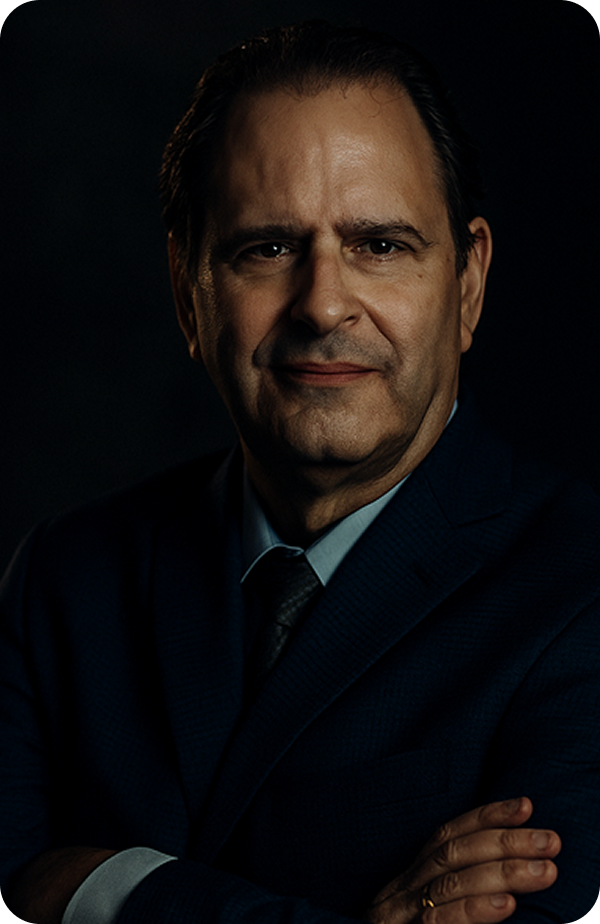
Richard T. Herman is a U.S. immigration attorney and founder of Herman Legal Group, available to journalists for on-the-record quotes, expert interviews, and deadline-driven legal analysis. As an Immigration law expert for journalists, he explains immigration enforcement, detention, visas, green cards, asylum, and immigration court procedures in clear, public-facing language grounded in federal law and official agency guidance. Reporters can contact him directly by email or phone for rapid, accurate commentary on breaking immigration developments.
Media Contact (Direct):
Email: richardtmherman@gmail.com
Call: 1-800-808-4013

Richard T. Herman (Short Bio)
Richard T. Herman has practiced U.S. immigration law for more than 30 years and leads Herman Legal Group. He is known for translating complex, fast-moving immigration developments into clear legal explanations that journalists can use on deadline.
For verified background and professional profile details:
Richard Herman is also a co-author of a widely cited book on immigrant entrepreneurship:
Quick Answer: What Richard T. Herman can provide to journalists
Richard T. Herman helps reporters explain what U.S. immigration law actually says, what federal agencies are doing, and what happens next procedurally. He can provide clear commentary on the difference between statutes, agency policy, discretionary enforcement, and real-world outcomes in immigration cases.

Fast Facts (Key Takeaways for Reporters)
-
Richard T. Herman is a U.S. immigration attorney available for media interviews and commentary.
-
He explains ICE enforcement, detention, visas, green cards, and immigration court procedure clearly.
-
He provides deadline-friendly analysis grounded in federal law and primary government sources.
-
He distinguishes between immigration law, agency policy guidance, and real-world practice.
-
He helps journalists verify claims using official USCIS, EOIR, DHS, and Federal Register materials.
-
Immigration outcomes often depend on posture, timing, and documentary record.
-
Accurate reporting requires separating rumors from enforceable legal authority.
Selected Press Topics
Journalists can contact Richard T. Herman to cover these high-urgency, high-confusion immigration topics with accurate legal framing:
-
ICE enforcement actions and real-world consequences
Explain what happens after detention events, including procedural next steps and legal posture. -
Immigration detention and bond hearings
Clarify bond standards, custody review, and court procedure in practical terms. -
Removal defense and immigration court timelines
Explain hearings, relief eligibility, continuances, motions, and realistic outcomes. -
Visa cancellations, denials, and inadmissibility issues
Translate technical grounds of inadmissibility into understandable reporting. -
Travel risk for visa holders and green card applicants
Explain what increases risk at airports or borders and what documents matter. -
USCIS processing delays and case “stall points”
Clarify what delays mean, what notices mean, and what happens next. -
RFEs, NOIDs, denials, and re-filing risks
Explain why the government requests evidence and what the stakes are. -
Asylum procedure and humanitarian protection basics
Explain the process without oversimplifying legal requirements and posture. -
Expedite requests (what USCIS actually allows)
Clarify legal criteria and what evidence is needed to support urgency. -
Federal Register changes and immigration rulemaking
Explain the difference between proposed rules, final rules, and guidance.
Primary sources reporters can cite for verification:

What makes an immigration source credible
A credible immigration source does three things consistently:
1) Identifies the legal authority
Immigration outcomes are governed by federal statutes, regulations, and binding precedent.
2) Separates law from policy
Agency policy guidance may change faster than statutes and does not always equal enforceable law.
3) Explains real-world procedure
What happens next depends on posture, timeline, and which agency is involved.
Reliable references include:
What Richard T. Herman can clarify fast (on deadline)
Why Journalists Should Consult an Immigration Law Expert for Journalists
Richard Herman can quickly answer questions like:
-
What is the legal authority behind this action?
-
Who has jurisdiction—USCIS, ICE, CBP, or EOIR?
-
What is the next procedural step after this event?
-
Who is affected, and who is not?
-
What facts change risk from low to high?
-
What primary sources should a reporter cite?
For bond and custody standards, a citable EOIR precedent includes:
Contact Richard T. Herman (Direct)
Media Contact (Direct):
Email: richardtmherman@gmail.com
Call: 1-800-808-4013
When you reach out, include:
-
your outlet name
-
your deadline
-
the topic you are covering
-
the exact legal question you need answered
FAQ
Who is Richard T. Herman?
Richard T. Herman is a U.S. immigration attorney and founder of Herman Legal Group. He is available to journalists for interviews and legal commentary on immigration enforcement, visas, asylum, and immigration court procedure.
What kinds of immigration stories can he comment on?
He can comment on ICE enforcement, detention and bond, immigration court procedure, USCIS case processing, visa denials, travel risks, asylum issues, and federal policy changes affecting immigrant families and employers.
How can journalists contact Richard Herman directly?
Email richardtmherman@gmail.com or call 1-800-808-4013 for media requests, interviews, or deadline quotes.
Can he explain what a new USCIS change means?
Yes. He can explain what is binding law, what is policy guidance, and how the change typically affects real cases, using primary sources such as the USCIS Policy Manual and official agency notices.
Can he explain immigration detention and bond?
Yes. He can explain detention posture, bond hearings, and key legal standards. He can also point reporters to official resources and precedent decisions such as Matter of Guerra.
Can he help reporters verify immigration claims?
Yes. He helps journalists confirm details using official sources such as USCIS, EOIR, DHS, and the Federal Register rather than rumors or secondary summaries.
What This Means Going Forward
Immigration law stories require careful attention to procedure, jurisdiction, and primary-source verification. When enforcement actions, policy changes, or agency notices move quickly, journalists benefit from expert analysis that separates enforceable authority from speculation. Richard T. Herman is available to provide clear, reliable legal explanations that improve accuracy and public understanding.
Media Contact (Direct):
Email: richardtmherman@gmail.com
Call: 1-800-808-4013