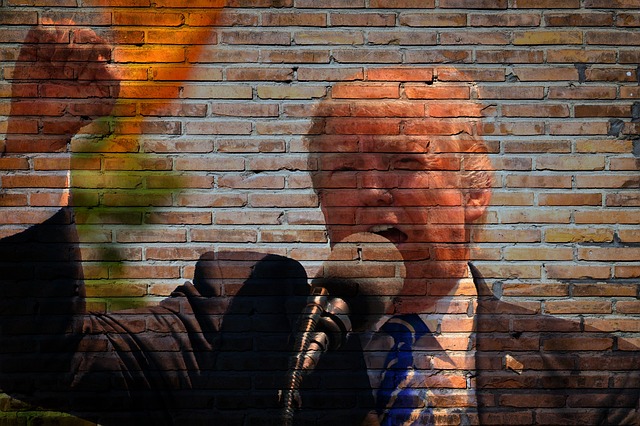
QUICK ANSWER: Trump Issues Expanded Travel Ban Effective January 1 2026
Yes. President Trump has issued an expanded travel ban taking effect January 1, 2026, sharply restricting entry to the United States for nationals of dozens of countries. The new ban is broader than prior Trump-era bans, relies heavily on discretionary enforcement, and significantly increases denial risk for visa applicants, students, workers, and families. Anyone from an affected country should assume travel and visa processing now carry high risk.
FAST FACTS
-
Who is affected: Visa applicants, travelers, students, workers, families, refugees
-
Risk level: High
-
Effective date: January 1, 2026
-
Urgency: Immediate — reassess travel and interviews now
-
Attorney needed: Strongly recommended before any travel or visa action

WHAT IS THE 2026 EXPANDED TRAVEL BAN?
The 2026 travel ban is a sweeping executive action that expands earlier Trump-era entry restrictions. Unlike prior bans, this version increases the number of affected countries, narrows waiver availability, and gives far more discretion to consular officers and border officials. The new restrictions are encapsulated in the announcement that states, ‘Trump Issues Expanded Travel Ban Effective January 1 2026.’
As a result, visa approval alone no longer signals safe entry into the United States.
Herman Legal Group’s ongoing analysis explains how this shift toward discretionary enforcement has already affected visa applicants and travelers in real-world cases, particularly those caught in administrative processing or unexpected refusals. For a deeper legal overview, see:
Trump Travel Ban Explained – December 2025

THE TWO PRESIDENTIAL PROCLAMATIONS DRIVING THE BAN
The 2026 travel ban is not a single policy. It is the result of two presidential proclamations, issued six months apart, that work together to restrict entry.
Understanding both is essential for journalists, researchers, and affected families.
DECEMBER 16, 2025 PROCLAMATION: THE EXPANSION
On December 16, 2025, President Trump issued a proclamation titled Restricting and Limiting the Entry of Foreign Nationals to Protect the Security of the United States. This proclamation expands earlier travel restrictions and sets the effective date of January 1, 2026.
The full legal text is available here:
Restricting and Limiting the Entry of Foreign Nationals to Protect the Security of the United States
What changed under the December 2025 proclamation
-
More countries moved into full or near-total bans
-
Fewer humanitarian and discretionary waivers
-
Formal inclusion of Palestinian Authority travel documents
-
Expanded authority to shorten or limit visa validity
-
No grace period before enforcement
Policy analysts at the American Immigration Council note that this structure makes enforcement quieter but more powerful, because denials increasingly occur at the consular or border level rather than through headline announcements.
President Trump Expands His Travel Ban: What You Need to Know
JUNE 4, 2025 PROCLAMATION: THE FOUNDATION
The December expansion builds on a June 4, 2025 proclamation titled Restricting the Entry of Foreign Nationals to Protect the United States from Foreign Terrorists and Other National Security and Public Safety Threats.
That earlier proclamation established the initial framework for:
-
Country-based restrictions
-
Partial bans on visitor, student, and exchange visas
-
Security and information-sharing benchmarks
Congressional analysis of how the June and December proclamations interact is available here:
Expanded Travel Ban to Take Effect January 1, 2026
Together, these proclamations create a tiered system that allows restrictions to expand without new legislation.
COUNTRIES AFFECTED BY THE EXPANDED TRAVEL BAN
The U.S. government does not publish a single consolidated enforcement list. Instead, countries fall into restriction tiers, tracked by independent policy institutions and government guidance.
FULL ENTRY SUSPENSION
For the following countries, most immigrant and nonimmigrant visas are unavailable unless a rare waiver is granted:
-
Afghanistan
-
Burma (Myanmar)
-
Chad
-
Republic of the Congo
-
Equatorial Guinea
-
Eritrea
-
Haiti
-
Iran
-
Laos
-
Libya
-
Mali
-
Niger
-
Sierra Leone
-
Somalia
-
South Sudan
-
Sudan
-
Syria
-
Yemen
-
Travelers using Palestinian Authority travel documents
The Council on Foreign Relations maintains a regularly updated country-by-country guide used by journalists and policymakers:
Guide to Countries Affected by Trump’s Travel Ban
PARTIAL RESTRICTIONS (PRACTICAL EFFECT)
For the countries below, visitor, student, and exchange visas are heavily restricted, and officers may shorten or limit other visas:
-
Nigeria
-
Cuba
-
Senegal
-
Tanzania
-
Venezuela
-
Zambia
-
Zimbabwe
-
Angola
-
Burundi
-
Côte d’Ivoire
-
Mauritania
-
Togo
-
Tonga
In practice, “partial” often functions as presumed denial, particularly for B-1/B-2, F-1, M-1, and J-1 visas.
WHO IS MOST AT RISK
The ban affects far more than tourists.
High-risk groups include:
-
International students and exchange visitors
-
Employment-based visa holders
-
Family-based immigrant visa applicants
-
Diversity Visa selectees
Universities are already warning students about travel risks, as documented in this Higher Ed Dive analysis:
Trump Expands Travel Ban: What Higher Education Needs to Know
HOW ENFORCEMENT ACTUALLY HAPPENS
Enforcement now occurs at multiple pressure points:
-
Visa interviews at U.S. embassies
-
Administrative processing with no fixed timeline
-
Airline boarding decisions
-
CBP inspections at ports of entry
Federal agencies emphasize that visa issuance does not guarantee admission:
U.S. Department of State – Visa Processing
U.S. Citizenship and Immigration Services
HLG has seen an increase in cases where travelers with previously valid visas were denied boarding or entry after long periods abroad.
CONSEQUENCES IF YOU DO NOTHING
Worst-case scenario
-
Visa refusal with no appeal
-
Stranding outside the U.S.
-
Job or academic program loss
-
Long-term family separation
Best-case scenario
-
Delayed approval after months of review and legal intervention
This is where many irreversible mistakes happen — when applicants assume old rules still apply.
WHY THIS MATTERS GOING INTO 2026
The expanded travel ban coincides with:
-
Increased consular discretion
-
Slower global visa processing
-
Heightened security screening
-
Global events like the 2026 World Cup
Immigration policy analysts warn that these factors will suppress lawful travel even beyond listed countries.
How the Travel Ban Could Affect the 2026 World Cup
WHAT TO DO NEXT (STEP-BY-STEP)
Step 1: First 24–72 hours
-
Pause international travel
-
Identify your country’s risk tier
-
Preserve all immigration records
Step 2: First 30 days
-
Assess waiver eligibility
-
Prepare interview-proof documentation
-
Coordinate employer or school strategy
Step 3: Long-term planning
-
Explore alternative visa pathways
-
Plan for discretionary enforcement
-
Build contingency options

How the December 2025 USCIS “Pause and Review” Memo Interacts With the Travel Ban
The December 2025 travel ban does not operate in isolation. It intersects directly with a separate USCIS policy shift that quietly reshapes how immigration benefits are processed inside the United States.
In early December 2025, USCIS issued internal guidance instructing officers to pause, re-review, or hold certain benefit applications rather than approve or deny them outright. While the memo does not explicitly reference the travel ban, the combined effect is powerful.
What the USCIS memo does in practice
Under the December USCIS guidance:
-
Officers are encouraged to pause adjudications when eligibility questions arise
-
Applications may be held indefinitely for “additional review”
-
No statutory timeline is required for resolution
-
Applicants often receive no meaningful explanation
This mirrors a trend already seen in Diversity Visa and humanitarian cases.
Why this matters when combined with the travel ban
When the travel ban and USCIS pause policies overlap, applicants face a double bottleneck:
-
Outside the U.S.: Visa issuance is blocked or delayed by consular discretion
-
Inside the U.S.: Benefits are frozen or stalled without formal denial
For example:
-
A family-based petition may be approved, but the visa is denied under the travel ban
-
An applicant already in the U.S. may be unable to travel, while their adjustment application sits “under review”
This interaction creates legal limbo, not just denial.
HLG has seen an increase in cases where applicants are effectively trapped — unable to travel, unable to adjust, and unable to force a decision — a pattern discussed in broader enforcement analysis across immigration categories.

Nigeria: Why the Travel Ban’s Impact Is Disproportionately Large
Nigeria is not just another country affected by partial travel restrictions. It is one of the most consequential countries in the global U.S. immigration system.
Any restriction on Nigerian nationals has outsized ripple effects across education, labor markets, healthcare, and U.S. families.
Nigeria and U.S. visa volume
Nigeria consistently ranks among the top African countries for U.S. visa issuance, including:
-
Tens of thousands of nonimmigrant visas issued annually
-
A large number of student (F-1) and exchange (J-1) visas
-
Significant family-based immigrant visa demand
-
Growing numbers of employment-based professionals
According to State Department data, Nigerians are among the largest sources of international students from Africa, particularly in STEM, healthcare, and graduate research fields.
The role of Nigerian international students
Nigerian students play a critical role in:
-
U.S. universities and research institutions
-
Graduate STEM programs
-
Medical, engineering, and data science pipelines
Many Nigerian students later transition to:
-
OPT and STEM OPT
-
H-1B and O-1 visas
-
Long-term employment in the U.S.
Travel restrictions disrupt this pipeline at multiple stages, particularly when students need visa stamping abroad.
Nigerian professionals and the U.S. workforce
Nigerian nationals are heavily represented in:
-
Healthcare (physicians, nurses, researchers)
-
Technology and engineering
-
Academia and higher education
-
Entrepreneurship and startups
Even “partial” restrictions can lead to:
-
Delayed onboarding
-
Job losses
-
Employer withdrawal of sponsorship
-
Talent diversion to other countries
This is why Nigeria-specific restrictions attract scrutiny from universities, hospitals, and multinational employers.
Family and community impact
Nigeria also has a large U.S. diaspora, meaning travel bans affect:
-
Marriage-based green cards
-
Parent and child reunification
-
Long-pending family petitions
Delays can last years, not months.
Why “Partial Restriction” Countries Often Experience De Facto Bans
One of the least understood aspects of the 2026 travel ban is how partial restrictions operate in the real world.
On paper, partial restrictions suggest some visas remain available. In practice, they often function as de facto bans.
How partial bans actually work
For partial-restriction countries:
-
Visitor, student, and exchange visas face presumed denial
-
Consular officers are encouraged to limit visa validity
-
Administrative processing increases dramatically
-
Approval rates drop sharply without formal announcements
Applicants often wait months only to receive short refusals with minimal explanation.
Why this matters for Nigeria and similar countries
Nigeria’s classification as a partial-restriction country means:
-
Student and visitor visas are disproportionately denied
-
Professionals needing stamping abroad face prolonged delays
-
Family-based cases stall even after petition approval
Because these outcomes are discretionary, they do not generate headline data, making them harder to track — and harder for applicants to anticipate.
Why These Intersections Matter
When viewed together, the December travel ban and December USCIS pause policies reveal a broader shift:
-
Away from formal denials
-
Toward slow-motion enforcement
-
Away from transparency
-
Toward discretion and delay
For journalists and policy analysts, this is a critical story: immigration control through administrative friction rather than overt prohibition.
For families, students, and workers, the takeaway is simpler — planning under old assumptions is no longer safe.
Impact on the U.S. Economy: Why the Travel Ban Extends Far Beyond Immigration
While framed as a national security measure, the 2026 expanded travel ban has direct and measurable economic consequences across multiple U.S. industries. These impacts are not limited to affected countries — they ripple through education, healthcare, technology, tourism, and major international events hosted in the United States.
The key economic issue is not simply fewer visitors. It is disrupted pipelines: talent, students, workers, researchers, patients, and global commerce.
FIFA World Cup 2026 and Major International Events
The United States is a primary host of the 2026 FIFA World Cup, alongside Canada and Mexico. Global sporting events of this scale depend on predictable cross-border travel for:
-
Athletes
-
Coaching and support staff
-
Media organizations
-
Event contractors
-
Fans and sponsors
How the travel ban complicates global events
Even partial restrictions can create:
-
Visa delays for athletes and staff
-
Uncertainty for international media accreditation
-
Reduced fan travel from affected countries
-
Last-minute logistical failures
Unlike tourists planning leisure travel, global events operate on fixed timelines. Visa uncertainty weeks or months before an event can translate into lost revenue, reduced attendance, and reputational harm.
Policy analysts have warned that discretionary enforcement — not just formal bans — is the greatest risk. When visa decisions are unpredictable, international organizers may shift future events away from the United States.
Impact on U.S. Universities and the Higher Education Economy
International students are a major economic engine for U.S. higher education. They:
-
Pay full tuition at many institutions
-
Support local housing markets
-
Contribute to research output
-
Fill graduate and STEM programs
How the travel ban affects universities
The expanded travel ban affects universities in several ways:
-
Student visa denials and delays
-
Reduced international enrollment
-
Disrupted research collaborations
-
Difficulty recruiting graduate students and postdocs
Universities are particularly exposed because students must travel repeatedly — for visa stamping, conferences, fieldwork, and family emergencies. Even one failed reentry can end a degree program.
Long-term consequence: universities lose competitiveness as students choose Canada, the U.K., Australia, or EU countries with more predictable mobility rules.
Impact on Physicians, Hospitals, and the U.S. Healthcare System
Foreign-trained physicians are essential to the U.S. healthcare system, especially in:
-
Underserved and rural areas
-
Primary care
-
Psychiatry
-
Internal medicine
-
Medical research and residency programs
Why travel restrictions hit healthcare especially hard
Many international physicians rely on:
-
J-1 visas for residency and fellowship
-
H-1B visas for employment
-
Periodic international travel for licensing, family, or professional reasons
The travel ban creates:
-
Staffing gaps when physicians cannot return
-
Delayed onboarding for hospitals
-
Increased burnout for remaining staff
-
Reduced access to care in shortage areas
Hospitals cannot easily replace these professionals. Training pipelines take years, not months.
From a public policy standpoint, restricting physician mobility directly undermines healthcare access — even when national demand is rising.
Impact on Technology, IT, and Silicon Valley
The U.S. technology sector depends heavily on global talent mobility, particularly in:
-
Software engineering
-
Artificial intelligence
-
Data science
-
Cybersecurity
-
Semiconductor research
How the travel ban affects tech employers
For technology firms, the risk is not only new hiring — it is retention.
Common consequences include:
-
Employees stranded abroad during visa stamping
-
Missed product deadlines
-
Project delays
-
Increased reliance on offshore teams
-
Talent relocation to other countries
Even partial restrictions can function as a soft talent deterrent, signaling instability to global professionals.
Over time, companies respond by shifting hiring and R&D investment outside the U.S., weakening domestic innovation ecosystems.
Impact on IT Professionals and Contracting Workforces
Beyond Silicon Valley, IT professionals play a critical role in:
-
Healthcare systems
-
Financial services
-
Manufacturing
-
Government contractors
-
Critical infrastructure
Many of these roles are filled by:
-
H-1B professionals
-
L-1 transferees
-
O-1 specialists
Travel uncertainty increases:
-
Project risk
-
Compliance costs
-
Contract cancellations
-
Insurance and liability exposure
For employers operating on tight delivery schedules, visa unpredictability becomes a business risk, not just an HR issue.
Broader Economic Signal: Predictability Matters More Than Policy Labels
From an economic perspective, the most damaging feature of the expanded travel ban is uncertainty.
Businesses, universities, hospitals, and event organizers can adapt to restrictive policies — if the rules are clear. What they struggle with is:
-
Discretionary enforcement
-
Sudden policy shifts
-
Lack of transparent criteria
-
Inconsistent outcomes across embassies
This uncertainty discourages long-term planning and investment.
Why Economists and Policymakers Are Paying Attention
Economists increasingly view modern immigration policy not as a binary “open vs closed” system, but as a mobility reliability problem.
When mobility becomes unreliable:
-
Talent flows elsewhere
-
Capital follows talent
-
Global institutions adjust expectations
The expanded 2026 travel ban accelerates this trend by introducing structural unpredictability into U.S. entry systems.
Bottom Line for the U.S. Economy
The 2026 travel ban’s economic impact is not confined to immigration statistics. It affects:
-
Global events hosted in the U.S.
-
University finances and research output
-
Healthcare staffing and patient access
-
Technology innovation and competitiveness
-
Long-term investment decisions
For policymakers, the key question is no longer whether travel bans restrict entry — but whether the economic cost of unpredictability outweighs the intended policy goals.
Frequently Asked Questions: Trump’s 2026 Expanded Travel Ban
Core Understanding Questions
What exactly is Trump’s 2026 travel ban?
It is an expanded presidential travel ban that restricts entry to the United States for nationals of certain countries beginning January 1, 2026, based on executive authority under immigration law.
When does the expanded travel ban take effect?
The ban takes effect at 12:01 a.m. Eastern Time on January 1, 2026.
Is this the same as the 2017 or 2020 Trump travel bans?
No. The 2026 ban is broader, affects more countries, relies more on discretion, and includes fewer automatic exemptions.
Is the travel ban permanent?
No. It can be modified, expanded, or lifted by future executive action, but there is no expiration date built into the proclamation.
Does Congress have to approve the travel ban?
No. The ban is issued under presidential authority in INA § 212(f), which does not require congressional approval.
Who Is Affected
Who is most affected by the 2026 travel ban?
Visa applicants, international students, workers, families seeking green cards, refugees, and Diversity Visa selectees from affected countries.
Does the ban apply to tourists only?
No. It affects both immigrant and nonimmigrant visas, including family-based and employment-based categories.
Are U.S. citizens affected?
No, but U.S. citizens may be separated from spouses, children, or parents who are unable to obtain visas.
Are lawful permanent residents (green card holders) banned?
Green card holders are generally not barred, but they may face heightened screening and questioning at the border.
Does the ban apply to dual citizens?
It depends. If a traveler uses a passport from a restricted country, the ban may apply even if they hold another nationality.
Timing, Travel, and Entry Risks
If I already have a visa, can I still travel?
Possibly, but travel carries risk. A valid visa does not guarantee admission to the United States.
Can CBP deny entry even if I have a valid visa?
Yes. Border officers always have discretion to deny admission.
What if my visa was issued before January 1, 2026?
The ban does not automatically revoke existing visas, but it allows officers to deny entry or limit validity.
Should I travel internationally if I am from an affected country?
In most cases, travel is high risk and should be reviewed carefully with legal counsel.
Can airlines deny boarding because of the travel ban?
Yes. Airlines may refuse boarding if they believe a traveler will be denied entry.
Visa Processing and Interviews
Will U.S. embassies still accept visa applications?
Some embassies will accept applications but deny them under the proclamation or place them into administrative processing.
What is “administrative processing” and why is it increasing?
It is additional security review with no fixed timeline. The travel ban encourages its use.
Can a consular officer deny my visa without explanation?
Yes. Many denials under the ban provide limited reasoning and no appeal.
Are interview waivers still available?
Interview waivers may be limited or suspended for applicants from restricted countries.
Can visa validity be shortened because of the ban?
Yes. Officers may issue visas with shorter validity periods or fewer entries.
Students, Scholars, and Exchange Visitors (F, J, M)
Are international students affected by the travel ban?
Yes. Students from affected countries face visa denials, delays, and travel risks.
Can F-1 students already in the U.S. travel abroad?
Travel is risky. Reentry is not guaranteed even with a valid visa.
Are J-1 exchange visitors affected?
Yes. Many J-1 categories are subject to heightened scrutiny or denial.
Can universities intervene if a student is denied a visa?
Universities can advocate, but they cannot override consular decisions.
Does the ban affect OPT or STEM OPT?
The ban does not cancel OPT, but travel during OPT is especially risky.
Family Immigration and Green Cards
Does the travel ban affect marriage-based green cards?
Yes. Spouses from affected countries may be unable to obtain immigrant visas.
Are children and parents of U.S. citizens affected?
Yes. Immediate relatives are not automatically exempt.
Does the ban apply to adjustment of status inside the U.S.?
The ban primarily targets entry, but travel abroad during adjustment is risky.
Can family petitions still be filed?
Yes, but approval does not guarantee visa issuance.
Employment-Based Visas (H-1B, L-1, O-1)
Are H-1B workers affected by the travel ban?
Yes, particularly if they need visa stamping abroad.
Can employers still sponsor workers from affected countries?
Petitions may be approved, but visas may still be denied.
Are O-1 “extraordinary ability” visas exempt?
No. O-1 visas are not automatically exempt from the ban.
Does the ban affect L-1 intracompany transferees?
Yes, especially at consular processing stages.
Waivers, Exceptions, and Legal Myths (Rarely Asked but Critical)
Are waivers available under the 2026 travel ban?
Yes, but waivers are discretionary and rarely granted.
What qualifies as a hardship waiver?
The standard is extremely high and inconsistently applied.
Is there a humanitarian exception?
Some humanitarian exceptions exist, but they are narrow and unpredictable.
Can I appeal a travel-ban visa denial?
No formal appeal exists. Some cases may be refiled or challenged indirectly.
Does hiring a lawyer guarantee approval?
No, but legal guidance can reduce risk and prevent irreversible mistakes.
Enforcement, Politics, and Future Changes
Can the list of affected countries change?
Yes. Countries can be added or removed without notice.
Is the travel ban being challenged in court?
Legal challenges are possible, but courts have historically upheld broad executive authority.
Could the ban expand further in 2026?
Yes. Analysts expect additional countries and tighter enforcement.
Will a future president automatically end the ban?
No. It would require new executive action.
Practical, Fear-Based Questions
What is the biggest mistake people make under the travel ban?
Assuming old rules still apply.
Is it safer to delay travel or act quickly?
In most cases, delaying travel and reassessing is safer.
Should I attend a visa interview if scheduled?
That depends on country, visa type, and risk profile. Many interviews now result in denials.
Can social media activity affect my visa under the ban?
Yes. Enhanced screening includes online presence review.
What should I do before January 1, 2026?
Review travel plans, preserve records, and seek legal guidance early.
WHEN TO SPEAK WITH AN IMMIGRATION ATTORNEY
If you or a family member may be affected by the expanded travel ban, early legal guidance can prevent irreversible mistakes.
You can schedule a confidential consultation with Herman Legal Group here:
Book a Consultation
Ultimate Resource Directory: Trump’s 2026 Expanded Travel Ban
Official U.S. Government Sources (Primary Law & Enforcement)
These are the controlling legal and policy sources behind the 2026 travel ban.
-
White House – December 16, 2025 Proclamation (Expanded Travel Ban)
The official legal text expanding entry restrictions effective January 1, 2026.
Restricting and Limiting the Entry of Foreign Nationals to Protect the Security of the United States -
Congressional Research Service – Legal Analysis
Nonpartisan explanation of how the June and December proclamations operate and interact.
Expanded Travel Ban to Take Effect January 1, 2026 -
U.S. Department of State – Visa Processing Guidance
Official information on visa issuance, refusals, and administrative processing.
U.S. Visa Services and Processing -
U.S. Citizenship and Immigration Services (USCIS)
Information on petitions, status, and the limits of visa approval.
USCIS – Immigration Services
Independent Policy & Research Organizations
These organizations are frequently cited by journalists, courts, and policymakers.
-
American Immigration Council – Travel Ban Analysis
Legal and policy analysis of how the expanded ban affects families, workers, students, and refugees.
President Trump Expands His Travel Ban: What You Need to Know -
American Immigration Council – 2026 World Cup Impact
Examination of how the travel ban could restrict international travel tied to global events.
How the Travel Ban Could Affect the 2026 World Cup -
Council on Foreign Relations – Country-by-Country Guide
Ongoing tracking of countries affected by full and partial travel bans.
Guide to Countries Affected by Trump’s Travel Ban
Education & Academic Impact Reporting
For students, scholars, and universities.
-
Higher Ed Dive – Travel Ban and Higher Education
Reporting on how universities are advising international students and scholars.
Trump Expands Travel Ban: What Higher Education Needs to Know
Herman Legal Group (HLG) Resources
HLG publishes ongoing, practical analysis of travel bans, consular discretion, and enforcement risk.
-
Pillar Guide: Trump Travel Ban Explained (December 2025)
Comprehensive breakdown of the ban, enforcement mechanics, and legal authority.
Trump Travel Ban Explained – December 2025 -
Speak with an Immigration Attorney
Confidential consultations for travelers, families, students, and workers affected by the ban.
Book a Consultation
Editorial Note
Travel ban enforcement evolves quietly. Country lists, visa validity rules, and waiver practices can change without notice. Readers should verify current conditions before travel and seek legal guidance when risks are high.