QUICK UPDATE:
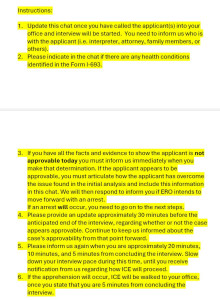
In early December 2025, a LinkedIn post by immigration attorney Tsui Yee described what she said was a “leaked internal memo” instructing USCIS on how to coordinate arrests with ICE during routine immigration interviews. According to the post, the alleged memo, referred to as the USCIS interview arrest leaked memo, included step-by-step tactics for identifying, flagging, and detaining certain applicants immediately after their interviews concluded.
Source Verification Notice:
As of publication, this memo has not been authenticated by USCIS, DHS, ICE, HLG, or independent journalists. This article does not assert the memo is genuine. Instead, it compares the allegations from the LinkedIn post to verified public reporting, FOIA disclosures, and existing HLG analysis on interview arrest trends in late 2025 and early 2026.
To understand the broader context of this practice, see:
-
When the Green Card Interview Becomes an ICE Trap (San Diego, 2025–26)
-
Marriage-Based Green Card Interviews No Longer Safe: The Quiet War on Marriage-Based Green Cards
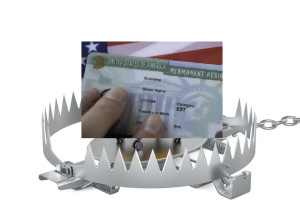
What the Alleged Memo Describes (ALLEGED, NOT VERIFIED)
According to the LinkedIn post, the alleged USCIS memo outlines a 12-step workflow to assist ICE in arresting immigrants at USCIS field offices:
-
Use of internal calendar codes to notify ICE Enforcement & Removal Operations
-
Room configurations enabling controlled exit routes
-
Requesting applicant signatures before detention
-
Assigning FDNS officers to risk screening
-
Scheduling “ICE standby presence” on interview days
-
Post-arrest report instructions to USCIS staff
These claims are not confirmed by DHS or USCIS and remain allegations only.
Here is the claimed LEAKED MEMO:
What Public Records Already Confirm (DOCUMENTED PRACTICES)
Interview arrests have already begun — regardless of whether a memo exists.
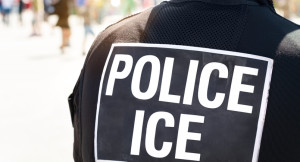
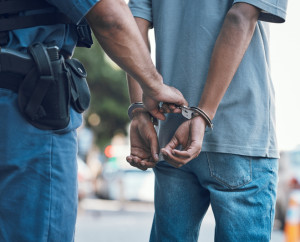
Multiple mainstream news outlets have confirmed ICE detentions inside USCIS buildings, especially in Southern California:
-
NBC San Diego has reported multiple arrests during green card interviews
-
India Today has documented ICE detaining immigrant spouses after marriage-based interviews
-
CBS News revealed that nearly half of ICE detainees as of late 2025 had no criminal record
HLG has covered these developments extensively:
Who Is Most at Risk (CONFIRMED TRENDS)
Documented arrests show increased risk for:
-
Marriage-based adjustment applicants with visa overstays
-
Applicants with prior removal orders
-
Individuals with old or minor criminal records
-
Entry without inspection cases
HLG deeper analysis:
-
Are Immigrants With a Simple Overstay Being Arrested at USCIS Interviews? (2026)
-
Can ICE Arrest You for Short Overstay at Your Marriage Interview?
Verified vs Alleged Comparison Table
| Practice | Alleged in LinkedIn Post | Documented by News / FOIA |
|---|---|---|
| “Interview codes” to notify ICE | Yes | Not verified publicly |
| ICE presence inside USCIS offices | Yes | Confirmed by NBC reporting |
| Detainer served immediately after signature | Yes | Unverified |
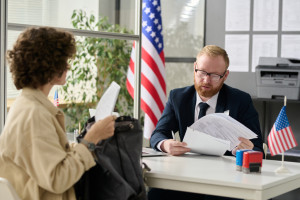
| Separate / hidden exit escort routes | Yes | Reported by attorneys |
| FDNS participation | Yes | FDNS historically involved in interview fraud review |
| Arrests of visa-overstays | No (not memo-specific) | Confirmed by multiple news outlets |
Journalist FOIA Checklist (12 Specific Records)
Request:
-
The current USCIS–ICE Memorandum of Agreement
-
FDNS interview risk scoring SOP
-
Definitions of scheduling codes for “officer presence”
-
ICE field assignment rosters for USCIS facilities
-
USCIS visitor logs for days ICE arrests occurred
-
DHS OIG reports mentioning “interview entrapment” or “escort routes”
-
Email traffic between USCIS field directors and ICE ERO
-
Any instructions referencing “controlled exit routes”
-
Detainer filing instructions post-interview
-
FDNS training slides on “fraud indicators”
-
ICE arrest location data codes showing “USCIS facility”
-
Records of attorney notification policies for ICE presence
Questions Journalists Should Ask DHS / USCIS / ICE
-
What training or scheduling codes identify interviews where ICE will be present?
-
Does USCIS notify attorneys in advance of ICE attendance?
-
Are USCIS offices considered “sensitive locations” under DHS policy?
-
Who authorizes ICE access to interview rooms and hallways?
-
Have these practices increased since November 2025?
The Hidden Calendar: Internal USCIS Codes That May Trigger ICE Standby
There is a growing concern among immigration attorneys that the real danger doesn’t start in the interview room — it starts in the scheduling software.
Multiple attorneys on LinkedIn and Reddit have described internal calendar codes used by USCIS officers that are not visible on appointment notices, but can serve as alerts to ICE Enforcement & Removal Operations (ERO).
What attorneys report seeing (unverified but FOIA-plausible)
-
Abbreviations next to interview slots that only staff can see
-
Color-coded blocks indicating “risk profiles”
-
“Staging” or “follow review” tags
-
“FDNS hold” flags in internal notes
Several immigration lawyers have suggested that some codes may mean:
-
“ICE standby request placed”
-
“Detention possible after signature”
-
“Interview likely to involve FDNS referral”
Why this matters
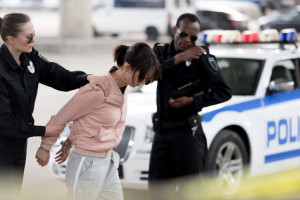
If true, this means some interview arrests are pre-planned days or weeks before the applicant ever enters the building — not a spontaneous decision.
Questions journalists should FOIA immediately
-
Internal code definition sheets for USCIS scheduling software
-
FDNS protocols for flagging marriage-based I-485s
-
Interagency emails instructing when to place ICE on “standby”
These FOIA requests can produce actual documents — and likely go viral if uncovered.
For context, see:
ICE Arrests at Marriage Green Card Interviews (2025 Guide)
Architectural Entrapment: The Interview Room Layout Designed for Arrests
Some attorney accounts now suggest that the physical design of the interview space may be deliberately configured to make arrests easier.
This goes beyond policy and reaches into built environment tactics — how a building’s layout affects human movement.
Real patterns reported by clients and attorneys
-
Interview rooms with two doors
-
One doorway closer to a secure hallway
-
Staff positioning chairs between applicant and door
-
Interviews moved to secondary rooms “for privacy”
-
ICE standing just out of sight in connecting hallways
One attorney described it bluntly:
“It was like they practiced a choreography. The moment he signed, they opened the other door.”
This is physical evidence.
It can be diagrammed, and replicated in multiple cities:
-
San Diego
-
Chicago
-
Houston
-
Miami
-
Newark
-
Atlanta
The pattern can be investigated without leaks — simply by sending attorneys to carefully document the space.
With attorney and immigrants’ help, reporters could do:
-
Floor plan sketches
-
Hallway diagram mapping
-
Video walkthrough descriptions
See how this has played out locally:
When the Green Card Interview Becomes an ICE Trap (San Diego)
Behavioral Red Flags: Silent Interview Signals That Predict ICE
Before an arrest occurs, USCIS officers may exhibit distinct behavioral cues — a form of pre-detainer ritual.
These cues are not official, but dozens of immigration attorneys have described similar patterns across field offices.
Cues to watch carefully
-
The officer becomes suddenly calm and polite
-
The tone switches from investigative to procedural
-
Officer calls for a “quick signature”
-
Someone brings in printed detention forms
-
Two officers appear where there was only one
-
Applicant is told “please wait in this room for a moment”
-
Officer checks the hallway before letting you exit
Families describe these moments as eerily quiet — almost choreographed.
Conversation lines that have preceded arrests
-
“We just need one more quick signature.”
-
“Let me check with a colleague in the back.”
-
“This will only take a minute.”
-
“Please don’t leave the building yet.”
Some attorneys call this “the calm before the cuffs.”
Practical guidance (this saves people)
-
DO NOT sign anything without understanding it
-
DO NOT follow officers into a second room without counsel
-
DO NOT leave your spouse alone with an officer
More detailed examples:
Can ICE Arrest You for Short Overstay at a Marriage Interview?
“Crowdsourced Evidence Drop”
We are trying to collect evidence to document ICE arrests at USCIS interviews.
Have you seen suspicious interview room layouts, secret doorways, or hidden hallway staging near your USCIS interview?
Do you recognize internal codes or odd abbreviations in letters or appointment emails?You can upload evidence anonymously using public documentation platforms like DocumentCloud or email HLG confidentially.
Send floorplan sketches, descriptions, or code words. No identifying information required.
Journalists are actively investigating these patterns.
Frequently Asked Questions (FAQ)
1. Can ICE really arrest someone inside a USCIS building?
Yes. ICE detentions inside USCIS offices have been documented by NBC San Diego, India Today, and CBS News during marriage-based and adjustment interviews.
2. Are USCIS buildings considered “sensitive locations” where arrests are prohibited?
No. USCIS offices are not considered sensitive locations under DHS guidelines. Sensitive locations usually include churches, hospitals, and schools — not benefit interviews.
Reference HLG:
Why ICE Is Now Waiting at USCIS Interviews
3. Do applicants get advance warning if ICE will be present?
No. There is no legal requirement for USCIS to notify applicants or attorneys in advance that ICE will attend or be on standby at an interview.
4. Should I bring an attorney to a marriage-based interview now?
It is strongly advisable. Attorneys can monitor for warning signs, help you avoid signing documents you don’t understand, and intervene if ICE approaches.
HLG recommends:
When the Green Card Interview Becomes an ICE Trap
5. What types of cases appear most targeted for interview arrests?
Trends show highest risk for:
-
Marriage-based I-485 applicants with visa overstays
-
Individuals with prior removal orders
-
Entry without inspection
-
Applicants with old or minor criminal issues
6. Can ICE arrest someone with no criminal record?
Yes. CBS News has reported ICE detains applicants with civil immigration violations only, meaning no criminal charges at all.
7. Are people being arrested even if they are married to U.S. citizens?
Yes. Multiple investigations report U.S. citizen spouses witnessing arrests during interviews.
HLG:
Married to a U.S. Citizen — Still Handcuffed
8. If I overstayed my visa by only a few months, am I still at risk?
Based on recent HLG reports and media coverage: YES, even short overstays have led to detentions.
See:
Can ICE Arrest You for Short Overstay at a Marriage Interview?
9. What happens immediately after an ICE arrest at USCIS?
You are usually:
-
Fingerprinted
-
Detained at an ICE facility
-
Given a Notice to Appear (NTA) in immigration court
-
Transferred to a detention center
You may request:
-
Bond
-
Representation
-
Medical access if needed
10. Can I refuse to sign anything at the interview?
Yes. You always have the right to read any document before signing and request that your attorney review it.
Never sign:
-
“Voluntary departure” forms
-
“I admit…” statements
-
Any handwritten officer notes
11. Can ICE hide in a separate room waiting for you?
Yes. Media reporting has confirmed ICE sometimes waits in adjacent rooms or hallways during adjustment interviews.
12. Can officers lie about why they want me to sign something?
Officers must not lie, but they can request signatures without warning you that an ICE detainer is coming after you sign.
This is why attorney presence is recommended.
13. Does USCIS share my information with ICE?
Yes. USCIS can share applicant data through:
-
FDNS (Fraud Detection & National Security)
-
Interagency databases
-
National Vetting Center systems
14. Are joint bank statements and marriage evidence still needed?
Yes — but evidence alone is no longer a safety guarantee against arrest.
See:
ICE Arrests at Marriage-Based Interviews (2025 Guide)
15. Should I delay my interview if I’m fearful?
If you have:
-
A prior removal order
-
A criminal record
-
A visa overstay
You should consult a lawyer first before attending an interview.
16. Can ICE show up even without a memo?
Yes. Coordinated interview arrests have been documented for years, even without a leaked memo.
17. Is this happening only in California?
No. While San Diego and Chula Vista received news coverage, attorneys have reported concerns in:
-
Chicago
-
Houston
-
Miami
-
New York
-
Atlanta
-
Newark
18. If I am arrested at USCIS, should I remain silent?
You have the right to remain silent and request a lawyer.
Do NOT:
-
Answer questions about your immigration history
-
Sign “voluntary departure”
-
Admit removability
19. What is a Notice to Appear (NTA)?
It is the official charging document that begins removal proceedings.
You must:
-
Attend immigration court
-
Request bond
-
Prepare defense (asylum, cancellation, waiver, etc.)
20. Can attorneys request interview location changes for safety?
Yes. Attorneys can sometimes request:
-
Remote interviews
-
Field office reassignment
-
Postponement
Results vary by officer.
21. Is FOIA helpful in preventing arrests?
FOIA cannot prevent an arrest but can help you understand:
-
CBP history
-
USCIS notes
-
Prior removal orders
-
Interagency “flags”
Resources:
USCIS FOIA Portal
22. Can I bring a translator?
Yes, and you should. Miscommunication can trigger suspicion and complicate proceedings.
23. Can ICE arrest LGBTQ+ immigrants at USCIS interviews?
Yes. Risk applies regardless of identity, religion, gender, or sexuality.
24. Are asylum interviews safer?
Right now, no interview type is guaranteed “safe.” Risk varies by location and category.
See:
Asylum on Hold: Nationwide Suspension Guide
25. Can I get bond after an arrest?
Often yes — depending on:
-
Criminal history
-
Removal history
-
Prior failures to appear
Ask an attorney about bond motions.
26. Does hiring an attorney reduce risk?
Not legally — but practically yes. Officers behave differently when counsel is present.
27. What is the #1 red flag?
Previous removal order + marriage-based interview.
That combo has produced many arrests.
28. Can ICE arrest DACA recipients at interviews?
DACA protections do not block arrests during USCIS benefit interviews.
29. Can my U.S. citizen spouse stop the arrest?
No. Citizenship of spouse does not block ICE enforcement.
30. Should I go to my interview if I have prior removals or criminal issues?
Stop. Speak to an attorney first.
HLG recommends:
Marriage-Based Interviews No Longer Safe — Quiet War Analysis
TAKE ACTION BEFORE YOUR USCIS INTERVIEW — PROTECT YOURSELF
If you’re planning to file for a green card or you’ve already received a USCIS interview notice, please pause — because being prepared right now matters more than ever.
✔ ICE arrest patterns during interviews are real and documented
✔ Visa overstays, prior entries, and old mistakes can trigger instant detention
✔ Even people married to U.S. citizens have been handcuffed directly after interviews
You do not have to walk into this alone.
Three steps you can take today:
1. Get a confidential case review
A trained immigration attorney can spot risk factors in your file that most applicants never think about — until it’s too late.
Book a confidential consultation with immigration attorney Richard T. Herman:
2. Have counsel accompany you to the interview
Attorneys know the warning signs:
-
“signature trap” documents
-
back-hallway escorts
-
second-door room changes
-
FDNS “fraud flags”
Do not sign anything you don’t fully understand.
3. Request a pre-interview risk assessment
HLG reviews:
-
I-130/I-485 filings
-
Entry history
-
Prior immigration records
-
Police reports / court outcomes
-
FOIA disclosures
We tell you what USCIS and ICE will see — before they see it.
This is especially critical if you have:
-
A visa overstay
-
A prior removal order
-
Entry without inspection
-
Old or minor criminal issues
-
Multiple entries and exits
-
Prior immigration filings
These are common triggers that increase the risk of an arrest at immigration interviews.
Do NOT wait until the interview notice arrives.
By the time USCIS schedules your interview, ICE may already be alerted in the system.
Protect yourself now:
Book a confidential consultation with Herman Legal Group
Case types we handle:
-
Marriage-based green card (I-130/I-485)
-
Adjustment of status for visa overstays
-
FOIA records review
-
Prior removal cases
-
Criminal-immigration intersection cases
-
Extreme hardship & waiver strategy
Bottom line
If you are filing an application — or already have an interview scheduled — you need a legal strategy, not just paperwork.
Even if you think:
“I’ve never been arrested.”
“We have plenty of evidence.”
“It’s just a formality.”
Recent arrests prove that is no longer enough.
Take action before stepping into any USCIS field office.
Schedule Consultation — Speak with a Lawyer Today
No pressure. No judgment. Confidential. Urgent when needed.
From Attorney Richard Herman
“If you’re reading this because you’re worried, that’s your sign — talk to someone who has been inside hundreds of USCIS interviews and knows what ICE looks for.” Attorney Richard T. Herman
COMPREHENSIVE RESOURCE DIRECTORY
US Government & Official Sources
Media Coverage — USCIS Interview Arrests
-
NBC San Diego — ICE Arrests Green-Card Applicants at USCIS Interviews
-
India Today — ICE Detaining Immigrants During Marriage Interviews
-
CBS News — Nearly Half of ICE Detainees Have No Criminal Record
-
Newsweek — Husband Says Wife Detained at Green Card Interview
Policy & Data
National Legal Advocacy & Nonprofits
FOIA, Government Transparency & Document Archiving Tools
Legal Research Tools
Mental Health, Trauma & Immigrant Stress Resources
Herman Legal Group Sources on USCIS Interview Arrest Threat
-
When the Green Card Interview Becomes an ICE Trap (San Diego, 2025–26)
-
Are Immigrants With an Overstay Being Arrested at USCIS Interviews?
-
Can ICE Arrest You for Short Overstay at a Marriage Interview?