
The killing of Renee Nicole Good by an ICE agent in Minneapolis has intensified a question many Americans are asking with urgency: how do ordinary people actually constrain ICE’s power? Protests, litigation, and mutual aid remain essential. But recent events point to a leverage point that is both practical and historically effective: cutting ICE off from the private-sector supply chain that allows it to function: Boycott ICE vendors.
ICE is not a self-contained enforcement machine. It depends on airlines, hotels, technology firms, data brokers, detention contractors, and logistics providers. If those corporate pillars weaken, ICE’s operational capacity—and political insulation—weakens with them.
This article lays out a single, coherent strategy that explains:
- how to join existing Boycott ICE campaigns,
- how to support and amplify other groups’ efforts, and
- how to build your own disciplined, lawful, and effective boycott campaign against Boycott ICE vendors and suppliers, focusing on the importance of targeting Boycott ICE vendors and their impact on immigration enforcement.
This is not about symbolic outrage. It is about documented accountability.

Quick answer
Yes—boycotting companies that support ICE can work, but only when it is accurate, sustained, and strategically targeted.
By targeting Boycott ICE vendors, we can effectively reduce the resources available to ICE.
ICE does not operate independently. It relies on a large private-sector ecosystem—technology vendors, data analytics firms, detention operators, transportation providers, hotels, and logistics companies. These relationships can be pressured through consumer behavior, worker action, investor scrutiny, and reputational risk.

Understanding the role of Boycott ICE vendors is crucial for effective advocacy.
Why boycotts matter more than statements
Public protest raises visibility. Boycotts raise costs.
Corporations can ignore criticism. They cannot easily ignore:
- sustained brand damage,
- employee dissent,
- shareholder pressure,
- and credible documentation tying profits to harm.
Recent wins demonstrate this clearly:
- sustained pressure forced Avelo Airlines to exit deportation charter flights;
- sustained community action supporting Boycott ICE vendors has proven to mobilize broader public awareness.
- organized campaigns pushed Minneapolis-area hotels to stop renting rooms to ICE agents.
Each victory removed a real logistical input ICE depends on—and sent a warning to other vendors.
HLG background on boycott pressure and corporate response:
- Companies That Supply ICE: How to Identify Them, Contact Them, and Organize a Lawful Boycott
- Black Friday ICE Boycott 2025: Targeted Companies—Safety Guide
- Which Companies Are Facing Boycott for Role in Trump’s Immigration Enforcement?
- Hilton, ICE, and Minneapolis-Area Hotels: What We Know, What It Means, and How Boycott ICE Campaigns Are Reshaping Corporate Behavior
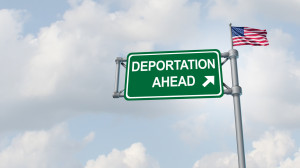
ICE runs on a corporate supply chain
If the goal is to reduce ICE capacity or raise the cost of aggressive enforcement, you must understand where ICE buys power.
1) Technology, data, and surveillance infrastructure
Modern immigration enforcement depends on platforms that collect, link, analyze, and act on identities at scale—often using AI-assisted tools and cloud infrastructure.
Primary source example:
Civil-society analysis:
HLG deep dives:
- ICE Surveillance State 2025: How Data, AI, and Contractors Power Deportation
- Who Profits From ICE Detention? 10 Key Insights
2) Detention and incarceration-adjacent services
ICE detention depends on private operators and service vendors for:
- facility management,
- transportation,
- food and healthcare,
- telecom and monitoring systems.
Oversight resources:
HLG analysis:
3) Transportation, lodging, and logistics
During enforcement surges, ICE relies heavily on airlines and hotels. These companies are often consumer-facing, making them especially vulnerable to boycott pressure.
HLG coverage:
- Hilton Hotel ICE Reservation Cancellation: Corporate Impact Explained
- Hilton, ICE, and Minneapolis-Area Hotels—Full Analysis

A unified boycott campaign framework (join one—or build your own)
This is an end-to-end playbook drawn from successful labor, civil-rights, consumer, and investor-pressure campaigns.
1) Define the objective with precision
A boycott fails when it is emotionally loud but strategically vague.
You must clearly state:
- what the company is doing,
- why it is unacceptable,
- what specific change you demand,
- and what ends the boycott.
Example demands:
- terminate or decline renewal of a specific ICE contract,
- publish a transparency report on all DHS/ICE work,
- adopt binding human-rights or ESG contracting limits.
If you cannot state the exit condition in one sentence, you do not have a boycott yet.
2) Build a verifiable factual record (“receipts-first”)
Before escalation, compile:
- USAspending and SAM.gov records,
- public statements and filings,
- credible investigative reporting,
- oversight audits,
- screenshots and archived pages.
Verification tools:
- USAspending.gov
- USAspending keyword search
- SAM.gov Contract Award Data
- CRS guide to federal award data
- EFF guide: how to follow DHS spending trails
Accuracy is your legal shield and your media currency.
3) Choose targets strategically
Effective campaigns prioritize:
- low-lift national targets (smaller or expiring contracts),
- high-impact national targets (core infrastructure providers),
- local targets (hotels, transport firms, regional contractors).
This avoids the common failure of trying to boycott “everyone at once.”
See: Companies That Supply ICE: How to Identify Them, Contact Them, and Organize a Lawful Boycott
4) Apply pressure where decisions are made
You are not protesting a logo—you are pressuring decision-makers.
Executive leadership
CEO, CFO, General Counsel, ESG/compliance leads
Actions: documented demand letters, public deadlines, published silence
Board of directors
Independent directors, audit/risk/ESG committees
Actions: individualized letters, fiduciary-risk framing, public accountability
Investors
Pension funds, ESG funds, faith-based investors
Actions: investor briefs, shareholder resolutions, earnings-call questions
5) Create a single campaign hub
Every campaign needs one authoritative home that includes:
- the issue summary,
- evidence and sources,
- demands and exit conditions,
- how to participate,
- media contact and updates.
All social posts and press should point back to this hub.
6) Craft a media-ready narrative
Journalists cover accountability and consequence, not generalized anger.
Prepare:
- a one-paragraph summary,
- a 30-second quote,
- a background brief,
- named spokespeople.
Local media often breaks these stories first—national outlets follow.
7) Launch sequentially, not all at once
Effective rollout:
- private demand letter,
- public launch statement,
- targeted media outreach,
- social amplification,
- escalation if ignored.
This creates sustained pressure and multiple news hooks.
8) Mobilize supporters with clear actions
Give people specific steps:
- cancel subscriptions,
- stop buying named products,
- contact customer support with scripts,
- share verified talking points,
- attend rallies or teach-ins.
Generic “boycott now” messaging fails.
9) Coordinate online amplification
Best practices:
- consistent hashtag,
- sample posts,
- screenshots of cancellations,
- no harassment or threats,
- always link to receipts and demands.
Platform roles:
- X: journalists and executives
- LinkedIn: investors and professionals
- TikTok/Instagram: reach
- Reddit: education and amplification
10) Track impact and escalate intelligently
Measure:
- media coverage,
- corporate statements,
- policy changes,
- contract renewals or cancellations.
If ignored, escalate to advertisers, partners, or investors—strategically, not reactively.
11) Know the legal boundaries
Peaceful political boycotts are generally protected speech, but:
- avoid false statements,
- avoid targeting individuals,
- avoid threats or coercion.
Foundational law:
12) Control the endgame
When a company responds:
- assess sincerity,
- demand written commitments,
- set timelines,
- publicly document outcomes.
A disciplined conclusion builds credibility for future campaigns.
How to join and support existing Boycott ICE campaigns
You do not need to start from scratch.
Join existing national efforts
1. BoycottICE.com — ICEBREAKERS Movement
Campaign / Community Hub
A community-led movement advocating against ICE and promoting boycott campaigns targeting companies tied to immigration enforcement. The site hosts boycott lists, educational resources, and volunteer opportunities.
- Website: BoycottICE.com
- Resources & boycott lists: Boycott ICE – Resources
- Ways to take action: What You Can Do
How to engage
- Sign up through site volunteer forms
- Contribute research or documentation
- Participate in local actions coordinated through the site
2. Not With My Dollars — “ICE Out of My Wallet”
National Boycott Campaign
A Gen Z–led national boycott campaign targeting corporations alleged to enable or profit from ICE through contracts or cooperation. The campaign emphasizes economic pressure, coordinated demands, and sustained action.
- Campaign overview: Not With My Dollars: ICE Out of My Wallet
How to engage
- Subscribe to campaign updates
- Amplify boycott targets and demands on social media
- Organize or attend local coalition actions
- Media and campaign contact: info@beyondtheballot.org
3. No Tech For ICE
Technology Sector Boycott & Worker Campaign
A long-running campaign opposing technology and data companies providing tools to ICE and CBP. The campaign focuses on worker pressure, public accountability, and contract termination.
- Website: No Tech For ICE
How to engage
- Sign petitions
- Use campaign toolkits to organize on campuses or within tech workplaces
- Share verified campaign materials
4. Reddit: Community-Led Boycott ICE Discussions
Grassroots, Localized Boycott Threads
Reddit hosts numerous community-driven discussions where users compile local boycott lists, document ICE activity, and share organizing ideas. These are informal but often useful for regional research.
- Example local boycott thread: ICE/CBP Boycott List – r/Charlotte
How to engage
- Monitor subreddits such as r/Immigration, r/PoliticalDiscussion, and local city subreddits
- Contribute verified local information
- Coordinate offline actions with community members
5. Social Media–Based Boycott ICE Communities
Facebook & Instagram Grassroots Networks
Numerous community groups on social platforms share boycott targets, protest coordination, and calls to action. These vary in structure and verification level.
- Example Facebook community post: Boycott ICE Community Discussion
- Example Instagram boycott post: Boycott ICE Corporate Targets
How to engage
- Join relevant groups
- Share verified boycott information responsibly
- Coordinate local events through group messaging
6. Media-Documented Local Boycott Actions
Examples of Boycott Calls Covered by National Media
These are not permanent campaigns, but documented actions showing how boycott pressure is mobilized following ICE activity.
- Los Angeles activists call for 24-hour boycott after ICE raids:
Democracy Now! – Activists Call for 24-Hour Boycott
How to engage
- Attend or replicate similar local boycott actions
- Connect with advocacy groups named in coverage
How to Contact or Participate (Quick Reference)
- BoycottICE / ICEBREAKERS
Volunteer forms and action coordination via BoycottICE.com - Not With My Dollars
Email: info@beyondtheballot.org
Campaign hub: Beyond the Ballot – Not With My Dollars - No Tech For ICE
Toolkits and petitions via No Tech For ICE - Reddit Local Actions
Participate in city-based and issue-based subreddits - Social Media Groups
Join Facebook and Instagram communities sharing verified boycott actions
Core, High-Volume Anti-ICE Hashtags
Boycott and Corporate-Pressure Hashtags Targeting ICE Collaborators
- #BoycottICE
- #BoycottCompanies
- #CorporateAccountability
- #Divest
- #DivestFromDetention
- #EndDetention
- #EndImmigrationDetention
- #EndPrivatePrisons
Tech / Surveillance / Data Vendor Opposition Hashtags
Trump Enforcement Agenda / Mass Detention / “Project 2025” Protest Hashtags
These appear frequently in broader anti-Trump mobilization that overlaps with immigration enforcement opposition:
(Those two—#50501 and #BuildTheResistance—were explicitly cited in coverage of anti-Trump organizing.)
Detention / Raids / Enforcement-Event Hashtags Used With Anti-ICE Posts
These are often paired with boycott tags when a raid, detention surge, or corporate controversy breaks:
“Company-Specific” Boycott Hashtags That Sometimes Cross Over Into Anti-ICE Campaigning
These spike when activists focus on a single corporate enabler (example: ad buys, contracts, deportation flights):
One Practical “Hashtag Stack” We Recommend
- #BoycottICE, #AbolishICE, #NoTechForICE, #ImmigrantRights, #EndImmigrationDetention, #CorporateAccountability
Support local actions
- attend protests and teach-ins,
- amplify verified campaign hubs,
- help document contracts and suppliers in your region,
- coordinate with unions, faith groups, and immigrant-rights organizations.
Use HLG resources
- Companies That Supply ICE: How to Identify Them, Contact Them, and Organize a Lawful Boycott
- How to Protest or Boycott Companies That Support ICE
- ICE Vendor and Contractor Analysis
- ICE Surveillance and Corporate Enablers
Frequently Asked Questions: Boycotting ICE Vendors and Corporate Collaborators
1. How can boycotting companies weaken ICE?
Boycotting companies weakens U.S. Immigration and Customs Enforcement by targeting the private corporations that supply detention beds, transportation, surveillance technology, food, hotels, and logistics. ICE does not operate independently; it relies on corporate partners to carry out deportations. When companies face consumer backlash, reputational harm, investor pressure, and media scrutiny, they may terminate or refuse ICE contracts—directly disrupting enforcement capacity.
2. What kinds of companies do business with ICE?
ICE contracts with a wide range of private companies, including:
- Private prison and detention operators
- Airlines, bus companies, and transportation vendors
- Hotel chains and short-term lodging providers
- Technology, data analytics, and surveillance firms
- Food service, medical, and facility management vendors
These companies often operate consumer-facing brands, making them vulnerable to coordinated boycott campaigns.
3. Does boycotting ICE vendors actually work?
Yes. Boycotts have historically succeeded when they are focused, sustained, and strategically coordinated. Past campaigns against immigration detention contractors, financial institutions, and hospitality brands have resulted in:
- Contract non-renewals
- Public policy reversals
- Corporate divestment from detention and deportation services
Economic pressure is most effective when paired with media exposure and shareholder engagement.
4. How do I find out which corporations are supporting ICE?
You can identify ICE-connected corporations by reviewing:
- Federal contract databases (such as USAspending)
- Corporate disclosures and investor reports
- Investigative journalism and watchdog reporting
- Advocacy organization research and vendor tracking
Many ICE suppliers are not obvious, as contracts are often routed through subsidiaries or subcontractors.
5. Can I join an existing boycott campaign instead of starting my own?
Yes—and joining an existing campaign is often more effective. Established boycott efforts already have:
- Clear demands
- Legal vetting
- Media relationships
- Coordinated messaging
Supporting existing campaigns through consumer action, amplification, donations, and organizing increases leverage without fragmenting efforts.
6. How do I start a boycott campaign against an ICE contractor?
An effective boycott campaign requires:
- A clearly identified corporate target
- Verifiable evidence of ICE involvement
- Specific, achievable demands
- A public narrative tied to brand reputation
- Coalition support and message discipline
Unfocused or purely symbolic boycotts are far less effective than campaigns tied to measurable outcomes.
7. Is it legal to boycott companies that work with ICE?
Yes. Peaceful boycotts, consumer advocacy, and public criticism are protected activities under U.S. law. However, campaigns should avoid:
- Defamation or false statements
- Harassment or threats
- Interference with lawful operations
Legally sound campaigns rely on documented facts and nonviolent pressure.
8. What makes a company vulnerable to boycott pressure?
Companies are most vulnerable when they:
- Depend on consumer trust or brand reputation
- Operate in competitive markets
- Have ESG-focused investors
- Are sensitive to negative press or social media scrutiny
Consumer-facing brands generally face higher reputational risk than obscure subcontractors.
9. Why focus on corporations instead of ICE directly?
ICE is a federal agency with broad statutory authority and limited accountability to public pressure. Corporations, by contrast:
- Depend on customers, investors, and public goodwill
- Can choose whether to accept or renew contracts
- Are sensitive to reputational and financial risk
Targeting corporate collaborators shifts pressure to actors who can exit the system voluntarily.
10. Can small or local boycotts still have impact?
Yes. Local and regional campaigns can:
- Trigger national media attention
- Pressure franchise operators and regional managers
- Create internal corporate escalation
Many national corporate decisions begin with localized controversies.
11. How can journalists use boycott campaigns as sources?
Journalists frequently rely on boycott campaigns for:
- Documented corporate-government relationships
- On-the-record advocates and experts
- Verified contract data
- Case studies illustrating enforcement infrastructure
Well-documented campaigns often shape national immigration narratives.
12. What role do investors and shareholders play in ICE boycotts?
Investors can apply pressure through:
- Shareholder resolutions
- ESG risk assessments
- Public divestment campaigns
When ICE contracts become liabilities rather than assets, corporate leadership is more likely to disengage.
13. Can boycotts stop deportations immediately?
Boycotts rarely stop deportations overnight. Their impact is structural and cumulative, aimed at:
- Increasing operational costs
- Reducing vendor availability
- Forcing policy and contract changes over time
They are most effective as part of a long-term pressure strategy.
14. How can supporters avoid burnout in long boycott campaigns?
Successful campaigns rotate leadership, share responsibilities, set realistic timelines, and celebrate incremental wins. Sustainable pressure matters more than viral moments.
15. Where can I learn more or get legal guidance before acting?
Before launching or joining a campaign, it is wise to consult reliable legal and advocacy resources to ensure accuracy, discipline, and lawful conduct—especially when engaging media or corporate leadership.

Final takeaway
Effective boycotts are engineered, not improvised.
They combine:
- verified facts,
- disciplined messaging,
- economic leverage,
- media strategy,
- lawful escalation,
- and coordinated public participation.
If the goal is to constrain ICE, the most practical path forward is to systematically weaken the corporate relationships ICE relies on—one contract, one vendor, one local supplier at a time—while building the connective tissue for national coordination.
Resource Directory: How to Organize, Join, and Support ICE Boycotts
A. How to Set Up a Boycott (Legal, Strategic, Practical)
These resources focus on lawful boycott strategy, economic pressure campaigns, and organizer protections.
- ACLU – Know Your Rights: Protesters
Legal guidance on peaceful protest, boycotts, and First Amendment protections.
https://www.aclu.org/know-your-rights/protesters-rights - National Lawyers Guild – Legal Support for Organizers
Practical guidance on lawful advocacy, protest safety, and campaign discipline.
https://www.nlg.org/resources/ - Center for Popular Democracy – Corporate Accountability Playbooks
Frameworks for organizing economic pressure campaigns against corporations.
https://populardemocracy.org/tools
B. Active Organizations and Campaigns Targeting ICE and Its Corporate Partners
These groups are already engaged in campaigns to weaken ICE by pressuring corporate collaborators.
- Never Again Action
Direct action and boycott-style campaigns targeting companies tied to detention and deportation.
https://neveragainaction.com - Mijente
National campaigns focused on dismantling ICE infrastructure and corporate accountability.
https://mijente.net - Detention Watch Network
Coalition tracking detention expansion and supporting pressure campaigns against ICE contractors.
https://www.detentionwatchnetwork.org - RAICES
Legal aid organization that partners with broader movements calling for corporate disengagement from ICE.
https://www.raicestexas.org
C. Documented ICE Boycott Campaigns & Victories
Concrete examples showing how boycott pressure works in practice.
- “Not With My Dollars” – National ICE Boycott Campaign
Public campaign targeting corporations accused of supporting ICE through contracts or cooperation.
https://www.commondreams.org/news/trump-ice - Avelo Airlines Ends ICE Deportation Flights After Pressure
Widely cited example of boycott and public pressure forcing a company to cut ICE ties.
https://www.reuters.com/world/us/us-airline-avelo-ends-ice-deportation-flights-after-activist-pressure-2023-04-28/ - Home Depot ICE Protest and Boycott Calls
Coverage of protests and consumer pressure tied to alleged ICE cooperation.
https://www.newsweek.com/home-depot-ice-scraper-protest-monrovia-california-11097010
D. Media Reporting on ICE Boycotts and Corporate Pressure
These outlets provide credible, citable reporting frequently used by journalists and researchers.
- Reuters – Corporate Responses to ICE Pressure
https://www.reuters.com - ProPublica – Immigration Detention and Corporate Profits
https://www.propublica.org/topics/immigration - The Intercept – ICE Vendors and Surveillance Contractors
https://theintercept.com - The Nation – “Want to Stop ICE? Go After Its Corporate Collaborators”
https://www.thenation.com/article/activism/ice-businesses-boycott-campaign/ - In These Times – Corporations Profiting From ICE
https://inthesetimes.com/features/ice-abolish-immigration-child-detention-private-prison-profiting.html
E. How to Identify ICE Vendors (Verification Tools)
Use these to confirm corporate involvement before launching or joining a boycott.
- USAspending.gov – Federal contract database
https://www.usaspending.gov - Federal Procurement Data System (FPDS) – Task orders and subcontractors
https://www.fpds.gov - DHS Procurement Forecasts & Notices
https://www.dhs.gov/how-do-business-us
F. Herman Legal Group (HLG) – Directly Relevant Blogs
These HLG articles provide legal analysis and boycott-relevant context tied directly to ICE and corporate accountability.
- Companies That Supply ICE: How to Identify Them, Contact Them, and Organize a Lawful Boycott
- Which Companies Are Facing Boycotts for Their Role in Immigration Enforcement
https://www.lawfirm4immigrants.com/which-companies-are-facing-boycott-for-role-in-trumps-immigration-enforcement/ - Home Depot, ICE, and Corporate Accountability
https://www.lawfirm4immigrants.com/home-depot-silence-on-ice-raids-how-americas-biggest-retailer-avoids-accountability/ - Hilton, ICE, and Hotel Boycotts Explained
https://www.lawfirm4immigrants.com/hilton-hotel-ice-reservation-cancellation-2/ - Black Friday ICE Boycott Guide
https://www.lawfirm4immigrants.com/black-friday-ice-boycott-guide-2025/ - Why ICE Enforcement Is So Aggressive
https://www.lawfirm4immigrants.com/why-is-ice-so-aggressive-and-militaristic/