 By
By
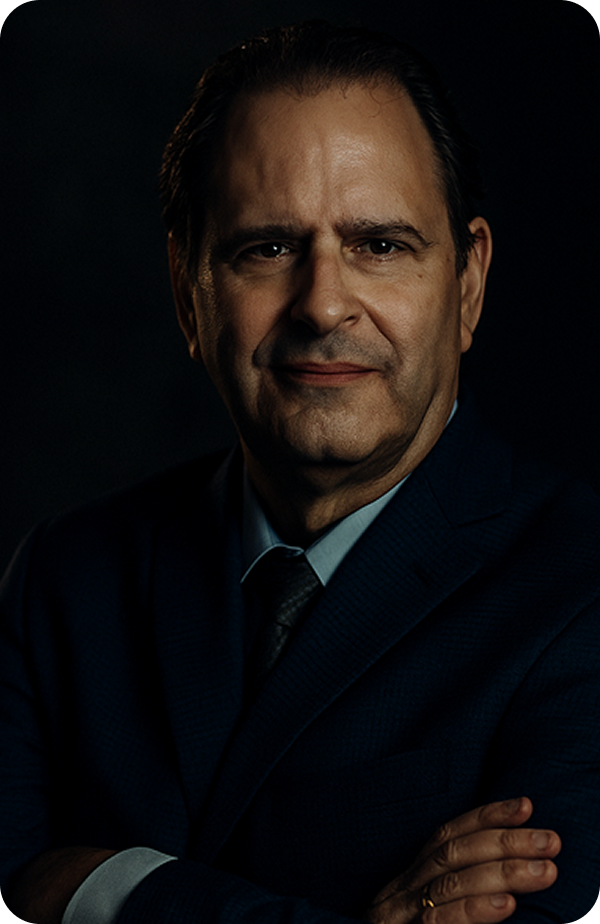
By Richard T. Herman
I have practiced immigration law for more than 30 years. I have worked through enforcement surges, policy swings, and bureaucratic dysfunction under presidents of both parties.
Nothing compares to the last six months.
Understanding what’s it like to be an immigration lawyer now during the Trump administration
In my experience, what it’s like to be an immigration lawyer during the Trump administration has been a unique challenge.
What is happening in U.S. immigration enforcement right now is not a policy dispute or a routine crackdown. It is a stress test—of immigrants, of lawyers, and of the rule of law itself. And the defining feature of this moment is not deportation numbers. It is fear.
Fear is no longer a side effect of the system. It is the system.
I hear it in the calls that come late at night. I see it in the faces of people sitting silently in USCIS waiting rooms. I feel it in the questions clients now ask—questions no one should have to ask in a country governed by law.
- Is it safer if I don’t go to my interview?
- If I leave the country, will I be allowed back in?
- If I’m arrested, will anyone know where I am?
Those questions alone tell you something has broken.
Over the past six months, immigration policy has shifted with dizzying speed. Travel has become risky again, not just for visa holders but for lawful permanent residents who are suddenly subjected to aggressive questioning, phone searches, and accusations of “abandonment.” ICE raids—once politically sensitive—have returned in quieter, more targeted forms: early-morning home arrests, workplace sweeps, and so-called “collateral” arrests of people not named in any warrant.
USCIS interviews, long understood as administrative checkpoints, have become enforcement events. People are being arrested at or immediately after appointments they are legally required to attend. Asylum has not been formally abolished; it has been smothered procedurally—delayed, narrowed, rushed, or frozen into meaninglessness. International students and high-skilled workers have discovered how quickly “essential” can become expendable.
The cumulative effect is not compliance. It is paralysis.
People stop traveling. Stop planning. Stop seeking medical care. Stop reporting crimes. Children stop sleeping. Families live in a permanent state of readiness for loss. Waiting itself becomes a form of punishment—one that does measurable psychological harm.
I know this because my firm, Herman Legal Group, has spent years documenting how prolonged uncertainty rewires behavior and mental health. Fear shrinks lives. That is not incidental. It is effective.
And now, the pressure has expanded beyond immigrants.
Immigration lawyers are increasingly being treated not as officers of the court, but as obstacles to enforcement. Rhetoric from the administration has framed attorneys as part of the problem. There have been credible reports of government “lists” of immigration lawyers. Lawyers have been questioned at airports by Customs and Border Protection, asked about their clients, and pressured to surrender phones.
Lawsuits have followed.
This is a bright red line.
When a government begins to intimidate or retaliate against lawyers for representing unpopular clients, it is no longer just enforcing the law. It is testing whether the law still constrains power.
History is clear on this point. Authoritarian systems do not start by abolishing courts. They start by undermining predictability, reframing advocacy as obstruction, and making representation itself suspect. Immigration law is often the first battlefield because it is complex, politically charged, and easy to dehumanize.
But it never ends there.
I have watched my profession change. Immigration lawyers are no longer just attorneys. We are crisis counselors, trauma buffers, emergency planners. We talk clients through panic attacks before interviews. We help parents prepare contingency plans for their own disappearance. We file emergency motions before we even know where our clients are being held.
We do this not because it is sustainable, but because the alternative—silence—is worse.
This moment will be studied. The memos will surface. The policies will be dissected. The human cost will eventually be acknowledged.
The question is not whether we will understand what happened.
The question is who spoke while it was happening.
Immigration law is showing us how much fear a legal system can absorb before it stops being a system of law at all. That should concern everyone—citizen and non-citizen alike.
Because when fear replaces due process in one corner of the law, it rarely stays there.

Richard T. Herman is an immigration attorney with more than 30 years of experience and the founder of Herman Legal Group. He writes and speaks nationally on immigration enforcement, due process, and the human cost of U.S. immigration policy.