
Quick Answer
Yes—recent national reporting shows ICE detaining children and separating families, including cases where young children became seriously ill in custody and where federal courts intervened. Pediatric and child-development research consistently warns that separation and detention instability can cause toxic stress, school disruption, and long-term mental health harm related to the ICE detention of children. Legally, these cases raise recurring red flags: due process failures, inadequate medical care, and detention practices that conflict with the Flores framework and child-welfare standards.
Recent reports highlight the alarming frequency of ICE detention of children across various states, raising concerns among child welfare advocates.

What’s happening now
The increase in ICE detention of children has sparked protests and calls for reforms from numerous organizations.
1) A detained toddler was hospitalized; lawsuit alleges ICE returned her to detention and denied prescribed medication
A Reuters report (Feb. 8, 2026) describes a Texas federal lawsuit alleging an 18-month-old was hospitalized with life-threatening respiratory illness and then returned to ICE custody without necessary medication.
- Reuters: Toddler returned to ICE custody and denied medication after hospitalization, lawsuit says
- People: Summary of the lawsuit and hospitalization timeline
2) Data reporting shows children in ICE detention surging
Statistics reveal that the rate of ICE detention of children has surged, prompting discussions about the implications for their mental health.
The Marshall Project reported (Jan. 29, 2026) that the daily number of children in ICE detention jumped sixfold, citing analysis of enforcement datasets and documenting that thousands of minors have been booked into ICE detention since the current administration began.
- The Marshall Project: “Daily Number of Kids in ICE Detention Jumps 6x Under Trump”
- Deportation Data Project: data announcements and links to the underlying reporting
3) Minnesota cases spotlight kids detained far from home; schools report fear and disruption
The effects of ICE detention of children extend beyond immediate safety concerns, affecting their long-term emotional well-being.
Recent reporting describes children detained after enforcement activity in Minnesota and transferred to family detention in Texas, with schools and communities scrambling to locate children and support families.
- Washington Post: Judge ordered 5-year-old released, but data shows ICE is detaining more kids
- Washington Post: School officials say missing Minneapolis girl seen in ICE detention in Texas
- AP (via Washington Post): In Minnesota, sending a child to school is an act of faith for immigrant families

Why child detention and separation are medically and developmentally damaging
Toxic stress is not a metaphor
Addressing the issue of ICE detention of children is critical for ensuring that their developmental needs are met.
Pediatricians and child-development researchers describe “toxic stress” as prolonged, severe stress that can disrupt brain development and increase long-term risk of mental and physical illness.
Practical, citable resources:
- AAP statement opposing separation of children and parents at the border (House testimony PDF)
- AAP News: AAP renews call for an end to family separation (toxic stress discussion)
- Johns Hopkins Hub: toxic stress and child development after separation
- Harvard FXB Center: report summary on mental and physical harm to children in immigration detention
School impacts are measurable
When caregivers are detained (or families fear detention), children experience:
- Absenteeism spikes
- Attention and behavior changes
- Drop-offs in performance
- Anxiety and hypervigilance
HLG cross-link (internal):
The legal framework: why these cases trigger constitutional and statutory alarms
Flores is still the baseline legal constraint for kids
The Flores framework generally favors release of minors and limits prolonged detention of children in secure/unlicensed settings, which is why “family detention” policy repeatedly becomes a litigation flashpoint.
Highly citable references:
- Congressional Research Service: “The ‘Flores Settlement’ and Alien Families…”
- Human Rights First: Flores Settlement and family incarceration (history + implications)
- CWLA: History and update on Flores Settlement
Due process and child welfare collide in family detention
Children aren’t “parties” to removal cases, but they bear the most severe consequences—often without:
- notice
- counsel
- any individualized best-interest assessment
This is why child detention and separation are often described (in legal filings and medical advocacy) as structurally incompatible with child welfare norms.
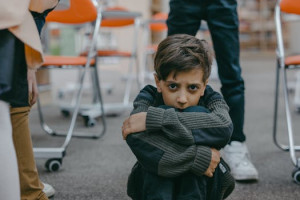
What child detention looks like in practice: predictable failure points
Documented cases show that ICE detention of children often results in significant delays in access to necessary healthcare services.
These are the recurring “failure mechanisms” that show up across lawsuits, investigations, and reporting:
- Medical screening delays → a sick child deteriorates before adequate care
- Medication interruption → chronic conditions worsen (asthma, diabetes, seizures)
- Emergency response delays → hospitalization comes late
- Pressure tactics in family detention → parents are pushed toward “voluntary” outcomes under duress
- School disruption → kids disappear from classrooms overnight; districts scramble
HLG cross-links (internal) to broaden context:
- ICE detention population hits record highs (2025)
- ICE warehouse detention plan: what the documents reportedly propose
- Has ICE changed enforcement for “sensitive locations” in 2025?
U.S. citizen children are collateral damage
Even when children are U.S. citizens, parental detention can produce:
- caregiver loss
- housing and food insecurity
- school instabilityIn many instances, ICE detention of children leads to a breakdown of family structures and support systems.
- trauma that persists after reunification
HLG cross-link (internal, civil-rights angle):
What schools should do
Educators play a vital role in addressing the trauma associated with ICE detention of children in their communities.
Schools should focus on student safety + lawful process, not immigration status.
School-safe priorities:
- Confirm who is authorized to pick up the child (existing school protocols)
- Document verified facts only (avoid rumors)
- Preserve communications
- Provide families calm next-step resources (legal aid, counseling supports)
HLG cross-link (internal, reporter/resources angle):
Herman Legal Group Resources
Lead Article
Other Vulnerable Populations Harmed by ICE
- ICE and Disabled Immigrants: ADA Violations and Civil Rights Abuse
- ICE and Seriously Ill Immigrants: Neglect and Death
- ICE Enforcement and LGBTQ+ Immigrants: Detention Abuse
When to contact a lawyer
Get legal help immediately when a child is:
- detained with a parent
- separated from a caregiver
- denied medical care or medication
- pressured into signing documents or “voluntary” removal outcomes
Consultation (HLG): Book a consultation
Frequently Asked Questions: Children and ICE Enforcement
This rise in ICE detention of children has been linked to increased anxiety and fear among immigrant families.
Can ICE detain children?
Yes. ICE can detain children in certain circumstances, including family detention or when children are apprehended with a parent. However, detention of children is heavily constrained by federal court rulings and long-standing child-welfare principles. Prolonged or unsafe detention of children is frequently challenged in court.
Does ICE separate children from their parents?
Yes. Family separation can occur during:
- Home arrests
- Workplace raids
- Traffic stops
- ICE check-ins
Separation often happens without advance planning for the child, leaving children stranded at schools or childcare facilities or placed in emergency care arrangements.
Are U.S. citizen children affected by ICE arrests?
Yes. Many children impacted by ICE enforcement are U.S. citizens. When a parent or caregiver is detained, citizen children may lose housing, income, medical care, and daily stability—even though they have committed no wrongdoing.
Can ICE detain a sick child or deny medical care?
ICE is legally required to provide adequate medical care, but lawsuits and investigative reporting document cases where children became seriously ill in detention, experienced delayed treatment, or were returned to custody after hospitalization without prescribed medication. These cases raise serious constitutional and medical-ethics concerns.
What happens to children when a parent is detained by ICE?
Outcomes vary, but commonly include:
It is essential to understand the consequences of ICE detention of children on their overall development and future.
- Children being left with relatives, neighbors, or friends
- Emergency involvement of child-welfare agencies
- Missed school and medical appointments
- Severe emotional distress
There is no automatic child-impact assessment before many ICE arrests.
Is family detention legal under U.S. law?
Family detention exists in a legally contested space. Federal court rulings generally favor release of children and limit prolonged detention in secure facilities. As a result, family detention policies are frequently challenged and modified through litigation.
What is the Flores Settlement and why does it matter for children?
The Flores Settlement is a federal court agreement that sets minimum standards for the detention and release of children in immigration custody. It favors placing children in the least restrictive setting and limits how long minors can be held in secure detention.
Can ICE arrest parents at or near schools?
Understanding the protocols around ICE detention of children can aid in advocating for better practices.
ICE policy has historically discouraged enforcement actions at “sensitive locations” such as schools, but policy guidance can change, and enforcement actions near schools have been reported. Even when arrests do not occur on school grounds, nearby enforcement can cause widespread fear, absenteeism, and trauma.
What should schools do if a child’s parent is detained by ICE?
Schools should focus on:
- Student safety and emotional support
- Following existing pickup authorization rules
- Avoiding disclosure of student information beyond legal requirements
- Documenting verified facts only
Schools should not attempt to enforce immigration law or determine immigration status.
Does detention or family separation harm children long-term?
Yes. Pediatric and child-development research shows that severe stress from separation and instability can cause toxic stress, which is linked to:
- Anxiety and depression
- Learning and attention problems
- Increased risk of long-term health issues
The harm can persist even after families are reunited.
Can ICE detain children with disabilities or mental health conditions?
Children with disabilities or mental health needs face heightened risk in detention. Failures to accommodate medical, developmental, or psychological needs can violate federal disability and civil-rights laws and are frequently cited in litigation.
What happens if a child is left alone after an ICE arrest?
Children may:
- Remain at school until emergency contacts are located
- Be placed temporarily with relatives or caregivers
- Enter the child-welfare system if no caregiver is immediately available
This is why family preparedness planning is critical.
Can ICE detain children indefinitely?
No. While detention may occur, indefinite or prolonged detention of children is heavily restricted and frequently challenged in court. Courts scrutinize length of detention, conditions, and whether less restrictive alternatives were considered.
What should parents do to protect their children if ICE enforcement is a risk?
Parents should:
It is crucial that parents are informed about the potential risks of ICE detention of children and how to protect their rights.
- Designate emergency caregivers in writing
- Ensure schools have updated pickup authorizations
- Prepare medical and school records
- Know their legal rights
- Consult an immigration attorney before a crisis occurs
When should a lawyer be contacted if children are involved?
Immediately—especially if:
- A child is detained or separated
- A child is denied medical care
- A parent is pressured to sign documents
- A U.S. citizen child loses a caregiver
Early legal intervention can prevent long-term harm.
Where can families get immediate help if a child is affected by ICE detention?
Families should seek:
Families affected by ICE detention of children should seek immediate support and resources for their well-being.
- Qualified immigration legal counsel
- Pediatric or mental health support
- School-based resources
- Community legal aid and advocacy organizations
If a child’s health or safety is at risk, urgent action is required.
Resource Directory: Children Affected by ICE Detention & Family Separation
(Legal, Medical, Education, Crisis Support)
Purpose: This directory consolidates the most authoritative, non-duplicative resources on children harmed by ICE detention, family separation, and caregiver arrest. It is designed for parents, schools, journalists, clinicians, and advocates seeking verified guidance and data.
Legal Rights & Advocacy (Children + Families)
Legal advocates are essential in addressing the challenges posed by ICE detention of children.
- American Civil Liberties Union – Immigrants’ Rights Project
Legal analysis, litigation, and reports on family separation and child detention
https://www.aclu.org/issues/immigrants-rights - National Immigration Law Center (NILC)
Children’s rights, family unity, and constitutional challenges to enforcement practices
https://www.nilc.org/issues/immigration-enforcement/ - Kids in Need of Defense (KIND)
Free legal representation for unaccompanied and separated children
https://supportkind.org/ - RAICES
Emergency legal and family reunification support for detained families
https://www.raicestexas.org/ - Florence Immigrant & Refugee Rights Project
Know-your-rights materials for detained families and children
https://firrp.org/
Medical & Mental Health Impacts on Children
Healthcare providers must be aware of the impacts of ICE detention of children on mental health outcomes.
- American Academy of Pediatrics (AAP)
Authoritative medical statements on toxic stress and family separation
https://www.aap.org/en/advocacy/immigrant-child-health/ - Harvard FXB Center for Health & Human Rights
Research on mental and physical harm to children in immigration detention
https://fxb.harvard.edu/ - Centers for Disease Control and Prevention – Adverse Childhood Experiences (ACEs)
Framework for understanding long-term health impacts of traumatic stress
https://www.cdc.gov/violenceprevention/aces/index.html - National Child Traumatic Stress Network (NCTSN)
Trauma-informed guidance for children affected by detention and separation
https://www.nctsn.org/
Schools, Educators & Childcare Providers
- National Education Association – Immigration Resources
Guidance for educators responding to ICE-related disruptions
https://www.nea.org/resource-library/educators-and-immigrationEducational institutions have a responsibility to address the challenges stemming from ICE detention of children. - Education Week – Immigration & Schools Coverage
Reporting and explainers on school impacts when parents are detained
https://www.edweek.org/policy-politics/immigration - U.S. Department of Education – Student Privacy (FERPA)
Rules governing student information and law enforcement requests
https://www2.ed.gov/policy/gen/guid/fpco/ferpa/index.html
Investigative Reporting & Data
- The Marshall Project – Immigration Detention Coverage
Data-driven reporting on children in ICE custody
https://www.themarshallproject.org/tag/immigration - ProPublica – Immigration & Family Separation
Investigations into detention conditions and government accountability
https://www.propublica.org/series/immigration - Reuters – U.S. Immigration Enforcement
Fact-based national reporting, frequently cited by courts and policymakers
https://www.reuters.com/world/us/immigration/Investigative efforts continue to uncover the realities of ICE detention of children and its long-term effects. - Washington Post – Immigration & Families
Long-form reporting on children, schools, and enforcement impacts
https://www.washingtonpost.com/immigration/
Child Welfare & Foster Care Intersections
- Children’s Defense Fund
Child welfare analysis related to family separation and detention
https://www.childrensdefense.org/ - Child Welfare League of America (CWLA)
Flores Settlement background and child welfare standards
https://www.cwla.org/ - National Conference of State Legislatures – Immigration & Children
State-level policy analysis on immigrant children and family unity
https://www.ncsl.org/immigration
Organizations are working tirelessly to support families affected by ICE detention of children.
Crisis & Family Support (Immediate Help)
- National Parent Hotline
Emotional support for parents under stress or separation
https://www.nationalparenthelpline.org/ - 988 Suicide & Crisis Lifeline
Immediate mental health crisis support (children and caregivers)
https://988lifeline.org/ - United Way 211
Local referrals for housing, food, counseling, and legal aid
https://www.211.org/
Legal Help & Case-Specific Guidance
- Herman Legal Group – ICE & Family Detention Resources
Plain-language legal guides on ICE enforcement and children’s rights
https://www.lawfirm4immigrants.com/Resource directories provide critical information for families facing the consequences of ICE detention of children. - Emergency Legal Consultation (HLG)
https://www.lawfirm4immigrants.com/book-consultation/
Awareness of the impacts of ICE detention of children is essential for advocacy and reform.