Trump’s troop deployment to Los Angeles in 2025, later ruled illegal, offers a warning for other sanctuary cities now in the administration’s crosshairs. The deployment sparked lawsuits, racial profiling claims, constitutional disputes, economic losses, and fear in immigrant communities. Cities like Chicago, Baltimore, Memphis, and New Orleans are preparing legal and political defenses as they brace for possible federal takeovers.

Introduction: Immigration Enforcement on a War Footing
For decades, immigration enforcement in the U.S. was largely carried out by civil agencies such as ICE and USCIS, as well as other federal immigration enforcement agencies. That changed in 2025 when the Trump administration federalized troop deployments into major cities, beginning with Los Angeles.
The move reignited debates over:
- Federal vs. state power
- Civil liberties vs. national security
- The economic and social costs of militarized enforcement
Now, with Trump weighing further deployments to sanctuary cities like Chicago and Baltimore, the stakes have never been higher. These actions were directed from the White House, highlighting the central role of executive leadership in this policy shift.
Background on the Trump Administration
The Trump administration’s approach to immigration and customs enforcement has been defined by aggressive policies aimed at curbing illegal immigration and increasing deportations. From the outset, President Trump prioritized a hardline stance, deploying National Guard troops to the southern border and ramping up immigration enforcement actions in cities nationwide. President Donald Trump’s public statements repeatedly emphasized his commitment to strict immigration enforcement, and Trump pledged to take aggressive action on immigration, including issuing executive orders and expanding deportation efforts. This strategy included a significant uptick in ICE raids, particularly in sanctuary cities like Los Angeles, where federal agents targeted undocumented immigrants in workplaces, schools, and neighborhoods.
These efforts have not been without controversy. Advocacy groups and local officials have repeatedly challenged the administration’s tactics, citing concerns over the treatment of immigrant communities and the use of federal agents in local jurisdictions. In Los Angeles, the immigration crackdown led to widespread anxiety, with many undocumented immigrants choosing to stay home from work or avoid public spaces altogether, fearing sudden immigration raids. Trump’s immigration policies and Trump’s plans for mass enforcement and deportation intensified these fears. The Trump administration’s policies have sparked numerous lawsuits and public outcry, especially as the impact of these enforcement actions ripples through families, businesses, and entire communities, with family members often directly affected by enforcement actions.
The Enforcement Surge
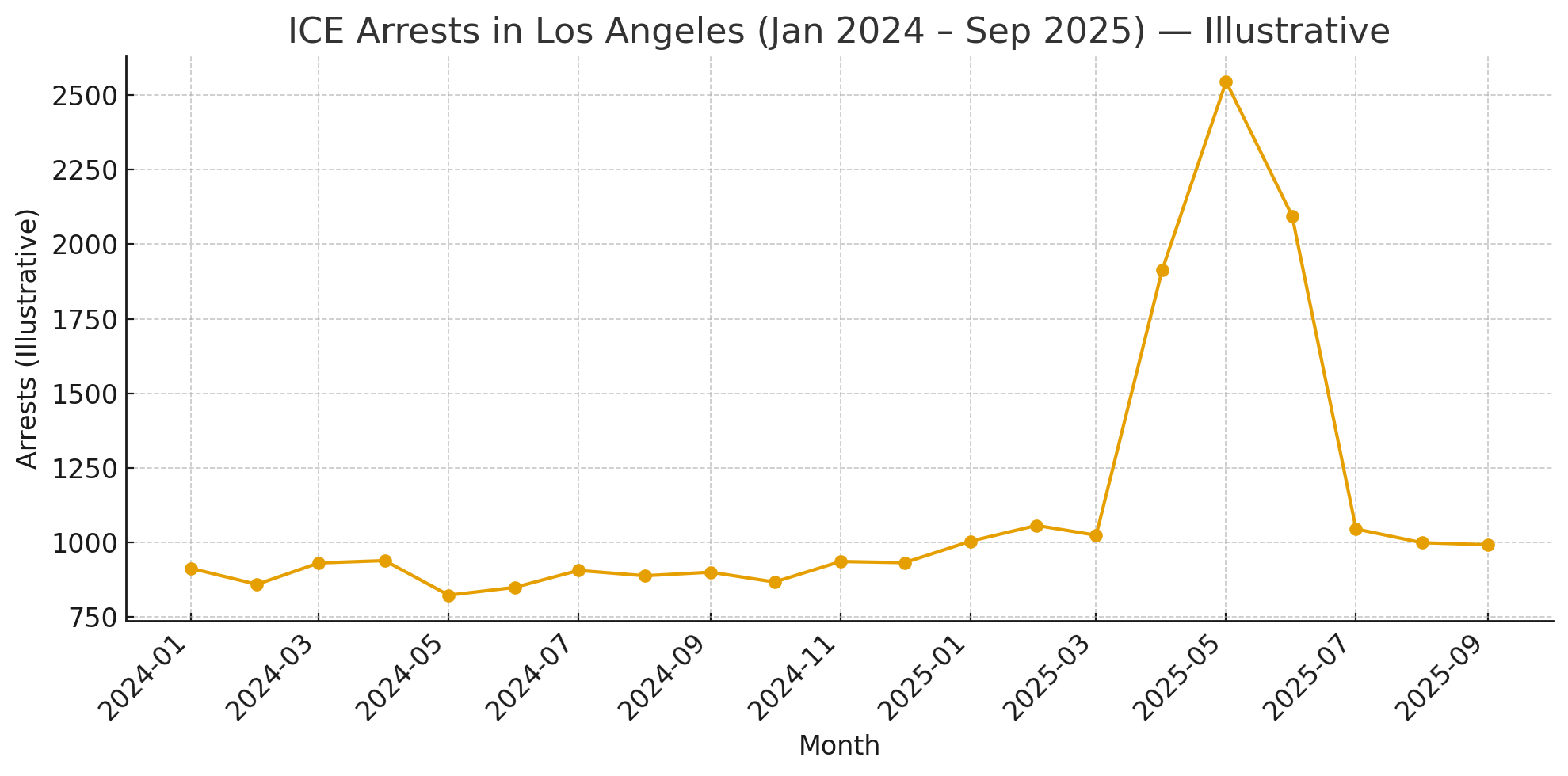
- Between April and June 2025, ICE arrests in Los Angeles quadrupled.
- Non-criminal immigrants became the majority of those arrested.
- Raids swept up workers, students, and parents, with ripple effects on schools, workplaces, and neighborhoods.
Sanctuary City Politics
Los Angeles is one of the country’s most prominent sanctuary jurisdictions, limiting cooperation with ICE detainers. Trump officials viewed this as “harboring illegals,” while local leaders defended it as constitutional local control over policing.
Trump targeted Los Angeles precisely because it was a sanctuary city — making the clash as much political as it was about immigration.
Clickable Resource: National Conference of State Legislatures – Sanctuary Policy Overview
Lawsuits and Constitutional Challenges
California vs. Federal Government
- Governor Gavin Newsom sued, claiming the deployment violated the Posse Comitatus Act and state sovereignty.
- A federal judge agreed, ruling the National Guard was illegally used for civilian law enforcement.
- The Trump administration appealed, setting up a potential Supreme Court showdown.
Sanctuary Cities in Court
Other sanctuary jurisdictions filed amicus briefs supporting California, warning that federal troop deployments without consent could:
- Erode the 10th Amendment’s protection of state rights
- Create precedent for federal occupation of local cities
- Chill free speech and protest rights under the First Amendment
Clickable Resource: Text of the 10th Amendment
The Racial Profiling Dimension
Civil rights groups documented:
- Latino and Black residents disproportionately targeted in LA raids.
- Individuals stopped for “looking foreign” or speaking Spanish in public.
- U.S. citizens mistakenly detained — some without access to attorneys.
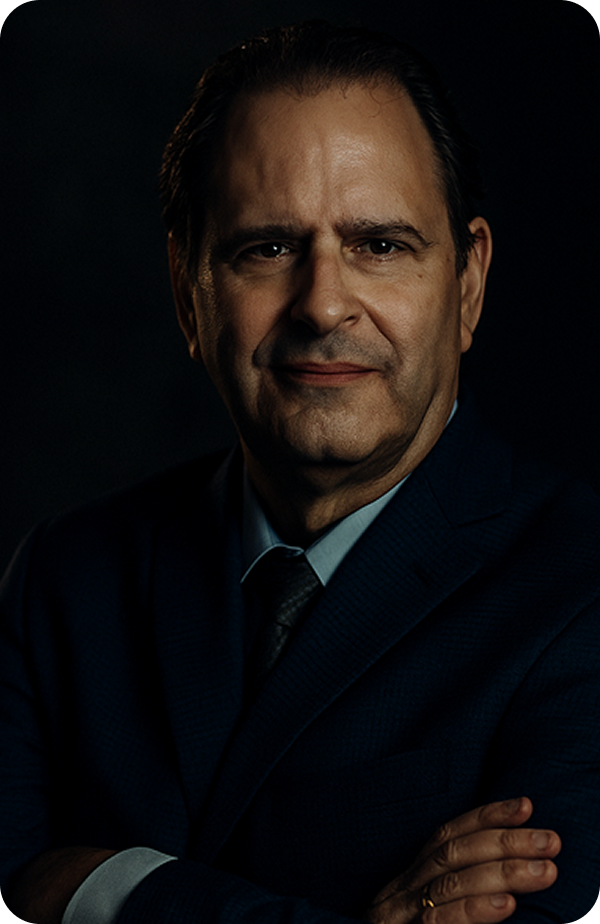
Attorney Richard Herman: The deployment blurred the line between immigration enforcement and racial profiling, making entire communities feel criminalized.
Civil liberties attorneys are now challenging the deployment as a violation of:
- Equal Protection Clause of the 14th Amendment
- Fourth Amendment protections against unreasonable searches and seizures
Clickable Resource: ACLU – Racial Profiling and Immigrant Rights
The Economics of Fear
Direct Costs
- Pentagon estimate: $134 million for LA deployment
- California estimate: $120 million and rising
- Additional federal resources were diverted from counter-drug and disaster relief operations.
Graph: Federal vs. State Deployment Costs

Business and Workforce Impacts
- Small businesses in immigrant-heavy areas saw 40–60% drops in sales.
- Workers avoided public transportation or job sites near raids.
- Restaurants, markets, and construction industries — often staffed by immigrant labor — reported severe staffing shortages.
Schools and Healthcare
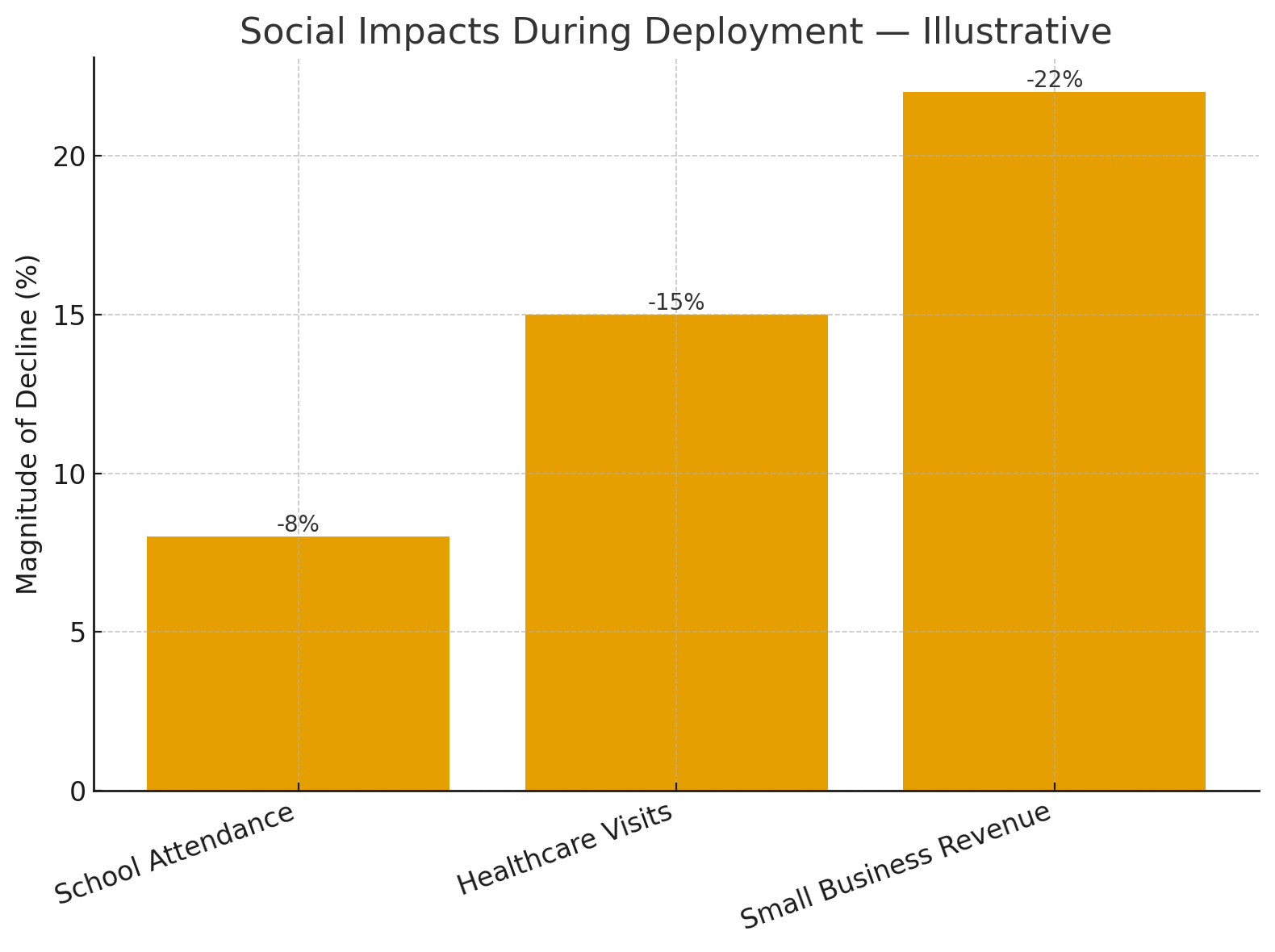
- School attendance dropped in immigrant communities as parents kept children home.
- Hospitals and clinics saw declines in patient visits, as immigrants feared exposure to enforcement.
Snippet Callout: Beyond the military’s $134 million price tag, the economic costs to Los Angeles businesses, schools, and healthcare were immeasurable.
Clickable Resource: Migration Policy Institute – Economic Contributions of Immigrants
The Psychology of Living Under Troops
Fear and Withdrawal
- Churches, libraries, and community centers became empty.
- Immigrant families limited outings to only the most essential activities.
- Legal aid organizations saw surges in “know your rights” requests.
Loss of Trust in Institutions
- Local police lost credibility as residents perceived them as collaborating with federal troops.
- Even U.S. citizens in immigrant families reported fear of being stopped and questioned.
Clickable Resource: Know Your Rights – National Immigration Law Center
Sanctuary Cities Nationwide Brace for Impact
Trump has floated deployments to:
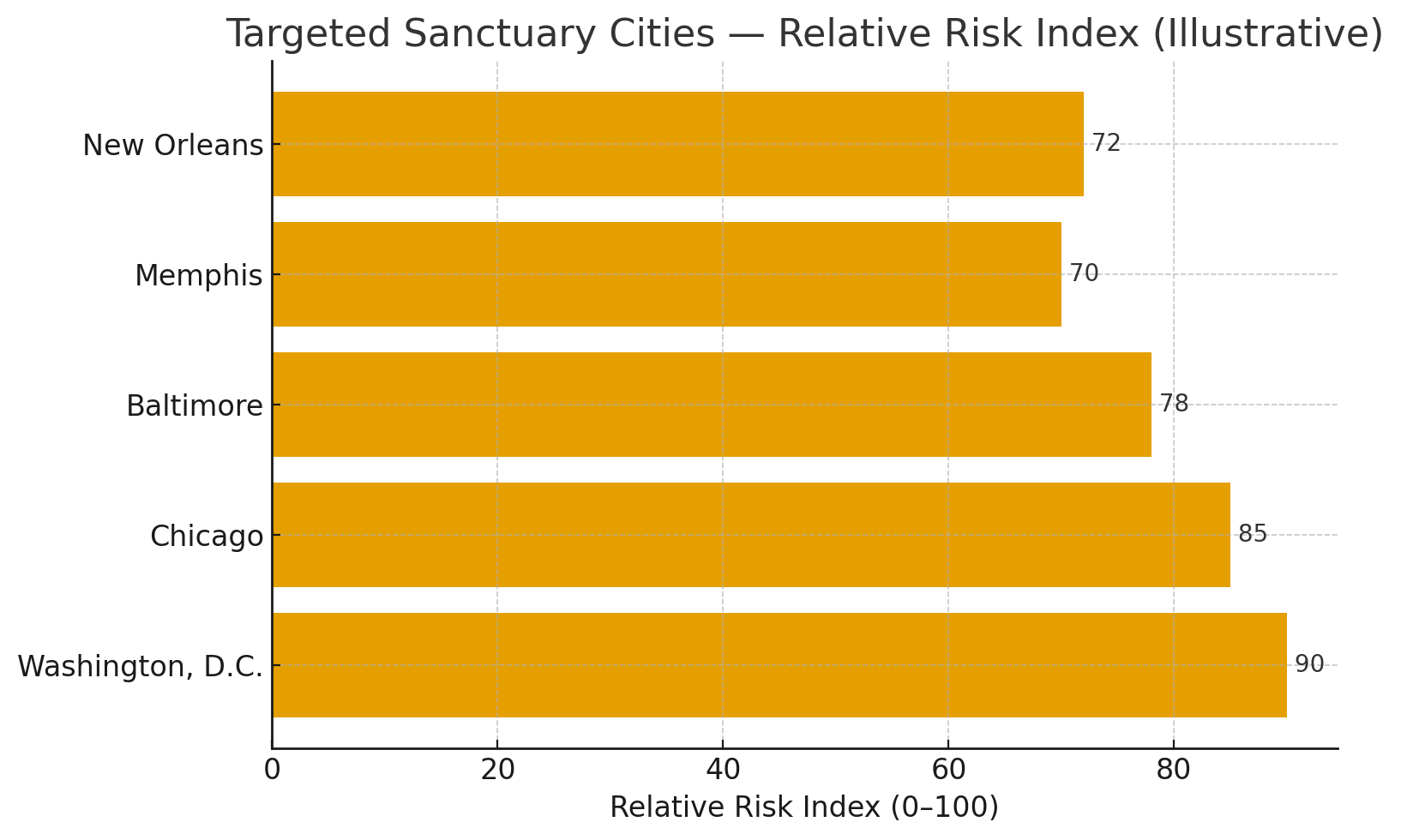
- Washington, D.C. – already under heavy federal control
- Chicago – long a target of Trump’s rhetoric
- Baltimore – heavily immigrant neighborhoods at risk
- Memphis & New Orleans – smaller but symbolic southern test cases
Local officials are preparing lawsuits and contingency plans:
- Establishing rapid legal defense funds
- Strengthening school sanctuary policies
- Partnering with nonprofits to protect immigrant workers
New York’s Approach: A Tale of Two Cities
New York City stands as a complex example in the national debate over immigration enforcement under the Trump administration. Mayor Eric Adams has walked a careful line—expressing a willingness to cooperate with the federal government on certain public safety issues, while also criticizing aspects of the administration’s aggressive immigration enforcement tactics. With one of the largest populations of undocumented immigrants in the country, New York’s approach is closely watched by both advocates and federal officials.
Despite being targeted by the Trump administration as part of its crackdown on sanctuary cities, New York has maintained policies designed to protect its immigrant communities. The New York City Police Department, for instance, does not inquire about the immigration status of crime victims or witnesses, aiming to foster trust and encourage cooperation with law enforcement. The city has also implemented a municipal ID program, ensuring that all residents—regardless of immigration status—can access essential services and participate in civic life.
Nevertheless, the city has not been immune to high-profile immigration raids and arrests, with federal agents conducting operations in neighborhoods across the five boroughs. These actions have left many immigrant communities deeply concerned about their safety and future. Community leaders and advocacy organizations have called on city leaders to do more, urging stronger protections and expanded support for undocumented immigrants facing the threat of deportation. As the Trump administration continues to ramp up its immigration enforcement efforts, the tension between federal policy and New York’s commitment to its diverse residents remains a defining feature of the city’s response.
Long-Term Constitutional Stakes
Legal scholars warn that Trump’s troop deployments could reshape U.S. constitutional law:
- Expanding federal executive power at the expense of states
- Weakening the Posse Comitatus Act
- Setting precedent for domestic military enforcement in areas far beyond immigration
The question is no longer only about immigration — it’s whether the president can use troops to override state and local authority in any crisis he defines.
Read:Congressional Research Service – The Posse Comitatus Act and Related Matters
Visuals
- Line Graph – ICE Arrests in Los Angeles (2024–2025)
- Heat Map – Targeted Sanctuary Cities (D.C., Chicago, Baltimore, Memphis, New Orleans)
- Infographic – Social Impacts: Schools, Healthcare, Small Businesses
FAQs on Trump’s Immigration Enforcement in Sanctuary Cities
What does “Trump’s war-like immigration enforcement” mean in sanctuary cities?
This phrase refers to the use of federal troops, expanded ICE raids, and aggressive immigration arrests in sanctuary jurisdictions such as Los Angeles, Chicago, Baltimore, Memphis, and New Orleans. Unlike traditional civil enforcement, these actions resemble military operations: large-scale troop deployments, curfews, and federal control overriding local authority.
Why is Los Angeles considered the testing ground for Trump’s immigration crackdown?
Los Angeles was the first major city where Trump deployed thousands of National Guard troops and Marines in 2025, without the governor’s consent. Immigration arrests quadrupled in just a few months, and non-criminal immigrants became the majority of those detained. The LA experience serves as a preview of what may happen in other cities.
Are sanctuary cities legally required to comply with Trump’s immigration enforcement orders?
No. Under the Tenth Amendment, states and cities are not legally obligated to use local resources to enforce federal immigration laws. However, Trump has attempted to bypass local leaders by sending federal agents and troops directly, raising constitutional disputes now being fought in federal courts.
What lawsuits have been filed against Trump’s troop deployments in sanctuary cities?
California sued the Trump administration, arguing that the deployment of National Guard troops to Los Angeles violated the Posse Comitatus Act and state sovereignty. Other sanctuary cities have filed supporting briefs, warning of unlawful federal overreach. Multiple civil rights lawsuits also challenge racial profiling, unlawful detentions, and the chilling of First Amendment protest rights.
How does Trump’s enforcement strategy affect immigrant communities in sanctuary cities?
It creates widespread fear and disruption. Families avoid public spaces, students miss school, healthcare visits decline, and workers are afraid to travel to job sites. Even U.S. citizens in mixed-status families report being targeted or questioned, eroding trust in law enforcement and government institutions.
What role does racial profiling play in these immigration crackdowns?
Civil rights groups have documented disproportionate targeting of Latino and Black residents in cities like Los Angeles. People have been stopped based on skin color, language, or presumed immigration status. Critics argue this violates the Equal Protection Clause of the 14th Amendment and the Fourth Amendment’s protections against unreasonable searches.
What are the economic costs of Trump’s immigration enforcement in sanctuary cities?
The economic impact is twofold:
- Direct costs – The Pentagon estimated troop deployments at $134 million, while California reported $120 million in additional expenses.
- Indirect costs – Businesses lose customers, immigrant workers stay home, schools see declining attendance, and local healthcare providers report fewer patients. The combined effect slows local economies and undermines long-term growth.
How does federal troop deployment affect local public safety?
Local police chiefs, including those in Los Angeles, argued that troops were unnecessary and counterproductive. Instead of improving safety, the deployments escalated tensions, strained resources, and reduced community cooperation with law enforcement. Military leaders themselves expressed concern that soldiers were untrained for civilian law enforcement duties.
What constitutional issues are at stake in Trump’s enforcement strategy?
Several constitutional questions are raised:
- Tenth Amendment – Limits on federal power over states.
- First Amendment – Right to protest without intimidation by military forces.
- Fourth Amendment – Protection against unreasonable searches and seizures.
- Fourteenth Amendment – Equal protection against racial discrimination.
What happens to U.S. citizens mistakenly detained during immigration raids?
Reports confirm that U.S. citizens have been wrongfully detained. Although most are eventually released, the incidents highlight systemic profiling and lack of safeguards. Lawsuits are ongoing to hold federal agents accountable and secure compensation for victims.
How do sanctuary cities prepare for federal crackdowns?
Cities like Chicago and Baltimore are:
- Setting up emergency legal defense funds.
- Training schools to implement sanctuary policies.
- Partnering with nonprofits to provide safe spaces.
- Establishing rapid-response networks for raids.
Do these enforcement measures reduce crime in sanctuary cities?
There is little evidence that militarized immigration enforcement lowers crime. In fact, many studies show that sanctuary cities have crime rates comparable to or lower than non-sanctuary jurisdictions. Critics argue Trump’s strategy criminalizes immigrants rather than improving public safety.
Who ultimately pays for troop deployments and expanded enforcement?
Taxpayers bear the cost. While the federal government funds deployments, states and cities shoulder indirect costs such as lost tax revenue, school disruptions, and increased demand for emergency aid. The true long-term financial burden extends to both immigrant and non-immigrant residents.
Can Trump legally expand these tactics to other cities like Chicago and New Orleans?
The administration claims authority under broad interpretations of federal emergency powers. However, ongoing lawsuits challenge this, and courts may limit his ability to override state and local consent. Until then, other cities remain vulnerable to sudden deployments.
What are the long-term risks of militarizing immigration enforcement in sanctuary cities?
- Erosion of constitutional limits on executive power.
- Normalized racial profiling in everyday policing.
- Economic destabilization in immigrant-heavy neighborhoods.
- Loss of public trust in democratic institutions.
- Chilling effect on free speech and protest.
How can immigrants and their families protect themselves during enforcement actions?
- Learn and assert your rights during encounters with ICE.
- Keep important documents and attorney contacts readily available.
- Use local “know your rights” workshops offered by nonprofits.
- Avoid unnecessary exposure in high-risk areas during raids.
Why are sanctuary cities central to the immigration debate?
Sanctuary cities symbolize local resistance to federal immigration crackdowns. They represent a legal and political clash over states’ rights, federal authority, and the protection of immigrant communities. Trump’s strategy to militarize enforcement in these cities highlights the broader struggle over America’s immigration future.
Conclusion: Los Angeles as a Warning
Los Angeles shows what happens when immigration enforcement collides with militarization:
- Lawsuits challenge executive overreach
- Communities are profiled and divided
- Businesses and schools suffer economic fallout
- Constitutional questions are pushed to their breaking point
As other sanctuary cities brace for troops, the U.S. faces a historic test of democracy, civil rights, and federalism.
Call to Action
If you live in a sanctuary city or fear immigration enforcement could impact you, your family, or your business, don’t wait until troops arrive.
Attorney Richard T. Herman has defended immigrants, families, and employers for over 30 years. He is nationally recognized as an authority on immigration law and the rights of immigrants under federal enforcement crackdowns.
📞 Call now: 216-696-6170
📅 Book your confidential consultation
Protect your rights. Protect your family. Protect your future.
Comprehensive Resource List
- USCIS – Immigration Benefits and Enforcement
- ICE – Enforcement and Removal Statistics
- Department of Justice – Civil Rights Division
- American Immigration Council
- Migration Policy Institute
- ACLU – Immigrant Rights Project
- NILC – Know Your Rights Materials
- California Governor’s Office – Litigation Updates
US Cities Brace for Another Los Angeles as Trump Deploys Troops in Expanding Immigration Crackdown
Trump’s troop deployment to Los Angeles in 2025, later ruled illegal, offers a warning for other sanctuary cities now in the administration’s crosshairs. The deployment sparked lawsuits, racial profiling claims, constitutional disputes, economic losses, and fear in immigrant communities. Many of the targeted cities are democrat led cities, which have often clashed with the Trump administration over immigration policy. Cities like Chicago, Baltimore, Memphis, and New Orleans are preparing legal and political defenses as they brace for possible federal takeovers.
Unlike the Trump administration’s aggressive tactics, the Biden administration has shifted federal immigration enforcement priorities, leading to a markedly different approach.
Introduction: Immigration Enforcement on a War Footing
For decades, immigration enforcement in the U.S. was largely carried out by civil agencies such as ICE and USCIS. That changed in 2025 when the Trump administration federalized troop deployments into major cities, beginning with Los Angeles.
The move reignited debates over:
- Federal vs. state power
- Civil liberties vs. national security
- The economic and social costs of militarized enforcement
Now, with Trump weighing further deployments to sanctuary cities like Chicago and Baltimore, the stakes have never been higher.
Why Los Angeles Became Ground Zero
The Enforcement Surge
- Between April and June 2025, ICE arrests in Los Angeles quadrupled.
- ICE officers and immigration agents conducted ice raids targeting illegal immigrants and illegal aliens, including those who entered the country illegally.
- Non-criminal immigrants became the majority of those arrested.
- Raids swept up workers, students, and parents, with ripple effects on schools, workplaces, and neighborhoods.
Mass deportations and deportation efforts were ramped up, with tens of thousands of individuals affected.
Enforcement actions targeted not only criminal aliens and violent criminals but also foreign born workers and construction workers, leading to significant workforce disruptions.
Sanctuary City Politics
Los Angeles is one of the country’s most prominent sanctuary jurisdictions, limiting cooperation with ICE detainers. Trump officials viewed this as “harboring illegals,” while local leaders defended it as constitutional local control over policing. State and city officials, together with state and local police, played a key role in shaping the city’s response to federal enforcement demands, either by resisting or adapting to federal immigration policies.
Trump targeted Los Angeles precisely because it was a sanctuary city — making the clash as much political as it was about immigration.
Clickable Resource:National Conference of State Legislatures – Sanctuary Policy Overview
Lawsuits and Constitutional Challenges
California vs. Federal Government
- Governor Gavin Newsom sued, claiming the deployment violated the Posse Comitatus Act and state sovereignty.
- The case was heard in federal court, specifically a district court, where federal authorities defended the legality of the deployment.
- A federal judge agreed, ruling the National Guard was illegally used for civilian law enforcement.
- The Trump administration appealed, setting up a potential Supreme Court showdown.
Sanctuary Cities in Court
Other sanctuary jurisdictions filed amicus briefs supporting California, warning that federal troop deployments without consent could:
- Erode the 10th Amendment’s protection of state rights
- Create precedent for federal occupation of local cities
- Chill free speech and protest rights under the First Amendment
Clickable Resource: Text of the 10th Amendment
The Racial Profiling Dimension
Civil rights groups documented:
- Latino and Black residents disproportionately targeted in LA raids.
- Individuals stopped for “looking foreign” or speaking Spanish in public.
- U.S. citizens mistakenly detained — some without access to attorneys.
Attorney Richard Herman: The deployment blurred the line between immigration enforcement and racial profiling, making entire communities feel criminalized.
Civil liberties attorneys are now challenging the deployment as a violation of:
- Equal Protection Clause of the 14th Amendment
- Fourth Amendment protections against unreasonable searches and seizures
Clickable Resource: ACLU – Racial Profiling and Immigrant Rights
The Economics of Fear
Direct Costs
- Pentagon estimate: $134 million for LA deployment
- California estimate: $120 million and rising
- Additional federal resources were diverted from counter-drug and disaster relief operations.
Graph: Federal vs. State Deployment Costs
Business and Workforce Impacts
- Small businesses in immigrant-heavy areas saw 40–60% drops in sales.
- Workers avoided public transportation or job sites near raids.
- Restaurants, markets, and construction industries — often staffed by immigrant labor — reported severe staffing shortages.
- Many immigrants also faced challenges trying to secure housing due to increased enforcement and fear of eviction.
Schools and Healthcare
- School attendance dropped in immigrant communities as parents kept children home.
- Hospitals and clinics saw declines in patient visits, as immigrants feared exposure to enforcement, reducing their access to essential health care.
Snippet Callout: Beyond the military’s $134 million price tag, the economic costs to Los Angeles businesses, schools, and healthcare were immeasurable.
Clickable Resource:Migration Policy Institute – Economic Contributions of Immigrants
The Psychology of Living Under Troops
Fear and Withdrawal
- Churches, libraries, and community centers became empty, with the immigrant community especially affected by the emptying of public spaces.
- Immigrant families limited outings to only the most essential activities.
- Legal aid organizations saw surges in “know your rights” requests.
Loss of Trust in Institutions
- Local police lost credibility as residents perceived them as collaborating with federal troops.
- Even U.S. citizens in immigrant families reported fear of being stopped and questioned.
Clickable Resource: Know Your Rights – National Immigration Law Center
Sanctuary Cities Nationwide Brace for Impact
Trump has floated deployments to:
- Washington, D.C. – already under heavy federal control
- Chicago – long a target of Trump’s rhetoric
- Baltimore – heavily immigrant neighborhoods at risk
- Memphis & New Orleans – smaller but symbolic southern test cases
Many of the cities preparing for federal action are democrat led cities.
Local officials are preparing lawsuits and contingency plans:
- Establishing rapid legal defense funds
- Strengthening school sanctuary policies
- Partnering with nonprofits to protect immigrant workers
Homeland security officials are coordinating with local governments as part of the federal response.
Long-Term Constitutional Stakes
Legal scholars warn that Trump’s troop deployments could reshape U.S. constitutional law:
- Expanding federal executive power at the expense of states (note: some legal precedents for this were established during the first Trump administration)
- Weakening the Posse Comitatus Act (note: first Trump administration policies influenced legal interpretations here)
- Setting precedent for domestic military enforcement in areas far beyond immigration (several such precedents trace back to the first Trump administration)
The question is no longer only about immigration — it’s whether the president can use troops to override state and local authority in any crisis he defines.
Read:Congressional Research Service – The Posse Comitatus Act and Related Matters
Visuals
- Line Graph – ICE Arrests in Los Angeles (2024–2025)
- Heat Map – Targeted Sanctuary Cities (D.C., Chicago, Baltimore, Memphis, New Orleans)
2. Infographic – Social Impacts: Schools, Healthcare, Small Businesses
FAQs on Trump’s Immigration Enforcement in Sanctuary Cities
What does “Trump’s war-like immigration enforcement” mean in sanctuary cities?
This phrase refers to the use of federal troops, expanded ICE raids, and aggressive immigration arrests in sanctuary jurisdictions such as Los Angeles, Chicago, Baltimore, Memphis, and New Orleans. Unlike traditional civil enforcement, these actions resemble military operations: large-scale troop deployments, curfews, and federal control overriding local authority.
Why is Los Angeles considered the testing ground for Trump’s immigration crackdown?
Los Angeles was the first major city where Trump deployed thousands of National Guard troops and Marines in 2025, without the governor’s consent. Immigration arrests quadrupled in just a few months, and non-criminal immigrants became the majority of those detained. The LA experience serves as a preview of what may happen in other cities.
Are sanctuary cities legally required to comply with Trump’s immigration enforcement orders?
No. Under the Tenth Amendment, states and cities are not legally obligated to use local resources to enforce federal immigration laws. However, Trump has attempted to bypass local leaders by sending federal agents and troops directly, raising constitutional disputes now being fought in federal courts.
What lawsuits have been filed against Trump’s troop deployments in sanctuary cities?
California sued the Trump administration, arguing that the deployment of National Guard troops to Los Angeles violated the Posse Comitatus Act and state sovereignty. Other sanctuary cities have filed supporting briefs, warning of unlawful federal overreach. Multiple civil rights lawsuits also challenge racial profiling, unlawful detentions, and the chilling of First Amendment protest rights.
How does Trump’s enforcement strategy affect immigrant communities in sanctuary cities?
It creates widespread fear and disruption. Families avoid public spaces, students miss school, healthcare visits decline, and workers are afraid to travel to job sites. Even U.S. citizens in mixed-status families report being targeted or questioned, eroding trust in law enforcement and government institutions.
What role does racial profiling play in these immigration crackdowns?
Civil rights groups have documented disproportionate targeting of Latino and Black residents in cities like Los Angeles. People have been stopped based on skin color, language, or presumed immigration status. Critics argue this violates the Equal Protection Clause of the 14th Amendment and the Fourth Amendment’s protections against unreasonable searches.
What are the economic costs of Trump’s immigration enforcement in sanctuary cities?
The economic impact is twofold:
- Direct costs – The Pentagon estimated troop deployments at $134 million, while California reported $120 million in additional expenses.
- Indirect costs – Businesses lose customers, immigrant workers stay home, schools see declining attendance, and local healthcare providers report fewer patients. The combined effect slows local economies and undermines long-term growth.
How does federal troop deployment affect local public safety?
Local police chiefs, including those in Los Angeles, argued that troops were unnecessary and counterproductive. Instead of improving safety, the deployments escalated tensions, strained resources, and reduced community cooperation with law enforcement. Military leaders themselves expressed concern that soldiers were untrained for civilian law enforcement duties.
What constitutional issues are at stake in Trump’s enforcement strategy?
Several constitutional questions are raised:
- Tenth Amendment – Limits on federal power over states.
- First Amendment – Right to protest without intimidation by military forces.
- Fourth Amendment – Protection against unreasonable searches and seizures.
- Fourteenth Amendment – Equal protection against racial discrimination.
What happens to U.S. citizens mistakenly detained during immigration raids?
Reports confirm that U.S. citizens have been wrongfully detained. Although most are eventually released, the incidents highlight systemic profiling and lack of safeguards. Lawsuits are ongoing to hold federal agents accountable and secure compensation for victims.
How do sanctuary cities prepare for federal crackdowns?
Cities like Chicago and Baltimore are:
- Setting up emergency legal defense funds.
- Training schools to implement sanctuary policies.
- Partnering with nonprofits to provide safe spaces.
- Establishing rapid-response networks for raids.
Do these enforcement measures reduce crime in sanctuary cities?
There is little evidence that militarized immigration enforcement lowers crime. In fact, many studies show that sanctuary cities have crime rates comparable to or lower than non-sanctuary jurisdictions. Critics argue Trump’s strategy criminalizes immigrants rather than improving public safety.
Who ultimately pays for troop deployments and expanded enforcement?
Taxpayers bear the cost. While the federal government funds deployments, states and cities shoulder indirect costs such as lost tax revenue, school disruptions, and increased demand for emergency aid. The true long-term financial burden extends to both immigrant and non-immigrant residents.
Can Trump legally expand these tactics to other cities like Chicago and New Orleans?
The administration claims authority under broad interpretations of federal emergency powers. However, ongoing lawsuits challenge this, and courts may limit his ability to override state and local consent. Until then, other cities remain vulnerable to sudden deployments.
What are the long-term risks of militarizing immigration enforcement in sanctuary cities?
- Erosion of constitutional limits on executive power.
- Normalized racial profiling in everyday policing.
- Economic destabilization in immigrant-heavy neighborhoods.
- Loss of public trust in democratic institutions.
- Chilling effect on free speech and protest.
How can immigrants and their families protect themselves during enforcement actions?
- Learn and assert your rights during encounters with ICE.
- Keep important documents and attorney contacts readily available.
- Use local “know your rights” workshops offered by nonprofits.
- Avoid unnecessary exposure in high-risk areas during raids.
Why are sanctuary cities central to the immigration debate?
Sanctuary cities symbolize local resistance to federal immigration crackdowns. They represent a legal and political clash over states’ rights, federal authority, and the protection of immigrant communities. Trump’s strategy to militarize enforcement in these cities highlights the broader struggle over America’s immigration future.
Conclusion: Los Angeles as a Warning
Los Angeles shows what happens when immigration enforcement collides with militarization:
- Lawsuits challenge executive overreach
- Communities are profiled and divided
- Businesses and schools suffer economic fallout
- Constitutional questions are pushed to their breaking point
As other sanctuary cities brace for troops, the U.S. faces a historic test of democracy, civil rights, and federalism.
Law Enforcement’s Role
Law enforcement agencies are at the center of the Trump administration’s immigration enforcement strategy. Federal law enforcement, including ICE and Department of Homeland Security agents, have been deployed to identify, detain, and deport undocumented immigrants, often conducting high-profile immigration raids in major cities. Federal immigration enforcement efforts rely on federal immigration agents, such as ICE officers, to carry out these operations and coordinate with local authorities. This increased presence of federal agents has raised alarms among local officials and advocacy groups, who warn that such tactics can erode public trust and lead to racial profiling.
In cities like Chicago, Mayor Brandon Johnson and other city leaders have voiced strong opposition to expanded immigration raids, arguing that aggressive federal enforcement undermines public safety by discouraging immigrant communities from cooperating with local police. Enforcement efforts have often prioritized criminal aliens and illegal immigrants, sparking debate over public safety and civil rights. The Department of Homeland Security, however, maintains that federal law requires robust immigration enforcement to protect communities and uphold the rule of law. The debate over the proper role of law enforcement in immigration enforcement remains heated, with many questioning whether the involvement of federal agents truly enhances public safety or instead creates new risks for vulnerable populations and local economies.
Immigrant Communities’ Response
The Trump administration’s immigration crackdown has triggered a wave of fear and uncertainty among immigrant communities, but it has also inspired resilience and solidarity. In cities like Los Angeles, undocumented immigrants have responded to the threat of ICE raids by limiting their movements, avoiding public spaces, and making contingency plans for their families and family members. Individuals who entered the country illegally are especially at risk and are seeking to clarify their legal status. Many have sought out legal services to better understand their rights, legal status, and prepare for possible encounters with immigration enforcement.
Downtown Los Angeles has become a hub for community organizing, with local groups and advocacy organizations like the American Civil Liberties Union stepping in to provide support, resources, and legal assistance. These efforts aim to empower immigrant communities to navigate the challenges posed by increased immigration enforcement and to push back against what many see as unconstitutional and inhumane policies. As the Trump administration signals plans to expand immigration raids to other cities, the response from immigrant communities continues to evolve, balancing fear with determination to protect their families and assert their rights in the face of ongoing federal crackdowns.
Other Cities’ Preparation: From Chicago to Houston
Across the United States, cities are bracing for the impact of the Trump administration’s intensified immigration enforcement. In Chicago, Mayor Brandon Johnson has emerged as a vocal opponent of the administration’s policies, pledging to defend the city’s immigrant communities and resist federal overreach. Chicago has established a robust network of support, including a municipal ID program and partnerships with immigrant-led organizations, to ensure that undocumented residents have access to legal services and essential resources.
Houston, by contrast, reflects a more divided approach. While some city leaders have expressed support for the Trump administration’s efforts to address illegal immigration, others have voiced concerns about the potential harm to the city’s large and diverse immigrant population. This split has led to ongoing debates over how best to balance public safety, economic growth, and the rights of immigrant communities.
Meanwhile, cities like Los Angeles and San Francisco remain at the forefront of resistance, with city officials and advocacy groups working hand-in-hand to shield residents from aggressive immigration enforcement. The American Civil Liberties Union and other advocacy organizations have played a critical role, providing legal services, challenging federal actions in court, and mobilizing rapid-response teams to support those affected by immigration raids.
As the Trump administration continues to expand its immigration enforcement agenda, city leaders, advocacy groups, and immigrant communities across the country are watching closely—and preparing to defend their residents against the far-reaching consequences of federal crackdowns. The coming months will test the resilience and resolve of cities determined to protect their most vulnerable populations.
Call to Action
If you live in a sanctuary city or fear immigration enforcement could impact you, your family, or your business, don’t wait until troops arrive.
Attorney Richard T. Herman has defended immigrants, families, and employers for over 30 years. He is nationally recognized as an authority on immigration law and the rights of immigrants under federal enforcement crackdowns.
📞 Call now: 216-696-6170
📅 Book your confidential consultation
Protect your rights. Protect your family. Protect your future.
Comprehensive Resource List
- USCIS – Immigration Benefits and Enforcement
- ICE – Enforcement and Removal Statistics
- Department of Justice – Civil Rights Division
- American Immigration Council
- Migration Policy Institute
- ACLU – Immigrant Rights Project
- NILC – Know Your Rights Materials
- California Governor’s Office – Litigation Updates