
Quick Answer
ICE can order a driver or passenger to exit a vehicle in some circumstances, and ICE can physically remove someone from a vehicle if officers claim lawful authority to detain or arrest. ICE does not automatically have the legal right to enter or search your car without your consent, probable cause, or a legally recognized emergency. The safest response is to stay calm, ask if you are free to leave, state that you choose to remain silent, and clearly say you do not consent to a search. This is general information, not legal advice.
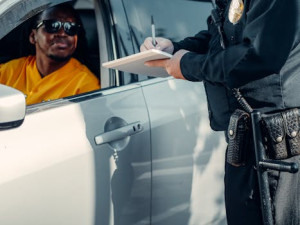
Fast Facts (Key Takeaways)
- A vehicle stop is a Fourth Amendment event with limits on detention and searches.
- Consent is the government’s easiest path to search your car—do not give it.
- An ICE administrative warrant is not signed by a judge.
- You can remain silent and ask for a lawyer.
- Physical removal from a car is a use-of-force escalation with serious consequences.
- Children in the vehicle raises the stakes—safety and medical documentation matter.
- Chemical agents near a vehicle can become dangerous fast if gas enters the cabin.
- Evidence wins cases: video, timestamps, witness info, and medical records.

What This Article Covers (So You Can Find Your Answer Fast)
This guide explains the real-world legal issues that come up when ICE encounters people in or around vehicles, including:
This article addresses a common question: Can ICE pull me out of my car during encounters, and what you should know about your rights.
- whether ICE can order you out of a car
- whether ICE can pull you out physically
- whether ICE can open your door or break a window
- whether ICE can search your vehicle
- what changes when children are in the car
- what to do if tear gas or chemical agents hit your vehicle
- what to say as a driver vs passenger
- what to do immediately after the encounter
If you want broader enforcement preparation for families (beyond vehicles), start here:
What To Do If ICE Comes To Your Door: 10 Smart Things
Why ICE Encounters With Vehicles Escalate So Fast
Vehicle encounters are uniquely dangerous because:
- movement can be interpreted as “flight” or “threat”
- drivers can panic and make unintended moves
- officers may surround the vehicle quickly, cutting off exits
- children may be trapped in car seats during chaos
- any use of force in a tight space creates immediate medical risk
HLG principle: Your safest tool is not debate. Your safest tool is a script.
What Counts as an ICE “Stop” vs ICE “Approaching Your Vehicle”?
Not all encounters start the same way, and the legal consequences change based on whether you were free to leave.
A traffic stop is a detention
If ICE blocks your vehicle, forces you to stop, surrounds your car, or orders you to remain, that is typically a detention (a Fourth Amendment seizure).
A parking lot approach may start “consensual”
If ICE walks up to a parked car and starts asking questions, officers may claim it’s voluntary—until they prevent you from leaving or begin issuing commands.
The one question that clarifies the encounter
Say calmly:
“Am I free to leave?”
- If YES: leave calmly.
- If NO: you are being detained—move immediately to the script.
Can ICE Stop Your Car?
ICE is not ordinary traffic enforcement in the way local police are. But ICE does initiate vehicle encounters during enforcement operations.
Do not assume an ICE encounter is informal. Treat it like a serious law enforcement event, because what is said and recorded can be used later in immigration proceedings.
Can ICE Order You to Get Out of the Car?
Yes. Officers can order drivers and passengers to exit vehicles in certain situations.
Do not argue roadside. Your job is to avoid escalation while preserving rights.
What to do if ICE orders you out
- exit calmly (do not slam doors or make sudden movements)
- keep hands visible
- do not answer background questions
- repeat the script below
Can ICE Pull You Out of the Car Physically?
Yes. ICE can physically remove someone from a vehicle if officers claim lawful authority to detain or arrest.
That does not automatically make the force lawful—but the legal fight happens later. In the moment, physical resistance is one of the biggest escalation triggers.
What NOT to do (critical)
Do not:
- grab the steering wheel and refuse to release it
- hold the door shut physically
- push or pull against agents
- drive forward “a little” to reposition
Even small movements can be described later as “resisting” or “trying to flee.”
What to do instead
Use verbal clarity without physical resistance:
- “I choose to remain silent.”
- “I want to speak to a lawyer.”
- “I do not consent to a search.”
Can ICE Open Your Car Door or Break Into Your Car?
“Consent” is the most common path to entry/search
ICE often tries to obtain consent because it simplifies later legal justification.
Say clearly (once, and then stop talking):
“I do not consent to a search of my car.”
Can ICE break a window?
In practice, officers sometimes escalate force quickly. Legally, forced entry typically requires officers to claim a recognized justification (arrest authority, probable cause, or a safety-based emergency).
Do not debate legal standards in the moment. Preserve the record with a simple refusal of consent and silence.
Can ICE Search Your Car?
Vehicle searches typically fall into a few predictable categories.
Search with consent
If you consent, the search becomes much harder to challenge later.
Avoid soft consent like:
- “I guess…”
- “Sure, go ahead”
- “Whatever you need”
Search with claimed probable cause
ICE may claim they have a lawful reason to search based on something they believe they observed.
Search after arrest / towing
If ICE arrests the driver, the vehicle may be searched under asserted arrest-related authority or handled through towing/inventory procedures. These are fact-heavy and often litigated later.
Administrative ICE Warrants vs Judge-Signed Warrants (What Matters at the Window)
Many families hear “warrant” and assume it means a court order signed by a judge.
ICE administrative warrant
ICE may reference internal DHS paperwork often tied to immigration arrest/removal processing. These documents are commonly described as administrative warrants and are not the same as a judge-signed warrant.
Judicial warrant
A judge-signed warrant is a court order and is different in legal authority.
What to say if ICE claims they have “a warrant”
Say:
- “Can you show me the warrant?”
- “Is it signed by a judge?”
Then stop talking.
The Vehicle Encounter Checklist (Driver + Passenger)
This is the section families should screenshot, print, and rehearse.
If ICE approaches you while you are inside your vehicle (do this in order)
Step 1 — Safety first
- Keep hands visible.
- Turn down music.
- Do not make sudden movements.
- If it is dark, turn on interior lights.
Step 2 — Clarify whether you are detained
Say: “Am I free to leave?”
Step 3 — If NO, stop talking
Say: “I choose to remain silent.”
Step 4 — Ask for a lawyer
Say: “I want to speak to a lawyer.”
Step 5 — Refuse consent clearly (once)
Say: “I do not consent to a search of my car.”
Step 6 — Refuse to sign anything
Say: “I will not sign anything without legal advice.”
Step 7 — If children are present, say it out loud
Say: “There are children in the car.”
If anyone has breathing distress: “We need medical help.”
If you are the driver
Driver: DO
- Put the car in park.
- Keep hands on the wheel.
- Ask if you are free to leave.
- Use the script below and stop talking.
Driver: DON’T
- Don’t try to drive around agents.
- Don’t “explain your status.”
- Don’t reach into compartments suddenly.
- Don’t consent to a search to “make it end.”
If you are a passenger
Passenger: DO
- Ask: “Am I free to leave?”
- Say: “I choose to remain silent.”
- Ask for a lawyer if questioned.
- Stay calm and avoid volunteering information about anyone else.
Passenger: DON’T
- Don’t answer “Where were you born?”
- Don’t guess anyone’s status.
- Don’t provide documents as “proof” unless required by law.
The 20-Second Script (English) — Copy/Paste
- “Am I free to leave?”
- If NO: “I choose to remain silent.”
- “I want to speak to a lawyer.”
- “I do not consent to a search of my car.”
- “I will not sign anything without legal advice.”
Stop talking.
Guion Rápido (Español) — Copy/Paste
- “¿Soy libre de irme?”
- Si NO: “Elijo permanecer en silencio.”
- “Quiero hablar con un abogado.”
- “No doy mi consentimiento para un registro del vehículo.”
- “No voy a firmar nada sin asesoría legal.”
If ICE Stops You on Foot While You Are Near Your Car
Sometimes ICE does not stop the car—ICE approaches a person who is getting in, getting out, fueling up, or loading children.
What to do (on-foot vehicle-adjacent encounter)
- Step back from the vehicle calmly
- Keep hands visible
- Ask: “Am I free to leave?”
- If no: “I choose to remain silent. I want a lawyer.”
- Do not hand over keys
- Do not consent to a search of the vehicle
If you have kids with you, state it:
- “My children are with me.”
- “I need to keep my child safe.”
Tear Gas + Vehicles: What Families Need to Know
Chemical agents can be especially dangerous around vehicles because a car can trap irritants inside the cabin.
Why tear gas can be dangerous in a vehicle
A vehicle can fill quickly with irritants, making it hard to:
- breathe normally
- see and drive safely
- unbuckle car seats
- locate infants and toddlers
- exit without panic injuries
Minneapolis Family With Children Reportedly Tear-Gassed Inside Their SUV
Recent reporting describes a Minneapolis family driving home with six children who said they became trapped in traffic during clashes involving federal agents and protesters, and that tear gas entered their vehicle. The family reported severe breathing distress and hospital evaluation for the children. Coverage includes:
- People: Minneapolis family, including 6 children, tear-gassed after they were caught in clash between ICE and protesters
- CBS Minnesota: Minneapolis couple says ICE released tear gas under their family vehicle with 6 children inside
What To Do If Tear Gas Hits Your Vehicle (Emergency Checklist)
If tear gas enters your car
- Move away from the gas source immediately if it is safe.
- Close windows and switch air to recirculate (if still driving).
- Do not drive into smoke clouds if visibility is dropping.
- If blocked or disabled, exit as soon as it is safe.
- Get children out first. Babies and toddlers can decompensate quickly.
- Move upwind and away from crowds.
- Call 911 for breathing distress (especially infants).
- Get same-day medical evaluation for children with coughing, wheezing, vomiting, eye injuries, or breathing trouble.
What to document immediately (this matters later)
- exact time and location
- photos/video of the vehicle and residue
- symptoms and injuries (especially children)
- hospital discharge notes
- witness contact information
Case Anchor: The Renée Good Shooting (Vehicle Encounter Escalation)
Reporting describes the fatal shooting of Renée Good in Minneapolis during an encounter connected to her vehicle and ICE enforcement, and later reporting raised public questions about investigation and accountability. See:
- Washington Post: FBI opened probe on Minneapolis shooting; none exists now, Justice Dept. says
- The Guardian: Justice department ‘not investigating’ Renee Good killing…
What this case illustrates (without speculation)
Vehicle encounters escalate fast because:
- normal vehicle movement can be framed as “danger”
- misunderstandings happen in seconds
- use-of-force decisions can be irreversible
HLG takeaway: If ICE is at your window, your safest move is calm, scripted, and minimal: silence + counsel + no consent.
Scenario-Based Risk Guide (Real-World Examples)
Scenario 1: ICE approaches your parked car outside work/school
Risk: Medium
Best response: “Am I free to leave?” then silence + lawyer + no consent.
Worst response: answering identity/status questions.
Scenario 2: ICE blocks your car in a driveway or parking lot
Risk: High
Best response: do not drive around agents; use the script immediately.
Worst response: sudden movement or panic driving.
Scenario 3: ICE tries to open your door while you refuse consent
Risk: High
Best response: repeat “I do not consent,” do not physically struggle.
Worst response: holding the door shut and pulling against agents.
Scenario 4: Children in the back seat and chemical agents are deployed nearby
Risk: Extreme
Best response: safety + immediate medical evaluation + documentation.
Worst response: staying inside the vehicle as gas accumulates.
Scenario 5: Driver is arrested and the car is searched or towed
Risk: High
Best response: silence + lawyer; do not consent to searches.
Worst response: consenting “to speed things up.”
What To Do After the Encounter (First 24 Hours)
Evidence Checklist (This Often Decides Outcomes)
Collect and preserve:
- phone video (yours and bystanders)
- time and GPS location screenshots
- photos of the vehicle (damage, residue, deployed airbags)
- names/phone numbers of witnesses
- medical records (especially children’s breathing issues)
- discharge instructions and diagnosis language
Medical documentation is not optional when kids are exposed
If children were exposed to chemical agents, do not wait to see if symptoms fade. Same-day records matter.
FOIA basics (one paragraph)
Later, attorneys may request records through FOIA, but the strongest cases usually start with documentation created immediately by the family: timestamps, symptoms, photos, and witnesses.
FAQ
1) Can ICE pull me out of my car?
Yes. ICE can physically remove someone if officers claim lawful authority to detain or arrest. Do not physically resist. Ask if you are free to leave, state you will remain silent, and request a lawyer.
2) Can ICE break my window or force entry into my car?
Sometimes. Forced entry usually involves officers claiming probable cause, arrest authority, or an emergency safety rationale. You should clearly say you do not consent to any search and remain silent.
3) Can ICE search my car without my permission?
ICE may search without permission if officers claim a lawful exception. The safest response is to state “I do not consent to a search,” then remain silent and ask for a lawyer.
4) Can ICE stop my car without police?
ICE can initiate vehicle encounters during operations. If you are stopped or blocked, treat it as a serious detention and use the script.
5) Do I have to roll my window down for ICE?
Prioritize safety and avoid escalation. You can communicate through a small opening. You can still remain silent and refuse consent to searches.
6) Do I have to show ICE my ID in my vehicle?
In many situations you can remain silent. Requirements vary by context. If uncertain, say you choose to remain silent and want a lawyer.
7) What if ICE says they have a warrant?
Ask to see it, then ask whether it is signed by a judge. Administrative ICE paperwork is not the same as a judge-signed warrant.
8) What is an ICE administrative warrant?
It is typically internal DHS paperwork used in immigration enforcement and is usually not judge-signed. It is not automatically the same as a court warrant.
9) Can ICE arrest me without a judge’s warrant?
Yes. Immigration arrests can occur based on administrative authority. Invoke silence and request counsel immediately.
10) What should I do if my kids are in the car?
Say “There are children in the car.” Keep movements calm. If any child has breathing distress, request medical help and get same-day evaluation.
11) Can tear gas hurt children inside a vehicle?
Yes. Reporting from Minneapolis describes children suffering breathing distress after tear gas entered a family SUV.
See People’s report here.
12) Should I record ICE from inside my car?
If it is safe and legal in your state, recording can preserve crucial evidence. Do not argue while recording. Focus on safety and the script.
13) What if ICE threatens me for refusing to answer questions?
You can remain silent. Do not escalate verbally. Repeat that you choose to remain silent and want a lawyer.
14) What should I do after an ICE vehicle encounter involving force?
Document everything immediately: video, location, witnesses, and medical records. Do not sign anything. Consult an immigration lawyer before giving statements.
15) Can ICE tow my car if they arrest me?
It can happen. If an arrest occurs, vehicles may be towed and later searched through claimed procedures. Do not consent to any search.
What This Means Going Forward
Vehicle encounters are among the most unpredictable immigration enforcement situations because they combine speed, confusion, and rapid escalation. Your safest strategy is consistent: don’t physically resist, don’t answer questions, don’t consent to searches, and ask for a lawyer. When children are involved—especially in incidents involving force or chemical agents—medical documentation and evidence collection should begin immediately.
For broader family preparedness and enforcement survival guidance, start here:
What To Do If ICE Comes To Your Door: 10 Smart Things
If you want legal guidance tailored to your situation, you can schedule a consultation here:
https://www.lawfirm4immigrants.com/book-consultation/
Resource Directory — ICE Encounters With Vehicles, Stops, Force, and Family Safety
Core vehicle/ICE incident coverage
Core enforcement reality-check content
- Is ICE Arresting Only Criminals—Or Anyone With a Civil Immigration Violation? (Herman Legal Group LLC)
- Ohio GOP Misleads About Non-Criminal Ohio ICE Arrests (Herman Legal Group LLC)
- Trump Will Expand Immigration Enforcement in 2026 (Herman Legal Group LLC)
Documentation + misconduct + accountability
- Shocking ICE Abuse Against U.S. Citizens (Herman Legal Group LLC)
- Why ICE Arrests U.S. Citizens (2025 Update) (Herman Legal Group LLC)
- 5 Shocking Cases of U.S. Citizens Wrongfully Detained by ICE (Herman Legal Group LLC)
Related “warrant vs. admin paperwork” framing
Household safety planning (evergreen)
Consultation link (single, calm CTA)
“Know Your Rights” Tools (Printable + Practical)
- ILRC Red Cards (Know Your Rights Wallet Cards)
- ACLU Know Your Rights – Immigrants’ Rights
- ILRC Family Preparedness Plan
Primary Government Sources
Immigration enforcement agencies
- ICE (U.S. Immigration and Customs Enforcement)
- CBP (U.S. Customs and Border Protection)
- DHS (U.S. Department of Homeland Security)
Immigration court system
Law + regulations (for exact legal definitions)
Major Media Incident Reporting (For the Minneapolis Tear Gas Vehicle Case)
- People – Minneapolis Family, Including 6 Children, Tear-Gassed After Clash Between ICE and Protesters
- CBS Minnesota – Minneapolis couple says ICE released tear gas under family vehicle with 6 children inside
Renée Good Case (For Context + Accountability Reporting)
- The Washington Post – FBI opened probe on Minneapolis shooting; none exists now, Justice Dept. says
- The Guardian – Justice department ‘not investigating’ Renee Good killing…
Reporter-Friendly: How to Verify Enforcement Claims and Detention Reality (Data-Based)