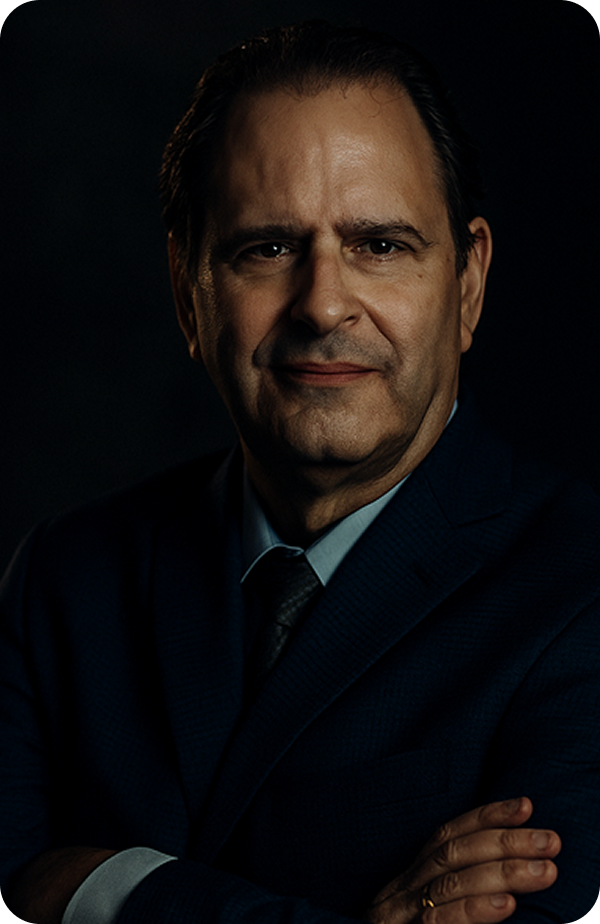
By Richard Herman, Immigration Attorney with More Than 30 Years of Experience
One of the most important questions immigrants are asking right now is:
“Is it still safe to travel internationally while my I-485 is pending?”
That fear has intensified dramatically after:
- the Trump administration’s new USCIS adjustment-of-status memo,
- expanded immigration vetting,
- increasing reports of aggressive CBP inspections,
- and growing concerns about discretionary denials.
For years, many immigrants with pending adjustment-of-status applications believed international travel was relatively routine if they had:
- Advance Parole,
- H-1B status,
- L-1 status,
- or another valid travel mechanism.
Now many immigrants are afraid:
- USCIS could deny adjustment,
- CBP could refuse reentry,
- social media screening could trigger problems,
- or travel itself could become a negative discretionary factor.
Those concerns have become especially intense following the new USCIS I-485 memo issued in May 2026 emphasizing that:
adjustment of status is discretionary.
The memo repeatedly states:
adjustment is an “extraordinary act of grace.”
Immigration lawyers nationwide now expect:
- more RFEs,
- more NOIDs,
- broader discretionary review,
- expanded immigration “risk assessments,”
- and greater scrutiny of adjustment applicants.
This article explains:
- whether immigrants should travel with a pending I-485,
- risks involving Advance Parole,
- H-1B and F-1 travel issues,
- CBP inspection risks,
- unlawful presence concerns,
- and what immigrants should do now.
Richard Herman Discusses the New USCIS Memo on NPR This Week
This week, immigration attorney Richard Herman appeared on multiple NPR-affiliated programs discussing the administration’s new adjustment-of-status policies and growing immigrant fear regarding travel, immigration screening, and “risk assessments.”
Listen here:
- Ideastream Public Media / NPR – Trump Administration Changes Rules to Obtain Green Cards
- NPR Illinois – Trump Administration Changes Rules to Obtain Green Cards
- Texas Public Radio / NPR – Trump Administration Changes Rules to Obtain Green Cards
During the interviews, Richard Herman explained that immigrants are increasingly requesting:
“immigration risk assessments”
before:
- filing Form I-485,
- traveling internationally,
- changing employers,
- or deciding whether to remain in the United States.
The interviews discussed growing concerns regarding:
- social media vetting,
- CBP screening,
- discretionary denials,
- and expanded immigration scrutiny.
Richard Herman also recently discussed fear among international students in another NPR-affiliated interview:
That interview focused heavily on:
- travel anxiety,
- immigration screening,
- visa uncertainty,
- and social media review.
What Is the New USCIS I-485 Memo?
On May 21, 2026, USCIS issued:
The memo repeatedly emphasizes:
adjustment of status is discretionary.
USCIS states:
adjustment is an “extraordinary act of grace.”
Official USCIS guidance:
Immigration lawyers nationwide fear the memo may lead to:
- increased discretionary denials,
- expanded social media review,
- more aggressive scrutiny,
- and greater pressure toward consular processing.
Related Herman Legal Group analysis:
- Top 10 I-485 Denial Risks in 2026
- What Happens If Your Adjustment of Status Is Denied?
- Can USCIS Force You to Leave the U.S. for Consular Processing?
- Can USCIS Use AI to Scrutinize Your Immigration Case?
- What Counts as Extraordinary Circumstances?
Is It Safe to Travel with a Pending I-485?
It depends entirely on your immigration history and current status.
For some immigrants:
travel may still be relatively safe.
For others:
departure from the United States could create serious immigration risks.
The answer depends on factors including:
- immigration status,
- unlawful presence history,
- criminal history,
- prior removal orders,
- Advance Parole validity,
- visa type,
- and CBP inspection risks.
There is no universal answer.
What Is Advance Parole?
Advance Parole is:
travel authorization issued by USCIS
allowing certain immigrants with pending adjustment applications to:
- leave the United States,
- and seek parole back into the country.
Official USCIS guidance:
Important:
Advance Parole does NOT guarantee admission.
CBP officers still retain authority to:
- inspect travelers,
- review admissibility,
- and deny entry in certain situations.
Could Leaving the U.S. Trigger a 3-Year or 10-Year Bar?
Potentially yes.
This is one of the greatest dangers.
Immigrants with prior:
- unlawful presence,
- visa overstays,
- or status violations
may trigger:
INA 212(a)(9)(B)
upon departure.
Official USCIS guidance:
Potential consequences may include:
- 3-year bars,
- 10-year bars,
- visa denials,
- or inability to return.
Related:
Could CBP Deny Reentry Even with Advance Parole?
Potentially yes.
Advance Parole is:
discretionary parole authority — not guaranteed admission.
CBP officers may still examine:
- immigration history,
- criminal history,
- prior misrepresentations,
- social media activity,
- travel patterns,
- and national-security concerns.
Many immigrants now fear:
- secondary inspection,
- device searches,
- social media screening,
- or aggressive questioning at airports.
These fears were specifically discussed during Richard Herman’s NPR interviews this week.
Are H-1B and L-1 Holders Safer for Travel?
Potentially yes.
H-1B and L-1 visas are:
dual-intent visas.
This often provides greater flexibility for international travel during adjustment processing.
Official USCIS guidance:
However:
even H-1B and L-1 travelers may face increased scrutiny in 2026.
Related:
Are F-1 Students at Greater Travel Risk?
Potentially yes.
F-1 students already face:
- immigrant intent concerns,
- SEVIS scrutiny,
- CPT review,
- and visa-renewal risks.
Now many students also fear:
- social media vetting,
- discretionary scrutiny,
- and travel-related denial risks.
Related:
Could Travel Become a Negative Discretionary Factor?
Possibly.
One of the most controversial aspects of the new memo is its emphasis on:
discretionary review and “totality of circumstances.”
Some immigration lawyers fear USCIS officers may increasingly evaluate:
- travel patterns,
- international ties,
- immigration intent,
- and broader “risk indicators.”
At the moment:
USCIS has not formally stated that travel itself is a negative factor.
But uncertainty is growing.
Could Social Media Affect Reentry?
Potentially yes.
Many immigrants now fear:
- device searches,
- social media review,
- political screening,
- and AI-assisted immigration vetting.
Related:
- USCIS Vetting Center High-Risk Countries and Social Media Screening
- Can USCIS Use AI to Scrutinize Your Immigration Case?
What Happens If USCIS Denies Your I-485 While You Are Abroad?
This can become extremely dangerous.
Potential consequences may include:
- inability to return,
- visa denial,
- unlawful presence consequences,
- or pressure toward consular processing.
Related:
What Should Immigrants Do Before Traveling?
1. Review Immigration History Carefully
Look for:
- unlawful presence,
- status violations,
- prior overstays,
- or prior immigration problems.
2. Verify Travel Documents
Ensure:
- Advance Parole,
- visas,
- passports,
- and approvals
remain valid.
3. Preserve Documentation
Carry:
- I-485 receipts,
- employment records,
- marriage evidence,
- and immigration approvals.
4. Review Social Media Carefully
Assume immigration officers may review:
- online activity,
- public posts,
- and digital history.
5. Speak with an Experienced Immigration Attorney Before Traveling
This is more important now than ever.
Richard Herman’s Predictions About I-485 Travel Risks in 2026
Based on more than 30 years practicing immigration law, I expect:
- increased CBP scrutiny,
- expanded social media vetting,
- broader discretionary review,
- more secondary inspections,
- and growing fear surrounding international travel.
I also expect:
- more immigrants seeking “risk assessments,”
- increased travel hesitation,
- and more litigation involving parole and adjustment denials.
These issues are rapidly reshaping immigration strategy nationwide.
Frequently Asked Questions (FAQ)
Can I travel internationally with a pending I-485?
Potentially yes, but risks vary dramatically depending on the case.
Is Advance Parole safe?
Advance Parole helps, but it does not guarantee admission into the United States.
Could travel trigger a 10-year bar?
Potentially yes, especially where unlawful presence exists.
Are H-1B holders safer for travel?
Often yes, because H-1B is a dual-intent visa.
Are F-1 students at higher risk?
Potentially yes, especially regarding immigrant intent and visa-renewal scrutiny.
Could CBP search my phone or social media?
Potentially yes. Many immigrants now fear expanded digital screening.
Final Thoughts
The new USCIS adjustment-of-status memo has fundamentally changed how immigrants think about international travel.
For years, many immigrants assumed:
“If I have Advance Parole, I can safely travel.”
Now the calculation is far more complicated.
Under the administration’s new immigration environment:
- discretionary scrutiny is increasing,
- immigration “risk assessments” are expanding,
- and CBP inspections may become more aggressive.
That does not mean immigrants should panic.
But it does mean:
travel decisions now require far more strategic analysis than before.
Schedule a Consultation
If you are concerned about:
- traveling with a pending I-485,
- Advance Parole risks,
- CBP inspection,
- unlawful presence,
- H-1B or F-1 travel,
- social media vetting,
- consular processing,
- RFEs,
- NOIDs,
- or immigration discretion,
schedule a confidential consultation with Herman Legal Group:
Herman Legal Group
Immigration Law Throughout the United States
Phone: 1-800-808-4013