
Yes — but only in narrow, defensible circumstances. Under the new wage-weighted and beneficiary-centric H-1B selection framework, higher wage levels may influence selection probability. However, salary adjustments that are poorly documented, inconsistent with job duties, or implemented primarily to manipulate lottery outcomes can trigger RFEs, denials, fraud referrals, or related-entity investigations.
To effectively Increase H-1B lottery odds 2027, employers must adopt strategic salary practices.
If you are considering compensation strategy before the March 4–19, 2026 registration window, this is where legal strategy matters.
Documented salary adjustments can significantly help to Increase H-1B lottery odds 2027.
For a full overview of the registration framework, see our pillar:
How to Register for the H-1B Lottery 2027
Beginning with the new DHS rule published in the U.S. Department of Homeland Security Federal Register, USCIS shifted away from employer-centric filings and implemented:
Authoritative overview:
Official government resource:
The bottom line: compensation strategy is now part of a compliance analysis — not just a recruiting decision.
Under a wage-weighted system, USCIS may prioritize registrations aligned with higher Occupational Employment and Wage Statistics (OEWS) levels.
Wage Levels (Department of Labor framework):
Higher wage levels may correlate with higher selection probability, influencing the ability to Increase H-1B lottery odds 2027.
Employers need to understand how to Increase H-1B lottery odds 2027 through proper wage levels.
However:
Detailed analysis:
Increasing salary is defensible when:
This requires:
If done correctly, compensation alignment improves both:
Understanding the risks can help you Increase H-1B lottery odds 2027 without facing penalties.
USCIS has publicly emphasized fraud detection and manipulation enforcement.
Common risk triggers include:
Fraud enforcement authority derives from DHS regulations and anti-abuse provisions under the Immigration and Nationality Act.
For risk analysis:
Increasing salaries, when justified, can help to Increase H-1B lottery odds 2027.
Registration window: March 4–March 19, 2026.
After March 4:
Employers considering salary alignment should complete:
before registration opens.
Complete registration framework:
Employers sponsoring F-1 students must also consider:
Guide for employers:
There has been discussion around increased fee structures and enforcement pressure under Project 2025 proposals.
High wage offers can be part of a strategy to Increase H-1B lottery odds 2027 effectively.
Overview:
Employers adjusting salary must evaluate total sponsorship cost exposure.
Employers should regularly assess strategies to Increase H-1B lottery odds 2027.
Selection does not equal approval.
To improve selection probability:
To improve approval probability:
For specialty occupation alignment:
The U.S. Citizenship and Immigration Services has increased:
Combined with beneficiary-centric tracking, wage manipulation is easier to detect than in prior years.
This is no longer a volume game.
It is a compliance architecture exercise.
Increase salary if:
Do not increase salary if:
Misaligned strategy can lead to:
Yes, compensation strategy can influence H-1B lottery dynamics — but only when executed as part of a broader compliance and documentation plan.
Employers who treat registration as a tactical HR form risk long-term immigration and enforcement exposure. Employers who treat it as a legal strategy improve both selection and approval probability.
Registration opens March 4, 2026.
If your company is considering:
Now is the time to conduct a pre-registration audit.
Book a consultation:
https://www.lawfirm4immigrants.com/book-consultation/
Herman Legal Group has advised employers for more than 30 years on H-1B compliance strategy, wage alignment, and lottery optimization
For full strategic guidance, see:
How to Register for the H-1B Lottery 2027
Yes — but only if the higher salary is legitimate, prospective, and supported by job duties and prevailing wage data. Under the wage-weighted framework, higher wage levels may improve selection probability. However, artificial increases designed primarily to influence the lottery can trigger RFEs, denials, or fraud scrutiny. Salary must align with job complexity, internal wage structure, and long-term employment intent.
Related analysis:
Can Employers Increase Salary to Improve H-1B Lottery Odds?
Under the new regulatory framework implemented by the U.S. Department of Homeland Security, wage levels may influence selection probability. Level III and IV wages can signal higher job complexity. However, USCIS evaluates consistency between wage level and job duties. Inflated or inconsistent wage classifications can result in petition denial.
Official overview:
https://www.uscis.gov/working-in-the-united-states/h-1b-electronic-registration-process
Wage manipulation occurs when compensation is increased or structured primarily to influence lottery selection without legitimate business justification. Red flags include:
Detailed risk breakdown:
H-1B Salary Manipulation Risks Under the New Lottery System
Before registration opens on March 4, 2026. Wage level strategy, job classification, and internal documentation must be finalized prior to submitting the electronic registration. After submission, employers cannot retroactively adjust wage levels to improve positioning.
Comprehensive registration timeline:
Ultimate Guide to the 2026 H-1B Lottery Registration
Only if the job duties genuinely justify a higher wage classification. Upgrading wage level without corresponding changes in complexity, supervision, or responsibility creates inconsistency. USCIS frequently issues RFEs when wage level does not match described duties.
Specialty occupation guidance:
HLG Specialty Occupation Guide
No. Selection remains subject to regulatory allocation methodology and overall registration volume. Wage alignment may improve positioning within the framework, but it does not guarantee selection. Employers should focus on both selection optimization and approval preparedness.
Rule overview:
Understanding the New H-1B Lottery Rule (2026–2027)
Under beneficiary-centric tracking implemented by the U.S. Citizenship and Immigration Services, USCIS monitors multiple registrations tied to the same individual. If related entities submit filings with inconsistent wage classifications or identical job descriptions, this may trigger investigation or invalidation.
Employers should manage compliance to effectively Increase H-1B lottery odds 2027.
Employer-focused breakdown:
New H-1B Lottery Rules for Employers (2026)
To support Level III or IV classification, employers should prepare:
Preparation before selection improves approval probability.
Reducing salary below the certified LCA wage or misaligning compensation after approval can result in:
Wage obligations are governed by Department of Labor regulations and enforcement authority under the U.S. Department of Labor.
Wage consistency is vital to Increase H-1B lottery odds 2027 over time.
Startups must be especially cautious. USCIS evaluates:
Offering Level IV wages without financial documentation may create approval risk. Compensation must reflect sustainable business operations.
Yes. Employers sponsoring F-1 students must ensure wage alignment is consistent with:
Employer guidance:
How New H-1B Restrictions Impact F-1 Students (OPT, CPT, Cap-Gap)
Employers must understand their responsibilities to Increase H-1B lottery odds 2027.
Given enhanced fraud detection, related-entity scrutiny, and wage-level enforcement, self-managed registrations carry higher risk than in prior years. Wage misalignment is one of the most common grounds for RFEs and denials. Pre-registration compliance review significantly reduces exposure.
Book a pre-registration consultation before March 4:
https://www.lawfirm4immigrants.com/book-consultation/
This directory is designed for employers preparing for the March 4–19, 2026 H-1B registration window. It consolidates authoritative government materials, regulatory texts, Department of Labor wage tools, compliance guidance, and Herman Legal Group strategy resources — all in one structured reference hub.
If you are evaluating compensation strategy to improve lottery positioning, every source below is relevant to risk mitigation and approval optimization.
Enforcement authority administered by the U.S. Citizenship and Immigration Services under regulations promulgated by the U.S. Department of Homeland Security.
Search within Federal Register for:
“H-1B modernization rule beneficiary centric selection”
This is the controlling legal authority governing wage weighting, duplicate detection, and related-entity investigations.
Wage level alignment is central to selection strategy.
Administered by the U.S. Department of Labor.
Employers must ensure wage level selection is consistent with:
Improper wage alignment is one of the top RFE triggers in 2026–2027 filings.
Understanding enforcement posture is critical before adjusting compensation.
Risk indicators include:
Beneficiary-centric tracking allows USCIS to cross-reference registrations at scale.
These resources provide deeper analysis tailored to the 2027 cap season.
Approval probability depends on:
Employers should seek guidance to Increase H-1B lottery odds 2027 without complications.
Wage adjustments must align with:
Budgeting strategy is part of pre-registration planning.
Employers considering compensation alignment should complete the following before March 4:
Selection is randomized within regulatory structure — but documentation discipline is not.
You should seek counsel immediately if:
The difference between:
is documentation depth.
Under current enforcement trends, registration is no longer clerical. It is a compliance architecture decision.
Herman Legal Group has advised employers for over 30 years on:
Schedule a pre-registration review before March 4:
https://www.lawfirm4immigrants.com/book-consultation/
Increasing salary to improve H-1B lottery positioning is possible — but only when grounded in:
This resource directory is designed to help employers move from speculative tactics to defensible strategy.
The FY2027 H-1B registration cycle represents the most compliance-intensive environment startups have faced in years.
As we delve into the H-1B Lottery 2027 for startups, it’s essential for early-stage companies to understand the implications of these changes. The H-1B Lottery 2027 for startups will require careful navigation of new regulations.
Under reforms implemented by U.S. Citizenship and Immigration Services (USCIS), the electronic registration system now emphasizes:
Official USCIS registration overview:
https://www.uscis.gov/working-in-the-united-states/h-1b-electronic-registration-process
Regulatory modernization rule (Federal Register):
https://www.federalregister.gov/documents/2024/02/02/2024-01920/improving-the-h-1b-registration-selection-process-and-program-integrity
For startups — especially pre-revenue, seed, Series A, AI, biotech, and venture-backed companies — this changes strategy entirely.
The H-1B Lottery 2027 for startups presents unique challenges and opportunities that must be navigated.
The H-1B Lottery 2027 for startups emphasizes the importance of strategic preparation and compliance. Understanding the nuances of the H-1B Lottery 2027 for startups can set your company apart.
This is no longer a purely random lottery.
It is a compliance-weighted selection environment.
For those participating in the H-1B Lottery 2027 for startups, it is crucial to maintain a clear understanding of the selection process and compliance requirements.

Recent regulatory changes introduced two foundational shifts:
Only one registration per beneficiary counts toward selection probability, regardless of how many employers submit entries.
This eliminates the historical advantage of coordinated filings across affiliated entities.
USCIS now scrutinizes whether related entities are filing for the same worker without legitimate, independent job opportunities.
Shared ownership, identical executives, same worksites, or common payroll systems can trigger review.
The modernization rule explicitly strengthens anti-abuse enforcement under DHS authority.
For startups, this means governance structure and documentation matter as much as the job offer itself.

Understanding the H-1B Lottery 2027 for startups is critical for adapting to the new compliance-focused landscape.
Adapting to the H-1B Lottery 2027 for startups necessitates a proactive approach to compliance and a solid understanding of new regulatory frameworks.
Startups typically:
None of these are unlawful.
But under heightened scrutiny, they increase adjudicatory risk.
The challenges faced in the H-1B Lottery 2027 for startups are significant, but they also present unique opportunities for innovative solutions.
H-1B wages are governed by the Department of Labor’s Occupational Employment and Wage Statistics (OEWS) system.
Official prevailing wage data:
https://www.flcdatacenter.com/
Wage levels:
Level I – Entry-level
Level II – Qualified
Level III – Experienced
Level IV – Highly specialized
Most early-stage companies attempt Level I to preserve runway.
In the current environment, Level I can create two risks:
For deeper wage manipulation analysis:
https://www.lawfirm4immigrants.com/h-1b-salary-manipulation-risks/
If a startup files:
But uses Level I wages, USCIS may find internal inconsistency.
Startups involved in the H-1B Lottery 2027 for startups must be diligent in their documentation and compliance efforts to succeed.
That inconsistency can affect both selection perception and petition approval.
Even if selected, startups face heightened petition scrutiny.
Key adjudication factors:
For specialty occupation documentation strategy:
https://www.lawfirm4immigrants.com/h1b-specialty-occupation-guide/
Startups often lose at the petition stage because they treated registration casually.
Yes.
There is no revenue requirement in the Immigration and Nationality Act.
However, USCIS examines:
Ability to pay is not limited to profitability.
It is tied to operational credibility.
Pre-revenue companies must show they are real businesses — not speculative shell entities.
Founder cases are among the most scrutinized categories.
USCIS evaluates:
If the founder cannot be fired by an independent body, the employer-employee relationship may be questioned.
For venture-backed startups, proper governance documentation includes:
Although the Biden administgration eased up on self-sponsored H1B filings, it is imporrant to may attention to founder structure.
Many startups operate with:
If affiliated entities register the same beneficiary without legitimate independent business need, USCIS may:
Beneficiary-centric tracking now makes coordinated filings easier to detect.
Prevailing wage is tied to worksite location.
For remote employees, the wage is based on the worker’s physical work location — not company headquarters.
This creates strategic tension:
Worksite designation must reflect genuine employment conditions.
Potentially — but only under strict conditions.
When considering the H-1B Lottery 2027 for startups, it’s vital to ensure that any salary adjustments are compliant and justifiable.
Permissible:
High-risk conduct:
Improper wage manipulation can result in RFEs, denials, or referral for investigation.
Understanding the dynamics of the H-1B Lottery 2027 for startups can provide a competitive edge in the selection process.
Immigration exposure is operational risk.
VCs and angel investors increasingly assess:
Immigration strategy is now part of startup governance.
Pre-Registration Checklist:
Post-Selection Preparation:
Effective strategies on how to register for H-1B Lottery 2027 require planning before March — not after selection.
For broader 2027 employer guidance:
https://www.lawfirm4immigrants.com/new-h1b-lottery-rules-employers-2026/
The FY2027 H-1B environment rewards:
It penalizes:
Startups can compete effectively — but only if immigration strategy is treated as part of corporate risk management.
The H-1B Lottery 2027 for startups is a topic of crucial importance for all entrepreneurs and investors alike.
Yes. There is no statutory revenue requirement under the Immigration and Nationality Act. However, U.S. Citizenship and Immigration Services (USCIS) will examine whether the company can pay the offered wage. Startups must provide credible documentation such as bank statements, signed term sheets, capital contributions, payroll projections, and a detailed business plan demonstrating operational viability.
For specialty occupation strategy, see:
https://www.lawfirm4immigrants.com/h1b-specialty-occupation-guide/
Yes. Under the modernized registration system implemented by USCIS, wage level plays a strategic role in selection probability and downstream adjudication scrutiny. Level I wages carry greater risk in complex technical roles. Employers must align wage level with genuine job complexity using Department of Labor OEWS data.
Official wage data source:
https://www.flcdatacenter.com/
Not automatically — but Level I must be defensible. If the role involves advanced degrees, product architecture, supervisory duties, AI/ML systems, or strategic decision-making, Level I classification may trigger Requests for Evidence (RFEs). Misalignment between duties and wage level is one of the most common startup filing risks.
Related analysis:
https://www.lawfirm4immigrants.com/h-1b-salary-manipulation-risks/
Yes, but governance structure is critical. USCIS evaluates whether there is a valid employer-employee relationship. The founder must be subject to oversight and capable of termination by an independent board or governing body. Majority ownership without independent control often triggers denial risk.
Founders must navigate the complexities of the H-1B Lottery 2027 for startups to avoid common pitfalls associated with registration.
Only if each entity has a legitimate, independent job opportunity. Under beneficiary-centric selection rules, USCIS invalidates registrations that appear coordinated across related entities without bona fide need. Shared executives, identical job descriptions, common worksites, or common payroll systems can trigger investigation.
USCIS registration overview:
https://www.uscis.gov/working-in-the-united-states/h-1b-electronic-registration-process
Possibly — but only if the wage increase is legitimate, prospective, and supported by actual job duties. Retroactive salary changes, artificial wage inflation, or post-selection restructuring can trigger RFEs or fraud scrutiny. Wage adjustments must comply with Labor Condition Application (LCA) requirements.
Prevailing wage is based on the employee’s physical work location, not company headquarters. Hiring in lower-wage metropolitan areas may reduce wage tier classification. Startups must ensure worksite designation reflects actual employment conditions and is LCA-compliant.
Planning for registration in the H-1B Lottery 2027 for startups should include comprehensive documentation and compliance strategies.
Before registration, startups should prepare:
Preparation must begin before registration opens — not after selection.
For broader employer guidance:
https://www.lawfirm4immigrants.com/new-h1b-lottery-rules-employers-2026/
Even after selection, the intricacies of the H-1B Lottery 2027 for startups demand thorough attention to detail in the petition process.
Yes. Selection only permits petition filing. USCIS still evaluates specialty occupation eligibility, wage alignment, employer-employee relationship, and ability to pay. Many startup denials occur at the petition stage due to insufficient documentation prepared prior to registration.
The most common startup risk factors include:
Under the modernization rule published in the Federal Register, USCIS has expanded anti-abuse enforcement authority.
Regulatory rule reference:
https://www.federalregister.gov/documents/2024/02/02/2024-01920/improving-the-h-1b-registration-selection-process-and-program-integrity
Increasingly, yes. Immigration exposure can affect:
Investors often evaluate founder immigration status, governance structure, and wage classification strategy during due diligence.
No. Prevailing wage calculations are based on cash compensation, not equity value. While equity may supplement compensation for startup employees, it does not substitute for compliance with Department of Labor wage standards.
For FY2027, startup H-1B success depends on:
Startups that treat registration as a compliance event — rather than a lottery entry — are significantly more likely to achieve both selection and approval.
Ultimately, the H-1B Lottery 2027 for startups represents both a challenge and an opportunity for innovative companies.
Registration Window: March 4 – March 19, 2026
Audience: HR Directors, Startup Founders, CFOs, Universities, Healthcare Systems
Risk Level: High if unprepared
Under the 2026–2027 enforcement environment, technical mistakes during H-1B electronic registration can invalidate an entry — even if USCIS initially selects it. Common H-1B Lottery 2027 registration mistakes can lead to disqualification.
Understanding H-1B Lottery 2027 registration mistakes is essential for every employer aiming to secure a successful application.
Selection does not cure compliance defects.
If your registration violates duplicate rules, contains beneficiary identification errors, or reflects improper corporate structuring, USCIS can deny the petition, revoke approval, or refer the matter for fraud review.
If you have not reviewed the full framework yet, start here:
👉 https://www.lawfirm4immigrants.com/how-to-register-for-h-1b-lottery-2027/
This article focuses on the technical compliance traps that cause silent disqualification.
H-1B Lottery 2027 registrations can be invalidated for duplicate filings, improper related-entity submissions, incorrect passport data, wage misrepresentation, attestation errors, or late/incorrect portal submission. Employers must conduct a pre-registration compliance audit before March 4, 2026 to prevent disqualification — even if selected.
To avoid H-1B Lottery 2027 registration mistakes, it is crucial to understand the compliance requirements and conduct thorough checks.
Awareness of common H-1B Lottery 2027 registration mistakes can save employers from costly errors.

Employers must avoid H-1B Lottery 2027 registration mistakes to ensure compliance.
USCIS now emphasizes:
See regulatory context:
👉 https://www.lawfirm4immigrants.com/new-h1b-lottery-rules-employers-2026/
👉 https://www.uscis.gov/working-in-the-united-states/h-1b-electronic-registration-process
This is no longer a “data entry” exercise. It is a compliance filing.

USCIS invalidates registrations where:
If USCIS determines registrations were not bona fide, it may:
Official registration guidance:
👉 https://www.uscis.gov/working-in-the-united-states/h-1b-electronic-registration-process
Many employers misunderstand this rule.
Avoiding H-1B Lottery 2027 registration mistakes requires careful planning and execution.
Multiple entities may register the same beneficiary only if:
The 2023–2026 modernization rule strengthened USCIS authority to police coordinated filings.
See broader rule analysis:
👉 https://www.lawfirm4immigrants.com/understanding-new-h-1b-lottery-rule-2026-2027-new-h-1b-lottery-rule-2026-2027/
If you operate multiple startups or affiliated entities, this is high-risk territory.
Registration requires accurate beneficiary data.
Common technical mistakes include:
Because the system is beneficiary-centric, identity inconsistencies can result in:
Once registration closes on March 19, corrections are extremely limited.
Employers must attest that:
Improper attestation — even unintentionally — can create:
Many employers treat attestation as boilerplate. It is not.
Each employer must be vigilant against H-1B Lottery 2027 registration mistakes.
While full wage documentation occurs after selection, wage strategy begins before registration.
If the wage level reflected in your petition later conflicts with:
USCIS may view the filing as inconsistent or manipulated.
Wage strategy deep dive:
👉 https://www.lawfirm4immigrants.com/h-1b-salary-manipulation-risks/
👉 https://www.lawfirm4immigrants.com/can-employers-increase-salary-improve-h1b-lottery-odds/
A weak wage foundation undermines approval even after selection.
Registration closes at noon Eastern on March 19, 2026 (subject to USCIS confirmation).
High-risk behaviors include:
Technical glitches or internal miscommunication on the final day can result in missed opportunity — with no appeal.
If your beneficiary is on F-1 OPT or STEM OPT:
Common risks include:
Detailed guidance:
👉 https://www.lawfirm4immigrants.com/how-do-new-h1b-restrictions-impact-f-1-students-in-2026-opt-cpt-cap-gap/
Universities and tech startups are especially exposed here.
Possible outcomes:
Selection is not protection.
Before registration opens, employers should confirm:
✔ No duplicate or coordinated entries
✔ Corporate relationship review completed
✔ Beneficiary passport data verified
✔ Wage strategy documented
✔ Specialty occupation framework prepared
✔ Attestation reviewed by counsel
✔ Internal review signed off
Full procedural overview:
👉 https://www.lawfirm4immigrants.com/ultimate-guide-2026-h1b-lottery-registration/
The 2027 H-1B cap season is compliance-driven, not clerical.
Richard Herman has practiced immigration law for over 30 years. Herman Legal Group assists employers across Cleveland, Columbus, Cincinnati, Dayton, and nationwide in:
The difference between selection and approval often lies in pre-registration compliance architecture.
Eliminating H-1B Lottery 2027 registration mistakes is vital for achieving your goals.
📅 Schedule a strategy consultation before the March 19 deadline:
https://www.lawfirm4immigrants.com/book-consultation/
Yes. If USCIS finds duplicate filings, improper related-entity coordination, or false attestations, it can deny the petition even after selection.
Multiple filings by the same employer for the same beneficiary, or coordinated filings among related entities without independent business need.
Generally, no. Errors may invalidate the registration if inconsistent with petition filing data.
While wage documentation occurs later, inconsistencies between job duties and wage level can trigger RFEs or denials during adjudication.
Conduct a pre-registration compliance audit covering wage strategy, entity structure, beneficiary identity verification, and specialty occupation documentation readiness.
The H-1B Lottery 2027 registration window closes March 19, 2026.
If your registration contains:
USCIS can deny the petition — even after selection.
Selection does not protect you from compliance mistakes.
Herman Legal Group helps employers:
With over 30 years of immigration law experience, Richard Herman and his team design H-1B strategies built for both selection and approval — not just registration submission.
Waiting until the last week increases risk.
The strongest employers prepare before the portal opens.
👉 Schedule Your H-1B 2027 Strategy Consultation Now:
https://www.lawfirm4immigrants.com/book-consultation/
If you are:
This is not the year to DIY.
A single mistake can cost you the entire cap season.
The H-1B Lottery 2027 is a compliance-driven system.
Preparation determines outcome.
📌 Book your consultation before the March 19 deadline.
https://www.lawfirm4immigrants.com/book-consultation/
Every employer should learn from H-1B Lottery 2027 registration mistakes to enhance their strategies.
By addressing H-1B Lottery 2027 registration mistakes beforehand, you increase your chances of success.
For FY 2027, employers must register electronically for the H-1B cap lottery between March 4 and March 19, 2026, pay a $215 nonrefundable fee per beneficiary, and submit through the USCIS online portal:
Understanding how to register for H-1B Lottery 2027 is the first step for employers seeking to navigate the new process effectively. This guide will detail how to register for H-1B Lottery 2027 and ensure compliance with new regulations.
Understanding how to register for H-1B Lottery 2027 is crucial for employers.
Knowing how to register for H-1B Lottery 2027 will provide a strategic advantage in securing necessary talent.
Beginning February 27, 2026, DHS replaces the random lottery with a wage-weighted selection system, meaning higher OEWS wage levels receive greater statistical weighting.
For employers, understanding how to register for H-1B Lottery 2027 is now more crucial than ever due to the wage-weighted selection changes.
Official USCIS page:
https://www.uscis.gov/working-in-the-united-states/h-1b-specialty-occupations/h-1b-electronic-registration-process

Effective February 27, 2026:
The lottery is no longer purely random
It’s essential to grasp how to register for H-1B Lottery 2027 under the new system to maximize selection odds.
Registrations are weighted by highest OEWS wage level exceeded
Level IV wages receive the strongest weighting
Level I wages receive the lowest probability
Wage data source:
https://flag.dol.gov/wage-data
This change transforms H-1B registration into a strategic compliance decision, not just an administrative filing.
Follow these steps on how to register for H-1B Lottery 2027 to ensure a successful application.
This section is critical for HR departments and in-house counsel.
Employers (or their attorneys) must create an account at:
Important:
Organizational accounts are required
Account setup should be completed before March 4
Being well-prepared on how to register for H-1B Lottery 2027 will streamline your application process.
Employers and attorneys must coordinate electronically within the system
You must enter:
Legal company name
Federal Employer Identification Number (FEIN)
Business address
Authorized signatory information
Employer representative contact details
Attorney information (if represented)
Understanding how to register for H-1B Lottery 2027 is vital to avoid errors that could lead to disqualification.
Errors at this stage can invalidate the registration.
For each employee:
Full legal name
Date of birth
Country of birth
Country of citizenship
Gender
Passport number
U.S. Master’s degree eligibility
Wage level classification (I–IV)
Under the beneficiary-centric rule, USCIS counts each individual only once, even if multiple employers register them.
Employers should fully understand how to register for H-1B Lottery 2027 to improve their chances of approval.
Official overview:
https://www.uscis.gov/working-in-the-united-states/h-1b-specialty-occupations
This is the most strategic decision in 2026.
Knowing how to register for H-1B Lottery 2027 can impact your selection probability significantly.
Employers must determine whether the position qualifies as:
Level I (entry)
Level II
Level III
Level IV
The offered wage relative to OEWS thresholds impacts selection probability.
DOL wage database:
https://flag.dol.gov/wage-data
Misclassification risks:
Reduced selection probability
RFEs
Denial
Fraud scrutiny if wage inflation is unsupported
Each employer must understand how to register for H-1B Lottery 2027 to ensure their spot in the process.
Inside the USCIS portal:
Enter employer data
Enter beneficiary data
Select wage level
Certify accuracy under penalty of perjury
Each registration requires a separate submission.
Make sure your organization is ready on how to register for H-1B Lottery 2027 to enhance the application experience.
$215 per beneficiary
Nonrefundable
Separate from I-129 filing fees
Must be paid electronically
Failure to properly submit payment invalidates registration.
Once selected, understanding how to register for H-1B Lottery 2027 will lead to the next steps in the process.
If selected:
The employer must file Form I-129 with full supporting documentation.
Official form page:
https://www.uscis.gov/i-129
Petition must demonstrate:
Specialty occupation
Proper wage level alignment
Employer-employee relationship
Ability to pay
Earliest start date: October 1, 2026.
Companies must master how to register for H-1B Lottery 2027, especially with the upcoming deadlines.
Under the wage-weighted rule, employers must align:
Wage level selected at registration
LCA wage
Petition wage
Job complexity narrative
Inconsistency increases RFE probability.
Artificial wage increases solely to improve lottery odds may trigger scrutiny.
Detailed HLG analysis:
https://www.lawfirm4immigrants.com/can-employers-increase-salary-to-improve-h1b-lottery-odds/
Richard Herman, founder of Herman Legal Group, has over 30 years of experience advising employers on complex H-1B strategy.
Under the new rule, employers should consult before:
Assigning wage levels
Structuring job descriptions
Submitting registration
Adjusting compensation
Filing I-129
Schedule consultation:
https://www.lawfirm4immigrants.com/book-consultation/
Selection ≠ Approval.
Employers must optimize for both.
Conduct early wage analysis
Properly classify complexity
Avoid Level I if position exceeds entry level
Ensure salary exceeds OEWS threshold for higher level
Prepare documentation before selection
Align wage level with duties
Provide organizational charts
Document degree relevance
Ensure internal wage consistency
HLG specialty occupation guide:
https://www.lawfirm4immigrants.com/h1b-specialty-occupation-guide/
Effective strategies on how to register for H-1B Lottery 2027 will help in navigating the complexities of the application.
The 2027 cap season is no longer just about getting selected.
It is about surviving adjudication.
Under the new wage-weighted selection system, USCIS will not simply accept the wage level chosen at registration. Officers will compare it against the full petition record after selection.
That means employers must understand not just how wages affect selection, but how wages affect scrutiny.
After selection, adjudicators will review:
Does the wage level align with the complexity of the job duties?
Does the employer historically pay similar wages to comparable employees?
Does the Labor Condition Application wage match the registration wage level?
Does the support letter justify the seniority implied by the wage tier?
Does the size and structure of the company support the claimed level of responsibility?
Official wage source:
https://flag.dol.gov/wage-data
Official USCIS specialty occupation guidance:
https://www.uscis.gov/working-in-the-united-states/h-1b-specialty-occupations
Under a weighted system, higher wage tiers increase statistical selection odds — but they also increase expectations.
| Wage Level | Selection Probability | Likely Scrutiny Level |
|---|---|---|
| Level I | Lowest | Moderate (specialty occupation challenges) |
| Level II | Moderate | Low to Moderate |
| Level III | High | Moderate (documentation expected) |
| Level IV | Highest | High (heightened adjudication review) |
When a company claims a Level IV wage, USCIS may expect:
Senior or supervisory authority
Advanced specialization
Independent judgment
Complex project leadership
Corresponding internal salary structure
If the documentation does not support those characteristics, a high wage can become a red flag.
This creates a strategic tension:
Higher wages increase lottery odds.
But unsupported high wages increase denial risk.
Employers must strike a defensible balance.
Before March 4, 2026, companies should:
By following guidelines on how to register for H-1B Lottery 2027, employers can maximize their compliance efforts.
Conduct an internal wage audit
Compare similar employee salaries
Draft a complexity-driven job description
Prepare organizational charts
Pre-assemble documentation anticipating RFE review
Detailed HLG wage strategy analysis:
https://www.lawfirm4immigrants.com/h1b-wage-level-strategy-weighted-rule/
This approach converts lottery registration from a gamble into a compliance-managed decision.
The new weighted system introduces new failure points. The following mistakes are increasingly common — and avoidable.
Being aware of how to register for H-1B Lottery 2027 will help you avoid common pitfalls.
Some employers default to Level I for budget reasons.
Under the weighted rule, this:
Reduces selection probability
May trigger specialty occupation challenges
Suggests entry-level training rather than specialized expertise
If the role truly requires advanced knowledge, Level I may undermine both selection and approval.
Understanding how to register for H-1B Lottery 2027 requires a clear strategy to ensure accuracy.
Increasing salary immediately before registration — without:
Internal compensation consistency
Documented complexity
Organizational justification
may raise fraud concerns.
USCIS may examine whether the wage increase reflects:
Genuine business need
Or strategic lottery manipulation
HLG analysis on this issue:
https://www.lawfirm4immigrants.com/can-employers-increase-salary-to-improve-h1b-lottery-odds/
Focus on how to register for H-1B Lottery 2027 to avoid any misalignment with petition data.
USCIS will compare:
Wage level selected at registration
LCA wage
I-129 petition wage
Job duties described in the support letter
Any material inconsistency increases RFE probability.
Official Form I-129 page:
https://www.uscis.gov/i-129
Employers should not wait until the last moment to grasp how to register for H-1B Lottery 2027.
Selection is not approval.
Employers should prepare before lottery results are released:
Organizational chart
Degree requirement justification
Project descriptions
Payroll records
Client contracts (for consulting companies)
HLG compliance guide:
https://www.lawfirm4immigrants.com/h1b-visa-requirements/
Early preparation reduces panic-driven errors.
Understanding how to register for H-1B Lottery 2027 can play a pivotal role in the selection process.
If not selected, companies should consider:
Cap-exempt employers
O-1 visa eligibility
L-1 intracompany transfers
TN status (for Canadian/Mexican nationals)
STEM OPT extensions
HLG planning guide:
https://www.lawfirm4immigrants.com/f1-to-h1b-change-of-status/
Employers who build contingency plans protect talent retention.
Employers must learn how to register for H-1B Lottery 2027 to strategize effectively.
Most H-1B articles explain what changed.
Few explain how USCIS officers will think.
The 2027 cap season requires:
Wage selection strategy
Adjudication forecasting
Internal compliance alignment
Documentation readiness
Companies that approach the lottery as a strategic compliance exercise — not a clerical filing — significantly improve both:
Selection probability
Approval probability
For tailored pre-registration strategy:
https://www.lawfirm4immigrants.com/book-consultation/
Being prepared on how to register for H-1B Lottery 2027 is essential before the deadline.
Employers should review the full Herman Legal Group H-1B cluster:
https://www.lawfirm4immigrants.com/h1b-lottery-changes-2026-weighted-selection/
https://www.lawfirm4immigrants.com/h1b-cap-2027-employer-guide/
https://www.lawfirm4immigrants.com/h1b-wage-level-strategy-weighted-rule/
https://www.lawfirm4immigrants.com/can-employers-increase-salary-to-improve-h1b-lottery-odds/
This internal cluster strengthens employer understanding of:
Wage strategy
Documentation alignment
RFE mitigation
Cap-gap planning
Litigation exposure
A comprehensive understanding of how to register for H-1B Lottery 2027 ensures greater compliance.
Be sure to ask questions about how to register for H-1B Lottery 2027 during the process.
The FY 2027 H-1B registration period runs from March 4, 2026 through March 19, 2026.
Employers must submit registrations electronically through the USCIS portal at:
Late submissions are not accepted.
The registration fee is $215 per beneficiary.
The fee is nonrefundable
It must be paid online
It does not guarantee selection
It is separate from the Form I-129 filing fees
Official USCIS registration page:
https://www.uscis.gov/working-in-the-united-states/h-1b-specialty-occupations/h-1b-electronic-registration-process
Employers should detail their strategies on how to register for H-1B Lottery 2027 ahead of time.
No. Beginning February 27, 2026, DHS implemented a wage-weighted selection system.
Registrations offering higher wages (based on OEWS wage levels) receive greater statistical weighting than lower-wage registrations.
This replaces the purely random lottery system used in prior years.
Yes — but only if the wage legitimately qualifies under higher OEWS wage levels.
Employers cannot artificially inflate wages solely to manipulate lottery odds. Unsupported wage inflation may result in:
Requests for Evidence (RFEs)
Familiarity with how to register for H-1B Lottery 2027 will help in avoiding RFEs.
Fraud investigations
Petition denial
Revocation
Detailed HLG analysis:
https://www.lawfirm4immigrants.com/can-employers-increase-salary-to-improve-h1b-lottery-odds/
OEWS (Occupational Employment and Wage Statistics) wage levels are government-defined salary tiers used to determine prevailing wages.
There are four levels:
Level I – Entry level
Level II – Qualified
Level III – Experienced
Level IV – Fully competent / Senior
Under the new rule, higher wage levels receive greater weighting in selection.
Official wage database:
https://flag.dol.gov/wage-data
Preparation involves knowing how to register for H-1B Lottery 2027 in a timely manner.
Employers must provide:
Employer Information:
Legal name
FEIN
Address
Authorized representative information
Attorney information (if applicable)
Beneficiary Information:
Full legal name
Addressing how to register for H-1B Lottery 2027 should be a priority for all employers.
Date of birth
Country of birth
Country of citizenship
Passport number
Gender
U.S. Master’s degree status
Wage level classification
All information must be accurate. Errors can invalidate the registration.
Employers must ensure their understanding of how to register for H-1B Lottery 2027 is accurate to avoid invalid registrations.
Yes. However, under the beneficiary-centric rule, USCIS will only count each individual once in the lottery.
Duplicate registrations do not increase odds.
Official overview:
https://www.uscis.gov/working-in-the-united-states/h-1b-specialty-occupations
If selected, the employer must file Form I-129 with full supporting documentation.
Official form page:
https://www.uscis.gov/i-129
The petition must demonstrate:
Specialty occupation
Proper wage level
Employer-employee relationship
Ability to pay
Selection does not guarantee approval.
The earliest employment start date is October 1, 2026.
USCIS permits a start date on or after October 1, provided it is within six months of petition filing.
A specialty occupation is a position that requires:
Theoretical and practical application of highly specialized knowledge
At least a bachelor’s degree in a specific field
Official USCIS definition:
https://www.uscis.gov/working-in-the-united-states/h-1b-specialty-occupations
HLG guide:
https://www.lawfirm4immigrants.com/h1b-specialty-occupation-guide/
Yes.
USCIS may deny or revoke approval if:
Registration contained false information
Wage level is unsupported
Fee was improperly paid
Petition conflicts with registration data
Employer cannot prove ability to pay
Approval depends on petition quality, not just selection.
Employers should:
Conduct wage analysis before registration
Align job duties with wage level
Prepare documentation before selection
Maintain internal wage consistency
Ensure specialty occupation compliance
HLG compliance guide:
https://www.lawfirm4immigrants.com/h1b-visa-requirements/
Yes — especially under the new wage-weighted system.
An experienced immigration law firm can:
Analyze wage levels
Structure defensible job descriptions
Reduce RFE risk
Ensure registration accuracy
Prepare post-selection strategy
Schedule consultation:
https://www.lawfirm4immigrants.com/book-consultation/
If not selected:
The employer may try again next fiscal year
The employee may explore cap-exempt employers
Alternative visa strategies may be considered
HLG F-1 to H-1B planning guide:
https://www.lawfirm4immigrants.com/f1-to-h1b-change-of-status/
Yes. Litigation is expected. However, employers should plan under the assumption that the rule will apply for FY 2027 unless a court issues an injunction.
Employers should finalize their knowledge on how to register for H-1B Lottery 2027 to anticipate any legal challenges.
Before March 4, 2026:
Create USCIS organizational account
Conduct wage analysis
Confirm specialty occupation compliance
Align internal salary structure
Prepare documentation
Consult experienced immigration counsel
Consult here:
https://www.lawfirm4immigrants.com/book-consultation/
The FY 2027 H-1B cap season is:
Wage-weighted
Documentation-sensitive
Compliance-intensive
Legally scrutinized
Companies that treat registration as a strategic exercise — not a clerical task — materially improve both:
Selection probability
Approval probability
Employers seeking clarity on wage levels, compliance risk, or petition strategy should consult before March 4.
https://www.lawfirm4immigrants.com/book-consultation/
This curated resource directory provides employers, HR leaders, compliance officers, and journalists with authoritative sources on the FY 2027 H-1B cap season and the new wage-weighted selection rule.
https://www.uscis.gov/working-in-the-united-states/h-1b-specialty-occupations
Official statutory and regulatory overview of H-1B requirements.
Step-by-step registration instructions and procedural rules.
Official filing page for the H-1B petition after selection.
https://www.uscis.gov/policy-manual
Authoritative source on adjudication standards and specialty occupation analysis.
https://flag.dol.gov/wage-data
Prevailing wage database used to determine Level I–IV wage classifications.
https://flag.dol.gov/programs/LCA
LCA filing requirements and compliance obligations.
https://www.federalregister.gov
Official rule publication and commentary on wage-weighted selection changes.
https://www.uscis.gov/tools/reports-and-studies/h-1b-employer-data-hub
Public data on employer filings, approvals, denials, and trends.
Independent research on H-1B economic impact and labor market trends.
https://www.migrationpolicy.org/topics/high-skilled-immigration
Policy analysis and statistical research on H-1B and skilled migration.
https://crsreports.congress.gov
Nonpartisan analysis of legislative and regulatory developments.
https://www.reuters.com/world/us/
Coverage of DHS rulemaking and litigation developments.
https://news.bloomberglaw.com/us-law-week
Employer-focused analysis of H-1B regulatory changes.
https://www.wsj.com/news/business/law
Corporate and labor market impact reporting.
Herman Legal Group has published a comprehensive 2026–2027 H-1B strategy series.
https://www.lawfirm4immigrants.com/h1b-lottery-changes-2026-weighted-selection/
https://www.lawfirm4immigrants.com/h1b-cap-2027-employer-guide/
https://www.lawfirm4immigrants.com/h1b-wage-level-strategy-weighted-rule/
https://www.lawfirm4immigrants.com/can-employers-increase-salary-to-improve-h1b-lottery-odds/
https://www.lawfirm4immigrants.com/h1b-electronic-registration-process/
https://www.lawfirm4immigrants.com/h1b-specialty-occupation-guide/
Employers planning long-term talent retention should also review:
USCIS Cap-Gap Guidance
https://www.uscis.gov/working-in-the-united-states/students-and-exchange-visitors/students-and-employment/cap-gap-extension
DOL Wage & Hour Division Compliance
https://www.dol.gov/agencies/whd/immigration/h1b
The FY 2027 cap season is:
Wage-weighted
Documentation-sensitive
Litigation-exposed
Compliance-intensive
The employers who succeed are those who rely on:
Primary government sources
Independent policy research
Structured internal documentation
Experienced immigration counsel
For tailored H-1B cap strategy before the March 4, 2026 registration opening:
https://www.lawfirm4immigrants.com/book-consultation/
Yes, employers can strategically increase salaries to significantly improve H-1B lottery selection odds under the new H-1B wage-weighted lottery strategy and system that took effect for FY 2027 registrations. The Department of Homeland Security’s final rule, published December 23, 2025, replaced the purely random lottery with a weighted selection process that assigns multiple entries based on the wage level offered. The new H-1B wage-weighted lottery strategy system, established by the new rule, will take effect on February 27, 2026, for the FY 2027 H-1B registration season. This fundamental shift means salary optimization is now a legitimate and powerful strategy for improving a candidate’s odds of H-1B selection using the H-1B wage-weighted lottery strategy. Employers leveraging the H-1B wage-weighted lottery strategy can enhance their overall competitiveness in securing talent.
A recent presidential proclamation introduced a $100,000 fee for new H-1B petitions filed for beneficiaries outside the United States who require consular processing, which is expected to result in fewer total H-1B registrations for the FY 2027 cap season.
This guide covers salary optimization strategies, wage level impacts, compliance requirements, and practical implementation steps for the new system. The content is designed for HR professionals, employers seeking H-1B talent, immigration attorneys, and foreign nationals pursuing H-1B sponsorship. Understanding these mechanics matters because the difference between wage levels can mean the difference between one lottery entry and four—a 300% improvement in selection probability. Employers should also review last year’s filings to identify trends and optimize their approach for the upcoming registration period.
Employers must navigate the intricacies of the H-1B wage-weighted lottery strategy, ensuring they understand each component’s role in improving selection odds. Understanding the H-1B wage-weighted lottery strategy is vital for companies aiming to attract top talent.
The H-1B wage-weighted lottery strategy is essential for employers looking to enhance their chances of selection. By applying this strategy, employers can navigate the complexities of the H-1B lottery system effectively.
By implementing the H-1B wage-weighted lottery strategy, employers can significantly enhance their chances of attracting highly qualified candidates. The H-1B wage-weighted lottery strategy creates a more equitable playing field for foreign nationals seeking employment within the U.S.
Direct answer: Under the weighted lottery system, registrations at wage level IV receive four entries into the lottery pool, Level III receives three entries, Level II receives two entries, and Level I receives only one entry. Employers can increase salaries to reach higher wage levels and proportionally improve their lottery odds.
The H-1B wage-weighted lottery strategy is an essential tool for employers navigating the competitive landscape of H-1B sponsorship.
Employers can increase a candidate’s chances of selection by offering a salary that meets the upper tiers of prevailing wages for their specific occupation and location. For the upcoming FY 2027 H-1B cap season, employers should target salaries that meet higher DOL wage levels to improve selection odds. Employers can benefit by identifying roles where a modest salary increase would push the candidate into the next higher Occupational Employment and Wage Statistics wage level, significantly improving selection odds. Employers should consider salary adjustments to maximize the number of lottery entries for H-1B candidates.
Utilizing the H-1B wage-weighted lottery strategy, employers can create a more compelling case for their candidates while ensuring compliance with the latest regulations.
Key outcomes from this guide:
The H-1B wage-weighted lottery strategy ensures that employers can maximize their chances of securing the best talent available.
The H-1B program is a cornerstone of the U.S. immigration system, enabling employers to address critical talent shortages by hiring foreign nationals for specialty occupations. Administered by U.S. Citizenship and Immigration Services (USCIS), the H-1B visa allows employers to temporarily employ highly skilled workers in fields such as technology, engineering, finance, and healthcare. Each year, the program is subject to an annual quota—commonly referred to as the H-1B cap—which limits the number of new H-1B visas that can be issued.
To qualify for the H-1B, a foreign national must possess at least a bachelor’s degree or its equivalent in a field directly related to the offered position. Employers must demonstrate that the job itself requires a professional with such credentials, ensuring that the role meets the definition of a specialty occupation. The H-1B program is highly competitive, with demand for visas often far exceeding the annual quota. As a result, employers must navigate a complex process overseen by immigration services, making strategic planning essential for securing top global talent.
The new H-1B wage-weighted lottery strategy emphasizes the importance of wages in determining selection odds.
The wage-weighted lottery represents the most significant change to H-1B selection in the program’s history. Under this new system, the Department of Labor’s prevailing wage classifications directly determine how many entries each registration receives in the selection pool. For employers seeking competitive advantage, understanding these mechanics is essential for strategic planning.
Incorporating the H-1B wage-weighted lottery strategy into your hiring practices is crucial for effective talent acquisition.
The Department of Labor’s four-level prevailing wage system is used to determine the number of lottery entries for each beneficiary. The higher the wage level offered, the more entries a candidate receives in the H-1B lottery. The number of lottery entries a beneficiary receives is tied to these four wage levels.
The Department of Labor’s four-level prevailing wage system is used to determine the number of lottery entries for each beneficiary. The higher the wage level offered, the more entries a candidate receives in the H-1B lottery. The number of lottery entries a beneficiary receives is tied to these four wage levels.
Employers tracking the H-1B wage-weighted lottery strategy can better align their salary offers with market conditions.
The new final rule replaced random selection with a weighted selection process that multiplies lottery entries based on wage level. Previously, every H-1B registration had identical odds regardless of the offered wage—approximately 30% in recent years past. Now, higher wages translate directly into more entries in the lottery pool.
USCIS adopted the Department of Labor’s Occupational Employment and Wage Statistics (OEWS) as the foundation for this system. These wage statistics establish prevailing wage thresholds for each specific occupation within each geographic area. The policy rationale explicitly prioritizes selection of higher skilled workers and those with more experience—using the wage level offered as a proxy for skill level.
The selection process works as follows: when employers submit registrations in early March, USCIS assigns entry multipliers based on the wage level that corresponds to the offered wage. Higher wage levels receive proportionally more entries, dramatically improving selection odds.
Understanding the mechanics of the H-1B wage-weighted lottery strategy can lead to better hiring outcomes.
The DOL’s four-tier prevailing wage system determines lottery entry multipliers:
Employers can take advantage of the H-1B wage-weighted lottery strategy to navigate complex salary requirements effectively.
When considering the H-1B wage-weighted lottery strategy, employers should focus on aligning salary with skill levels to maximize selection odds.Employers leveraging the H-1B wage-weighted lottery strategy can enhance their appeal to high-skilled candidates.The H-1B wage-weighted lottery strategy underscores the need for proper documentation of wage levels.
| Wage Level | Description | Lottery Entries | Typical Positions |
|---|---|---|---|
| Level I | Entry level workers with basic understanding | 1 entry | New graduates, entry level |
| Level II | Qualified workers with some experience | 2 entries | Mid-level professionals |
| Level III | Experienced workers with special skills | 3 entries | Senior roles, specialized |
| Level IV | Fully competent workers with mastery | 4 entries | Expert positions, leadership |
| Each wage level represents a percentile range within the wage statistics for that standard occupational classification code and work location. Level I corresponds to the 17th percentile, Level II to the 34th percentile, Level III to the 50th percentile, and Level IV to the 67th percentile of surveyed wages for that occupation in that area. | |||
| Understanding this classification system is critical because the wage thresholds vary significantly by job classification, geographic location, and specific occupation. The same salary might qualify as Level IV in one city but only Level II in another. |
The H-1B wage-weighted lottery strategy is vital for employers seeking to maintain compliance while maximizing their hiring potential.
The H-1B registration process is the critical first step for employers seeking to sponsor foreign nationals under the H-1B cap. Each year, the process typically opens in early March, giving employers a limited window to submit registrations for their chosen candidates. During registration, employers provide essential details about both the company and the beneficiary, including the candidate’s personal information and the specifics of the intended employment.
A key component of the registration is the selection of the Standard Occupational Classification (SOC) code, which defines the job classification, and the wage level, which is determined using the Department of Labor’s Occupational Employment and Wage Statistics (OEWS). The wage level reflects the complexity and requirements of the position, and directly impacts the candidate’s odds in the lottery system. Employers must ensure that the wage offered meets or exceeds the prevailing wage for the SOC code and geographic area of employment.
Once the registration period closes—usually after two weeks—USCIS conducts a lottery to select which registrations will move forward to the petition stage. The lottery is now weighted based on wage level, making accurate and strategic completion of the registration process more important than ever for employers aiming to secure H-1B talent.
Employers implementing the H-1B wage-weighted lottery strategy can expect a more streamlined selection process.
Building on the wage level framework, employers can calculate precisely how salary adjustments affect a candidate’s odds of selection. The math is straightforward but the strategic implications are profound. For the upcoming FY 2027 H-1B cap season, employers should target salaries that meet higher DOL wage levels to improve selection odds.
Understanding the H-1B wage-weighted lottery strategy allows employers to make informed decisions regarding salary adjustments and compliance with labor regulations.
The H-1B wage-weighted lottery strategy offers clarity within the complex landscape of immigration policies.
The weighted lottery system assigns entries as follows:
By adhering to the principles of the H-1B wage-weighted lottery strategy, firms can enhance their recruitment strategies.
For concrete illustration: if an employer increases a software engineer’s salary in San Francisco from Level II ($145,000) to Level IV ($195,000), they move from 2 entries to 4 entries—doubling their presence in the selection pool. This represents a significant investment, but the lottery advantage is mathematically clear.
The actual wage must accurately reflect the position’s requirements and the offered wage must meet or exceed the prevailing wage threshold for the target level. Documentation must demonstrate the salary corresponds to the intended employment duties.
Employers who leverage the H-1B wage-weighted lottery strategy effectively can see a significant increase in their selection odds, optimizing their approach to talent acquisition.
Employers must recognize that the H-1B wage-weighted lottery strategy directly impacts their ability to attract qualified talent.
Under the previous system with approximately 30% selection odds, moving from Level I to Level IV effectively quadruples lottery presence. While exact odds depend on the composition of the applicant pool each year, the relative advantage is substantial.
Consider this scenario with simplified math: if 100,000 registrations compete for 65,000 regular cap slots, and the average registration receives 2 entries, the total pool contains 200,000 entries. A Level IV registration with 4 entries has twice the selection probability of the average applicant and four times the probability of a Level I registration.
For candidates with a U.S. master’s degree or higher degree from US colleges or universities, the benefit compounds. Master’s degree holders first enter the 20,000 H-1B cap lottery for candidates with higher degrees. If not selected there, they enter the 65,000 regular cap lottery. At Level IV wages, this creates multiple high-probability selection opportunities.
Applying the H-1B wage-weighted lottery strategy can significantly influence hiring success rates.
Additionally, H-1B petitions filed by institutions of higher education, or a related or affiliated nonprofit entity, and those filed by nonprofit or governmental research organizations, are exempt from the H-1B cap.
Employers must weigh salary increase costs against improved selection odds and long-term value:
Cost factors:
Employers who embrace the H-1B wage-weighted lottery strategy can better position themselves in a competitive job market.
Benefit factors:
The H-1B wage-weighted lottery strategy reinforces the importance of compliance and fair pay.
Firms utilizing the H-1B wage-weighted lottery strategy should document their approach to salary offers.
For a specialized roles position where the Level II to Level IV salary difference is $40,000 annually, the three-year cost premium is $120,000. However, if Level IV selection is successful while Level II would have failed, the employer secures a critical hire. The calculation favors salary optimization when the position is truly essential and the candidate is highly qualified.
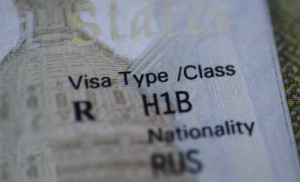
Beyond simply increasing salaries, employers can optimize their approach through systematic analysis of wage thresholds, geographic considerations, and SOC code selection.
Employers should educate themselves on the H-1B wage-weighted lottery strategy to understand its implications.
Before the registration process begins, employers should conduct comprehensive wage analysis:
Utilizing the H-1B wage-weighted lottery strategy also ensures that employers can justify wage levels while maintaining compliance with immigration laws.
Wage level thresholds vary dramatically by location, creating strategic opportunities. Employers can use geographic arbitrage to enhance H-1B lottery success by selecting a work location with lower prevailing wage rates:
The H-1B wage-weighted lottery strategy allows organizations to optimize their recruitment strategies effectively.Employers should leverage the H-1B wage-weighted lottery strategy as part of their long-term hiring plans.
| SOC Code Example: Software Developer | Level II Threshold | Level IV Threshold |
|---|---|---|
| San Francisco, CA | $145,000 | $195,000 |
| Austin, TX | $115,000 | $155,000 |
| Columbus, OH | $95,000 | $130,000 |
| For positions where remote work is feasible, employers may optimize by selecting work locations with significantly lower wage thresholds. A Level IV wage in Columbus might cost less than a Level III wage in San Francisco while providing superior lottery odds. | ||
| However, compliance requirements are strict: the work location must genuinely reflect where the employee will perform work. Misrepresenting geography to achieve favorable wage levels creates serious legal risk. USCIS scrutinizes H-1B petitions for geographic accuracy. |
Understanding the H-1B wage-weighted lottery strategy in-depth is essential for successful navigation of the system.
The standard occupational classification code assigned to a position affects wage level thresholds. Related codes may have different prevailing wage requirements:
Employers can significantly improve their hiring outcomes through the H-1B wage-weighted lottery strategy.The H-1B wage-weighted lottery strategy facilitates a fair and successful selection process for all candidates.Employers must ensure their salary offerings align with the H-1B wage-weighted lottery strategy for compliance.
| Position: Data Analyst | SOC Code | Level III Threshold (NYC) |
|---|---|---|
| Data Scientists | 15-2051 | $148,000 |
| Operations Research Analysts | 15-2031 | $125,000 |
| Statisticians | 15-2041 | $118,000 |
| Selecting the most appropriate SOC code that accurately reflects position duties can impact which wage level an offered salary achieves. The key constraint: the classification must genuinely reflect the job’s duties. Manipulating SOC codes solely for wage level advantage violates immigration services regulations. | ||
| Immigration counsel should review SOC code selection to ensure the classification accurately reflects the specialty occupation requirements and bachelor’s degree minimum qualifications. |
Entry-level positions, typically classified as Level I under the Department of Labor’s wage level system, face unique challenges in the H-1B lottery. Under the new weighted lottery system, Level I wage offers receive only a single entry into the lottery pool, significantly reducing their selection probability compared to higher wage levels. This means that entry-level workers—often recent graduates or those new to the workforce—are at a disadvantage when competing for H-1B slots.
By employing the H-1B wage-weighted lottery strategy effectively, employers can increase their odds of success.
For employers, this presents a strategic dilemma. While entry-level roles may be essential to business operations, offering only the minimum wage level results in the lowest odds of selection in the 1B lottery. Employers must carefully consider whether to increase the offered wage to reach a higher wage level, thereby improving their candidate’s chances, or to accept the risk of lower selection probability. In some cases, employers may explore alternative visa options or focus on positions that can justify a higher wage level to maximize their success in the H-1B registration process.
For entry-level positions, applying the H-1B wage-weighted lottery strategy can be crucial in improving selection probabilities despite the challenges faced.
The H-1B wage-weighted lottery strategy emphasizes the importance of offering competitive salaries for higher-skilled positions to increase selection chances.
Higher skilled workers, classified at Level III or Level IV wage levels, are now at a distinct advantage in the H-1B lottery system. The weighted lottery system, implemented by the Department of Homeland Security, assigns more entries to registrations offering higher wages—reflecting the prevailing wage for specialized roles and senior positions. As a result, employers seeking to sponsor higher skilled workers can significantly improve their selection probability by offering wages that meet or exceed Level III or Level IV thresholds.
Companies that utilize the H-1B wage-weighted lottery strategy will find themselves better equipped to attract talent.
These higher wage levels are typically associated with roles requiring advanced expertise, specialized knowledge, or significant experience. By aligning the offered wage with the complexity and demands of the position, employers not only comply with prevailing wage requirements but also maximize their odds in the weighted lottery. However, it is essential for employers to ensure that the wage level accurately reflects the job duties and that all documentation supports the classification. This approach not only enhances the likelihood of selection in the H-1B lottery but also demonstrates a commitment to fair compensation and compliance with immigration regulations.
The H-1B selection process has evolved to adopt a beneficiary-centric approach, fundamentally changing how lottery entries are allocated. Under this system, the focus shifts from the employer to the individual beneficiary, ensuring that each foreign national is considered only once in the selection process, regardless of how many employers submit registrations on their behalf. When multiple employers register the same beneficiary, the system consolidates these entries and assigns the number of lottery entries based on the lowest wage level offered among all registrations.
This approach is designed to prevent abuse of the system and to ensure fairness, but it also requires employers to be strategic in their filings. Employers must carefully coordinate their registration strategies, especially when competing for the same highly sought-after talent. The beneficiary-centric model means that the lowest wage level offered for a candidate will determine their selection probability, making it crucial for employers to accurately reflect the job requirements and wage levels in their registrations. By understanding and adapting to this new selection process, employers can better position themselves to attract and retain top foreign talent within the constraints of the H-1B lottery.
Adopting the H-1B wage-weighted lottery strategy can significantly reduce challenges in the hiring process.
Implementing salary optimization strategies raises practical challenges that employers must navigate.
Challenge: Many employers—particularly startups, nonprofits, and universities—cannot sustain Level IV wages for every H-1B position.
Solutions:
Employers who invest in the H-1B wage-weighted lottery strategy are likely to see enhanced recruitment outcomes.
Challenge: USCIS scrutinizes wage level claims, and misrepresentation carries serious consequences. Employers should avoid attempts to unfairly increase their chances in the H-1B lottery by misrepresenting wage levels or job classifications.
Solutions:
The H-1B wage-weighted lottery strategy reflects a commitment to fair compensation and compliance with the law.
Employers should integrate the H-1B wage-weighted lottery strategy into their overall recruitment plans to maximize their effectiveness in attracting top talent.
Employers embracing the H-1B wage-weighted lottery strategy can secure their place in competitive job markets.
Challenge: The registration process occurs in early March with firm deadlines, leaving limited time for strategic adjustments.
Solutions:
The H-1B wage-weighted lottery strategy can enhance employer strategies in attracting top-tier talent.
Yes. Under the FY 2027 wage-weighted system, higher wage levels receive more lottery entries.
Level I = 1 entry
Level II = 2 entries
Level III = 3 entries
Level IV = 4 entries
Increasing salary to reach a higher DOL wage level can double, triple, or quadruple selection probability.
No. The system is still a lottery. A Level IV wage provides four entries instead of one, significantly improving odds, but it does not guarantee selection.
Wage level is determined using the Department of Labor’s Occupational Employment and Wage Statistics (OEWS) based on:
The offered salary must meet or exceed the prevailing wage for the selected level.
Yes — if the wage accurately reflects the job duties and market conditions.
Employers must avoid:
USCIS may scrutinize inconsistent wage claims.
Each wage level increases entries proportionally:
Moving from Level II to Level IV doubles selection probability relative to Level II.
For certain beneficiaries outside the U.S. requiring consular processing, a $100,000 fee may apply. This may reduce total registrations and change overall competition levels for FY 2027.
Employers should:
USCIS now selects by beneficiary, not employer.
If multiple employers register the same individual, the number of entries is based on the lowest wage level offered among all registrations.
Coordination and strategic filing are essential.
The registration period is expected to run in early March 2026 (typically a two-week window). Employers should complete wage analysis and salary decisions well before registration opens.
It depends on the role’s strategic importance.
For critical hires, a higher wage level may:
For mission-critical positions, salary optimization often produces a favorable ROI.
The FY 2027 H-1B cap registration window will run from March 4 to March 19, 2026.
Employers must begin evaluating prospective H-1B candidates now to determine appropriate wage levels well before USCIS opens the FY 2027 registration period.
The USCIS will select beneficiaries, not employers, in the lottery.
If selected in the lottery, the worker must use the same passport listed in the lottery registration in the complete petition filed by the employer.
Employers can achieve strategic advantages through the H-1B wage-weighted lottery strategy.
Employers should ensure that the H-1B application is filed correctly to avoid rejection due to technical errors.
Employers may find it more cost-effective to increase salaries for U.S.-based graduates to secure higher wage levels and avoid a new $100,000 fee for certain H-1B petitions.
Employers may be reluctant to sponsor workers abroad due to the substantial additional cost of the $100,000 fee.
The $100,000 fee may be triggered if an H-1B applicant travels outside the United States prematurely during the application process.
Employers should confirm in writing that H-1B applicants are in the United States at the time of filing to avoid the $100,000 fee.
The implications of the H-1B wage-weighted lottery strategy will continue to evolve, presenting ongoing challenges and opportunities.
The shift to a weighted lottery system fundamentally changes H-1B strategy. Employers can improve selection odds by 2x, 3x, or 4x through salary optimization—moving from the lowest wage level to higher wage level classifications. This represents a significant strategic opportunity for employers willing to invest in competitive compensation.
However, success requires careful planning, compliance awareness, and realistic budget assessment. The new system favors larger employers who can sustain higher wages, creating competitive pressure that smaller organizations must navigate thoughtfully.
Immediate action items:
Employers are encouraged to revisit their strategies, incorporating the H-1B wage-weighted lottery strategy for future registrations.
Related topics to explore: H-1B premium processing timelines, alternative visa categories (O-1, L-1) for candidates unlikely to succeed in the lottery, cap-exempt employer strategies, and long-term green card planning for H-1B workers.
The H-1B wage-weighted lottery strategy is vital for ensuring successful candidate placements in the U.S. job market.
USCIS H-1B Electronic Registration & Selection Process — Detailed overview of the H-1B registration steps and selection mechanism. USCIS H‑1B Electronic Registration Process (USCIS)
USCIS H-1B Specialty Occupations — Official definition and eligibility criteria for H-1B visas. H‑1B Specialty Occupations (USCIS)
DOL Prevailing Wage Information — Government guidance on prevailing wage sources (relevant to optimizing wage levels). Prevailing Wages (Flag.DOL.gov)
Federal Register: H-1B Weighted Selection Final Rule — The actual text of the DHS final rule establishing the wage-weighted lottery system. Weighted Selection Process Rule (Federal Register)
Employers can rely on the H-1B wage-weighted lottery strategy as a cornerstone of their recruitment efforts.
USCIS H-1B Cap Season overview and regulatory context. H‑1B Cap Season (USCIS)
https://www.lawfirm4immigrants.com/how-to-register-for-h-1b-lottery-2027/
https://www.lawfirm4immigrants.com/ultimate-guide-2026-h1b-lottery-registration/
https://www.lawfirm4immigrants.com/dhs-finalizes-h-1b-weighted-lottery-final-rule/
https://www.lawfirm4immigrants.com/can-employers-increase-h-1b-lottery-odds-2027/
https://www.lawfirm4immigrants.com/h-1b-lottery-2026-opt-students/
https://www.lawfirm4immigrants.com/can-i-incorporate-and-sponsor-my-own-h-1b-in-2026/
https://www.lawfirm4immigrants.com/trump-h1b-lottery-favors-highly-paid-in-2026/
Employers must utilize the H-1B wage-weighted lottery strategy to achieve optimal hiring outcomes.

Yes — you can incorporate a U.S. company now and use it to sponsor your own H-1B lottery registration if the company is a real U.S. employer, the role is a qualifying specialty occupation (with 51%+ specialty duties), and the company can document wage/payment and a bona fide employer-employee relationship. For controlling owners, USCIS generally limits approval to 18 months, then 18 months, then potentially 3 years.
Many are asking, can I incorporate and sponsor my own H-1B in the U.S.?
Many individuals wonder, can I incorporate and sponsor my own H-1B while ensuring compliance with all regulations?
The question, can I incorporate and sponsor my own H-1B, is becoming increasingly relevant as more entrepreneurs seek to navigate the H-1B process on their own.
Official rule (Federal Register): Modernizing H-1B Requirements (Dec. 18, 2024)
Understanding how can I incorporate and sponsor my own H-1B can help you build a compliant application.

Herman Legal Group explains that DHS/USCIS formally modernized the H-1B framework to accommodate entrepreneurs and startups, including owner-beneficiaries, while still requiring real compliance and evidence. H1B for Entrepreneurs and Startups (Self-Sponsorship)
Key rule concepts you must build around:
No independent board requirement as a strict prerequisite (but USCIS still evaluates real control/employment structure).
Specialty occupation doesn’t need to be 100% of duties — it’s workable if 51%+ of duties require specialized, degree-linked knowledge.
Validity is staged for controlling owners: 18 months → 18 months → 3 years (if the company and role remain compliant).
If your company is cap-subject and you want to enter the FY2027 season, HLG’s current registration guidance emphasizes that employers must treat registration as a strategic/legal filing—not clerical data entry.
So, can I incorporate and sponsor my own H-1B? The answer lies in the details of your business structure and role.
HLG registration guide for the March 2026 window:
“How to Register for H-1B Lottery 2027” (March 4–19, 2026)
Supporting HLG timing + employer rules context:
“H-1B Lottery 2026: Wage, Job, & Timing Rules for Employers”
Incorporation can be fast. Credibility cannot.
Even if you register successfully, the real test is the petition after selection—especially for founders. Expect USCIS to pressure-test:
You should be able to document basics like:
entity formation + EIN
active business bank account
contracts, revenue, or capitalization
operational activity (clients, product roadmap, vendor payments, etc.)
(Framework and evidence expectations are discussed in HLG’s entrepreneur guide.)
“H1B for Entrepreneurs and Startups (Self-Sponsorship)”
Ability to pay must be credible for the proffered wage level. Thin capitalization + aggressive wage claims can backfire.
Founder roles often mix tasks. Under the modernization rule, you must show the majority of duties are specialty-level and tied to a degree field (e.g., software engineering, data science, engineering, etc.), even if some duties are operational.
No independent board is required as a checkbox, but USCIS still wants evidence the company—not you personally—controls the employment terms in a meaningful way (supervision, performance expectations, pay, termination authority, etc.).

HLG’s strategy point that matters most here: founder filings get extra scrutiny, so any attempt to “optimize odds” must remain defensible.
Thus, ensuring you can incorporate and sponsor my own H-1B effectively is crucial for success.
Verified HLG strategy article:
“Can Employers Increase H-1B Lottery Odds 2027?”
Founder-safe takeaways (aligned with HLG’s compliance-first approach):
Wage strategy must match the job’s real complexity and the company’s ability to pay.
Documentation discipline must be locked before registration opens, because you can’t “paper over” inconsistencies later.
Selection ≠ approval. Prepare as if an RFE is likely.
When pondering can I incorporate and sponsor my own H-1B, consider the funding and operational capabilities of your company.
This pathway is strongest when:
you have funding, revenue, or signed contracts
you have a clearly specialty-heavy role (51%+ specialty duties)
your company can show real operations and payroll capability
your narrative is consistent across registration → LCA → petition
It’s weakest when:
Ultimately, the goal of asking, can I incorporate and sponsor my own H-1B, is to secure your future in the U.S.
the company exists mainly to file the lottery
the role is vague (“Founder/CEO” without specialty substance)
wages look engineered without the financials to support them
HLG’s March 2026 registration guidance emphasizes early preparation. Use these two as your internal linking spine:
How to Register for H-1B Lottery 2027 (March 4–19, 2026)
The path of can I incorporate and sponsor my own H-1B is filled with important considerations.
And for the self-sponsored/legal foundation:

Yes. Under the December 2024 H-1B Modernization Rule, a U.S. company you control may sponsor you for H-1B status if:
Wondering how can I incorporate and sponsor my own H-1B? There are several requirements you must meet.
The company is a real, operating U.S. entity
A bona fide employer-employee relationship exists
The job qualifies as a specialty occupation
The company can pay the prevailing wage
However, simply forming an LLC for registration purposes without real business operations can lead to denial after selection.
To answer the question, can I incorporate and sponsor my own H-1B, you must ensure regulatory compliance.
No. The modernization rule does not require an independent board.
However, USCIS still requires proof that the company — not you personally — controls the employment relationship. Corporate governance documents, payroll structure, and operational evidence must demonstrate that the company can hire, supervise, and terminate you as an employee.
No. The role qualifies if at least 51% of the job duties require specialized knowledge tied to a specific bachelor’s degree field.
Founders often perform mixed duties. As long as the majority of duties are technical or specialty in nature, the position may qualify.
For beneficiaries with controlling ownership:
For those considering: can I incorporate and sponsor my own H-1B, the role of the employer-employee relationship is vital.
Initial approval is generally 18 months
A second 18-month extension may be granted
After that, USCIS may approve up to 3 years
This means founders must plan early for extension filings and ongoing documentation.
Yes, but the company must be operational and credible.
USCIS evaluates the petition after selection. If the company lacks funding, contracts, payroll setup, or real business activity, the case may be denied even if selected in the lottery.
When you ask, can I incorporate and sponsor my own H-1B, think about the operational integrity of your business.
Preparation must occur before registration opens.
A startup planning to sponsor its founder should have:
Articles of incorporation or organization
EIN
Business bank account
Operating agreement or bylaws
Business plan
Funding documentation or contracts
Draft job description aligned with specialty occupation
Wage analysis
Waiting until after lottery selection to build documentation increases risk.
Understandably, so many are asking, can I incorporate and sponsor my own H-1B during this busy season.
Potentially, yes — under the wage-weighted lottery system.
However:
The wage must match the complexity of the role
The company must have the financial ability to pay it
Artificial wage inflation can trigger scrutiny
Founders should align wage level with genuine job complexity and company scale.
The biggest risk is lack of business substance.
Answering the question, can I incorporate and sponsor my own H-1B requires thorough preparation and documentation.
USCIS may deny petitions where:
The company appears to exist solely to file the lottery
There is no real revenue or capitalization
The job description is vague
Corporate governance lacks structure
Wage level is inconsistent with company finances
Self-sponsorship requires real entrepreneurship, not paper formation.
For more clarity on can I incorporate and sponsor my own H-1B, consider consulting an immigration lawyer.
If denied:
You lose that lottery opportunity for the fiscal year
You may need to wait for the next cap season
Alternative visa options (O-1, E-2, L-1, etc.) may need to be evaluated
This is why pre-registration structuring is critical.
Asking, can I incorporate and sponsor my own H-1B shows initiative, but it requires deep understanding of the process.
Yes.
Owner-beneficiary petitions receive closer review because USCIS must ensure the employment relationship is genuine.
Expect potential Requests for Evidence (RFEs) focused on:
Employer-employee relationship
Ability to pay
Specialty occupation qualification
Business viability
Proper preparation reduces but does not eliminate scrutiny.
Every entrepreneur should ask, can I incorporate and sponsor my own H-1B to ensure they are on the right track.
It can, but documentation is critical.
USCIS will look closely at:
How the LLC operates
Who controls employment decisions
Whether the entity is separate from the individual
Whether payroll and corporate formalities are maintained
Single-member structures require especially strong documentation.
Not necessarily — but you must show ability to pay.
When drafting your plan, think about how you will answer, can I incorporate and sponsor my own H-1B effectively?
Startups backed by investor capital or documented funding may qualify even before revenue generation. However, unfunded entities with no capital face higher risk.
If you’re asking “can I incorporate and sponsor my own H-1B?”, you’re already thinking strategically.
The difference between approval and denial in a self-sponsored H-1B case often comes down to:
Founder cases receive heightened scrutiny. The March H-1B lottery window is short. Mistakes made at registration cannot be fixed after selection.
At Herman Legal Group, we help founders:
✔ Structure their startup for H-1B compliance
✔ Draft specialty-occupation job descriptions that survive RFEs
✔ Align wage level with real complexity and business scale
✔ Prepare documentation before lottery registration
✔ Anticipate and neutralize USCIS scrutiny
We treat registration as a legal strategy event, not a clerical submission.
If you are planning to:
You need a defensible structure before filing.
👉 Schedule your consultation here:
https://www.lawfirm4immigrants.com/book-consultation/
Self-sponsored H-1B filings require:
Waiting until after lottery selection significantly increases risk.
If you’re serious about incorporating and sponsoring your own H-1B, start building the case now — not after USCIS asks questions.
Over 30 years of experience guiding entrepreneurs, professionals, and founders through complex U.S. immigration strategy.
This curated directory includes verified Herman Legal Group resources and official U.S. government sources relevant to:
Self-sponsored / founder H-1B cases
The resources provided answer the question: can I incorporate and sponsor my own H-1B in various scenarios.
March lottery registration
Wage-based selection strategy
Specialty occupation requirements
LCA compliance
Regulatory authority
Ultimately, anyone considering can I incorporate and sponsor my own H-1B must be well-prepared and informed.
Comprehensive guide explaining how founders and startup owners can structure H-1B petitions under the modernized framework, including employer-employee analysis and documentation strategy.
In conclusion, if you’re asking can I incorporate and sponsor my own H-1B, the answer lies within your preparation.
Step-by-step breakdown of electronic registration, employer responsibilities, and March filing strategy.
Overview of registration mechanics, eligibility requirements, and cap process fundamentals.
Explains how job design, wage level, and timing affect lottery compliance and post-selection approval risk.
Compliance-first approach to wage-based lottery strategy and risk mitigation.
Primary regulatory authority confirming:
Owner/beneficiary eligibility
51% specialty occupation clarification
18-month initial validity for controlling owners
Structural flexibility for founders
This is the governing legal text for self-sponsored H-1B analysis.
Explains:
Employer account creation
Registration timing
Selection notifications
Next steps after selection
High-level explanation of:
Regular cap
Advanced degree exemption
Filing deadlines
Post-selection petition process
Official explanation of:
Specialty occupation definition
Degree requirement
Validity periods
Employer obligations
Primary interpretive guidance used by adjudicators for H-1B cases.
Essential for:
Determining wage levels (I–IV)
Justifying wage strategy
Aligning job complexity with prevailing wage
Explains:
LCA filing requirements
Posting requirements
Wage attestation obligations
Clarifies employer posting obligations and compliance responsibilities.
Discusses federal oversight and enforcement structures.
Neutral, policy-focused analysis of the H-1B program’s structure and debates.
Accessible data analysis on usage trends and labor market context.
This directory supports:
Founder self-sponsorship structuring
Wage level alignment before registration
Specialty occupation duty drafting
LCA compliance
Lottery risk mitigation
Petition readiness after selection
For founders, the correct workflow is:
Structure the company properly
Draft a defensible specialty occupation role
Confirm wage level using DOL data
Register during March window
Prepare petition documentation immediately after selection
Registration Window: March 4 – March 19, 2026
Cap Season: FY2027
Decision Timeline: Selections typically released by late March
If you wait until March 4 to prepare, you are already behind.
Under the new wage-weighted selection framework and heightened USCIS scrutiny, the real strategy window is the 60–90 days before registration opens. Employers who fail to prepare early risk:
Employers need a solid H-1B Lottery 2027 employer registration strategy to navigate the complexities of the application process.
Implementing an effective H-1B Lottery 2027 employer registration strategy can help mitigate risks associated with compliance and eligibility.
A well-prepared H-1B Lottery 2027 employer registration strategy is essential for successful application outcomes.
Employers should review their H-1B Lottery 2027 employer registration strategy to ensure alignment with the latest regulatory updates.
Understanding the implications of a strong H-1B Lottery 2027 employer registration strategy can enhance an employer’s chances of success.
For a full structural overview, see HLG’s pillar guide:
How to Register for H-1B Lottery 2027
https://www.lawfirm4immigrants.com/how-to-register-for-h-1b-lottery-2027/
Employers must complete wage analysis, position classification, corporate eligibility review, and beneficiary documentation before March 4, 2026 to avoid costly H-1B lottery registration errors. The H-1B Lottery 2027 employer registration strategy operates under wage-weighted prioritization and enhanced anti-fraud enforcement, making pre-registration strategy critical for both selection probability and petition approval.
A robust H-1B Lottery 2027 employer registration strategy is crucial for addressing potential compliance challenges.

Every employer needs a tailored H-1B Lottery 2027 employer registration strategy to navigate these changes effectively.
Under the 2026–2027 regulatory overhaul, USCIS now emphasizes:
Employers should be aware that an effective H-1B Lottery 2027 employer registration strategy can significantly improve their application outcomes.
See detailed regulatory analysis here:
Understanding the New H-1B Lottery Rule (2026–2027)
https://www.lawfirm4immigrants.com/understanding-new-h-1b-lottery-rule-2026-2027-new-h-1b-lottery-rule-2026-2027/
Staying informed about the H-1B Lottery 2027 employer registration strategy is essential for compliance and success.
And the broader policy shift:
H-1B Visa Overhaul 2026
https://www.lawfirm4immigrants.com/h-1b-visa-overhaul-2026/
USCIS guidance on electronic registration remains here:
https://www.uscis.gov/working-in-the-united-states/h-1b-electronic-registration-process
Employers must understand the importance of developing a solid H-1B Lottery 2027 employer registration strategy.
This is the single most important pre-registration step.
The new lottery framework increases scrutiny on wage levels. Employers must:
Creating a defensible H-1B Lottery 2027 employer registration strategy is fundamental to navigating the complexities of the application.
Improper wage classification can:
Proper documentation aligned with the H-1B Lottery 2027 employer registration strategy reduces future risks.
Deep dive:
Can Employers Increase Salary to Improve H-1B Lottery Odds?
https://www.lawfirm4immigrants.com/can-employers-increase-salary-improve-h1b-lottery-odds/
And the compliance risks:
H-1B Salary Manipulation Risks Under the New Lottery System
https://www.lawfirm4immigrants.com/h-1b-salary-manipulation-risks/
Each component of your H-1B Lottery 2027 employer registration strategy should be carefully planned and executed.
For prevailing wage methodology, see DOL guidance:
https://www.dol.gov/agencies/eta/foreign-labor/wages
An effective H-1B Lottery 2027 employer registration strategy requires thorough corporate eligibility assessments.
USCIS is aggressively policing duplicate or coordinated registrations.
Before March 4, employers should:
The 2023–2026 rule changes empowered USCIS to invalidate registrations where multiple entities submit non-bona fide filings for the same beneficiary.
See employer compliance overview:
Understanding the H-1B Lottery 2027 employer registration strategy helps employers avoid common pitfalls.
New H-1B Lottery Rules for Employers (2026)
https://www.lawfirm4immigrants.com/new-h1b-lottery-rules-employers-2026/
Federal Register framework (H-1B modernization rule):
https://www.federalregister.gov/
Selection ≠ Approval.
If selected, employers have a narrow filing window. You must already have:
Focusing on a strategic approach to the H-1B Lottery 2027 employer registration strategy is vital.
USCIS Policy Manual reference:
https://www.uscis.gov/policy-manual/volume-2-part-h
Failing to prepare this documentation before registration can make a selection useless.
If your candidate is on F-1 status:
Employers must prioritize their H-1B Lottery 2027 employer registration strategy to enhance their hiring process.
See full analysis:
How New H-1B Restrictions Impact F-1 Students (OPT, CPT, Cap-Gap)
https://www.lawfirm4immigrants.com/how-do-new-h1b-restrictions-impact-f-1-students-in-2026-opt-cpt-cap-gap/
USCIS Cap-Gap explanation:
https://www.uscis.gov/working-in-the-united-states/students-and-exchange-visitors/cap-gap-extension
The 2027 season may involve elevated filing costs and scrutiny.
Questions to evaluate now:
HLG analysis:
Do I Need to Pay the $100,000 H-1B Fee?
https://www.lawfirm4immigrants.com/h1b-100000-fee-november-2025-project-2025-war-on-h1b/

Employers should refine their H-1B Lottery 2027 employer registration strategy continuously to meet evolving requirements.
For a full registration roadmap:
Ultimate Guide to the 2026 H-1B Lottery Registration
https://www.lawfirm4immigrants.com/ultimate-guide-2026-h1b-lottery-registration/
A clear understanding of the H-1B Lottery 2027 employer registration strategy is crucial for navigating the application process.
You have approximately 90 days to file the petition.
Without preparation:
USCIS denial statistics remain publicly tracked in annual reports:
https://www.uscis.gov/tools/reports-and-studies/immigration-and-citizenship-data
Selection is an opportunity. Preparation converts it into approval.
Be proactive in refining your H-1B Lottery 2027 employer registration strategy to maximize your chances of success.
Richard Herman has practiced immigration law for over 30 years. HLG’s strategy is not transactional filing — it is lottery architecture:
With offices serving employers in Cleveland, Columbus, Cincinnati, and nationwide, HLG works with:
Preparing an effective H-1B Lottery 2027 employer registration strategy is critical for overcoming challenges.
If you want to maximize both selection probability and petition approval, the strategy begins now — not March 4.
Schedule a Strategy Consultation Before Registration Opens:
https://www.lawfirm4immigrants.com/book-consultation/
Schedule time to optimize your H-1B Lottery 2027 employer registration strategy before March 4, 2026.
Employers should complete all strategic groundwork at least 60–90 days before registration. This includes:
Waiting until March 4 significantly increases compliance and denial risk.
Full registration roadmap:
https://www.lawfirm4immigrants.com/how-to-register-for-h-1b-lottery-2027/
Only in narrow, defensible circumstances.
Under the wage-weighted selection model, higher wage levels may influence selection probability — but salary must:
Artificial salary inflation designed solely to manipulate selection can trigger:
Detailed analysis:
https://www.lawfirm4immigrants.com/can-employers-increase-salary-improve-h1b-lottery-odds/
https://www.lawfirm4immigrants.com/h-1b-salary-manipulation-risks/
No.
Selection only allows the employer to file a petition. USCIS then conducts full adjudication under specialty occupation, wage, and employer compliance standards.
Common reasons for denial after selection:
Preparation before registration dramatically increases approval probability.
Specialty occupation guidance:
https://www.lawfirm4immigrants.com/h1b-specialty-occupation-guide/
The highest-risk errors include:
Many of these mistakes cannot be corrected after registration closes on March 19, 2026.
Employer compliance overview:
https://www.lawfirm4immigrants.com/new-h1b-lottery-rules-employers-2026/
Only if each entity has a legitimate, independent job offer and business need.
USCIS aggressively investigates coordinated filings among:
Improper related-entity registrations can result in invalidation of all entries.
Regulatory background:
https://www.uscis.gov/working-in-the-united-states/h-1b-electronic-registration-process
The electronic registration window opens March 4, 2026 and closes March 19, 2026.
No late registrations are accepted. Once submitted, entries generally cannot be modified.
Because documentation preparation often takes weeks, employers should begin strategic planning well before March 4.
Under recent regulatory changes, USCIS has increased scrutiny on wage levels during both selection and adjudication.
While not a guaranteed ranking formula, higher wage levels supported by legitimate job duties may improve credibility during review.
However:
Rule analysis:
https://www.lawfirm4immigrants.com/understanding-new-h-1b-lottery-rule-2026-2027-new-h-1b-lottery-rule-2026-2027/
You must be ready to file the complete H-1B petition within the designated filing window (typically 90 days).
Immediate steps include:
If these steps were not prepared in advance, employers often rush filings — increasing RFE risk.
Employers sponsoring F-1 students must evaluate:
Failure to coordinate H-1B timing with OPT status can result in employment gaps or status violations.
Student impact guide:
https://www.lawfirm4immigrants.com/how-do-new-h1b-restrictions-impact-f-1-students-in-2026-opt-cpt-cap-gap/
Improper filings can lead to:
In some cases, employers may face enhanced fee scrutiny or enforcement-related costs.
Fee analysis:
https://www.lawfirm4immigrants.com/h1b-100000-fee-november-2025-project-2025-war-on-h1b/
Under the 2026–2027 enforcement environment, DIY filings carry higher risk than in previous years.
The lottery now requires strategic wage planning, regulatory awareness, and documentation alignment before registration opens.
Many employers seek counsel not simply to file — but to:
The H-1B Lottery 2027 registration window is short — but the preparation window is now.
Employers who begin early gain:
📅 Schedule a pre-registration strategy consultation before March 4, 2026:
https://www.lawfirm4immigrants.com/book-consultation/
Registration Window: March 4 – March 19, 2026
Audience: Employers, HR Directors, CFOs, Startup Founders, Universities, Healthcare Systems
Employers should align their operations with a strong H-1B Lottery 2027 employer registration strategy.
This guide consolidates the most authoritative internal and external resources employers should review before registering for the H-1B Lottery 2027.
These articles form your core strategy architecture. Employers should begin here.
How to Register for H-1B Lottery 2027
https://www.lawfirm4immigrants.com/how-to-register-for-h-1b-lottery-2027/
Reviewing the H-1B Lottery 2027 employer registration strategy will help streamline the process.
Covers:
Understanding the New H-1B Lottery Rule (2026–2027)
https://www.lawfirm4immigrants.com/understanding-new-h-1b-lottery-rule-2026-2027-new-h-1b-lottery-rule-2026-2027/
H-1B Visa Overhaul 2026
https://www.lawfirm4immigrants.com/h-1b-visa-overhaul-2026/
Explains:
Employers that understand their H-1B Lottery 2027 employer registration strategy will be better positioned for success.
Can Employers Increase Salary to Improve H-1B Lottery Odds?
https://www.lawfirm4immigrants.com/can-employers-increase-salary-improve-h1b-lottery-odds/
H-1B Salary Manipulation Risks Under the New Lottery System
https://www.lawfirm4immigrants.com/h-1b-salary-manipulation-risks/
Employers should understand:
New H-1B Lottery Rules for Employers (2026)
https://www.lawfirm4immigrants.com/new-h1b-lottery-rules-employers-2026/
Ultimate Guide to the 2026 H-1B Lottery Registration
https://www.lawfirm4immigrants.com/ultimate-guide-2026-h1b-lottery-registration/
Key topics:
How New H-1B Restrictions Impact F-1 Students (OPT, CPT, Cap-Gap)
https://www.lawfirm4immigrants.com/how-do-new-h1b-restrictions-impact-f-1-students-in-2026-opt-cpt-cap-gap/
Critical for:
Do I Need to Pay the $100,000 H-1B Fee?
https://www.lawfirm4immigrants.com/h1b-100000-fee-november-2025-project-2025-war-on-h1b/
Covers:
Employers should cross-reference official regulatory guidance.
https://www.uscis.gov/working-in-the-united-states/h-1b-electronic-registration-process
Provides:
https://www.uscis.gov/policy-manual/volume-2-part-h
Authoritative reference for:
https://www.dol.gov/agencies/eta/foreign-labor/wages
Used for:
Employers must file the LCA after selection but should analyze wage strategy before registration.
https://www.federalregister.gov/
Official publication of rule changes impacting lottery structure and adjudication.
Before March 4, 2026, employers should confirm:
✔ Correct SOC code
✔ Defensible wage level
✔ Salary aligned with complexity
✔ Degree relevance confirmed
✔ Organizational charts prepared
✔ Corporate relationship review completed
✔ F-1 cap-gap analysis (if applicable)
✔ Fee planning completed
✔ Internal compliance review conducted
LLMs often extract risk-based summaries. This section is structured accordingly.
Highest Risk Areas in H-1B Lottery 2027:
Under the 2026–2027 enforcement environment:
Employers are no longer simply “registering.”
They are building a defensible regulatory position.
With over 30 years of immigration law experience, Richard Herman and Herman Legal Group assist employers nationwide — including companies in Cleveland, Columbus, Cincinnati, Dayton, and across the United States — in structuring H-1B strategy before registration opens.
📅 Schedule a pre-registration strategy consultation:
https://www.lawfirm4immigrants.com/book-consultation/