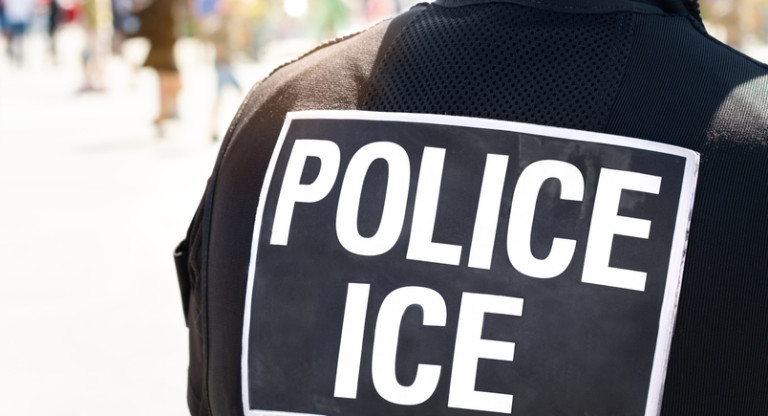
Introduction: A Historic Change in the Diversity Visa Program
For the first time in the 30-year history of the U.S. Diversity Visa Lottery, registering for the “Green Card lottery” will no longer be completely free. Beginning with the DV-2027 program, the U.S. Department of State has introduced a $1 registration fee — a move that instantly made headlines across Africa, Asia, and Eastern Europe, where millions submit entries every year.
The fee may look symbolic, but it’s a turning point in U.S. immigration policy. It marks the end of the free lottery era and the beginning of a new system focused on fraud prevention, digital traceability, and modernization. Additionally, the fee is intended to distribute the costs of managing the Diversity Visa Lottery more evenly across all registrants.
Fast Fact:
The $1 fee applies only to the online registration for the DV-2027 program. It is non-refundable and must be paid through the official DV lottery portal.
What Is the DV Lottery and Who Can Apply?
The Diversity Visa (DV) Lottery, established under Section 203(c) of the Immigration and Nationality Act, provides up to 55,000 immigrant visas each year to individuals from countries with historically low rates of immigration to the U.S.
Applicants must:
- Be born in an eligible country.
- Have at least a high school education or two years of qualifying work experience.
- Submit their entries electronically during the registration window announced annually at Travel.State.Gov.
Winning does not guarantee a Green Card, but it gives applicants the opportunity to apply for an immigrant visa or adjust status in the United States.
Key Insight:
The DV lottery receives more than 15 million entries each year, mostly from Africa and South Asia. The DV-2027 cycle has already drawn record traffic — much of it fueled by questions about the new $1 fee.
The $1 Fee Explained — Origin, Purpose, and Timeline
The U.S. government announced the $1 DV registration fee in October 2025, just as the DV-2027 entry period opened. It is the first charge of any kind for the online registration process. The U.S. Department of State confirmed that the fee would take effect on October 16, 2025.
Why was it introduced?
According to the State Department and the Office of Management and Budget (OMB), the $1 fee serves three primary purposes:
- Fraud Prevention
Many fraudulent agents submit multiple fake entries on behalf of applicants. Even a nominal fee helps reduce mass fraud by requiring a traceable payment record. - Modernization of Payment Systems
The U.S. Treasury has been shifting federal fee collections to secure digital platforms. The DV program’s modernization effort now requires participants to verify identity through payment credentials. - Program Maintenance Costs
Processing millions of free entries every year imposes administrative costs. The new fee helps cover secure server maintenance and verification tools, with operational costs such as system upgrades, data collection, and security reviews estimated to generate approximately $25 million annually.
Fast Fact:
The $1 fee was approved by OMB under the Paperwork Reduction Act and formally listed in the Federal Register before implementation.
How to Pay the New Fee Safely
All DV-2027 applicants must pay $1 USD per entry directly on the official U.S. government website: https://dvprogram.state.gov
Step-by-Step Guide:
- Visit the official DV registration page.
- Complete the online form with your personal details and photo.
- When prompted, proceed to payment — credit/debit card or digital wallet accepted.
- Save the payment confirmation number.
- Submit your entry and print the confirmation page for your records.
Expert Tip:
The State Department will never email you a payment request. Any message or website asking for fees outside of dvprogram.state.gov is a scam.
Applicants can verify official updates on Travel.State.Gov or consult immigration law firms like the Herman Legal Group for trusted guidance.
Why the U.S. Added a Fee Now — Expert Analysis
A Shift Toward Traceable Digital Entry
Officials have long struggled with bulk fraudulent entries submitted by agents using identical photos or fake identities. A payment-verified entry helps the U.S. identify and block duplicate or suspicious submissions more efficiently.
Fraud Concerns in Africa and Eastern Europe
Countries such as Ghana, Nigeria, and Ukraine have experienced mass manipulation by lottery agents, who often hold applicants’ confirmation numbers hostage. Even a $1 payment system can help tie entries to genuine applicants. However, the fee also creates a new financial barrier to entry for applicants from economically disadvantaged countries.
Policy Continuity with Broader Immigration Reforms
The change aligns with recent federal moves toward electronic payments across immigration systems — from the USCIS electronic payment rule to fee restructuring in the H-1B and family-based visa categories.
Key Insight:
The DV fee mirrors global trends: even symbolic fees are used by governments to reduce fraud and manage digital identity verification.
Reactions Around the World (Africa, Asia, Eastern Europe)
The announcement triggered widespread discussion and concern in countries with the highest DV participation rates.
Africa
In Nigeria, Ghana, and Kenya, social media lit up with confusion. Some users believed the $1 fee would price out the poorest applicants — but local immigration lawyers clarified that the amount is symbolic and not intended to restrict access.
Asia
India, Nepal, and Bangladesh saw similar online debate. Agents who previously submitted entries on behalf of applicants may now struggle, since the payment must be made directly by the entrant.
Eastern Europe
Ukraine, Albania, and Uzbekistan — where DV entries surged after the war and visa suspensions — welcomed the change as a fraud-filtering measure.
Fast Fact:
Nearly 40% of DV winners in 2024 were from Africa — a region expected to see strong participation in DV-2027 despite the new fee.
Will the Fee Limit Access for Poorer Applicants?
Critics argue that even a $1 charge could deter the world’s poorest populations. But policy experts say the fee is more symbolic than financial.
Richard T. Herman, founding attorney of the Herman Legal Group, explains:
“The $1 fee isn’t meant to block applicants — it’s meant to strengthen the system and reduce fraud. For millions around the world, this tiny change represents a major digital shift in U.S. immigration infrastructure.”
The fee remains the lowest of any U.S. immigration charge, especially compared to:
- $185 for nonimmigrant visa interviews
- $325 for immigrant visa processing
- $1,440 for certain USCIS petitions
Thus, accessibility remains intact.
Common Myths and Online Scams to Avoid
| Myth | Fact |
|---|---|
| “The DV lottery is no longer free — so it’s fake.” | The $1 fee is official and legitimate, charged only through the U.S. government website. |
| “I can pay the fee later if I win.” | The fee must be paid at the time of online registration. |
| “Agents must collect my payment.” | Never use third parties. The applicant must pay directly through the official system. |
| “Winners will be refunded.” | The $1 is non-refundable, regardless of selection outcome. |
Expert Tip:
Always confirm the site URL begins with https://dvprogram.state.gov. The “https” lock icon ensures you are on the real government domain.
How This Change Fits Into the Broader Immigration Policy Trend
The $1 DV fee aligns with a larger pattern under current immigration modernization efforts:
- Digital transformation: integrating payment systems across federal platforms.
- Anti-fraud measures: mirroring biometric and verification upgrades at USCIS.
- Global equalization: harmonizing fee structures across visa types.
For policymakers, the DV lottery has been one of the few major U.S. immigration systems that remained entirely cost-free. The symbolic fee modernizes it without discouraging participation.

Legal Perspectives — Quotes from Immigration Lawyers
Immigration law experts view the fee as a minor procedural update but a major symbolic moment.
“Our firm continues to guide applicants in avoiding scams and ensuring that official payments are made only through authorized U.S. government portals,” said Richard T. Herman of the Herman Legal Group.
“We’ve already received inquiries from Africa and Asia asking if this means the lottery is privatized — it isn’t. It’s still fully U.S. government-run.”
Other national firms share this perspective:
- Fragomen Worldwide (New York): notes the fee will likely reduce bulk fraud attempts.
- Murthy Law Firm (Maryland): calls it “a minimal safeguard with maximum digital traceability.”
- VisaPlace (Canada): highlights the global PR confusion and need for official outreach.
- Herman Legal Group (Ohio): emphasizes bilingual support and regional guidance for African and Asian entrants.
Resources and Guidance from Herman Legal Group
For applicants seeking help, Herman Legal Group provides:
- Free consultations for DV entrants needing document verification or consular guidance.
- Step-by-step visa support for Green Card winners navigating the interview stage.
Applicants can schedule a consultation through the firm’s booking page.
FAQ: DV-2027 $1 Fee Explained
1. When does the $1 fee start?
It applies to all entries for DV-2027, which opened in October 2025.
2. How can I pay?
Through the official U.S. government website at dvprogram.state.gov using credit/debit card or approved digital wallets. The fee must be paid electronically at the time of entry through the official U.S. government DV lottery website.
3. Can I still apply if I don’t have a credit card?
Yes. Applicants can use someone else’s card with permission — but they must submit their own entry personally.
4. What happens if I skip the payment?
Your entry will be invalid and excluded from the lottery.
5. Does paying increase my chances of winning?
No. Payment simply validates your entry. The selection process remains random and computerized.
6. What if I’m scammed?
Immediately report fraudulent websites to econsumer.gov or your local embassy. Only dvprogram.state.gov is official.
7. How do I confirm my entry was received?
After paying, you’ll get a confirmation page with a 16-digit code. Save it — you’ll need it to check results in May 2026.
8. Can I get a refund?
No. The $1 fee is non-refundable, even if you aren’t selected.
9. What if I’m already living in the U.S.?
You can still apply if you’re from an eligible country and meet the education or work requirements.
10. What’s next after winning?
Selected entrants will proceed to the immigrant visa application process, including Form DS-260 and interview scheduling — see Green Card Process Guide.
Key Takeaways
- The DV-2027 program introduces a $1 registration fee — the first in history.
- The purpose is fraud prevention and modernization, not revenue generation.
- Pay only at the official website: dvprogram.state.gov.
- Never trust third-party agents asking for payments or extra fees.
- The change aligns with broader U.S. immigration reforms and payment modernization.
- Trusted legal help is available from firms like the Herman Legal Group.