
Across Ohio and other parts of the United States, immigration attorneys have begun observing a concerning pattern.
Federal officers identifying themselves as investigators with the Department of Homeland Security (DHS)—often appearing to be affiliated with Homeland Security Investigations (HSI)—have reportedly been visiting the homes of lawful permanent residents and asking questions about voter registration applications.
Many of the individuals contacted appear to be:
In several instances, agents reportedly told individuals that they were simply “verifying signatures” or “warning people not to vote.”
However, immigration lawyers increasingly believe these visits may represent a broader evidence-gathering effort that could eventually support:
For lawful permanent residents, even unintentional voter registration or voting can have serious immigration consequences.
Only U.S. citizens are permitted to vote in federal elections.
Federal law also makes it illegal for non-citizens to:
In recent years, several states have begun cross-checking voter registration databases with federal immigration records.
Ohio officials announced efforts to review voter registration rolls using federal immigration verification systems to identify non-citizens who may have registered.
See announcement:
https://www.ohiosos.gov/media-center/press-releases/2024/2024-08-21/
These reviews frequently rely on the Systematic Alien Verification for Entitlements (SAVE) program maintained by DHS.
Learn more about SAVE:
https://www.uscis.gov/save
When potential matches appear—suggesting that a registered voter may not be a citizen—the information may be referred for investigation.
Many voter registration cases involving immigrants occur because of confusion rather than intent.
The most common scenario occurs at motor vehicle offices.
Under the federal Motor Voter Act, driver license applicants are often offered the opportunity to register to vote when applying for a license.
During the process:
Immigrants sometimes register accidentally because:
Years later, these registrations may surface when voter rolls are compared with immigration databases.
One of the most dangerous aspects of voter registration violations is that intent often does not matter.
Both immigration law and many election laws operate under principles similar to strict liability.
Strict liability means that the government does not necessarily have to prove that the person intended to break the law.
Instead, liability may arise simply because the act occurred.
For example:
Even if the individual misunderstood the law or believed they were eligible, the act itself may still create legal consequences.
Federal criminal statutes can apply when non-citizens vote or falsely claim citizenship.
18 U.S.C. §611 makes it illegal for non-citizens to vote in federal elections.
See the statute:
https://www.law.cornell.edu/uscode/text/18/611
The statute applies to elections for:
Violations can lead to criminal prosecution.
However, criminal prosecution is not necessary for immigration consequences to occur.
Another criminal provision is 18 U.S.C. §1015(f).
This statute criminalizes falsely claiming U.S. citizenship in order to register to vote.
See statute:
https://www.law.cornell.edu/uscode/text/18/1015
Convictions may result in fines or imprisonment.
But again, immigration penalties can arise even without criminal prosecution.
One of the most severe immigration violations involves false claims to U.S. citizenship.
Under 8 U.S.C. §1182(a)(6)(C)(ii), a non-citizen who falsely represents themselves to be a U.S. citizen for a benefit under federal or state law becomes inadmissible to the United States.
See statute:
https://www.law.cornell.edu/uscode/text/8/1182
Registering to vote is considered a government benefit.
Therefore, claiming citizenship on a voter registration form can trigger this ground of inadmissibility.
The consequences are severe because:
Even lawful permanent residents can face removal proceedings if the government determines they falsely claimed citizenship.
A separate removal ground exists for unlawful voting.
Under 8 U.S.C. §1227(a)(6), a non-citizen may be deportable if they vote in violation of federal, state, or local law.
See statute:
https://www.law.cornell.edu/uscode/text/8/1227
This means deportation may occur even if:
The key question becomes whether the vote violated election law.
Immigration law provides very narrow exceptions.
A person may avoid deportability if:
These situations are rare and typically involve individuals who grew up believing they were citizens.
Ohio election law restricts voter registration to U.S. citizens.
Under Ohio Revised Code §3503.01, a person must be a U.S. citizen to register.
See statute:
https://codes.ohio.gov/ohio-revised-code/section-3503.01
Applicants must certify under penalty of law that they are citizens.
Providing false information can constitute election fraud.
Ohio also criminalizes illegal voting.
Under Ohio Revised Code §3599.12, a person who knowingly votes or attempts to vote illegally may be charged with a felony.
See statute:
https://codes.ohio.gov/ohio-revised-code/section-3599.12
Even if criminal charges are not pursued, the conduct may still create immigration consequences.
Election investigations often begin at the state level.
State officials reviewing voter rolls may identify individuals who appear to be non-citizens.
Once identified, information may be shared with federal agencies, including:
These agencies may then conduct interviews or verify documents.
Several databases may be used to investigate voter registration issues.
The SAVE system verifies immigration status.
These contain:
Driver license applications often contain digital signatures connected to voter registration systems.
Although relatively uncommon, several cases across the United States show how voter registration mistakes can create serious criminal or immigration consequences.
These cases illustrate why immigration attorneys warn non-citizens to never register to vote unless they are certain they are eligible.
Federal prosecutors have pursued criminal cases against non-citizens accused of voting in federal elections.
In several cases reported in Texas, individuals who were lawful permanent residents registered to vote years earlier when applying for driver’s licenses.
Some defendants claimed they believed they were eligible because they held green cards.
Example reporting:
https://www.texastribune.org/2024/03/12/noncitizen-voting-prosecution-texas/
In some situations, prosecutions focused on whether the individual signed a form certifying U.S. citizenship.
Even where criminal cases did not result in imprisonment, the conduct could still trigger immigration consequences.
In North Carolina, election authorities identified dozens of individuals who were not U.S. citizens but appeared on voter rolls.
Example reporting:
https://www.newsobserver.com/news/politics-government/article266324761.html
Investigations revealed that some immigrants had registered while applying for driver’s licenses.
In some cases, the individuals believed that permanent residency allowed them to vote.
Authorities emphasized that misunderstanding the law does not necessarily prevent legal consequences.
Kansas election officials previously investigated thousands of voter registration records where citizenship status could not be verified.
Many cases involved immigrants who had been automatically registered through motor vehicle systems.
Example reporting:
https://www.kansas.com/news/politics-government/article239214398.html
The investigations highlighted how voter registration systems and driver license systems can become intertwined.
Arizona officials have also investigated cases where non-citizens were placed on voter rolls through motor vehicle processes.
Example reporting:
https://www.azcentral.com/story/news/politics/elections/2022/10/17/noncitizens-registered-to-vote-arizona/
Some of these cases involved clerical errors or system design issues, but they still triggered election investigations.
For immigrants, even being investigated can lead to immigration screening or referral to federal authorities.
Home visits may serve several investigative purposes.
Agents may confirm whether the individual signed the voter registration application.
Investigators may ask questions that could later be used as admissions.
Information collected may later support:
Applicants for U.S. citizenship must answer questions about voting history.
The naturalization application asks whether the applicant has:
USCIS often checks voter registration databases.
If records show a non-citizen registered to vote, officers may investigate whether a false citizenship claim occurred.
This can result in:
Green card holders who previously registered to vote may face problems when returning to the United States.
At airports, Customs and Border Protection officers can access multiple databases.
If officers believe the traveler falsely claimed citizenship, they may initiate removal proceedings.
Individuals concerned about possible voter registration records can request copies of their voter registration documents.
Ohio voter records are generally considered public records.
Requests may be made through county boards of elections.
Find county election offices:
https://www.ohiosos.gov/elections/elections-officials/county-boards-of-elections-directory/
Attorneys can often request these records on behalf of clients.
Obtaining the original form can be critical to determine:
When accidental voter registration occurs, immigration attorneys may explore several strategies.
These include:
Some forms do not explicitly require a citizenship declaration.
Errors by election officials or motor vehicle clerks may be relevant.
Registering and voting create different legal consequences.
Although intent may not always matter, it can still be relevant in certain legal contexts.
Each case requires detailed legal analysis.
Several trends suggest these investigations may increase nationwide.
Government agencies are increasingly integrating databases.
Digital systems allow investigators to review records from years earlier.
Many states are reviewing voter rolls.
False citizenship claims remain a major enforcement focus.
If investigators come to your home:
Statements made during interviews can later be used as evidence.
Accidental voter registration by non-citizens can create serious immigration consequences.
These consequences may include:
As states increasingly compare voter databases with immigration records, more historical registrations may be identified.
Anyone contacted by investigators regarding voter registration should seek legal advice before responding.
If you or a family member accidentally registered to vote or were contacted by investigators, legal guidance is essential.
Schedule a confidential consultation with Herman Legal Group:
https://www.lawfirm4immigrants.com/book-consultation/
Experienced immigration attorneys can analyze the situation and develop a strategy to protect your status.
Below are common questions immigrants ask about voter registration issues.
No.
Only U.S. citizens are eligible to vote in federal elections.
Some local elections in a few cities allow non-citizen voting, but these are rare and typically limited to municipal elections.
Even registering to vote can raise immigration concerns if the registration form required a certification of U.S. citizenship.
However, the legal consequences may differ depending on the specific facts.
An immigration lawyer should review the registration form.
Mistaken advice from a government employee does not always prevent immigration consequences.
However, it may become relevant in evaluating potential defenses.
It can be.
If the voter registration form required the person to certify that they were a U.S. citizen, signing that certification may be considered a false claim to citizenship.
Yes.
Under 8 U.S.C. §1227(a)(6), a non-citizen who votes in violation of federal, state, or local law may be deportable.
See statute:
https://www.law.cornell.edu/uscode/text/8/1227
Generally no.
False citizenship claims are among the few immigration violations that usually do not have waivers.
Yes.
USCIS reviews voter registration databases during naturalization processing.
If records show the applicant registered to vote while not a citizen, the application may be denied.
Travel may create risks if immigration authorities believe a false citizenship claim occurred.
Consulting an immigration lawyer before traveling may be advisable.
Yes.
Voter registration records in many states are public records, and attorneys can often request them on behalf of clients.
Accidental voter registration is more common than many people realize.
However, immigration law treats false claims to U.S. citizenship and unlawful voting extremely seriously.
Even mistakes made years earlier can lead to:
As states increasingly compare voter rolls with immigration databases, more historical registrations may be identified.
Anyone contacted by investigators regarding voter registration should consider seeking legal advice before answering questions.
If you or a family member accidentally registered to vote or were contacted by investigators, legal guidance is critical.
Schedule a confidential consultation with Herman Legal Group:
https://www.lawfirm4immigrants.com/book-consultation/
An experienced immigration attorney can review the facts, obtain the relevant records, and develop a strategy to protect your immigration status.
Despite the February 18, 2026 federal district court ruling in Maldonado Bautista v. Santacruz (C.D. Cal.) rejecting the BIA’s reasoning in Matter of Yajure Hurtado, immigration courts outside California — including Cleveland such as a proceeding on 2/26/2026 — are still issuing orders stating:
“Denied, because the Court does not have the authority to redetermine bond in this case.”
This reflects a deliberate legal position by DHS/ICE and EOIR — not confusion.
Below is what is happening, the legal theory ICE is advancing, and the strategic path forward for detained EWI respondents.
The dispute centers on which detention statute governs EWIs arrested in the interior.
In Matter of Yajure Hurtado, the Board of Immigration Appeals held that certain individuals who entered without inspection (EWI) are properly treated as:
The BIA reasoned that because EWIs were never “admitted,” they remain applicants for admission regardless of how long they lived inside the United States.
The decision is available here:
https://www.justice.gov/eoir/media/1413311/dl
Under this framework, IJs lack bond jurisdiction.
In Maldonado Bautista v. Santacruz, the U.S. District Court for the Central District of California rejected the BIA’s interpretation.
The court concluded that:
The February 18, 2026 order vacated the agency’s application of Hurtado within the scope of that litigation.
There are three principal reasons.
EOIR leadership has taken the position that Bautista:
In January 2026, EOIR issued internal guidance stating that Hurtado remains binding BIA precedent unless reversed by:
Immigration Judges are administrative adjudicators within DOJ. They are bound by BIA precedent unless:
Cleveland sits in the Sixth Circuit. The Sixth Circuit has not yet addressed this precise post-Hurtado question.
Therefore, Cleveland IJs are continuing to apply Hurtado.
ICE is advancing several arguments:
ICE argues:
ICE maintains:
ICE argues that:
In short:
ICE’s position is that until the Sixth Circuit or the Supreme Court says otherwise, § 1225 detention continues to apply.
There is also a structural reality:
Thus, absent circuit-level direction, IJs are defaulting to “no jurisdiction.”
We are now in a three-layer conflict:
This creates a classic federalism and administrative law tension.
If you are detained in Ohio (or outside California) and receive a “no jurisdiction” bond denial, the strategy must be multi-track.
Even if the BIA previously issued Hurtado, you must:
This is critical for exhaustion before federal habeas review.
In the Sixth Circuit (including Cleveland), habeas remains the most powerful tool.
Key arguments:
Argue that:
Mandatory detention without individualized bond hearing violates:
If DHS mechanically applies Hurtado despite Bautista, argue:
In cases where the IJ says:
“Even if I had jurisdiction, I would deny bond.”
Government counsel often moves to dismiss habeas on mootness grounds.
Your counterarguments:
Federal courts recognize that jurisdictional error cannot be cured by hypothetical alternative findings.
Where detention is prolonged and jurisdiction clearly misapplied, you can argue:
Courts in similar statutory misclassification cases have granted conditional release.
Expect:
DHS will likely litigate this issue to circuit level before conceding nationwide bond eligibility.
If circuit courts reject Hurtado, we could see:
If circuits split, this issue may reach the Supreme Court.
If detained as an EWI in Cleveland:
What you are seeing in Cleveland is not defiance — it is administrative hierarchy.
This issue is now moving from district courts toward the circuit courts.
For detained EWIs, the bond fight has shifted from immigration court to federal court.
The next major development will likely come from a circuit-level ruling — and that will determine whether Hurtado survives nationally or collapses under appellate review.
In 2025, the Board of Immigration Appeals issued Matter of Yajure Hurtado, restricting Immigration Judge bond jurisdiction for certain individuals who entered the United States without inspection.
In response, a federal class action — Maldonado Bautista v. Santacruz — challenged the government’s detention framework. On December 18, 2025, the U.S. District Court for the Central District of California entered Final Judgment holding that covered individuals are detained under INA § 236(a) and are entitled to bond hearings. On February 18, 2026, the court issued an enforcement order vacating Hurtado under the Administrative Procedure Act in the class context.
For ICE detainees in Ohio — especially those held in Youngstown — this shift has major implications.
This guide explains:
The official EOIR precedent decision page is available at:
https://www.justice.gov/eoir/precedent-decisions
Hurtado interpreted INA § 235(b)(2) (8 U.S.C. § 1225(b)(2)) to classify certain noncitizens who entered without inspection as “applicants for admission,” thereby eliminating Immigration Judge bond jurisdiction in those cases.
Relevant statutes:
INA § 235(b)(2) – 8 U.S.C. § 1225
https://uscode.house.gov/view.xhtml?req=granuleid:USC-prelim-title8-section1225
INA § 236(a) – 8 U.S.C. § 1226(a)
https://uscode.house.gov/view.xhtml?req=granuleid:USC-prelim-title8-section1226
Under Hurtado, many detainees were denied bond hearings entirely.
Public docket:
https://www.courtlistener.com/docket/70895584/lazaro-maldonado-bautista-v-ernesto-santacruz-jr/
On December 18, 2025, the federal court:
On February 18, 2026, the court:
For detainees, this means the categorical “no jurisdiction” argument is no longer secure.
Ohio detainees are often held at the Youngstown detention facility and litigate before immigration courts within the Sixth Circuit.
Important reality:
Federal habeas statute:
28 U.S.C. § 2241
https://uscode.house.gov/view.xhtml?req=granuleid:USC-prelim-title28-section2241
Even when detention is authorized by statute, constitutional limits apply.
Key Supreme Court decisions:
Zadvydas v. Davis
https://supreme.justia.com/cases/federal/us/533/678/
Demore v. Kim
https://supreme.justia.com/cases/federal/us/538/510/
Jennings v. Rodriguez
https://supreme.justia.com/cases/federal/us/583/17-382/
These cases establish:
In Ohio federal court, constitutional framing is essential.
If bond has not yet been denied:
Build the federal record early.
Ohio-specific detention guidance:
You have three options:
Practical Ohio bond strategy:
Do not wait indefinitely. Deadlines matter.
File a Supplemental Authority Letter:
The BIA may not reverse immediately, but preservation is critical for federal court.
File a Notice of Supplemental Authority.
Request:
Expect ICE to argue:
Statute frequently cited:
8 U.S.C. § 1252
https://uscode.house.gov/view.xhtml?req=granuleid:USC-prelim-title8-section1252
Counter:
After February 18, ICE’s strategy has shifted.
Expect:
Mandatory detention statute:
8 U.S.C. § 1226(c)
https://uscode.house.gov/view.xhtml?req=granuleid:USC-prelim-title8-section1226
ICE’s goal: procedural containment.
Your goal: constitutional framing and record preservation.
Many IJs wrote:
“Even if I had jurisdiction, I would deny bond.”
This does not automatically cure the defect.
If the IJ believed jurisdiction was lacking:
In federal court, emphasize structural error.
Because Ohio is within the Sixth Circuit:
Youngstown detainees should focus on federal habeas leverage where appropriate.
Related HLG resource:
https://www.lawfirm4immigrants.com/youngstown-ice-detention-lawyer/
If bond was denied:
Timing determines leverage.
The enforcement order did not create automatic release.
It did:
But ICE will litigate aggressively.
This is strategic litigation, not automatic relief.
Matter of Yajure Hurtado was a 2025 Board of Immigration Appeals (BIA) decision that restricted Immigration Judge bond jurisdiction for certain individuals who entered the United States without inspection.
The BIA treated some detainees as “applicants for admission” under INA § 235(b)(2), which it interpreted as eliminating bond authority under INA § 236(a).
Official BIA precedent decisions page:
https://www.justice.gov/eoir/precedent-decisions
Maldonado Bautista v. Santacruz is a federal class action filed in the Central District of California challenging the government’s no-bond framework.
The federal court:
Public docket:
https://www.courtlistener.com/docket/70895584/lazaro-maldonado-bautista-v-ernesto-santacruz-jr/
No.
The February 18 enforcement order:
But it does not automatically release detainees. You must request relief, either in immigration court or federal court.
Yes — but with nuance.
Youngstown-focused detention strategy:
https://www.lawfirm4immigrants.com/10-steps-to-navigate-ice-detention-youngstown-ice-detention-lawyer/
Class eligibility depends on:
This requires case-specific legal review.
You should:
Federal habeas statute:
28 U.S.C. § 2241
https://uscode.house.gov/view.xhtml?req=granuleid:USC-prelim-title28-section2241
If bond was denied under Hurtado reasoning:
Options include:
Ohio bond strategy guide:
https://www.lawfirm4immigrants.com/immigration-bond-in-ohio-what-to-do-in-the-first-72-hours-after-an-ice-arrest/
Deadlines are critical.
Expect ICE attorneys to argue:
Their strategy is procedural containment.
ICE may attempt to moot the habeas petition by scheduling a hearing.
In that situation:
This does not automatically cure the defect.
If the IJ believed jurisdiction was lacking:
Structural due process arguments may still exist in federal court.
Mandatory detention cases are governed by INA § 236(c):
8 U.S.C. § 1226(c)
https://uscode.house.gov/view.xhtml?req=granuleid:USC-prelim-title8-section1226
If you are properly classified under § 236(c), different arguments apply. However:
Case-specific analysis is essential.
Yes, under certain circumstances.
Federal courts may order:
Constitutional detention principles come from:
Zadvydas v. Davis
https://supreme.justia.com/cases/federal/us/533/678/
Jennings v. Rodriguez
https://supreme.justia.com/cases/federal/us/583/17-382/
You generally have 30 days to appeal a custody decision to the BIA.
Missing the deadline significantly reduces options.
For practical guidance:
https://www.lawfirm4immigrants.com/immigration-bond-in-ohio-what-to-do-in-the-first-72-hours-after-an-ice-arrest/
The February 18, 2026 enforcement order did not create automatic release.
It did:
Your procedural posture determines your strategy.
Time matters.
If you would like next, I can generate:
Which asset should we build next?
If your bond was denied under Hurtado:
Do not assume relief is automatic.
Do not ignore deadlines.
Do not rely solely on administrative appeals if detention continues.
Strategic action — tailored to your procedural stage — is essential.
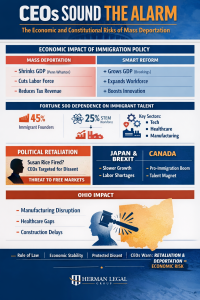
For years, corporate America handled immigration enforcement quietly.
Private briefings.
Discreet lobbying.
Carefully neutral press releases.
That restraint is dissolving.
A growing number of CEOs, board members, and senior executives are publicly signaling that the expansion of mass deportation under the banner of the “largest deportation effort in U.S. history” is not simply an immigration policy debate — it is an economic and constitutional risk.
They are reacting to three converging realities:
Markets depend on rule of law.
Rule of law depends on due process.
Due process depends on institutional restraint.
When those pillars weaken, markets destabilize.
Corporate America is beginning to say so — publicly.
To better describe, document and quantify what is happening, we have created the Corporate Immigration Stability Index (CISI™).
A central claim behind restrictive immigration policy is that reducing immigration improves job prospects and wages for native-born workers.
Recent research undermines that claim.
A 2026 analysis summarized in Forbes finds that reducing immigration does not improve employment or wage outcomes for U.S. workers.
Read the research summary here:
Key findings include:
• No measurable improvement in native worker employment when immigration declines
• No consistent wage gains attributable to immigration reductions
• Slower economic dynamism when immigration flows contract
The premise that fewer immigrants equals better outcomes for American workers is not supported by the data.
Research from the San Francisco Federal Reserve further demonstrates that declines in unauthorized immigration have slowed job growth in construction and manufacturing — sectors critical to the broader economy.
See reporting:
The findings show that regions experiencing sharper immigrant labor declines also experienced slower employment growth.
That contradicts the narrative that immigration suppresses domestic job creation.
Immigrant labor often complements, rather than substitutes for, U.S.-born workers.
Macroeconomic modeling from the Brookings Institution shows that reduced immigration leads to:
• Lower consumer spending
• Slower population growth
• Reduced GDP
• Fewer total jobs
See analysis:
Brookings estimates that reduced immigration could weaken consumer demand by tens of billions of dollars over a two-year period.
Lower demand means fewer jobs — not more.
The Penn Wharton Budget Model projects that large-scale deportation would reduce long-term GDP and shrink the labor force.
See modeling:
Projected consequences include:
• Smaller workforce
• Lower output
• Reduced tax revenue
• Increased long-term deficits
Economic contraction is not a theory — it is a projection supported by modeling across institutions.
Immigrants are disproportionately entrepreneurial.
Research from the National Foundation for American Policy shows that immigrants and their children have founded a large percentage of Fortune 500 companies.
See data:
Herman Legal Group has analyzed the economic power of immigrant founders here:
https://www.lawfirm4immigrants.com/top-u-s-companies-founded-by-immigrants/
And the broader relationship between immigration and economic revitalization:
https://www.lawfirm4immigrants.com/immigrant-entrepreneurship-economic-growth/
Mass deportation undermines this engine of growth.
Legalization strengthens it.
Following federal immigration enforcement operations in Minnesota that led to deadly confrontations and widespread unrest, more than 60 CEOs of Minnesota-based companies issued a public letter urging de-escalation.
Read the letter:
https://www.mnchamber.com/blog/open-letter-more-60-ceos-minnesota-based-companies
The letter called for:
“Immediate de-escalation of tensions and cooperation among officials to restore safety, trust, and economic stability.”
Those are not partisan words.
They are market words.
• William Brown — Chairman & CEO, 3M
• Corie Barry — CEO, Best Buy
• Jeff Harmening — Chairman & CEO, General Mills
• Michael Fiddelke — Incoming CEO, Target
• Stephen J. Hemsley — CEO, UnitedHealth Group
• Beth Ford — President & CEO, Land O’Lakes
• Gunjan Kedia — CEO, U.S. Bancorp
Target’s Michael Fiddelke stated:
“The violence and loss of life in our community is incredibly painful.”
Coverage:
Corporate leaders do not normally step into enforcement controversies.
They do when instability becomes economic risk.
Altman stated:
“What’s happening with ICE is going too far.”
He added:
“Part of loving the country is the American duty to push back against overreach.”
Source:
This was a direct constitutional framing of executive overreach.
Cook expressed he was “heartbroken” and emphasized democratic values and de-escalation.
Source:
Apple’s valuation rests on institutional stability and global trust.
Dimon has repeatedly emphasized immigration’s role in sustaining economic growth and workforce expansion.
Coverage:
https://www.reuters.com/business/finance/jamie-dimon-says-us-needs-immigration-growth-2025-11-15/
Financial markets require growth.
Growth requires labor.
Labor requires rational policy.
Susan Rice, associated with Netflix and a former national security official, publicly criticized Trump-era governance and immigration posture.
President Trump publicly called for her to be fired.
Coverage:
https://www.foxnews.com/politics/trump-calls-for-susan-rice-fired-netflix-comments-2026
This pattern matters.
Executive speaks → political leader demands firing.
Free markets depend on independent boards and protected speech.
When political retaliation becomes normalized, capital risk rises.
Autocracies punish dissent.
Democracies tolerate it.
Markets thrive in democracies.
Aggressive enforcement impacts families, employers, and local economies.
HLG analysis:
https://www.lawfirm4immigrants.com/how-ice-enforcement-harms-vulnerable-populations/
Ohio enforcement and detention impacts:
https://www.lawfirm4immigrants.com/youngstown-ice-detention-guide/
Ripple effects include:
• Family income collapse
• Reduced consumer spending
• Business disruption
• Community distrust
Economic contraction follows fear.
• Labor force shrinkage
• GDP reduction
• Lower tax revenue
• Slower job growth
• Investor uncertainty
• Labor force expansion
• Higher GDP
• Greater entrepreneurship
• Increased tax compliance
• Enhanced innovation
The evidence overwhelmingly supports Scenario B.
Corporate reform priorities include:
• Legalization pathways
• High-skill visa modernization
• Employment-based backlog reform
HLG analysis:
https://www.lawfirm4immigrants.com/h1b-visa-modernization-rule/
https://www.lawfirm4immigrants.com/employment-based-immigration-economic-impact/
Legalization increases tax revenue.
High-skill immigration increases patent generation and startup formation.
Mass deportation reduces both.
Record-high interior arrests: New research shows ICE made more arrests per day in 2025 than in any other year in the last decade, even as the share of those arrested with criminal records declined significantly.
Hundreds of thousands arrested: National tracking shows ICE made over 328,000 arrests in 2025, many involving individuals with no criminal conviction, contradicting claims of focusing on “the worst of the worst.”
As of early 2026, ICE detention levels reached record highs, with over 68,000 people held in custody, a 75% increase over the previous year.
In Minnesota’s Operation Metro Surge, federal immigration operations arrested around 3,000 people, and the operation became an epicenter of national protest after adverse incidents.
Large enforcement operations have expanded beyond border enforcement into interior community arrests, leading to broad fear and disruption in daily life.
What this means: These enforcement totals reflect unprecedented federal reach, affecting communities and families beyond traditional immigration enforcement contexts — and this reach fuels public backlash and political risk for businesses aligned with enforcement.
Majority believe enforcement has gone too far: A Washington Post-ABC News-Ipsos poll finds 58% of Americans disapprove of Trump’s deportation campaign, and 62% oppose aggressive ICE tactics, especially after fatal shootings during enforcement operations.
Widespread demand for reform: Around 75% of Americans believe ICE officers should need a judge’s warrant to enter homes, reflecting deep concerns about due process and civil liberties.
Video & transparency sentiment: A Pew Research Center survey shows 74% of Americans say it’s acceptable to record immigration arrests and 59% say sharing information about enforcement locations is acceptable, indicating broad public interest in transparency and accountability.
Partisan and generational divides: Younger Americans — especially Gen Z and younger Millennials — are significantly more likely to oppose aggressive enforcement tactics, support immigration reform, and view enforcement excesses as violations of democratic norms.
Why this matters: Public sentiment is shaping consumer and cultural expectations, especially among younger voters and customers who prioritize human rights and rule of law. The reaction is not limited to any one political party and reflects broad skepticism about enforcement tactics.
High-profile enforcement incidents — including the deaths of U.S. citizens during federal immigration operations — have triggered large-scale protests and community mobilization, particularly in Minneapolis–Saint Paul, which has emerged as a national epicenter of resistance.
Activists and community groups have organized protests, tracking groups, and coordinated demonstrations that physically challenge enforcement operations, drawing sustained media attention and legal pushback.
Public backlash has also translated into consumer action, with boycotts and pressure campaigns targeting companies with ICE or DHS contracts — documented in HLG resources such as Which Companies Are Facing ICE Boycott and How to Boycott ICE Contractors.
HLG Blog Integration on Backlash & Activism:
Gen Z immigration attitudes and the generational divide:
https://www.lawfirm4immigrants.com/gen-z-immigration-attitudes-generational-divide/
Immigration enforcement backlash leading to reform momentum:
https://www.lawfirm4immigrants.com/trump-immigration-enforcement-backlash-leads-to-reform/
Companies facing boycott pressure due to enforcement ties:
https://www.lawfirm4immigrants.com/which-companies-facing-ice-boycott/
How advocates can legally boycott ICE contractors:
https://www.lawfirm4immigrants.com/how-to-boycott-ice-contractors-legally/
Ohio companies involved with or impacted by ICE contracts and enforcement:
https://www.lawfirm4immigrants.com/ohio-companies-serving-ice/
Gen Z and younger cohorts are more pro-reform: Younger voters overwhelmingly support humane immigration policies and are active in public protests, grassroots movements, and social media advocacy — creating a cultural environment where brands face scrutiny for perceived alignment with enforcement excesses.
Consumer expectations are shifting: Younger consumers increasingly expect companies to take stands on social and policy issues, including immigration reform and civil rights, and will mobilize collective action when brands are perceived as unsympathetic to these values.
Gen Z as workforce and market drivers: Gen Z is not only a powerful voting bloc but also a growing share of the workforce and consumer base, meaning corporate leadership can face both internal (employees) and external (customers) pressure to distance from enforcement support.
Business leaders are monitoring these trends because they intersect with:
• Brand loyalty risk: Negative public sentiment about enforcement can translate into boycotts or reputational damage.
• Workforce expectations: Many employees — especially younger ones — view immigration policy through a human rights lens and expect employers to reflect those values.
• Consumer market alignment: A majority of Americans, including independents, express skepticism of aggressive enforcement tactics, creating a marketplace incentive for corporate alignment with reform rather than punishment.
• Long-term institutional trust: Persistent public opposition to enforcement excesses signals broader distrust in government and institutions, which translates into market volatility and investor concern.
This data underscores why CEOs are increasingly not staying silent — and why their public positions on enforcement and immigration reform are shaped not just by economics or governance concerns, but by real public opinion, demographic shifts, and ongoing civic activism that define America’s future workforce and marketplace.
When CEOs begin using words like:
• Overreach
• De-escalation
• Democratic values
• Economic stability
It signals systemic concern.
This is not activism.
It is fiduciary analysis.
Entrepreneurs, investors, and corporate leaders must recognize:
Economic strength and constitutional governance are intertwined.
If dissent is punished and institutional independence erodes, free markets weaken.
America’s 21st-century leadership depends on:
• Rule of law
• Open talent flows
• Innovation freedom
• Protected dissent
The evidence is clear.
Reducing immigration does not help American workers.
Mass deportation shrinks the economy.
Retaliation politics chills dissent.
Corporate America is beginning to speak.
The question is whether others will join before the damage becomes structural.
To move this conversation from rhetoric to governance, we introduce a structured framework boards can use to assess immigration policy risk:
This proprietary index evaluates how immigration policy affects core economic and institutional stability metrics.
| Risk Category | Mass Deportation Strategy | Smart Reform Strategy |
|---|---|---|
| GDP Impact | Long-term contraction (Penn Wharton) | Sustained expansion |
| Labor Force Growth | Shrinkage | Expansion |
| Tax Base Stability | Erosion | Strengthening |
| Investor Confidence | Elevated political risk | Institutional predictability |
| Innovation Capacity | Reduced startup formation | Increased patent generation |
| Global Competitiveness | Declining talent share | Talent magnet |
| Constitutional Stability | Enforcement volatility | Institutional equilibrium |
Mass deportation scores high in volatility and contraction risk.
Smart reform scores high in growth and institutional resilience.
Boards can use this index to conduct internal policy risk assessments.
Immigration is not peripheral to corporate America. It is structural.
Research from the National Foundation for American Policy shows that immigrants or their children have founded a significant share of Fortune 500 companies.
See data:
Immigrants represent:
• A large share of STEM graduate workers
• Disproportionate founders of high-growth startups
• Critical workforce participation in healthcare and logistics
If immigrant labor contracts by 10%, likely sector exposure includes:
• Construction slowdown
• Healthcare staffing shortages
• Reduced AI and engineering talent pools
• Slower startup formation
Mass deportation is not a marginal labor policy shift.
It is a structural shock.
Institutional investors assess sovereign risk based on:
• Demographics
• Labor force growth
• Institutional stability
• Regulatory predictability
The United States faces demographic aging. Immigration is the primary scalable lever to offset workforce decline.
San Francisco Federal Reserve research shows that declines in immigrant labor slow job growth:
Brookings modeling shows immigration declines reduce consumer spending and GDP:
Penn Wharton modeling shows mass deportation reduces long-term GDP:
When political retaliation targets dissenting executives, that adds a second layer of institutional risk.
Capital does not favor volatility.
Countries that restrict immigration amid demographic decline experience stagnation.
Japan’s long-term growth slowdown has been closely linked to workforce contraction and aging demographics.
By contrast, Canada has embraced immigration as a strategic growth policy — expanding labor supply to maintain economic dynamism.
Brexit offers another example: labor shortages and economic contraction followed reduced EU mobility.
The pattern is consistent:
Workforce contraction → Slower growth → Fiscal strain.
The United States is not immune.
When executives criticize policy and face calls for firing — as occurred when President Trump publicly called for Susan Rice to be removed following her criticism —
See coverage:
https://www.foxnews.com/politics/trump-calls-for-susan-rice-fired-netflix-comments-2026
—it creates a chilling effect.
Corporate boards must ask:
• Are we exposed to political retaliation risk?
• Will dissent trigger regulatory targeting?
• Does public disagreement increase company vulnerability?
This is not partisan politics.
It is governance risk.
Autocratic systems punish dissent.
Democratic systems protect it.
Markets price the difference.
As an Ohio-based firm, we must localize the risk.
Ohio’s economy depends on:
• Manufacturing
• Healthcare
• Construction
• Logistics
• Agricultural supply chains
Immigrant labor participation is significant across these sectors.
Mass deportation would likely produce:
• Construction project delays in Columbus and Cleveland
• Healthcare staffing gaps
• Manufacturing supply chain disruptions
• Reduced small business activity in immigrant-driven corridors
HLG has documented enforcement impact in Ohio:
https://www.lawfirm4immigrants.com/youngstown-ice-detention-guide/
And broader community and economic harm:
https://www.lawfirm4immigrants.com/how-ice-enforcement-harms-vulnerable-populations/
For Ohio employers, this is not abstract.
It is operational risk.
Tracking this matters.
Silence during institutional stress is itself a signal.
This section can become a dynamic quarterly update.
Below is a curated list of economic research reinforcing the growth thesis:
• Forbes (Stuart Anderson) — Reducing immigration does not help U.S. workers
https://www.forbes.com/sites/stuart-anderson/2026/02/22/new-research-finds-reducing-immigration-does-not-help-us-workers/
• San Francisco Federal Reserve — Immigration decline slows job growth
https://www.reuters.com/business/drop-unauthorized-immigration-slows-job-growth-sf-fed-paper-finds-2026-02-17/
• Brookings Institution — Macroeconomic implications of immigration flows
https://www.brookings.edu/articles/macroeconomic-implications-of-immigration-flows-in-2025-and-2026-update/
• Penn Wharton Budget Model — Fiscal and economic effects of mass deportation
https://budgetmodel.wharton.upenn.edu/issues/2025/7/28/mass-deportation-of-unauthorized-immigrants-fiscal-and-economic-effects/
• National Foundation for American Policy — Fortune 500 immigrant founders
https://nfap.com/wp-content/uploads/2024/06/2024-Fortune-500-Immigrant-Founders.NFAP-Policy-Brief.2024.pdf
The research consensus is clear:
Immigration supports growth.
Restrictive policy slows it.
Free markets depend on:
• Predictable rule of law
• Protected dissent
• Independent boards
• Institutional checks and balances
When enforcement becomes expansive and dissent triggers retaliation, constitutional capitalism weakens.
This is not ideological rhetoric.
It is structural economics.
Economic vitality and constitutional stability are intertwined.
Leadership requires clarity.
Silence under institutional stress is not neutrality.
It is a decision.
A growing number of CEOs and executives are warning that large-scale deportation and enforcement escalation create economic instability and institutional risk. Economic research shows that reducing immigration does not improve job or wage outcomes for U.S. workers. Instead, it shrinks the labor force, reduces GDP, and weakens long-term growth. Business leaders depend on stable markets, predictable rule of law, and workforce participation. When enforcement becomes economically disruptive or appears politically retaliatory, it raises risks for investors and shareholders.
Recent research indicates it does not. A 2026 economic analysis summarized in Forbes found that reducing immigration does not improve employment or wage outcomes for U.S.-born workers. Federal Reserve research shows that declines in immigrant labor can slow job growth in sectors like construction and manufacturing. Multiple macroeconomic studies conclude that immigration complements native labor rather than displacing it, contributing to overall job creation and economic expansion.
Economic modeling from the Penn Wharton Budget Model projects that large-scale deportation would reduce long-term GDP and shrink the labor force. Reduced immigration lowers total output, reduces tax revenue, and increases deficit pressure. Brookings Institution research similarly shows that declines in immigration reduce consumer spending and slow economic growth. The economic consensus suggests that mass deportation contracts the economy rather than strengthens it.
Business leaders are concerned when enforcement actions appear unpredictable, overly aggressive, or disconnected from proportional public safety priorities. Large-scale enforcement operations can disrupt local economies, reduce workforce stability, and erode trust between communities and institutions. Markets depend on predictability. When enforcement volatility increases uncertainty, investment risk rises.
Free markets require independent corporate governance and protected speech. When political leaders publicly target executives for expressing policy disagreement — including calling for their termination — it signals potential political interference in private enterprise. That dynamic can chill corporate speech, distort board decision-making, and undermine investor confidence. Democratic systems protect dissent; autocratic systems punish it. Capital flows toward stability and institutional independence.
The bulk of modern economic research shows that immigrants are largely complementary to native workers rather than direct substitutes. Immigrant labor often fills roles that expand production capacity, enabling businesses to hire more U.S.-born workers in supervisory, managerial, or specialized positions. Immigration increases demand for goods and services, which in turn creates jobs. Reductions in immigration have not consistently improved outcomes for native workers.
Immigrants are disproportionately entrepreneurial. Research shows that immigrants and their children have founded a significant share of Fortune 500 companies and high-growth startups. Immigrant entrepreneurs drive patent production, venture-backed innovation, and job creation. Restrictive immigration policy reduces startup formation and weakens America’s innovation ecosystem, particularly in STEM and advanced technology sectors.
Many business leaders support a policy approach that includes:
• Legalization pathways for long-settled undocumented workers
• High-skill visa modernization
• Employment-based green card reform
• Expanded entrepreneur visa options
These reforms increase tax compliance, labor participation, and innovation. Economic evidence suggests that legalization and rational high-skill immigration policy boost GDP and strengthen competitiveness.
Investors evaluate countries based on institutional strength, rule of law, workforce growth, and political stability. Policies that reduce labor force participation, shrink GDP, or introduce political retaliation against dissent increase systemic risk. Conversely, stable immigration policy that expands economic participation signals growth potential and institutional resilience.
Many corporate leaders frame their concerns in economic and institutional terms rather than partisan terms. Their focus is on labor force growth, economic competitiveness, innovation, and constitutional stability. The debate increasingly centers on economic performance and governance quality, not party affiliation.
The long-term stakes include:
• Workforce growth trajectory
• Global competitiveness in AI and technology
• Startup formation rates
• Tax base sustainability
• Social Security solvency
• Institutional trust
The evidence indicates that restrictive immigration policy reduces economic dynamism, while smart reform strengthens it.
Free markets and constitutional governance are interconnected. Predictable enforcement, due process, separation of powers, and protected speech are foundations of economic stability. When enforcement becomes politically retaliatory or institutionally unrestrained, it weakens confidence in the system itself. Markets function best in democracies with strong institutional safeguards.
The emerging movement of CEOs and executives speaking publicly is not about ideology.
It is about economic arithmetic and institutional risk management.
The evidence increasingly shows:
Reducing immigration does not help American workers.
Mass deportation shrinks GDP.
Retaliation politics chills dissent.
Institutional instability weakens markets.
Corporate America is beginning to speak.
And when the business community speaks about constitutional stability and economic growth in the same breath, policymakers should listen.
For journalists, policy advocates, business leaders, and immigrant communities seeking expert commentary, legal insight, or deeper context on how immigration policy intersects with economic growth, constitutional values, and workforce dynamics, Richard T. Herman is available for interviews, expert analysis, op-eds, public forums, and strategic commentary.
Richard Herman is a nationally recognized immigration attorney and author — one of the few legal voices who combines long-standing legal experience, economic insight, public advocacy, and Midwestern economic development perspective into a singular, deeply authoritative viewpoint.
• Founder & President, Herman Legal Group — a nationwide immigration law firm based in Cleveland, Ohio, with over 30 years of legal experience. (https://www.lawfirm4immigrants.com/attorneys/richard-herman/)
• Co-Author of Immigrant, Inc.: Why Immigrant Entrepreneurs Are Driving the New Economy — a definitive work explaining how immigrant entrepreneurs create jobs, revitalize communities, and make the U.S. more competitive. Available here: https://www.amazon.com/Immigrant-Inc-Entrepreneurs-Driving-American/dp/0470455713 (Amazon)
• Featured in National Media — Richard’s insights on immigration, economic impact, and policy have been quoted, cited, or featured by major outlets including The New York Times, USA Today, Forbes, NPR, BusinessWeek, Washington Post, FOX News, and more. (Akron Roundtable)
• Recognized Thought Leader — Listed in Super Lawyers from 2004 through 2025, featured in Best Lawyers in America, and profiled in Ohio Super Lawyers magazine for his contributions to immigration law. (Wikipedia)
• Public Advocate & Speaker — Richard has spoken at national forums, universities, civic organizations, and policy conferences on immigration, workforce development, regional revitalization, and the future of the U.S. economy.
Richard can offer expert commentary on topics including:
• CEOs and corporate opposition to aggressive immigration enforcement
• Economic research on immigration, job growth, and GDP impact
• Demographic trends (Gen Z, consumer sentiment, workforce expectations)
• How immigration policy affects small business, startups, and innovation
• Constitutional and due process concerns tied to ICE enforcement
• Legal, economic, and social implications of deportation policy
• Insights from Immigrant, Inc. and decades of immigrant advocacy
His perspectives are informed by both legal practice and economic analysis — bridging the gap between courtroom experience and national policy debate.
✔ Media Interviews (Live & Pre-Recorded)
✔ Op-Eds & Expert Commentary
✔ Panel Discussions & Policy Forums
✔ Business & Board Briefings
✔ Advocate Strategy Sessions
✔ Legal Insight for Immigrant Families & Workforce Leaders
Learn more about Richard’s background:
https://www.lawfirm4immigrants.com/attorneys/richard-herman/ (Herman Legal Group LLC)
Book a consultation or media inquiry:
https://www.lawfirm4immigrants.com/book-consultation/ (Herman Legal Group LLC)
Read Immigrant, Inc. on Amazon:
https://www.amazon.com/Immigrant-Inc-Entrepreneurs-Driving-American/dp/0470455713 (Amazon)
• He champions immigration reform not just as a legal issue but as economic strategy.
• His work has helped shape how business, law, and civic leaders understand the economic contributions of immigrants.
• He speaks from both national experience and Cleveland’s economic development trenches — a perspective rare among immigration commentators.
• His insights translate legal complexity into accessible economic and policy strategy that resonates with journalists, investors, and community leaders alike.
Trump’s expanded immigration enforcement campaign — driven by hardline architects like Stephen Miller and Tom Homan — has produced the most militarized civil immigration strategy in modern U.S. history. Yet rather than consolidating national support, high-profile shootings, wrongful arrests of U.S. citizens, and rising deaths in ICE custody are generating public backlash.
This Trump immigration enforcement backlash leads to reform, as the public pushes back against the administration’s aggressive tactics.
Polling shows record-high percentages of Americans view immigration positively, and younger generations strongly favor legalization and reform. If trends continue, the political consequences could include Democratic gains in 2026 and comprehensive immigration reform by 2029.
History suggests enforcement overreach often precedes reform. Amid fear and uncertainty, there is reason to believe the pendulum is swinging again.
This is another instance where the Trump immigration enforcement backlash leads to reform, suggesting a shift in public sentiment.
The ongoing Trump immigration enforcement backlash leads to reform, reflecting deep societal changes and demands for humane policies. The Trump immigration enforcement backlash leads to reform as communities voice their concerns over enforcement tactics.
This article introduces the Backlash-to-Reform Index™
Positive change is coming.
Hold on.

The Trump administration’s second-term immigration agenda has centered on aggressive enforcement, expanded detention capacity, and rapid operational deployment in cities across the United States.
HLG has documented this shift in depth:
What distinguishes this moment is not merely enforcement volume — but enforcement visibility.
Civil immigration violations are not criminal offenses. Yet tactics increasingly resemble tactical law enforcement deployments in residential neighborhoods.
The increased visibility of this enforcement is part of the Trump immigration enforcement backlash that leads to reform, as people demand accountability.
When enforcement becomes visible — and violent — public opinion shifts.
The enforcement surge reached a breaking point in Minneapolis in January 2026.
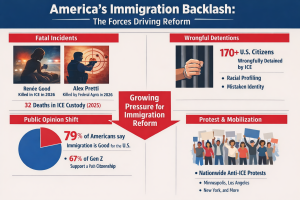
On January 7, 2026, Renée Nicole Good, a 37-year-old U.S. citizen and mother of three, was shot and killed by an ICE agent during an enforcement action in Minneapolis. The killing sparked immediate protest and scrutiny.
Details and reporting:
https://en.wikipedia.org/wiki/Killing_of_Ren%C3%A9e_Good
Just weeks later, on January 24, 2026, Alex Pretti — a 37-year-old ICU nurse and U.S. citizen working at a Veterans Affairs hospital — was shot and killed by federal agents during the same operational surge.
Details and reporting:
https://en.wikipedia.org/wiki/Killing_of_Alex_Pretti
Such incidents have fueled the Trump immigration enforcement backlash, leading to reform and a call for more humane practices.
These shootings occurred during “Operation Metro Surge,” a concentrated enforcement effort that became the catalyst for nationwide protest.
Operation background:
https://en.wikipedia.org/wiki/Operation_Metro_Surge
Peaceful protests spread across multiple cities, marking one of the largest waves of anti-ICE demonstrations in recent years.
National protest coverage:
https://en.wikipedia.org/wiki/2026_Anti-ICE_Protests_in_the_United_States
When U.S. citizens die during civil immigration operations, the political calculus changes.
This pattern is a result of the Trump immigration enforcement backlash that leads to reform, as citizens advocate for their rights.

Beyond fatal shootings, investigative reporting reveals a disturbing pattern: U.S. citizens detained, beaten, or held for days because they were suspected of being undocumented.
Investigations report:
Some lawmakers have described these incidents as unconstitutional detentions bordering on kidnapping when agents failed to verify citizenship before holding individuals.
When Americans see veterans and disabled citizens detained because they “looked like an immigrant,” support for mass deportation erodes rapidly.
This is not a partisan issue — it is a constitutional one.
Independent watchdog reporting and media investigations show rising deaths in ICE custody.
For example:
When enforcement policies result in visible harm — whether to immigrants or U.S. citizens — public perception changes.
This harm is often linked to the Trump immigration enforcement backlash that leads to reform, pushing for a reevaluation of policies.

Despite the rhetoric of a “mandate” for harsh enforcement, national polling tells a different story.
The data suggests enforcement escalation may be catalyzing reform sentiment.
Demography is destiny — and Gen Z is overwhelmingly pro-immigrant.
This demographic shift is part of the broader Trump immigration enforcement backlash that leads to reform, indicating a growing consensus for change.
HLG’s analysis of generational shifts:
https://www.lawfirm4immigrants.com/gen-z-immigration-attitudes/
American immigration history moves in cycles:
Periods of harsh enforcement have frequently been followed by recalibration.
Public backlash builds. Coalitions form. Reform windows open.
If trends continue:
Increased turnout among younger voters and suburban moderates could shift House control.
Immigration reform becomes central — not defensive — messaging.
Potential reforms could include:
In this context, the Trump immigration enforcement backlash leads to reform where comprehensive solutions are sought.
Aggressive enforcement may unintentionally unify the coalition that enacts reform.
With this backdrop, the Trump immigration enforcement backlash leads to reform that can reshape the immigration landscape.
To immigrant families living with fear:
You are not criminals.
You are parents, workers, students, caregivers, business owners, veterans’ spouses.
The American Dream has endured darker chapters than this.
History shows that when enforcement becomes excessive and unjust, America recalibrates.
The tragedies of Renée Good and Alex Pretti should never have happened.
The wrongful detention of U.S. citizens should never happen in a constitutional democracy.
But from visible injustice often comes reform.
The visibility of these injustices underscores how the Trump immigration enforcement backlash leads to reform, fueling public demand for change.
Help is not immediate — but it is building.
Hold on.
Reform will not arrive automatically.
Advocates must:
America’s story is an immigrant story.
When people see neighbors — not stereotypes — hearts change.
And when hearts change, elections follow.
Throughout American history, immigration reform has rarely emerged from calm, technocratic debate.
It has emerged from crisis.
From visible overreach.
From moments when the public sees — not abstract policy — but human consequences.
To understand what may be unfolding now, we introduce a framework:
This index describes a recurring five-stage cycle in American immigration politics.
When enforcement becomes highly visible and morally disruptive, it often triggers the very reform it was designed to prevent.
The federal government dramatically increases enforcement intensity and visibility.
Characteristics include:
In 2025–2026, this stage has included:
Escalation is designed to project strength.
But escalation increases visibility.
And visibility changes politics.
Enforcement becomes impossible to ignore.
This is when policy moves from the background into living rooms.
Visibility includes:
The Minneapolis killings of Renée Good and Alex Pretti were not just tragic events — they were visibility accelerants.
When civil immigration enforcement results in the deaths of U.S. citizens, the debate shifts.
It is no longer abstract.
It becomes constitutional.
Political backlash does not begin with statistics.
It begins with moral shock.
Moral shock occurs when the public perceives that enforcement has crossed a line.
It is the moment when:
At this stage, the issue expands beyond immigration policy.
It becomes about fairness.
About due process.
About American identity.
Moral shock destabilizes political coalitions.
It causes moderates and independents to reconsider alignment.
It activates younger voters.
It draws in faith communities and business leaders.
This is when enforcement begins to lose narrative control.
Backlash only becomes reform when coalitions form.
Historically, reform has required unlikely alliances:
In this stage, messaging shifts from defensive to proactive.
The conversation becomes:
This is where Gen Z becomes decisive.
Demography is destiny — but only if mobilized.
The final stage is political.
It requires:
Historically:
Reform does not follow quiet stability.
It follows visible dysfunction.
If current demographic trends, polling data, and public backlash continue, the 2026–2028 electoral cycle could create a 2029 reform window.
Not because enforcement succeeded — but because it overreached.
The Index suggests something important:
Aggressive enforcement can temporarily consolidate a political base.
But when enforcement becomes visible, violent, or constitutionally questionable, it expands the opposition coalition.
It converts:
The key insight:
Enforcement intensity does not linearly increase public support.
After a threshold, it reverses it.
That threshold is crossed when ordinary Americans see harm affecting “people like us.”
Veterans. Nurses. Parents. Citizens.
Based on:
The United States appears to be moving from Stage 3 (Moral Shock) toward Stage 4 (Coalition Formation).
Reform is not guaranteed.
But historically, this is the moment when reform becomes possible.
For immigrant families living under fear:
The Backlash-to-Reform cycle is not abstract theory.
It is historical pattern.
Moments of visible injustice often precede expanded rights.
That does not make tragedy acceptable.
It does mean tragedy can catalyze protection for millions.
Hold on.
Movements form in moments like this.
And history shows that when enforcement exceeds public comfort, America recalibrates.
There is growing evidence that Trump’s expanded immigration enforcement strategy has produced significant political backlash. High-profile shootings, wrongful detention of U.S. citizens, and rising deaths in ICE custody have generated national protests and increased scrutiny. At the same time, public opinion polls show record-high support for immigration as a positive force in the United States. Historically, visible enforcement overreach has often preceded immigration reform movements.
Investigative reporting indicates that more than 170 U.S. citizens have been mistakenly detained by immigration agents in recent years. Many cases involved racial profiling, mistaken identity, or delayed verification of citizenship status. Some detainees included veterans, individuals with disabilities, and U.S.-born citizens swept up during raids. These incidents have raised constitutional concerns and fueled public backlash.
In January 2026, two U.S. citizens — Renée Good and Alex Pretti — were shot and killed during federal immigration enforcement operations in Minneapolis as part of “Operation Metro Surge.” The shootings sparked nationwide protests and intensified scrutiny of aggressive immigration enforcement tactics. The incidents became a flashpoint in the national debate over immigration policy and civil liberties.
Reports from watchdog organizations and media outlets indicate that deaths in ICE custody reached one of the highest levels in decades in 2025, with at least 32 reported fatalities. Advocacy groups have documented additional deaths and use-of-force incidents in 2026. Rising detention populations combined with aggressive enforcement tactics have intensified oversight concerns.
Recent polling shows strong support for immigration among the American public:
These trends suggest that harsh enforcement policies may not align with broader public sentiment.
History suggests that aggressive enforcement periods can trigger reform movements. The 1986 Immigration Reform and Control Act followed years of enforcement gridlock. The LIFE Act of 2000 expanded adjustment pathways after prolonged backlogs. If public backlash continues and demographic trends hold, a political reform window could emerge between 2026 and 2029.
Potential immigration reform proposals could include:
While reform is not guaranteed, political momentum appears to be building.
Gen Z is the most racially and ethnically diverse generation in U.S. history. Polling shows they are significantly more supportive of immigration expansion and legalization pathways than older cohorts. As Gen Z increases its share of the electorate in 2026 and 2028, immigration reform becomes increasingly viable politically.
Most immigration violations are civil, not criminal. This distinction is important because civil enforcement actions should be governed by constitutional protections, due process, and proportional response standards. When enforcement tactics resemble criminal tactical operations, civil liberties concerns intensify.
Reform movements historically succeed when they:
Public persuasion — not just policy drafting — determines reform outcomes.
Trump’s enforcement strategy was designed to demonstrate power and control.
Instead, it may be accelerating a backlash rooted in:
History suggests the pendulum swings.
The events of 2025 and 2026 may ultimately be remembered not as the high-water mark of enforcement — but as the inflection point that led to reform.
Immigration reform is not inevitable.
Thus, the Trump immigration enforcement backlash leads to reform, representing a pivotal moment for immigration policy in America.
But it is more possible now than it was before the overreach.
And that is where hope lives.
Consult a youngstown ICE detention lawyer for effective representation.
If you need assistance, contact a youngstown ICE detention lawyer for expert guidance.
Finding a qualified youngstown ICE detention lawyer can significantly impact your case.
When someone is detained by ICE in Youngstown, Ohio, families are often thrown into chaos: multiple facilities, multiple agencies, a confusing court system, and urgent legal deadlines. What makes Youngstown detention particularly challenging is that many detainees are denied bond not because they are dangerous or a flight risk, but because ICE claims the immigration judge has “no jurisdiction” to even hold a bond hearing.
Having a youngstown ICE detention lawyer on your side is crucial for timely action.
A youngstown ICE detention lawyer can help navigate the system effectively.
When facing ICE, having a youngstown ICE detention lawyer ensures your rights are protected.
This article is designed to be the definitive, Ohio-specific resource on:
Which facilities hold ICE detainees in the Youngstown area
How to locate a detainee quickly (even after transfers)
How phone, mail, and visitation typically work
How to pursue immigration bond through Cleveland Immigration Court
What to do when a judge says “no bond jurisdiction” (often in EWI cases)
How to file federal habeas corpus under 28 U.S.C. § 2241 in the Northern District of Ohio
The most important national development: the Maldonado Bautista v. Santacruz class action and Final Judgment declaring covered detainees are under § 1226(a) (bond-eligible), not § 1225(b)(2) (mandatory detention)
If your loved one is detained in Youngstown (NEOCC or Mahoning County Justice Center), you can speak with Herman Legal Group here:
Book a consultation
If you need legal assistance, consider consulting a youngstown ICE detention lawyer who can guide you through the complexities of the system.
A youngstown ICE detention lawyer will provide invaluable assistance throughout the legal process.
Consulting a youngstown ICE detention lawyer can provide clarity in complex cases.
Consulting with a youngstown ICE detention lawyer is essential for understanding your options.

A youngstown ICE detention lawyer can assist in understanding your rights.
Contact a youngstown ICE detention lawyer if you have questions about your case.
“ICE detention in Youngstown” usually means one of two locations.
Engaging a youngstown ICE detention lawyer can help you navigate your rights.
2240 Hubbard Road, Youngstown, OH 44505
NEOCC publishes facility rules and contact procedures in its facility document:
Northeast Ohio Correctional Center Facility Information (CoreCivic PDF)
The Ohio Department of Rehabilitation and Correction lists NEOCC here:
Northeast Ohio Correctional Center (Ohio DRC)
110 Fifth Avenue, Youngstown, OH 44503
Mahoning County jail information is here:
Mahoning County Inmate Information
Mahoning County’s public inmate search portal is here:
Mahoning County Public Inmate Lookup
Important: ICE detainees can be moved with little notice. Families should assume transfers can occur at any time, especially after court hearings, medical visits, or classification changes.
The first place to check is ICE’s public locator:
ICE Online Detainee Locator System
Best practice: Use the A-number + country of birth. Name searches frequently fail due to spelling variations, hyphens, accents, and data entry errors.
If the person was detained in the last day or two, the locator may not update immediately. In that window, you may need to call.
NEOCC ICE listing:
ICE – Northeast Ohio Correctional Center
Mahoning County Justice Center ICE listing:
ICE – Mahoning County Justice Center
Have ready:
Full legal name
Date of birth
A-number (if known)
Country of birth
Date of arrest and arresting agency (ICE, local police, state troopers, etc.)
If the person is suspected of being at Mahoning County, use:
Mahoning County Public Inmate Lookup
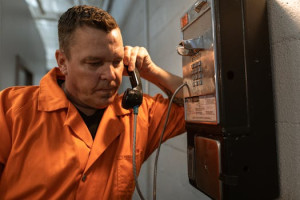
Phone systems can differ by facility and can change. One commonly used service portal for NEOCC communication is:
ConnectNetwork – NEOCC (ICE)
Practical tips:
Expect outgoing calls only; detainees typically cannot receive direct inbound calls.
Ask the detainee what system is being used and whether you must pre-fund an account.
Keep a running “detainee file”: A-number, facility, booking date, housing unit (if available), attorney contact, Cleveland court date, and key documents.
NEOCC’s facility document includes mail rules and required addressing format:
NEOCC Mail Policies (CoreCivic PDF)
Use this standard addressing format:
Detainee Full Name + Registration Number
Northeast Ohio Correctional Center
2240 Hubbard Road
Youngstown, OH 44505
Common pitfalls:
Missing the registration/A-number can delay or block delivery.
Books and magazines often must be shipped directly from publishers or approved retailers (review facility rules before ordering).
Start with county guidance here (then confirm ICE-specific restrictions by calling the facility):
Mahoning County Inmate Information

NEOCC’s visitation guidance appears in its facility documentation:
NEOCC Visitation Policies (CoreCivic PDF)
Before traveling, confirm:
Whether visits are in-person or video
Whether appointments are required
Visitor ID requirements
Dress code rules
Whether ICE detainees have separate procedures
Mahoning County visitation info:
Mahoning County Visitation

Families often seek help from a youngstown ICE detention lawyer for effective representation.
Families often rely on a youngstown ICE detention lawyer for effective representation.
Families often assume “bond denied” means the detainee is considered dangerous. In many Youngstown cases, that’s not what happened.
Instead, ICE claims the detainee is held under a detention statute that makes the person ineligible for bond, and the immigration judge agrees they lack authority to hold a bond hearing.
The battle usually turns on which statute governs detention:
Bond-eligible discretionary detention:
8 U.S.C. § 1226
Mandatory detention for certain “applicants for admission”:
8 U.S.C. § 1225
ICE has argued that people who entered without inspection (“EWI”) are treated as “applicants for admission” and therefore fall into § 1225(b)(2) mandatory detention. Immigration judges have sometimes relied on the BIA decision:
Matter of Yajure Hurtado (BIA 2025)
When the judge says “no bond jurisdiction,” the case often shifts into federal court via habeas corpus.
Youngstown detainees typically litigate custody in Cleveland Immigration Court.
Court information:
Cleveland Immigration Court (EOIR)
Check case status here:
EOIR Automated Case Information (ACIS)
What you’re trying to secure is a custody redetermination hearing (bond hearing) under § 1226(a) when available:
8 U.S.C. § 1226(a) (Cornell LII)
If bond jurisdiction exists, you should treat the bond hearing like a mini-trial: the judge is deciding whether the detainee can safely be released and whether the person will come back to court.
The judge is evaluating two core issues:
Danger to the community
Flight risk
Your bond packet should be organized and indexed, with the most persuasive items first.
Include:
Marriage certificate, children’s birth certificates
Proof of stable residence (lease, mortgage, utility bills)
Letters from family, clergy, employers, and community members (signed, dated, specific)
Evidence of long-term presence in Ohio (tax filings, medical records, school records)
Include:
Employer support letter (job title, wages, schedule, and confirmation of employment)
Pay stubs (recent)
Proof of lawful or pending work authorization if applicable (do not guess; document it)
If there is any criminal history, do not minimize or omit it. Provide:
Certified dispositions
Proof of compliance with probation, court orders, treatment, counseling
Letters of rehabilitation and community support
Evidence showing charges dismissed or reduced (where true)
For those facing detention, hiring a youngstown ICE detention lawyer is essential.
To ensure a successful outcome, hiring a youngstown ICE detention lawyer is essential.
If the detainee has serious medical issues, disabilities, or caregiving responsibilities, document:
Diagnoses
Treatment needs
Risk of harm in detention
Family dependency evidence
Use this as a practical structure for a bond hearing packet. The goal is to make it easy for the immigration judge to see: (1) the person will appear for court and (2) release is safe.
Detainee full name
A-number
Facility (NEOCC / Mahoning County Justice Center)
Hearing date/time (if set)
Counsel information
A clean index with short exhibit descriptions.
Copy of NTA
Any custody/bond orders
EOIR case status printout from EOIR ACIS
Lease/mortgage
Utility bills
Sponsor ID + proof of address
Family relationship documents (marriage certificate, birth certificates)
Employer letter (job title, schedule, wages, return-to-work confirmation)
Pay stubs (recent)
Tax filings (if available)
Letters from clergy, community leaders, neighbors, family
Each letter should be signed, dated, and include contact info
Certified dispositions
Proof of compliance (probation completion, treatment programs)
Rehabilitation documentation
Diagnoses and treatment records
Caregiving obligations (children, elderly parents)
Documentation showing detention-related medical risk
Exact address upon release
Transportation plan for Cleveland hearings
Compliance plan (check-ins, reminders, counsel communications)
Declaration of Sponsor in Support of Immigration Bond
I, ____________________________, declare as follows:
Identity and relationship. I am ___ years old. I reside at ______________________________ in Ohio. I am the __________________ (relationship) of ____________________________ (detainee), A-Number __________________.
Housing and stability. If ____________________________ is released from ICE custody, they will reside with me at the address above. This is a stable residence, and I have authority to allow them to live here.
Support and supervision. I will provide housing and basic support. I will help ensure they attend all immigration court hearings in Cleveland and comply with any reporting requirements.
Transportation plan. I will provide transportation to Cleveland Immigration Court when required (or arrange reliable transportation). I understand hearing dates can change and I will monitor the schedule with counsel.
Compliance assurance. I understand the importance of court appearances. I will remind ____________________________ of all hearing dates and help coordinate communication with their attorney.
Contact information. I can be reached at:
Phone: ____________________________
Email: ____________________________
I declare under penalty of perjury that the foregoing is true and correct.
Date: ____________________
Signature: ______________________________
Printed Name: ___________________________
(Attach sponsor ID and proof of address as exhibits.)
Your release plan should include:
Exact release address (with proof)
Sponsor declaration (who will house the person and ensure compliance)
Transportation plan to Cleveland hearings
Compliance plan (check-ins, reminders, legal counsel contact)
Use case: The respondent requests a bond hearing or custody redetermination and ICE asserts detention is under INA § 235(b)(2) (8 U.S.C. § 1225(b)(2)), arguing the Court lacks jurisdiction. These paragraphs are drafted to preserve statutory classification arguments, invoke the Bautista framework, and build a clean record for federal habeas review if needed.
Respondent respectfully requests an individualized custody determination and a bond hearing. ICE asserts Respondent is detained under INA § 235(b)(2) and that this Court lacks bond jurisdiction. Respondent contests that statutory classification. The correct detention authority is INA § 236(a) (8 U.S.C. § 1226(a)), which authorizes release on bond and requires an individualized custody determination. Compare 8 U.S.C. § 1225 with 8 U.S.C. § 1226.
Respondent was arrested in the interior of the United States (including in Ohio), not at a port of entry. ICE served a Notice to Appear and placed Respondent in removal proceedings. Respondent is not seeking to relitigate the merits of removability through this custody request. The narrow issue is whether ICE has correctly identified the governing detention statute. Respondent’s detention posture is consistent with § 1226(a) custody and therefore warrants a bond hearing.
Respondent recognizes that DHS and immigration courts have referenced Matter of Yajure Hurtado (BIA 2025) in custody jurisdiction disputes. However, Respondent preserves the argument that ICE’s reliance on § 1225(b)(2) here is a misclassification under the INA. The Court should make explicit findings on (1) which statute DHS claims governs custody and (2) whether the Court is denying jurisdiction based on that statute, so that the statutory basis for detention is clearly preserved.
A federal district court has rejected DHS’s broad application of § 1225(b)(2) mandatory detention to covered interior detainees and entered judgment declaring that covered detainees are detained under § 1226(a). See Maldonado Bautista v. Santacruz (Final Judgment) and the court’s Class Certification and Summary Judgment Order (PDF). While this Court is not bound by an out-of-circuit district court decision, Bautista is persuasive authority confirming that DHS’s categorical § 1225(b)(2) approach is legally defective in the interior-arrest context. Respondent requests the Court consider this authority in evaluating ICE’s asserted custody basis and the availability of a bond hearing.
If the Court concludes it lacks bond jurisdiction, Respondent respectfully requests that the Court issue a written custody order or make oral findings on the record identifying:
the specific statutory authority ICE asserts for detention (including whether ICE is relying on § 1225(b)(2));
whether the Court’s denial is based on a conclusion that detention falls under § 1225(b)(2); and
whether the Court is relying on Matter of Yajure Hurtado or related authority.
These findings are necessary to preserve Respondent’s statutory challenge to ICE’s custody authority and to enable prompt federal review.
Respondent further notes that if the immigration court denies jurisdiction, Respondent will evaluate federal habeas review of detention authority under 28 U.S.C. § 2241 in the appropriate U.S. District Court, because the legality of continued detention under the correct statute presents a federal question appropriate for habeas review. See 28 U.S.C. § 2241.
Accordingly, Respondent requests that the Court:
(1) recognize custody under § 1226(a) and schedule a bond hearing / provide an individualized custody determination; and/or
(2) if the Court denies jurisdiction, issue a clear custody order identifying the statutory basis ICE asserts and the legal grounds for the Court’s jurisdictional ruling, for record preservation.
Respondent’s Motion for Custody Redetermination and Record Preservation Regarding DHS’s Asserted § 1225(b)(2) Detention Authority
ICE often argues:
Prior missed court dates
Prior orders of removal
Prior immigration violations
Weak ties or unstable residence
Public safety concerns
You counter with:
Documentation and context
Proof of stable supervision
Credible commitment to attend hearings (especially when represented)
If ICE is claiming § 1225 detention, preserve and document arguments showing why § 1226 should apply. This becomes crucial for habeas if bond is denied “for jurisdictional reasons.”
Federal habeas corpus is governed by:
28 U.S.C. § 2241
For Youngstown detainees, habeas litigation often proceeds in the Northern District of Ohio:
U.S. District Court – Northern District of Ohio
The court provides a reference form (useful for structure even if you draft a lawyer-built petition):
N.D. Ohio § 2241 form (PDF)
Northern District of Ohio has issued decisions ordering bond hearings in Youngstown-area detention scenarios.
A key Youngstown-based decision is Gonzalez Lopez, where the petitioner was detained at Mahoning County Justice Center and the court ordered a § 1226(a) bond hearing within a fixed timeframe or release:
Gonzalez Lopez v. Director of Detroit Field Office (N.D. Ohio, Nov. 25, 2025) (Justia Law)
Northern District of Ohio also has more recent filings and recommendations reflecting the same legal dispute (whether § 1225 or § 1226 governs) and emphasizing this is fundamentally a statutory-interpretation question appropriate for federal review. (Justia Dockets & Filings)
This is written for clarity. In real cases, you should strongly consider counsel due to procedural pitfalls and the government’s aggressive defenses.
If detained at NEOCC or Mahoning County Justice Center, venue is generally Northern District of Ohio.
N.D. Ohio court website
In immigration habeas, the “proper respondent” fight can derail cases. Typically, petitions name:
The facility warden (immediate custodian) and/or
ICE/ERO officials responsible for the detention decision (often Detroit Field Office leadership)
Because this can be technical and fact-specific, counsel is advised.
A strong petition generally includes:
(A) Jurisdiction section
Cite § 2241 and explain the petitioner is “in custody” and challenging detention legality.
28 U.S.C. § 2241
(B) Factual background
Arrest date and place
Facility history (NEOCC / Mahoning, transfers)
Removal case status (NTA, proceedings underway)
Custody decisions (IJ said no jurisdiction, parole denied, etc.)
(C) Claims for relief (common in Youngstown EWI cases)
ICE misclassified detention under § 1225(b)(2) rather than § 1226(a)
Denial of bond hearing is unlawful under the INA
Due process violation (especially with prolonged detention, lack of individualized review)
(D) Relief requested
You typically request:
An order requiring a bond hearing under § 1226(a) within a specific number of days, or
Release (or conditional release) pending the hearing, depending on the posture
Enlist the help of a youngstown ICE detention lawyer to prepare your case.
Strong exhibits include:
NTA
Custody redetermination request and IJ decision
Any BIA custody decision
ICE custody documentation / parole denial
Timeline exhibit (one page)
Proof of ties and proposed release plan (often used to justify interim release)
Court’s practice can vary. If proceeding pro se, use the N.D. Ohio guidance and forms.
N.D. Ohio § 2241 form (PDF)
Common defenses include:
Mandatory detention under § 1225(b)(2)
Exhaustion arguments (you didn’t appeal to the BIA)
Jurisdictional arguments and respondent disputes
“This is an immigration matter barred by the REAL ID Act” (often contested depending on claim framing)
Your petition should anticipate these and frame the challenge as custody legality and statutory interpretation, not a direct challenge to removal.
If your loved one is detained in Youngstown and the judge says “no bond jurisdiction” based on § 1225(b)(2), Maldonado Bautista is the most important case to know right now.
A youngstown ICE detention lawyer can provide invaluable support during the process.
The court entered a final judgment declaring that covered “Bond Eligible Class” members:
A youngstown ICE detention lawyer can provide critical guidance during this process.
are detained under 8 U.S.C. § 1226(a), and
are not subject to mandatory detention under § 1225(b)(2). (Justia Law)
You can review the final judgment here:
Order Granting Plaintiff’s Motion to Enforce Judgment (C.D. Cal, Febraury 18, 2026)
Maldonado Bautista v. Santacruz – Final Judgment (C.D. Cal., Dec. 18, 2025) (Justia Law)
Class certification + summary judgment materials are available here:
Amended Order Granting Class Certification and Summary Judgment (PDF) (Northwest Immigrant Rights Project)
The ACLU case hub also posts court documents:
Maldonado Bautista v. DHS – ACLU Case Page (American Civil Liberties Union)
Youngstown detainees are often arrested inside Ohio, not at a border or port of entry. Maldonado Bautista directly targets DHS policy applying § 1225(b)(2) mandatory detention to certain interior EWI detainees (a key driver of “no bond jurisdiction” denials).
If facing detention in Youngstown, contact a youngstown ICE detention lawyer immediately.
The case is widely described as challenging a DHS policy issued in 2025 instructing ICE to treat many EWI individuals as subject to § 1225(b)(2) mandatory detention. A case summary is available here:
Maldonado Bautista case summary (Civil Rights Litigation Clearinghouse) (Civil Rights Litigation Clearinghouse)
NWIRP also provides a practical advisory for seeking bond hearings post-Bautista:
NWIRP Practice Advisory on Maldonado Bautista (PDF) (Northwest Immigrant Rights Project)
If the person fits the class definition (which must be analyzed carefully), Bautista supports arguments that:
ICE is unlawfully categorizing detention under § 1225(b)(2)
The correct statute is § 1226(a)
The immigration court should hold a bond hearing, and federal habeas can be used when it does not
Always consult with a youngstown ICE detention lawyer when navigating complex cases.
Ohio federal courts have not spoken with one voice on this issue. Some Northern District of Ohio decisions have ordered bond hearings. (Justia Law)
But Southern District of Ohio has issued decisions concluding certain detainees are properly detained under § 1225(b)(2) in specific circumstances.
For example, Judge Cole’s decision in Alcan reflects Southern District reasoning that § 1225(b)(2) can apply and expressly notes dismissal without prejudice if a petitioner wishes to seek relief as a potential Bautista class member. (Justia Dockets & Filings)
Southern District decisions referenced in Alcan include cases like Lucero (S.D. Ohio). (Justia Dockets & Filings)
What this means: Your strategy in Youngstown must be evidence-driven and posture-driven:
Are you challenging ICE’s classification?
Are you a potential Bautista class member?
Are you seeking a bond hearing order in N.D. Ohio?
Are you facing adverse S.D. Ohio precedent depending on detention location and case posture?
If you are detained, reach out to a youngstown ICE detention lawyer for assistance.
Why this matters: If ICE is detaining someone in Youngstown under INA § 235(b)(2) and Cleveland Immigration Court says “no bond jurisdiction,” the detainee may be eligible for relief under the nationwide class action judgment in Maldonado Bautista v. Santacruz.
Key court materials:
A detainee is more likely to fall within the “bond-eligible” class framework when most of the following are true:
Contact a youngstown ICE detention lawyer if you have questions about your case.
Arrest location: The person was arrested inside the United States (for example, in Ohio), not at a port of entry.
Proceedings posture: ICE placed the person into removal proceedings (NTA issued) rather than simple border turn-back processing.
Detention statute used by ICE: ICE paperwork cites 8 U.S.C. § 1225(b)(2) (or states the person is an “applicant for admission” subject to § 235(b)).
Bond hearing denial: Cleveland Immigration Court denied a bond hearing because it lacked jurisdiction (often with references to § 1225(b) and/or Matter of Yajure Hurtado).
Continuing custody: The person remains detained at facilities like NEOCC or Mahoning County Justice Center while custody is treated as mandatory.
To analyze class membership and enforceability, gather:
NTA (Notice to Appear) showing charging and procedural posture
ICE custody paperwork that shows the detention authority (look for § 1225(b)(2) references)
IJ custody order stating “no bond jurisdiction” (and any written reasoning)
Any BIA custody decision if a custody appeal was attempted
Detention timeline (arrest date, transfer dates, all hearing dates)
Facility confirmation (Youngstown location history)
Even though the judgment is from California, it can still be leveraged in Ohio cases:
In Cleveland Immigration Court: Cite the Bautista framework to challenge ICE’s § 1225(b)(2) classification and preserve the record for federal review. Use the class materials above to frame the dispute.
In Northern District of Ohio habeas: Use Bautista as persuasive authority and as a class-based legal framework supporting the argument that the correct detention statute is § 1226(a) rather than § 1225(b)(2).
If the person is not a clear class member: Bautista can still support the statutory argument that ICE’s post-2025 classification policy has been rejected by a federal court.
Eligibility depends on the certified class definition and factual posture. Use the actual court order and advisory materials above, and consult counsel promptly.
If you need help with a Bautista analysis for a Youngstown detainee, schedule a strategy consult:
Book a consultation with Herman Legal Group
We recommend reaching out to a youngstown ICE detention lawyer for specialized assistance.
Purpose: These are model paragraphs you can adapt to your facts. They are written to fit the common Youngstown pattern: (1) detention at NEOCC or Mahoning, (2) Cleveland Immigration Court says “no bond jurisdiction,” (3) ICE claims § 1225(b)(2) mandatory detention, (4) petitioner argues § 1226(a) applies.
Petitioner brings this action under 28 U.S.C. § 2241 to challenge the legality of ongoing immigration detention and to seek an order requiring an individualized custody determination. Petitioner is “in custody” within the meaning of § 2241 because ICE continues to physically confine Petitioner at a facility within the Northern District of Ohio. This petition challenges detention authority and the denial of a bond hearing—not the underlying merits of removal—and therefore is a proper exercise of habeas jurisdiction. See 28 U.S.C. § 2241 and the court’s habeas framework. A district court may grant conditional relief requiring a bond hearing within a specified period or release where detention is unlawful. See, e.g., Gonzalez Lopez v. Director of Detroit Field Office (N.D. Ohio, Nov. 25, 2025).
ICE is detaining Petitioner under 8 U.S.C. § 1225(b)(2) by treating Petitioner as an “applicant for admission” subject to mandatory detention, and the immigration judge has concluded the court lacks bond jurisdiction on that basis. Petitioner contends this is a statutory misclassification. The correct detention statute is 8 U.S.C. § 1226(a), which authorizes release on bond and requires an individualized custody determination. This statutory dispute is central to the legality of continued detention and is appropriate for habeas review. Compare 8 U.S.C. § 1225 with 8 U.S.C. § 1226.
(Embedded statute links for reference: 8 U.S.C. § 1225 and 8 U.S.C. § 1226.)
In custody proceedings, the immigration judge denied a bond hearing based on a conclusion that the court lacked jurisdiction, often associated with ICE’s reliance on 8 U.S.C. § 1225(b)(2) and the BIA’s reasoning in Matter of Yajure Hurtado (BIA 2025). The immigration court’s lack of bond jurisdiction, however, does not resolve the separate federal question presented here: whether ICE’s continued detention authority is lawful under the correct statute. Where § 1226(a) applies, the detainee is entitled to an individualized custody determination.
A federal district court has rejected DHS’s broad application of § 1225(b)(2) mandatory detention to covered interior detainees and entered judgment declaring the appropriate detention authority for class members is § 1226(a). See Maldonado Bautista v. Santacruz (Final Judgment) and the court’s Class Certification and Summary Judgment Order (PDF). Although this Court is not bound by a district court decision from another circuit, the judgment is persuasive and confirms the legal defect in ICE’s categorical reliance on § 1225(b)(2) to deny custody hearings for detainees arrested in the interior and placed into removal proceedings.
Petitioner respectfully requests that this Court issue a conditional writ requiring Respondents to provide an individualized custody determination consistent with 8 U.S.C. § 1226(a) within a specific timeframe (e.g., 7–14 days), and to release Petitioner if such a hearing is not provided. This remedy is consistent with Northern District of Ohio precedent ordering a bond hearing within a fixed period or release. See Gonzalez Lopez v. Director of Detroit Field Office (N.D. Ohio, Nov. 25, 2025).
Attach:
NTA
IJ custody order stating “no bond jurisdiction”
Any BIA custody decision
ICE custody paperwork reflecting § 1225(b)(2) basis
One-page detention timeline
Release plan + sponsor declaration
Proof of ties (residence, family, employment)
For structural reference, see the court’s N.D. Ohio § 2241 form (PDF).
If you want the fastest path to release, gather these immediately:
Ensure you have a youngstown ICE detention lawyer to guide you through every step.
Core identifiers
A youngstown ICE detention lawyer will help you understand the complexities of your case.
For support, engage a youngstown ICE detention lawyer who is experienced in these matters.
A-number
Full legal name, DOB, country of birth
Facility location and booking date
Immigration case documents
Notice to Appear (NTA)
IJ custody decision (especially if it says “no bond jurisdiction”)
Any parole or custody determinations
Any BIA custody decisions (if present)
Proof supporting bond
Lease/mortgage, utility bills
Employment letters and pay stubs
Sponsor letter + ID
Family letters and community support letters
Medical documentation
A one-page timeline
Arrest date
Transfers
First hearing date
Bond request date and denial date
Total detention time
Locate them using the ICE Detainee Locator
Confirm if they are at NEOCC or Mahoning County Justice Center
Check Cleveland court case status via EOIR ACIS
Determine whether ICE is claiming detention under 8 U.S.C. § 1225 or 8 U.S.C. § 1226
If bond is available, build a winning bond packet and request hearing
If the judge says “no jurisdiction,” evaluate federal habeas in Northern District of Ohio and Bautista class strategy using the Final Judgment (Justia Law)
Consult a youngstown ICE detention lawyer to explore your legal options.
Youngstown detention cases frequently require a blended strategy:
Cleveland Immigration Court custody litigation
Finding a youngstown ICE detention lawyer can greatly assist in your case.
Federal habeas corpus in Northern District of Ohio
Bautista class analysis and enforcement posture
Evidence-driven bond packet building
Speak with Herman Legal Group here:
Book a consultation
You may also find this Ohio-wide guide helpful:
ICE Detention in Ohio: How to File Habeas for Bond Hearings (Herman Legal Group LLC)
For the best outcomes, hire a youngstown ICE detention lawyer who understands the nuances of the law.
Most commonly at:
ICE can transfer detainees quickly, so confirm location before visiting or mailing.
Start with the official locator: ICE Online Detainee Locator
Best practice: search using the A-number + country of birth. Name searches often fail due to spelling variations.
This is common in the first 24–48 hours after arrest or transfer. In that window:
Phone systems change, but a commonly used portal for NEOCC is: ConnectNetwork – NEOCC (ICE)
Calls are typically outgoing only. Ask the detainee what vendor is currently active and whether you must fund an account.
Use the addressing format and rules in the facility policies: NEOCC Mail Policies (PDF)
Typical format:
Detainee Full Name + Registration Number (A-number)
Northeast Ohio Correctional Center
2240 Hubbard Road
Youngstown, OH 44505
Always include the A-number when possible.
Policies can change. Confirm rules before traveling:
Most Youngstown detainees litigate custody through Cleveland Immigration Court: Cleveland Immigration Court (EOIR)
Check hearing dates and case status here: EOIR ACIS
A bond hearing is where an immigration judge decides whether a detainee can be released while removal proceedings continue, typically under INA § 236(a) / 8 U.S.C. § 1226.
The judge generally evaluates:
Because ICE may claim detention is under INA § 235(b) / 8 U.S.C. § 1225, arguing the person is subject to mandatory detention and not bond-eligible.
In some cases, immigration judges cite the BIA decision: Matter of Yajure Hurtado (BIA 2025)
Your case may hinge on whether ICE misclassified custody under the wrong statute.
Maldonado Bautista v. Santacruz is a federal class action from California addressing DHS/ICE detention classification practices tied to § 1225(b)(2) mandatory detention.
Key document: Maldonado Bautista v. Santacruz – Final Judgment
Why it matters in Ohio: it supports arguments that some interior-arrest detainees treated as § 1225(b)(2) mandatory may actually be § 1226(a) bond-eligible—which can be leveraged in Cleveland custody litigation and in Ohio habeas strategy.
No. Eligibility depends on the case posture and whether the detainee fits the class framework and factual criteria. Even when not directly enforceable, Bautista can still be cited as persuasive authority in statutory misclassification disputes.
Often the next step is federal habeas corpus challenging unlawful detention and seeking an order requiring an individualized custody determination.
Habeas statute: 28 U.S.C. § 2241
Northern District of Ohio (for Youngstown-area detention): U.S. District Court – Northern District of Ohio
Common habeas relief requests include:
A key N.D. Ohio example ordering a § 1226(a) bond hearing within a timeframe: Gonzalez Lopez v. Director of Detroit Field Office (N.D. Ohio)
High-priority items:
Winning bond is evidence-driven. Strong bond packets usually include:
HLG resource: Immigration Bond in Ohio: First 72 Hours After an ICE Arrest
Immediately—especially if:
Consultation: Book a consultation with Herman Legal Group
No. Detention and bond eligibility are highly fact-specific. Use this as an educational roadmap and consult counsel to apply the strategy to your facts.
Focus: Federal court decision vacating the detention framework tied to Matter of Yajure Hurtado and restoring bond eligibility under § 1226(a) for affected detainees.
The Colossal Impact of the Bautista ICE Detention Ruling 2026
This article explains:
How the Bautista ruling affected ICE detention authority
Why § 1225(b)(2) classification was challenged
How bond jurisdiction may be restored
What this means for detainees previously denied bond
Focus: Federal habeas corpus strategy in Northern District of Ohio when Cleveland Immigration Court denies bond jurisdiction.
ICE Detention in Ohio: How to File Habeas for Bond Hearings
This guide covers:
§ 1225 vs § 1226 detention disputes
Filing under 28 U.S.C. § 2241
Northern District of Ohio procedure
Record preservation strategy
Focus: Immediate bond strategy after ICE detention in Ohio.
Immigration Bond in Ohio: What to Do in the First 72 Hours After an ICE Arrest
This article outlines:
How to locate a detainee
How to prepare a bond packet
Bond eligibility factors
Practical steps families must take immediately
Focus: Procedural and policy shifts affecting bond hearings, including custody jurisdiction changes following Matter of Yajure Hurtado.
Deportation Judges: Inside the 2025 Immigration Court Crackdown & Bond Jurisdiction Issues
This article discusses:
Immigration court trends affecting custody
Bond jurisdiction erosion
Strategic implications for detainees
Focus: Practical detention and defense planning, including bond hearing preparation and custody strategy.
7 Essential Tips for Legal Assistance for Deportation Defense
This guide complements:
Bond motion preparation
Early case structuring
Strategic legal response after ICE arrest
A youngstown ICE detention lawyer can help streamline the process for detainees and their families.
Consider a youngstown ICE detention lawyer to navigate complex legal challenges.
Gonzalez Lopez (N.D. Ohio, bond hearing ordered) (Justia Law)
Maldonado Bautista Final Judgment (C.D. Cal., Dec. 18, 2025) (Justia Law)
Maldonado Bautista Class Cert + SJ Order (PDF) (Northwest Immigrant Rights Project)
Alcan (S.D. Ohio, § 1225(b)(2) applied; notes Bautista class route) (Justia Dockets & Filings)
Consulting a youngstown ICE detention lawyer can significantly improve your chances of success.
Hiring a youngstown ICE detention lawyer is crucial for navigating your legal challenges.
November 19, 2025 | Investor Visas
By Richard T. Herman, Esq., Immigration Lawyer — Herman Legal Group
USCIS has submitted the draft Form I-140G—the new petition for President Trump’s forthcoming USCIS Gold Card Program—to the Office of Management and Budget (OMB) for mandatory federal review. This is a key step toward meeting the December 18, 2025 implementation deadline set by presidential order.
Furthermore, understanding the nuances of the USCIS Gold Card Program will be crucial for potential applicants to navigate the new landscape of immigration.
With the USCIS Gold Card Program, applicants can expect a streamlined experience, aligning their investment with national interests and benefiting from the established EB-1 and EB-2 immigration categories.
The USCIS Gold Card Program aims to simplify and expedite the residency process for foreign investors. This program is designed to attract high-net-worth individuals by providing a clear pathway toward permanent residency in exchange for a significant financial contribution.
Under the draft framework, Gold Card applicants would:
- Make a $1M–$2M non-refundable gift to the United States
- Pay a $15,000 non-refundable USCIS fee
- Undergo rigorous lawful-source-of-funds scrutiny
- Meet EB-1 Extraordinary Ability or EB-2 National Interest Waiver standards
- Disclose all financial accounts, including cryptocurrency wallets that are traceable on the blockchain
For high-net-worth families and global investors, this is a fast-moving, high-stakes opportunity that demands careful planning.
Ultimately, the USCIS Gold Card Program opens doors for international investors looking for stability and a welcoming environment in the United States.
Engaging with the USCIS Gold Card Program provides a unique opportunity for investors to play a part in supporting American economic growth while securing their own future.
The USCIS Gold Card Program represents a transformative approach to securing residency through significant financial contributions, tailored for high-net-worth individuals.
The <Strong>USCIS Gold Card Program not only facilitates residency but also encourages philanthropic contributions that can positively impact U.S. communities.
👉 To discuss strategy, Book a consultation.
As the USCIS Gold Card Program evolves, it’s essential for potential applicants to stay informed about legislative changes and updates.

Overall, the USCIS Gold Card Program has the potential to reshape the landscape of immigrant contributions to the U.S.It is crucial for potential applicants to understand the details of the USCIS Gold Card Program to secure their residency effectively.As the USCIS Gold Card Program prepares for launch, there is much anticipation about its impact on the immigration process.T
| Item | Details |
|---|---|
| Program Status | Draft Form I-140G under review at OMB |
| Target Launch | December 18, 2025 (by presidential order) |
| Key Agencies | USCIS + Department of Commerce |
| Core Petition | Form I-140G (Gold Card), built on EB-1 / EB-2 NIW standards |
| Required Gift | $1M–$2M per applicant, depending on who files |
| USCIS Fee | $15,000 per applicant (non-refundable), paid via pay.gov |
| Crypto Use | Allowed, but must be fully blockchain-traceable via regulated exchanges |
| Post-Approval Path | Consular processing or Adjustment of Status (expected) |

The Gold Card Program is a proposed immigrant visa pathway that combines:
Unlike EB-5, which focuses on investment and job creation, the Gold Card is premised on:
The draft Form I-140G is the core petition USCIS would use to adjudicate eligibility.
To understand how this fits within immigrant employment categories, see USCIS I-140.
The first step is filing a Gold Card application with the Department of Commerce. This is where the gift is directed and where initial governmental review of the funds’ lawfulness and national-interest context is triggered.
Each applicant would pay a $15,000 non-refundable fee through the federal payment portal pay.gov. This fee is per person and is in addition to the multimillion-dollar gift.
After the Commerce step and fee payment, applicants (or corporate petitioners) would file Form I-140G with USCIS, under the general petition framework outlined at USCIS Forms and USCIS I-140.
USCIS would:

The proposed Form I-140G radically expands what USCIS expects from high-net-worth applicants.
The draft form would require a list of all financial accounts for you and your spouse, including:
This goes well beyond the documentation traditionally required in immigrant petitions.
The draft form reportedly states that:
If using crypto funds, those must be traceable through blockchain with wallet identification with a known wallet exchange through regulated financial institutions. Provide your wallet identification. USCIS may request additional evidence.
Practically, that means:

The proposed instructions distinguish who is filing the petition:
For an individual filing Form I-140G on his or her own behalf, the required gift to the United States is $1 million for each person requesting a Gold Card, including the principal beneficiary, any accompanying spouse, and any children listed on this petition who are also requesting a Gold Card.
So a family of four would face a $4M gift.
If a corporation or similar entity is filing Form I-140G on behalf of an individual, the required gift is $2 million for the principal beneficiary, and $1 million per person for any accompanying spouse or children listed on this petition.
In addition, the corporate petitioner must provide:
This pushes Gold Card cases into a realm similar to complex business immigration + financial compliance work.
Once USCIS approves Form I-140G and a visa number is available (tracked via the DOS Visa Bulletin), applicants will move into one of two paths:
Most applicants abroad will proceed through the National Visa Center (NVC) and a U.S. consulate or embassy.
For a structured overview, see:
The draft instructions do not yet fully address Adjustment of Status (AOS), but it is widely expected that certain non-immigrants in lawful status will be allowed to apply for a green card from inside the U.S.
For context on AOS requirements and risks, see:
Complex cases involving past status violations, unlawful presence, or misrepresentation may intersect with waiver strategies like:
The Administration has also floated a Platinum Card concept on its website, reportedly allowing:
However:
Right now, Platinum Card details are more policy signal than legally actionable framework.
Ohio hosts globally connected investors, physicians, tech founders, and family business owners who may benefit from early positioning in the Gold Card Program.
Herman Legal Group provides localized, high-touch investor immigration support in:
With the December deadline looming, Ohio-based and national clients alike should begin building:
Most coverage of the Gold Card focuses on the fee structure and EB-1 / NIW eligibility, but very little analysis has explored how the program fits within the global mobility economy, where governments aggressively compete for ultra-rich migrants.
The Gold Card could realign global capital flows by introducing the first-ever U.S. model of high-donor immigration, competing directly with:
The U.S. has historically avoided this space, relying on EB-1 talent and EB-5 investment instead. The Gold Card marks the country’s first entry into the multi-million-dollar donor residency market, creating:
1. Capital Reallocation from Europe to the U.S.
With the EU tightening anti-money-laundering oversight, wealthy families seeking stable residencies may redirect funds from the EU to the U.S.
2. Intensified Competition With Gulf States
Qatar, the UAE, and Saudi Arabia are aggressively recruiting global wealth; a U.S. donor-based residency threatens those ecosystems.
3. Accelerated Mobility for “Silicon Triangle” Innovators
Founders moving between the U.S., Canada, and Singapore could view the Gold Card as a “premium lane” into American permanent residence.
4. A Shift Toward Philanthropy-Linked Immigration
The gift-based model could create a new category of “impact migration,” where high-net-worth individuals strategically direct capital into U.S. economic development programs.
This may become the most significant global migration shift since Portugal’s 2012 Golden Visa.
The Gold Card’s most groundbreaking (and controversial) feature is its financial transparency mandate — including full crypto wallet reporting and blockchain-based traceability.
While the public conversation focuses on the size of the gift, the true regulatory innovation is the federal government’s new ability to:
This is unprecedented in U.S. immigration.
1. Integration of Blockchain Tracing Into Immigration Vetting
For the first time, USCIS and the Department of Commerce will require:
This amounts to a mini-CFTC/FinCEN-level compliance review inside a USCIS petition.
2. Gold Card Applications May Trigger Multi-Agency Scrutiny
Journalists should note the likely interplay of:
This is much deeper than EB-5’s source-of-funds checks.
3. A Future Blueprint for All EB-Category Filings
If the Gold Card’s financial review mechanisms prove successful, DHS may:
This is the first time federal immigration processing has directly intersected with cryptocurrency forensics — setting a potential precedent for all future employment-based visas.
The public debate focuses on wealthy immigrants, but the ripple effects across U.S. cities and industries could be enormous.
1. Rust Belt & Midwest Regeneration (Ohio, Michigan, Pennsylvania)
Regions like Cleveland, Columbus, Dayton, and Akron — each represented by Herman Legal Group — could see:
This positions Midwest cities as emerging hubs for global high-net-worth migration.
2. Universities with Research Strength
Institutions like:
stand to gain from EB-1-caliber scientists, researchers, and innovators who leverage the Gold Card to build U.S. academic and commercialization ties.
3. Tech, AI, and Biomedical Clusters
Gold Card applicants are likely to come from sectors with:
These align naturally with EB-1 and NIW immigration frameworks.
1. Countries Facing Wealth Flight
Nations with fragile economies may see accelerated capital outflow from high-net-worth citizens seeking U.S. stability and mobility.
2. EB-5 Regional Centers
The Gold Card’s simplicity threatens the EB-5 model:
EB-5 may need to restructure to remain competitive.
3. EU and UK Investor-Migration Programs
Jurisdictions tightening AML rules may lose investor migrants to the U.S., where credibility and safety are higher.
The Gold Card isn’t just immigration — it’s an economic development catalyst reshaping which U.S. regions will thrive in the next decade.
The Gold Card is a new, fast-track immigrant visa pathway created by presidential executive order that allows certain foreign nationals to pursue U.S. permanent residence (a green card) if they:
The program does not create a brand-new visa category. Instead, the gift is treated as evidence that supports EB-1/EB-2 eligibility and national benefit.
For deeper background on those categories, see:
Not yet.
As of November 19, 2025:
You cannot file Form I-140G until:
Think of I-140G as: I-140 + gift + extreme financial transparency.
Under the Executive Order and the draft I-140G instructions:(The White House)
These are non-refundable gifts, not investments. They are deposited into a Treasury fund to promote commerce and American industry under the authority of the Department of Commerce. (The White House)
No.
The Gold Card is not an EB-5–style investment:
EB-5 is about investment + job creation.
Gold Card is about gift + merit-based EB-1/EB-2 eligibility.
On top of the gift, there is a non-refundable $15,000 application/vetting fee per Gold Card applicant.(WR Immigration)
Key points:
You should also budget for standard government filing fees and legal fees.
No. The Executive Order explicitly says the gift is treated as evidence, not an automatic entitlement.(The White House)
You still must:
From public statements and the structure of the program, it is clearly targeted at:(KPMG)
If your profile already points toward EB-1A Extraordinary Ability or EB-2 NIW, the Gold Card may function as an accelerator, not a replacement.
At a minimum, applicants must:(The White House)
A Gold Card gift is not a waiver of criminal, fraud, or security bars to admission.
Dependents are expected to mirror standard employment-based immigrant rules:
Each dependent:
Parents, siblings, and adult children are not derivative beneficiaries under standard EB-1 / EB-2 frameworks.
Based on the EO and related commentary:(The White House)
Corporate filers must submit multi-year tax returns, annual reports, and/or audited financial statements with Form I-140G.(WR Immigration)
The draft I-140G instructions require a list of all financial accounts for you and, if applicable, your spouse — including cryptocurrency accounts.(WR Immigration)
That includes:
From a compliance perspective, you should expect scrutiny comparable to or exceeding high-risk banking and anti-money-laundering reviews.
The draft form specifically states that if you are using crypto:
This means:
Plan to document the crypto history as carefully as you would document traditional bank transfers.
Yes, as lawful permanent residents you will generally be subject to U.S. taxation on global income, like any green card holder, and evaluated under rules such as the IRS Substantial Presence Test.
The teased Platinum Card (involving a $5M gift and up to 270 days of U.S. presence with no U.S. tax on foreign-source income) is different, and still not fully implemented — no formal rule or form exists yet.(WR Immigration)
According to Administration messaging:(WR Immigration)
However:
For now, treat Platinum Card references as early policy signals, not binding law.
The Gold Card is built on top of EB-1/EB-2 NIW, not separate from them.(The White House)
In practice, that means:
Yes.
Visa numbers for Gold Card approvals are expected to come out of the same EB-1 / EB-2 pools.(Fennemore)
That means:
Your gift does not exempt you from statutory numerical limits.
After Form I-140G is approved and a visa is available:
Interviews are highly likely, given the stakes and the security focus.
Maybe, but it will be complicated.
Issues like:
can trigger bars to admissibility that money does not cure. Some grounds can be addressed through waivers (like I-601A Waiver) but others cannot.
Any Gold Card strategy for someone with a problematic history will require:
Yes, significant litigation and political pushback are likely.(Economic Policy Institute)
Risks include:
However, historically, individuals who have already been granted permanent residence often retain that status even when policy tools change — though no outcome is guaranteed.
Herman Legal Group is focusing on:
We work with clients in:
To explore whether a Gold Card strategy fits your profile, you can:
👉 Book a consultation
Immigration and Customs Enforcement (ICE) relies heavily on private contractors for deportation flights, detention support, surveillance, IT systems, skip-tracing, and facility operations.
In FY 2026, at least 23 prime federal contracts were awarded to Texas-based companies by the Department of Homeland Security (DHS) on behalf of ICE, totaling hundreds of millions of dollars in public funds.
This guide identifies Texas companies supporting ICE:
This guide identifies Texas companies supporting ICE, including various Texas Companies Supporting ICE that have been awarded contracts.
ICE enforcement does not operate in isolation.
It is sustained by a commercial ecosystem that includes airlines, technology vendors, consultants, and facilities managers. Public awareness allows consumers, investors, journalists, faith groups, and advocacy organizations to make informed decisions about where they spend money and how they apply pressure.
Awareness of Texas Companies Supporting ICE is crucial for consumers who want to make informed decisions regarding their spending.
This article does not accuse any company of illegality.
It documents public federal contracting data and explains lawful civic responses.
Many Texas Companies Supporting ICE have played significant roles in both funding and executing ICE operations.
Corporate Headquarters
6006 Reese Creek Rd
Killeen, TX 76549
Website
https://www.csiaviation.com
Total ICE Contract Obligations (Active / FY 2026):
≈ $1.235 billion
Major ICE Contracts
Awarding Agency
Department of Homeland Security (DHS)
U.S. Immigration and Customs Enforcement (ICE)
Services Provided
Operational Role
CSI Aviation is one of ICE’s primary deportation flight operators, responsible for transporting detained immigrants within the U.S. and on international removal flights.
Why It Matters
Without private aviation contractors like CSI, mass deportation logistics would not function at scale.
Texas Office
5726 W. Hausman Rd, Suite 100
San Antonio, TX 78249
Website
https://www.chenega.com
ICE Contract Value (Active):
$28,397,456
Contract Scope
Contract Type
Delivery Order (multi-year)
Texas Office
5253 Prue Rd, Suite 230
San Antonio, TX 78249
Website
https://www.chenega.com
Combined ICE Contract Value (Multiple Awards):
≈ $5.4+ million
Engagement with Texas Companies Supporting ICE can influence broader discussions about immigration and enforcement.
ICE-Related Services
Contract Types
Definitive contracts and delivery orders
Texas Office
5253 Prue Rd, Suite 230
San Antonio, TX 78240
Website
https://www.chenega.com
ICE Contract Value:
$3,980,694
Services Provided
Business Address
105 Water Ridge Ct
Buchanan Dam, TX 78609
Website
https://correctionsconsulting.com
ICE Contract Value:
$1,118,115
Services
Business Address
6675 Calder Ave
Beaumont, TX 77706
Website
https://www.creativecorrections.com
ICE Contract Value:
$446,488
Services
Business Address
6858 Ingram Rd
San Antonio, TX 78238
Website
https://www.nationalprotectiveservices.com
ICE Contract Value:
$909,750
Services
Business Address
2951 N Loop 336 W
Conroe, TX 77304
Website
https://fraudinc.com
ICE Contract Value:
$348,000
Services
Understanding the role of Texas Companies Supporting ICE helps demystify the financial aspects of immigration enforcement.
Headquarters
1 Dell Way
Round Rock, TX 78682
Website
https://www.delltechnologies.com
ICE Contract Value (Active):
≈ $4.57 million
Services
Business Address
810 Hesters Crossing Rd
Round Rock, TX 78681
Website
https://www.impres.com
ICE Contract Value:
$95,730
Services
Texas Office
8590 West Tidwell
Houston, TX 77040
Website
https://www.xfinity.com
ICE Contract Value:
$78,132
Services
Boycotts are lawful, protected civic activity when done correctly. Effective campaigns focus on education, transparency, and consumer choice — not threats or harassment.
Share primary sources (such as USAspending.gov data) and explain what the company does for ICE.
Many national and regional organizations already track ICE contractors, deportation flights, and detention vendors. Joining existing coalitions increases credibility and reduces duplication.
Focus on:
Provide journalists with:

Boycotts target corporate decision-making, not individual workers.
Many employees have no control over federal contracts. Ethical campaigns emphasize policy change, not personal blame.
Texas plays a central role in ICE’s national contracting infrastructure — from deportation flights to Texas Companies Supporting ICE data systems and detention support.
By recognizing the impact of Texas Companies Supporting ICE, communities can advocate for transparency and accountability.
Transparency empowers communities.
Ethical engagement sustains credibility.
Facts change conversations.
Across California, dozens of private companies, local entities, and technology vendors are actively doing business with U.S. Immigration and Customs Enforcement (ICE) under contracts awarded by the Department of Homeland Security (DHS).
Many California Companies Supporting ICE have contracts that directly impact immigration enforcement operations.
These contracts—many of them active through fiscal years 2025 and 2026—support detention transportation, surveillance and forensic software, cybersecurity, vehicle outfitting, health services, food provision, training, and telecommunications infrastructure used in immigration enforcement operations across California and beyond.
These contracts highlight the role of California Companies Supporting ICE in shaping the enforcement landscape.
This article is a California-focused companion to similar state-level analyses. It is based on USAspending.gov data filtered for:
Understanding the contributions of California Companies Supporting ICE is vital for transparency in governmental operations.
California Companies Supporting ICE are critical players in the immigration enforcement landscape, providing various services and technologies.
Analyzing California Companies Supporting ICE helps clarify their impact on immigration policy.
California plays a uniquely outsized role in federal immigration enforcement:
Furthermore, California Companies Supporting ICE engage in various services that support immigration enforcement.
As a result, California-based companies are deeply embedded in ICE’s operational infrastructure—even when the primary place of performance is outside the state.
Thus, the involvement of California Companies Supporting ICE shows the intertwining of business and federal immigration policies.
Recognizing the largest California Companies Supporting ICE is essential to understand the financial scale of these operations.
Spectrum Security Services, Inc., headquartered in Jamul, California, is the single largest California-based ICE contractor in the current dataset.
Active ICE contracts include:
Total obligations:
Services provided:
These contracts directly facilitate the physical movement of immigrants in ICE custody.
The services provided by California Companies Supporting ICE are critical in maintaining their operational capabilities.
ICE contracting in California also includes:
These smaller California Companies Supporting ICE contracts often go unnoticed but are crucial to the enforcement framework.
These smaller contracts often receive less scrutiny but still support enforcement infrastructure.
Listing California Companies Supporting ICE ensures transparency regarding government spending.
Organized by Company | Services | Contract Value | Sub-Contracts
Website: https://www.spectrumsecurityservices.com
Business Type: Security, Guard & Detainee Transportation Services
Business Address: 13967 Hwy 94 Ste 101, Jamul, CA 91935
Total ICE Contract Value: $30,394,000
Services Provided: Detention transportation and secure movement of non-citizens in ICE custody (Los Angeles and San Diego AORs).
Engagement with California Companies Supporting ICE shapes the future of immigration enforcement in the state.
Sub-contracts:
Website: https://www.wearethorn.org
Business Type: Software & Technology Services
Business Address: 1240 Rosecrans Ave Ste 120, Manhattan Beach, CA 90266
Total ICE Contract Value: $4,232,325
Services Provided: Software licenses and technical support used in enforcement operations.
Sub-contracts:
Website: https://www.castlehillpartners.com
Business Type: Specialized Automotive / Law Enforcement Vehicle Upfitting
Business Address: 311 W Duane Ave, Sunnyvale, CA 94085
Total ICE Contract Value: $2,221,250
Services Provided: Vehicle upfitting, equipment installation, and graphic wrap application for law-enforcement fleets.
Sub-contracts:
Website: https://www.parsons.com
Business Type: Government Contracting & Logistics
Business Address: 100 W Walnut St, Pasadena, CA 91124
Total ICE Contract Value: $1,900,443.16
Services Provided: Medical and testing supplies supporting ICE operations.
Sub-contracts:
Website: https://www.anacapamicro.com
Business Type: IT, Intelligence & Investigative Software
Business Address: 1901 Solar Dr Ste 150, Oxnard, CA 93036
Total ICE Contract Value: $1,951,878
Services Provided: Investigative intelligence software and enterprise IT tools.
Sub-contracts:
Website: https://www.trmlabs.com
Business Type: Forensic Analytics & Blockchain Intelligence
Business Address: 450 Townsend St, San Francisco, CA 94107
Total ICE Contract Value: $2,178,667
Services Provided: Digital forensics, financial intelligence, and investigative analytics.
Sub-contracts:
Website: https://www.bluetech.com
Business Type: Federal IT, Surveillance & Network Infrastructure
Business Address: 4025 Hancock St Ste 100, San Diego, CA 92110
Total ICE Contract Value: $2.24M+
Services Provided: Video teleconferencing, digital surveillance, cybersecurity tools, and enterprise software.
Sub-contracts (selected):
Website: https://www.personable.com
Business Type: Software & Licensing Solutions
Business Address: 17600 Newhope St, Fountain Valley, CA 92708
Total ICE Contract Value: $568,039.43
Services Provided: ScanWriter software licenses and maintenance.
Sub-contracts:
Website: https://www.susteen.com
Business Type: Mobile Forensics Software
Business Address: 18200 Von Karman Ave, Irvine, CA 92612
Total ICE Contract Value: $257,333.04
Services Provided: DataPilot forensic software licensing.
Sub-contracts:
Website: https://www.oreilly.com
Business Type: Online Training & Learning Platforms
Business Address: 141 Stony Cir Ste 195, Santa Rosa, CA 95401
Total ICE Contract Value: $165,182
Services Provided: Technical and professional training subscriptions.
Sub-contracts:
Website: https://www.sandag.org
Business Type: Regional Government & Justice IT
Business Address: 401 B St Ste 800, San Diego, CA 92101
Total ICE Contract Value: $162,441
Services Provided: Justice information sharing systems and network access.
Sub-contracts:
Website: https://www.saferestraints.com
Business Type: Law Enforcement Equipment Manufacturing
Business Address: 13 Glen Hollow Rd, Danville, CA 94506
Total ICE Contract Value: $33,530
Services Provided: Physical restraints for detainees.
Sub-contracts:
Website: https://www.angelesshooting.com
Business Type: Firearms Training Facilities
Business Address: 12651 Little Tujunga Canyon Rd, Sylmar, CA 91342
Total ICE Contract Value: $27,500
Services Provided: Firearms training and range access for ICE personnel.
Sub-contracts:
Website: https://www.digitalpath.net
Business Type: Telecommunications Infrastructure
Business Address: 1103 Fortress St, Chico, CA 95973
Total ICE Contract Value: $25,920
Services Provided: Data circuit and network connectivity services.
Sub-contracts:
Website: https://www.firstam.com
Business Type: Title, Escrow & Settlement Services
Business Address: 1 First American Way, Santa Ana, CA 92707
Total ICE Contract Value: $25,000
Services Provided: Real estate and title settlement services.
Sub-contracts:
Website: https://www.manager-tools.com
Business Type: Professional Training & Management Education
Business Address: 7438 Spy Glass Dr, Modesto, CA 95356
Total ICE Contract Value: $20,000
Services Provided: Leadership and management training.
Sub-contracts:
Website: https://www.newlifechineselaundry.com
Business Type: Commercial Laundry Services
Business Address: 3829 Granada Ave, San Diego, CA 92104
Total ICE Contract Value: $12,311.08
Services Provided: Laundry and blanket cleaning for ICE facilities.
Sub-contracts:
While some vendors characterize their work as “neutral” or “general government services,” the reality is straightforward:
Awareness of California Companies Supporting ICE allows stakeholders to engage in informed advocacy and debate.
For communities, advocates, journalists, and policymakers, understanding who profits from immigration enforcement is a prerequisite to informed public debate and accountability.
Public awareness of ICE’s corporate ecosystem allows:
California’s role in this ecosystem is substantial—and often overlooked.
Ultimately, the contribution of California Companies Supporting ICE to the federal enforcement landscape is significant.
For those navigating issues involving California Companies Supporting ICE, expert legal guidance is essential.
If you or your organization are impacted by immigration enforcement, detention, or ICE operations, speaking with an experienced immigration attorney matters.
Herman Legal Group has more than 30 years of experience representing immigrants, families, employers, and advocates nationwide.
Connecting with specialists familiar with California Companies Supporting ICE can provide necessary insights.
Consultation:
https://www.lawfirm4immigrants.com/book-consultation/
This article is intended for informational and public-interest purposes and does not constitute legal advice.
By Richard T. Herman, Esq.
Founder, Herman Legal Group, “The Law Firm for Immigrants”
As of late October 2025, boycott campaigns target:
Avelo Airlines, Palantir Technologies, GEO Group, CoreCivic, Spotify, CSI Aviation, and GlobalX Airlines—all accused of profiting from or enabling Trump’s expanded immigration-enforcement agenda through ICE contracts, deportation flights, detention operations, or recruitment advertising. This raises the question: which companies facing ICE boycott?
| Company | Primary Role | Boycott Trigger | Financial Exposure (ICE/CBP) | Public Response |
|---|---|---|---|---|
| Avelo Airlines | Deportation charter carrier | ICE flight contract (via CSI Aviation) | Est. US $151 million contract (2025); impacts on travel and airline industries | Airport protests and consumer boycotts led by immigrant rights organizations and community groups; concerns raised about federal agents conducting deportation flights |
| Palantir Technologies | ICE data platforms (“ImmigrationOS”) | Expanded DHS/ICE data contracts; support for enforcement following immigration ban | US $30 million ICE contract + > US $1 billion quarterly revenue boost from federal deals; tech industry scrutiny | Divestment drives in CA & NJ; advocacy organizations and communities call for accountability |
| GEO Group | Private detention operator | Detention bed expansion | US $747 million ICE obligations (2024); US $2.42 billion annual revenue; significant exposure in private prison and detention industries | #DivestFromGEO campaigns; labor and immigrant rights organizations mobilize communities |
| CoreCivic | Detention & lobbying | ICE facility contracts; increased detention after immigration ban | US $120–133 million ICE revenue per quarter (2024-25); business leaders face pressure from stakeholders | Faith-labor boycotts; organizations and communities demand corporate responsibility |
| Spotify | Ad platform carrying ICE recruitment ads | ICE hiring ads (Oct 2025) | Minimal direct contract value – indirect revenue via ad sales; potential impact on media and advertising industries | #NoICEAds trending; labor organizations and community groups urge ad policy changes |
| CSI Aviation | Prime ICE charter contractor | ICE Air fleet expansion | US $78–162 million (6-mo period); US $262 million FY 2025 DHS contracts; aviation industry implications | Investor pressure; advocacy organizations highlight role in deportation infrastructure |
| GlobalX Airlines | ICE flight sub-contractor | Operates majority of removal flights | Multi-year subcontracts tied to ICE Air operations; exposure in airline and travel industries | Emerging boycott naming; community groups and organizations protest deportation flights |
| Walmart | Retailer, parking lot operator | ICE enforcement at store locations | Potential reputational risk; retail industry impact | Labor and immigrant rights organizations, workers, and community groups lead boycott calls and protests |
| Home Depot | Retailer, day laborer site | ICE raids targeting day laborers at parking lots; involvement of federal agents | Potential loss of business from immigrant communities; retail and construction industries affected | Labor and immigrant rights organizations, community groups, and advocacy organizations lead boycott calls; protests highlight impact of raids on day laborers and local communities; business leaders urged to address enforcement actions |

The Trump administration’s second-term enforcement expansion has created a surge in profitable government contracts for private detention, transport, and data-analytics firms.
Consumers, investors, and advocacy coalitions are responding with boycotts, divestment drives, and public-accountability campaigns. Organizations and communities respond to immigration enforcement and immigration raids by building coalitions, organizing protests, and supporting affected individuals. Activism surrounding immigration issues has also prompted significant consumer responses, including boycotts of major retailers.
Some retail companies have faced boycotts for their complicity in immigration raids or for failing to speak out against immigration enforcement activities. In particular, immigration raids conducted by federal agents at Home Depot parking lots have directly affected day laborers and immigrant workers, leading to community protests and raising concerns about the impact on vulnerable workers. Immigration status plays a critical role in determining legal rights and workplace security for these individuals.
These enforcement actions often create fear among individuals and families, who worry about government reprisals and the psychological impact of such operations. These enforcement actions can significantly affect industries such as construction, retail, and hospitality, which rely heavily on immigrant labor across America. Business leaders in these affected American industries are responding to public pressure by reevaluating their partnerships and public stances, as their decisions can affect both their companies’ reputations and their relationships with consumers and advocacy organizations.
In 2025, Walmart faced calls for boycotts by immigrant and labor rights groups, including Dolores Huerta. Activists in Los Angeles also called for a boycott against companies they believe are complicit in immigration raids, including Home Depot and Walmart.
Throughout history, boycotts have played a pivotal role in shaping social and political change in America, from the Montgomery Bus Boycott to modern campaigns. These movements are part of the ongoing struggle for democracy and social justice, as communities fight for labor rights and against exploitative practices. Recent boycotts and protests have drawn more attention to the issue of corporate complicity in immigration enforcement, elevating the visibility and impact of these campaigns.
Follow the money flow — detention and data vendors see hundreds of millions in new ICE obligations while public brands bear the backlash.
Role: Charter carrier for ICE deportation flights (via CSI Aviation). Federal agents and immigration authorities coordinate deportation flights in partnership with the Department of Homeland Security and related agencies.
Trigger: April 2025 launch of Mesa, AZ ICE deportation hub, involving the department and agency operations.
Public Reaction: Communities respond with petitions, weekly airport protests, and municipal resolutions, highlighting the impact on families deported to other countries. Some deportation flights operated by Avelo Airlines have sent individuals to countries such as El Salvador, raising concerns among advocacy groups.
Corporate Contact: 12 Greenway Plaza Suite 400, Houston TX 77046 | (346) 616-9500 | media-inquiries@aveloair.com | aveloair.com
Key Insight:
First U.S. consumer airline openly linked to deportation flights — hence the movement’s top target.
Role: Developer of ICE data systems (“ImmigrationOS”).
Trigger: Expansion of federal data contracts in 2025.
Public Reaction: University walkouts and pension-fund divestment. Palantir had contracts, including a $30 million deal in 2025, used to expand mass surveillance for ICE. The company’s work with federal agencies such as the Department of Homeland Security and other government departments has drawn significant attention. Former employees of Palantir condemned the company’s contracts with ICE as a violation of its ethical principles. Organizations and advocacy groups have criticized these partnerships, while business leaders and Palantir’s CEO have responded by defending the company’s role in supporting agency operations.
Employees and the public can search government databases, such as USAspending.gov, to find details about Palantir’s signed contracts with ICE and other federal agencies. Critics of private detention centers highlight inhumane detention conditions and the profits that come at the expense of detainee welfare. Tech companies like Palantir have been targeted for providing data mining and surveillance software to ICE. Palantir’s strategic plans and ongoing contracts with these agencies affect immigrant communities and advocacy organizations, raising concerns about the broader impact of surveillance and enforcement technologies.
Corporate Contact: 1200 17th St Floor 15, Denver CO 80202 | investors@palantir.com | palantir.com
Fast Fact:
Palantir provides the digital backbone for ICE surveillance and case coordination.
Role: Nation’s largest private immigration-detention operator.
Trigger: Increased ICE contracts and bed capacity, including contracts with federal agencies such as the Department of Homeland Security. In 2024, a new 15-year ICE contract was signed, further expanding GEO Group’s involvement in immigration detention.
Public Reaction: #DivestFromGEO and investor resolutions. The expansion of ICE detention capacity under the Trump administration led to increased profits for private prison companies and affected vulnerable populations, including immigrant workers and their families. The GEO Group has numerous ICE contracts and executives, including its CEO and other business leaders, who have shaped the company’s strategy and responded to changing immigration policies. These actions have had a significant impact on various industries that rely on immigrant labor.
The company’s expansion plans often face strong opposition from advocacy organizations, labor unions, and local communities, who organize protests and fight against GEO’s practices. Organizations and workers respond to GEO’s operations by building coalitions and advocating for immigrant rights. The GEO Group’s subsidiary, BI Incorporated, tracks immigrants using technology like ankle monitors. Activists also target financial institutions like Wells Fargo and JPMorgan Chase that fund private prison companies, highlighting the ongoing fight by organizations and communities to hold these entities accountable.
Corporate Contact: 4955 Technology Way, Boca Raton FL 33431 | (561) 893-0101 | geogroup.com
Important Note:
GEO’s stock rose 8 % in Q3 2025 after announcing new ICE contracts.
Role: Private detention operator and lobbyist. CoreCivic holds contracts with federal agencies such as the Department of Homeland Security, working closely with the agency to operate detention centers across the country.
Trigger: Contract renewals and detention expansions, often as part of a broader plan to increase capacity for immigration enforcement. These expansions can significantly affect industries that rely on immigrant workers, making certain communities and vulnerable populations more susceptible to disruption.
Public Reaction: Faith-based and labor boycotts nationwide, as organizations, advocacy groups, and communities respond to CoreCivic’s expansion plans with protests and campaigns. Workers and local organizations often join the fight against these practices, highlighting the negative impact on families and labor rights.
Business leaders and CEOs at CoreCivic play a central role in shaping the company’s strategy, and their decisions are closely watched by other industries and advocacy organizations. The actions of these CEOs and business leaders can affect public perception and policy, especially as advocacy organizations continue their ongoing fight to hold CoreCivic accountable for its treatment of vulnerable populations under Trump’s immigration policies. Political donations by companies with federal contracts raise concerns about unethical influence on policy.
Corporate Contact: 5501 Virginia Way Suite 110, Brentwood TN 37027 | (615) 263-3000 | corecivic.com
Need to Know:
CoreCivic and GEO collectively hold over 70 % of ICE detention capacity.
Role: Platform hosting ICE recruitment ads.
Trigger: October 2025 “Join ICE” audio ad campaign.
Public Reaction: #NoICEAds trend and artist boycotts. Activist groups like Mijente have called on tech companies to cancel their contracts with ICE. Organizations and communities quickly responded to the ICE ads by organizing protests, issuing public statements, and mobilizing collective action to pressure Spotify and similar platforms. Women, particularly those in immigrant communities, have played a leading role in organizing protests and advocating for change in response to Spotify’s ICE ads, highlighting the intersection of immigrant rights and women’s rights within these movements.
Business leaders and Spotify’s CEO addressed the backlash, with CEOs from related companies also weighing in on the controversy. The situation affected workers in the music and tech industries, as well as those whose livelihoods depend on Spotify’s platform. Advocacy organizations continue to fight against companies supporting ICE, emphasizing the need for solidarity among communities and industries impacted by immigration enforcement. Protests against companies involved with ICE have increased in response to their complicity in immigration enforcement. Many companies face backlash from consumers for their ties to government agencies like ICE. Activists encourage consumers to support local immigrant businesses as an alternative to boycotting major corporations.
Corporate Contact: Regeringsgatan 19, SE-111 53 Stockholm | office@spotify.com | spotify.com
Quick Take:
Ad carriage became a new frontier in the boycott economy.
Role: Prime ICE Air contractor.
Trigger: Expansion of ICE deportation flights through 2025, with contracts awarded by agencies such as the Department of Homeland Security and other federal departments.
Public Reaction: Investor letters and airport campaigns. Mass deportation efforts intensified under the Trump administration, leading to widespread workplace raids and detainment of non-criminal immigrants. Many deportation flights coordinated by CSI Aviation have sent individuals to Mexico, impacting families and communities on both sides of the border. Organizations and communities have responded by organizing protests and advocacy campaigns to fight against these practices, highlighting the devastating impact on families separated and sent to other countries.
Advocacy organizations continue the fight to hold CSI Aviation accountable for its role in deportation flights. Business leaders and CEOs at CSI Aviation shape the company’s strategy, and their decisions affect workers, industries such as aviation and transportation, and immigrant communities.
Corporate Contact: 3700 Rio Grande Blvd NW Suite 1, Albuquerque NM 87107 | (505) 761-9000 | inquiries@csiaviation.com | csiaviation.com
At-a-Glance:
CSI coordinates daily ICE deportation flights nationwide — a lucrative but controversial niche.
Role: Subcontractor operating most ICE removal flights, with contracts involving agencies such as the Department of Homeland Security and its Immigration and Customs Enforcement (ICE) division. These agency partnerships enable GlobalX Airlines to conduct deportation flights on behalf of the department.
Trigger: 2025 flight-manifest leaks and media exposés revealed the extent of GlobalX Airlines’ involvement in deportation flights, sparking widespread concern among advocacy organizations, immigrant communities, and labor groups. Organizations and communities have responded by organizing protests and campaigns to support families affected by removal flights, especially those sent to other countries, highlighting the emotional and economic impact on separated families.
Public Reaction: Emerging investor and airport boycott actions have been coordinated by advocacy organizations and solidarity groups, intensifying the fight against GlobalX Airlines’ practices. Some advocacy organizations have also linked the boycott of GlobalX Airlines to broader social justice movements, including solidarity with Palestine, drawing parallels with other campaigns such as the BDS movement.
Business leaders and CEOs within the company have been scrutinized for their strategic decisions, as their actions directly affect workers, disrupt industries reliant on immigrant labor, and influence public perception. The ongoing response from organizations, communities, and industry stakeholders underscores the broader debate over corporate responsibility and the role of private companies in government deportation operations.
Corporate Contact: Building 5A, Miami Intl Airport 4th Fl, 4200 NW 36th St Miami FL 33166 | (786) 751-8550 | globalxair.com
Essential Info:
GlobalX handled over 60 % of ICE deportation flights in 2025 (Guardian analysis).
In cities like Chicago and across Southern California, local communities and organizations have actively responded to immigration enforcement actions, especially raids conducted by federal agents at locations such as Home Depot parking lots. These raids often target day laborers and immigrant workers, deeply impacting the community. In response, coalitions of advocacy groups, labor unions, and faith-based organizations have mobilized to support affected individuals, protest enforcement actions, and build solidarity among immigrant communities.
Government & Public Data
Investigations & News
Herman Legal Group** Guides**

Richard T. Herman, Esq. is a nationally recognized immigration attorney and co-author of Immigrant, Inc. With over 30 years of experience representing immigrants nationwide, his firm speaks 10 languages and serves clients in all 50 states.
📞 Call (216) 696-6170 or book online. In February 2025, a “Day Without Immigrants” nationwide protest highlighted the economic contributions of immigrants.