
By Richard T. Herman, Esq. (Immigration Lawyer for Over 30 Years)
Herman Legal Group, Immigration Law 2025.”
When immigration and customs enforcement (ICE) agents come to your door, it can be a frightening and confusing experience for you and your family. However, knowing your rights and how to respond can make all the difference in protecting yourself and those you care about. ICE agents may ask questions about your immigration status or request to enter your home, but you are not required to answer questions or let them in unless they present a valid warrant signed by a judge. It is essential to understand what to do if ICE comes to your door.
Understanding what to do if ICE comes to your door is essential for your family’s safety and your peace of mind. It’s crucial to remain informed and prepared for such situations, ensuring you know precisely what to do if ICE comes to your door.
Exercising your right to remain silent is one of the most important protections you have—anything you say can be used against you in immigration proceedings. If ICE does not have a judicial warrant, you can keep your door closed and politely decline to answer questions. Staying calm, knowing your rights, and not volunteering information are key steps to safeguarding your family and avoiding unnecessary risks during an ICE visit. Remember, preparation and awareness are your best tools to protect your rights and your future. Knowing what to do if ICE comes to your door is crucial for your peace of mind.
In these challenging times, knowing what to do if ICE comes to your door can help you safeguard your loved ones. Always remember the importance of remaining calm and knowing your rights; knowing what to do if ICE comes to your door can be the key to protecting your family.
If ICE knocks on your door, you still have rights. You can stay calm, ask for a judicial warrant, choose to remain silent, and call a trusted immigration lawyer. Acting with preparation rather than panic protects you and your family.
It is vital to know what to do if ICE comes to your door so you can respond effectively and protect your rights.
Stay informed about what to do if ICE comes to your door to ensure you can respond effectively and protect your family from unnecessary stress.

Knowing your rights is crucial. Make sure you understand what to do if ICE comes to your door, as this awareness can significantly impact your situation.
As an immigrant living in the U.S., regardless of your status, you are protected by the U.S. Constitution. Federal law governs the actions of immigration agents and immigration officers, including ICE, setting the standards for enforcement, detention, and deportation procedures. That means you have the right to remain silent, the right to refuse a search in many situations, the right to ask whether you’re free to leave, and the right to speak with a lawyer. (American Civil Liberties Union)
When ICE, immigration agents, immigration officers, or immigration officials come to your home, the rules become especially important: they cannot legally enter your residence without a valid judicial warrant signed by a judge that correctly lists your name and address. Only a judicial search with a court-issued warrant grants permission for entry; opening the door or complying does not constitute legal permission. An ICE administrative warrant alone does not authorize entry if you do not consent. Only judicial warrants, not administrative ones, provide lawful authority for entry or arrest. Additionally, all individuals in the United States have rights, regardless of immigration status. (Immigrant Legal Resource Center)
Always remember the procedures to follow when facing ICE. Being aware of what to do if ICE comes to your door can help you stay calm and collected.

When considering whether to open the door, you might reflect on what to do if ICE comes to your door and whether a judicial warrant is presented.
Here’s what to ask and what to look for:
| ✅ What to Ask | ❓ What to Watch For |
|---|---|
| “Are you from ICE or local police?” | ICE may pretend to be “police” — ask explicitly. (National Immigrant Justice Center) |
| “Do you have a warrant signed by a judge with my correct name and address?” | If they cannot show a judicial search warrant signed by a judge, you do not have to open the door. (Immigrant Legal Resource Center) Only a search warrant signed by a judge allows agents to enter your home without your permission. |
| “Can you slide the warrant under the door or hold it up to a window for me to verify?” | An ICE form alone is not sufficient. (UCLA Equity, Diversity & Inclusion) If ICE enters your home without your permission or a valid judicial warrant, state clearly that you do not consent to the entry and do not answer questions. If agents force their way in, remember you still have rights—do not resist, but state you do not consent to the search. ICE agents may also claim they are investigating a crime to gain entry; always ask to see a judicial warrant before allowing them inside. |
“I choose to remain silent. I request a lawyer. I do not consent to you entering my home without a valid warrant.”
Keep one of these printed or saved on your phone — you can hand it through the door if needed.
If you cannot verify a valid judicial warrant, do not open the door or let them in. You may speak through the door if you wish, but you are under no legal obligation to allow entry without a judge-signed warrant. If ICE comes to your door, you can ask them to slide the warrant under the door to verify its validity and inspect it carefully.
If you have doubts about what to do if ICE comes to your door, consider speaking with trusted friends or family who can provide guidance and support.
Your right to remain silent protects you; always remember what to do if ICE comes to your door before responding to any questions.
Your words matter. Anything you say may be used in immigration proceedings.
Educate your family on what to do if ICE comes to your door to ensure everyone understands the importance of staying calm and safe.
Documenting any encounter is essential, especially if you are unsure of what to do if ICE comes to your door. This information can be crucial for legal support.
If you find yourself in a situation with ICE, knowing what to do if ICE comes to your door can help you navigate the process more effectively.
Understanding what relief options exist for you is critical if you face ICE. Always remember what to do if ICE comes to your door, as this knowledge will empower you.
While this moment is focused on safety, it’s also wise to remember that undocumented status does not always mean deportation with no options. Some possibilities include: asylum, T-visas, U-visas, VAWA, cancellation of removal, and so forth.
Your attorney can evaluate your case for any of these. It’s not a guarantee — but it may provide hope.
If ICE appears at your workplace or asks for you:
Planning ahead requires knowing what to do if ICE comes to your door. It’s essential for the safety of you and your family in potential future encounters.
Create this basic checklist now and store it somewhere your loved ones can access it:
In the event of an arrest, recalling what to do if ICE comes to your door can help you remain calm and collected.
If you are arrested by ICE agents, it is essential to stay calm and remember your legal rights. First and foremost, you have the right to remain silent—do not answer questions about your immigration status, how you entered the country, or your citizenship. Politely inform the immigration officer that you wish to speak to a lawyer before answering any questions. Never provide false documents or lie about your lawful immigration status, as this can seriously harm your immigration case and may lead to expedited removal or criminal charges.
If you are detained, do not resist arrest or attempt to run away. Instead, ask to contact your lawyer and provide your phone numbers and emergency contacts. Carry proof of your lawful immigration status, such as a work permit or valid immigration documents, and present them if requested by an immigration officer. If you are served with an arrest warrant naming you, do not sign any papers or documents without first consulting with a lawyer or trusted legal services provider. Avoid discussing your case with other officials or agents, as anything you say can be used against you in immigration court.
Exercising your right to remain silent and seeking immediate legal assistance are the best ways to protect yourself and your family during this stressful time. Remember, you have rights—even if you are detained—and taking the right steps can make a significant difference in the outcome of your immigration case.
Feel free to screenshot or print this and keep it accessible (on your phone or near your door). Heated mats or stair treads can prevent ice from forming at entrances by providing warmth, ensuring safer access during winter months. Warm water can quickly melt ice, but hot water may damage surfaces like concrete or glass over time.
What to say:
• “Am I free to leave?”
• “I choose to remain silent.”
• “I want to speak with a lawyer.”
• “I do not consent to a search.”Remember to keep your responses limited and focus on what to do if ICE comes to your door during any encounter.
What to not say or do:
• “I’m from [country].”
• “I’m a citizen.”
• Open the door without checking a judicial warrant.
• Sign anything without a lawyer’s review.
Understanding the myths surrounding ICE can clarify what to do if ICE comes to your door and how to respond effectively.
Myth #1: “If I have been here many years, ICE won’t take me.”
Fact: Long presence may help your case, but it does not guarantee safety. Each case depends on many factors.
Myth #2: “If ICE has a warrant, I must open the door.”
Fact: Only a judge-signed judicial warrant with your correct name/address forces entry without your consent. An ICE administrative warrant does not. (UCLA Equity, Diversity & Inclusion)
Myth #3: “I speak English well so ICE won’t target me.”
Fact: ICE may target anyone — status, community ties, or other factors matter more than language ability.
Myth #4: “If I cooperate fully, they’ll let me stay.”
Fact: Cooperation might help some cases, but it does not guarantee relief, and it should never cost you your rights.
Access legal help immediately to ensure you know what to do if ICE comes to your door, making sure your rights are upheld.
For additional resources, including downloadable materials, emergency contact numbers, and legal support, please refer to the links above. If you have more questions, consult these resources or contact a qualified legal service provider for further guidance.
Key takeaways from this experience emphasize the importance of knowing what to do if ICE comes to your door.

Richard T. Herman, Esq. is a nationally-recognized immigration attorney with over 30 years of experience defending immigrants and their families. He is the founding partner of the Herman Legal Group, where he leads a team dedicated to protecting vulnerable communities.
Website: https://www.lawfirm4immigrants.com/
Profile: https://www.lawfirm4immigrants.com/attorney/richard-t-herman/
To schedule a case evaluation: https://www.lawfirm4immigrants.com/book-consultation/
⚠️ This article is for informational purposes only and does not substitute for legal advice. Each case is unique — contact a licensed immigration attorney to discuss your specific situation.
For your safety, always remember what to do if ICE comes to your door and ensure you have a plan in place.
In conclusion, being prepared with knowledge of what to do if ICE comes to your door can protect you and your loved ones.
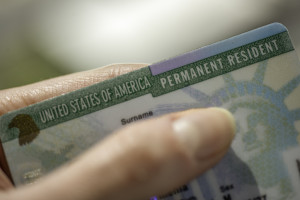
If you’re waiting for a green card, the Visa Bulletin for February 2026 is one of the most important monthly updates to review—because it determines when you can file (in many cases) and when USCIS or a U.S. consulate can actually approve your green card. Stay informed about the latest updates in the visa bulletin February 2026.
To verify every cutoff date and footnote directly from the source, start here:
U.S. Department of State (DOS) – Visa Bulletin for February 2026:
https://travel.state.gov/content/travel/en/legal/visa-law0/visa-bulletin/2026/visa-bulletin-for-february-2026.html
And for general reference:
DOS – Visa Bulletin main page:
https://travel.state.gov/content/travel/en/legal/visa-law0/visa-bulletin.html
February 2026 shows modest movement overall. Most family-based categories remain stable, and most employment-based categories are essentially unchanged—except EB-3 (Skilled/Professional) for “All Other Areas,” Mexico, and the Philippines, which moves forward three months.
USCIS filing rule for February 2026: applicants should use the “Dates for Filing” chart for both family-based and employment-based adjustment filings.
USCIS – Adjustment of Status Filing Charts for February 2026 (AILA summary page):
https://www.aila.org/library/uscis-adjustment-of-status-filing-dates-for-february-2026

The Visa Bulletin controls two separate timelines:
This is the chart that determines when a green card can be approved (or when an immigrant visa can be issued at a U.S. consulate).
This chart determines when you may be allowed to submit your full green card application package, even if you cannot be approved yet.
For applicants inside the U.S., the filing chart matters because it can unlock:
Work permits (EAD)
Advance Parole travel permission
A pending I-485 “in process” status
Family preference categories saw limited movement in February 2026.
Notable changes:
F-2A (spouses/minor children of green card holders) moves forward by one month across all listed countries.
Mexico moves forward by three months in:
F-1 (unmarried adult children of U.S. citizens)
F-2B (unmarried adult children of LPRs)
No meaningful changes were reported in F-3 and F-4 for the listed countries.
Employment-based categories were largely stable with two notable themes:
All Other Areas
For more insights, refer to the visa bulletin February 2026 updates.
Mexico
Philippines
(+3 months)
China (back 2 weeks)
India (back 2 weeks)
Everything else in EB-2, EB-4, and EB-5 remains essentially unchanged in the published summary.
Below are February 2026 changes in the family-based preference categories.
| Country | New Cut-Off Date (Feb 2026) | Old Cut-Off Date (Jan 2026) | Movement |
|---|---|---|---|
| All Other Areas | 1-Sep-17 | 1-Sep-17 | No Change |
| China | 1-Sep-17 | 1-Sep-17 | No Change |
| India | 1-Sep-17 | 1-Sep-17 | No Change |
| Mexico | 1-Dec-07 | 1-Sep-07 | +3 Months |
| Philippines | 22-Apr-15 | 22-Apr-15 | No Change |
| Country | New Cut-Off Date (Feb 2026) | Old Cut-Off Date (Jan 2026) | Movement |
|---|---|---|---|
| All Other Areas | 22-Jan-26 | 22-Dec-25 | +1 Month |
| China | 22-Jan-26 | 22-Dec-25 | +1 Month |
| India | 22-Jan-26 | 22-Dec-25 | +1 Month |
| Mexico | 22-Jan-26 | 22-Dec-25 | +1 Month |
| Philippines | 22-Jan-26 | 22-Dec-25 | +1 Month |
| Country | New Cut-Off Date (Feb 2026) | Old Cut-Off Date (Jan 2026) | Movement |
|---|---|---|---|
| All Other Areas | 15-Mar-17 | 15-Mar-17 | No Change |
| China | 15-Mar-17 | 15-Mar-17 | No Change |
| India | 15-Mar-17 | 15-Mar-17 | No Change |
| Mexico | 15-Feb-10 | 15-Nov-09 | +3 Months |
| Philippines | 1-Oct-13 | 1-Oct-13 | No Change |
| Country | New Cut-Off Date (Feb 2026) | Old Cut-Off Date (Jan 2026) | Movement |
|---|---|---|---|
| All Other Areas | 22-Jul-12 | 22-Jul-12 | No Change |
| China | 22-Jul-12 | 22-Jul-12 | No Change |
| India | 22-Jul-12 | 22-Jul-12 | No Change |
| Mexico | 1-Jul-01 | 1-Jul-01 | No Change |
| Philippines | 1-Feb-06 | 1-Feb-06 | No Change |
| Country | New Cut-Off Date (Feb 2026) | Old Cut-Off Date (Jan 2026) | Movement |
|---|---|---|---|
| All Other Areas | 1-Mar-09 | 1-Mar-09 | No Change |
| China | 1-Mar-09 | 1-Mar-09 | No Change |
| India | 15-Dec-06 | 15-Dec-06 | No Change |
| Mexico | 30-Apr-01 | 30-Apr-01 | No Change |
| Philippines | 15-Jan-08 | 15-Jan-08 | No Change |
Now, the February 2026 employment-based breakdown.
(Extraordinary Ability, Outstanding Researchers/Professors, Multinational Executives/Managers)
| Country | New Cut-Off Date (Feb 2026) | Old Cut-Off Date (Jan 2026) | Movement |
|---|---|---|---|
| All Other Areas | Current | Current | No Change |
| China | 1-Aug-23 | 15-Aug-23 | -2 Weeks |
| India | 1-Aug-23 | 15-Aug-23 | -2 Weeks |
| Mexico | Current | Current | No Change |
| Philippines | Current | Current | No Change |
Why this matters: even a small EB-1 retrogression can disrupt timing for adjustment approvals, consular scheduling, and dependent planning.
| Country | New Cut-Off Date (Feb 2026) | Old Cut-Off Date (Jan 2026) | Movement |
|---|---|---|---|
| All Other Areas | 15-Oct-24 | 15-Oct-24 | No Change |
| China | 1-Jan-22 | 1-Jan-22 | No Change |
| India | 1-Dec-13 | 1-Dec-13 | No Change |
| Mexico | 15-Oct-24 | 15-Oct-24 | No Change |
| Philippines | 15-Oct-24 | 15-Oct-24 | No Change |
| Country | New Cut-Off Date (Feb 2026) | Old Cut-Off Date (Jan 2026) | Movement |
|---|---|---|---|
| All Other Areas | 1-Oct-23 | 1-Jul-23 | +3 Months |
| China | 1-Jan-22 | 1-Jan-22 | No Change |
| India | 15-Aug-14 | 15-Aug-14 | No Change |
| Mexico | 1-Oct-23 | 1-Jul-23 | +3 Months |
| Philippines | 1-Oct-23 | 1-Jul-23 | +3 Months |
This is the biggest forward movement in the published February summary.
If your EB-3 priority date is near this range, February may materially improve your strategy and timing.
| Country | New Cut-Off Date (Feb 2026) | Old Cut-Off Date (Jan 2026) | Movement |
|---|---|---|---|
| All Other Areas | 1-Dec-21 | 1-Dec-21 | No Change |
| China | 1-Oct-19 | 1-Oct-19 | No Change |
| India | 15-Aug-14 | 15-Aug-14 | No Change |
| Mexico | 1-Dec-21 | 1-Dec-21 | No Change |
| Philippines | 1-Dec-21 | 1-Dec-21 | No Change |
| Country | New Cut-Off Date (Feb 2026) | Old Cut-Off Date (Jan 2026) | Movement |
|---|---|---|---|
| All Countries Listed | 15-Mar-21 | 15-Mar-21 | No Change |
(EB-4 is often sensitive to statutory and program-specific constraints, so applicants should always review DOS footnotes carefully.)
| Country | New Cut-Off Date (Feb 2026) | Old Cut-Off Date (Jan 2026) | Movement |
|---|---|---|---|
| All Other Areas | Current | Current | No Change |
| China | 22-Aug-16 | 22-Aug-16 | No Change |
| India | 1-May-24 | 1-May-24 | No Change |
| Mexico | Current | Current | No Change |
| Philippines | Current | Current | No Change |

Based on February 2026’s pattern, here are the most reasonable expectations:
February’s limited movement suggests DOS is carefully controlling monthly demand—especially early in the calendar year.
EB-3 “All Other Areas” moved meaningfully in February. That can continue, but historically it often comes in waves rather than smooth monthly progress.
Even when Worldwide moves, India and China may remain flat due to sustained inventory and per-country limits—particularly in EB-2 and EB-3.
When DOS moves too fast, it sometimes needs to correct course later. Applicants should stay alert for that risk in spring/summer.
Even highly qualified applicants lose months—or trigger avoidable rejections—because they misunderstand how the Visa Bulletin works. Below are the most common mistakes we see, and how to avoid them.
The Visa Bulletin includes two different charts, and they do not mean the same thing.
Final Action Dates control when a green card can actually be approved (or an immigrant visa can be issued).
Dates for Filing may allow you to submit your I-485 (Adjustment of Status) or begin later-stage processing steps earlier.
Fix: Always verify the correct chart on the official DOS bulletin and then confirm which chart USCIS is using for that month.
Official bulletin: https://travel.state.gov/content/travel/en/legal/visa-law0/visa-bulletin/2026/visa-bulletin-for-february-2026.html
USCIS “When to File”: https://www.uscis.gov/green-card/green-card-processes-and-procedures/visa-availability-priority-dates/when-to-file-your-adjustment-of-status-application-for-family-sponsored-or-employment-based-121
Many applicants mistakenly use the wrong column because they assume it’s based on citizenship.
In most cases, Visa Bulletin “country” refers to country of chargeability, which is typically your country of birth—not your passport.
Fix: Confirm your country of chargeability before you compare your priority date to the cutoff date.
“Current” only means a visa number is available. It does not mean:
USCIS will approve your case instantly, or
your consular interview will be scheduled right away.
Your case can still be delayed by:
missing evidence,
background/security checks,
medical exam issues,
backlogs at USCIS or the consulate.
Fix: Treat “Current” as “you may proceed,” not “you are done.”
A frequent and costly mistake is filing an I-485 before your priority date is current under the correct chart USCIS requires.
This can lead to:
rejection,
returned filings,
wasted time,
and sometimes lost momentum if documents expire and must be redone.
Fix: Confirm chart eligibility first, then file quickly and correctly.
Some applicants become current and delay filing because they assume the window will remain open.
But Visa Bulletin movement can slow, freeze, or retrogress later—especially in categories where demand surges unexpectedly.
Fix: If you become eligible to file, act promptly with a complete, attorney-reviewed filing strategy.
Applicants sometimes believe that being current under Dates for Filing guarantees green card approval soon.
In reality:
Dates for Filing = permission to submit documents (in many months)
Final Action Dates = approval/issuance eligibility
Fix: Use Dates for Filing to gain strategic benefits (like EAD/AP), but keep expectations realistic until Final Action becomes current.
Consular processing depends on:
National Visa Center (NVC) document review speed,
embassy/consulate appointment availability,
post-specific backlogs.
Even if your category is current, interviews may still take time to schedule.
Fix: Ensure your CEAC/NVC case is complete and document-ready.
CEAC portal: https://ceac.state.gov/
Spouses and children often file as derivatives, but timelines matter—especially if a child is near age 21.
If you wait too long, you can run into:
“aging out”
complicated Child Status Protection Act (CSPA) calculations
derivative eligibility disputes
Fix: If a child is close to age 21, get individualized legal advice early.
Many adjustment applicants don’t realize that leaving the U.S. while an I-485 is pending can trigger abandonment of the application unless an exception applies.
Fix: If you filed I-485, confirm travel authorization before leaving the U.S. (often Advance Parole is required).
Visa Bulletin misinformation spreads fast—especially when dates move unexpectedly.
Fix: Always confirm directly with official government sources:
DOS Visa Bulletin hub: https://travel.state.gov/content/travel/en/legal/visa-law0/visa-bulletin.html
USCIS adjustment filing guidance: https://www.uscis.gov/green-card/green-card-processes-and-procedures/visa-availability-priority-dates
The Visa Bulletin is not just a calendar—it’s a legal timing system. The biggest mistakes come from using the wrong chart, the wrong column, or waiting too long after eligibility opens. When in doubt, verify using DOS and USCIS directly, and build a filing plan that assumes movement can change from month to month.
Step 1 — Confirm the official February 2026 Visa Bulletin cutoffs
DOS February 2026 Visa Bulletin (official):
https://travel.state.gov/content/travel/en/legal/visa-law0/visa-bulletin/2026/visa-bulletin-for-february-2026.html
Step 2 — Confirm which chart USCIS allows this month (this controls I-485 filings)
USCIS “When to File” page (official):
https://www.uscis.gov/green-card/green-card-processes-and-procedures/visa-availability-priority-dates/when-to-file-your-adjustment-of-status-application-for-family-sponsored-or-employment-based-121
Step 3 — Find your priority date
Usually found on your I-797 approval notice (I-130 / I-140) or PERM record.
Now choose the branch that matches your situation.
If YES → proceed to A2
If NO → skip to A4
Priority actions
Prepare I-485 + required supporting documents
Consider concurrent filings for:
I-765 (work permit / EAD)
I-131 (Advance Parole travel)
Core USCIS resources
USCIS forms hub:
https://www.uscis.gov/forms
USCIS visa availability overview:
https://www.uscis.gov/green-card/green-card-processes-and-procedures/visa-availability-priority-dates
That is normal. You may still be able to:
file I-485,
get EAD/AP,
and “lock in” your case while you wait for Final Action to become current.
Do this now to avoid losing time later
Confirm your priority date is correct
Build a “rapid response” filing packet
Track monthly movement (especially if you’re close)
Best practice: plan a full filing strategy before your month opens.
Use the DOS February 2026 Visa Bulletin (official):
https://travel.state.gov/content/travel/en/legal/visa-law0/visa-bulletin/2026/visa-bulletin-for-february-2026.html
If YES → proceed to B2
If NO → proceed to B4
Your case can still be delayed if you have not completed:
DS-260 (immigrant visa application)
civil documents
financial sponsorship documents (if applicable)
NVC / CEAC portal
That may be due to:
consulate appointment capacity
local workload/backlogs
administrative timing
Action tip: do not assume “current” means “immediate interview.”
Best approach
keep your documents updated
monitor monthly Visa Bulletin changes
avoid triggering delays with expired civil docs/passports
DOS immigrant visa overview
This branch applies to many applicants in:
EB-2 India
EB-3 India
EB-2 China
EB-3 China
and certain family-preference categories
Reality check: even when Worldwide moves forward, India/China may remain flat due to:
per-country caps
extremely high inventory
Prepare for fast filing (do not wait until the last minute)
medical planning
employer letters
updated civil documents
dependent paperwork
Strategic planning options to discuss with counsel
whether an EB-2 ↔ EB-3 strategy makes sense in your case
priority date retention questions
job change rules and I-140 withdrawal timing risk
family age-out risk (CSPA timing)
India/China categories are more vulnerable to:
sudden stalls
backward movement (retrogression)
long “no movement” streaks
Anchor source (official): DOS Visa Bulletin hub
https://travel.state.gov/content/travel/en/legal/visa-law0/visa-bulletin.html
This branch includes most applicants not chargeable to:
China
India
Mexico (sometimes separately listed)
Philippines (sometimes separately listed)
EB-3 Skilled/Professional for All Other Areas showed meaningful movement (month-to-month), which can create filing opportunities for applicants near the cutoff.
Do this immediately
build a ready-to-file I-485 packet (if in the U.S.)
confirm employer support documentation
line up medical exam timing
prepare dependent filings
Be ready for two realities at once:
your category can become current,
but interview scheduling can still lag by weeks/months depending on post capacity.
Use:
DOS February 2026 Visa Bulletin (official)
https://travel.state.gov/content/travel/en/legal/visa-law0/visa-bulletin/2026/visa-bulletin-for-february-2026.html
CEAC portal
https://ceac.state.gov/
Do not assume you have “plenty of time.”
When DOS advances EB-3 ROW, filing windows can open quickly—and then tighten later.
Pick the statement that matches you:
“My spouse/parent/child filed for me” → likely family-based
“My employer filed for me” → likely employment-based
“I have an I-140” → employment-based
“I have an I-130” → family-based
“I’m waiting at NVC” → consular processing (abroad)
“I’m in the U.S. and want to file I-485” → adjustment of status (USCIS chart selection matters)
Start with the official bulletin:
If you’re close to becoming current—or facing backlog/retrogression/CSPA risks—professional timing strategy can make the difference between months saved and avoidable delays.
Book a Consultation (HLG):
https://www.lawfirm4immigrants.com/book-consultation/
The Visa Bulletin is a monthly publication from the U.S. Department of State (DOS) that announces which immigrant visa (green card) categories are “current” and which are backlogged based on priority dates.
Official source:
https://travel.state.gov/content/travel/en/legal/visa-law0/visa-bulletin.html
The official DOS page is here:
“Current” means there is no backlog for that category and country—so a green card can generally be approved immediately once the case is otherwise ready.
Your priority date is the date your immigration case “got in line.”
Typically:
Family-based cases: the date USCIS received the Form I-130
Employment-based PERM cases: the date the PERM was filed with the DOL
Employment-based non-PERM cases: the date USCIS received the Form I-140
You can usually find it on:
the I-797 approval notice, or
your receipt notice (for pending cases)
If you are not sure, a qualified immigration lawyer can confirm it from your filings.
Final Action Dates determine when a green card can actually be approved by USCIS (for adjustment cases) or when a visa can be issued by a U.S. consulate.
Dates for Filing are earlier cutoff dates that (in some months) allow applicants to submit their green card application packet even though final approval cannot happen yet.
For February 2026, USCIS directs applicants to use the Dates for Filing chart for both:
family-based cases
employment-based cases
Reference (AILA summary of USCIS posting):
https://www.aila.org/library/uscis-adjustment-of-status-filing-dates-for-february-2026
No. USCIS decides each month whether applicants must use:
Final Action Dates, or
Dates for Filing
You must verify what USCIS says for your month.
Not immediately.
It means you can often file the I-485 package, but approval still requires:
visa number availability under Final Action Dates
case completion and eligibility
If your filing is accepted, you may be eligible to apply for:
Work authorization (EAD)
Advance Parole (AP) travel document
This can be a major benefit, even while waiting for final approval.
Retrogression means the cutoff date moves backward in a later month.
This can happen when DOS or USCIS determines that too many applicants are becoming eligible at once and visa numbers may run out.
Yes. That is exactly what retrogression means.
A category can move forward, stall, or even move backward depending on demand and visa number availability.
Because U.S. immigration law applies:
annual numerical limits, and
per-country caps
If more people apply from certain countries than available numbers allow, those countries build longer lines.
Because the backlog levels and demand patterns can be radically different.
DOS can often advance “All Other Areas” faster while keeping India/China cutoff dates stable due to heavy demand.
No. Movement can slow or stop.
A smart strategy is to prepare your filing package early so you can file as soon as you become eligible.
Yes.
The Visa Bulletin governs:
consular immigrant visa issuance, and
USCIS adjustment approvals
Not always immediately.
Even if you become current, NVC scheduling depends on:
whether your case is “documentarily complete,” and
the U.S. consulate’s interview capacity
It means NVC has accepted your submitted:
civil documents
financial documents (if required)
application forms (like the DS-260)
Only then can your case be placed into the interview scheduling queue.
It varies by post.
Even with current dates, local conditions such as staffing and backlog affect scheduling speed.
No.
Premium processing can speed up petition decisions (like I-140), but it cannot change:
visa number limits, or
Visa Bulletin cutoffs
Sometimes, but not always.
In many employment-based cases:
you can keep your priority date if you qualify under the rules
certain changes can create risk if the underlying petition is withdrawn early or invalidated
This is a legal strategy question worth attorney review.
Sometimes yes, but it depends on:
your qualifications,
your job requirements,
the employer’s willingness to sponsor, and
whether EB-2 is actually faster for your country of chargeability
Often yes.
Spouses and unmarried children under 21 can typically be included as derivatives in many employment-based categories and some family preference contexts.
The Child Status Protection Act (CSPA) is a law that can protect some children from “aging out” (turning 21) while the immigration case is pending.
CSPA is complicated and timing-sensitive—legal guidance is strongly recommended if a child is near 21.
No. Filing when you are not eligible can lead to:
rejection,
delays,
or lost filing fees (depending on circumstances)
You should file only when your priority date is current under the correct chart USCIS requires.
Only if you have:
a valid dual intent status (in some cases), or
Advance Parole approved (in many cases)
Travel without proper authorization can result in abandonment of the I-485.
Not always.
A properly filed I-485 can place you in a “period of authorized stay,” but lawful status issues depend on your exact history and category.
Yes.
Even if your priority date is current, you can still be denied for:
inadmissibility issues
criminal grounds
fraud/misrepresentation
prior immigration violations
Visa availability is only one piece of eligibility.
Yes. In many family-based cases, the sponsor must file an Affidavit of Support (Form I-864) and show financial ability to support the immigrant.
Public charge issues depend heavily on the category, timing, and facts.
No.
Naturalization is based on:
lawful permanent resident status duration,
physical presence,
good moral character,
and other statutory requirements
The Visa Bulletin applies to getting the green card first.
Because it combines multiple moving parts:
category caps
per-country limits
two charts
USCIS monthly chart selection
annual quota pacing
It’s normal to need professional guidance.
Use blogs only as explanations, not as the source of truth.
Always verify dates through DOS:
https://travel.state.gov/content/travel/en/legal/visa-law0/visa-bulletin.html
Not necessarily.
Some months show no movement, followed by a larger jump later. Other times movement is slow but steady.
The best approach is tracking trends over 3–6 months.
Planning matters. Many applicants use the waiting period to:
maintain lawful status
avoid travel mistakes
plan job mobility carefully
prepare documents early
protect children from aging out
DOS updates monthly here:
https://travel.state.gov/content/travel/en/legal/visa-law0/visa-bulletin.html
Yes. U.S. immigration law allows limited vaccine waivers for applicants who cannot receive required vaccinations due to medical contraindications or sincere religious or moral beliefs. These waivers are authorized under INA § 212(a)(1)(A)(ii) and INA § 212(g)(2), are documented through the immigration medical exam, and are decided by USCIS—not doctors. Applicants who refuse required vaccines without qualifying for a waiver can be found inadmissible and denied immigration benefits.
Understanding the complexities of vaccine waiver immigration is crucial for applicants navigating the U.S. immigration system.
Vaccination requirements arise under INA § 212(a)(1)(A)(ii)
Waivers are authorized by INA § 212(g)(2)
Civil surgeons document eligibility; USCIS decides admissibility
Some vaccine refusals require Form I-601
Personal preference is not a valid legal basis
COVID-19 vaccines are no longer required for immigration medical exams
Improper refusal can result in inadmissibility and denial

U.S. immigration law requires most immigrant visa and adjustment-of-status applicants to complete a medical examination demonstrating compliance with vaccination requirements.
This requirement applies to:
Family-based green card applicants
Employment-based immigrant applicants
Diversity Visa applicants
Refugees and asylees adjusting status
The statutory authority comes from INA § 212(a)(1)(A)(ii), which renders an applicant inadmissible for failure to comply with vaccination requirements recommended by the Advisory Committee for Immunization Practices (ACIP).
The CDC determines which vaccines are required through binding technical instructions:
https://www.cdc.gov/immigrantrefugeehealth/panel-physicians/vaccinations.html
USCIS implements these requirements through the immigration medical exam (Form I-693):
https://www.uscis.gov/i-693
HLG background guidance:
https://www.lawfirm4immigrants.com/immigration-medical-exam-i-693/

Authority is divided clearly by law and policy in the realm of vaccine waiver immigration:
Civil surgeons / panel physicians apply CDC technical instructions and record findings
USCIS determines inadmissibility and waiver eligibility under the INA
Physicians cannot approve waivers. They only certify:
Medical contraindications
Age-inappropriate vaccines
Claimed religious or moral objections
USCIS evaluates admissibility under 8 CFR § 212.1 and USCIS Policy Manual, Volume 8, Part B:
https://www.uscis.gov/policy-manual/volume-8-part-b

Medical waivers apply when a required vaccine is not medically appropriate under CDC criteria.
Qualifying conditions include:
Severe allergic reactions
Documented adverse vaccine responses
Immunocompromising conditions or treatments
Pregnancy (when applicable)
A “blanket waiver” exists when CDC instructions permit marking one or more vaccines as not medically appropriate, eliminating the need for a separate waiver application.
Key points:
Authorized by INA § 212(g)(2)(A)
Implemented through CDC technical instructions
Recorded directly on Form I-693
Still reviewed by USCIS for compliance
USCIS policy authority:
https://www.uscis.gov/policy-manual/volume-8-part-b-chapter-3
HLG analysis of medical exam mistakes:
https://www.lawfirm4immigrants.com/immigration-medical-exam-problems/
Religious waivers are authorized by INA § 212(g)(2)(C) and are among the most scrutinized health-related waivers.
USCIS requires:
A belief that is religious in nature
Sincerity and consistency
Objection to all vaccines, not selected ones
USCIS evaluates the totality of the evidence, including:
Applicant declarations
Past vaccination records
Adjustment-of-status interview testimony
Consistency across filings
Relevant USCIS guidance:
https://www.uscis.gov/policy-manual/volume-8-part-b-chapter-4
HLG deep-dive on religious vaccine objections:
https://www.lawfirm4immigrants.com/religious-vaccine-waiver-immigration/
Moral objections are also permitted under INA § 212(g)(2)(C) but face higher denial rates.
USCIS distinguishes:
Deeply held belief systems
From political, philosophical, or scientific disagreement
Common failure points:
Selective vaccine refusal
Policy-based objections
Inconsistent personal history
HLG analysis of moral objection risks:
https://www.lawfirm4immigrants.com/moral-vaccine-waiver-immigration/
Many immigration applicants believe that refusing vaccines because they do not trust the science, disagree with public health guidance, or question vaccine safety qualifies as a religious or moral objection. Under U.S. immigration law, this belief is usually incorrect.
Vaccine waivers under INA § 212(g)(2)(C) are granted based on the applicant’s belief system, not the applicant’s views about medicine, government policy, or scientific studies.
USCIS does not evaluate whether an applicant’s concerns about vaccines are reasonable, correct, or supported by evidence. Instead, USCIS evaluates whether the objection arises from a deeply held religious or moral belief that functions independently of scientific debate.
Disagreement with science is treated as an opinion, not a protected belief.
USCIS consistently distinguishes between:
Religious or moral beliefs (which may qualify), and
Personal, political, philosophical, or scientific views (which generally do not)
Objections based on statements such as:
“I don’t trust the studies”
“The vaccines were developed too quickly”
“I disagree with CDC recommendations”
“I believe vaccines are unsafe”
are typically viewed as policy or scientific disagreements, not religious or moral beliefs.
These positions are considered changeable opinions, not belief systems that govern the applicant’s life conduct.
For a waiver to qualify, USCIS looks for a belief that:
Exists independently of scientific consensus
Is not dependent on data, studies, or expert disagreement
Would remain unchanged even if scientific evidence shifted
In other words, the objection must exist even if the science were universally accepted.
If an objection disappears when scientific arguments change, USCIS treats it as a conditional opinion, not a protected belief.
Applicants who refuse vaccines because they disagree with the science often:
Accept some vaccines but not others
Change positions over time
Tie objections to specific technologies or manufacturers
USCIS views selective refusal as strong evidence that the objection is analytical, not belief-based.
By contrast, religious or moral waivers require opposition to all vaccines, regardless of formulation, origin, or risk profile.
A critical and often misunderstood point is that USCIS does not adjudicate scientific disputes.
USCIS officers are instructed to:
Apply CDC technical instructions
Apply statutory waiver criteria
Evaluate sincerity and consistency
They do not assess:
Vaccine efficacy
Safety studies
Competing scientific opinions
Alternative medical research
Arguments grounded in science, even if sincerely held, are usually legally irrelevant to waiver eligibility.
Claims based on distrust of science are frequently denied because they:
Do not demonstrate a religious or moral framework
Are framed as objections to government or medical authority
Depend on factual assertions rather than belief
Are inconsistent with prior conduct or medical history
USCIS policy emphasizes that vaccine waivers are not a forum for public health disagreement.
Applicants who oppose vaccines based on scientific disagreement face a high risk of denial, especially if:
The objection is recent
The objection is selective
The explanation relies on studies, statistics, or expert opinions
Once denied, correcting the record is difficult and may require an I-601 waiver with discretionary review.
Applicants should understand this distinction before refusing required vaccines, as refusal based on scientific disagreement can create permanent immigration consequences.
A common issue in vaccine waiver cases arises when an applicant recently received one or more vaccines but now seeks to refuse additional required vaccines. Under U.S. immigration law and USCIS policy, this situation creates serious credibility problems for religious or moral waiver claims.
USCIS policy is clear: to qualify for a vaccine waiver based on religious or moral belief under INA § 212(g)(2)(C), the applicant must object to all vaccines, not selected vaccines.
Applicants who:
Accept some vaccines but refuse others
Object only to newer vaccines
Refuse vaccines based on formulation or manufacturer
are generally viewed as engaging in selective refusal, which USCIS treats as evidence that the objection is not belief-based.
This principle is explicitly reflected in USCIS Policy Manual, Volume 8, Part B, which instructs officers to evaluate whether the objection applies universally or selectively.
When an applicant has recently received vaccines, USCIS evaluates:
Timing of the vaccinations
Consistency of the stated belief
Whether the belief existed before the refusal
Recent vaccination undermines a waiver claim unless the applicant can credibly explain:
A genuine change in belief
When the belief formed
Why prior compliance occurred
Without a clear and persuasive explanation, USCIS often concludes the objection is situational or opportunistic, not sincerely held.
It is important to distinguish:
Medical contraindications, which can arise after prior vaccination and remain valid
Religious or moral objections, which USCIS expects to be consistent over time
Medical changes may justify refusing a later vaccine. Belief-based changes require extraordinary clarity and credibility.
USCIS guidance emphasizes that a qualifying belief:
Must be held against vaccination as a practice
Cannot be limited to specific diseases, risks, or technologies
Cannot depend on current scientific understanding
Applicants who oppose vaccines only after previously accepting them face a high risk of denial unless the record clearly demonstrates a sincere and comprehensive belief.
Applicants who attempt to “pick and choose” vaccines often face:
A finding of inadmissibility under INA § 212(a)(1)(A)(ii)
Denial of the waiver request
The need to file Form I-601, with long processing times
Selective refusal is one of the most common reasons religious and moral vaccine waivers are denied.
Under U.S. immigration law, vaccine waivers based on belief require opposition to all vaccines. Recent vaccination followed by selective refusal is usually fatal to a religious or moral waiver claim unless supported by compelling, consistent, and well-documented evidence.
Applicants considering refusal after prior vaccination should seek legal guidance before making that decision, as USCIS treats consistency as a central factor in waiver adjudication.
Form I-601 is required when:
USCIS finds inadmissibility under INA § 212(a)(1)(A)(ii)
A blanket medical waiver does not apply
The applicant seeks discretionary relief under INA § 212(g)(2)
This commonly occurs in:
Religious objection cases
Moral objection cases
Incomplete or inconsistent I-693 filings
USCIS form reference:
https://www.uscis.gov/i-601
HLG I-601 overview:
https://www.lawfirm4immigrants.com/i-601-waiver-guide/
Unlike most I-601 waivers, no extreme hardship showing is required for vaccine-related inadmissibility.
USCIS evaluates:
Sincerity and credibility
Scope of objection
Consistency over time
Compliance with CDC instructions
Policy authority:
https://www.uscis.gov/policy-manual/volume-9-part-d
Typical evidence includes:
Detailed sworn declaration
Religious or moral explanation
Supporting affidavits
Medical exam records
Proof of consistent belief
USCIS applies a totality-of-the-circumstances analysis.
Adjustment of Status (U.S.): Filed with USCIS after inadmissibility finding
Consular Processing: Filed after visa refusal through USCIS lockbox
Filing instructions:
https://www.uscis.gov/i-601-direct-filing-addresses
USCIS filing fee: $930 (subject to change)
Additional costs: legal preparation, translations, affidavits
Official fee schedule:
https://www.uscis.gov/forms/filing-fees
Typical processing range:
6–18 months, depending on service center
Check current estimates:
https://egov.uscis.gov/processing-times/
Long processing delays
Credibility-based denials
Limited appeal rights
HLG discussion of waiver denial consequences:
https://www.lawfirm4immigrants.com/waiver-denial-consequences/
Applicants may face:
Inadmissibility under INA § 212(a)(1)
Adjustment-of-status denial
Immigrant visa refusal
USCIS inadmissibility overview:
https://www.uscis.gov/green-card/green-card-eligibility/grounds-of-inadmissibility
Risk Level: Low
Outcome: Blanket waiver applies
Risk Level: Medium
Outcome: Approval depends on evidence and credibility
Risk Level: High
Outcome: Likely denial
Risk Level: High
Outcome: Inadmissibility and I-601 denial likely
One of the most common sources of confusion in vaccine waiver cases is the failure to distinguish between what the law allows, what USCIS policy instructs, and how cases are decided in practice. Understanding this distinction is critical for accurately assessing risk.
U.S. immigration law establishes vaccination requirements and limited waiver authority through two key provisions:
INA § 212(a)(1)(A)(ii) creates inadmissibility for failure to comply with required vaccinations
INA § 212(g)(2) authorizes three narrow waiver pathways:
Receipt of missing vaccinations
Medical inappropriateness
Religious beliefs or moral convictions
The statute answers only one question: Is a waiver legally possible?
It does not guarantee approval.
USCIS policy translates the statute into adjudicatory standards, primarily through:
The USCIS Policy Manual (Vol. 8, Part B)
Form I-601 instructions, which define the evidentiary burden
Under policy, religious and moral waivers require proof that the applicant:
Is opposed to vaccinations in any form
Holds a belief that is religious or moral in nature
Holds that belief sincerely and consistently
Policy introduces credibility analysis, which is not explicit in the statute but is decisive in outcomes.
In real adjudications, most vaccine waiver denials do not fail because waivers are legally unavailable. They fail because the record does not support credibility.
Common practice-level realities include:
Selective refusal is treated as disqualifying
Prior vaccination history is heavily scrutinized
Late explanations rarely cure early inconsistencies
Consular cases face stricter evidentiary review
In practice, most vaccine waiver cases fail on consistency, not eligibility.
This gap between law, policy, and practice explains why applicants who believe they “qualify” are often denied.
Public discussion of vaccine waivers often relies on assumptions that do not reflect immigration law or USCIS practice. The following myths are among the most common—and most damaging.
Reality:
Religious and moral waivers require opposition to all vaccines, not selected vaccines. Selective refusal is one of the most common reasons for denial.
Reality:
Civil surgeons document medical findings or claimed objections. USCIS alone decides waiver eligibility and admissibility.
Reality:
USCIS treats disagreement with science, safety data, or public health guidance as a personal or policy opinion, not a protected belief.
Reality:
COVID-19 vaccine requirements changed, but the legal framework for vaccine waivers did not. Waiver standards remain narrow and evidence-driven.
Reality:
Credibility is evaluated from the initial record forward. Late explanations often reinforce, rather than cure, doubts.
Reality:
Third-party letters are optional. USCIS focuses on the applicant’s own statements, conduct, and consistency over time.
Reality:
The I-601 is discretionary, slow, and evidence-intensive. Filing does not overcome credibility problems created earlier in the case.
Important context: There is no binding federal appellate case law squarely deciding vaccine waivers under INA § 212(g)(2). Most guidance comes from USCIS administrative decisions, statutory text, and agency policy. Federal court cases below are included only where they clarify how U.S. law distinguishes religious belief from personal or scientific disagreement.
(Persuasive authority; fact-specific; not binding precedent)
Issue: Religious or moral vaccine waiver under INA § 212(g)(2)(C)
Summary:
The AAO reviewed a denied Form I-601 vaccine waiver where the applicant claimed a religious or moral objection. The AAO reiterated that USCIS must evaluate whether the applicant is opposed to all vaccinations, whether the objection is religious or moral in nature, and whether the belief is sincerely held. The decision emphasized that generalized distrust of vaccines or selective refusal does not satisfy the statutory standard.
Holding:
A vaccine waiver requires proof of (1) opposition to vaccinations in any form, (2) a religious or moral basis, and (3) sincerity. Failure to establish any element warrants denial.
Issue: Effect of prior vaccinations on religious waiver eligibility
Summary:
The AAO addressed whether an applicant who previously received vaccines could still qualify for a religious or moral waiver. The AAO explained that prior vaccination does not automatically bar a waiver, but it significantly impacts credibility and requires a persuasive explanation showing a genuine change in belief.
Holding:
USCIS may deny a vaccine waiver where the applicant’s past conduct undermines the claimed belief and the applicant fails to credibly explain the inconsistency.
Issue: Early application of INA § 212(g)(2) vaccine waiver
Summary:
In one of the earlier AAO decisions interpreting the vaccination waiver statute, the AAO reviewed whether the applicant met the statutory criteria for a waiver of health-related inadmissibility. The decision reinforced that vaccine waivers are discretionary and require strict compliance with statutory elements.
Holding:
Even where a waiver category exists by statute, USCIS retains discretion to deny if the applicant fails to meet evidentiary or credibility requirements.
(Not immigration cases; persuasive only on belief-vs-preference analysis)
Issue: Religious exemptions to vaccination mandates
Summary:
Parents challenged New York’s vaccination law and its limits on religious exemptions. The court examined how governments may evaluate whether a claimed religious belief is genuine and sincere, as opposed to a personal objection.
Holding:
States may condition vaccine exemptions on proof of sincere religious belief and are not required to accept personal, philosophical, or scientific objections as religious.
Link:
https://law.justia.com/cases/federal/appellate-courts/ca2/14-2156/14-2156-2015-01-07.html
Issue: Constitutionality of mandatory vaccination without religious exemption
Summary:
A parent challenged a school vaccination requirement that lacked a religious exemption. The court considered whether mandatory vaccination violated constitutional rights.
Holding:
Mandatory vaccination laws do not violate the Constitution even where no religious exemption is provided.
Link:
https://law.justia.com/cases/federal/appellate-courts/ca4/09-2352/092352.u-2011-03-25.html
Issue: Government authority to require vaccination
Summary:
The Supreme Court addressed whether a state could mandate vaccination in the interest of public health over individual objection.
Holding:
Individual liberty does not include the right to refuse vaccination when the government acts within its public-health authority.
Link:
https://tile.loc.gov/storage-services/service/ll/usrep/usrep197/usrep197011/usrep197011.pdf
USCIS decisions, not federal courts, primarily govern vaccine waivers in immigration cases
AAO decisions consistently require opposition to all vaccines, not selective refusal
Federal court cases support the broader legal principle that personal or scientific disagreement is not the same as religious belief
USCIS applies these principles through INA § 212(a)(1)(A)(ii) and § 212(g)(2), using a credibility-based, evidence-driven analysis
Yes, but only in limited situations. U.S. immigration law allows vaccine waivers only for valid medical contraindications or sincere religious or moral beliefs. Refusing vaccines based on personal preference, distrust of science, or policy disagreement usually results in a finding of inadmissibility and denial of the application.
No. COVID-19 vaccines are no longer required for U.S. immigration medical exams under current CDC guidance. However, other vaccines designated by the CDC remain mandatory unless a valid waiver applies.
Only U.S. Citizenship and Immigration Services decides vaccine waiver approval. Civil surgeons or panel physicians document medical findings or claimed objections, but they do not grant waivers.
No. For religious or moral waivers, USCIS requires opposition to all vaccines. Selectively refusing certain vaccines while accepting others almost always leads to denial because it undermines credibility and shows the objection is not belief-based.
Recent vaccination followed by refusal creates serious credibility problems. USCIS expects belief-based objections to be consistent over time. Without a clear and persuasive explanation for the change, waiver requests are often denied.
No. Disagreement with scientific studies, safety data, or public health guidance is considered a personal or policy opinion, not a protected religious or moral belief. USCIS does not evaluate scientific arguments when deciding vaccine waivers.
A blanket waiver applies when the CDC determines a vaccine is not medically appropriate, such as due to allergy, immune conditions, or pregnancy. These waivers are documented on the medical exam and usually do not require a separate application.
Form I-601 is required when USCIS finds you inadmissible for missing vaccines and the case is not covered by a blanket medical waiver. This is common in religious or moral objection cases.
No. Vaccine-based I-601 waivers do not require an extreme hardship showing. USCIS focuses instead on sincerity, consistency, and whether the objection meets statutory requirements.
Processing times commonly range from 6 to 18 months, depending on the USCIS service center, evidence quality, and whether a Request for Evidence is issued.
The USCIS filing fee for Form I-601 is $930 (subject to change). Additional costs may include attorney fees, translations, affidavits, and supporting documentation.
Yes. Vaccine issues are a frequent cause of Requests for Evidence, interview delays, and denials. Improper refusal can significantly extend processing time or require a waiver application.
Children are subject only to age-appropriate vaccines. Vaccines not required due to age are marked as not medically appropriate and do not require a waiver.
A letter is not required, but supporting statements can help. USCIS evaluates the totality of the evidence, including consistency, personal explanation, and past conduct, not just third-party letters.
Sometimes, but denial can create lasting complications. Refiling without addressing credibility or consistency issues often leads to repeat denials. Legal review before reapplying is critical.
Vaccine waivers remain a narrow but lawful pathway under U.S. immigration law. Medical contraindications, religious objections, and moral beliefs are governed by distinct statutory standards, and the I-601 waiver plays a central role when blanket exemptions do not apply. Errors at the medical exam or waiver stage can permanently affect admissibility.
Applicants should seek legal analysis before refusing required vaccines.
Consult Herman Legal Group for individualized guidance:
https://www.lawfirm4immigrants.com/book-consultation/
U.S. Citizenship and Immigration Services – Policy Manual, Health-Related Grounds of Inadmissibility
https://www.uscis.gov/policy-manual/volume-8-part-b
Definitive USCIS guidance on vaccination requirements, medical contraindications, and religious or moral waivers under INA § 212(a)(1).
U.S. Citizenship and Immigration Services – Form I-693 (Immigration Medical Exam)
https://www.uscis.gov/i-693
Official instructions governing how civil surgeons document vaccine compliance and waiver eligibility.
U.S. Citizenship and Immigration Services – Form I-601 (Waiver of Grounds of Inadmissibility)
https://www.uscis.gov/i-601
Required waiver application when vaccine-related inadmissibility is not covered by a blanket medical exemption.
U.S. Citizenship and Immigration Services – Grounds of Inadmissibility Overview
https://www.uscis.gov/green-card/green-card-eligibility/grounds-of-inadmissibility
High-level explanation of how health-related inadmissibility affects green card and immigrant visa cases.
Centers for Disease Control and Prevention – Vaccination Requirements for Immigration
https://www.cdc.gov/immigrantrefugeehealth/panel-physicians/vaccinations.html
Binding CDC technical instructions defining which vaccines are required and when vaccines are “not medically appropriate.”
Centers for Disease Control and Prevention – Technical Instructions for Civil Surgeons
https://www.cdc.gov/immigrantrefugeehealth/civil-surgeons.html
Governs how medical contraindications and blanket waivers are documented on Form I-693.
Immigration and Nationality Act (INA) § 212(a)(1)(A)(ii)
Health-related inadmissibility for failure to comply with vaccination requirements.
INA § 212(g)(2)
Statutory authority for vaccine waivers, including medical, religious, and moral objections.
8 C.F.R. § 212.1
Regulatory framework for health-related grounds of inadmissibility.
These provisions are the legal foundation USCIS applies in all vaccine waiver adjudications.
U.S. Citizenship and Immigration Services – Case Processing Times
https://egov.uscis.gov/processing-times/
Used to track I-601 vaccine waiver timelines, which commonly range from 6–18 months.
U.S. Citizenship and Immigration Services – Filing Fees
https://www.uscis.gov/forms/filing-fees
Official source for current Form I-601 filing fees and related costs.
These internal resources provide applied legal analysis and practice-based guidance:
Herman Legal Group – Immigration Medical Exam (Form I-693) Guide
https://www.lawfirm4immigrants.com/immigration-medical-exam-i-693/
Practical breakdown of medical exam requirements, common errors, and vaccine-related delays.
Herman Legal Group – Vaccine Waivers for Immigration
https://www.lawfirm4immigrants.com/vaccine-waiver-immigration/
In-depth analysis of medical, religious, and moral vaccine waivers under U.S. immigration law.
Herman Legal Group – Religious Vaccine Objections in Immigration Cases
https://www.lawfirm4immigrants.com/religious-vaccine-waiver-immigration/
Detailed discussion of sincerity, consistency, and USCIS credibility assessments.
Herman Legal Group – Moral Objection Vaccine Waivers
https://www.lawfirm4immigrants.com/moral-vaccine-waiver-immigration/
Explains why moral-only objections face higher denial rates and how USCIS evaluates belief systems.
Herman Legal Group – Adjustment of Status (Green Card Inside the U.S.)
https://www.lawfirm4immigrants.com/adjustment-of-status/
Context for how vaccine issues affect green card applications filed within the United States.
Herman Legal Group – I-601 Waiver Guide
https://www.lawfirm4immigrants.com/i-601-waiver-guide/
Comprehensive overview of waiver strategy, evidence standards, costs, and risks.
By Richard T. Herman, Immigration Attorney (30+ Years Experience)
Herman Legal Group • Serving Ohio, the U.S., and Worldwide
With steep increases in USCIS denials, CBP airport interrogations, NVC delays, Trump 2.0-era enforcement, and more technical documentation requirements, a single online consultation with an experienced immigration lawyer can protect your case, avoid mistakes, and significantly improve approval odds.
You can schedule a confidential meeting any time through the Herman Legal Group Consultation Page.
| Issue | Data | What It Means |
|---|---|---|
| USCIS RFE Rate ↑ | 39% rise since 2023 | Stronger evidence required |
| Visa Refusals ↑ | Up globally post-2025 | Consulates becoming stricter |
| CBP Secondary Inspections ↑ | +41% | More questioning of visitors, students, workers |
| ICE Interior Arrests ↑ | +31% | Non-criminal immigrants also impacted |
| Ohio USCIS Delays ↑ | 10–18 months | Early lawyer strategy critical |
| Social Media Scrutiny ↑ | Universal | Innocent posts can trigger suspicion |
Source: USCIS Annual Reports, DOS Refusal Statistics, CBP Inspection Data, TRAC DOJ Reports

The 2025–2026 immigration environment is the strictest the U.S. has seen in more than a decade. Small mistakes now lead to:
More immigrants are seeking immediate help through online consultations — fast, confidential, and accessible globally.
This guide explains why now is the most important time to speak with an immigration lawyer — especially if you are filing anything with USCIS, renewing status, traveling, adjusting status, seeking a marriage green card, or facing delays.
Schedule instantly through the Herman Legal Group Consultation Page.

The current environment includes:
Internal links:
Travelers now face:
Internal link:
Especially for:
Internal links:
Expect:
Internal link:

You urgently need a consultation if you:
Internal links:

Schedule securely:
Herman Legal Group Consultation Page
Internal link:
Fewer immigration firms → online consultations fill a critical gap.
| Feature | Herman Legal Group | Typical Ohio Firm | National Firm |
|---|---|---|---|
| Experience | 30+ years | 5–10 years | High volume |
| Marriage-based | Core specialty | Mixed | Low priority |
| Waivers | Strong | Moderate | Limited |
| Online consults | 24/7 | Limited | Yes |
| Multilingual | 12+ | Few | Few |
| Strategy | Customized | Basic | Repetitive |
| Direct lawyer access | YES | Maybe | Rare |
Schedule: Book Consultation
You will:
A 1–2 hour lawyer document review often prevents:
Internal links:
Benefits:
Best for:
Everyone except the simplest cases.
These services:
Pros:
Cons:
Dangerous and illegal in most states.
They:
NEVER use a notario for immigration matters.
| Feature | Lawyer (HLG) | Online Platforms | Notario |
|---|---|---|---|
| Legal advice | ✔ | ❌ | ❌ |
| Strategy development | ✔ | ❌ | ❌ |
| Detecting red flags | ✔ | ❌ | ❌ |
| Document review | ✔ | ⚠️ Limited | ❌ |
| USCIS representation | ✔ | ❌ | ❌ |
| Court defense | ✔ | ❌ | ❌ |
| Handling RFEs/NOIDs | ✔ | ❌ | ❌ |
| Fixing mistakes | ✔ | ❌ | ❌ |
| Safety | High | Medium | Very low |
| Cost | Moderate | Low | Varies |
“One consultation can prevent a denial. Most cases fail because applicants don’t know the risks they’re facing.”
“Nothing in immigration law is ‘simple’ anymore. USCIS expects perfection.”
“Ohio immigrants deserve accurate legal guidance — not guesswork or template answers.”
Yes. An immigration lawyer can review your documents, share screens, assess risks, and build a strategy with identical effectiveness. Many clients actually prefer online meetings because they are faster, private, and easier to schedule.
You can book instantly through the Herman Legal Group Consultation Page.
Fees vary by case type, but the booking page clearly lists pricing. Most clients find that even one consultation saves thousands of dollars in avoided delays or denials.
Yes. All consultations with an attorney are protected by attorney-client privilege.
Bring any of the following that apply to your case:
Yes. A document review consultation is one of the most cost-effective services. It prevents filing mistakes, strengthens evidence, and avoids inconsistencies that lead to RFEs or denials.
Yes. Herman Legal Group is nationally recognized for marriage-based cases.
See: Marriage Green Card Guide
Your risk depends on the number of days overstayed, your immigration history, and whether you are marrying a U.S. citizen.
See: I-601A Hardship Waiver Guide
Yes — and you should act quickly. Misrepresentation under INA 212(a)(6)(C)(i) leads to a lifetime bar unless properly handled.
See: Misrepresentation Waiver Guide
Yes. RFEs and NOIDs often require legal strategy, not simply more documents.
A lawyer can help with:
Yes. HLG conducts mock interviews for marriage green cards, naturalization, asylum, employment-based cases, and more.
Absolutely. Many family cases involve consular processing.
See: I-130 Spousal Petition Timeline
Yes.
See: K-1 Visa Process
Yes — including 2026 wage-based lottery changes, RFEs, employer compliance, and transfers.
See: H-1B 2025 Crisis Guide
Yes — including audits, prevailing wage delays, recruitment strategy, and DOL challenges.
Yes — especially now with tighter enforcement and school audits.
See: F-1 Visa Guide: Trump 2.0
Yes. Administrative processing and 221(g) delays often require legal escalation.
You should consult an attorney immediately.
See: Why Are Visa Holders Being Detained?
Yes — including cases involving:
Yes, including:
Yes — the firm serves clients nationwide and internationally through online consultations.
Most consultations last 30–60 minutes, depending on case complexity.
Yes — online sessions allow multiple participants.
Yes. Public charge rules have tightened again post-2025; early guidance is critical.
Not for anything involving risk.
They cannot legally give advice, identify red flags, or defend you if something goes wrong.
Lawyers provide strategy, legal interpretation, and protection.
No. Notarios are dangerous, unlicensed, and often cause:
Only licensed attorneys can practice immigration law.
Yes. HLG helps organize:
Only if your case has zero red flags. Most people unknowingly make errors that harm their case.
Yes — this is one of HLG’s strongest areas.
A second opinion often reveals issues your previous lawyer or consultant missed.
Yes — these cases often require detailed evidence and careful legal strategy.
Yes. You can change representation at any time.
Yes — including:
Yes — including:
HLG helps employers understand:
Yes — including I-90 filings and resolving inconsistencies.
Yes — including parents, spouses, unmarried and married children, and siblings.
Yes — HLG has extensive experience with LGBTQ+ family immigration.
Yes — on a case-by-case basis.
Yes — especially for consular processing.
Yes — including incorrect answers, mistaken saves, and conflicting entries.
Yes — these cases require urgent attention.
Highly recommended — marriage documentation issues often arise.
(HLG page: I-751 Removal of Conditions Guide)
Yes — HLG serves clients in 12+ languages.
Yes. Risk analysis is a core component of the consultation.
Crimmigration is complex — you need a lawyer immediately.
Yes — including master hearings, individual hearings, appeals, and motions.
Yes. Filing without legal review is the #1 cause of preventable denials.
Schedule at the Herman Legal Group Consultation Page.
Schedule now: Herman Legal Group Consultation Page
If you want, I can now generate a BIG SEO BLOCK (slug, Mega Excerpt, unified tag cloud, keyphrases) for maximum AI Overview visibility.
By Richard T. Herman, Esq., Immigration Lawyer — Herman Legal Group
If your DACA or TPS ends in 2025, act immediately: You should immediately start the renewal process for DACA or TPS by filing the appropriate forms and fees with USCIS, ideally 150 to 120 days before expiration. Fee waivers are generally not available for DACA and TPS applications, so review USCIS guidance on fee waivers before submitting payment.
- Check whether your EAD qualifies for the new 540-day automatic extension;
- Explore family-, employment-, or humanitarian-based legal options;
- Avoid travel abroad without Advance Parole;
- Contact an experienced immigration attorney right away. See official USCIS pages for DACA and TPS and the 540-day EAD rule.

DACA offers deferred action and work authorization but no direct path to a green card.
In 2025, USCIS continues to process DACA requests, including both initial requests and renewal requests, as well as advance-parole requests even while litigation continues. Always file renewals early—ideally 120-150 days before expiration—using Form I-821D at uscis.gov/i-821d. Both initial DACA requests and renewal requests must be submitted using Form I-821D; initial requests have additional eligibility and documentation requirements compared to renewal requests.
Applicants can use a USCIS online account to submit and track their DACA requests, including both initial and renewal requests. While there is no fee for Form I-821 itself for re-registrations, other fees may apply.
Temporary Protected Status protects nationals of designated countries from deportation during unsafe conditions abroad. TPS status is a temporary immigration status that provides TPS benefits such as protection from removal and work authorization, but does not lead to permanent residency. Individuals are granted TPS after meeting eligibility and application requirements set by the Department of Homeland Security.
When DHS terminates a country’s designation, it publishes a Federal Register Notice setting the effective date, any automatic EAD extensions, and a transition period (usually 60 days). TPS expires on the date specified in the Federal Register Notice, and TPS holders must re-register during the designated re-registration period to maintain their TPS status and benefits. Check the Federal Register TPS notices regularly. TPS holders must be careful to maintain any application for other immigration benefits they pursue, as those applications do not affect TPS eligibility.
| Feature | DACA | TPS |
|---|---|---|
| Core benefit | Deferred action + employment authorization document (EAD) as proof of work eligibility | Protection from removal + employment authorization document (EAD) as proof of work eligibility |
| Basis | Individual (age & entry) | Country designation by DHS |
| Renewal | Every 2 years | During each re-registration window |
| End effect | EAD expires; no status | 60-day wind-down; possible EAD auto-extension |
| Travel | Advance Parole required | Advance Parole via Form I-131 |
| Litigation risk | High | Moderate |
| Path to green card | Only through separate eligibility | Varies by circuit / family links |
As of January 13, 2025, many renewal applicants automatically receive up to 540 days of extra work authorization on their employment authorization documents (EADs) if they file on time. Read the rule.
Find your specific end date on the latest Federal Register Notice or USCIS update.
Examples: Venezuela TPS 2025 notice, Haiti TPS update.
If you filed Form I-765 on time and your category qualifies, your work permit and authorization may continue 540 days past the expiration date. Employment authorization is typically contingent upon maintaining lawful status in the U.S.
Fee waivers for EAD applications are limited; applicants should carefully review USCIS guidance before submitting a fee waiver request.
Leaving the U.S. without an approved advance parole document may permanently bar re-entry.
Apply early for an advance parole document using Form I-131; emergency requests exist but are narrow.
Every case differs — family links, entry records, criminal history, asylum eligibility.
Find an attorney immediately (see firm list below). Seek help from an accredited legal representative or a legal support organization recognized by the Department of Justice, and avoid unauthorized practitioners.
Passports, I-94s, prior I-797 notices, EAD cards, tax returns, pay stubs, and proof of continuous residence.
Expert Tip:
File renewals 120–150 days before expiration to avoid EAD gaps. USCIS Renewal Guidance.
Some DACA holders qualify for employer sponsorship (EB-2, EB-3) or non-immigrant categories (H-1B, O-1, TN) if status and admissibility allow.
See USCIS employment-based categories.
DACA recipients can apply for asylum if they fear persecution in their home country, which may lead to legal residency. An asylum application must generally be filed within one year of arrival in the U.S.; missing the one year filing deadline can affect eligibility for asylum benefits.
If DACA ends and no new status exists, you may begin accruing unlawful presence, triggering 3/10-year re-entry bars. Always analyze this before travel or consular action.
Each notice specifies the exact termination date, EAD extension window, and transition period. See DHS Federal Register TPS Notices.
TPS holders must re-register during each re-registration period by submitting a TPS re-registration application (Form I-821) and supporting documents. Use Forms I-821 and I-765 within the window. It is crucial to re-register on time and submit a complete re registration application to maintain TPS benefits. Automatic extensions often appear in the FR notice—read the footnotes.
Key Insight:
Termination does not mean instant deportation. DHS usually allows a 60-day wind-down and sometimes extends EADs automatically through that period.
Under the 540-day rule, timely EAD renewals continue work authorization even past card expiration.
Employers should note this automatic extension on Form I-9 and verify within USCIS rules.
Read the official policy here.
When TPS or DACA protection ends, unlawful presence accrues unless you have another status pending or a filed application that protects you. Departing after accruing time can trigger the 3-year or 10-year bar.
Need to Know:
If ICE initiates removal proceedings, you may still qualify for cancellation of removal, asylum, or other relief. Act fast—deadlines are tight.
Facing deportation proceedings can be overwhelming, especially for those with Temporary Protected Status (TPS) or DACA. If you are a TPS holder or DACA recipient, understanding the process and knowing your rights is crucial to protecting your future in the United States.
Ohio requires proof of lawful presence through the DPS BMV SAVE system.
Bring passports, I-797 receipts, and current EADs.
Real ID compliance means extra documentation; schedule early to avoid delays.
Fast Fact (Ohio):
Non-citizen state IDs in Ohio are verified via SAVE and are not voter IDs. Check for processing delays ahead of Real ID deadlines.
| Firm | Focus & Why Choose | Locations | Consultation |
|---|---|---|---|
| Herman Legal Group | 30+ years of family, employment, and humanitarian immigration experience; bilingual team covering 10+ languages; offices in Cleveland & Columbus. | Cleveland, Columbus, Nationwide virtual | Book Consultation |
| Siskind Susser P.C. | Nationally known firm with broad employment & DACA/TPS expertise. | Memphis + Nationwide | Contact |
| Murthy Law Firm | Large Maryland-based firm with robust employment & family practice; extensive online resources. | Nationwide | Schedule |
| Fragomen, Del Rey, Bernsen & Loewy LLP | Global corporate immigration leader handling complex TPS/DACA matters. | Global / U.S. offices | Contact |
| Monty & Ramirez LLP | Texas firm with strong Spanish-speaking staff and community DACA/TPS advocacy. | Houston / National | Contact |
| Leopold & Associates LLC | Cleveland litigator David Leopold; renowned for removal defense and policy advocacy. | Cleveland / Nationwide | Contact |
Expert Tip:
Choose a law firm that handles both affirmative (USCIS) and defensive (court) immigration cases so you’re covered if your case shifts to removal proceedings.
Q1. Will I lose my job immediately if TPS ends?
Not necessarily. Most Federal Register notices include a transition period and automatic EAD extensions for timely filers. Current TPS holders should carefully follow the latest Federal Register Notices and re-registration instructions to maintain their status. Check your country’s latest notice.
Q2. Can I renew DACA in 2025?
Yes — if you are a current DACA recipient or current DACA holder, you can still renew your status as of 2025, pending ongoing litigation. File 120–150 days before expiration per USCIS guidelines.
Q3. Can I get Advance Parole?
Possibly. DACA holders can apply via Form I-131. TPS holders may also apply under specific rules listed on each country’s TPS page.
Q4. If I’m married to a U.S. citizen, can I adjust status?
Often yes, if you have a record of admission or parole. Some TPS holders can adjust within the U.S. depending on their circuit. A Supreme Court decision affirmed that entering without inspection makes you ineligible for adjustment of status from within the U.S.
Q5. What if I get put in removal proceedings?
Contact a qualified immigration attorney immediately to explore defenses such as asylum or cancellation of removal. Asylum seekers can apply for protection if they fear persecution if returned to their home country, and can remain in the U.S. while their application is processed.
Q6. How did the Trump administration affect DACA and TPS?
The Trump administration attempted to end both DACA and TPS programs, leading to significant legal challenges. Federal judges and district court’s orders have temporarily blocked or delayed these terminations, allowing many current DACA recipients and TPS holders to retain their status while litigation continues.
Q7. What has Homeland Security announced about DACA and TPS?
Homeland Security announced several policy changes and updates regarding DACA and TPS, including eligibility, re-registration, and employment authorization. Always refer to the latest announcements from the Department of Homeland Security for accurate information.
Q8. What role do federal judges and district court’s orders play in immigration programs?
Federal judges and district court’s orders can temporarily halt or block government actions, such as the termination of DACA, TPS, or parole programs. These legal rulings provide protections for impacted individuals while courts review the legality of policy changes.
Q9. Can TPS be granted due to an environmental disaster?
Yes. TPS can be designated for countries experiencing an environmental disaster, such as a hurricane, earthquake, or other severe environmental events, as well as armed conflict or other extraordinary conditions.
Q10. How can a Supreme Court decision impact immigration benefits?
A Supreme Court decision can determine eligibility for adjustment of status, green cards, or other immigration benefits, especially regarding lawful admission, parole, or eligibility for relief under U.S. immigration law.
For personalized advice, contact the Herman Legal Group at www.lawfirm4immigrants.com. Offices in Cleveland and Columbus, serving clients nationwide.
K-1 visa red flags in 2026 have intensified significantly, with USCIS implementing AI-powered fraud detection systems that automatically flag applications showing specific warning patterns. Understanding these critical red flags is essential for U.S. citizens petitioning for their foreign fiancé, as denial rates have increased by 15% since 2024 due to enhanced scrutiny measures. Updated red flags include inconsistencies in documentation and interviews, significant age or cultural differences, poor relationship evidence, a lack of recent communication or visits, and failure to meet financial requirements.
Current USCIS data reveals that approximately 30% of K-1 visa applications now receive Requests for Evidence (RFEs) due to red flag triggers, compared to 18% in 2023. Receipt of an RFE is a common sign that USCIS found gaps or inconsistencies in the initial K-1 visa submission.

What This Guide Covers
This comprehensive analysis examines 2026-specific red flags that trigger immediate USCIS attention, enhanced documentation requirements, and evidence standards that prevent denials. We focus on actionable prevention strategies rather than theoretical concepts, providing specific examples of supporting evidence that satisfy current USCIS expectations. USCIS requires couples to have met in person at least once within the two years before filing the petition unless a waiver is requested and granted.
Who This Is For
This guide is designed for U.S. citizens preparing I-129F petitions for their foreign fiancé, couples facing RFEs or previous denials, and immigration attorneys representing clients in 2026 fiancé visa cases. Whether you’re filing your first petition or addressing complications from prior applications, you’ll find specific guidance for navigating current USCIS scrutiny patterns. Couples must marry within 90 days of the foreign fiancé(e)’s entry into the U.S. on a K-1 visa. The U.S. citizen sponsor must prove income at or above 100% of the Federal Poverty Guidelines for K-1 visa applications.

Why This Matters
2026 brings significant policy changes including mandatory use of the 01/17/25 Form I-129F, enhanced cross-reference databases for relationship verification, and AI-powered application review systems. These changes directly impact application success rates, with even minor documentation gaps now triggering costly delays of 60-120 days through the RFE process. Completing the Form I-129F accurately is essential to avoid delays or denials in the K-1 visa process.
What You’ll Learn:
K-1 visa red flags are specific warning indicators in fiancé visa applications that trigger enhanced USCIS scrutiny, often resulting in RFEs, significant delays, or outright denials. These red flags represent patterns that immigration services have identified as potentially indicating marriage fraud or sham relationships designed solely for immigration purposes.
The 2026 landscape differs dramatically from previous years due to technological advances in application review. USCIS now employs AI-powered systems that automatically cross-reference petition information against multiple databases, identifying inconsistencies that previously required manual review by immigration officers.
Statistical analysis of 2024-2025 denial data reveals that insufficient evidence of bona fide relationships accounts for 10% of denials, while incomplete documentation and form errors contribute to an additional 10% of rejections. These percentages have remained consistent, but the speed of detection has increased significantly.
AI-powered application review systems implemented in 2026 automatically flag applications containing specific risk indicators, including timeline inconsistencies, insufficient communication evidence, and missing translation certifications. These systems cross-reference Social Security numbers, passport information, and travel records against previous immigration petitions and criminal databases.
Cross-reference databases now include social media analysis capabilities, allowing consular officers to identify discrepancies between stated relationship timelines and digital evidence. This technological enhancement connects directly to increased fraud detection capabilities, as officers can now verify relationship authenticity through multiple data sources simultaneously.
High-scrutiny countries for 2026 include nations with historically elevated rates of marriage fraud, requiring additional evidence of genuine relationships and more comprehensive documentation of in-person meetings. Building on enhanced measures, country-specific red flags include patterns such as large age differences combined with significant cultural or socioeconomic disparities, which require extensive contextual evidence.
Regional patterns show that petitions from certain countries face 25-30% higher RFE rates, necessitating proactive documentation strategies that address cultural differences and provide family confirmation of relationship authenticity.
Transition: Understanding these foundational concepts prepares couples to recognize and address specific warning signs that trigger immediate USCIS attention.

Opening analysis of USCIS processing patterns reveals that certain red flags result in automatic assignment to fraud detection units, bypassing standard adjudication procedures and requiring extensive additional evidence to overcome initial suspicion.
2026 requirements for physical presence proof have expanded beyond simple travel documentation to include comprehensive evidence of shared experiences during visits. Acceptable evidence includes hotel receipts with both names, restaurant bills, boarding passes, travel itineraries, family gathering photos with timestamps, and third-party confirmation of visits. Documentation for a K-1 visa also includes photos, chat records, travel receipts, and affidavits to demonstrate the relationship.
Waiver criteria for the in-person meeting requirement remain extremely limited, applying only to cases involving extreme hardship or cultural practices that absolutely prohibit unmarried couples from meeting. These waivers require extensive documentation including medical records, country condition reports, and sworn statements from cultural or religious authorities. Travel itineraries, hotel bookings, and photos from visits can serve as proof of a bona fide relationship and in-person meetings.
The quality standards for meeting evidence now require authenticated documentation with clear links between travel records and relationship development, making casual or poorly documented visits insufficient for petition approval.
Form I-129F discrepancies that trigger automatic review include conflicting dates between the petition narrative and supporting evidence, inconsistent addresses or employment information, and timeline gaps that cannot be explained through relationship development patterns.
Timeline inconsistencies between petition statements and communication logs represent the most common trigger for RFE issuance, affecting approximately 15% of applications in 2025. Unlike meeting documentation requirements, information consistency demands perfect alignment across all petition components. A consular officer expressing skepticism during the interview is a clear warning sign that they question the authenticity of the K-1 visa relationship.
Cross-verification systems now automatically flag applications where stated relationship milestones conflict with travel records, social media presence, or previous immigration filings, requiring comprehensive explanations and additional supporting evidence.
Short courtship periods raising authenticity questions typically involve engagements occurring within 6 months of first contact, particularly when combined with minimal in-person interaction or limited communication history. USCIS algorithms specifically identify these patterns as high-risk indicators.
Quick engagement patterns identified by USCIS systems include proposals during first meetings, marriages planned within 90 days of initial contact, or relationships lacking traditional development phases such as family introductions or cultural exchange.
Minimum relationship development expectations for 2026 require demonstrable progression through relationship stages, with clear evidence of deepening emotional connection, future planning discussions, and integration into each other’s social and family circles.

Insufficient communication records spanning the relationship duration represent a critical red flag, particularly for couples claiming long-term relationships but providing minimal evidence of ongoing interaction. Communication logs must demonstrate consistent contact patterns appropriate to the claimed relationship timeline.
Missing travel documentation affects cases where couples claim multiple visits but cannot provide comprehensive travel records including entry/exit stamps, flight confirmations, and accommodation evidence for each claimed meeting.
Social media presence inconsistencies or complete absence of digital evidence of the relationship raise suspicions, especially for younger couples who would typically document their relationship online. Consular officers now routinely verify claimed relationship details against available social media evidence.
Transition: These federal red flags apply nationwide, but regional processing patterns and legal representation options vary significantly by location.
Context-setting analysis of federal red flag enforcement shows that Cleveland field office processing exhibits distinct patterns affecting Ohio petitioners, with regional denial trends and documentation preferences that differ from national averages.
Cleveland field office trends indicate above-average RFE issuance rates for communication evidence deficiencies and translation issues, likely due to the region’s linguistic diversity among applicants served by Midwestern districts. Regional processing data shows 35% RFE rates compared to 30% nationally.
State-specific documentation preferences include emphasis on family integration evidence, community involvement documentation, and comprehensive travel records for couples who met through cultural or religious organizations common in Ohio’s diverse urban areas.
Processing timelines at Cleveland typically extend 10-15% longer than national averages, making careful preparation crucial for Ohio petitioners to avoid additional delays through the RFE process.
| Factor | Ohio Attorneys | National Firms |
|---|---|---|
| Local Experience | Deep knowledge of Cleveland field office patterns | Broader case exposure across multiple jurisdictions |
| Success Rates | 85-90% for established practitioners | 80-85% average for high-volume firms |
| Fee Structure | $3,000-5,000 for comprehensive representation | $2,500-7,500 with significant variation |
| Personal Attention | Direct attorney involvement throughout process | Often delegated to paralegals or associates |
Ohio attorneys specializing in K-1 visas, including firms like Herman Legal Group, offer distinct advantages through their understanding of regional processing patterns and established relationships with Cleveland field office personnel. These practitioners have helped countless couples navigate Ohio-specific challenges and maintain higher success rates through detailed local knowledge.
National firms provide broader experience with complex cases involving multiple jurisdictions or unusual circumstances but may lack the nuanced understanding of regional preferences that affect standard case processing in Ohio.
Transition: Understanding regional advantages helps couples choose appropriate legal counsel while implementing proactive prevention strategies.
Building on red flag identification, proactive prevention measures significantly improve application success rates by addressing potential issues before USCIS review rather than responding to RFEs after problems are identified.
When to use this assessment: Complete this evaluation 3-6 months before filing your I-129F petition to identify documentation gaps and relationship evidence deficiencies that require remediation.
Enhanced evidence standards meeting current USCIS expectations require systematic organization of relationship evidence with clear narratives connecting individual documents to overall relationship authenticity. Each piece of supporting evidence should contribute to a comprehensive relationship story.
Digital evidence authentication requirements include metadata preservation for electronic communications, social media screenshots with visible timestamps, and certified copies of digital photographs with creation date verification.
Translation and certification protocols mandate use of certified translators for all foreign-language documents, with complete translations including translator credentials and certification statements meeting current USCIS standards.
Transition: Even with careful preparation, couples frequently encounter specific challenges that require targeted solutions.
Brief analysis of common application problems reveals that most red flag triggers result from avoidable mistakes in documentation or preparation rather than fundamental relationship issues, making targeted solutions highly effective for prevention.
Solution: Comprehensive relationship narrative with family integration evidence demonstrating how age differences enhance rather than undermine relationship authenticity. Document shared values, mutual interests, and how life experience differences contribute positively to the relationship dynamic.
Supporting documentation strategies include sworn statements from family members confirming relationship knowledge, evidence of age-appropriate shared activities, and demonstration of how both partners contribute meaningfully to the relationship despite age differences. Large age gaps or cultural differences can invite additional scrutiny in K-1 visa applications, especially if not supported by strong evidence.
Solution: Translation services and multilingual evidence compilation showing relationship development across language barriers. Provide evidence of language learning efforts, use of translation tools, or involvement of bilingual family members or friends facilitating communication.
Interview preparation for couples with communication challenges includes conducting mock interviews with translation assistance, practicing responses to questions about communication methods, and preparing explanations for how language differences are overcome in daily relationship management.
Solution: Full disclosure with legal context and rehabilitation evidence preventing fraud allegations. Complete transparency about prior immigration attempts, with detailed explanations of circumstances and evidence of changed conditions or legitimate relationship development since previous applications.
Transparency strategies include comprehensive documentation of relationship timeline relative to previous immigration history, evidence that current relationship developed independently of immigration goals, and demonstration of genuine commitment through significant personal and financial investment in relationship success.
Transition: These solutions address the most frequent complications, but couples often have additional specific questions about 2026 requirements.
The most common reasons include insufficient evidence of bona fide relationships (affecting 10% of applications), incomplete documentation or form errors (10%), and consular interview preparation issues (7%). Enhanced USCIS scrutiny in 2026 has increased denial rates for previously acceptable evidence levels.
Cultural differences alone do not cause denials, but they require comprehensive documentation showing how couples bridge differences and plan future integration. Large age gaps, language barriers, or religious differences trigger additional scrutiny requiring extensive contextual evidence and family confirmation.
Previous denials can potentially be overcome with new evidence addressing denial reasons, but each denial creates a permanent immigration record requiring explanation in future applications. Success depends on demonstrating changed circumstances and providing substantially stronger evidence than the original petition.
Acceptable evidence includes comprehensive communication logs spanning the relationship, travel documentation for in-person meetings, shared financial responsibilities, family integration evidence, wedding plans with vendor contracts, and third-party statements confirming relationship knowledge.
Legal representation significantly improves success rates, particularly for cases involving potential red flags. Experienced immigration attorneys provide critical assistance with evidence compilation, form completion, and interview preparation, helping couples avoid costly delays and denials.
RFEs require comprehensive responses within specified timeframes, typically 30-90 days. Inadequate RFE responses frequently result in denials, making professional legal assistance crucial for preparing thorough responses addressing USCIS concerns.
Current processing times range from 12-18 months for straightforward cases, with RFE responses adding 2-4 months to timelines. Cases with red flags or complications may require 18-24 months for completion.
All foreign-language documents require certified English translations, including birth certificates, divorce decrees, police certificates, and military records. Translation certifications must include translator credentials and accuracy statements meeting USCIS standards.
Transition: Understanding these common concerns helps couples prepare comprehensive applications while accessing appropriate resources for success.
Comprehensive red flag awareness and prevention strategies significantly improve K-1 visa success rates in 2026’s enhanced scrutiny environment. The key to avoiding denials lies in proactive preparation addressing potential issues before USCIS review rather than reactive responses to RFEs.
To get started:
Related Topics: Understanding K-1 visa red flags provides essential foundation knowledge for couples planning marriage-based green card applications following successful fiancé visa approval, as documentation standards and relationship evidence requirements continue through the adjustment of status process.
U.S. Citizenship and Immigration Services (USCIS)
National Visa Center (NVC)
Department of State Foreign Affairs Manual
K-1 Visa Practice Areas
Case Studies and Success Stories
American Immigration Lawyers Association (AILA)
Critical Success Factors: Early preparation, comprehensive documentation, professional legal guidance, and proactive red flag prevention strategies remain the most effective approaches for K-1 visa approval in 2026’s enhanced scrutiny environment.
By Richard T. Herman, Esq.
Founder, Herman Legal Group — The Law Firm for Immigrants
Serving clients nationwide with offices in Cleveland and Columbus, Ohio
Starting October 30, 2025, USCIS will end the 540-day automatic extension of Employment Authorization Documents (EADs); workers who file renewal applications on or after that date will no longer be authorized to work until their new EADs are approved—unless protected by Temporary Protected Status or another statutory exception.
Effective October 30 2025, U.S. Citizenship and Immigration Services (USCIS) will end the 540-day automatic extension of Employment Authorization Documents (EADs) for renewal applicants who file on or after that date. Non-citizens such as adjustment-of-status applicants, DACA recipients, H-4 and L-2 dependents, and OPT students will no longer be able to work while awaiting renewal approval unless covered by a separate extension (e.g., Temporary Protected Status (TPS)). Employers must update Form I-9 verification procedures. To retain the old 540-day extension, file your renewal before October 30 2025.

Beginning October 30 2025, the U.S. Department of Homeland Security (DHS) and USCIS will terminate the automatic extension program that has helped millions maintain lawful employment status while renewal cases were pending.
This guide explains what the rule means, who is affected, key deadlines, and how workers and employers can prepare — with insights from veteran immigration attorneys.
| Feature | Before Oct 30 2025 | On/After Oct 30 2025 |
|---|---|---|
| Automatic Extension | Up to 540 days if renewal timely filed | No automatic extension for most categories |
| Eligible Categories | ~70 EAD types | Only limited exceptions (TPS etc.) |
| Employer Verification | Expired EAD + receipt valid 540 days | Not accepted after Oct 30 |
| Policy Goal | COVID-era relief | Return to normal processing times |
The extension originated in a Temporary Final Rule (87 FR 26614) that increased EAD auto-renewal from 180 to 540 days to address USCIS backlogs. Filing Form I-765 before expiration allowed continued work authorization during adjudication. Now that processing times have improved, DHS plans to phase this out.
All renewal applicants filing on or after October 30 2025 — including those adjusting status (C09), DACA holders (C33), H-4/L-2/E dependents, and students on OPT — will no longer get the 540-day extension. Only certain TPS or DED beneficiaries retain automatic extensions through Federal Register notices.
According to USCIS, the temporary measure was no longer needed as EAD processing times declined below 90 days. However, advocates warn of potential disruptions if workload spikes again. Many employers still report delays that could force workers into unemployment gaps.
| Filing Date | Automatic Extension? | Length |
|---|---|---|
| Before Oct 30 2025 | ✅ Yes | Up to 540 days |
| On/After Oct 30 2025 | ❌ No | None |
File 180 days early to remain eligible under the old rule. Use USCIS Processing Times to plan ahead.
File Form I-765 as soon as eligible — up to 180 days before expiration — and confirm receipt by October 29 2025. Employers should audit I-9 records, track expiration dates, and consult immigration counsel on expedite options or temporary leave plans.
Workers:
Employers:
| Feature | Old Rule (2022–2025) | New Rule (After Oct 30 2025) |
|---|---|---|
| Auto-Extension | 540 days | None (for most) |
| Eligibility | ~70 categories | Limited (TPS etc.) |
| Worker Impact | Continuous employment | Risk of job loss |
| Employer Impact | Simplified I-9 process | Increased compliance risk |
Q: Does this affect all EAD holders?
A: No. TPS and DED beneficiaries covered by Federal Register extensions remain protected.
Q: If I file before October 30, am I safe?
A: Yes — you keep the 540-day extension until a decision is made.
Q: What if my employer is unaware?
A: Refer them to USCIS I-9 Central and seek legal advice to avoid violations.
Ohio’s health-care and manufacturing sectors rely on EAD holders. Local employers and universities should file early and seek guidance from Herman Legal Group offices in Cleveland and Columbus.
| Law Firm | Scope | Specialization | Why Choose Them |
|---|---|---|---|
| Herman Legal Group | Cleveland & Columbus ( Nationwide ) | EAD renewals, I-9 compliance | 30+ years experience, multilingual team |
| Fragomen LLP | Global | Corporate immigration | Multinational employer expertise |
| Berry Appleman & Leiden (BAL) | National | Business immigration | High-volume EAD filings |
| Jackson Lewis P.C. | National | Employment & I-9 audits | HR compliance strength |
| Greenberg Traurig LLP | International | Litigation & policy | Global resource network |
If EAD processing slows again, ending extensions could exacerbate labor shortages nationwide. Attorneys urge workers to plan filings and employers to budget for legal support.
By Richard T. Herman, Immigration Lawyer, Herman Legal Group
The Gold Card is a proposed immigration pathway allowing wealthy foreign nationals to obtain a green card through a $1 million donation (individual) or $2 million donation (corporate) to a qualifying U.S. nonprofit, university, or hospital.
The breakthrough occurred when USCIS formally transmitted draft Form I-140G to the Office of Management and Budget (OMB) for review — a mandatory step before launching a new immigration form.
Referenced sources:
If you want to evaluate eligibility or filing strategy, schedule a review with the Herman Legal Group:


The Trump administration’s 2025–26 immigration strategy combines aggressive enforcement with newly expanded “elite” immigration channels. The Gold Card I-140G green card program has drawn extraordinary attention because it allows qualifying donors to secure permanent residency by contributing large sums to U.S. nonprofits, universities, hospitals, and other public-benefit organizations.
The key development:
USCIS has officially transmitted draft Form I-140G to OMB for approval, which means this program is not hypothetical — it is moving toward implementation.
Government sources:
Major professional analysis confirming the OMB submission:
If rolled out, the Gold Card would compete directly with pathways like EB-5, EB-1, NIW, and occasionally even O-1.
For personal evaluation:
The biggest confirmation that the Gold Card is real is the posting of draft Form I-140G to OMB’s review queue.
Before a new immigration form can be used, the Office of Management and Budget must approve it under the Paperwork Reduction Act.
Verified source:
Once OMB gives the green light:
If published, all updates will appear at:

Donations must be made to U.S.-based public-benefit institutions, typically 501(c)(3) nonprofits.
This would place it among the most expensive USCIS forms — justified by USCIS as necessary for “integrity reviews.”
To compare existing investor pathways:
Modeled on EB-5 documentation, USCIS will likely require:

Includes:
Potential beneficiaries:
The $2M corporate-donation track may be used by:
Employment-based green card overview:
| Category | Gold Card (I-140G) | EB-5 Investor Visa | EB-1 / NIW |
|---|---|---|---|
| Donation / Investment | $1M–$2M donation | $800K–$1.05M investment | No major cost |
| Risk | Political volatility | Investment risk | RFE-heavy |
| Job Requirement | None | 10+ jobs | None |
| Timeline | Expected fast | 3–5 yrs | Medium |
| Dependents | Yes | Yes | Yes |
| Filing Fee | ~$15k | ~$11k | ~$700 |
| Legal Stability | Low | Medium | High |
EB-1/NIW information:
Major unresolved issues include:
Expect ongoing updates at:
The U.S. is following in the footsteps of other countries that implemented or abandoned “golden visa” programs (Malta, UK, Portugal, Canada).
Media coverage likely to intensify:
Litigation is expected on grounds that DHS is “monetizing immigration benefits.”
Applicants will likely need:
For adjustment of status guidance:
Ohio could become a top Gold Card beneficiary due to:
This is especially relevant for:
“The Gold Card program could reshape high-net-worth immigration — but with extraordinary legal risk.”
“Immigrants must be cautious: a philanthropic donation could be lost if the program stalls or is overturned.”
“The financial documentation burden for Gold Card applicants will likely mirror, or exceed, EB-5 standards.”
No. USCIS has only submitted draft Form I-140G to OMB. Updates will appear in the USCIS Newsroom → USCIS Newsroom .
A proposed immigration pathway allowing green cards through large donations to U.S. institutions.
Through the OMB Review Dashboard → OMB Review Dashboard .
$1 million for individual petitioners; $2 million for corporate petitioners.
There is no evidence refunds will be allowed; most donations will likely be nonrefundable.
No. USCIS may deny the case for many reasons.
No. EB-5 requires investment + job creation; Gold Card is donation-based.
EB-1/NIW are merit-based; no donations required.
Individuals or U.S. institutions (universities, hospitals, nonprofits).
High-net-worth immigrants, universities, hospitals, and nonprofits.
Yes. As with EB categories, spouses and unmarried children under 21 qualify.
USCIS claims authority under employment-based immigrant visa broad definitions.
No. This is a regulatory (agency-level) program.
Yes. High likelihood.
Your money may already be gone; USCIS may hold or cancel your case.
No. EB-5 is more stable; Gold Card is politically volatile.
Yes. Likely similar to EB-5 scrutiny.
Tax returns, bank records, business records, inheritance documents, sale agreements.
Likely no or extremely restricted due to AML concerns.
Probably yes.
Yes, if they can meet the donation requirement.
Yes.
They may apply abroad through consular processing.
Unlikely — unlawful presence triggers multiple bars.
Yes.
Yes — required for adjustment of status.
Likely yes, but with strict compliance requirements.
Likely 501(c)(3) public-benefit organizations such as universities and hospitals.
Unclear; depends on final rules.
Uncertain; IRS and DHS criteria must be met.
No — donations must go to U.S. institutions.
Possibly, if made to a qualifying charity and documented properly.
Yes — likely strict vetting.
Unknown; may be expedited.
Undetermined.
Yes — through the USCIS Policy Manual → USCIS Policy Manual .
They must follow USCIS approval but may raise security issues.
Yes — extremely likely.
No guarantee.
Yes, for eligibility, admissibility, or security concerns.
The petition may be denied.
Yes — major institutions may race to attract donors.
Yes — through the $2 million donation track.
Yes — green card includes full employment authorization.
Yes, after holding permanent residency for the required number of years.
Yes — if lawfully present and eligible.
See:
Adjustment of Status (I-485)
Yes — through consular processing.
Yes. For strategy advice, use:
Book a Consultation
They rely on donation compliance vs. job creation compliance.
Only after USCIS finalizes the rule AND all litigation risks are evaluated with an attorney.
By Richard T. Herman, Esq.
Yes. You can still file Form I-751, Petition to Remove Conditions on Residence alone if you are separated, divorced, or your spouse refuses to sign — by requesting a waiver of the joint filing requirement.
You must show that your marriage was entered in good faith and provide strong documentary evidence to prove it.
Few moments are more stressful than realizing your 2-year conditional green card is about to expire—and your marriage has ended. When your conditional green card expires, it directly affects your permanent residency status, as maintaining lawful status depends on following U.S. immigration laws that govern this process. Maintaining your legal status is crucial during separation or divorce, and you must take specific steps to preserve your legal status in the U.S.
But here’s the good news:
you can still remove conditions on your green card even without your spouse. The law recognizes that marriages can end for genuine reasons, and the U.S. Citizenship and Immigration Services (USCIS) allows several waiver options to file Form I-751 on your own.
As an immigration attorney with over 30 years of experience, I’ve guided hundreds of clients through this exact challenge. Whether you’re recently separated, divorced, or facing an uncooperative spouse, this guide will walk you through every option, the evidence USCIS will require, and how to protect your status in 2025.

When you obtain a marriage-based green card less than two years after your wedding, USCIS grants conditional permanent residence—valid for two years. This is known as conditional resident status, the official term for the two-year period before you can apply to remove the conditions on your green card. This conditional status exists because USCIS requires evidence that your marriage is bona fide for immigration purposes, and is not entered into solely for the purpose of evading immigration laws. This ensures your marriage was entered in good faith, not solely for immigration benefits. Submit the I-751 petition during the 90 days before your conditional green card expires.
You must file Form I-751 during the 90-day window before your card expires to prove the marriage was authentic.
If you fail to file Form I-751 on time, your green card automatically expires, and you may fall “out of status.” USCIS can even place you in removal proceedings before an immigration judge.
| Situation | Who Signs the I-751 | Filing Basis | Can You File Alone? |
|---|---|---|---|
| Still married | Both spouses | Joint petition | ❌ No |
| Legally separated or divorced | You only | Divorce waiver | ✅ Yes |
| Abused by U.S. citizen or LPR spouse | You only | VAWA waiver | ✅ Yes |
| Spouse deceased | You only | Widow(er) waiver | ✅ Yes |
| Extreme hardship | You only | Hardship waiver | ✅ Yes |
In cases of divorce or legal separation, you may file separately from your spouse by requesting a waiver.
Yes. You can file Form I-751 individually by requesting a waiver of the joint filing requirement.
You’ll need to select one of the USCIS-approved waiver categories and submit strong proof that your marriage was genuine, even though it ended.
There are three main waiver based options for the joint filing requirement on Form I-751. Each waiver is based on specific circumstances, such as divorce, abuse, or extreme hardship:
You can file your I-751 as soon as your divorce is final—you don’t have to wait for the 90-day window.
Even though you’re filing alone, USCIS will still expect proof that your marriage was real. You must submit evidence and provide evidence of your marriage, such as joint financial records, photos, or affidavits. Other evidence, including personal statements or documentation of other events like abuse, divorce, or the death of a spouse, can also support your case. The key is to demonstrate good faith intent, not perfection. USCIS must consider any credible evidence relevant to a waiver request submitted by the CPR.
| Evidence Type | Joint Petition | Divorce Waiver |
|---|---|---|
| Joint tax returns | Required | Strongly recommended |
| Joint lease/mortgage | Required | Strongly recommended |
| Divorce decree | Not applicable | Required |
| Affidavits | Optional | Highly recommended |
| Shared bills/photos | Required | Required |
USCIS officers are trained to look for continuity of life together — not perfection. Even couples who later divorced can demonstrate good faith through honest records of their shared life.
If your conditional green card expires, you technically fall “out of status.” But don’t panic—there are still options.
It is important to notify USCIS promptly of any change of address or significant updates, such as separation or divorce, to ensure compliance and avoid delays or suspicion of fraud.
If you have not yet filed Form I-751, you should do so as soon as possible, even if your divorce is still pending. When the I-751 is filed and your divorce is not yet finalized, provide documentation showing the pending divorce to support your petition. USCIS understands that delays can occur due to circumstances such as a pending divorce or other valid reasons.
USCIS may accept late filings if you can show good cause and extenuating circumstances, such as: CPRs may file waiver requests at any time before, during, or after the 90-day period immediately preceding the second anniversary of the CPR receiving status as a permanent resident.
- Divorce delays or ongoing divorce proceedings
- Illness or domestic abuse
- Financial hardship
- Legal confusion about eligibility
Include a detailed written explanation with your late petition.
This is one of the most common issues we see at Herman Legal Group.
The standard process for removing conditions on your green card involves filing jointly with your permanent resident spouse to show your marriage was genuine. However, if your permanent resident spouse refuses to cooperate or sign, you can still file alone under the waiver categories mentioned above. If you are seeking a divorce waiver, you must have a finalized divorce decree from a state court before filing Form I-751 separately.
You do not need your spouse’s consent or signature to file Form I-751 alone.
Your eligibility is based on the good-faith nature of your marriage, not your spouse’s participation.
Processing times have varied significantly across USCIS service centers. The entire process can take many months and requires patience.
| USCIS Service Center | Estimated Processing Time |
|---|---|
| California Service Center | 20–28 months |
| Vermont Service Center | 16–24 months |
| Texas Service Center | 18–30 months |
| Potomac Service Center | 22–30 months |
| Nebraska Service Center | 18–26 months |
You can check live updates using the USCIS Processing Times Tool.
Yes. Once USCIS issues your receipt notice, your conditional residency and immigration status are automatically extended for 48 months.
That means you can:
If you travel abroad for more than six months, USCIS or CBP may question your residency intent.
If your I-751 is pending and you reenter, always carry:
- Expired green card
- USCIS extension letter
- Copy of your I-751 filing receipt
If USCIS decides to deny your I-751, they typically refer your case to immigration court for removal proceedings. If USCIS denies your petition, it may be due to incomplete evidence or concerns about immigration fraud, so addressing these issues is critical to your case. A denial can have serious consequences, including the potential loss of your lawful permanent resident and permanent resident status. You’ll then have another opportunity to prove your case before an immigration judge (IJ).
Many denials result from missing evidence or weak affidavits.
In removal court, you can present new evidence or request a joint motion to reopen if your divorce was still pending during the initial filing.
If your case goes to court, retain an experienced immigration attorney immediately. Firms like Herman Legal Group handle these complex cases nationwide, especially in Cleveland and Columbus, Ohio, where we have decades of success representing immigrants in I-751 waiver hearings.
| Law Firm | Location | Key Features | Reviews |
|---|---|---|---|
| Herman Legal Group | Cleveland & Columbus, OH (national) | 30+ years of experience, multilingual team, nationwide waiver filings, personal guidance from Richard T. Herman, Esq. | ★★★★★ |
| Fragomen, Del Rey, Bernsen & Loewy LLP | Nationwide | Global immigration firm, extensive resources | ★★★★☆ |
| Murthy Law Firm | Maryland | Leading family and employment-based immigration practice | ★★★★☆ |
| Siskind Susser P.C. | Tennessee | Trusted advocacy and USCIS litigation | ★★★★☆ |
| Immigration Law Group of Chicago | Illinois | Strong record with I-751 waiver approvals | ★★★★☆ |
Illinois just passed HB 1312, a sweeping law that:
Bans civil immigration arrests near “sensitive locations” like courthouses, hospitals, colleges, and daycare centers; and
Creates a new “Illinois Bivens Act” that lets people sue immigration officers and get at least $10,000 in damages for unlawful civil arrests and civil-rights violations.
The Illinois anti-ICE law 2025 represents a significant step in protecting immigrant rights and ensuring that communities feel safe from deportation fears.
You can read the text of the law on the Illinois General Assembly site under
HB 1312 – Illinois Bivens Act and courthouse protections.
At the same time, Santa Clara County in California just voted to turn all county-owned property into an “ICE-free zone,” blocking ICE from using county parking lots, garages, or buildings as staging grounds for raids. That policy is being folded into the
Santa Clara County Ordinance Code.
These moves are being celebrated in headlines from
AP News,
Reuters, and
The Washington Post.
But here’s what almost no one is saying:
These protections do not make anyone “deportation-proof.” ICE can still arrest people across the street, on private property, or after they leave court — especially under Trump’s 2025 enforcement surge.

Illinois HB 1312 bans civil immigration arrests in and around state courthouses and restricts enforcement near hospitals, child-care centers, and colleges.
This legislation is a critical component of the broader Illinois anti-ICE law 2025 movement aimed at enhancing protections for undocumented individuals.
The law creates the Illinois Bivens Act, giving people a right to sue individual officers for constitutional violations during civil immigration enforcement.
Major coverage:
Santa Clara County becomes the Bay Area’s first formal “ICE-free zone” county, restricting ICE use of county property for enforcement. See:
The Illinois anti-ICE law 2025 has prompted similar initiatives in other states, creating a national dialogue on immigration enforcement.
Trump’s 2025 DHS policy has revived courthouse arrests, hospital arrests, and home raids, which Herman Legal Group has been tracking in
Trump’s 2025 Deportation Surge: What Non-Criminal Immigrants Need to Know.

Over the last 24–48 hours, immigrant communities, organizers, and lawyers have been circulating headlines about:
Illinois “banning” ICE from courthouses and hospitals; and
Bay Area counties building “ICE-free zones.”
On Google, Reddit, and AI platforms, the questions behind those headlines are much more specific and anxious:
“If I go to court in Chicago, can ICE still grab me in the parking lot?”
“If my kid’s daycare is in a ‘protected zone,’ is drop-off actually safe?”
“If ICE ignores the law, can I really sue them? Or only local police?”
“I live in Texas / Ohio / New York — can my state copy this?”
The goal of this article is to give a plain-language, data-driven, citation-rich explainer that journalists, researchers, organizers, and Reddit communities can quote, link, and build on.
We will also connect this to related HLG deep dives, including:

HB 1312 is actually two big moves in one package:
Illinois Bivens Act
Creates a state-law civil rights cause of action.
Any person can sue an individual who, while carrying out civil immigration enforcement, knowingly violates their constitutional rights.
Allows compensatory and punitive damages, plus attorneys’ fees.
See bill text:
Full text – HB 1312 (Illinois General Assembly)
Courthouse and “sensitive locations” protections
Bans civil immigration arrests “in and around” Illinois state courthouses.
Expands protections to hospitals, licensed child-care centers/daycares, and institutions of higher education.
Limits information-sharing by schools and hospitals about immigration status.
Allows statutory damages of at least $10,000 for certain unlawful civil arrests, especially near courthouses.
Major explanatory coverage:
At the bill-signing in Little Village, Gov. JB Pritzker explicitly linked the law to “Operation Midway Blitz” raids and Trump’s enforcement strategy. He said:
“Dropping your kid off at day care, going to the doctor, or attending your classes should not be a life-altering task.”
In his official statement, he described the law as a “nation-leading response” to what he called “lawless and aggressive” immigration enforcement actions under Trump.
See:
The headlines can give a dangerous sense that “ICE can’t arrest people in Illinois anymore.” That’s not true.
HB 1312 does not:
Stop ICE from making criminal arrests with a judicial warrant.
Prohibit ICE from operating outside the protected buffer zones (e.g., across the street, down the block, at someone’s home, or at work).
Change whether someone with a final deportation order is removable under federal law.
Stop ICE from running surveillance, collecting license-plate data, or checking court dockets from afar.
In practice, the law shifts the battlefield:
Away from “ambush” civil arrests inside courts, hospitals, and daycares, and
Toward home raids, workplace operations, and arrests just outside protected areas.
As Richard Herman, founding attorney of Herman Legal Group, puts it:
“Illinois has given immigrants a real shield around courthouses, hospitals, and schools — but it is still just a shield, not a sanctuary. The risk doesn’t disappear; it moves.”
For broader context on how arrest patterns shift when protections are added, see HLG’s long-form analysis:
Trump’s 2025 Deportation Surge: What Non-Criminal Immigrants Need to Know.
Santa Clara County did not copy Illinois’ “ban on civil arrests” model. Instead, it took a property-control approach.
Key elements described in local reporting:
The Board of Supervisors voted to establish “ICE-free zones” on county-owned property.
ICE is blocked from using county parking lots, garages, and other facilities as staging grounds for immigration enforcement operations without authorization.
County officials framed this as building “physical barriers” and locking gates to keep ICE from using public space for arrests.
See:
AP News – Santa Clara County creating barriers for immigration arrests on county property
San José Spotlight – Santa Clara County will create ICE-free zones
Supervisor Sylvia Arenas summarized the intent bluntly: ICE is “not welcome on our county facilities and controlled lands.”
The ordinance:
Does not fully ban ICE arrests in Santa Clara County.
Does not cover city-owned or private property.
Does not prevent ICE from making arrests on public streets just outside county property.
It is a powerful symbolic and practical barrier on county land — but not a global shield over immigrant communities.
Inside the courthouse and designated grounds (parking lots, walkways tied to the facility): civil immigration arrests are banned, unless there is a judicial warrant.
On a sidewalk across the street or down the block: ICE may still try to arrest you.
Illinois advocates warn that court-related arrests are likely to shift slightly off property, not disappear entirely.
If it is a licensed child-care center or school covered by HB 1312, civil immigration arrests on premises are restricted.
Parking on private property next door, or on an unconnected public sidewalk, is not automatically protected.
Schools are also restricted from sharing immigration-status information, which reduces some risk of data-driven targeting.
Under the Illinois Bivens Act part of HB 1312:
A person can sue any individual (including federal officers) who, while conducting civil immigration enforcement, knowingly violates their constitutional rights.
Lawsuits can seek damages and attorneys’ fees.
In addition, institutions (like hospitals, child-care centers, and colleges) can potentially face liability if they unlawfully cooperate or disclose protected information.
Journalistically, this is one of the most under-reported angles: HB 1312 creates a state-level civil-rights cause of action that could become a national template.
Short answer: No, not in the way most people hope.
The laws regulate where civil arrests can take place and how data can be shared.
They do not erase a final order of removal, nor do they change DHS’s classification of “priorities.”
Someone with a removal order might be safer walking into a protected courthouse — but they may still be targeted at home, at work, or outside the buffer.
For deeper strategy around this risk, HLG’s guide lays out defense and preparation options:
Trump’s 2025 Deportation Surge: What Non-Criminal Immigrants Need to Know.
Yes. That’s where this story becomes nationally important.
Legislatures can copy the Illinois Bivens Act language to create state-law remedies against abusive civil immigration enforcement.
Counties and cities can borrow the ICE-free zone model, restricting ICE from using public property as staging grounds.
Policy shops, law professors, and organizers will almost certainly cut-and-paste from:
Santa Clara’s Ordinance Code framework:
Santa Clara County Ordinance Code
Even with these laws on the books, ICE still has tools:
Across-the-street arrests
Wait just beyond courthouse or hospital property lines.
Home raids after court
Use court-appearance information to plan a home raid later that day.
Workplace enforcement
Target people at or near their jobs, beyond the reach of courthouse protections.
Data-driven surveillance
Pull data from DMV, prior applications, and sometimes utility or credit records to locate people.
USCIS interview arrests
Use information from the new Atlanta Vetting Center to arrange arrests at or near USCIS buildings, which are not protected as “sensitive locations.”
See HLG’s deep dive:
USCIS Vetting Center, Atlanta AI Hub & ICE Referrals
and
USCIS Interview Arrest Leaked Memo: 5 Shocking Facts.
Know whether your location is covered by HB 1312 or a similar local ordinance.
Bring only necessary documents — avoid carrying passports for everyone if not needed.
If approached by agents, ask calmly: “Am I free to go?” and “Do you have a warrant signed by a judge?”
Do not sign documents you don’t understand.
Have a plan for family members and childcare in case of detention.
Talk with an immigration lawyer about old removal orders, criminal history, and current applications.
HLG has developed multiple guides on preparing for enforcement, including:
Where are Illinois-style protections politically, legally, and operationally possible?
Green = High feasibility
Yellow = Medium feasibility
Red = Unlikely under current leadership
| Region | States | Probability of Adopting Illinois-Style Anti-ICE Zone Protections | Why |
|---|---|---|---|
| High Feasibility States (Blueprint Ready) | Illinois, California, New York, New Jersey, Washington, Oregon, Massachusetts, Vermont, Connecticut, Colorado | High | Already have strong sanctuary frameworks; active AGs; robust university + hospital coalitions; political leadership aligned. |
| Medium Feasibility Swing States | Michigan, Minnesota, Pennsylvania, Wisconsin, Nevada, New Mexico | Medium | Large immigrant populations; Democratic governors or mixed legislatures; local county governments increasingly assertive. |
| Local-Only Feasibility (County/City Level) | Texas (Austin, Dallas, Harris County), Florida (Miami-Dade), Georgia (DeKalb), North Carolina (Durham, Charlotte), Ohio (Cleveland, Columbus) | High locally; Zero statewide | Preemption fights likely; however, strong urban immigrant-rights movements can push county-level ICE-free zones. |
| Low Feasibility / High Preemption Risk | Alabama, Mississippi, Louisiana, Tennessee, Idaho, Wyoming, Oklahoma, Arkansas, Kansas, West Virginia, South Carolina, Kentucky | Low | Anti-sanctuary laws; state preemption; aggressive statewide cooperation agreements with ICE. |
Major outlets are reporting that Illinois banned courthouse arrests. But few are analyzing the next-step ICE behavior.
Based on local reporting, eyewitness accounts, FOIA data, federal enforcement briefs, and patterns from 2017–2020, here is HLG’s exclusive analysis of where ICE will likely shift operations after Illinois and Santa Clara’s protections:
ICE relocates arrest teams to spots such as:
The first public sidewalk beyond courthouse property
The closest private parking lot not owned by the county
Hospitals’ overflow parking or private garages
University fringe areas not owned by the institution
These “shadow zones” give the appearance of compliance while preserving the element of surprise.
Surprisingly, ICE frequently uses:
Public roads behind hospitals
Ambulance bay perimeters
Adjacent service streets
These locations are not technically “inside” or “around” the hospital for purposes of HB 1312 — making them perfect loopholes.
A classic ICE tactic:
Let the person enter the protected zone
Wait until they leave
Follow the vehicle for 1–10 miles
Arrest at a gas station, home, grocery store, intersection
Legally, ICE considers these non-protected arrests.
We have documented ICE waiting:
At the end of school driveways
Near bus stops
In apartment parking lots across from daycare centers
This circumvents the “school property” protection while maintaining functional control.
ICE is increasingly pulling data from the Atlanta Vetting Center and targeting people immediately before or after USCIS interviews:
Parking lots of strip malls housing USCIS
Shared lobbies
Entrances of neighboring businesses
Hotels used by out-of-state applicants
This is a core insight in:
USCIS Interview Arrest Leaked Memo: 5 Shocking Facts
Under Illinois’ new law, the following institutions may face legal exposure for cooperating with civil immigration enforcement:
Hospitals & ER intake desks
Public and private universities
Licensed daycare centers and preschools
Community health centers
K–12 schools with early childhood programs
Most of these institutions:
Have no legal training on HB 1312
Have no internal protocol
Have never issued staff guidance
Are often confused about warrants, subpoenas, vs. ICE requests
Institutions may now commit civil-rights violations by accident — and become targets of lawsuits.
Ask hospitals for their “HB 1312 compliance policy.”
Email university police departments to see if they trained staff.
Request public records on ICE interactions with daycare centers.
Investigate whether school resource officers understand the law.
Policy shops, city councils, and state legislators should bookmark and cite this page.
Lawmakers can insert this language into a bill :
“No person shall be subject to civil immigration arrest, questioning, or detention within, or in the immediate vicinity of, any courthouse, hospital, licensed child-care facility, early childhood center, or institution of higher education.
A civil action for damages may be brought against any individual who, under color of law, engages in civil immigration enforcement in violation of constitutional or statutory rights. Statutory damages shall be no less than $10,000 per violation.”
| Risk Factor | Weight | Why |
|---|---|---|
| Final Order of Removal | Very High | ICE priority #1 |
| Pending USCIS Application | Medium | Vetting Center triggers |
| Nationality from “High-Risk List” | High | 19-country list |
| Criminal Contact (even dismissed) | High | Arrest database access |
| Location of Daily Travel | Medium/High | Near vs. outside protected zones |
| Type of Employment | Medium | Workplace raids rising |
| Mixed-Status Family | Medium | Family targeting patterns |
| Visits to Hospitals/Schools | Lower but situational | Protected on-site, vulnerable off-site |
People WANT to know:
“What is my personal risk score?”
This chart will help assess risk level.
Q1. Are USCIS buildings covered by Illinois’ law?
No. HB 1312 focuses on state courthouses and facilities (plus hospitals, child-care, higher ed). Federal USCIS offices are not protected.
Q2. Can ICE enter a hospital ER to arrest someone?
HB 1312 significantly limits civil immigration arrests in hospitals and clinics. Criminal warrants, or emergencies involving serious crime, are different.
Q3. Are churches and mosques protected?
They are not specifically listed in HB 1312, though DHS has long treated faith spaces as “sensitive locations” in prior guidance. That guidance is being tested under Trump’s 2025 policies.
Q4. Can ICE still arrest someone in a courthouse parking garage?
If the garage is part of the courthouse facility, the law aims to make that off-limits for civil immigration arrests. There will likely be litigation over the edges of what counts as “in and around.”
Q5. Does the Illinois Bivens Act really allow suing federal officers?
Yes. HB 1312 is designed to create a state-law cause of action against individuals engaged in civil immigration enforcement who violate constitutional rights. Federal defenses like qualified immunity may still apply, but the door is open.
Q6. Do “ICE-free zones” in Santa Clara cover jail sally ports?
No, not fully. The ordinance language focuses on public-facing county properties like parking lots and buildings. Custody transfers between jails and ICE remain a contested area.
Q7. Can schools still call ICE on a student or parent?
The Illinois law restricts schools and child-care centers from disclosing or threatening to disclose immigration-status information in most circumstances. It is meant to deter weaponizing status.
Q8. Can a private landlord or employer invite ICE onto their property?
These laws don’t stop that. Private cooperation with ICE is a separate problem local ordinances have limited ability to regulate.
Q9. Does any of this apply outside Illinois and California?
Not directly — but HB 1312 and the Santa Clara ordinance are already being discussed as models in other states and counties.
Q10. How does this interact with “sanctuary city” laws?
Sanctuary policies usually limit information-sharing and cooperation by local authorities. HB 1312 goes further by creating civil liability and explicit arrest-free zones.
Q11. Can ICE agents wear masks or hide their IDs in Illinois?
Illinois lawmakers have also moved to restrict masked, unidentified officers during civil enforcement. HB 1312 and companion measures target anonymous, unmarked operations.
Q12. Are people with DACA, TPS, or pending asylum safer under these laws?
They may be safer in certain locations (courts, hospitals, daycares) but remain at risk in homes, workplaces, and other public spaces.
Q13. How does this relate to operation “Midway Blitz”?
Legislators explicitly cited “Operation Midway Blitz” — a mass interior enforcement campaign in the Chicago area — as the trigger for HB 1312’s protections.
Q14. Are reporters and court staff protected if they witness an unlawful arrest?
Yes, to the extent they are also “persons” whose constitutional rights may be implicated. But the main focus is on targets of civil immigration enforcement.
Q15. Does this law stop ICE from collaborating with local police at all?
No. It narrows certain kinds of cooperation and restricts how local institutions respond to ICE, but federal–local entanglement remains a big issue.
Illinois & HB 1312
AP News – Illinois law protects immigrants from arrest near courthouses, hospitals or colleges
Reuters – Illinois enacts immigration protections amid Trump crackdowns
Illinois Coalition for Immigrant and Refugee Rights – HB 1312 summary
Santa Clara & ICE-Free Zones
San José Spotlight – Santa Clara County will create ICE-free zones
AP News – Santa Clara County creating barriers for immigration arrests on county property
Herman Legal Group Deep Dives
If you live in Illinois, California, or any state where ICE activity is rising, and you’re unsure what these new laws mean for your next court date, hospital visit, or school drop-off, don’t guess.
Herman Legal Group can:
Review your immigration history (including old removal orders).
Assess your risk profile under Trump’s 2025 enforcement policies.
Help you design a safety and documentation plan for court, hospitals, and interviews.
👉 Schedule a confidential consultation with Herman Legal Group