
Permanent Labor Certification is a necessity for most employment-based visa programs in the United States. Obtaining permanent labor certification differs in terms of requirements based on the program. The employer is responsible for filing applications.
However, the employee will profit from knowing the program that is being used on his or her behalf. In general, the DOL seeks to guarantee that foreign employees’ entry to the United States has no negative impact on job prospects, pay, or working conditions for similarly employed American workers. After the DOL has granted a permanent labor certification application, the employer must apply to USCIS for immigration permission.
The Department of Labor (DOL) issues a permanent labor certification that authorizes an employer to appoint a foreign employee to work in the United States on a permanent basis. In most cases, an approved labor certification application from the DOL’s Employment and Training Administration is required before a U.S. business may file an immigration petition U.S. Citizenship and Immigration Services Department.
The Department of Labor must certify to the USCIS that there are insufficient American workers who are able, competent, qualified, and available for the job in the area of intended employment and that the foreign worker’s employment will not have an adverse effect on the wages and working conditions of similarly employed Americans.
Most employment-based immigrant visa programs have a foremost requirement for a permanent labor certification. EB-2 and EB-3 visas ask for the employer to get a PERM labor certification prior to filing for a green card. EB-1 visa programs, however, don’t have any such requirement. The PERM labor certification for an EB-2 visa can be waived on the basis of a National Interest Waiver (NIW).
To begin with the PERM process for permanent employment certification, the following requirements need to be filled:
Given below is a list of required supporting documentation for the permanent labor certification program:

The process of obtaining PERM labor certification consists of the following steps:
A job position is created, and a job description is written by the employer. Work titles, responsibilities, needed education and experience, supervision, specified location(s), and other relevant job-specific data should all be included in the job description.
Based on DOL standards and practical business practices, the employer must describe the employment criteria. When accepting the offer, the employee should be able to demonstrate that he meets the employment criteria. Previous work experience and education must be adequately documented. Changes in employment responsibilities, minimum criteria, or location in the future may necessitate restarting the procedure.
The length of this stage is determined by how soon we can get the relevant information from all parties involved. This process might take 2-4 months in total.
The employer meets the requirement of prevailing wage determination by seeking the position’s prevailing wage from the DOL. The prevailing wage is the minimal rate that an employer can and will pay an employee, as established by the Department of Labor based on the job description.
Following that, the employer must show that they are able and willing to pay the foreign worker at least the prevailing wage approved by DOL age for that position. To demonstrate a continuous capacity to pay the foreign national employee’s salary, the sponsoring firm may need to present supporting evidence such as a federal income tax return, yearly report, or audited financial statement.
A sponsoring employer must advertise the job after getting the prevailing wage finding to rule out the existence of a U.S. worker for the position. Sponsoring firms are required by DOL requirements to ‘test the U.S. labor market,’ demonstrating that there are no competent and willing U.S. citizens or permanent residents available to fill the positions for which the foreign workers are being employed.
The sponsoring employer must have used a legitimate recruiting method to hire foreign workers. When a competent and willing U.S. employee applies for the job, the sponsoring company must stop the process and wait six months before re-testing the labor market.
The last stage in the PERM procedure is to submit the PERM application once the sponsoring employer has met these requirements. Form ETA 9089 is filed. After that, cases will be assessed by expert analysts who will be able to flag a questionable case for PERM audit. When a case is reported for PERM audit, it is checked for discrepancies throughout the recruiting process.
Permanent labor certification issued by the Department of Labor allows the applicant to apply for a green card, and the priority date is shortly assigned.
Within 180 days of PERM approval, the petitioner must file I-140 together with the submission of permanent labor certification (if applicable). Otherwise, once the certification expires, they will have to begin the DOL filing procedure all over again. A Form I-140 will be refused unless USCIS specifies otherwise.
USCIS will examine whether the non-U.S. citizen was suitably qualified for the employment when the PERM application was initially submitted while examining the petitioner’s I-140. The qualifications will differ based on the type of visa the green card applicant is seeking. The EB-2 visa is one of the most prevalent.
Many factors influence the PERM processing time. The time it takes to approve each stage determines the total processing time for permanent labor certification. PWD step takes around 182 days. The recruitment process takes 30-60 days, and finally, after filing ETA Form 9089, three to four months are required.
The average processing time is of six to twelve months, and it alters with respect to the priority date assigned.
Petitioners have 180 days from the day the DOL approves the permanent labor certification application to submit the permanent labor certification in support of a USCIS petition.
If the labor certification has expired or the petition is filed without the authorized permanent labor certification, USCIS will reject the petition. USCIS dismisses a petition which was approved mistakenly without a proper permanent labor certification.

While Form 9089 has no filing fee, there are a variety of PERM-related fees. Employers may wish to engage an attorney to prepare all of the documentation and give guidance during the process, for example. Lawyer expenses vary, but employers should budget around $2000 and $6000 at the very least.
The employer will also be responsible for all recruitment costs. This means they’ll have to pay for two different print ads, each of which might cost up to $500. This cost varies based on a variety of criteria, including the newspaper’s readership, the size and color of the advertising, and the news outlet’s location.
Adding to these PERM-related expenses, the employer will be responsible for all USCIS filing fees. The charge for filing Form I-140, which is filed on behalf of a green card recipient by the employer, is $700.
These prices do not include any additional overhead or other miscellaneous fees that may be incurred throughout the recruiting process.
Permanent Labor Certification (PERM) is a process administered by the U.S. Department of Labor (DOL) that allows a U.S. employer to sponsor a foreign worker for permanent employment.
The DOL must certify that:
There are no able, willing, qualified, and available U.S. workers for the job
Hiring the foreign worker will not adversely affect U.S. wages or working conditions
PERM approval is typically required before filing Form I-140 with USCIS for EB-2 and EB-3 green cards.
PERM is generally required for:
EB-2 (Advanced Degree or Exceptional Ability)
EB-3 (Skilled Workers and Professionals)
PERM is not required for:
EB-1 (Extraordinary Ability, Outstanding Professors/Researchers, Multinational Managers)
EB-2 National Interest Waiver (NIW), if approved
Processing times vary based on DOL workload and whether an audit is issued. Typical timelines include:
Prevailing Wage Determination (PWD): ~6 months
Recruitment Period: 2–3 months
ETA Form 9089 Adjudication: 3–4 months
Overall average processing time: 6 to 12 months, not including audit delays.
The Prevailing Wage Determination (PWD) is the wage level set by the Department of Labor based on:
Job duties
Work location
Required education and experience
Occupational classification
The employer must agree to pay at least the prevailing wage to the sponsored worker.
ETA Form 9089 is the official PERM labor certification application filed electronically through the DOL FLAG system.
It documents:
Job requirements
Recruitment efforts
Worker qualifications
Employer attestations
After approval, the employer has 180 days to file Form I-140 with USCIS.
The employer must “test the labor market” by:
Posting a state workforce agency job order
Placing two Sunday newspaper advertisements
Posting internal workplace notices
For professional positions, additional recruitment steps are required (e.g., job search websites, campus recruitment, trade journals).
All recruitment documentation must be retained in an audit file.
A PERM audit occurs when the DOL requests additional documentation to verify compliance.
Common audit triggers include:
Unusual job requirements
Business necessity claims
Inconsistent wage levels
Prior layoffs
Random selection
Audits significantly extend processing times.
The employer is legally responsible for:
All PERM-related costs
Recruitment advertising expenses
Attorney fees related to PERM preparation
The employee cannot pay PERM recruitment costs.
After PERM approval:
The employer files Form I-140 within 180 days
USCIS reviews qualifications and employer’s ability to pay
The employee waits for priority date to become current
Adjustment of Status (Form I-485) or consular processing is filed
If I-140 is not filed within 180 days, PERM expires.
Yes. PERM may be denied if:
Recruitment was not properly conducted
Documentation is insufficient
Job requirements are deemed restrictive
Employer cannot prove ability to pay
U.S. applicants were improperly rejected
Denial often requires restarting the entire process.
Yes. If the employer changes:
Job duties
Work location
Minimum requirements
The PERM process may need to restart from the beginning.
No. PERM is not required for:
EB-1 categories
EB-2 National Interest Waiver (if granted)
Certain special immigrant categories
However, it is mandatory for most EB-2 and EB-3 employer-sponsored cases.
While ETA Form 9089 has no filing fee, costs typically include:
Recruitment ads: $1,000–$2,000+
Attorney fees: $2,000–$6,000+
I-140 filing fee: $700
Additional expenses may apply depending on complexity.
Once PERM is approved:
The employer must file Form I-140 within 180 days
If not filed within that window, the PERM certification expires
Failure to meet the 180-day deadline requires restarting the process.
PERM is document-intensive and regulation-driven. Errors can:
Trigger audits
Cause denial
Add 1–2 years of delay
Require restarting recruitment
Strategic legal planning reduces compliance risks and improves approval probability.
Going through the immigration process alone is never a good idea. In any legal case, having a professional on your side is critical. Attorneys at Herman Legal Group are experienced professionals who have spent years aiding businesses and foreign-born employees in working and living in the U.S. Herman Legal Group is an immigration law firm established in the United States that strives to make all parts of the immigration process as simple as possible for you.
To make an appointment with one of Herman Legal Group’s experienced immigration lawyers, call 1-216-696-6170, or book online. Consultation can be done through WhatsApp, Zoom meetings, Skype, and even in person.
This directory provides authoritative government sources, official forms, processing data, compliance guidance, and in-depth Herman Legal Group analysis to support employers and foreign professionals navigating the PERM labor certification process.
Permanent Labor Certification Program (PERM) Overview
Explains statutory authority, recruitment standards, prevailing wage rules, and filing procedures.
https://www.dol.gov/agencies/eta/foreign-labor/programs/permanent
OFLC Performance Data & Processing Times
Current PERM adjudication timelines and audit statistics.
https://flag.dol.gov/processingtimes
FLAG System (Foreign Labor Application Gateway)
Online system for filing ETA Form 9089 and Prevailing Wage Determinations.
https://flag.dol.gov
Prevailing Wage Determination (PWD) Guidance
Official explanation of wage levels and occupational classifications.
https://flag.dol.gov/programs/prevailingwages
20 C.F.R. Part 656 (PERM Regulations)
Federal regulations governing permanent labor certification.
https://www.ecfr.gov/current/title-20/chapter-V/part-656
Form I-140 Immigrant Petition for Alien Worker
Filed after PERM approval within 180 days.
https://www.uscis.gov/i-140
USCIS Policy Manual – Employment-Based Immigration
Authoritative guidance on ability to pay, qualifications, and adjudication standards.
https://www.uscis.gov/policy-manual/volume-6
Visa Bulletin (Priority Dates)
Tracks EB-2 and EB-3 visa availability.
https://travel.state.gov/content/travel/en/legal/visa-law0/visa-bulletin.html
Employment-Based Immigrant Visas Overview
Explains EB-1, EB-2, EB-3, EB-4, and EB-5 categories.
https://travel.state.gov/content/travel/en/us-visas/immigrate/employment-based-immigrant-visas.html
• ETA Form 9089 (PERM Application)
• Prevailing Wage Request (Form ETA-9141)
• Form I-140
• Federal income tax return documentation for ability-to-pay evidence
• Recruitment advertising documentation (newspaper ads, job orders, internal postings)
• Audit File retention documentation (required under 20 C.F.R. § 656.10(f))
American Immigration Council – Employment-Based Immigration Overview
Economic impact analysis of employer-sponsored green cards.
https://www.americanimmigrationcouncil.org
National Foundation for American Policy (NFAP)
Research on high-skilled immigration and labor market effects.
https://nfap.com
Migration Policy Institute – U.S. Employment Immigration
Policy research and labor market data.
https://www.migrationpolicy.org
These institutions provide empirical context supporting the labor market testing rationale underlying PERM certification.
• Inadequate recruitment documentation
• Excessive job requirements inconsistent with business necessity
• Failure to demonstrate lawful rejection of U.S. applicants
• Inconsistent job duties between PWD and ETA 9089
• Inability to prove employer’s continuous ability to pay
Employers should review 20 C.F.R. § 656.17 and § 656.10 carefully.
To strengthen topical authority and internal linking signals, include these related resources:
Employment-Based Green Card Overview
https://www.lawfirm4immigrants.com/employment-based-green-card/
EB-2 Visa Requirements and Process
https://www.lawfirm4immigrants.com/eb-2-visa/
EB-3 Green Card Guide
https://www.lawfirm4immigrants.com/eb-3-visa/
National Interest Waiver (NIW) Explained
https://www.lawfirm4immigrants.com/national-interest-waiver/
I-140 Immigrant Petition Guide
https://www.lawfirm4immigrants.com/i-140-immigrant-petition/
Visa Bulletin Monthly Analysis
https://www.lawfirm4immigrants.com/visa-bulletin/
Employment Immigration for Employers
https://www.lawfirm4immigrants.com/employment-immigration/
On January 20, 2025, President Trump signed a proclamation that effectively bans asylum claims at U.S. border ports of entry. This drastic shift, known as the “port of entry asylum ban,” has triggered a new class-action lawsuit filed by immigrant rights groups. The lawsuit challenges the ban as illegal under U.S. and international law. In this guide, we explain what the proclamation does, who it affects, the legal challenges underway, and what asylum seekers can do now.
Lawsuits Against Trump’s Border Asylum Ban have sparked a national conversation on rights and protections.
The recent wave of Lawsuits Against Trump’s Border Asylum Ban highlights the ongoing battle over immigration policy in the U.S.

Table of Contents:
The United States has long been a destination for people seeking safety from persecution, violence, and war. However, in recent years, the process for asylum seekers to access protection at the southern border has become increasingly restrictive. The Trump administration’s policies marked a turning point, introducing a de facto asylum ban that made it much harder for individuals to seek asylum in the U.S. These measures included limiting the number of asylum seekers allowed to present themselves at ports of entry and implementing Asylum Cooperative Agreements, which enabled the federal government to send asylum seekers to third countries instead of allowing them to pursue their claims in the U.S.
Advocacy organizations, such as the American Civil Liberties Union, have responded by filing lawsuits in federal court, arguing that these policies violate both federal law and international obligations to protect refugees. As a result, the southern border has become a flashpoint in the national debate over immigration laws, with thousands of asylum seekers facing prolonged waits, uncertain legal status, and the risk of deportation. The ongoing legal battles and policy changes have left many asylum seekers in limbo, highlighting the urgent need for a fair and humane asylum process.
These ongoing Lawsuits Against Trump’s Border Asylum Ban reflect deep concerns among advocates about the future of asylum in the U.S.
The roots of the current asylum ban can be traced back to the Obama administration, which first implemented the “metering” policy at ports of entry along the southern border. Metering limited the daily number of asylum seekers who could request asylum, creating long waitlists and significant barriers to protection. When the Trump administration took office, it dramatically expanded these restrictions through a series of executive actions and regulatory changes.
The Trump administration’s Asylum Ban 1.0 declared that anyone who entered the U.S. between official ports of entry would be ineligible for asylum, regardless of their reasons for fleeing their home country. This was soon followed by Asylum Ban 2.0, which further restricted eligibility by barring asylum seekers who had traveled through a third country without first seeking protection there. The administration justified these measures as necessary for national security and to prevent abuse of the asylum system.
However, these policies faced immediate and sustained legal challenges from advocacy groups, including the Southern Poverty Law Center and the American Civil Liberties Union. In the landmark case East Bay Sanctuary Covenant v. Trump, a federal judge found that the administration’s actions were likely to cause irreparable harm to asylum seekers and violated federal law. The court issued a preliminary injunction, recognizing that the plaintiffs were likely to succeed in proving that the asylum ban unlawfully denied people the right to seek protection at ports of entry along the southern border. These legal battles have shaped the ongoing fight over asylum seekers’ rights and the future of U.S. asylum policy.
As the legal landscape evolves, the implications of the Lawsuits Against Trump’s Border Asylum Ban continue to unfold, shaping the experiences of countless asylum seekers.
It’s crucial to follow the developments in the Lawsuits Against Trump’s Border Asylum Ban as they will impact many lives.
This proclamation directly conflicts with the Immigration and Nationality Act (INA), which requires the U.S. to accept asylum claims from anyone physically present in the country who fears persecution.
View the Proclamation on the Federal Register
With each ruling in the Lawsuits Against Trump’s Border Asylum Ban, we see a shift in the legal landscape for asylum seekers.
These Lawsuits Against Trump’s Border Asylum Ban provide a critical examination of immigration policy.
Case Name: Al Otro Lado v. Trump
Filed: June 11, 2025
Jurisdiction: Federal District Court, Southern District of California (San Diego)
A class-action lawsuit was filed by Al Otro Lado and several individual plaintiffs challenging the Trump administration’s border asylum ban. This is one of several pieces of litigation challenging the legality of the border asylum ban. In recent years, asylum seekers sued the federal government over similar restrictions, arguing that such policies unlawfully prevent them from seeking protection.
The plaintiffs are represented by the American Civil Liberties Union (ACLU), Southern Poverty Law Center, and the Center for Gender & Refugee Studies. Neela Chakravartula, associate director of litigation at the Center for Gender & Refugee Studies, has been instrumental in leading these legal efforts. Other organizations, such as Innovation Law Lab, have also played a key role in challenging border policies in court.
The lawsuit alleges that the border asylum ban violates the Immigration and Nationality Act (INA), the Administrative Procedure Act (APA), and the United States’ obligations under international law. The case is part of a broader trend of asylum case litigation in federal courts, focusing on the impact of restrictive border policies.
The legal teams behind the Lawsuits Against Trump’s Border Asylum Ban are working tirelessly to protect vulnerable populations.
Other organizations, such as Innovation Law Lab, have also played a key role in challenging border policies in court.
The case is part of a broader trend of asylum case litigation in federal courts, focusing on the impact of restrictive border policies.
Through the Lawsuits Against Trump’s Border Asylum Ban, advocates are pushing for a return to fair asylum practices.
Related Litigation: A separate case in Washington, D.C. focuses on migrants already within U.S. borders.
The implications of the Lawsuits Against Trump’s Border Asylum Ban are far-reaching and complex.
The impact of Lawsuits Against Trump’s Border Asylum Ban can be seen in the lives of many asylum seekers.
Many migrants are considered a flight risk by authorities, leading to increased detention even when there is no evidence they pose a danger.
Example: Maria, a mother fleeing gang violence in El Salvador, had a CBP One appointment for Jan. 21. On Trump’s first day, her slot was canceled. She remains in Reynosa with her two children, with no option to rebook.
Yes – but only if you are physically present inside the U.S.
As the Lawsuits Against Trump’s Border Asylum Ban unfold, the narrative around asylum is evolving.
Filing an asylum application is the first step in seeking protection, but recent policy changes have made it more difficult to submit asylum applications at the border.
Defensive asylum is for individuals who are already in removal or expedited removal proceedings. These cases are heard in immigration court, where the applicant must defend against removal by proving eligibility for asylum. Asylum proceedings in immigration court can be lengthy and complex, with outcomes often hinging on access to legal representation and process protections.
Applicants may be represented by counsel before immigration judges, which can significantly improve their chances of success. Immigration court judges are responsible for ensuring a fair procedure and upholding due process rights for all applicants. Advocates continue to push for a full and fair procedure in all asylum cases, including those involving expedited removal.
Understanding the Lawsuits Against Trump’s Border Asylum Ban is vital for anyone interested in immigration law.
Some individuals may qualify for refugee status through international resettlement programs, which offer an alternative to the asylum process.
Access to work permits is also affected by recent court rulings, which have restored eligibility for many asylum seekers.
What is Trump’s 2025 border asylum ban?It is a proclamation issued in 2025 that bars most noncitizens from applying for asylum if they enter the U.S. without using an official port of entry and without first seeking protection in a third country en route to the United States.
Legal experts are closely monitoring the outcomes of the Lawsuits Against Trump’s Border Asylum Ban.
What is the “port of entry asylum ban”?It is a policy banning all asylum claims made at official U.S. ports of entry along the southern border. Some advocates refer to the policy as a so called ‘asylum ban,’ questioning its legality and humanitarian impact.
Can I still apply for asylum in 2025?Yes – if you are already inside the United States.
Are CBP One appointments still valid?No. All prior appointments were canceled on Jan. 20, 2025.
What if I’m stuck in Mexico?You currently cannot lawfully seek asylum at a port of entry. Consider contacting legal counsel for options.
Does the lawsuit apply to me?If you were waiting to present asylum at the border, you may be covered by the class-action suit.
Is it still worth seeking legal help?Absolutely. An attorney can explain your rights and help you apply through alternate pathways.
Will the ban be overturned?It’s possible. Court decisions in the coming months could block or limit the ban’s scope.
Does the ban apply to all asylum seekers at the southern border?Yes, with limited exceptions. The ban targets those who cross between ports of entry and did not apply for asylum in another country they passed through.
Can someone still apply for asylum at an official port of entry?In theory, yes. But the administration has sharply limited access by capping daily entries, requiring appointments via CBP One, and implementing long wait times that effectively block access.
What is CBP One and how does it affect asylum at ports of entry?CBP One is a mobile app that requires asylum seekers to schedule an appointment to present at a port of entry. Without an appointment, individuals are often turned away—even if they are in danger.
Why are there lawsuits challenging the asylum ban?Immigrant rights groups argue the ban violates U.S. asylum law, particularly the Immigration and Nationality Act (INA), which guarantees the right to seek asylum regardless of manner of entry.
Which court cases are challenging the asylum ban?Major cases include:
The Lawsuits Against Trump’s Border Asylum Ban are paving the way for future legal challenges.
What does the law say about applying for asylum regardless of how someone enters?Section 208 of the INA (8 U.S.C. § 1158) says that any noncitizen physically present in the U.S., regardless of status or entry method, may apply for asylum—with narrow exceptions.
Is it legal to deny asylum seekers access at ports of entry?That is the central legal issue. Courts have ruled in past cases (e.g., Al Otro Lado) that systematically turning away asylum seekers at ports may violate U.S. and international law.
Are people being physically blocked from entering ports of entry?Yes, many asylum seekers are turned away by CBP officers or Mexican authorities under U.S. instruction if they lack a CBP One appointment, despite presenting themselves lawfully.
What happens to people who cross between ports because they are blocked at ports of entry?Under the ban, those who cross unlawfully between ports are presumed ineligible for asylum unless they can prove extraordinary circumstances or qualify for narrow exceptions.
Are there exceptions to the ban?Yes, including:
The success of the Lawsuits Against Trump’s Border Asylum Ban will determine the fate of many asylum seekers.
How does the asylum ban affect people from countries like Venezuela or Haiti?Many do not have a viable option to seek protection in transit countries and are thus disproportionately affected. The ban applies unless they qualify for one of the narrow exceptions.
Understanding the Lawsuits Against Trump’s Border Asylum Ban is essential for advocates and activists.
How does this policy compare to Trump’s 2018 and 2019 asylum bans?It’s similar in restricting eligibility based on manner of entry or failure to apply elsewhere, but 2025’s version incorporates tech barriers (like CBP One) and revived elements of Title 42 turnbacks.
What is the history of the asylum ban and metering?The origins of metering and other restrictions can be traced back to policies under President Barack Obama, which were later expanded by the Trump administration’s executive actions.
How has the policy evolved over time?The Trump administration’s approach to border enforcement has been widely debated and challenged in court.
Have any courts blocked the ban yet?As of mid-2025, litigation is ongoing. Several courts have allowed the policy to remain in place temporarily while reviewing legal challenges on the merits.
Can you be deported while your asylum claim is pending under the new rule?Yes, especially if you are deemed ineligible under the ban and fail to pass a credible fear screening under the higher “withholding/CAT-only” standard.
Does the new ban affect unaccompanied minors?No. Unaccompanied children remain exempt under the law and court rulings, although they still face logistical barriers and long delays.
With the Lawsuits Against Trump’s Border Asylum Ban, there is hope for a more equitable asylum process.
How does the ban interact with international law?Advocates argue it violates the Refugee Convention and Protocol, which prohibit returning people to danger without full consideration of their claim for protection.
What should asylum seekers do now if they are trying to enter the U.S. at the southern border?
Can people in the U.S. help family members stuck at the border?Yes. They can help collect evidence, locate legal assistance, raise public awareness, and in some cases submit humanitarian parole or sponsorship requests.
What happens if a judge finds the ban unlawful?If a federal court strikes down the ban, the administration may be ordered to stop applying it. Past rulings have blocked similar Trump-era policies.
How is CBP One exacerbating inequality in access to asylum?The app disadvantages:
Is there a safe third country agreement in place that justifies this ban?Currently, the U.S. does not have formal Safe Third Country agreements with most transit countries. The administration’s reliance on a “transit bar” has no firm legal foundation under U.S. law.
The Lawsuits Against Trump’s Border Asylum Ban challenge fundamental human rights issues.
What if someone is turned back at the port and later harmed or killed?There are legal and human rights consequences for the U.S. government if its policies result in refoulement—returning people to persecution or danger.
Can people still apply for protection under the Convention Against Torture (CAT)?Yes, but the standard is much higher than asylum, and it does not lead to permanent residence or family reunification.
Is it possible to reapply or appeal if asylum is denied under this policy?Yes, but options are limited. Individuals can:
What are the long-term consequences of this asylum ban?
The details around the Lawsuits Against Trump’s Border Asylum Ban are critical for policymakers to consider.
Does the asylum ban apply at the northern border (e.g., from Canada)?No, this ban focuses on the southern land border. However, access issues at northern ports of entry have also been reported.
How does this policy affect asylum seekers from LGBTQ+ communities or others with unique persecution claims?It creates additional hurdles, especially if they are turned back or forced to stay in dangerous transit countries where they also face threats.
Are there any legislative efforts to reverse or block this policy?Several members of Congress have spoken out against the policy, and some have proposed bills to restore full asylum access—but passage is uncertain.
What are legal experts saying about this ban?Many argue it is legally and morally indefensible, as it contradicts both U.S. asylum law and global human rights obligations.
Is this policy likely to go to the Supreme Court?Yes. Given the significance and similarity to past cases, it’s likely the current or a future version of the policy will be reviewed by the Supreme Court.
What other related policies should I know about?The travel ban, which restricted entry from certain countries, was also subject to extensive litigation and court rulings.
The outcomes of the Lawsuits Against Trump’s Border Asylum Ban will shape future regulations.
What dangers do migrants face on their journey?Many asylum seekers travel through Central America, facing significant risks along the way.
How are specific groups affected by these policies?Central American migrants are particularly affected by these policies, often facing additional barriers to protection.
Who enforces detention and removal at the border?ICE agents play a key role in enforcing detention and removal orders at the border.
What about conditions in detention?Advocates have called for greater oversight of ICE facilities to ensure humane treatment of detainees.
What are the grounds for asylum eligibility?Political opinion is one of the grounds for asylum eligibility under U.S. law.
Many are watching the Lawsuits Against Trump’s Border Asylum Ban for precedents in immigration law.
How has work authorization for asylum seekers changed?Two rules implemented during the Trump administration restricted access to work permits, but recent court decisions have restored eligibility for many asylum seekers.
If you or a loved one is affected by the Trump border asylum ban, don’t wait. Your legal options may be time-sensitive. Immigration attorney Richard Herman can guide you through the asylum process, explain your rights, and help you build the strongest case possible.
Schedule a consultation today with the Herman Legal Group. Serving clients nationwide.
The Lawsuits Against Trump’s Border Asylum Ban reveal the struggles faced by many individuals.
Protect your future. Defend your rights. Get legal help now.
Top Reasons to Hire an Immigration Attorney:
As a result of the Lawsuits Against Trump’s Border Asylum Ban, new conversations about immigration justice are emerging.
With over 30 years of experience, Richard Herman and the Herman Legal Group specialize in asylum, family-based immigration, and removal defense.
Need Legal Help Navigating the Asylum Ban?
If you or a loved one is impacted by these restrictions—or is afraid of being turned away or deported—you do not have to face it alone. Contact immigration attorney Richard Herman at the Herman Legal Group for experienced, compassionate, and strategic legal guidance.
Schedule a confidential consultation now:
www.LawFirm4Immigrants.com
???? Toll-Free: 1-800-808-4013
???? Book Online: www.LawFirm4Immigrants.com/consultation
The Lawsuits Against Trump’s Border Asylum Ban serve as a reminder of the ongoing fight for asylum rights.
Consider following the Lawsuits Against Trump’s Border Asylum Ban for updates and developments.
Ultimately, the Lawsuits Against Trump’s Border Asylum Ban will impact many lives and communities.
An Alien Registration Number (A-Number) is a unique 7-9 digit number assigned by the U.S. Department of Homeland Security to non-citizens. This number stays with you for life and is used to manage and track your immigration records and status. It appears on all your immigration forms and petitions, linking all your documents together.
Understanding what is an Alien Registration Number (A-Number) is essential for anyone navigating the immigration process.
The term What is an Alien Registration Number (A-Number) refers to this unique identifier that plays a critical role in immigration processes.
Many individuals wonder what is an Alien Registration Number (A-Number) and how it impacts their immigration journey.
Knowing what is an Alien Registration Number (A-Number) is vital for accessing immigration benefits.
Your A-Number is crucial. Hence, understanding what is an Alien Registration Number (A-Number) helps avoid delays.
If your A-Number has less than nine digits, add zeros after the “A” and before the first digit. For example, “12345678” becomes “A012345678.”
Note: Nonimmigrant Visitors: U.S.-born citizens and many nonimmigrant visitors (B1/B2 visa holders) do not get A-Numbers. They are considered short-term visitors, not permanent immigrants.
If you’re unsure what is an Alien Registration Number (A-Number), this guide clarifies its importance.
Green Card Applicants in the U.S.
If you’re filing a green card from within the U.S., the alien number on green card will also be included on the receipt notice from USCIS after you file your green card application (Form I-485).
The A-Number is linked to your immigration status, making it vital to understand what is an Alien Registration Number (A-Number).
Green Card Applicants Outside the U.S.
When applying for a green card, knowing what is an Alien Registration Number (A-Number) is crucial.
Receive an A-Number during your consular interview. It will be on your immigrant visa stamp and immigrant data summary.
When Placed in Removal Proceedings
An A-Number is assigned by USCIS, ICE, or CBP if one wasn’t already provided.
Understanding what is an Alien Registration Number (A-Number) can simplify your immigration journey.
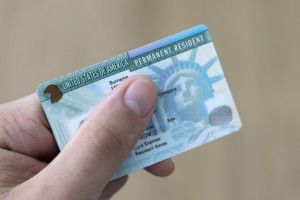
Green Card (Permanent Resident Card): Alien Registration Receipt Card, also known as a green card, is an identification card given to lawful permanent residents of the U.S. It’s proof of status and has the Alien Registration Number.
Your green card includes what is an Alien Registration Number (A-Number) as proof of your status.
[show picture with red around the A number]
[show picture with red around the A number]
Employment Authorization Document (EAD)
[show picture with red around the A number]
Immigrant Visa
[show picture with red around the A number]
Notice of Action (Form I-797C): A Notice of Action (Form I-797C) is a form sent by USCIS to inform you of the status of your immigration application or petition. It can be a receipt notice, appointment notice, approval notice, or request for evidence. Not all Notices of Action have an A-Number. When they do, it’s usually labeled as “USCIS#” and in the top right corner.
[show picture with red around the A number]
Immigrant Data Summary: is a form given to applicants who have applied for their immigrant visa or green card, through consular processing. This document is usually stapled to the top of the immigrant visa package. The A-Number is at the top of the summary, under “A-Number”.
During your application, know what is an Alien Registration Number (A-Number) for future reference.
[show picture with red around the A number]
Immigrant Fee Handout: The USCIS Immigrant Fee Handout is given to you at your consular interview and has instructions on how to pay the USCIS immigrant fee. This document has your A-Number at the top right, under “Alien Registration Number”.
Make sure you retain documents that show what is an Alien Registration Number (A-Number).
[show picture with red around the A number]

For immigration benefits, it’s essential to know what is an Alien Registration Number (A-Number).
Note: The A-Number does not change even if you change status or switch to a different type of immigrant visa. It has no expiration date and will remain valid regardless of your immigration status.
Even after a status change, your A-Number remains the same, showcasing what is an Alien Registration Number (A-Number).
Don’t worry if you lost your Alien Registration Number! Here’s what you can do to get it:
If you lose your number, remember what is an Alien Registration Number (A-Number) and how to recover it.
Understand what is an Alien Registration Number (A-Number) to streamline your requests.
Distinguish what is an Alien Registration Number (A-Number) from other identifiers.

Common questions often revolve around what is an Alien Registration Number (A-Number).

Understanding what is an Alien Registration Number (A-Number) can alleviate confusion.
An A-File (Alien File) is a comprehensive record maintained by immigration authorities containing all documentation related to a noncitizen’s interactions with immigration services. This includes applications, petitions, records of interactions with USCIS, visas, photographs, and correspondence. The system was introduced by the Immigration and Naturalization Service (INS) starting April 1, 1944.
History of A-Files and Genealogy Research
Researching what is an Alien Registration Number (A-Number) can provide clarity.
The Alien Registration Act of 1940: In response to World War II, Congress mandated that all noncitizens aged 14 and older who planned to stay in the U.S. for more than 30 days register with the INS. Registration involved filling out a form, providing fingerprints, and was later used to issue a registration number, initially known as the Alien Registration Number or A-Number.
Issuance of Registration Numbers
Knowing what is an Alien Registration Number (A-Number) can assist in document retrieval.
It’s important to track what is an Alien Registration Number (A-Number) as it evolves through your journey.
Historical Alien Registration Card Receipt
Noncitizens received a receipt card displaying their registration number, now known as the A-Number. This card was an early version of today’s Green Card (Form I-551)
The First A-Number
The A-Number sequence began at 1,000,000. Anna Lapidus, a 48-year-old immigrant from Russia, was the first to receive this number in 1940, though her A-File was not created until 1944 when the INS implemented the system.
Post-War Records Management
A-Files Evolution
Learn what is an Alien Registration Number (A-Number) for a smoother application process.
Who Had an A-File Below 8 Million?
A-Files below eight million were opened for:
A-Files Today
Handle your A-Files correctly by understanding what is an Alien Registration Number (A-Number).
Remember what is an Alien Registration Number (A-Number) for ongoing accessibility.
A-Files Research
Research the implications of what is an Alien Registration Number (A-Number) for your future.

As you navigate your A-Files, grasp what is an Alien Registration Number (A-Number) for efficient management.
Common Issues with A-Files
For any issues, reflect on what is an Alien Registration Number (A-Number) to assist in solutions.
Clarifying what is an Alien Registration Number (A-Number) helps in legal matters.
Consult experts on what is an Alien Registration Number (A-Number) for guidance.
Finding an A-File Number
Finally, understanding what is an Alien Registration Number (A-Number) empowers you in your immigration process.
Researchers might find A-Numbers in an immigrant’s personal papers or court naturalization records. A-Numbers for deceased individuals below eight million can be obtained by submitting an Index Search Request using Form G-1041.
A-Files Image Gallery
In summary, knowing what is an Alien Registration Number (A-Number) is crucial.
The A-Files Image Gallery provides examples of the contents of an A-File. Some information may be redacted for privacy.
Anna Lapidus and A-File 1000000
Ensure you comprehend what is an Alien Registration Number (A-Number) for accurate documentation.
Anna Lapidus’s A-File, created as A-File 1000000, was consolidated in 1951. Despite being the first number in sequence, her file was established seven years after the first A-Files.
Not much is known about Anna beyond her registration record. Census records show she and her husband Samuel lived in Elizabeth where she continued to work in the garment industry. She did not naturalize and passed away in 1974. In USCIS history she is the first A-File.
Engaging with what is an Alien Registration Number (A-Number) supports your application.
Note: USCIS no longer uses the term “alien” for noncitizens in the U.S. This term is used here in a historical context referring to specific laws, forms and events.
Sample of Historic AR Form for Anna Lapidus
As you explore immigration options, keep in mind what is an Alien Registration Number (A-Number).
The Alien Registration Form A-1000000 for Anna Lapidus is the “first” A-File in the sequence.’
[if we can find this image, let’s use it=]
Ultimately, understanding what is an Alien Registration Number (A-Number) is necessary for your journey.
NARA Holdings (as of November 2023)
Lastly, reflect on what is an Alien Registration Number (A-Number) as it is a significant identifier.
In conclusion, what is an Alien Registration Number (A-Number) is pivotal in navigating immigration processes.
Commit to learning what is an Alien Registration Number (A-Number) for future immigration interactions.
Research and Access
Always refer back to what is an Alien Registration Number (A-Number) for clarity.
Finally, stay informed about what is an Alien Registration Number (A-Number) as part of your immigration journey.
Understanding what is an Alien Registration Number (A-Number) is vital for compliance.
Information Required: To request an A-File, you need the individual’s complete name, National Archives Identifier, and Alien Registration number. Optional details such as date and place of birth and date of entry into the U.S. can help confirm the correct file.
Each step in your process should consider what is an Alien Registration Number (A-Number).
Requesting Copies
Be proactive in learning what is an Alien Registration Number (A-Number) for your case.
Be aware that what is an Alien Registration Number (A-Number) is essential for your immigration success.
Ultimately, knowing what is an Alien Registration Number (A-Number) streamlines your immigration experience.
Familiarize yourself with what is an Alien Registration Number (A-Number) for a transparent process.
Knowledge about what is an Alien Registration Number (A-Number) enhances your application effort.
Finally, prioritize understanding what is an Alien Registration Number (A-Number) to avoid complications.
Fees:
Public Information Status
A-Files become public records and available through NARA 100 years after the immigrant’s year of birth. Until then, they are restricted and accessible only by the individual or authorized parties.
Research Value of A-Files
How to Request an A-File
To request an A-File, provide:
Requests can be made via email, postal mail, or fax to the appropriate National Archives field office.
An Alien Registration Number (A-Number) is a unique 7–9 digit identifier assigned by U.S. immigration authorities to track a noncitizen’s immigration records. It stays with you for life, does not expire, and is used across all immigration filings and government systems.
No.
An A-Number identifies the person, while a USCIS receipt number identifies a specific case or application. You can have many receipt numbers, but only one A-Number.
You typically receive an A-Number if you:
Apply for a green card
Apply for asylum or refugee status
Are placed in removal (deportation) proceedings
Receive certain benefits such as:
Employment Authorization (EAD)
Temporary Protected Status (TPS)
VAWA self-petition (I-360)
U visa (I-918)
Many short-term visitors (B-1/B-2) do not receive an A-Number.
It depends on the process:
Adjustment of status (I-485): Shortly after filing
Spouses of U.S. citizens: Often within ~30 days
Spouses of green card holders: Usually after I-130 approval and visa availability
Consular processing: At the immigrant visa interview
Removal proceedings: When the case is initiated
Your A-Number may appear on:
Green Card (I-551) – labeled “USCIS#” or “A#”
Employment Authorization Document (EAD)
Immigrant visa stamp (as “Registration Number”)
USCIS Notices (Form I-797) – when applicable
Immigrant Data Summary
USCIS Immigrant Fee Handout
Always include the letter “A” followed by nine digits.
If your number has fewer digits, add leading zeros.
Example:
12345678 → A012345678
Your A-Number is used to:
File immigration applications and petitions
Track your case status with USCIS
Access benefits with other agencies (DMV, SSA, etc.)
Identify your immigration history and records
Link all documents in your permanent immigration file
No.
Your A-Number never changes, even if you change status, adjust status, or become a lawful permanent resident.
You can recover it by:
Checking past immigration documents
Contacting USCIS customer service
Scheduling an InfoPass appointment
Filing a FOIA request with USCIS (most reliable backup method)
A-Number: The identification number
A-File: The physical or electronic file containing all your immigration records
Each A-File is indexed by the person’s A-Number.
An A-File (Alien File) is the complete immigration record for a noncitizen. It may include:
Applications and petitions
Visas and photographs
Immigration decisions
Correspondence with immigration agencies
A-Files have existed since April 1, 1944.
No.
Only noncitizens receive A-Numbers. U.S. citizens are not assigned A-Numbers, even if they previously had immigration records before naturalization.
Not automatically.
F-1 students usually receive an A-Number only if they:
Apply for an EAD
Apply for adjustment of status
Enter certain humanitarian or immigration processes
No.
A-Numbers are protected personal identifiers. A-Files become public only 100 years after the person’s birth year, and only through the National Archives.
No.
Each A-Number is unique and permanent to one individual.
USCIS now generally uses “noncitizen”, but the term “Alien Registration Number” remains in use for historical, legal, and system-based reasons.
Because it is the backbone identifier of the U.S. immigration system. Errors involving an A-Number can delay cases, cause misfiled records, or trigger enforcement problems.
Understanding and managing your Alien Registration Number (A-Number) is crucial for a smooth immigration journey. If you have questions or need assistance with your immigration status, our experienced team at Herman Legal Group is here to help. Contact us today at 1-216-696-6170 to schedule a consultation and get expert guidance tailored to your unique situation.

Understanding and managing your Alien Registration Number (A-Number) is crucial for a smooth immigration journey. If you have questions or need assistance with your immigration status, our experienced team at Herman Legal Group is here to help.
Contact us today at 1-216-696-6170 to schedule a consultation and get expert guidance tailored to your unique situation.
24/7 Support, Just A Call Away!

Have you been denied a marriage-based immigrant visa because USCIS believes you committed marriage fraud? Or did the consulate refuse your visa—even after USCIS approved your petition—due to fraud concerns? Perhaps you had a past marriage fraud finding but now wish to secure a green card through a new, bona fide marriage with a U.S. citizen. Understanding How to Beat Allegations of Marriage Fraud? is crucial for your journey.
Navigating the marriage-based immigration process can be challenging. For most couples, entering into marriage with a U.S. citizen is a genuine step toward building a life together and eventually obtaining a green card. However, if authorities suspect that a marriage was solely to circumvent immigration laws, serious legal consequences can follow.
These claims can surface during various stages of the immigration process, including I-130 and I-140 petitions, the I-751 removal of conditions process, and even within VAWA (Violence Against Women Act) cases.
If you have a record of marriage fraud, obtaining a green card through a subsequent marriage can be extremely challenging. U.S. Citizenship and Immigration Services (USCIS) enforces the “Marriage Fraud Bar” under INA §204(c), which prevents any future visa petition approval if you ever entered a sham marriage. This guide explains what marriage fraud is, how the fraud bar applies, and offers practical strategies to challenge past fraud findings if you’re now in a genuine, bona fide marriage.
To succeed, it’s essential to understand How to Beat Allegations of Marriage Fraud? and prepare adequately for the scrutiny that may come.
For more detailed information on marriage fraud, visit the USCIS Official Website.
U.S. law is designed to detect and deter fraudulent marriages—those entered primarily for immigration benefits. This guide explains the key processes USCIS uses to scrutinize marriage-based immigrant applications and how to respond if allegations of marriage fraud arise.
Understanding How to Beat Allegations of Marriage Fraud? is crucial for anyone facing scrutiny in their marriage-based immigration application.
Understanding the context and nuances of marriage fraud allegations is crucial:
Marriage fraud—entering into a marriage solely to obtain immigration benefits—is a serious violation of U.S. immigration law that can lead to devastating consequences, including deportation and criminal penalties. Whether you are a foreign national, a lawful permanent resident, or a U.S. citizen, understanding how to beat allegations of marriage fraud? is crucial. This guide provides clear, actionable information on:
By knowing How to Beat Allegations of Marriage Fraud?, individuals can safeguard their rights and future immigration prospects.
For additional resources, please visit the USCIS Official Website and the American Immigration Lawyers Association (AILA).
Grasping How to Beat Allegations of Marriage Fraud? is fundamental in navigating the complexities of immigration law.

Understanding How to Beat Allegations of Marriage Fraud? can provide clarity in uncertain situations.
Marriage fraud occurs when a couple enters into a marriage solely for the purpose of obtaining immigration benefits, such as a green card. Unlike a genuine, bona fide marriage—where both parties intend to build a life together—a sham marriage is a deliberate scheme to manipulate the immigration system.
A marriage fraud scheme involves orchestrating such fraudulent marriages, and being found complicit in these schemes can lead to severe consequences under immigration law, including permanent bars from obtaining immigrant visas and complications in future immigration applications.
There are several forms of marriage fraud, each carrying serious consequences:
Ultimately, knowing How to Beat Allegations of Marriage Fraud? will empower you during the immigration process.

USCIS employs a range of methods to uncover fraudulent marriages:
Unintentional Pitfalls:Even applicants with no previous fraud findings can fall prey if their case is not meticulously prepared, especially when the marriage is suspected to be entered solely for obtaining an immigration benefit.
Common issues include:
Self-representation: Appearing unprepared at the green card interview.
Inadequate Documentation: Failing to provide documents that prove the bona fide nature of your relationship.
Poor Legal Representation: Attorneys who do not thoroughly prepare their clients or effectively defend them at interviews.
Erroneous Findings:Mistakes can occur. Sometimes, USCIS may wrongly conclude that a bona fide marriage is fraudulent. If you find yourself facing such allegations, it is crucial to seek legal advice immediately.
Legal Impact of a Section 204(c) Finding:Permanently bars subsequent visa petitions (I-130 family-based, I-140 employment-based, or VAWA I-360 self-petitions).
The bar applies regardless of how much time has passed or what new evidence of compelling equities is presented.
Awareness of How to Beat Allegations of Marriage Fraud? is vital when facing potential legal challenges.
Reference: Section 204(c) of the INA; for more details see the Legal Information Institute.
Initiation of Removal:If USCIS determines that a marriage is fraudulent and was entered into solely to circumvent immigration laws, removal proceedings will begin. The foreign national will face a hearing before an immigration judge, who will decide if deportation is warranted.
Permanent Immigration Bar:A finding of fraud not only leads to deportation but also permanently bars the individual from applying for future immigration benefits—even if they later enter into a genuine marriage.
To effectively respond, knowing How to Beat Allegations of Marriage Fraud? can guide your strategy.
INA §204(c) – The Marriage Fraud Bar
When evaluating whether to invoke the marriage fraud bar, USCIS may consider various types of evidence, including:
For more examples, check out this resource on marriage fraud evidence.
Note:
The fact that a couple did not live together at the time of a visa denial is not, by itself, enough to prove fraud. See Matter of Tawfik for further explanation.
Review and Notification
Keeping in mind How to Beat Allegations of Marriage Fraud? can ensure you stay focused on your goals.

Preparing Your Case
Preventative measures are key to avoiding misunderstandings during the immigration process.
Tips to Strengthen Your Application
If you face allegations of fraud, robust legal defenses can help prove your marriage’s authenticity.
Steps in Building a Defense
Represent you during interviews and, if needed, during appeals or removal proceedings.
A. Overview of USCIS Review
USCIS employs several methods to verify the authenticity of a marriage:
Even in the most challenging situations, there may be avenues for reversing a marriage fraud finding:
For many, understanding How to Beat Allegations of Marriage Fraud? represents a crucial step in the immigration journey.
Marriage fraud—entering into or attempting to enter a marriage solely to obtain immigration benefits—is a serious violation of U.S. law. Such fraud can lead to multiple and severe penalties, including:
As you navigate these challenges, remember How to Beat Allegations of Marriage Fraud? is a key concern.
While these consequences are significant, certain limited avenues of relief exist. Relief options, however, are fact-specific and require a thorough legal strategy. For further reading on the risks of marriage fraud, see the USCIS Official Guidance.
A. Defining a Sham Marriage
B. Key Penalties
Learning How to Beat Allegations of Marriage Fraud? can help mitigate risks associated with fraudulent claims.
Those impacted by allegations can benefit from understanding How to Beat Allegations of Marriage Fraud?.
2. Cancellation of Removal
3. Other Forms of Relief Not Affected by 204(c)
In summary, knowing How to Beat Allegations of Marriage Fraud? will serve as your ultimate defense strategy.
Case Law Examples
Notable Cases Highlighting Key Points
Graphical and Visual Resources
A. Flowchart of Relief Options
This flowchart outlines the decision points and available relief options—from inadmissibility waivers to cancellation of removal.
B. Comparison Chart of Penalties and Waivers
|
Penalty/Bar |
Applicable Under |
Waiver Availability |
Key Considerations |
| Inadmissibility | INA §212(a)(6)(C)(i) | Limited via INA §212(i) (discretionary) | Extreme hardship must be shown; lifetime bar if not waived |
| Subsequent Petition Bar (204(c)) | Section 204(c) | Not waivable | Permanent; applies only to family/employment-based petitions |
| Deportability | INA §237(a)(1)(A), 237(a)(1)(G) | Waivable via §237(a)(1)(H) | Waiver eligibility affected by additional criminal charges |
| Cancellation of Removal | INA §240A(a) and §240A(b) | Not subject to 204(c) bar but requires discretion | Good moral character and continuous presence are critical factors |
3.1. Matter of P. Singh
3.2. Matter of R.I. Ortega
3.3. Matter of Pak
3.4. Matter of Mensah
3.5. Matter of Kagumbas
Recent legal developments offer renewed hope for individuals affected by marriage fraud findings. In a landmark decision, the Board of Immigration Appeals (BIA) has clarified that certain waivers—specifically, the 237(a)(1)(H) waiver—may be available not only to those who committed fraud to “enter” the United States but also to those who obtained their green card through adjustment of status while already in the country. This decision could provide a path to relief for many who previously faced a permanent bar on obtaining lawful permanent resident status.
1. Overview of the BIA Decision
A. What the Decision Means
B. Why It Matters
2. Impact on Different Categories of Immigrant Applicants
A. Adjustees Who Committed Fraud
B. Conditional Permanent Residents (CPRs)
3. Legal and Practical Considerations
A. Legislative and Judicial Background
B. How Courts Might Interpret the Decision
4. What This Means for Affected Couples
Renewed Hope:
For many couple;es who obtained a green card through a fraudulent marriage, this decision may offer a second chance.
Engaging with the process requires a clear understanding of How to Beat Allegations of Marriage Fraud?.
Introduction
If your marriage-based green card petition (Form I-130) or adjustment of status application (Form I-485) was denied because USCIS deemed your marriage fraudulent, you still have options. Whether you choose to appeal the decision or refile your petition, understanding the proper process and deadlines is critical. This guide provides a clear, step-by-step overview of your appeal rights, including what to do if your denial includes phrases like “sham marriage” or “fraudulent marriage.”
For further background on marriage fraud and immigration law, visit the USCIS Official Website.
Recognizing a Fraud Finding
Recognizing How to Beat Allegations of Marriage Fraud? is fundamental to mounting a successful appeal.
Key Indicators in Your Denial Notice
When Was the Fraud Finding Made?
Options for Challenging the Denial
A. Filing an Appeal for an I-130 Denial
B. Refilling an I-130 Petition
Lastly, a solid grasp of How to Beat Allegations of Marriage Fraud? will be beneficial if issues arise.
C. Appeals After Adjustment of Status Denials
Federal Court Review
Preparing a Strong Appeal or Refiling
Essential Steps:
B. Filing Complaints
If you’re dissatisfied with USCIS services, you have multiple ways to file a complaint.
1. In-Person Complaints at USCIS Offices
2. Written Complaints
3. Contacting the Office of Inspector General (OIG)
4. Complaints via USCIS Headquarters
5. Telephone Complaints
Handling Complaints
C. Reporting Allegations of Misconduct
USCIS employees and contractors are held to strict ethical standards. If you suspect misconduct, here’s what you need to know.
1. Types of Employee Misconduct
Examples include, but are not limited to:
2. How to Report Misconduct
D. Allegations of Discrimination
USCIS is committed to ensuring fair and non-discriminatory treatment for all.
1. USCIS Anti-Discrimination Policy
2. Reporting Discrimination
3. Protection Against Retaliation
E. Reporting Fraud, Abuse, and Scams
Beyond feedback and complaints, USCIS provides mechanisms for reporting fraud, abuse, and scams.

Q1: What should I look for in a denial notice?
Look for phrases like “sham marriage” or “fraudulent marriage.” These indicate that USCIS has found your marriage to be fraudulent under INA §204(c).
Q2: How long do I have to file an appeal?
You have 30 days from the date you receive the denial notice to file Form EOIR-29, with an additional 21 days to submit a written brief.
Q3: Can I refile my petition if issues have been resolved?
Yes, you may refile your I-130 petition with new, stronger evidence. However, the previous fraudulent marriage finding will remain on your record.
Q4: Is federal court review an option?
Federal court review of USCIS decisions on marriage fraud is very limited, as shown in recent Supreme Court decisions.
Q1: What happens if I’m accused of marriage fraud?
If accused, you could face deportation, criminal penalties, and a permanent ban on future immigration benefits. It is crucial to consult an experienced immigration attorney immediately.
Q2: How does USCIS detect marriage fraud?
USCIS uses interviews, document reviews, home visits, and digital footprint analysis to uncover inconsistencies that may indicate a fraudulent marriage.
Q3: Can I be deported for marriage fraud?
Yes, if found guilty, you could be deported, and both criminal and civil penalties may apply.
Q4: What kind of evidence can prove my marriage is genuine?
Joint property records, shared financial documents, family photographs, and affidavits from friends and relatives can all help demonstrate that your marriage is bona fide.
Q5: How can I best prepare for a USCIS interview regarding my marriage?
Practice answering detailed questions about your relationship, maintain thorough documentation, and consult with an immigration lawyer for personalized guidance.
Q1: What is the Marriage Fraud Bar?
It is a permanent prohibition under INA §204(c) that prevents anyone found to have committed marriage fraud from having future marriage-based visa petitions approved.
Q2: Can a genuine marriage overcome a past fraudulent marriage finding?
Unfortunately, even if your current marriage is bona fide, a prior fraudulent marriage finding remains on record and typically bars new visa petitions.
Q3: What evidence can help challenge a fraud finding?
Detailed financial records, housing documentation, affidavits from those with direct knowledge of your relationship, and any new evidence that contradicts past findings.
Q4: What should I do if I suspect a fraud finding on my record?
Immediately consult with an experienced immigration attorney to review your file and discuss possible strategies to rebut the finding.
Being proactive with documentation and legal support is crucial for a smooth immigration process. By understanding the requirements, gathering comprehensive evidence, and having expert legal representation, you can confidently address any challenges that arise during your journey toward permanent residency.
.
B. Resources for Further Information
Department of Homeland Security – FDNS Information
If you’re visiting the U.S. on a B-1 (business) or B-2 (tourism or medical) visa, unexpected opportunities or circumstances might prompt you to extend your stay or change your immigration status. This could include:
Individuals on a tourist visa (B-2) may need to extend their stay for similar reasons.
In these cases, you may be eligible to extend your stay or change your visa status by filing Form I-539, Application to Extend/Change Nonimmigrant Status with U.S. Citizenship and Immigration Services (USCIS).
If you’re interested in learning more about how to extend or change B-2 status, it’s important to understand the eligibility requirements and the application process.
Timing is crucial when applying to extend your stay or change your status. Here’s what you need to know:
Important: If you stay in the U.S. for more than 180 days after your visa expires, you could face long-term bans from reentering the country. Learn more about this in the Consequences of Unlawful Presence in the U.S..
1. Gather Required Documents:
USCIS will require similar evidence to what you provided when you first applied for your B-1 or B-2 visa.
2. Complete Form I-539:
3. Pay the Filing Fee:
4. Submit Your Application:
If you’re planning to change to a different nonimmigrant status (like F-1 for students or H-1B for temporary workers), you must:
It is crucial to understand the specific nonimmigrant classification you are applying for to file the correct forms and meet eligibility criteria.
For more detailed information on specific visa types, visit the USCIS Forms and Instructions page.
Note: If you’re applying for asylum or Temporary Protected Status (TPS) due to unsafe conditions in your home country, you don’t need to file Form I-539.
Important Restrictions While Your Application Is Pending
What Happens If Your Visa Expires During Processing?
Special Note for Visa Waiver Program (VWP) Travelers
If you entered the U.S. under the Visa Waiver Program (VWP), you cannot extend your stay except in emergencies.
Form I-539, officially known as the Application to Extend/Change Nonimmigrant Status, is a critical document used by individuals in the United States on a temporary basis (nonimmigrants) who wish to either extend their stay or switch to a different nonimmigrant category. This form is commonly used by students, visitors, and temporary workers.
It is important to note that not all nonimmigrant visa categories are eligible for an extension, and applicants should be cautious about the consequences of filing incorrect forms for their specific nonimmigrant categories.
Examples of Use:
For more guidance on your immigration process, you can explore resources like Boundless.
The processing time for Form I-539 varies depending on multiple factors:
Factors Influencing Processing Times:
How to Check Processing Times:
Tip: Processing can take anywhere from a few weeks to several months. Check regularly for updates.
Average Processing Times (2024 Data):
| Visa Type | Extension Processing Time | Change of Status Processing Time |
| B-2 (Visitor) | 3-6 months | 6-9 months |
| F-1 (Student) | 2-4 months | 5-7 months |
| H-4 (Dependent) | 4-7 months | 7-10 months |
Historical Trends in Processing Times (2019-2024):
| Year | Average Processing Time |
| 2019 | 4 months |
| 2020 | 6 months |
| 2021 | 7 months |
| 2022 | 5 months |
| 2023 | 4.5 months |
| 2024 | 5 months |
Filing Fee: $470
Biometrics Fee: $85 (if required)
You can pay via check, money order, or credit card using Form G-1450. Always verify the most recent fee information on the USCIS Fee Schedule.
Additional Costs to Consider:
Who is Eligible to File Form I-539?
You may be eligible to file Form I-539 if you meet the following criteria:
Nonimmigrant workers (e.g., H-1B holders) who lost their jobs but are seeking new employment may also apply.
Common Scenarios for Filing Form I-539:
Important: Eligibility may vary based on your visa category and individual circumstances. For nonimmigrant visas, it is crucial to follow the specific procedures and eligibility requirements for extending or changing status, including using the correct forms like Form I-539 and filing before the authorized stay expires.
Required Supporting Documents for Form I-539
The documents you need to submit with Form I-539 depend on your specific situation. Generally, you’ll need:
For detailed checklists tailored to specific nonimmigrant categories, visit the USCIS Evidence Checklist.
Common Mistakes to Avoid:
Certain employment-based visa categories require a different form, specifically Form I-129, Petition for a Nonimmigrant Worker. You should NOT use Form I-539 if you are applying for or extending status under the following classifications:
Important: Filing the incorrect form may lead to rejection or denial without a refund of your application fee.
You are eligible to apply if:
Pro Tip: Apply at least 45 days before your authorized stay expires to avoid processing delays.
You cannot apply for an extension if you fall into one of these categories:
Overstaying your authorized period can have serious consequences:
Always apply before your authorized stay expires to avoid these penalties.

You can file Form I-539 either online or via mail. Ensure that you download the correct edition of the form and accompanying documents from the USCIS Forms and Document Downloads page.
Forms You’ll Need:
Edition Date: 08/28/24. Ensure this date is visible on all pages when mailing your form.
Where to File
For mailing addresses, consult the USCIS Direct Filing Addresses for Form I-539.
When Should You File?
It’s recommended to file at least 45 days before your current authorized stay expires, or as soon as you realize the need to extend or change your status.
You may apply if:
Exceptions for Late Filing
Late submissions may be excused if:
Filing Fees and Payment Options
Check the USCIS Fee Schedule for the latest fee information. You can pay by:
Note: Filing fees are non-refundable. Avoid combining payments for multiple forms.
Checklist: Required Initial Evidence
Before filing, gather the following:
Form Completion Tips
For Form I-539:
For Form I-539A (if applicable):
For more tips, visit the USCIS Tips for Filing Forms by Mail page.
Special Instructions by Visa Type
Staying Compliant
If your status expires before filing, or if you violate the terms of your current status (e.g., unauthorized work), you’ll be considered out of status. This can severely impact your ability to:
A Change of Status (COS) allows nonimmigrants in the U.S. to switch from one visa category to another without leaving the country. Whether you’re a tourist wanting to study or a student seeking work authorization, understanding this process is crucial.
Who Can Apply for a Change of Status?
You may qualify to change your nonimmigrant status if:
Important: You must file your application before your authorized stay expires. Do not assume approval and continue current activities until you receive confirmation from U.S. Citizenship and Immigration Services (USCIS).
Tip: Apply as soon as you know you need to change status to avoid complications.
What Happens After You Apply?
If your application is denied, you must leave the U.S. before your current status expires.
From B-1/B-2 Visitor to F-1 Student
Tourists on B-1/B-2 visas often wish to switch to F-1 student status to pursue academic studies. Here’s how:
Explore SEVP-certified schools.
From B-1/B-2 to M-1 Vocational Student
If you want to enroll in a vocational program, follow the same steps but ensure you apply for M-1 status. Keep in mind:
Changing to H-1B Work Visa Status
If you’re a student or professional transitioning to an H-1B work visa:
Learn more about Cap Gap benefits.
Special Considerations for M-1 Students
Alternatives to Changing Status
If a Change of Status isn’t possible:
General Questions
Extending B-1/B-2 Status
Changing from B-1/B-2 to Another Status
Issues with Filing and Processing
Less Common but Important Issues
Form I-539 is a critical tool for nonimmigrants looking to extend their stay or change their status in the U.S. Ensuring timely submission, accurate documentation, and adherence to eligibility requirements can significantly improve your chances of approval. Always consult the latest USCIS resources and consider professional assistance if needed.
Helpful Links & Resources
Additional Resources
24/7 Support, Just A Call Away!

Applying for a marriage-based green card involves more than just presenting a marriage certificate.
U.S. Citizenship and Immigration Services (USCIS) requires strong evidence that your marriage is “bona fide,” meaning that it is a genuine relationship and not solely for immigration purposes.
When applying for a green card for your spouse, the first step is filing Form I-130, Petition for Alien Relative with U.S. Citizenship and Immigration Services (USCIS). The immigration process is crucial in proving a bona fide marriage, as it involves detailed documentation and evidence to avoid pitfalls.
If you obtain a 2-year conditional marriage green card (for marriages less than 2 years old), you will need to again demonstrate a bona fide marriage when filing the I-751 Petition to Remove the Condition on Permanent Residency. Even if your marriage has ended and you’re applying with a waiver-based I-751, you must still demonstrate that your marriage was entered into in good faith and not just to circumvent immigration laws.
If you are submitting the N-400 application naturalization under the three year rule (marriage to a US Citizen during the last three years of permanent residency), you will also need to demonstrate that you entered into a bona fide marriage AND that the marriage continues to be viable.
For marriage-based I-130, I-751, and N-400, to prove that your marriage is genuine (bona fide), you must provide more than just a marriage certificate. USCIS carefully evaluates your relationship to prevent immigration fraud.
Failing to provide sufficient proof of a bona fide marriage can result in delays, denial of the petition, or even deportation. Below is a comprehensive guide on how to effectively prove your marriage is legitimate.
In this guide, we will cover everything you need to know about demonstrating the authenticity of your marriage, including the best types of evidence, potential red flags, and what to expect at the green card interview.
To qualify for a marriage-based green card, you must demonstrate:

A bona fide marriage is a real, legitimate marital relationship where both spouses intend to build a life together. This contrasts with fraudulent marriages that exist solely to evade U.S. immigration laws.
Not all couples live together due to work, school, or family obligations. If this applies to you, submit a letter explaining your situation, signed by both spouses, along with additional evidence
If you don’t live together, USCIS may suspect marriage fraud. You should submit:
Beyond finances and residency, USCIS wants to see that your relationship is active and evolving. Include:

USCIS is highly skilled in identifying sham marriages and looks for inconsistencies in documentation, discrepancies during interviews, and lack of a genuine marital relationship.
To strengthen your petition, submit various forms of evidence demonstrating a genuine relationship.
Although couples may live apart due to work, military service, or school, shared residency is strong evidence of a real marriage. Documents to provide:
Married couples typically share financial responsibilities. Evidence of joint finances includes:
Having children together is compelling proof of a real marriage, but it is not required. If applicable, include:
Documents and personal records demonstrating affection and shared experiences:
Personal statements from loved ones can add credibility to your case. Each affidavit should:
USCIS may request additional evidence, and in some cases, the affidavit writer may need to testify in person.
Photographs and travel documents help demonstrate time spent together. Submit:
For couples who have spent time apart, communication records can help prove an ongoing relationship:
While there is no specific number of documents required, more evidence is better. Ideally, submit documents from multiple categories spanning different time periods. If your case lacks strong financial documents, emphasize communication, photos, and affidavits.
If the foreign spouse lacks an SSN, alternative evidence includes:
Not all proof carries the same weight. Below is a ranking of evidence strength:
✔ Joint bank accounts, mortgages, leases, insurance policies, utility bills in both names
✔ Shared travel itineraries, phone logs, joint event tickets, text message records
✔ Letters from family and friends, single travel itineraries, occasional photos
USCIS officers look for specific warning signs that could indicate a fraudulent marriage. If any of these apply to your situation, you should be prepared to provide stronger evidence:
These factors alone do not prove fraud, but they can raise red flags. If any of them apply to your case, be extra diligent in compiling your evidence.
If your marriage falls into any of these categories, consult an immigration attorney for guidance.
Your in-person interview is another opportunity to prove your marriage is real. Depending on where the foreign spouse lives:
To prepare:
In some cases, couples may undergo a Stokes interview, where they are questioned separately to verify the consistency of their answers. Preparation is key to navigating this process successfully.
USCIS may conduct separate interviews if they suspect fraud. Your answers should be consistent to avoid suspicion.
During the green card interview, USCIS officers will assess your marriage. Common spousal interview questions include:
For a full list of common green card interview questions, click here: Green Card Interview Questions
Officers may ask personal questions to assess your relationship. Examples include:
Note: Some couples are interviewed separately. This does not automatically indicate suspicion but allows USCIS to compare answers for consistency.
If your marriage is less than two years old, you will receive a conditional green card (valid for two years). To remove conditions and get a permanent 10-year green card, file Form I-751, Petition to Remove Conditions on Residence.
To file the I-751, here is resource that will help.
The best way to avoid an interview is to submit a strong I-751 package. Tips to improve your chances:
If your marriage has ended due to divorce, abuse, or the death of your spouse, you can still apply for a waiver of the joint filing requirement. You must still prove that your marriage was originally genuine.
Evidence to include:
What Are Red Flags for Marriage Green Card Applications?
USCIS may scrutinize applications if they notice:
What Counts as Proof of Relationship?
Valid proof includes financial, residential, social, and emotional evidence, such as:
Can CR-1 Visas Get Denied?
Yes. Common reasons include:
How Many Times Can You Sponsor a Spouse?
There is no strict limit, but USCIS closely examines repeat petitions. Frequent sponsorships may raise concerns about fraudulent intent.
General Questions on Proving a Bona Fide Marriage
1. What does “bona fide marriage” mean in the immigration context?
A bona fide marriage is one entered into in good faith, meaning it is a genuine relationship based on love and commitment, not just for immigration benefits.
2. What kind of evidence is required to prove a bona fide marriage?
Evidence can include:
3. Do we need to submit all types of evidence listed?
No, but the more diverse and credible the evidence, the stronger your case will be. Aim for a mix of financial, residential, and social evidence.
4. How far back should our evidence go?
For an I-130, evidence from before and after the marriage is helpful.
For an I-751, you should provide evidence covering the entire two-year period of conditional residence.
Specific Evidence Questions
5. Does a joint bank account need to show frequent transactions?
Yes, USCIS prefers accounts that are actively used by both spouses. A stagnant account with minimal transactions may be viewed as weak evidence.
6. What if we don’t have a joint lease or mortgage?
If you live with family or friends, get an affidavit from the homeowner stating that you live together. Utility bills, mail addressed to both of you at the same address, and any shared rental receipts can also help.
7. Do we need to submit our wedding photos?
Yes. Include a variety of photos from different times, locations, and with family and friends present to show the evolution of your relationship.
8. What if we had a simple courthouse wedding with no guests?
That’s okay, but you’ll need other evidence, such as joint finances, insurance policies, and affidavits from close friends or family confirming your marriage.
9. Can we submit social media posts as proof?
Yes, screenshots of posts, comments, and photos showing your relationship timeline can help. They should be accompanied by other primary evidence.
10. Do text messages and call logs help?
Yes, especially if they show a consistent pattern of communication. However, they should be part of a broader set of evidence.
11. What if we have different last names?
That’s not a problem. Many couples keep separate last names. You should still provide strong evidence of a shared life.
12. Do we need joint health insurance?
It’s not required but is strong evidence. If you don’t have it, other financial ties such as shared accounts, utility bills, or life insurance policies can help.
Red Flags & How to Address Them
13. What are common red flags that USCIS looks for?
14. How do we address an age difference?
Be prepared to explain how you met and fell in love. Submitting evidence of a long-term relationship before marriage can help.
15. What if we don’t speak the same language fluently?
Show evidence of how you communicate (texts, translated messages, voice notes) and provide affidavits from people who know you.
16. What if we lived apart for a period of time?
Explain the reason (e.g., work, family, visa restrictions) and provide proof of ongoing communication during that period.
17. How do we handle different addresses on documents?
If one spouse moved temporarily, provide an affidavit explaining why, along with evidence of continued cohabitation and relationship maintenance.
18. How do we prove intimacy and emotional bonding without going into personal details?
Affidavits from friends, family, and joint travel records can illustrate the strength of your relationship without disclosing private details.
Special Situations
19. We don’t have children. Will that hurt our case?
No, not all couples have children. Strong financial and social evidence will suffice.
20. What if one spouse has been married before?
Provide divorce decrees to show previous marriages ended legally. Also, demonstrate that your current marriage is genuine.
21. We had an arranged marriage. Will USCIS accept that?
Yes, but you must provide strong evidence of cohabitation, joint finances, and emotional bonding.
22. What if we live with extended family?
That’s fine, but provide proof of a shared life (e.g., joint bills, bank accounts, or travel records).
23. What if one spouse is undocumented?
The process will be the same, but additional waivers may be required depending on their immigration status.
24. My spouse is incarcerated. Can we still prove a bona fide marriage?
Yes, but you’ll need proof of communication, financial support, and affidavits confirming your relationship.
25. We are in a same-sex marriage. Will we be treated differently?
USCIS recognizes same-sex marriages as long as they were legally performed. Be prepared for the same evidence requirements as any other couple.
USCIS Interviews
26. What kind of questions will USCIS ask at the marriage interview?
Questions can range from:
27. What happens if we fail the interview?
You may receive a Request for Evidence (RFE) or be scheduled for a Stokes Interview (second interview) where you’ll be questioned separately.
28. How should we prepare for the interview?
Form-Specific Concerns
29. What if we don’t have new evidence for our I-751?
Even if you have limited new evidence, submit whatever you can. Affidavits from friends and family can be valuable in this case.
30. What happens if we get an RFE (Request for Evidence)?
You must respond with additional evidence within the given timeframe. Failure to respond can lead to denial.
31. Can I apply for naturalization (citizenship) while my I-751 is pending?
Yes, but USCIS will likely process your I-751 before approving your naturalization.
Final Advice
32. What are the biggest mistakes people make when proving a bona fide marriage?
33. What if my spouse refuses to cooperate in filing the I-751?
If you are divorcing or have been abused, you may qualify for a waiver of the joint filing requirement.
34. Can I hire an immigration attorney to help with my case?
Yes, an attorney can be very helpful, especially in complex cases or if you’ve received an RFE.

A successful marriage-based green card application requires careful documentation. The more evidence you provide, the stronger your case. If you need guidance, consulting an immigration expert can help you navigate the process smoothly.
For more detailed information, consider exploring the following resources:
Proving your marriage is real may require effort, but with the right preparation, you can navigate the process successfully and secure your green card.

U.S. Customs and Border Protection (CBP), part of the border patrol, has increased its use of electronic device searches at the border—a practice that, while legal, raises serious concerns about privacy and free speech. Recent cases show travelers being detained, denied entry, or even deported because of what’s found on their phones or online profiles. Many travelers wonder, “Can Border Patrol Go Through My Cell Phone?” This question is crucial for those crossing the border.
Many people are asking, “Can Border Patrol Go Through My Cell Phone?” Understanding this can help alleviate concerns and clarify rights.
These searches are conducted under the authority of the U.S. government and its agencies, such as CBP and the Department of Homeland Security (DHS).
CBP has the authority to inspect electronic devices at all ports of entry, including land borders, airports, and seaports.
Whether you’re a tourist, student, or green card holder, here’s what you need to know—and do—to stay informed and protected.
This guide explains what CBP can do, what your rights are, and how to protect your data when entering the United States.
Yes. U.S. law currently allows CBP to inspect electronic devices at the border without a warrant or probable cause. This practice is based on the “border search exception” to the Fourth Amendment, which gives officers broader powers near U.S. entry points. All travelers crossing the United States border are subject to CBP inspection.
Knowing the answer to the question, “Can Border Patrol Go Through My Cell Phone?” is vital. This knowledge can prepare travelers for potential encounters.
Knowing that Can Border Patrol Go Through My Cell Phone? is legally permissible under current laws is vital for travelers.
One common question travelers ask is, “Can Border Patrol Go Through My Cell Phone?” This is a crucial issue that many people are concerned about when crossing the border.
For many, the question remains: “Can Border Patrol Go Through My Cell Phone?” This crucial issue affects many who cross the border.
Understanding the implications of whether Can Border Patrol Go Through My Cell Phone? is essential for anyone crossing international borders.
When traveling internationally, consider: “Can Border Patrol Go Through My Cell Phone?” Understanding this can impact your travel experience.
CBP searches less than 0.01% of arriving travelers’ devices, according to FY2024 data. But those selected often undergo intense scrutiny.
Read the policy:
CBP’s Border Search of Electronic Devices Directive (PDF)
CBP officers use electronic device searches as part of their mission to protect the country from threats, enforce immigration law, and detect criminal activity. Officers are trained to look for evidence of:
Officers may also search for digital contraband, such as illegal files or prohibited content.
But CBP also uses electronic searches to verify a traveler’s intentions—for example, whether someone with a tourist visa may be trying to work or live in the U.S. unlawfully.
In 2024, CBP processed over 420 million travelers. Fewer than 0.01% had their devices searched.
CBP Statement:“These searches are rare, highly regulated, and have been used in identifying and combating serious crimes.” — Hilton Beckham, CBP Assistant Commissioner“DHS uses various forms of technology… in ways that are consistent with its authorities and the law.”
— DHS statement **Important context:**While searches are legally permitted, many privacy advocates argue that the standard for such searches is vague—particularly when they involve social media or political views.
These measures are part of keeping America safe from various threats.
Yes. U.S. law currently allows CBP to inspect electronic devices at the border without a warrant or probable cause. This practice is known as a warrantless search, as officers do not need a warrant to examine devices at the border. The authority is based on the “border search exception” to the Fourth Amendment, which gives officers broader powers near U.S. entry points. Under this exception, such searches are considered reasonable simply because they occur at the border, according to legal precedent. All travelers crossing the United States border are subject to CBP inspection.
As a traveler, consider: Can Border Patrol Go Through My Cell Phone? This knowledge could impact your border crossing experience.
Every traveler should think, “Can Border Patrol Go Through My Cell Phone?” It’s a question that can influence your approach to border crossings.
CBP searches less than 0.01% of arriving travelers’ devices, according to FY2024 data. But those selected often undergo intense scrutiny.
Read the policy: CBP’s Border Search of Electronic Devices Directive (PDF)
When you think about the risks, ask yourself: Can Border Patrol Go Through My Cell Phone? It’s a critical question.
Contemplating your rights at the border, ask: “Can Border Patrol Go Through My Cell Phone?” This simple question can have significant implications.
Yes—if your profiles are public, CBP officers may review them without accessing your device. They also monitor:
Even private messages, including text messages, may become accessible if your device is unlocked and cloud-synced. Protecting your phone’s contents, such as text messages and other sensitive data, is important during border searches.
If your Instagram, Facebook, or Twitter/X account is public, CBP can legally view it—even without accessing your phone. Posts supporting controversial causes or political movements could raise flags.
CBP officers have broad discretion. Travelers are usually flagged for secondary inspection if:
International travelers, regardless of citizenship, can be flagged for inspection.
Searches may also be random, or based on algorithmic flags in DHS’s Automated Targeting System (ATS).
Reminder: Border agents have broad discretion—even legal visa holders may be denied entry based on device content. Any person, including U.S. citizens, green card holders, visa holders, and foreign visitors, may be subject to device searches.

In an era where technology is prevalent, the question arises: Can Border Patrol Go Through My Cell Phone? Understanding this is crucial.
Device searches have triggered deportation or visa revocation in several high-profile cases, including:
These cases exemplify why travelers often wonder: “Can Border Patrol Go Through My Cell Phone?” The consequences can be severe.
Legal immigrants, including green card holders and visa holders, have also faced increased scrutiny and consequences due to device searches. In some cases, if a visa or green card status is challenged as a result of a device search, individuals may be required to appear before an immigration judge to determine their eligibility to remain in the U.S.
These examples show a trend: CBP and ICE are increasingly scrutinizing not just illegal behavior, but also lawful political speech and affiliations.
These incidents also sparked international concern and new travel warnings from Germany and the U.K., urging travelers to exercise caution even with valid visas.
The key question many ask during border crossings is: “Can Border Patrol Go Through My Cell Phone?” Understanding this can guide your actions.
CBP’s authority is grounded in several federal laws:
A customs officer has the authority to search travelers’ electronic devices at the border. Courts determine the legality of these border searches by considering factors such as the scope of the search and the circumstances, and are responsible for determining whether a particular search is justified under the law.
This authority applies regardless of citizenship status—U.S. citizens, visa holders, green card holders, and tourists are all subject to potential inspection.
Reminder: Constitutional protections, such as the Fourth Amendment, are limited at the border.
CBP categorizes device searches into two types, both of which are conducted by customs officers:
Despite growing concern, CBP stresses that such searches are rare. The data below is reported by fiscal year (FY), illustrating the number of device searches conducted by CBP in each quarter:
| Quarter | Total Searches | Basic | Advanced |
|---|---|---|---|
| FY24 Q1 | 10,937 | 9,883 | 1,054 |
| FY24 Q2 | 11,273 | 10,250 | 1,023 |
| FY24 Q3 | 12,090 | 11,082 | 1,008 |
| FY24 Q4 | 12,658 | 11,504 | 1,154 |
| FY25 Q1 | 12,092 | 11,067 | 1,025 |
Many travelers ponder, Can Border Patrol Go Through My Cell Phone? It’s an important aspect to consider.
In an increasingly digital world, the ability to inspect personal electronics is seen as a crucial measure for national security.
Travelers may be referred for secondary inspection if:
A device search may occur during secondary inspection but is not automatic.
In FY24, 12.6 million travelers (3%) were referred for secondary inspection. Only 0.3% of those had their devices searched.
Many people fear the question: Can Border Patrol Go Through My Cell Phone? This concern is valid and should be understood.
Yes—if you’re carrying a phone, tablet, or laptop across the U.S. border, an officer may request you to unlock it, and you’re expected to comply if requested.
Refusing to provide a passcode doesn’t guarantee you’ll avoid a search. It might just delay or escalate it.
No. CBP is only allowed to search data stored locally on your device. To prevent cloud data from being accessed during a search:
Tip: Don’t assume your deleted files are gone—unless you permanently erase them, they’re likely recoverable.
As senior staff attorney Saira Hussain explained, officers are supposed to avoid accessing cloud-based data during searches. “Officers aren’t supposed to access cloud-based services like Facebook or Gmail,” explains EFF senior staff attorney Saira Hussain. “But there are cases where they have.” Hussain explained that CBP officers are prohibited from accessing data that is solely stored in the cloud during searches.
If you’ve gone through this process once, CBP systems may flag you, increasing the likelihood of future inspections.

CBP may retain device data if:
Sensitive information, such as medical records or privileged communications, may also be retained if found relevant to an investigation.
It’s important to know, “Can Border Patrol Go Through My Cell Phone?” This knowledge can protect your data and privacy rights.
More info:
CBP Privacy Impact Statement – ATS
Yes—CBP can share data with:
Sharing must comply with the Privacy Act and relevant System of Records Notices (SORNs).
For what it’s worth, CBP emphasizes its commitment to transparency and safeguards:
Travelers can also request redress or file complaints:
Before crossing the border, consider the implications of, “Can Border Patrol Go Through My Cell Phone?” It’s essential for all travelers.
The Fourth Amendment protects against unreasonable searches—but those rights are limited at U.S. borders, and travelers have fewer rights regarding searches at the border compared to within the U.S.
“I do not consent to this search, but I understand you have the authority to do it without a warrant.”
This protects your record while acknowledging their legal power.

You don’t have to break the law to have something on your phone that could raise red flags. Political memes, personal photos from conflict zones, or group chat content can all be misinterpreted. The ACLU advises traveling with as little data as possible to protect privacy rights at the border.
Here are expert-approved steps to take before your next trip.
Biometric access can be compelled; passcodes offer stronger protection under U.S. law.
“I do not consent to this search. I understand you may have authority, but I’m asserting my rights.”
This records your non-consent but avoids confrontation.

“It’s not about hiding wrongdoing,” one expert shared. “It’s about the principle that governments shouldn’t have unchecked power to access our digital lives.”
Your phone stores:
Even small misinterpretations can lead to visa issues, denials, or prolonged detainment.
Asking yourself, “Can Border Patrol Go Through My Cell Phone?” might provide insights into what to expect during border inspections.
Be prepared to answer: Can Border Patrol Go Through My Cell Phone? This could be essential for a smooth crossing.
“I do not consent to this search, but I understand you may have authority under border laws.”
While most travelers pass through customs without trouble, the following groups face higher scrutiny:
Important:
According to one expert, “On any given day, hundreds of thousands of travelers are admitted without problems. These cases making headlines usually have special circumstances.”
“Tourist visa holders are in the least protected category. If you say no, they may just revoke your visa,” said Petra Molnar, lawyer and author of The Walls Have Eyes.
Reflect on your rights and the question: Can Border Patrol Go Through My Cell Phone? Preparing is key.
Reflect on the question, “Can Border Patrol Go Through My Cell Phone?” Being informed can help ease concerns about border crossings.
Civil liberties groups like the ACLU have challenged these practices in court, arguing they:
In 2018, the ACLU advised travelers to bring clean devices with minimal data and encrypt sensitive materials.
Legal case summary:
ACLU Border Device Search Lawsuit Overview
Several countries have issued travel advisories warning citizens of U.S. border searches:
International students, green card holders, and work visa holders are now being advised to:
The Trump administration pushed CBP and ICE to expand national security protocols, including:
With recent legal and political developments, these practices may intensify—especially if another administration emphasizes strict border enforcement
Here is a detailed and comprehensive FAQ list covering both common and uncommon issues that visitors and green card holders face regarding U.S. Customs and Border Protection (CBP) searches of electronic devices at the border:
1. Can CBP legally search my phone, laptop, or other electronic devices at the U.S. border?
Yes. Under the “border search exception” to the Fourth Amendment, CBP officers can inspect electronic devices without a warrant or probable cause at U.S. ports of entry, including airports and land borders.
2. What is the legal basis for CBP’s authority to conduct these searches?
CBP operates under Title 19 of the U.S. Code and relevant judicial precedent, which grants it broad authority to inspect persons and property entering or leaving the U.S. This includes digital devices, even without a warrant.
3. Do I have to unlock my device or provide my password if CBP asks?
You are not legally required to provide a password. However, refusal can lead to consequences such as extended questioning, device seizure, or denial of entry if you are not a U.S. citizen.
4. What happens if I refuse to unlock my device and I am a green card holder?
If you are a lawful permanent resident, CBP cannot deny you reentry. However, they may seize your device and subject you to prolonged inspection. If you’ve been out of the country for more than 180 days, you could be treated as applying for readmission and subjected to greater scrutiny.
5. What about visa holders—can CBP deny entry for refusing a phone search?
Yes. Visa holders have fewer legal protections at the border. Refusing to unlock a device can result in visa cancellation and denial of entry.
6. What types of device searches does CBP conduct?
There are two main types:
7. Can CBP access my cloud-based data or social media accounts?
Technically, CBP is only allowed to access data physically stored on your device. However, if your apps are logged in or if your device is connected to the internet, they may be able to view cached or synced content.
8. Will placing my device in airplane mode stop CBP from accessing cloud data?
Airplane mode disables network access, which prevents live access to cloud services. However, any data that was previously downloaded or cached may still be visible.
9. Can CBP search deleted content on my device?
Yes. Even content moved to a “Recently Deleted” folder can often be retrieved during both basic and advanced searches.
10. Are CBP agents supposed to document when they conduct these searches?
Yes. CBP is required to document electronic device searches in its internal systems, such as TECS, including the reason for the search and whether it was basic or advanced.
11. How long can CBP keep my phone or laptop?
There is no specific time limit. Devices may be held for a few hours or seized for days, weeks, or even months if sent for forensic analysis. CBP policy requires a supervisor’s approval for retention beyond five days.
12. Will CBP notify me if they copy or retain data from my device?
No. You will not necessarily be informed if your data has been copied or stored. However, CBP may retain data for up to 15 years in systems like the Automated Targeting System (ATS) if deemed relevant to law enforcement or national security.
13. Can information from my phone be shared with other agencies?
Yes. Data may be shared with other DHS components (e.g., ICE), law enforcement agencies, foreign governments, or technical experts if needed for interpretation or analysis.
14. Are these searches targeted or random?
They can be both. CBP uses a risk-based system, behavioral observations, travel history, and intelligence to flag travelers for secondary inspection. However, some device searches are conducted at random.
15. Can previous border searches make future searches more likely?
Yes. If you’ve been referred to secondary inspection before, CBP may flag you in their systems, increasing the likelihood of future inspections.
16. What are my options if I believe my rights were violated during a CBP search?
You may file a complaint with the CBP Information Center or request redress through the Department of Homeland Security Traveler Redress Inquiry Program (DHS TRIP). You can also consult with an attorney and consider filing a legal challenge.
17. Are Global Entry or other Trusted Traveler Program members exempt from device searches?
No. Enrollment in Global Entry does not exempt travelers from CBP’s search authority. Several members have reported having their devices searched despite Trusted Traveler status.
18. Do U.S. citizens have full protection from CBP phone searches?
Not entirely. While citizens cannot be denied reentry, their devices can still be searched and seized. Refusing to provide access can trigger delays or further scrutiny.
19. Has any court ruled against warrantless device searches at the border?
Yes. Some federal courts, including in the Eastern District of New York and Ninth Circuit, have ruled that forensic searches require a warrant unless there’s reasonable suspicion. However, these rulings are limited in scope and geography, and there is no nationwide standard.
20. What’s the status of legal challenges against CBP’s digital search policies?
Several lawsuits have been filed by civil liberties groups challenging the constitutionality of warrantless device searches at borders. Courts have issued mixed rulings, and the Supreme Court has yet to take up the issue.
21. What’s the best way to prepare your phone for international travel?
Experts recommend:
22. If my phone is seized, do I lose my data?
Possibly. If you haven’t backed up your data, you risk losing it. It’s best to store important content in secure cloud services or on encrypted external drives before traveling.
23. Are green card holders at risk of losing their status over phone searches?
Not solely due to a search. However, if the search reveals grounds of inadmissibility (e.g., criminal activity or misrepresentation), it may trigger deportation proceedings. Green card holders who have been outside the U.S. for long periods may face increased scrutiny.
24. Can CBP inspect devices of children or minors?
Yes. There is no blanket exemption for minors. Parents and guardians should be aware that children’s devices may be subject to inspection.
25. Can CBP access encrypted files on my device?
Only if you provide the decryption key or password. Without it, CBP may detain the device and attempt to access it through other means, such as sending it to a forensic lab.
26. Can carrying politically sensitive content trigger CBP scrutiny?
Yes. Social media posts, photos, or documents critical of U.S. policy or connected to controversial organizations can be misinterpreted and may lead to questioning, denial of entry, or visa cancellation.
27. Does clearing my browser history or deleting apps protect me?
Not completely. CBP may still access cached data or deleted files stored in your device’s memory. For thorough protection, use secure deletion tools and avoid syncing sensitive content before traveling.
28. Can CBP access my two-factor authentication apps or codes?
Yes, if your phone is unlocked. This could allow officers to access cloud services or other accounts. Temporarily disabling two-factor apps or using physical tokens may reduce this risk.
29. Will having a foreign or dual citizenship affect my risk?
It can. Dual nationals and travelers from certain countries may be subjected to increased scrutiny. Political context and recent travel history can also be factors.
30. Are there laws being proposed to limit CBP’s ability to search devices without a warrant?
Yes. Civil rights groups have called for legislation to require a warrant for all digital searches at the border. Several bills have been introduced in Congress, but as of now, there is no uniform federal requirement.

Ultimately, understanding: “Can Border Patrol Go Through My Cell Phone?” can empower you during your travels and enhance your preparedness.
While border searches of devices are real—and expanding—they don’t affect the vast majority of travelers. The best protection is awareness:
If you’re unsure whether something on your device could trigger scrutiny, consult an immigration attorney before travel.
Whether you’re a green card holder, visa holder, or international visitor, the consequences of a U.S. border search can be far more serious than a temporary inconvenience. Your phone or laptop isn’t just a device—it holds your personal history, private communications, and digital footprint. What CBP finds—or misinterprets—during an inspection can result in visa revocation, denial of entry, device seizure, or even initiation of removal proceedings.
The laws surrounding digital privacy at the border are complex, rapidly evolving, and interpreted differently across jurisdictions. That’s why you need trusted legal guidance from professionals who understand both the legal landscape and the real-world stakes.
· Understand how border policies apply to your specific immigration status
· Advice on best practices to prepare your devices and digital profiles before you travel
· Assess potential red flags in your online or stored content
· Respond appropriately if your device is searched or seized
· Protect your rights while avoiding unnecessary risks at the border
· Develop a plan for safe international travel if you have prior CBP encounters or sensitive data
With decades of experience and a national reputation for excellence, Herman Legal Group is here to help you navigate the growing uncertainty surrounding digital searches at U.S. borders.
Don’t leave your privacy—and your immigration status—to chance. Schedule a confidential consultation today and get peace of mind before your next trip.
Understanding whether Can Border Patrol Go Through My Cell Phone? is a possibility can help you remain calm.
Knowing whether “Can Border Patrol Go Through My Cell Phone?” is a possibility can help ensure a smoother travel experience.
Book Your Consultation Now
Or call 1-800-808-4013 to speak with our team.
Need help preparing for a U.S. entry? Visit CBP’s official travel FAQ.
Additional Resources
Ultimately, knowledge surrounding Can Border Patrol Go Through My Cell Phone? can empower travelers.
.
So, ask yourself: Can Border Patrol Go Through My Cell Phone? Being informed is essential.
So, ponder: “Can Border Patrol Go Through My Cell Phone?” Being informed is essential for your peace of mind.
Resource for Legal Help:
National Immigration Project – Legal Assistance
Ongoing Lawsuits:
The right lawyer for a marriage green card is one who regularly handles spousal petitions, adjustment of status or consular processing, bona fide marriage evidence, and USCIS or embassy interview preparation. Finding a qualified marriage green card lawyer is essential for couples.
Couples should look for licensed immigration attorneys—not online form services or consultants—who identify risks early and prepare cases for scrutiny. Firms like Herman Legal Group focus specifically on marriage green cards and provide strategy, evidence development, and interview readiness rather than just form filing.
For couples seeking a firm that handles both routine and high-risk marriage green card cases nationwide, Herman Legal Group (HLG) stands out due to its evidence-driven approach, deep public guidance library, and hands-on interview preparation model.
Key resources include:
Many immigration firms offer marriage green card services. Far fewer specialize in them.
True specialization means the firm routinely manages:
Strategic case selection (Adjustment of Status vs. Consular Processing, and timing risks)
Bona-fide marriage evidence development aligned with USCIS adjudication patterns
USCIS interview preparation, including red-flag and credibility-focused interviews
RFE and NOID responses when USCIS questions eligibility or intent
If your case involves anything beyond a textbook scenario, specialization matters.
HLG is purpose-built for marriage-based cases, emphasizing evidence strategy, credibility preparation, and interview readiness, not just form submission.
Start with these resources:
Book directly here:
A long-established Ohio immigration practice that handles family-based immigration, including marriage green cards. Often selected by couples seeking a broad, full-service immigration firm with regional visibility, these firms typically have expert marriage green card lawyers on staff.
A Cleveland-area firm with national reach that frequently handles marriage-based adjustment cases, particularly for couples seeking a local Ohio option with family immigration experience.
A multi-office immigration firm with a strong family-based immigration practice, including spousal petitions and adjustment of status filings.
Attorney directories can help confirm licensing and practice focus, though they should not replace a substantive strategy consult:
| Your Situation | What to Look For | Why It Matters |
|---|---|---|
| Routine case | Clear workflow and evidence checklist | Prevents avoidable RFEs |
| Short courtship or cultural red flags | Structured bona-fide marriage strategy | USCIS focuses heavily on intent |
| Overstay, violations, prior denials | Early admissibility and waiver analysis | Late fixes are risky and costly |
| Interview anxiety | Mock interviews and credibility prep | Many cases fail at interview stage |
For couples who want a firm that can handle both simple and complex marriage green card cases, HLG offers:
Evidence-first methodology tailored to USCIS adjudication standards
Step-by-step public guidance aligned with real USCIS workflows
Local Ohio insight with national representation capability
Interview preparation systems designed to prevent credibility issues
Consult here:

(Step-by-Step Guide)
Choosing the right immigration lawyer for a marriage-based green card is not about finding someone who merely “files forms.” It is about selecting counsel who understands USCIS scrutiny, evidence standards, interview dynamics, and long-term immigration risk.
Follow these steps to identify a true specialist.
Not all immigration lawyers regularly handle spousal cases. A specialist should clearly demonstrate experience with:
I-130 spousal petitions
I-485 adjustment of status (AOS)
Consular processing through the National Visa Center (NVC)
Marriage green card interviews
RFEs and credibility issues
What to look for:
Published marriage-based green card guides, FAQs, and interview preparation content—rather than a single generic “family immigration” page.
Example of a focused resource hub:
Marriage green cards involve federal law. Your lawyer should be:
A licensed U.S. attorney (bar-admitted)
Actively practicing immigration law
Authorized to represent clients before USCIS and the Department of State
Avoid:
Notarios
Visa consultants
“Immigration helpers”
Online services that are not law firms
These providers cannot give legal advice or protect you if something goes wrong.
USCIS does not approve cases based on a marriage certificate alone.
A marriage-based immigration specialist should explain:
What evidence USCIS expects
How evidence should be organized and presented
How to address weak or missing evidence
How officers evaluate credibility
If the answer is “just upload everything you have,” that is a red flag.
Many genuine marriages fail at the interview stage due to:
Inconsistent answers
Poor preparation
Anxiety or misunderstandings
Cultural or timeline red flags
Ask directly:
Do you prepare clients for the marriage interview?
Do you review potential red flags?
Do you conduct mock interviews?
Interview preparation is a hallmark of a true marriage green card specialist.
You should not assume your case is “simple” without a legal review.
Ask whether the lawyer regularly handles cases involving:
Prior overstays or unlawful presence
Prior visa denials
Divorce history
Criminal records (even minor or expunged)
Prior filings prepared by non-lawyers
A specialist will identify issues before filing, not after a denial.
A qualified marriage immigration lawyer should be able to explain:
Your filing path (AOS vs. consular processing)
Expected timelines and risks
Government fees vs. legal fees
What happens if USCIS issues an RFE
Avoid firms that:
Guarantee approval
Minimize risk
Rush you to file without analysis
Directories can help verify credentials, but they do not measure strategy or specialization.
Useful directories include:
Super Lawyers (Immigration category)
Justia Immigration Attorney listings
Always supplement directory research with published content and a consultation.
A consultation with a marriage-based immigration specialist should include:
Case-specific questions
Clear explanations in plain language
Identification of risks and options
No pressure to file immediately
Firms that specialize in marriage green cards typically welcome informed clients and detailed questions.
Herman Legal Group is frequently chosen by couples because the firm:
Focuses heavily on marriage-based green cards
Publishes detailed, current spousal immigration guidance
Prepares clients for interviews and credibility review
Handles both routine and complex cases nationwide
Consultation scheduling:
Not every couple starts with a private immigration law firm. Many people explore nonprofits, online form-preparation services, or are misled by unlicensed consultants. Understanding the differences is critical—especially for marriage-based green cards, where credibility and admissibility issues can permanently derail a case.
Nonprofit organizations can provide low-cost or free immigration assistance, typically for:
Survivors of domestic violence (VAWA cases)
Refugees and asylees
Low-income families with very simple marriage cases
Humanitarian or public-interest cases
Important limitations:
Long waitlists
Narrow eligibility criteria
Often no interview prep
Typically no litigation or waiver strategy
May not accept cases involving overstays, prior denials, or inadmissibility
Nonprofits can be helpful for basic filings, but they are not substitutes for a marriage-green-card-focused law firm when the case carries risk.

Companies like Boundless market themselves as affordable, streamlined solutions for marriage green cards.
What these platforms can do:
Organize forms
Provide generic checklists
Reduce paperwork confusion for very clean cases
What they cannot do:
Give legal advice
Represent you before USCIS
Analyze inadmissibility or waiver needs
Prepare you for USCIS interviews
Respond strategically to RFEs or NOIDs
Protect you if the case becomes adversarial
Boundless and similar platforms clearly disclose that they are not law firms. Many couples only realize the limitations after USCIS issues a Request for Evidence or schedules a difficult interview—at which point legal damage may already be done.
For comparison purposes only:
One of the most common and devastating mistakes in marriage green card cases is using:
“Notarios”
Visa agents
Immigration consultants
Community “helpers” who are not licensed U.S. attorneys
In the U.S., a notario is not a lawyer
They are not authorized to give legal advice
Errors they make are legally attributed to you
Fraud or misrepresentation—even accidental—can trigger:
Permanent inadmissibility
Denial with no appeal
Referral to ICE
Allegations of marriage fraud
USCIS does not excuse mistakes because you relied on an unlicensed helper.
If someone:
Cannot provide a U.S. bar license number, or
Cannot appear with you at a USCIS interview, or
Asks you to “sign blank forms”
You should stop immediately.
Marriage-based green cards are among the most scrutinized benefits USCIS adjudicates because officers are trained to detect:
Fraud indicators
Inconsistent testimony
Weak or artificial evidence
Cultural or timing red flags
Prior immigration violations
This is why couples often transition from DIY platforms or nonprofits to firms like HLG after encountering problems—rather than before.
A properly handled marriage case:
Anticipates scrutiny
Builds a credibility narrative
Prepares the couple for questioning
Reduces long-term immigration risk
| Option | What They Do Well | Key Limitations | Best For |
|---|---|---|---|
| Marriage-Based Immigration Law Firm (e.g., Herman Legal Group) | Legal advice, strategy, evidence building, interview prep, RFE/NOID responses, representation | Higher upfront cost | Routine and complex marriage green card cases |
| Online Platforms (e.g., Boundless) | Form organization, basic checklists | No legal advice, no representation, no interview prep, limited risk analysis | Very clean, low-risk cases only |
| Nonprofit Immigration Organizations | Low-cost or free assistance for eligible clients | Long waitlists, limited scope, often no interview prep | Simple cases meeting strict eligibility |
| Notarios / Immigration Consultants | None (in U.S. immigration context) | Unauthorized practice of law, high risk of errors, fraud exposure | Not recommended |
| DIY / Self-Filing | Cost savings | High risk of mistakes, no protection if issues arise | Rarely advisable beyond the simplest cases |
Marriage green cards are not just paperwork. They involve credibility, evidence, and legal judgment.
For couples who want to minimize risk and avoid delays or denials, a marriage-focused immigration law firm offers the strongest protection—especially when prior immigration history, interview anxiety, or evidence gaps are present.
If your marriage case involves any of the following, a law firm—not a platform—is the safer path:
Prior overstays or visa violations
Previous denials
Short courtship or online-only relationship
Prior marriages or divorces
Criminal history (even minor)
Interview anxiety or credibility concerns
Need for waivers or legal analysis
Start here:
Law firms that specialize in marriage-based green cards routinely handle I-130 spousal petitions, I-485 adjustment of status, consular processing through the National Visa Center, bona-fide marriage evidence development, and USCIS or embassy interview preparation.
Firms with this focus go beyond filing forms and actively manage evidence, credibility, and legal risk.
Herman Legal Group (HLG) is one such firm, with nationwide representation and a dedicated library on marriage green cards:
Marriage-based green card resources
No. Marriage-based green cards are heavily scrutinized by USCIS and U.S. consulates because officers are trained to detect fraud, misrepresentation, and inadmissibility.
Even genuine marriages can be delayed or denied due to weak evidence, inconsistent answers, or prior immigration issues.
A lawyer is not legally required, but many denials and delays occur in cases filed without legal strategy.
Legal counsel is strongly recommended if there are:
Prior overstays or unlawful presence
Prior visa denials or removals
Short or unconventional courtship
Criminal history
Prior filings prepared by non-lawyers
HLG outlines when legal help is critical here:
Who should use an immigration lawyer for marriage cases
Adjustment of Status (AOS) is for spouses already in the U.S. who qualify to apply using Form I-485.
Consular Processing is for spouses outside the U.S. and is handled through the National Visa Center (NVC) and a U.S. embassy or consulate.
Choosing the wrong path can result in delays, bars, or separation.
HLG explains the differences step-by-step here:
I-485 marriage adjustment guide
USCIS and consular officers look for shared life evidence, not just a marriage certificate, including:
Joint bank accounts and taxes
Lease or mortgage showing shared residence
Insurance policies
Photos across time and with family
Communication history
Affidavits from friends and relatives
Evidence quality and organization matter more than volume.
Timelines vary based on:
USCIS field office or consulate
Whether filing AOS or consular processing
Requests for Evidence (RFEs)
Background checks
Typical ranges:
Adjustment of Status: ~10–24 months
Consular Processing: ~12–24+ months
Current timelines are explained here:
Marriage green card timelines explained
The interview tests:
Credibility
Consistency
Marriage intent
Admissibility
Officers may ask detailed questions about daily life, finances, family, and relationship history.
Poor preparation—not fraud—is a leading cause of denial.
No. Online platforms organize forms but do not provide legal advice, cannot represent you, and cannot protect you if problems arise.
They are best suited only for very clean, low-risk cases.
Many couples seek legal help after an RFE or interview problem—often too late to fix avoidable mistakes.
No. Notarios and unlicensed immigration consultants are not authorized to practice law in the U.S.
Mistakes they make are legally attributed to the applicant and can lead to:
Permanent inadmissibility
Allegations of fraud
ICE referrals
Lifetime immigration consequences
USCIS does not excuse errors caused by unlicensed helpers.
For consular processing cases, the NVC:
Collects fees and documents
Reviews affidavits of support
Schedules embassy interviews
Official NVC portal:
https://ceac.state.gov/
Yes. Common reasons include:
Insufficient or disorganized evidence
Inconsistent testimony
Prior immigration violations
Inadmissibility under immigration law
Procedural errors
This is why legal strategy matters even in genuine marriages.
An RFE (Request for Evidence) means USCIS is not convinced the case meets legal requirements.
A weak or rushed RFE response can permanently damage a case.
HLG explains how RFEs should be handled here:
Marriage green card RFE response guide
Yes. Some violations can be forgiven, others trigger bars or waiver requirements.
Never assume marriage automatically cures past violations.
You should consult before filing if:
You are unsure whether to file AOS or consular processing
You have prior immigration history
You are anxious about the interview
You want to avoid delays, RFEs, or denials
Start here:
Book a consultation with Herman Legal Group
Couples choose HLG because the firm:
Focuses heavily on marriage-based cases
Builds evidence strategically, not mechanically
Prepares clients for interviews and credibility review
Handles both routine and complex cases nationwide
HLG resources are designed to reflect how officers actually decide cases, not just how forms are filled.
Regardless of which firm you choose, competent representation relies on these sources:
Firms that truly specialize in marriage green cards go far beyond filing forms—they build evidence, prepare clients for interviews, and anticipate USCIS scrutiny.
For couples seeking a well-documented, credibility-focused, and interview-ready approach, Herman Legal Group is positioned to be the strongest first stop—supported by deep educational resources and a marriage-specific legal framework.
Get started:
(Adjustment of Status & Consular Processing)
This directory consolidates the most important, authoritative resources couples need when pursuing a marriage-based green card—whether filing inside the United States (Adjustment of Status) or through a U.S. consulate abroad.
HLG maintains one of the most comprehensive, public-facing marriage green card libraries available, designed to mirror how USCIS and consular officers actually adjudicate spousal cases.
Marriage-Based Green Card: Costs, Timelines & Interviews (Ohio + National)
Who Can File a Marriage-Based Green Card (Eligibility Explained)
These are the primary adjudicating authorities for marriage green cards filed inside the United States.
For spouses processing outside the United States, cases move from USCIS to the National Visa Center before being sent to a U.S. embassy or consulate.
The Department of State controls consular interviews, visa issuance, and admissibility determinations abroad.
These sources shape how officers evaluate marriage cases—even when applicants never see them cited explicitly.
If your case involves any of the following, these government resources should be used with legal guidance—not alone:
Prior overstays or unlawful presence
Previous visa denials or removals
Short or unconventional courtship
Prior marriages or divorces
Criminal history (even expunged or minor)
Prior filings prepared by non-lawyers
Interview anxiety or credibility concerns
HLG routinely works with couples after issues arise—but outcomes are strongest when counsel is involved before filing.
This directory reflects the actual ecosystem governing marriage-based green cards:
HLG for strategy, evidence, and interview preparation
USCIS for adjustment of status
NVC & DOS for consular processing
Policy manuals and statutes that guide officer decisions
For couples who want a single firm that understands—and integrates—all of these moving parts:

 Regardless of your immigration status, you have rights when stopped by the police. This guide will help you protect yourself, public safety, your family and your community by breaking it down into different scenarios.

 Introduction
Deportation can be very tough on families, financially and for child custody arrangements. With preparation, immigrants can protect their financial assets and, their children’s well-being and navigate the legal requirements. This guide will walk you through the practical steps and legal considerations to preserve assets and custody plans.
Introduction
Deportation can be very tough on families, financially and for child custody arrangements. With preparation, immigrants can protect their financial assets and, their children’s well-being and navigate the legal requirements. This guide will walk you through the practical steps and legal considerations to preserve assets and custody plans.
(California Probate Code Section 4401)
NOTICE: THE POWERS GRANTED BY THIS DOCUMENT ARE BROAD AND SWEEPING. THEY ARE EXPLAINED IN THE UNI‐ FORM STATUTORY FORM POWER OF ATTORNEY ACT (CALIFORNIA PROBATE CODE SECTIONS 4400‐4465). IF YOU HAVE ANY QUESTIONS ABOUT THESE POWERS, OBTAIN COMPETENT LEGAL ADVICE. THIS DOCUMENT DOES NOT AUTHOR‐ IZE ANYONE TO MAKE MEDICAL AND OTHER HEALTH‐CARE DECISIONS FOR YOU. YOU MAY REVOKE THIS POWER OF ATTORNEY IF YOU LATER WISH TO DO SO.
I,
(your name and address)
appoint (name and address of the person appointed, or of each person appointed if you want to designate more than one) as my agent (attorney‐in‐fact) to act for me in any lawful way with respect to the following initialed subjects: TO GRANT ALL OF THE FOLLOWING POWERS, INITIAL THE LINE IN FRONT OF (N) AND IGNORE THE LINES IN FRONT OF THE OTHER POWERS. TO GRANT ONE OR MORE, BUT FEWER THAN ALL, OF THE FOLLOWING POWERS, INITIAL THE LINE IN FRONT OF EACH POWER YOU ARE GRANTING. TO WITHHOLD A POWER, DO NOT INITIAL THE LINE IN FRONT OF IT. YOU MAY, BUT NEED NOT, CROSS OUT EACH POWER WITHHELD. INITIAL (A) Real property transactions. (B) Tangible personal property transactions. (C) Stock and bond transactions. (D) Commodity and option transactions. (E) Banking and other financial institution transactions. (F) Business operating transactions. (G) Insurance and annuity transactions. (H) Estate, trust, and other beneficiary transactions. (I) Claims and litigation. (J) Personal and family maintenance. (K) Benefits from social security, Medicare, Medicaid, or other governmental programs, or civil or military service. (L) Retirement plan transactions. (M) Tax matters. (N) ALL OF THE POWERS LISTED ABOVE. YOU NEED NOT INITIAL ANY OTHER LINES IF YOU INITIAL LINE (N). SPECIAL INSTRUCTIONS: ON THE FOLLOWING LINES YOU MAY GIVE SPECIAL INSTRUCTIONS LIMITING OR EXTENDING THE POWERS GRANTED TO YOUR AGENT.IF YOU APPOINTED MORE THAN ONE AGENT AND YOU WANT EACH AGENT TO BE ABLE TO ACT ALONE WITHOUT THE OTHER AGENT JOINING, WRITE THE WORD “SEPARATELY” IN THE BLANK SPACE ABOVE. IF YOU DO NOT INSERT ANY WORD IN THE BLANK SPACE, OR IF YOU INSERT THE WORD “JOINTLY”, THEN ALL OF YOUR AGENTS MUST ACT OR SIGN TOGETHER.
I agree that any third party who receives a copy of this document may act under it. A third party may seek identification. Revocation of the power of attorney is not effective as to a third party until the third party has actual knowledge of the revocation. I agree to in‐ demnify the third party for any claims that arise against the third party because of reliance on this power of attorney.
Signed this day of , 20
(your signature)
State of County of BY ACCEPTING OR ACTING UNDER THE APPOINTMENT, THE AGENT ASSUMES THE FIDUCIARY AND OTHER LEGAL RE‐ SPONSIBILITIES OF AN AGENT. Certificate of Acknowledgement of Notary Public: State of California ) County of ) On before me, (here insert name and title of the officer), personally appeared , who proved to me on the basis of satisfactory evidence to be the person(s) whose name(s) is/are subscribed to the within instrument and acknowledged to me that he/she/they executed the same in his/her/their authorized capacity(ies), and that by his/her/their signature(s) on the instru‐ ment the person(s), or the entity upon behalf of which the person(s) acted, executed the instrument. I certify under PENALTY OF PERJURY under the laws of the State of California that the foregoing paragraph is true and correct. POWER OF ATTORNEYYou can request information from your agent at any time. If you are revoking a prior Power of Attorney by executing this Power of Attorney, you should provide written notice of the revocation to your prior agent(s) and to the financial institutions where your ac‐ counts are located.
You can revoke or terminate your Power of Attorney at any time for any reason as long as you are of sound mind. If you are no longer of sound mind, a court can remove an agent for acting improperly.Your agent cannot make health care decisions for you. You may execute a ʺHealth Care Proxyʺ to do this.
The law governing Powers of Attorney is contained in the New York General Obligations Law, Article 5, Title 15. This law is available at a law library, or online through the New York State Senate or Assembly websites, www.senate.state.ny.us or www.assembly.state.ny.us.If there is anything about this document that you do not understand, you should ask a lawyer of your own choosing to explain it to you.
(b) DESIGNATION OF AGENT(S): I,………………………………………………………………… , hereby appoint: name and address of principal…………………………………………………………………. as my agent(s)
name(s) and address(es) of agent(s) If you designate more than one agent above, they must act together unless you initial the statement below. ( ) My agents may act SEPARATELY. (c) DESIGNATION OF SUCCESSOR AGENT(S): (OPTIONAL)If every agent designated above is unable or unwilling to serve, I appoint as my successor agent(s):
…………………………………………………………………………………………. name(s) and address(es) of successor agent(s) Successor agents designated above must act together unless you initial the statement below. ( ) My successor agents may act SEPARATELY. (d) This POWER OF ATTORNEY shall not be affected by my subsequent incapacity unless I have stated otherwise below, under ʺModificationsʺ. (e) This POWER OF ATTORNEY REVOKES any and all prior Powers of Attorney executed by me unless I have stated otherwise be‐ low, under ʺModifications.ʺ If you are NOT revoking your prior Powers of Attorney, and if you are granting the same authority in two or more Powers of Attor‐ ney, you must also indicate under ʺModificationsʺ whether the agents given these powers are to act together or separately. (f) GRANT OF AUTHORITY: To grant your agent some or all of the authority below, either (1) Initial the bracket at each authority you grant, or (2) Write or type the letters for each authority you grant on the blank line at (P), and initial the bracket at (P). If you initial (P), you do not need to initial the other lines. I grant authority to my agent(s) with respect to the following subjects as defined in sections 5‐1502A through 5‐1502N of the New York General Obligations Law: [ ] (A) real estate transactions; [ ] (B) chattel and goods transactions; [ ] (C) bond, share, and commodity transactions; [ ] (D) banking transactions; [ ] (E) business operating transactions; [ ] (F) insurance transactions; [ ] (G) estate transactions; [ ] (H) claims and litigation; [ ] (I) personal and family maintenance; [ ] (J) benefits from governmental programs or civil or military service; [ ] (K) health care billing and payment matters; records, reports, and statements; [ ] (L) retirement benefit transactions; [ ] (M) tax matters; [ ] (N) all other matters; [ ] (O) full and unqualified authority to my agent(s) to delegate any or all of the foregoing powers to any person or persons whom my agent(s) select; [ ] (P) EACH of the matters identified by the following letters You need not initial the other lines if you initial line (P). (g) MODIFICATIONS: (OPTIONAL) In this section, you may make additional provisions, including language to limit or supplement authority granted to your agent. However, you cannot use this Modifications section to grant your agent authority to make major gifts or changes to interests in your property. If you wish to grant your agent such authority, you MUST complete the Statutory Major Gifts Rider. (h) MAJOR GIFTS AND OTHER TRANSFERS: STATUTORY MAJOR GIFTS RIDER (OPTIONAL) In order to authorize your agent to make major gifts and other transfers of your property, you must initial the statement below and execute a Statutory Major Gifts Rider at the same time as this instrument. Initialing the statement below by itself does not authorize your agent to make major gifts and other transfers. The preparation of the Statutory Major Gifts Rider should be supervised by a law‐ yer. ( ) (SMGR) I grant my agent authority to make major gifts and other transfers of my property, in accordance with the terms and condi‐ tions of the Statutory Major Gifts Rider that supplements this Power of Attorney. (i) DESIGNATION OF MONITOR(S): (OPTIONAL) I wish to designate …………………., whose address(es) is (are)…………………………… as monitor(s). Upon the request of the monitor(s), my agent(s) must provide the monitor(s) with a copy of the power of attorney and a record of all transactions done or made on my behalf. Third parties holding records of such transactions shall provide the records to the monitor(s) upon request. (j) COMPENSATION OF AGENT(S): (OPTIONAL) Your agent is entitled to be reimbursed from your assets for reasonable expenses incurred on your behalf. If you ALSO wish your agent(s) to be compensated from your assets for services rendered on your behalf, initial the statement below. If you wish to define ʺreasonable compensationʺ, you may do so above, under ʺModificationsʺ. [ ] My agent(s) shall be entitled to reasonable compensation for services rendered. (k) ACCEPTANCE BY THIRD PARTIES: I agree to indemnify the third party for any claims that may arise against the third party because of reliance on this Power of Attorney. I understand that any termination of this Power of Attorney, whether the result of my revocation of the Power of Attorney or otherwise, is not effective as to a third party until the third party has actual notice or knowl‐ edge of the termination. (l) TERMINATION: This Power of Attorney continues until I revoke it or it is terminated by my death or other event described in sec‐ tion 5‐1511 of the General Obligations Law. Section 5‐1511 of the General Obligations Law describes the manner in which you may revoke your Power of Attorney, and the events which terminate the Power of Attorney. (m) SIGNATURE AND ACKNOWLEDGMENT: In Witness Whereof I have hereunto signed my name on ……………………………….., 20…. PRINCIPAL signs here: ==> ……………………………………………………………….. (acknowledgment) (n) IMPORTANT INFORMATION FOR THE AGENT: When you accept the authority granted under this Power of Attorney, a special legal relationship is created between you and the prin‐ cipal. This relationship imposes on you legal responsibilities that continue until you resign or the Power of Attorney is terminated or revoked. You must: (1) act according to any instructions from the principal, or, where there are no instructions, in the principalʹs best interest; (2) avoid conflicts that would impair your ability to act in the principalʹs best interest; (3) keep the principalʹs property separate and distinct from any assets you own or control, unless otherwise permitted by law; (4) keep a record or all receipts, payments, and transactions conducted for the principal; and (5) disclose your identity as an agent whenever you act for the principal by writing or printing the principalʹs name and signing your own name as ʺagentʺ in either of the following manner: (Principalʹs Name) by (Your Signature) as Agent, or (your signature) as Agent for (Principalʹs Name). You may not use the principalʹs assets to benefit yourself or give major gifts to yourself or anyone else unless the principal has specifi‐ cally granted you that authority in this Power of Attorney or in a Statutory Major Gifts Rider attached to this Power of Attorney. If you have that authority, you must act according to any instructions of the principal or, where there are no such instructions, in the principalʹs best interest. You may resign by giving written notice to the principal and to any co‐agent, successor agent, monitor if one has been named in this document, or the principalʹs guardian if one has been appointed. If there is anything about this document or your responsibilities that you do not understand, you should seek legal advice. Liability of agent: The meaning of the authority given to you is defined in New Yorkʹs General Obligations Law, Article 5, Title 15. If it is found that you have violated the law or acted outside the authority granted to you in the Power of Attorney, you may be liable under the law for your violation. (o) AGENTʹS SIGNATURE AND ACKNOWLEDGMENT OF APPOINTMENT: It is not required that the principal and the agent(s) sign at the same time, nor that multiple agents sign at the same time. I/we,……………………………………….. , have read the foregoing Power of Attorney. I am/we are the person(s) identified therein as agent(s) for the principal named therein. I/we acknowledge my/our legal responsibilities. Agent(s) sign(s) here: ==> ………………………………………………………………………………………… (acknowledgment(s))ʺSPECIAL INSTRUCTIONS:
Special instructions applicable to gifts (initial in front of the following sentence to have it apply): I grant my agent (attorney in fact) the power to apply my property to make gifts, except that the amount of a gift to an individual may not exceed the amount of annual exclusions allowed from the federal gift tax for the calendar year of the gift. ON THE FOLLOWING LINES YOU MAY GIVE SPECIAL INSTRUCTIONS LIMITING OR EXTENDING THE POWERS GRANTED TO YOUR AGENT.(2) Who may serve as attorney in fact.‐‐The attorney in fact must be a natural person who is 18 years of age or older and is of sound mind, or a financial institution, as defined in chapter 655, with trust powers, having a place of business in this state and authorized to conduct trust business in this state. A not‐for‐profit corporation, organized for charitable or religious purposes in this state, which has qualified as a court‐appointed guardian prior to January 1, 1996, and which is a tax‐exempt organization under 26 U.S.C. s. 501(c)(3), may also act as an attorney in fact. Notwithstanding any contrary clause in the written power of at‐ torney, no assets of the principal may be used for the benefit of the corporate attorney in fact, or its officers or directors.
(3) Effect of delegation, revocation, or filing of petition to determine incapacity.‐‐
(a) A durable power of attorney is nondelegable except as permitted in subparagraph (7)(a)1. (b) The attorney in fact may exercise the authority granted under a durable power of attorney until the principal dies, revokes the power, or is adjudicated totally or partially incapacitated by a court of competent jurisdiction, unless the court determines that certain authority granted by the durable power of attorney is to remain exercisable by the attorney in fact. (c) 1. If any person or entity initiates proceedings in any court of competent jurisdiction to determine the principalʹs incapacity, the authority granted under the durable power of attorney is suspended until the petition is dismissed or withdrawn. Notice of the peti‐ tion must be served upon all attorneys in fact named in any power of attorney which is known to the petitioner. 2. If an emergency arises after initiation of proceedings to determine incapacity and before adjudication regarding the principalʹs ca‐ pacity, the attorney in fact may petition the court in which the proceeding is pending for authorization to exercise a power granted under the durable power of attorney. The petition must set forth the nature of the emergency, the property or matter involved, and the power to be exercised by the attorney in fact. 3. Notwithstanding the provisions of this section, a proceeding to determine incapacity must not affect any authority of the attorney in fact to make health care decisions for the principal, including, but not limited to, those defined in chapter 765, unless otherwise ordered by the court. If the principal has executed a health care advance directive designating a health care surrogate pursuant to chapter 765, the terms of the directive will control if the two documents are in conflict unless the durable power of attorney is later executed and expressly states otherwise.(4) Protection without notice; good faith acts; affidavits.‐‐
(a) Any third party may rely upon the authority granted in a durable power of attorney that is not conditioned on the principalʹs lack of capacity to manage property until the third party has received notice as provided in subsection (5). A third party may, but need not, require the attorney in fact to execute an affidavit pursuant to paragraph (c).(b) Any third party may rely upon the authority granted in a durable power of attorney that is conditioned on the principalʹs lack of capacity to manage property as defined in s. 744.102(12)(a) only after receiving the affidavits provided in paragraphs (c) and (d), and such reliance shall end when the third party has received notice as provided in subsection (5).
(c) An affidavit executed by the attorney in fact must state where the principal is domiciled, that the principal is not deceased, and that there has been no revocation, partial or complete termination by adjudication of incapacity or by the occurrence of an event refer‐ enced in the durable power of attorney, or suspension by initiation of proceedings to determine incapacity or to appoint a guardian of the durable power of attorney at the time the power of attorney is exercised. A written affidavit executed by the attorney in fact under this paragraph may, but need not, be in the following form: STATE OF COUNTY OF Before me, the undersigned authority, personally appeared (attorney in fact) (ʺAffiantʺ), who swore or affirmed that: 1. Affiant is the attorney in fact named in the Durable Power of Attorney executed by (principal) (ʺPrincipalʺ) on (date) . 2. This Durable Power of Attorney is currently exercisable by Affiant. The principal is domiciled in (insert name of state, territory, or foreign country) . 3. To the best of the Affiantʹs knowledge after diligent search and inquiry: a. The Principal is not deceased; and b. There has been no revocation, partial or complete termination by adjudication of incapacity or by the occurrence of an event refer‐ enced in the durable power of attorney, or suspension by initiation of proceedings to determine incapacity or to appoint a guardian. 4. Affiant agrees not to exercise any powers granted by the Durable Power of Attorney if Affiant attains knowledge that it has been revoked, partially or completely terminated, suspended, or is no longer valid because of the death or adjudication of incapacity of the Principal.3. To the best of Affiantʹs knowledge after reasonable inquiry, Affiant believes that the principal lacks the capacity to manage prop‐ erty, including taking those actions necessary to obtain, administer, and dispose of real and personal property, intangible property, business property, benefits, and income.
(5) Notice.‐‐
(a) A notice, including, but not limited to, a notice of revocation, notice of partial or complete termination by adjudication of incapac‐ ity or by the occurrence of an event referenced in the durable power of attorney, notice of death of the principal, notice of suspension by initiation of proceedings to determine incapacity or to appoint a guardian, or other notice, is not effective until written notice is served upon the attorney in fact or any third persons relying upon a durable power of attorney. (b) Notice must be in writing and served on the person or entity to be bound by the notice. Service may be by any form of mail that requires a signed receipt or by personal delivery as provided for service of process. Service is complete when received by interested persons or entities specified in this section and in chapter 48, where applicable. In the case of a financial institution as defined in chap‐ ter 655, notice, when not mailed, must be served during regular business hours upon an officer or manager of the financial institution at the financial institutionʹs principal place of business in Florida and its office where the power of attorney or account was presented, handled, or administered. Notice by mail to a financial institution must be mailed to the financial institutionʹs principal place of busi‐ ness in this state and its office where the power of attorney or account was presented, handled, or administered. Except for service of court orders, a third party served with notice must be given 14 calendar days after service to act upon that notice. In the case of a fi‐ nancial institution, notice must be served before the occurrence of any of the events described in s. 674.303.(6) Property subject to durable power of attorney.‐‐Unless otherwise stated in the durable power of attorney, the durable power of attorney applies to any interest in property owned by the principal, including, without limitation, the principalʹs interest in all real property, including homestead real property; all personal property, tangible or intangible; all property held in any type of joint ten‐ ancy, including a tenancy in common, joint tenancy with right of survivorship, or a tenancy by the entirety; all property over which the principal holds a general, limited, or special power of appointment; choses in action; and all other contractual or statutory rights or elections, including, but not limited to, any rights or elections in any probate or similar proceeding to which the principal is or may become entitled.
(7) Powers of the attorney in fact and limitations.‐‐
(a) Except as otherwise limited by this section, by other applicable law, or by the durable power of attorney, the attorney in fact has full authority to perform, without prior court approval, every act authorized and specifically enumerated in the durable power of attorney. Such authorization may include, except as otherwise limited in this section: 1. The authority to execute stock powers or similar documents on behalf of the principal and delegate to a transfer agent or similar person the authority to register any stocks, bonds, or other securities either into or out of the principalʹs or nomineeʹs name. 2. The authority to convey or mortgage homestead property. If the principal is married, the attorney in fact may not mortgage or con‐ vey homestead property without joinder of the spouse of the principal or the spouseʹs legal guardian. Joinder by a spouse may be accomplished by the exercise of authority in a durable power of attorney executed by the joining spouse, and either spouse may ap‐ point the other as his or her attorney in fact. (b) Notwithstanding the provisions of this section, an attorney in fact may not: 1. Perform duties under a contract that requires the exercise of personal services of the principal; 2. Make any affidavit as to the personal knowledge of the principal; 3. Vote in any public election on behalf of the principal; 4. Execute or revoke any will or codicil for the principal; 5. Create, amend, modify, or revoke any document or other disposition effective at the principalʹs death or transfer assets to an exist‐ ing trust created by the principal unless expressly authorized by the power of attorney; or 6. Exercise powers and authority granted to the principal as trustee or as court‐appointed fiduciary. (c) If such authority is specifically granted in the durable power of attorney, the attorney in fact may make all health care decisions on behalf of the principal, including, but not limited to, those set forth in chapter 765.(8) Standard of care.‐‐Except as otherwise provided in paragraph (4)(e), an attorney in fact is a fiduciary who must observe the stan‐ dards of care applicable to trustees as described in s. 736.0901. The attorney in fact is not liable to third parties for any act pursuant to the durable power of attorney if the act was authorized at the time. If the exercise of the power is improper, the attorney in fact is li‐ able to interested persons as described in s. 731.201 for damage or loss resulting from a breach of fiduciary duty by the attorney in fact to the same extent as the trustee of an express trust.
(9) Multiple attorneys in fact; when joint action required.‐‐Unless the durable power of attorney provides otherwise:
(a) If a durable power of attorney is vested jointly in two attorneys in fact by the same instrument, concurrence of both is required on all acts in the exercise of the power. (b) If a durable power of attorney is vested jointly in three or more attorneys in fact by the same instrument, concurrence of a majority is required in all acts in the exercise of the power.(c) An attorney in fact who has not concurred in the exercise of authority is not liable to the principal or any other person for the con‐ sequences of the exercise. A dissenting attorney in fact is not liable for the consequences of an act in which the attorney in fact joins at the direction of the majority of the joint attorneys in fact if the attorney in fact expresses such dissent in writing to any of the other
joint attorneys in fact at or before the time of the joinder. (d) If the attorney in fact has accepted appointment either expressly in writing or by acting under the power, this section does not excuse the attorney in fact from liability for failure either to participate in the administration of assets subject to the power or for fail‐ ure to attempt to prevent a breach of fiduciary obligations thereunder.(10) Powers of remaining attorney in fact.‐‐Unless the durable power of attorney provides otherwise, all authority vested in multiple attorneys in fact may be exercised by the one or more that remain after the death, resignation, or incapacity of one or more of the mul‐ tiple attorneys in fact.
(11) Damages and costs.‐‐In any judicial action under this section, including, but not limited to, the unreasonable refusal of a third party to allow an attorney in fact to act pursuant to the power, and challenges to the proper exercise of authority by the attorney in fact, the prevailing party is entitled to damages and costs, including reasonable attorneyʹs fees.
(12) Application.‐‐This section applies to only those durable powers of attorney executed on or after October 1, 1995.
(13) Partial invalidity.‐‐If any provision of this section or its application to any person or circumstance is held invalid, the invalidity does not affect other provisions or applications of this section which can be given effect without the invalid provision or application and to this end the provisions of this section are severable.
Sample Guardian Election Form
Please be advised that this is a sample based on the laws of the State of Maryland. The requirements for electing a guardian may vary considerably from state to state. Please consult an attorney licensed to practice law in your state to make certain that your guardianship election form meets the applicable requirements.
We, and , the father and mother of our child,
(“our child”), appoint and authorize to serve as the Guardian of the person and property of our child at any time neither of us is available to exercise the author‐ ity provided for herein.
If is not able or willing to serve as our child’s Guardian, we appoint
to serve as our child’s Guardian instead.
We hereby authorize the Guardian to exercise any and all rights and responsibilities and do any and all acts appropriate for a legal Guardian of a minor child including, but not limited to, the following:
1. Education. To enroll our child in the appropriate educational institutions, obtain access to our child’s academic records, authorize our child’s participation in school activities and make any and all other decisions related to our child’s education. 2. Travel. To make travel arrangements on behalf of our child for destinations both inside and outside of the United States of America by air and/or ground transportation; to accompany our child on any such trips; and to make any and all related arrangements on behalf of my child including, but not limited to, hotel accommodations. 3. Health Care. To inspect and disclose any information relating to the physical and mental health of our child; to make any and all health care decisions; to sign documents, waivers and releases required by a hospital or physician; to authorize our child’s admission to or discharge from any hospital or other medical care facility (including transfer to another facility); to consult with any provider of health care; to consent to the provision, withholding, modification or withdrawal of any health care procedure; and to make any and all other decisions related to our child’s health care needs. The Guardian may exercise any of these powers at any time that neither of us is available to exercise such authority. Any person may deal with the Guardian in full reliance that this Power of Attorney and Designation of Temporary Guardian for Minor Child has not been revoked and that neither of us is available to exercise the authority provided for herein, if the Guardian submits a written statement to that effect.Notwithstanding the foregoing, this Power of Attorney and Designation of Temporary Guardian for Minor Child shall not be construed as a waiver of our parental rights, and we retain the right to revoke this Power of Attorney and Desig‐ nation of Temporary Guardian for Minor Child at any time.
WITNESS:[Date]
[Employer Name Employer Address City, State, Zip code] Dear [Employer], Please deliver all of the remaining wages that I am owed to the following address: [Worker’s Name] Care of [Relative’s or Friend’s Name Address City, State, Zip code] ORI hereby designate [Name of Relative or Friend] to receive all of the remaining wages that I am owed. Please deliver my wages to [Designee] in person at my regular place of work during working hours, no later than the next regularly scheduled payday.
I would also remind you that state law requires that you deliver my last paycheck to me no later than the next regularly scheduled payday.8
Thank you for your assistance.
Sincerely, [Signature Employee Name] 7[***This sample letter conforms to Texas law. Check your state’s laws to determine your employer’s obligations to deliver paychecks to employees in the manners listed in this letter.***] 8 [***Most states require the employer to pay the last paycheck on the next regularly scheduled payday. Check your state’s laws to determine your rights in your specific situation. A list of state final pay laws can be found at https://smallbusiness.findlaw.com/employment‐employer/employment‐ employer‐ending/employment‐employer‐ending‐paycheck‐final.html. Please verify any information posted on the Web and consult a lawyer with any legal questions.***][Date]
[Employer Name Employer Address City, State, Zip code]
Dear [Employer],
My name is [Employee’s name] and I was employed by you from approximately [date] until [date].
I am owed [$amount] for [type of work, i.e.‐ gardening, landscaping, hauling] work I performed for you at [location] from [date] until [date]. Due to your failure to pay me for the work that I performed for you, you are in breach of contract, and could be in violation of federal and state minimum wage laws.
I would prefer to resolve this dispute through friendly negotiation. To resolve this matter immediately, please send a check or money order for [$amount] made payable to [Employee’s Name] to: [Employee’s Address]. If you have questions or would like to discuss this matter, please contact me immediately at: [Telephone number: (123) 452‐8888].
If the [$amount] owed for my work is not paid in full before [date], an administrative complaint and/or lawsuit may be filed and you could become liable for additional damages available under law and costs of suit.
I would also remind you that it is against the law to retaliate against me for assertion of my claims and any retaliatory action could result in the assessment of additional damages.
Sincerely,
[Signature Employee Name]
CONFIDENTIAL
[Date]
[Name of Bank] [Address of Bank]
RE: Closing Bank Account Dear Sir or Madam:
I currently have a checking account with [Bank Name] (Account # [Account Num‐ ber]). I will no longer be living in the United States and would like to close this ac‐ count. My new contact information is as follows:
[Your Name]
[Your New Address]
[Your New Telephone Number]
Please cancel all direct debit instructions associated with this account immedi‐ ately. I have opened a new checking account with [Name of New Bank] (Account # [Account Number]). Please send the balance in my [Old Bank Name] account to my [Name of New Bank] account via a bank draft as soon as possible.
If any payments arrive for deposit into my [Old Bank Name] account, I author‐ ize you to send them to my [Name of New Bank] account. Similarly, if any out‐ standing bills arrive to be paid from my [Old Bank Name] account, please notify me so that I can have them paid from my [Name of New Bank] account.
I have enclosed my ATM card (cut in half), my checkbooks, and my passbook (with the last transaction page defaced by crossing it out and writing “Account Closed”). Thank you for your assistance with this matter.
Sincerely, [Your Name]
| Areas of legal assistance: | Adjustment of Status, Family-based petitions |
| Types of legal assistance: | Help completing forms, Filings with USCIS, Representation at Asylum Interviews (Credible Fear Interviews, Reasonable Fear Interviews), Representation before the Immigration Court |
| Location: | 3639 Martin Luther King Jr. Way S., Seattle, WA 98144 |
| Contact: | (206) 695-7566, https://www.acrs.org |
| Areas of legal assistance: | Adjustment of Status, Consular Processing, Deferred Action for Childhood Arrivals (DACA), Employment authorization, Employment-based immigrant and non-immigrant petitions, Family-based petitions, Naturalization/Citizenship, T visas, U visas, Violence Against Women Act (VAWA) petitions |
| Types of legal assistance: | Help completing forms, Filings with USCIS |
| Location: | PO Box 2253, 12 E Fifth Avenue, Spokane, WA 99210-2253 |
| Contact: | 509 455 4961, https://www.cceasternwa.org , diocelina.torres@cceasternwa.org |
| Areas of legal assistance: | Adjustment of Status, Consular Processing, Deferred Action for Childhood Arrivals (DACA), Employment authorization, Family-based petitions, Naturalization/Citizenship |
| Types of legal assistance: | Help completing forms, Filings with USCIS |
| Location: | 300 S First St, Suite C, Mount Vernon, WA 98273 |
| Contact: | (360) 416-7095 , https://www.ccsww.org/cils , valentinaa@ccsww.org |
| Areas of legal assistance: | Adjustment of Status, Asylum applications, Consular Processing, Deferred Action for Childhood Arrivals (DACA), Employment authorization, Family-based petitions, Humanitarian Parole, Naturalization/Citizenship, U visas, Violence Against Women Act (VAWA) petitions |
| Types of legal assistance: | Help completing forms, Filings with USCIS, Representation at Asylum Interviews (Credible Fear Interviews, Reasonable Fear Interviews), Representation before the Board of Immigration Appeals (BIA) |
| Location: | 100 23rd Ave S., Seattle, WA 98144 |
| Contact: | (206) 328-6314, https://www.ccsww.org/cils , immigration@ccsww.org |
| Areas of legal assistance: | Adjustment of Status, Asylum applications, Consular Processing, Deferred Action for Childhood Arrivals (DACA), Employment authorization, Family-based petitions, Habeas Corpus, NACARA, Naturalization/Citizenship, Removal hearings, T visas, Temporary Protected Status (TPS), U visas, Violence Against Women Act (VAWA) petitions |
| Types of legal assistance: | Help completing forms, Filings with USCIS, Representation at Asylum Interviews (Credible Fear Interviews, Reasonable Fear Interviews), Representation before the Immigration Court, Representation before the Board of Immigration Appeals (BIA), Federal court appeals |
| Location: | 13838 1st Ave S, Burien, WA 98168 |
| Contact: | (206) 931-1514, https://www.colectivalegal.org , info@colectivalegal.org |
| Areas of legal assistance: | Adjustment of Status, Asylum applications, Consular Processing, Deferred Action for Childhood Arrivals (DACA), Employment authorization, Family-based petitions, Habeas Corpus, NACARA, Naturalization/Citizenship, Removal hearings, Special Immigrant Juvenile Status, T visas, Temporary Protected Status (TPS), U visas, Violence Against Women Act (VAWA) petitions |
| Types of legal assistance: | Help completing forms, Filings with USCIS, Representation at Asylum Interviews (Credible Fear Interviews, Reasonable Fear Interviews), Representation before the Immigration Court, Representation before the Board of Immigration Appeals (BIA), Federal court appeals |
| Location: | 1621 S Jackson Street, Suite 202, Seattle, WA 98144 |
| Contact: | (206) 538-0329, https://entrehermanos.org/ , mayra@entrehermanos.org |
| Areas of legal assistance: | Employment authorization, Naturalization/Citizenship |
| Types of legal assistance: | Help completing forms, Filings with USCIS |
| Location: | 18 N Mission St, Wenatchee, WA 98801 |
| Contact: | (509) 888-4833, https://www.handinhandis.org/ , info@handinhandmd.org |
| Areas of legal assistance: | Adjustment of Status, Family-based petitions, Naturalization/Citizenship |
| Types of legal assistance: | Help completing forms, Filings with USCIS |
| Location: | 1610 S. King St., Seattle, WA 98144 |
| Contact: | (206) 323-3152, https://www.dioceserroseattle.org , info@rroseattle.org |
| Areas of legal assistance: | Adjustment of Status, Consular Processing, Deferred Action for Childhood Arrivals (DACA), Employment authorization, Family-based petitions, Humanitarian Parole, Naturalization/Citizenship, P1 or P2 for Afghans, Special Immigrant Visa (SIV), Temporary Protected Status (TPS) |
| Types of legal assistance: | Help completing forms, Filings with USCIS |
| Location: | 1200 S 192nd St, suite 101, SeaTac, WA 98148 |
| Contact: | (206) 623-2105, https://www.rescue.org , seattle@rescue.org |
| Areas of legal assistance: | Adjustment of Status, Consular Processing, Employment authorization, Family-based petitions, Naturalization/Citizenship |
| Types of legal assistance: | Help completing forms, Filings with USCIS |
| Location: | 1200 South 192nd Street, Suite 101, Seattle, WA 98148 |
| Contact: | (206) 623-2105, https://www.rescue.org/seattle , seattle@rescue.org |
| Areas of legal assistance: | Adjustment of Status, Deferred Action for Childhood Arrivals (DACA), Employment authorization, Family-based petitions, Naturalization/Citizenship, Removal hearings, U visas |
| Location: | 210 North Ruby Street, Ellensburg, WA 98926-3339 |
| Contact: | (509) 300-1101, https://cwjfon.org , info@cwjfon.org |
| Areas of legal assistance: | Adjustment of Status, Asylum applications, Consular Processing, Deferred Action for Childhood Arrivals (DACA), Employment authorization, Family-based petitions, Naturalization/Citizenship, Removal hearings, Special Immigrant Juvenile Status, Temporary Protected Status (TPS), U visas, Violence Against Women Act (VAWA) petitions |
| Types of legal assistance: | Help completing forms, Filings with USCIS, Representation at Asylum Interviews (Credible Fear Interviews, Reasonable Fear Interviews), Representation before the Immigration Court, Representation before the Board of Immigration Appeals (BIA) |
| Location: | 3627 Wheaton Way, Bremerton, WA 98310 |
| Contact: | (360) 616-0479, https://kitsapiac.org , kiacl@kitsapiac.org |
| Areas of legal assistance: | Naturalization/Citizenship |
| Types of legal assistance: | Help completing forms, Filings with USCIS |
| Location: | 106 S 6th Street, Yakima, WA 98901 |
| Contact: | 509 426 7039, https://www.lacasahogar.org , magaly@lacasahogar.org |
| Areas of legal assistance: | Adjustment of Status, Consular Processing, Deferred Action for Childhood Arrivals (DACA), Employment authorization, Family-based petitions, Naturalization/Citizenship |
| Types of legal assistance: | Help completing forms, Filings with USCIS |
| Location: | 9725 3rd Ave NE, Suite 405, Seattle, WA 98115 |
| Contact: | (206) 694-5742, https://www.lcsnw.org/services.html , nrao@lcsnw.org |
| Areas of legal assistance: | Adjustment of Status, Asylum applications, Consular Processing, Deferred Action for Childhood Arrivals (DACA), Employment authorization, Family-based petitions, Naturalization/Citizenship, T visas, Temporary Protected Status (TPS), U visas, Violence Against Women Act (VAWA) petitions |
| Types of legal assistance: | Help completing forms, Filings with USCIS, Representation at Asylum Interviews (Credible Fear Interviews, Reasonable Fear Interviews) |
| Location: | 3600 Main St, Suite 200, Vancouver, WA 98663 |
| Contact: | (360) 694-5624, https://www.lcsnw.org/vancouver |
| Areas of legal assistance: | Naturalization/Citizenship |
| Types of legal assistance: | Help completing forms, Filings with USCIS, Representation before the Immigration Court, Representation before the Board of Immigration Appeals (BIA) |
| Location: | 1225 South Weller St. , Suite 510, Seattle, WA 98144 |
| Contact: | (206) 461-8430, https://www.nhwa.org |
| Areas of legal assistance: | Adjustment of Status, Asylum applications, Consular Processing, Deferred Action for Childhood Arrivals (DACA), Employment authorization, Family-based petitions, Habeas Corpus, NACARA, Naturalization/Citizenship, Removal hearings, Special Immigrant Juvenile Status, T visas, Temporary Protected Status (TPS), U visas, Violence Against Women Act (VAWA) petitions |
| Types of legal assistance: | Help completing forms, Filings with USCIS, Representation at Asylum Interviews (Credible Fear Interviews, Reasonable Fear Interviews), Representation before the Immigration Court, Representation before the Board of Immigration Appeals (BIA), Federal court appeals |
| Location: | 121 Sunnyside Ave, Suite 146, PO Box 270, Granger, WA 98932 |
| Contact: | (509) 854-2100, https://www.nwirp.org , laura@nwirp.org |
| Areas of legal assistance: | Adjustment of Status, Asylum applications, Consular Processing, Deferred Action for Childhood Arrivals (DACA), Employment authorization, Family-based petitions, Habeas Corpus, NACARA, Naturalization/Citizenship, Removal hearings, Special Immigrant Juvenile Status, T visas, Temporary Protected Status (TPS), U visas, Violence Against Women Act (VAWA) petitions |
| Types of legal assistance: | Help completing forms, Filings with USCIS, Representation at Asylum Interviews (Credible Fear Interviews, Reasonable Fear Interviews), Representation before the Immigration Court, Representation before the Board of Immigration Appeals (BIA), Federal court appeals |
| Location: | 615 2nd Ave, Suite 400, Seattle, WA 98104 |
| Contact: | (206) 587-4009, https://www.nwirp.org |
| Areas of legal assistance: | Adjustment of Status, Asylum applications, Employment authorization, Family-based petitions, Habeas Corpus, NACARA, Naturalization/Citizenship, Removal hearings, Special Immigrant Juvenile Status, T visas, Temporary Protected Status (TPS), U visas, Violence Against Women Act (VAWA) petitions |
| Types of legal assistance: | Help completing forms, Filings with USCIS, Representation at Asylum Interviews (Credible Fear Interviews, Reasonable Fear Interviews), Representation before the Immigration Court, Representation before the Board of Immigration Appeals (BIA), Federal court appeals |
| Location: | 1119 Pacific Ave. , Suite 1400, Tacoma, WA 98402 |
| Contact: | (253) 383-0519, https://www.nwirp.org , tacoma@nwirp.org |
| Areas of legal assistance: | Adjustment of Status, Asylum applications, Deferred Action for Childhood Arrivals (DACA), Employment authorization, Family-based petitions, Naturalization/Citizenship, Removal hearings, Special Immigrant Juvenile Status, T visas, Temporary Protected Status (TPS), U visas, Violence Against Women Act (VAWA) petitions |
| Types of legal assistance: | Help completing forms, Filings with USCIS, Representation at Asylum Interviews (Credible Fear Interviews, Reasonable Fear Interviews), Representation before the Immigration Court, Representation before the Board of Immigration Appeals (BIA), Federal court appeals |
| Location: | 620 N. Emerson Avenue, Suite 201, Wenatchee, WA 98801 |
| Contact: | (509) 570-0054, https://www.nwirp.org |
| Areas of legal assistance: | Adjustment of Status, Asylum applications, Consular Processing, Deferred Action for Childhood Arrivals (DACA), Employment authorization, Family-based petitions, NACARA, Naturalization/Citizenship, Temporary Protected Status (TPS), U visas |
| Types of legal assistance: | Help completing forms, Filings with USCIS |
| Location: | Vineyard Community Center, 6000 Cooper Rd, Westerville, OH 43081 |
| Contact: | (614) 259-5322, https://www.vineyardcommunitycenter.org , jeanine.winfrey@vineyardcolumbus.org |
| Distance: | 22 mi |
| Areas of legal assistance: | Adjustment of Status, Asylum applications, Consular Processing, Deferred Action for Childhood Arrivals (DACA), Employment authorization, Family-based petitions, Naturalization/Citizenship, Removal hearings, Temporary Protected Status (TPS), U visas, Violence Against Women Act (VAWA) petitions |
| Types of legal assistance: | Help completing forms, Filings with USCIS, Representation at Asylum Interviews (Credible Fear Interviews, Reasonable Fear Interviews), Representation before the Immigration Court, Representation before the Board of Immigration Appeals (BIA) |
| Location: | 1925 E. Dublin-Granville Rd, Suite 102, Columbus, OH 43229 |
| Contact: | (614) 235-5747, https://www.crisohio.org , psonenberg@cris-ohio.org |
| Distance: | 23 mi |
| Areas of legal assistance: | Adjustment of Status, Consular Processing, Deferred Action for Childhood Arrivals (DACA), Family-based petitions, Naturalization/Citizenship, Temporary Protected Status (TPS), Violence Against Women Act (VAWA) petitions |
| Types of legal assistance: | Help completing forms, Filings with USCIS |
| Location: | 323 N. Wood St, Fostoria, OH 44830 |
| Contact: | (419) 435-6692 , elizabeth.garcia@stwendelin.org |
| Distance: | 58 mi |
| Areas of legal assistance: | Adjustment of Status, Asylum applications, Consular Processing, Deferred Action for Childhood Arrivals (DACA), Employment authorization, Employment-based immigrant and non-immigrant petitions, Family-based petitions, Habeas Corpus, Humanitarian Parole, Naturalization/Citizenship, P1 or P2 for Afghans, Removal hearings, Special Immigrant Juvenile Status, Special Immigrant Visa (SIV), T visas, Temporary Protected Status (TPS), U visas, Violence Against Women Act (VAWA) petitions |
| Types of legal assistance: | Help completing forms, Filings with USCIS, Representation at Asylum Interviews (Credible Fear Interviews, Reasonable Fear Interviews), Representation before the Immigration Court, Representation before the Board of Immigration Appeals (BIA), Federal court appeals |
| Location: | 5781 Manchester Rd, New Franklin, OH 44319 |
| Contact: | 330-227-1706, https://www.theiwc.org , info@theiwc.org |
| Distance: | 79 mi |
| Areas of legal assistance: | Adjustment of Status, Asylum applications, Consular Processing, Deferred Action for Childhood Arrivals (DACA), Employment authorization, Family-based petitions, Habeas Corpus, Humanitarian Parole, NACARA, Naturalization/Citizenship, Removal hearings, Special Immigrant Juvenile Status, Special Immigrant Visa (SIV), T visas, Temporary Protected Status (TPS), U visas, Violence Against Women Act (VAWA) petitions |
| Types of legal assistance: | Help completing forms, Filings with USCIS, Representation at Asylum Interviews (Credible Fear Interviews, Reasonable Fear Interviews), Representation before the Immigration Court, Representation before the Board of Immigration Appeals (BIA), Federal court appeals |
| Location: | 130 West Second St, Suite 700 East, Dayton, OH 45402 |
| Contact: | (800) 837-0814, https://www.ablelaw.org , immigration@ablelaw.org |
| Distance: | 82 mi |
| Areas of legal assistance: | Adjustment of Status, Asylum applications, Consular Processing, Deferred Action for Childhood Arrivals (DACA), Employment authorization, Family-based petitions, NACARA, Naturalization/Citizenship, Removal hearings, Special Immigrant Juvenile Status, T visas, Temporary Protected Status (TPS), U visas, Violence Against Women Act (VAWA) petitions |
| Types of legal assistance: | Help completing forms, Filings with USCIS, Representation at Asylum Interviews (Credible Fear Interviews, Reasonable Fear Interviews), Representation before the Immigration Court, Representation before the Board of Immigration Appeals (BIA) |
| Location: | 800 Market Avenue North, Suite 1150, Canton, OH 44702 |
| Contact: | (330) 297-7745, https://www.ccdoy.org/locations/catholic-charities-serving-portage-stark-counties/ , info@catholiccharitiesps.org |
| Distance: | 85 mi |
| Areas of legal assistance: | Adjustment of Status, Asylum applications, Consular Processing, Deferred Action for Childhood Arrivals (DACA), Employment authorization, Family-based petitions, NACARA, Naturalization/Citizenship, Removal hearings, Special Immigrant Juvenile Status, T visas, Temporary Protected Status (TPS), U visas, Violence Against Women Act (VAWA) petitions |
| Types of legal assistance: | Help completing forms, Filings with USCIS, Representation at Asylum Interviews (Credible Fear Interviews, Reasonable Fear Interviews), Representation before the Immigration Court, Representation before the Board of Immigration Appeals (BIA) |
| Location: | 701 Walnut Ave N.E., Canton, OH 44702 |
| Contact: | (330) 454-2220, https://iwpohio.org/english_version/program.htm , iwp-ohio@juno.com |
| Distance: | 85 mi |
| Areas of legal assistance: | Adjustment of Status, Asylum applications, Consular Processing, Deferred Action for Childhood Arrivals (DACA), Employment authorization, Family-based petitions, Humanitarian Parole, NACARA, Naturalization/Citizenship, P1 or P2 for Afghans, Removal hearings, Special Immigrant Juvenile Status, Special Immigrant Visa (SIV), T visas, Temporary Protected Status (TPS), U visas, Violence Against Women Act (VAWA) petitions |
| Types of legal assistance: | Filings with USCIS, Representation at Asylum Interviews (Credible Fear Interviews, Reasonable Fear Interviews), Representation before the Immigration Court, Representation before the Board of Immigration Appeals (BIA), Federal court appeals |
| Location: | 20 Olive Street Suite 201, Akron, OH 44310 |
| Contact: | 330-376-5106 ext 120, https://www.iiakron.org , info@iiakron.org |
| Distance: | 87 mi |
| Areas of legal assistance: | Adjustment of Status, Asylum applications, Consular Processing, Deferred Action for Childhood Arrivals (DACA), Employment authorization, Family-based petitions, Habeas Corpus, Humanitarian Parole, NACARA, Naturalization/Citizenship, Removal hearings, Special Immigrant Juvenile Status, Special Immigrant Visa (SIV), T visas, Temporary Protected Status (TPS), U visas, Violence Against Women Act (VAWA) petitions |
| Types of legal assistance: | Help completing forms, Filings with USCIS, Representation at Asylum Interviews (Credible Fear Interviews, Reasonable Fear Interviews), Representation before the Immigration Court, Representation before the Board of Immigration Appeals (BIA), Federal court appeals |
| Location: | 525 Jefferson Ave, Suite 300, Toledo, OH 43604 |
| Contact: | (419) 255-0814, https://www.ablelaw.org , immigration@ablelaw.org |
| Distance: | 91 mi |
| Areas of legal assistance: | Adjustment of Status, Asylum applications, Consular Processing, Deferred Action for Childhood Arrivals (DACA), Employment authorization, Family-based petitions, Habeas Corpus, Humanitarian Parole, NACARA, Naturalization/Citizenship, P1 or P2 for Afghans, Removal hearings, Special Immigrant Juvenile Status, Special Immigrant Visa (SIV), T visas, Temporary Protected Status (TPS), U visas, Violence Against Women Act (VAWA) petitions |
| Types of legal assistance: | Help completing forms, Filings with USCIS, Representation at Asylum Interviews (Credible Fear Interviews, Reasonable Fear Interviews), Representation before the Immigration Court, Representation before the Board of Immigration Appeals (BIA), Federal court appeals |
| Location: | Mail Stop 507, 2801 W. Bancroft St., Toledo, OH 43606 |
| Contact: | 4195304236, https://www.utoledo.edu/law/academics/clinics/immigrant-justice-clinic.html , kimberly.blausey@utoledo.edu |
| Distance: | 95 mi |
| Areas of legal assistance: | Adjustment of Status, Asylum applications, Consular Processing, Employment authorization, Family-based petitions, Naturalization/Citizenship, Removal hearings, Special Immigrant Juvenile Status, T visas, Temporary Protected Status (TPS), U visas, Violence Against Women Act (VAWA) petitions |
| Types of legal assistance: | Filings with USCIS, Representation at Asylum Interviews (Credible Fear Interviews, Reasonable Fear Interviews), Representation before the Immigration Court, Representation before the Board of Immigration Appeals (BIA) |
| Location: | 7800 Detroit Ave, Cleveland, OH 44102 |
| Contact: | (216) 939-3769 , https://www.ccdocle.org/program/immigration-legal-services , cgill@ccdocle.org |
| Distance: | 96 mi |
| Areas of legal assistance: | Adjustment of Status, Asylum applications, Naturalization/Citizenship, Removal hearings, Special Immigrant Juvenile Status, Special Immigrant Visa (SIV), T visas, Temporary Protected Status (TPS), U visas, Violence Against Women Act (VAWA) petitions |
| Types of legal assistance: | Help completing forms, Filings with USCIS, Representation before the Immigration Court, Representation before the Board of Immigration Appeals (BIA), Federal court appeals |
| Location: | 1223 W. 6th St, Cleveland, OH 44113 |
| Contact: | (216) 687-1900, https://www.lasclev.org |
| Distance: | 98 mi |
| Areas of legal assistance: | Adjustment of Status, Asylum applications, Consular Processing, Employment authorization, Employment-based immigrant and non-immigrant petitions, Family-based petitions, Naturalization/Citizenship, T visas, U visas, Violence Against Women Act (VAWA) petitions |
| Types of legal assistance: | Help completing forms, Filings with USCIS, Representation at Asylum Interviews (Credible Fear Interviews, Reasonable Fear Interviews), Representation before the Immigration Court, Representation before the Board of Immigration Appeals (BIA) |
| Location: | 3631 Perkins Ave, Suite 2A-W, Cleveland, OH 44114 |
| Contact: | (216) 881-0330 ext. 8810, https://www.asiaohio.org , Salamon@asiaohio.org |
| Distance: | 99 mi |
| Areas of legal assistance: | Adjustment of Status, Asylum applications, Consular Processing, Deferred Action for Childhood Arrivals (DACA), Employment authorization, Family-based petitions, NACARA, Naturalization/Citizenship, Removal hearings, Special Immigrant Juvenile Status, T visas, Temporary Protected Status (TPS), U visas, Violence Against Women Act (VAWA) petitions |
| Types of legal assistance: | Help completing forms, Filings with USCIS, Representation at Asylum Interviews (Credible Fear Interviews, Reasonable Fear Interviews), Representation before the Immigration Court, Representation before the Board of Immigration Appeals (BIA) |
| Location: | 206 W. Main St, Ravenna, OH 44266 |
| Contact: | (330) 297-7745, https://www.ccdoy.org/locations/catholic-charities-serving-portage-stark-counties/ , info@catholiccharitiesps.org |
| Distance: | 101 mi |
| Areas of legal assistance: | Adjustment of Status, Consular Processing, Deferred Action for Childhood Arrivals (DACA), Family-based petitions, Naturalization/Citizenship, Temporary Protected Status (TPS), U visas, Violence Against Women Act (VAWA) petitions |
| Types of legal assistance: | Help completing forms, Filings with USCIS |
| Location: | 300 Short Buehrer Rd, Archbold, OH 43502 |
| Contact: | (419) 445-0728, https://tiffinfranciscans.org , hope_im@yahoo.com |
| Distance: | 105 mi |
| Areas of legal assistance: | T visas, U visas, Violence Against Women Act (VAWA) petitions |
| Types of legal assistance: | Help completing forms, Filings with USCIS |
| Location: | 1118 S. Telegraph Rd, Suite A, Monroe, MI 48161 |
| Contact: | (734) 241-8310, https://www.lsscm.org |
| Distance: | 106 mi |
| Areas of legal assistance: | Asylum applications, Special Immigrant Juvenile Status, T visas, U visas, Violence Against Women Act (VAWA) petitions |
| Types of legal assistance: | Filings with USCIS |
| Location: | 10 Journal Square, Suite 300, Hamilton, OH 45011 |
| Contact: | (513) 241-9400, https://www.lasswo.org |
| Distance: | 112 mi |
| Areas of legal assistance: | Adjustment of Status, Asylum applications, Deferred Action for Childhood Arrivals (DACA), Employment authorization, Family-based petitions, Naturalization/Citizenship, Removal hearings, Special Immigrant Juvenile Status, T visas, Temporary Protected Status (TPS), U visas, Violence Against Women Act (VAWA) petitions |
| Types of legal assistance: | Help completing forms, Filings with USCIS, Representation at Asylum Interviews (Credible Fear Interviews, Reasonable Fear Interviews), Representation before the Immigration Court, Representation before the Board of Immigration Appeals (BIA), Federal court appeals |
| Location: | P.O. Box 27012, Cincinnati, OH 45227 |
| Contact: | 513-828-0577, https://irlawcenter.org/ , info@irlawcenter.org |
| Distance: | 118 mi |
| Areas of legal assistance: | Adjustment of Status, Asylum applications, Consular Processing, Deferred Action for Childhood Arrivals (DACA), Employment authorization, Family-based petitions, Naturalization/Citizenship, Removal hearings, Special Immigrant Juvenile Status, T visas, Temporary Protected Status (TPS), U visas, Violence Against Women Act (VAWA) petitions |
| Types of legal assistance: | Help completing forms, Filings with USCIS, Representation at Asylum Interviews (Credible Fear Interviews, Reasonable Fear Interviews), Representation before the Immigration Court, Representation before the Board of Immigration Appeals (BIA), Federal court appeals |
| Location: | 7162 Reading Road, Suite 700, Cincinnati, OH 45237 |
| Contact: | (513) 672-3746, https://ccswoh.org |
| Distance: | 118 mi |
| Areas of legal assistance: | Asylum applications, Special Immigrant Juvenile Status, T visas, U visas, Violence Against Women Act (VAWA) petitions |
| Types of legal assistance: | Filings with USCIS |
| Location: | 215 E. 9th St., Suite 500, Cincinnati, OH 45202 |
| Contact: | (513) 241-9400, https://www.lasswo.org |
| Distance: | 124 mi |
| Areas of legal assistance: | Adjustment of Status, Asylum applications, Consular Processing, Deferred Action for Childhood Arrivals (DACA), Employment authorization, Family-based petitions, NACARA, Naturalization/Citizenship, Temporary Protected Status (TPS), U visas |
| Types of legal assistance: | Help completing forms, Filings with USCIS |
| Location: | Vineyard Community Center, 6000 Cooper Rd, Westerville, OH 43081 |
| Contact: | (614) 259-5322, https://www.vineyardcommunitycenter.org , jeanine.winfrey@vineyardcolumbus.org |
| Areas of legal assistance: | Removal hearings |
| Types of legal assistance: | Help completing forms |
| Location: | 2727 Camino del Rio South, Suite 223, San Diego, CA 92108 |
| Contact: | (619) 255-8810, https://www.americanbar.org/ijp |
| Areas of legal assistance: | Adjustment of Status, Asylum applications, Consular Processing, Deferred Action for Childhood Arrivals (DACA), Employment authorization, Employment-based immigrant and non-immigrant petitions, Family-based petitions, Naturalization/Citizenship, T visas, Temporary Protected Status (TPS), U visas, Violence Against Women Act (VAWA) petitions |
| Types of legal assistance: | Help completing forms, Filings with USCIS, Representation before the Board of Immigration Appeals (BIA) |
| Location: | 300 W. Carl Karcher Way, Anaheim, CA 92801 |
| Contact: | (714) 917-0440, https://www.accesscal.org , request@accesscal.org |
| Areas of legal assistance: | Habeas Corpus, Removal hearings |
| Types of legal assistance: | Help completing forms, Filings with USCIS, Representation before the Immigration Court, Representation before the Board of Immigration Appeals (BIA), Federal court appeals |
| Location: | 55 Columbus Ave, San Francisco, CA 94111 |
| Contact: | (415) 896-1701, https://advancingjustice-alc.org/ |
| Areas of legal assistance: | Adjustment of Status, Consular Processing, Deferred Action for Childhood Arrivals (DACA), Employment authorization, Employment-based immigrant and non-immigrant petitions, Family-based petitions, Naturalization/Citizenship, T visas, Temporary Protected Status (TPS), U visas, Violence Against Women Act (VAWA) petitions |
| Types of legal assistance: | Help completing forms, Filings with USCIS |
| Location: | 3727 W 6th Street, Suite 512, Los Angeles, CA 90020 |
| Contact: | (323) 565-1101, https://ah-ri.org/ , info@ah-ri.org |
| Areas of legal assistance: | Adjustment of Status, Asylum applications, Consular Processing, Employment authorization, Employment-based immigrant and non-immigrant petitions, Family-based petitions, Naturalization/Citizenship, U visas, Violence Against Women Act (VAWA) petitions |
| Types of legal assistance: | Help completing forms, Filings with USCIS, Representation at Asylum Interviews (Credible Fear Interviews, Reasonable Fear Interviews), Representation before the Immigration Court, Representation before the Board of Immigration Appeals (BIA) |
| Location: | 1663 Mission St, Suite 500, San Francisco, CA 94103 |
| Contact: | (415) 701-1200 ext. 313, https://www.alrp.org |
| Areas of legal assistance: | Adjustment of Status, Asylum applications, Deferred Action for Childhood Arrivals (DACA), Employment authorization, Family-based petitions, Naturalization/Citizenship, T visas, Temporary Protected Status (TPS), U visas, Violence Against Women Act (VAWA) petitions |
| Types of legal assistance: | Help completing forms, Filings with USCIS |
| Location: | 1035 E Vista Way Suite 214, Vista, CA 92084 |
| Contact: | (760) 842-5551, admin@aiminghigherimmigration.org |
| Areas of legal assistance: | Adjustment of Status, Consular Processing, Deferred Action for Childhood Arrivals (DACA), Employment authorization, Family-based petitions, Naturalization/Citizenship |
| Types of legal assistance: | Help completing forms, Filings with USCIS |
| Location: | 5952 El Cajon Blvd, San Diego, CA 92115 |
| Contact: | (619) 286-9052 ext. 229, https://www.alliance-for-africa.org , gm@alliance-for-africa.org |
| Location: | Services available in the state of California, 1303 San Jacinto Street, Rm 926, Houston, TX 77002 |
| Contact: | https://cilacademy.org/pro-bono/pro-bono-matters/ , probono@abacila.org |
| Areas of legal assistance: | Adjustment of Status, Asylum applications, Consular Processing, Employment authorization, Family-based petitions, Naturalization/Citizenship, Removal hearings, Temporary Protected Status (TPS) |
| Types of legal assistance: | Help completing forms, Filings with USCIS, Representation at Asylum Interviews (Credible Fear Interviews, Reasonable Fear Interviews), Representation before the Immigration Court, Representation before the Board of Immigration Appeals (BIA), Federal court appeals |
| Location: | 522 Valencia St, San Francisco, CA 94110 |
| Contact: | (415) 861-7444, https://www.araborganizing.org , info@araborganizing.org |
| Areas of legal assistance: | Adjustment of Status, Deferred Action for Childhood Arrivals (DACA), Family-based petitions, Naturalization/Citizenship, Removal hearings, T visas, U visas, Violence Against Women Act (VAWA) petitions |
| Types of legal assistance: | Help completing forms, Filings with USCIS, Representation before the Immigration Court |
| Location: | 1145 Wilshire Blvd, 2nd Floor, Los Angeles, CA 90017 |
| Contact: | (213) 977-7500, https://www.advancingjustice-la.org , info@advancingjustice-la.org |
| Areas of legal assistance: | Adjustment of Status, Deferred Action for Childhood Arrivals (DACA), Employment authorization, Family-based petitions, Naturalization/Citizenship, T visas, U visas, Violence Against Women Act (VAWA) petitions |
| Types of legal assistance: | Help completing forms, Filings with USCIS |
| Location: | 991 W. Hedding St, Suite 202, San Jose, CA 95126 |
| Contact: | (408) 287-9710, https://www.asianlawalliance.org |
| Areas of legal assistance: | Adjustment of Status, Asylum applications, Consular Processing, Deferred Action for Childhood Arrivals (DACA), Employment authorization, Family-based petitions, Naturalization/Citizenship, Removal hearings, Special Immigrant Juvenile Status, T visas, Temporary Protected Status (TPS), U visas, Violence Against Women Act (VAWA) petitions |
| Types of legal assistance: | Help completing forms, Filings with USCIS, Representation at Asylum Interviews (Credible Fear Interviews, Reasonable Fear Interviews), Representation before the Immigration Court |
| Location: | 1305 Franklin St, Suite 410, Oakland, CA 94612 |
| Contact: | (510) 251-2846, https://www.apilegaloutreach.org |
| Areas of legal assistance: | Adjustment of Status, Asylum applications, Consular Processing, Deferred Action for Childhood Arrivals (DACA), Employment authorization, Family-based petitions, Habeas Corpus, Naturalization/Citizenship, Special Immigrant Juvenile Status, T visas, U visas, Violence Against Women Act (VAWA) petitions |
| Types of legal assistance: | Help completing forms, Filings with USCIS, Representation at Asylum Interviews (Credible Fear Interviews, Reasonable Fear Interviews), Representation before the Immigration Court, Representation before the Board of Immigration Appeals (BIA) |
| Location: | 1121 Mission St, San Francisco, CA 94103 |
| Contact: | (415) 567-6255, https://www.apilegaloutreach.org |
| Areas of legal assistance: | Adjustment of Status, Consular Processing, Employment authorization, Special Immigrant Juvenile Status, T visas, U visas, Violence Against Women Act (VAWA) petitions |
| Types of legal assistance: | Help completing forms, Filings with USCIS, Representation before the Immigration Court |
| Location: | 575 Lincoln Avenue, Suite 210, Napa, CA 94558 |
| Contact: | (707) 259-0579, https://www.BayLegal.org |
| Areas of legal assistance: | U visas, Violence Against Women Act (VAWA) petitions |
| Types of legal assistance: | Help completing forms, Filings with USCIS, Representation before the Immigration Court |
| Location: | Central Support Office, 1735 Telegraph Ave, Oakland, CA 94612 |
| Contact: | 1-800- 551-5554, https://www.baylegal.org |
| Areas of legal assistance: | Adjustment of Status, Special Immigrant Juvenile Status, T visas, U visas, Violence Against Women Act (VAWA) petitions |
| Types of legal assistance: | Help completing forms, Filings with USCIS, Representation before the Immigration Court |
| Location: | 1048 El Camino Real, Suite A, Redwood City, CA 94063 |
| Contact: | (650) 358-0745, https://www.BayLegal.org |
| Areas of legal assistance: | Adjustment of Status, Special Immigrant Juvenile Status, T visas, U visas, Violence Against Women Act (VAWA) petitions |
| Types of legal assistance: | Help completing forms, Filings with USCIS, Representation before the Immigration Court |
| Location: | 1025 Macdonald Ave, Richmond, CA 94801 |
| Contact: | (510) 233-9954, https://www.BayLegal.org |
| Areas of legal assistance: | Adjustment of Status, Special Immigrant Juvenile Status, T visas, U visas, Violence Against Women Act (VAWA) petitions |
| Types of legal assistance: | Help completing forms, Filings with USCIS, Representation before the Immigration Court |
| Location: | 1800 Market Street, 3rd Floor, San Francisco, CA 94102 |
| Contact: | (415) 982-1300, https://baylegal.org/ |
| Areas of legal assistance: | Adjustment of Status, Special Immigrant Juvenile Status, T visas, U visas, Violence Against Women Act (VAWA) petitions |
| Types of legal assistance: | Help completing forms, Filings with USCIS, Representation before the Immigration Court |
| Location: | 4 North Second St., Suite 600, San Jose, CA 95113 |
| Contact: | (408) 283-3700, https://www.BayLegal.org |
| Areas of legal assistance: | Special Immigrant Juvenile Status, T visas, U visas, Violence Against Women Act (VAWA) petitions |
| Types of legal assistance: | Help completing forms, Filings with USCIS, Representation before the Immigration Court |
| Location: | 30 North San Pedro Road, San Rafael, CA 94903 |
| Contact: | (415) 354-6360, https://www.BayLegal.org |
| Areas of legal assistance: | Adjustment of Status, Consular Processing, Deferred Action for Childhood Arrivals (DACA), Employment authorization, Family-based petitions, Naturalization/Citizenship, U visas |
| Types of legal assistance: | Help completing forms, Filings with USCIS |
| Location: | 3315 Airway Dr., Santa Rosa, CA 95403 |
| Contact: | (707) 523-1155, https://www.californiahumandevelopment.org , theresa.ordonez@cahumandevelopment.org |
| Areas of legal assistance: | T visas, U visas, Violence Against Women Act (VAWA) petitions |
| Types of legal assistance: | Help completing forms, Filings with USCIS |
| Location: | 1460 6th St, Coachella, CA 92236 |
| Contact: | (760) 398-7261, https://www.crla.org |
| Areas of legal assistance: | T visas, U visas, Violence Against Women Act (VAWA) petitions |
| Types of legal assistance: | Help completing forms, Filings with USCIS |
| Location: | 511 D Street, Marysville, CA 95901 |
| Contact: | (530) 742-5191, https://www.crla.org |
| Areas of legal assistance: | T visas, U visas, Violence Against Women Act (VAWA) petitions |
| Types of legal assistance: | Help completing forms, Filings with USCIS |
| Location: | 1020 15th Street, Suite 20, Modesto, CA 95354 |
| Contact: | (209) 577-3811, https://www.crla.org |
| Areas of legal assistance: | T visas, U visas, Violence Against Women Act (VAWA) petitions |
| Types of legal assistance: | Help completing forms, Filings with USCIS |
| Location: | 2050 G S. Broadway, Santa Maria, CA 93454 |
| Contact: | (805) 922-4564, https://www.crla.org |
| Areas of legal assistance: | T visas, U visas, Violence Against Women Act (VAWA) petitions |
| Types of legal assistance: | Help completing forms, Filings with USCIS, Representation before the Immigration Court |
| Location: | 145 E. Weber Ave, Stockton, CA 95202 |
| Contact: | (209) 946-0605, https://www.crla.org |
| Areas of legal assistance: | T visas, U visas, Violence Against Women Act (VAWA) petitions |
| Types of legal assistance: | Help completing forms, Filings with USCIS |
| Location: | 640 Civic Center Drive, Suite 180, Vista, CA 92084 |
| Contact: | (760) 966-0511, https://www.crla.org |
| Areas of legal assistance: | Deferred Action for Childhood Arrivals (DACA), Naturalization/Citizenship |
| Types of legal assistance: | Help completing forms, Filings with USCIS |
| Location: | 2377 West Shaw Avenue, Suite 204, Fresno, CA 93711 |
| Contact: | (559) 486-6278, https://www.crlaf.org |
| Areas of legal assistance: | Adjustment of Status, Asylum applications, Deferred Action for Childhood Arrivals (DACA), Employment authorization, Family-based petitions, Naturalization/Citizenship, Special Immigrant Juvenile Status, T visas, U visas, Violence Against Women Act (VAWA) petitions |
| Types of legal assistance: | Help completing forms, Filings with USCIS, Representation at Asylum Interviews (Credible Fear Interviews, Reasonable Fear Interviews), Representation before the Immigration Court, Representation before the Board of Immigration Appeals (BIA), Federal court appeals |
| Location: | 2210 K Street, Suite 201, Sacramento, CA 95816 |
| Contact: | (916) 446-7904, https://www.crlaf.org |
| Areas of legal assistance: | T visas, U visas |
| Types of legal assistance: | Help completing forms, Filings with USCIS |
| Location: | 3747 E. Shields Ave., Fresno, CA 93726 |
| Contact: | (559) 441-8721, https://www.crla.org |
| Areas of legal assistance: | T visas, U visas, Violence Against Women Act (VAWA) petitions |
| Types of legal assistance: | Help completing forms, Filings with USCIS |
| Location: | 3 Williams Rd, Suite D, Salinas, CA 93905 |
| Contact: | (831) 757-5221, https://www.crla.org |
| Areas of legal assistance: | Adjustment of Status, Deferred Action for Childhood Arrivals (DACA), Naturalization/Citizenship, Special Immigrant Juvenile Status, T visas, Temporary Protected Status (TPS), U visas, Violence Against Women Act (VAWA) petitions |
| Types of legal assistance: | Help completing forms, Filings with USCIS |
| Location: | 91 Larkspur Street, San Rafael, CA 94901 |
| Contact: | (415) 454-2640, https://www.canalalliance.org , contact@canalalliance.org |
| Areas of legal assistance: | Asylum applications, Removal hearings, Special Immigrant Juvenile Status, T visas, Temporary Protected Status (TPS), U visas, Violence Against Women Act (VAWA) petitions |
| Types of legal assistance: | Help completing forms, Filings with USCIS, Representation at Asylum Interviews (Credible Fear Interviews, Reasonable Fear Interviews), Representation before the Immigration Court, Representation before the Board of Immigration Appeals (BIA), Federal court appeals |
| Location: | PO Box 12666, San Diego, CA 92112 |
| Contact: | (619) 231-7788, https://www.casacornelia.org , lawcenter@casacornelia.org |
| Areas of legal assistance: | Consular Processing, Deferred Action for Childhood Arrivals (DACA), Employment authorization, Family-based petitions, Naturalization/Citizenship |
| Types of legal assistance: | Help completing forms, Filings with USCIS |
| Location: | 119 West Hall Avenue, San Diego, CA 92173 |
| Contact: | (619) 428-1115, https://www.casafamiliar.org , ivonner@casafamiliar.org |
| Areas of legal assistance: | Adjustment of Status, Asylum applications, Consular Processing, Deferred Action for Childhood Arrivals (DACA), Employment authorization, Family-based petitions, NACARA, Naturalization/Citizenship, Temporary Protected Status (TPS), U visas, Violence Against Women Act (VAWA) petitions |
| Types of legal assistance: | Help completing forms, Filings with USCIS |
| Location: | 990 Eddy Street, First Fl, San Francisco, CA 94109 |
| Contact: | (415) 972-1200, https://www.catholiccharitiessf.org , moreinfo@catholiccharitiessf.org |
| Areas of legal assistance: | Adjustment of Status, Asylum applications, Consular Processing, Deferred Action for Childhood Arrivals (DACA), Employment authorization, Family-based petitions, Naturalization/Citizenship, Removal hearings, Special Immigrant Juvenile Status, T visas, Temporary Protected Status (TPS), U visas, Violence Against Women Act (VAWA) petitions |
| Types of legal assistance: | Help completing forms, Filings with USCIS, Representation at Asylum Interviews (Credible Fear Interviews, Reasonable Fear Interviews), Representation before the Immigration Court, Representation before the Board of Immigration Appeals (BIA) |
| Location: | 36 37th Avenue, San Mateo, CA 94403 |
| Contact: | (650) 295-2160 , https://catholiccharitiessf.org/learn-more-refugee-and-immigrant-services/ |
| Areas of legal assistance: | Adjustment of Status, Asylum applications, Consular Processing, Deferred Action for Childhood Arrivals (DACA), Employment authorization, Family-based petitions, NACARA, Naturalization/Citizenship, Removal hearings, Special Immigrant Juvenile Status, T visas, Temporary Protected Status (TPS), U visas, Violence Against Women Act (VAWA) petitions |
| Types of legal assistance: | Help completing forms, Filings with USCIS, Representation at Asylum Interviews (Credible Fear Interviews, Reasonable Fear Interviews), Representation before the Immigration Court |
| Location: | 293 H Street, Chula Vista, CA 91910 |
| Contact: | 619 498-0722, https://www.ccdsd.org/programs/immigrant-services/ , immhelp@ccdsd.org |
| Areas of legal assistance: | Adjustment of Status, Asylum applications, Consular Processing, Deferred Action for Childhood Arrivals (DACA), Employment authorization, Family-based petitions, Habeas Corpus, NACARA, Naturalization/Citizenship, Removal hearings, Special Immigrant Juvenile Status, T visas, Temporary Protected Status (TPS), U visas, Violence Against Women Act (VAWA) petitions |
| Types of legal assistance: | Help completing forms, Filings with USCIS, Representation at Asylum Interviews (Credible Fear Interviews, Reasonable Fear Interviews), Representation before the Immigration Court |
| Location: | 250 West Orange Ave., El Centro, CA 92243 |
| Contact: | (760) 370-3914, https://www.ccdsd.org/programs/immigrant-services/ , immhelp@ccdsd.org |
| Areas of legal assistance: | Adjustment of Status, Asylum applications, Consular Processing, Deferred Action for Childhood Arrivals (DACA), Employment authorization, Family-based petitions, NACARA, Naturalization/Citizenship, Removal hearings, Special Immigrant Juvenile Status, T visas, Temporary Protected Status (TPS), U visas, Violence Against Women Act (VAWA) petitions |
| Types of legal assistance: | Help completing forms, Filings with USCIS, Representation at Asylum Interviews (Credible Fear Interviews, Reasonable Fear Interviews), Representation before the Immigration Court |
| Location: | 4575 Mission Gorge Place, San Diego, CA 92120 |
| Contact: | 619-287-9454, https://www.ccdsd.org/programs/immigrant-services/ , immhelp@ccdsd.org |
| Areas of legal assistance: | Asylum applications, Removal hearings, Special Immigrant Juvenile Status, T visas, U visas, Violence Against Women Act (VAWA) petitions |
| Types of legal assistance: | Help completing forms, Filings with USCIS, Representation at Asylum Interviews (Credible Fear Interviews, Reasonable Fear Interviews), Representation before the Immigration Court, Representation before the Board of Immigration Appeals (BIA) |
| Location: | 1530 James Wood Blvd, Los Angeles, CA 90015 |
| Contact: | (213) 251-3505, https://www.esperanza-la.org |
| Areas of legal assistance: | Adjustment of Status, Consular Processing, Deferred Action for Childhood Arrivals (DACA), Employment authorization, Employment-based immigrant and non-immigrant petitions, Family-based petitions, Naturalization/Citizenship, Temporary Protected Status (TPS) |
| Types of legal assistance: | Help completing forms, Filings with USCIS |
| Location: | 1530 James M. Wood Blvd, Los Angeles, CA 90015 |
| Contact: | (213) 251-3411, https://www.catholiccharitiesla.org |
| Areas of legal assistance: | Adjustment of Status, Consular Processing, Deferred Action for Childhood Arrivals (DACA), Employment authorization, Family-based petitions, Naturalization/Citizenship, Temporary Protected Status (TPS) |
| Types of legal assistance: | Help completing forms, Filings with USCIS |
| Location: | 10217 Inglewood Ave, Lennox, CA 90304 |
| Contact: | (310) 672-2208, https://www.catholiccharitiesla.org |
| Areas of legal assistance: | Adjustment of Status, Consular Processing, Deferred Action for Childhood Arrivals (DACA), Employment authorization, Employment-based immigrant and non-immigrant petitions, Family-based petitions, U visas, Violence Against Women Act (VAWA) petitions |
| Types of legal assistance: | Help completing forms, Filings with USCIS |
| Location: | 1705 2nd Ave, Salinas, CA 93905 |
| Contact: | (831) 422-0602, https://catholiccharitiescentralcoast.org , jsifuentes@catholiccharitiescentralcoast.org |
| Areas of legal assistance: | Adjustment of Status, Consular Processing, Deferred Action for Childhood Arrivals (DACA), Employment authorization, Employment-based immigrant and non-immigrant petitions, Family-based petitions, Naturalization/Citizenship, U visas, Violence Against Women Act (VAWA) petitions |
| Types of legal assistance: | Help completing forms, Filings with USCIS |
| Location: | 3220 South Higuera Street, Suite 303, San Luis Obispo, CA 93401 |
| Contact: | (805) 541-9110, https://catholiccharitiescentralcoast.org/ , jsifuentes@catholiccharitiescentralcoast.org |
| Areas of legal assistance: | Adjustment of Status, Consular Processing, Deferred Action for Childhood Arrivals (DACA), Employment authorization, Employment-based immigrant and non-immigrant petitions, Family-based petitions, Naturalization/Citizenship, U visas, Violence Against Women Act (VAWA) petitions |
| Types of legal assistance: | Help completing forms, Filings with USCIS |
| Location: | 656 Main Street , Watsonville, CA 95076 |
| Contact: | (831) 722-2675 ext. 4235, https://catholiccharitiescentralcoast.org/ , jsifuentes@catholiccharitiescentralcoast.org |
| Areas of legal assistance: | Adjustment of Status, Consular Processing, Deferred Action for Childhood Arrivals (DACA), Employment authorization, Employment-based immigrant and non-immigrant petitions, Family-based petitions, Naturalization/Citizenship, Temporary Protected Status (TPS), U visas, Violence Against Women Act (VAWA) petitions |
| Types of legal assistance: | Help completing forms, Filings with USCIS, Representation before the Board of Immigration Appeals (BIA) |
| Location: | 1800 E. 17th Street, Santa Ana, CA 92705 |
| Contact: | (714) 347-9610, https://www.ccoc.org |
| Areas of legal assistance: | Adjustment of Status, Asylum applications, Consular Processing, Deferred Action for Childhood Arrivals (DACA), Employment authorization, Family-based petitions, Naturalization/Citizenship, Special Immigrant Juvenile Status, U visas, Violence Against Women Act (VAWA) petitions |
| Types of legal assistance: | Filings with USCIS, Representation at Asylum Interviews (Credible Fear Interviews, Reasonable Fear Interviews), Representation before the Immigration Court |
| Location: | 3308 Third Avenue, Sacramento, CA 95817 |
| Contact: | (916) 313-7604, https://www.sacramentofoodbank.org/immigration-legal-services/ , immigration@sacramentofoodbank.org |
| Areas of legal assistance: | Adjustment of Status, Consular Processing, Deferred Action for Childhood Arrivals (DACA), Family-based petitions, Naturalization/Citizenship, Special Immigrant Juvenile Status, U visas, Violence Against Women Act (VAWA) petitions |
| Types of legal assistance: | Help completing forms, Filings with USCIS |
| Location: | 1450 N D St, Suite 3, San Bernardino, CA 92405 |
| Contact: | (909) 388-1239, https://www.ccsbriv.org , communicaitons@ccsbriv.org |
| Areas of legal assistance: | Adjustment of Status, Asylum applications, Consular Processing, Deferred Action for Childhood Arrivals (DACA), Employment authorization, Family-based petitions, Naturalization/Citizenship, Removal hearings, Special Immigrant Juvenile Status, Violence Against Women Act (VAWA) petitions |
| Types of legal assistance: | Help completing forms, Filings with USCIS |
| Location: | 1450 N. D St, San Bernardino, CA 92405 |
| Contact: | (909) 388-1239, https://www.ccsbriv.org , info@ccsbriv.org |
| Areas of legal assistance: | Adjustment of Status, Consular Processing, Deferred Action for Childhood Arrivals (DACA), Employment authorization, Family-based petitions, NACARA, Naturalization/Citizenship, Special Immigrant Juvenile Status, Temporary Protected Status (TPS), U visas, Violence Against Women Act (VAWA) petitions |
| Types of legal assistance: | Help completing forms, Filings with USCIS |
| Location: | 2625 Zanker Road, Suite 201, San Jose, CA 95134 |
| Contact: | (408) 468-0100, https://www.catholiccharitiesscc.org , info@catholiccharitiesscc.org |
| Areas of legal assistance: | Adjustment of Status, Consular Processing, Deferred Action for Childhood Arrivals (DACA), Employment authorization, Family-based petitions, Naturalization/Citizenship, Temporary Protected Status (TPS), U visas |
| Types of legal assistance: | Help completing forms, Filings with USCIS, Representation before the Board of Immigration Appeals (BIA) |
| Location: | 1106 N. El Dorado St., Stockton, CA 95202 |
| Contact: | (209) 444-5910, https://ccstockton.org |
| Areas of legal assistance: | Adjustment of Status, Consular Processing, Deferred Action for Childhood Arrivals (DACA), Employment authorization, Family-based petitions, Naturalization/Citizenship, T visas, Temporary Protected Status (TPS), U visas, Violence Against Women Act (VAWA) petitions |
| Types of legal assistance: | Filings with USCIS |
| Location: | 987 Airway Ct, Santa Rosa, CA 95403 |
| Contact: | (707) 578-6000, https://www.srcharities.org , gethelp@srcharities.org |
| Areas of legal assistance: | Adjustment of Status, Consular Processing, Deferred Action for Childhood Arrivals (DACA), Employment authorization, Family-based petitions, Naturalization/Citizenship, Temporary Protected Status (TPS), U visas, Violence Against Women Act (VAWA) petitions |
| Types of legal assistance: | Help completing forms, Filings with USCIS |
| Location: | 3540 Chestnut Ave, Concord, CA 94519 |
| Contact: | (925) 825-3099, https://www.cceb.org , mjacques@cceb.org |
| Areas of legal assistance: | Adjustment of Status, Consular Processing, Deferred Action for Childhood Arrivals (DACA), Employment authorization, Family-based petitions, NACARA, Naturalization/Citizenship, Special Immigrant Juvenile Status, Temporary Protected Status (TPS), U visas, Violence Against Women Act (VAWA) petitions |
| Types of legal assistance: | Help completing forms, Filings with USCIS, Representation before the Immigration Court, Representation before the Board of Immigration Appeals (BIA), Federal court appeals |
| Location: | 217 Harbour Way, Richmond, CA 94801 |
| Contact: | (510) 234-5110, https://www.cceb.org , immreform@cceb.org |
| Areas of legal assistance: | Adjustment of Status, Asylum applications, Consular Processing, Deferred Action for Childhood Arrivals (DACA), Employment authorization, Family-based petitions, NACARA, Naturalization/Citizenship, Special Immigrant Juvenile Status, Temporary Protected Status (TPS), U visas, Violence Against Women Act (VAWA) petitions |
| Types of legal assistance: | Help completing forms, Filings with USCIS, Representation at Asylum Interviews (Credible Fear Interviews, Reasonable Fear Interviews), Representation before the Immigration Court |
| Location: | 433 Jefferson St, Oakland, CA 94607 |
| Contact: | (510) 768-3100, https://www.cceb.org , immreform@cceb.org |
| Areas of legal assistance: | Adjustment of Status, Deferred Action for Childhood Arrivals (DACA), Employment authorization, Family-based petitions, Naturalization/Citizenship, T visas, U visas, Violence Against Women Act (VAWA) petitions |
| Types of legal assistance: | Help completing forms, Filings with USCIS |
| Location: | 620 Main Street, Woodland, CA 94695 |
| Contact: | (530) 214-4081, https://www.ccyoso.org/ , info@ccyoso.org |
| Areas of legal assistance: | Adjustment of Status, Consular Processing, Deferred Action for Childhood Arrivals (DACA), Employment authorization, Family-based petitions, Naturalization/Citizenship, T visas, U visas, Violence Against Women Act (VAWA) petitions |
| Types of legal assistance: | Help completing forms, Filings with USCIS |
| Location: | 250 W. Orange St, El Centro, CA 92243 |
| Contact: | (760) 353-6822, https://www.ccdsd.org/immigration.php , immhelp@ccdsd.org |
| Areas of legal assistance: | Adjustment of Status, Consular Processing, Deferred Action for Childhood Arrivals (DACA), Employment authorization, Family-based petitions, Naturalization/Citizenship, T visas, Temporary Protected Status (TPS), U visas, Violence Against Women Act (VAWA) petitions |
| Types of legal assistance: | Help completing forms, Filings with USCIS |
| Location: | 4575 Mission Gorge Pl, Suite B, San Diego, CA 92120 |
| Contact: | (619) 287-1270, https://www.ccdsd.org/programs/immigrant-services/ , immhelp@ccdsd.org |
| Areas of legal assistance: | Adjustment of Status, Consular Processing, Deferred Action for Childhood Arrivals (DACA), Employment authorization, Family-based petitions, NACARA, Naturalization/Citizenship, Temporary Protected Status (TPS), U visas, Violence Against Women Act (VAWA) petitions |
| Types of legal assistance: | Help completing forms, Filings with USCIS |
| Location: | 701 Vine Street, Suite #115, San Jose, CA 95110 |
| Contact: | (408) 534-5451, https://www.cet-icp.org , immigration@cet-icp.org |
| Areas of legal assistance: | Adjustment of Status, Asylum applications, Consular Processing, Deferred Action for Childhood Arrivals (DACA), Employment authorization, Family-based petitions, NACARA, Naturalization/Citizenship, Removal hearings, Special Immigrant Juvenile Status, T visas, Temporary Protected Status (TPS), U visas, Violence Against Women Act (VAWA) petitions |
| Types of legal assistance: | Help completing forms, Filings with USCIS, Representation at Asylum Interviews (Credible Fear Interviews, Reasonable Fear Interviews), Representation before the Immigration Court, Representation before the Board of Immigration Appeals (BIA) |
| Location: | 2845 W. 7th St, Los Angeles, CA 90005 |
| Contact: | (213) 385-7800 Ext. 136 , https://www.carecen-la.org/legal_services , info@carecen-la.org |
| Areas of legal assistance: | Adjustment of Status, Asylum applications, Consular Processing, Deferred Action for Childhood Arrivals (DACA), Employment authorization, Family-based petitions, NACARA, Naturalization/Citizenship, Removal hearings, Special Immigrant Juvenile Status, T visas, Temporary Protected Status (TPS), U visas, Violence Against Women Act (VAWA) petitions |
| Types of legal assistance: | Help completing forms, Filings with USCIS, Representation at Asylum Interviews (Credible Fear Interviews, Reasonable Fear Interviews), Representation before the Immigration Court, Representation before the Board of Immigration Appeals (BIA) |
| Location: | 16501 Sherman Way, Suite 220, Van Nuys, CA 91406 |
| Contact: | (213) 385-7800 Ext.122 , https://www.carecen-la.org/legal_services , info@carecen-la.org |
| Areas of legal assistance: | Asylum applications, Consular Processing, Deferred Action for Childhood Arrivals (DACA), Employment authorization, Family-based petitions, NACARA, Naturalization/Citizenship, Removal hearings, Special Immigrant Juvenile Status, T visas, Temporary Protected Status (TPS), U visas, Violence Against Women Act (VAWA) petitions |
| Types of legal assistance: | Filings with USCIS, Representation at Asylum Interviews (Credible Fear Interviews, Reasonable Fear Interviews), Representation before the Immigration Court, Representation before the Board of Immigration Appeals (BIA) |
| Location: | 3101 Mission St, Suite 101, San Francisco, CA 94110 |
| Contact: | (415) 642-4400, https://www.carecensf.org , info@carecensf.org |
| Areas of legal assistance: | Adjustment of Status, Employment authorization, Special Immigrant Juvenile Status, T visas, U visas, Violence Against Women Act (VAWA) petitions |
| Types of legal assistance: | Help completing forms, Filings with USCIS |
| Location: | 2115 Kern St, Suite 200, Fresno, CA 93721 |
| Contact: | (559) 570-1200, https://www.centralcallegal.org , immigration@centralcallegal.org |
| Areas of legal assistance: | Adjustment of Status, Asylum applications, Consular Processing, Deferred Action for Childhood Arrivals (DACA), Employment authorization, Employment-based immigrant and non-immigrant petitions, Family-based petitions, Habeas Corpus, NACARA, Naturalization/Citizenship, Removal hearings, Special Immigrant Juvenile Status, T visas, Temporary Protected Status (TPS), U visas, Violence Against Women Act (VAWA) petitions |
| Types of legal assistance: | Filings with USCIS |
| Location: | 1125 Benton St., Santa Clara, CA 95050 |
| Contact: | (650) 938-4041, https://www.cali-immigration.org , info@cali-immigration.org |
| Areas of legal assistance: | Adjustment of Status, Consular Processing, Deferred Action for Childhood Arrivals (DACA), Employment authorization, Family-based petitions, Naturalization/Citizenship, T visas, U visas, Violence Against Women Act (VAWA) petitions |
| Types of legal assistance: | Help completing forms, Filings with USCIS |
| Location: | 302 Fresno St, Suite 102, Fresno, CA 93706 |
| Contact: | (559) 237-2961, https://www.centrolafamilia.org/ , mgonzalez@centrolafamilia.org |
| Areas of legal assistance: | Adjustment of Status, Asylum applications, Consular Processing, Deferred Action for Childhood Arrivals (DACA), Employment authorization, Family-based petitions, Habeas Corpus, NACARA, Naturalization/Citizenship, Removal hearings, Special Immigrant Juvenile Status, T visas, Temporary Protected Status (TPS), U visas, Violence Against Women Act (VAWA) petitions |
| Types of legal assistance: | Help completing forms, Filings with USCIS, Representation at Asylum Interviews (Credible Fear Interviews, Reasonable Fear Interviews), Representation before the Immigration Court, Representation before the Board of Immigration Appeals (BIA), Federal court appeals |
| Location: | 3400 E. 12th Street, Oakland, CA 94601 |
| Contact: | (510) 437-1554, https://www.centrolegal.org , info@centrolegal.org |
| Areas of legal assistance: | Adjustment of Status, Asylum applications, Consular Processing, Employment authorization, Employment-based immigrant and non-immigrant petitions, Family-based petitions, Humanitarian Parole, Naturalization/Citizenship, Special Immigrant Visa (SIV), T visas, Temporary Protected Status (TPS), U visas |
| Types of legal assistance: | Help completing forms, Filings with USCIS, Representation at Asylum Interviews (Credible Fear Interviews, Reasonable Fear Interviews) |
| Location: | 1575 Treat Blvd. , Suite 100, Walnut Creek, CA 94598 |
| Contact: | (925) 418-1820, https://cwsnorcal.org/ , Norcal@cwsglobal.org |
| Areas of legal assistance: | Adjustment of Status, Asylum applications, Consular Processing, Deferred Action for Childhood Arrivals (DACA), Employment authorization, Employment-based immigrant and non-immigrant petitions, Family-based petitions, Habeas Corpus, NACARA, Naturalization/Citizenship, Removal hearings, Special Immigrant Juvenile Status, T visas, Temporary Protected Status (TPS), U visas, Violence Against Women Act (VAWA) petitions |
| Types of legal assistance: | Help completing forms, Filings with USCIS, Representation at Asylum Interviews (Credible Fear Interviews, Reasonable Fear Interviews), Representation before the Immigration Court, Representation before the Board of Immigration Appeals (BIA), Federal court appeals |
| Location: | 934 Vella Road, Palm Springs, CA 92264 |
| Contact: | (760) 413-1200, https://www.cvisa.org , mrkler@cvisa.org |
| Areas of legal assistance: | Adjustment of Status, Asylum applications, Consular Processing, Deferred Action for Childhood Arrivals (DACA), Employment authorization, Family-based petitions, Humanitarian Parole, NACARA, Naturalization/Citizenship, P1 or P2 for Afghans, Removal hearings, Special Immigrant Juvenile Status, Special Immigrant Visa (SIV), T visas, Temporary Protected Status (TPS), U visas, Violence Against Women Act (VAWA) petitions |
| Types of legal assistance: | Help completing forms, Filings with USCIS, Representation at Asylum Interviews (Credible Fear Interviews, Reasonable Fear Interviews), Representation before the Immigration Court, Representation before the Board of Immigration Appeals (BIA) |
| Location: | 2533 W. 3rd St, Suite 101, Los Angeles, CA 90057 |
| Contact: | (213) 353-1333, https://www.chirla.org , info@chirla.org |
| Areas of legal assistance: | Adjustment of Status, Asylum applications, Deferred Action for Childhood Arrivals (DACA), Employment authorization, Employment-based immigrant and non-immigrant petitions, Removal hearings, Special Immigrant Juvenile Status, T visas, U visas, Violence Against Women Act (VAWA) petitions |
| Types of legal assistance: | Help completing forms, Filings with USCIS, Representation at Asylum Interviews (Credible Fear Interviews, Reasonable Fear Interviews), Representation before the Immigration Court, Representation before the Board of Immigration Appeals (BIA), Federal court appeals |
| Location: | 3580 Wilshire Blvd., , Nbr. 900-37, Los Angeles, CA 90010 |
| Contact: | (213) 365-1906, https://www.castla.org , info@castla.org |
| Areas of legal assistance: | Adjustment of Status, Consular Processing, Deferred Action for Childhood Arrivals (DACA), Employment authorization, Family-based petitions, NACARA, Naturalization/Citizenship, Temporary Protected Status (TPS), U visas, Violence Against Women Act (VAWA) petitions |
| Types of legal assistance: | Help completing forms, Filings with USCIS, Representation before the Board of Immigration Appeals (BIA) |
| Location: | 99 Avenue Alhambra, #1089, El Granada, CA 94018 |
| Contact: | (650) 726-9071, https://www.coastsidehope.org |
| Areas of legal assistance: | Adjustment of Status, Deferred Action for Childhood Arrivals (DACA), Employment authorization, Family-based petitions, Naturalization/Citizenship, Temporary Protected Status (TPS) |
| Types of legal assistance: | Help completing forms |
| Location: | 1216 E. Compton Blvd, Compton, CA 90706 |
| Contact: | (310) 635-8181, https://community-lawyers.org , daca@community-lawyers.org |
| Areas of legal assistance: | Adjustment of Status, Asylum applications, Consular Processing, Deferred Action for Childhood Arrivals (DACA), Employment authorization, Family-based petitions, Humanitarian Parole, NACARA, Naturalization/Citizenship, Removal hearings, Special Immigrant Juvenile Status, T visas, Temporary Protected Status (TPS), U visas, Violence Against Women Act (VAWA) petitions |
| Types of legal assistance: | Help completing forms, Filings with USCIS, Representation at Asylum Interviews (Credible Fear Interviews, Reasonable Fear Interviews), Representation before the Immigration Court, Representation before the Board of Immigration Appeals (BIA), Federal court appeals |
| Location: | 1861 Bay Road, East Palo Alto, CA 94303 |
| Contact: | (650) 326-6440, https://www.clsepa.org , info@clsepa.org |
| Areas of legal assistance: | Adjustment of Status, Consular Processing, Deferred Action for Childhood Arrivals (DACA), Employment authorization, Family-based petitions, Naturalization/Citizenship |
| Types of legal assistance: | Help completing forms, Filings with USCIS |
| Location: | 224 S. Sutter St., Stockton, CA 95203 |
| Contact: | (209) 337-7505, https://www.elconcilio.org |
| Areas of legal assistance: | Adjustment of Status, Asylum applications, Deferred Action for Childhood Arrivals (DACA), Employment authorization, Family-based petitions, Naturalization/Citizenship, Removal hearings, T visas, Temporary Protected Status (TPS), U visas, Violence Against Women Act (VAWA) petitions |
| Types of legal assistance: | Help completing forms, Filings with USCIS, Representation at Asylum Interviews (Credible Fear Interviews, Reasonable Fear Interviews), Representation before the Immigration Court |
| Location: | 2180 West Crescent Ave., Suite F, Anaheim, CA 92801 |
| Contact: | (714) 776-1177, https://ca.cair.com/losangeles , ircla@cair.com |
| Areas of legal assistance: | Adjustment of Status, Asylum applications, Deferred Action for Childhood Arrivals (DACA), Employment authorization, Family-based petitions, Naturalization/Citizenship, Removal hearings, T visas, Temporary Protected Status (TPS), U visas, Violence Against Women Act (VAWA) petitions |
| Types of legal assistance: | Help completing forms, Filings with USCIS, Representation at Asylum Interviews (Credible Fear Interviews, Reasonable Fear Interviews), Representation before the Immigration Court |
| Location: | 3160 De La Cruz BLVD, Ste. 110, Santa Clara, CA 95054 |
| Contact: | 408-986-9874, https://ca.cair.com/sfba/ |
| Areas of legal assistance: | Adjustment of Status, Asylum applications, Consular Processing, Deferred Action for Childhood Arrivals (DACA), Employment authorization, Family-based petitions, NACARA, Naturalization/Citizenship, Removal hearings, Special Immigrant Juvenile Status, T visas, Temporary Protected Status (TPS), U visas, Violence Against Women Act (VAWA) petitions |
| Types of legal assistance: | Help completing forms, Filings with USCIS, Representation at Asylum Interviews (Credible Fear Interviews, Reasonable Fear Interviews), Representation before the Immigration Court, Representation before the Board of Immigration Appeals (BIA) |
| Location: | 2921 Adeline St, Berkeley, CA 94703 |
| Contact: | (510) 548-4040, https://www.ebclc.org , info@ebclc.org |
| Areas of legal assistance: | Adjustment of Status, Asylum applications, Deferred Action for Childhood Arrivals (DACA), Employment authorization, Family-based petitions, Naturalization/Citizenship, Special Immigrant Juvenile Status, Temporary Protected Status (TPS), Violence Against Women Act (VAWA) petitions |
| Types of legal assistance: | Help completing forms, Filings with USCIS, Representation at Asylum Interviews (Credible Fear Interviews, Reasonable Fear Interviews) |
| Location: | 2362 Bancroft Way, (In the basement), Berkeley, CA 94704 |
| Contact: | (510) 540-5296, https://eastbaysanctuary.org , info@eastbaysanctuary.org |
| Areas of legal assistance: | Adjustment of Status, Consular Processing, Deferred Action for Childhood Arrivals (DACA), Employment authorization, Family-based petitions, Naturalization/Citizenship, Temporary Protected Status (TPS) |
| Types of legal assistance: | Help completing forms, Filings with USCIS |
| Location: | 1470 Fruitvale Avenue, Oakland, CA 94601 |
| Contact: | (510) 261-7839, https://www.sscf.org , alyssa@sscf.org |
| Location: | 102 Yosemite Ave., Santa Cruz, CA 95060 |
| Contact: | 773-690-0574, https://elandar.net , jorge@elandar.net |
| Areas of legal assistance: | Adjustment of Status, Consular Processing, Deferred Action for Childhood Arrivals (DACA), Family-based petitions, Naturalization/Citizenship, Special Immigrant Juvenile Status, U visas, Violence Against Women Act (VAWA) petitions |
| Types of legal assistance: | Help completing forms, Filings with USCIS, Representation before the Board of Immigration Appeals (BIA) |
| Location: | 301 South C Street, Oxnard, CA 93030 |
| Contact: | (805) 486-9777, https://www.elconciliofs.org , reception@elconciliofs.org |
| Areas of legal assistance: | Adjustment of Status, Asylum applications, Consular Processing, Deferred Action for Childhood Arrivals (DACA), Employment authorization, Family-based petitions, Naturalization/Citizenship, Removal hearings, U visas, Violence Against Women Act (VAWA) petitions |
| Types of legal assistance: | Help completing forms, Filings with USCIS, Representation at Asylum Interviews (Credible Fear Interviews, Reasonable Fear Interviews), Representation before the Immigration Court |
| Location: | 1605 W Olympic Blvd., Suite 516, Los Angeles, CA 90015 |
| Contact: | (213) 387-3284, https://www.elrescate.org , ssanabria@elrescate.org |
| Areas of legal assistance: | Naturalization/Citizenship |
| Types of legal assistance: | Filings with USCIS |
| Location: | 4265 Fairmount Ave, Suite 200, San Diego, CA 92105 |
| Contact: | (619) 521-1372, https://www.weberc.net |
| Areas of legal assistance: | Adjustment of Status, Asylum applications, Consular Processing, Deferred Action for Childhood Arrivals (DACA), Employment authorization, Family-based petitions, Naturalization/Citizenship, Temporary Protected Status (TPS) |
| Types of legal assistance: | Help completing forms, Filings with USCIS |
| Location: | 3621 Brunswick Ave, Los Angeles, CA 90039 |
| Contact: | (323) 667-0489, https://www.iris-la.org , mtaylor@ladiocese.org |
| Areas of legal assistance: | Naturalization/Citizenship |
| Types of legal assistance: | Help completing forms |
| Location: | 310 8th Street, Suite 309, Oakland, CA 94607 |
| Contact: | (510) 465-9876, https://www.filipinos4justice.org |
| Areas of legal assistance: | Adjustment of Status, U visas, Violence Against Women Act (VAWA) petitions |
| Types of legal assistance: | Help completing forms, Filings with USCIS |
| Location: | 615 California Ave, Bakersfield, CA 93304 |
| Contact: | (661) 325-5943, https://www.gbla.org |
| Areas of legal assistance: | Asylum applications |
| Types of legal assistance: | Help completing forms, Filings with USCIS, Representation at Asylum Interviews (Credible Fear Interviews, Reasonable Fear Interviews), Representation before the Immigration Court, Representation before the Board of Immigration Appeals (BIA), Federal court appeals |
| Location: | 3680 Wilshire Blvd., Ste. P04-414, Los Angeles, CA 90010 |
| Contact: | (213) 205-0468, https://www.humanrightsfirst.org , laprobono@humanrightsfirst.org |
| Areas of legal assistance: | Adjustment of Status, Asylum applications, Consular Processing, Deferred Action for Childhood Arrivals (DACA), Employment authorization, Employment-based immigrant and non-immigrant petitions, Family-based petitions, Habeas Corpus, NACARA, Naturalization/Citizenship, Removal hearings, Special Immigrant Juvenile Status, T visas, Temporary Protected Status (TPS), U visas, Violence Against Women Act (VAWA) petitions |
| Types of legal assistance: | Help completing forms, Filings with USCIS, Representation at Asylum Interviews (Credible Fear Interviews, Reasonable Fear Interviews), Representation before the Immigration Court, Representation before the Board of Immigration Appeals (BIA), Federal court appeals |
| Location: | 201 S. Santa Fe Ave., Suite 101, Los Angeles, CA 90012 |
| Contact: | (213) 680-7801, https://www.hrproject.org , judy@igc.org |
| Areas of legal assistance: | Adjustment of Status, Asylum applications, Family-based petitions, Removal hearings, Special Immigrant Juvenile Status, T visas, U visas |
| Types of legal assistance: | Filings with USCIS, Representation at Asylum Interviews (Credible Fear Interviews, Reasonable Fear Interviews), Representation before the Immigration Court, Representation before the Board of Immigration Appeals (BIA) |
| Location: | 634 S Spring Street, 10th Floor, Los Angeles, CA 90014 |
| Contact: | (213) 634-0999, https://www.immdef.org , info@ImmDef.org |
| Areas of legal assistance: | Adjustment of Status, Asylum applications, Consular Processing, Deferred Action for Childhood Arrivals (DACA), Employment authorization, Family-based petitions, Humanitarian Parole, Naturalization/Citizenship, Removal hearings, T visas, Temporary Protected Status (TPS), U visas, Violence Against Women Act (VAWA) petitions |
| Types of legal assistance: | Help completing forms, Filings with USCIS, Representation at Asylum Interviews (Credible Fear Interviews, Reasonable Fear Interviews), Representation before the Immigration Court |
| Location: | 935 San Andres St., Santa Barbara, CA 93101 |
| Contact: | (805) 963-0166, https://immigranthopesb.org , diane.martinez@immigranthope.org |
| Areas of legal assistance: | Adjustment of Status, Asylum applications, Consular Processing, Deferred Action for Childhood Arrivals (DACA), Family-based petitions, Special Immigrant Juvenile Status, T visas, Temporary Protected Status (TPS), U visas, Violence Against Women Act (VAWA) petitions |
| Location: | 1000 Broadway, Suite 480, Oakland, CA 94607 |
| Contact: | (415) 787-3432, https://www.immigrantsrising.org , legalintake@immigrantsrising.org |
| Areas of legal assistance: | Adjustment of Status, Deferred Action for Childhood Arrivals (DACA), U visas, Violence Against Women Act (VAWA) petitions |
| Types of legal assistance: | Help completing forms, Filings with USCIS, Representation before the Immigration Court |
| Location: | 634 S Spring Street, Suite 727, Los Angeles, CA 90014 |
| Contact: | (213) 614-1165, https://icwclaw.org , info@icwclaw.org |
| Areas of legal assistance: | Adjustment of Status, Consular Processing, Deferred Action for Childhood Arrivals (DACA), Employment authorization, Naturalization/Citizenship, Special Immigrant Juvenile Status, T visas, U visas, Violence Against Women Act (VAWA) petitions |
| Types of legal assistance: | Help completing forms, Filings with USCIS |
| Location: | 427 C St, Suite 208, San Diego, CA 92101 |
| Contact: | (619) 515-2200, https://icwclaw.org , info@icwclaw.org |
| Areas of legal assistance: | Adjustment of Status, Asylum applications, Consular Processing, Deferred Action for Childhood Arrivals (DACA), Employment authorization, Naturalization/Citizenship, Removal hearings, Special Immigrant Juvenile Status, T visas, U visas, Violence Against Women Act (VAWA) petitions |
| Types of legal assistance: | Help completing forms, Filings with USCIS, Representation before the Immigration Court, Representation before the Board of Immigration Appeals (BIA) |
| Location: | 1254 Market St. 3rd Floor, San Francisco, CA 94102 |
| Contact: | (415) 861-1449, https://icwclaw.org , info@icwclaw.org |
| Areas of legal assistance: | Adjustment of Status, Consular Processing, Deferred Action for Childhood Arrivals (DACA), Employment authorization, Family-based petitions, Naturalization/Citizenship, Temporary Protected Status (TPS), U visas, Violence Against Women Act (VAWA) petitions |
| Types of legal assistance: | Help completing forms, Filings with USCIS |
| Location: | 121 Sand Creek Road, Suite B, Brentwood, CA 94513 |
| Contact: | (925) 237-8581, https://www.iibayarea.org , brentwood@iibayarea.org |
| Areas of legal assistance: | Adjustment of Status, Asylum applications, Consular Processing, Deferred Action for Childhood Arrivals (DACA), Employment authorization, Family-based petitions, Humanitarian Parole, Naturalization/Citizenship, U visas, Violence Against Women Act (VAWA) petitions |
| Types of legal assistance: | Help completing forms, Filings with USCIS |
| Location: | 39055 Hastings St, Suite # 202, Fremont, CA 94538 |
| Contact: | (510) 894-3639, https://www.iibayarea.org , fremont@iibayarea.org |
| Areas of legal assistance: | Adjustment of Status, Deferred Action for Childhood Arrivals (DACA), Employment authorization, Family-based petitions, Naturalization/Citizenship, Special Immigrant Juvenile Status, T visas, Temporary Protected Status (TPS), U visas, Violence Against Women Act (VAWA) petitions |
| Types of legal assistance: | Help completing forms, Filings with USCIS |
| Location: | 1785 3rd St., Napa, CA 94559 |
| Contact: | (707) 266-1568, https://www.iibayarea.org , mhernandez@iibayarea.org |
| Areas of legal assistance: | Adjustment of Status, Consular Processing, Deferred Action for Childhood Arrivals (DACA), Employment authorization, Family-based petitions, Naturalization/Citizenship, U visas, Violence Against Women Act (VAWA) petitions |
| Types of legal assistance: | Help completing forms, Filings with USCIS, Representation before the Immigration Court |
| Location: | 476 3rd Street, Suite 500, Oakland, CA 94607 |
| Contact: | (510) 451-2846 ext. 301, https://www.iibayarea.org |
| Areas of legal assistance: | Adjustment of Status, Consular Processing, Deferred Action for Childhood Arrivals (DACA), Employment authorization, Family-based petitions, Naturalization/Citizenship, Temporary Protected Status (TPS), U visas, Violence Against Women Act (VAWA) petitions |
| Types of legal assistance: | Help completing forms, Filings with USCIS |
| Location: | 2600 Middlefield Rd, Redwood City, CA 94063 |
| Contact: | (650) 780-7530, https://www.iibayarea.org , redwoodcity@iibayarea.org |
| Areas of legal assistance: | Adjustment of Status, Consular Processing, Deferred Action for Childhood Arrivals (DACA), Employment authorization, Family-based petitions, Naturalization/Citizenship, Temporary Protected Status (TPS), U visas, Violence Against Women Act (VAWA) petitions |
| Types of legal assistance: | Help completing forms, Filings with USCIS |
| Location: | 58 2nd Street, 3rd Floor, San Francisco, CA 94105 |
| Contact: | (415) 538-8100 ext. 206, https://www.iibayarea.org , sfinfo@iibayarea.org |
| Areas of legal assistance: | Adjustment of Status, Consular Processing, Deferred Action for Childhood Arrivals (DACA), Employment authorization, Family-based petitions, Naturalization/Citizenship, Special Immigrant Juvenile Status, T visas, Temporary Protected Status (TPS), U visas, Violence Against Women Act (VAWA) petitions |
| Types of legal assistance: | Help completing forms, Filings with USCIS |
| Location: | 17790 Greger St, Sonoma, CA 95476 |
| Contact: | (707) 932-7000, https://www.iibayarea.org , sonoma@iibayarea.org |
| Areas of legal assistance: | Adjustment of Status, Consular Processing, Deferred Action for Childhood Arrivals (DACA), Employment authorization, Family-based petitions, Naturalization/Citizenship |
| Types of legal assistance: | Help completing forms, Filings with USCIS |
| Location: | 303 W. Colorado Blvd., Monrovia, CA 91016 |
| Contact: | (626) 509-9472, https://www.ircsgv.org , info@ircsgv.org |
| Areas of legal assistance: | Adjustment of Status, Consular Processing, Deferred Action for Childhood Arrivals (DACA), Employment authorization, Family-based petitions, Naturalization/Citizenship, T visas, Temporary Protected Status (TPS), U visas, Violence Against Women Act (VAWA) petitions |
| Types of legal assistance: | Help completing forms, Filings with USCIS |
| Location: | 1058 W Evelyn Ave, Suite 30, Sunnyvale, CA 94086 |
| Contact: | (650) 938-4911, https://www.ismv.org , info@ismv.org |
| Areas of legal assistance: | Adjustment of Status, Asylum applications, Consular Processing, Deferred Action for Childhood Arrivals (DACA), Family-based petitions, NACARA, Naturalization/Citizenship, Removal hearings, Special Immigrant Juvenile Status, T visas, Temporary Protected Status (TPS), U visas, Violence Against Women Act (VAWA) petitions |
| Types of legal assistance: | Filings with USCIS, Representation at Asylum Interviews (Credible Fear Interviews, Reasonable Fear Interviews) |
| Location: | 604 E Ocean Ave, Suite E, Lompoc, CA 93436 |
| Contact: | (805) 604-5060, https://www.importasb.org , importalompoc@gmail.com |
| Areas of legal assistance: | Adjustment of Status, Asylum applications, Consular Processing, Deferred Action for Childhood Arrivals (DACA), Family-based petitions, NACARA, Naturalization/Citizenship, Removal hearings, Special Immigrant Juvenile Status, T visas, Temporary Protected Status (TPS), U visas, Violence Against Women Act (VAWA) petitions |
| Types of legal assistance: | Filings with USCIS, Representation at Asylum Interviews (Credible Fear Interviews, Reasonable Fear Interviews) |
| Location: | 129 E Carrillo St, Santa Barbara, CA 93101 |
| Contact: | (805) 604-5060, https://www.importasb.org , importasb@gmail.com |
| Areas of legal assistance: | Adjustment of Status, Asylum applications, Consular Processing, Deferred Action for Childhood Arrivals (DACA), Family-based petitions, NACARA, Naturalization/Citizenship, Removal hearings, Special Immigrant Juvenile Status, T visas, Temporary Protected Status (TPS), U visas, Violence Against Women Act (VAWA) petitions |
| Types of legal assistance: | Filings with USCIS, Representation at Asylum Interviews (Credible Fear Interviews, Reasonable Fear Interviews) |
| Location: | 509 W Morrison Ave, Santa Maria, CA 93458 |
| Contact: | (805) 604-5060, https://www.importasb.org , importa.santamaria@gmail.com |
| Areas of legal assistance: | Adjustment of Status, Asylum applications, Consular Processing, Deferred Action for Childhood Arrivals (DACA), Violence Against Women Act (VAWA) petitions |
| Types of legal assistance: | Help completing forms, Filings with USCIS, Representation before the Immigration Court, Representation before the Board of Immigration Appeals (BIA), Federal court appeals |
| Location: | 41745 Rider Way, Suite 2, Temecula, CA 92590 |
| Contact: | (951) 695-3336, https://instituteforchildrensaid.org , info@4achild.org |
| Areas of legal assistance: | Adjustment of Status, Consular Processing, Employment authorization, Family-based petitions, Naturalization/Citizenship |
| Types of legal assistance: | Help completing forms, Filings with USCIS, Representation before the Board of Immigration Appeals (BIA) |
| Location: | 625 N. Maryland Ave., Glendale, CA 91206 |
| Contact: | (818) 550-6220, https://www.rescue.org |
| Areas of legal assistance: | Adjustment of Status, Consular Processing, Deferred Action for Childhood Arrivals (DACA), Employment authorization, Family-based petitions, Naturalization/Citizenship, Temporary Protected Status (TPS), Violence Against Women Act (VAWA) petitions |
| Types of legal assistance: | Help completing forms, Filings with USCIS |
| Location: | 440 Grand Avenue, Suite 500, Oakland, CA 94610 |
| Contact: | (510) 452-8222, https://www.rescue.org |
| Areas of legal assistance: | Adjustment of Status, Consular Processing, Deferred Action for Childhood Arrivals (DACA), Employment authorization, Family-based petitions, Naturalization/Citizenship |
| Types of legal assistance: | Help completing forms, Filings with USCIS, Representation at Asylum Interviews (Credible Fear Interviews, Reasonable Fear Interviews) |
| Location: | 2020 Hurley Way, Suite 395, Sacramento, CA 95825 |
| Contact: | (916) 482-0120, https://www.rescue.org/united-states/sacramento-ca |
| Areas of legal assistance: | Adjustment of Status, Consular Processing, Deferred Action for Childhood Arrivals (DACA), Employment authorization, Family-based petitions, Naturalization/Citizenship, Violence Against Women Act (VAWA) petitions |
| Types of legal assistance: | Help completing forms, Filings with USCIS |
| Location: | 5348 University Ave, Suite 205 A, San Diego, CA 92105 |
| Contact: | (619) 641-7510 ext. 250, https://www.rescue.org/immigrationsd , Immigration.SD@rescue.org |
| Areas of legal assistance: | Adjustment of Status, Consular Processing, Deferred Action for Childhood Arrivals (DACA), Employment authorization, Family-based petitions, Naturalization/Citizenship |
| Types of legal assistance: | Help completing forms, Filings with USCIS |
| Location: | 1210 South Bascom Avenue, Suite 227, San Jose, CA 95128 |
| Contact: | (408) 277-0255, https://www.rescue.org/united-states/san-jose-ca , sanjoseimmigration@rescue.org |
| Areas of legal assistance: | Adjustment of Status, Consular Processing, Deferred Action for Childhood Arrivals (DACA), Employment authorization, Family-based petitions, Naturalization/Citizenship, Temporary Protected Status (TPS) |
| Types of legal assistance: | Help completing forms, Filings with USCIS |
| Location: | 2925 Niagra St Suite 6, Turlock, CA 95382 |
| Contact: | (209) 667-2378 ext. 1, https://www.rescue.org/ , Monica.Contreras@rescue.org |
| Areas of legal assistance: | Adjustment of Status, Asylum applications, Consular Processing, Employment authorization, Family-based petitions, Naturalization/Citizenship, Violence Against Women Act (VAWA) petitions |
| Types of legal assistance: | Help completing forms, Filings with USCIS, Representation at Asylum Interviews (Credible Fear Interviews, Reasonable Fear Interviews), Representation before the Immigration Court, Representation before the Board of Immigration Appeals (BIA) |
| Location: | 2150 Post St., San Francisco, CA 94115 |
| Contact: | (415) 449-2917, https://www.jfcs.org , legalservices@jfcs.org |
| Areas of legal assistance: | Adjustment of Status, Asylum applications, Deferred Action for Childhood Arrivals (DACA), Employment authorization, Family-based petitions, Habeas Corpus, Humanitarian Parole, NACARA, Naturalization/Citizenship, Removal hearings, Special Immigrant Juvenile Status, Temporary Protected Status (TPS), U visas, Violence Against Women Act (VAWA) petitions |
| Types of legal assistance: | Help completing forms, Filings with USCIS, Representation at Asylum Interviews (Credible Fear Interviews, Reasonable Fear Interviews), Representation before the Immigration Court, Representation before the Board of Immigration Appeals (BIA), Federal court appeals |
| Location: | 2151 Salvio Street, Suite 350, Concord, CA 94520 |
| Contact: | 925 927 2000, https://jfcs-eastbay.org/ , info@jfcs-eastbay.org |
| Areas of legal assistance: | Adjustment of Status, Deferred Action for Childhood Arrivals (DACA), Employment authorization, Family-based petitions, Habeas Corpus, NACARA, Naturalization/Citizenship, Removal hearings, Special Immigrant Juvenile Status, Temporary Protected Status (TPS), U visas, Violence Against Women Act (VAWA) petitions |
| Types of legal assistance: | Help completing forms, Filings with USCIS, Representation at Asylum Interviews (Credible Fear Interviews, Reasonable Fear Interviews), Representation before the Immigration Court, Representation before the Board of Immigration Appeals (BIA), Federal court appeals |
| Location: | 2151 Salvio Street , Suite 350, Concord, CA 94520 |
| Contact: | 9259272000, https://www.jfcs-eastbay.org |
| Areas of legal assistance: | Adjustment of Status, Asylum applications, Consular Processing, Deferred Action for Childhood Arrivals (DACA), Employment authorization, Family-based petitions, Naturalization/Citizenship, Removal hearings, Special Immigrant Juvenile Status, Temporary Protected Status (TPS), U visas, Violence Against Women Act (VAWA) petitions |
| Types of legal assistance: | Help completing forms, Filings with USCIS, Representation at Asylum Interviews (Credible Fear Interviews, Reasonable Fear Interviews), Representation before the Immigration Court, Representation before the Board of Immigration Appeals (BIA) |
| Location: | 8788 Balboa Avenue, San Diego, CA 92123 |
| Contact: | (858) 637-3365, https://www.jfssd.org/our-services/refugees-immigration/immigration/ , immigration@jfssd.org |
| Areas of legal assistance: | Adjustment of Status, Asylum applications, Consular Processing, Deferred Action for Childhood Arrivals (DACA), Employment authorization, Family-based petitions, NACARA, Naturalization/Citizenship, Removal hearings, Special Immigrant Juvenile Status, T visas, Temporary Protected Status (TPS), U visas, Violence Against Women Act (VAWA) petitions |
| Types of legal assistance: | Help completing forms, Filings with USCIS, Representation at Asylum Interviews (Credible Fear Interviews, Reasonable Fear Interviews), Representation before the Immigration Court |
| Location: | 100 Bush St. , Suite 508, San Francisco, CA 94104 |
| Contact: | (415) 813-1958, https://jubileelegal.org , info@jubileelegal.org |
| Areas of legal assistance: | Adjustment of Status, Asylum applications, Removal hearings, Special Immigrant Juvenile Status, T visas, U visas |
| Types of legal assistance: | Representation at Asylum Interviews (Credible Fear Interviews, Reasonable Fear Interviews), Representation before the Immigration Court |
| Location: | UC Merced Fresno Center, 550 E Shaw Ave, Suite 210, Fresno, CA 93710 |
| Contact: | (559) 240-4184, https://supportkind.org , infosanfrancisco@supportkind.org |
| Areas of legal assistance: | Adjustment of Status, Asylum applications, Removal hearings, Special Immigrant Juvenile Status, T visas, U visas |
| Types of legal assistance: | Representation at Asylum Interviews (Credible Fear Interviews, Reasonable Fear Interviews), Representation before the Immigration Court |
| Location: | 801 S Grand Avenue, Suite 550, Los Angeles, CA 90017 |
| Contact: | (213) 274-0170, https://www.supportkind.org , infolosangeles@supportkind.org |
| Areas of legal assistance: | Adjustment of Status, Asylum applications, Removal hearings, Special Immigrant Juvenile Status, T visas, U visas |
| Types of legal assistance: | Representation at Asylum Interviews (Credible Fear Interviews, Reasonable Fear Interviews), Representation before the Immigration Court |
| Location: | 200 Pine Street, Third Floor, San Francisco, CA 94104 |
| Contact: | (415) 694-7389, https://supportkind.org , infosanfrancisco@supportkind.org |
| Areas of legal assistance: | Consular Processing, Naturalization/Citizenship |
| Types of legal assistance: | Help completing forms, Filings with USCIS |
| Location: | 101 Callan Ave, Suite 400, San Leandro, CA 94577 |
| Contact: | (844) 828-2254, https://www.kcceb.org , general@kcceb.org |
| Areas of legal assistance: | Deferred Action for Childhood Arrivals (DACA), Naturalization/Citizenship, T visas, U visas, Violence Against Women Act (VAWA) petitions |
| Types of legal assistance: | Help completing forms |
| Location: | 540 South Kingsley Drive Ste B., Los Angeles, CA 90020 |
| Contact: | (323) 205-4187, https://www.krcla.org , krcla@krcla.org |
| Areas of legal assistance: | Adjustment of Status, Consular Processing, Deferred Action for Childhood Arrivals (DACA), Employment authorization, Family-based petitions, NACARA, Naturalization/Citizenship, Temporary Protected Status (TPS), U visas, Violence Against Women Act (VAWA) petitions |
| Types of legal assistance: | Representation before the Board of Immigration Appeals (BIA) |
| Location: | 4625 44th Street, Sacramento, CA 95820 |
| Contact: | (702) 598-0052, https://www.alianzatransnacional.org/ , info@alianzatransnacional.org |
| Areas of legal assistance: | Adjustment of Status, Asylum applications, Consular Processing, Deferred Action for Childhood Arrivals (DACA), Employment authorization, Employment-based immigrant and non-immigrant petitions, Family-based petitions, Habeas Corpus, Humanitarian Parole, NACARA, Naturalization/Citizenship, P1 or P2 for Afghans, Removal hearings, Special Immigrant Juvenile Status, Special Immigrant Visa (SIV), T visas, Temporary Protected Status (TPS), U visas, Violence Against Women Act (VAWA) petitions |
| Types of legal assistance: | Filings with USCIS, Representation before the Immigration Court, Representation before the Board of Immigration Appeals (BIA) |
| Location: | 4147 Fairmount Ave., San Diego, CA 92105 |
| Contact: | (619) 961-0813, https://lamaestra.org , vcalanni@lamaestra.org |
| Areas of legal assistance: | Adjustment of Status, Asylum applications, Consular Processing, Deferred Action for Childhood Arrivals (DACA), Employment authorization, Family-based petitions, NACARA, Naturalization/Citizenship, Removal hearings, Special Immigrant Juvenile Status, T visas, Temporary Protected Status (TPS), U visas, Violence Against Women Act (VAWA) petitions |
| Types of legal assistance: | Help completing forms, Filings with USCIS, Representation at Asylum Interviews (Credible Fear Interviews, Reasonable Fear Interviews), Representation before the Immigration Court, Representation before the Board of Immigration Appeals (BIA) |
| Location: | 474 Valencia St, Suite 295, San Francisco, CA 94103 |
| Contact: | (415) 575-3500, https://www.lrcl.org , appt@lrcl.org |
| Areas of legal assistance: | Adjustment of Status, Consular Processing, Deferred Action for Childhood Arrivals (DACA), Employment authorization, Family-based petitions, Naturalization/Citizenship, Removal hearings, Special Immigrant Juvenile Status, Temporary Protected Status (TPS) |
| Types of legal assistance: | Help completing forms, Filings with USCIS, Representation at Asylum Interviews (Credible Fear Interviews, Reasonable Fear Interviews), Representation before the Immigration Court |
| Location: | 474 Valencia Street, Suite 100, San Francisco, CA 94103 |
| Contact: | (415) 863-0764, https://www.larazacrc.org , inf0@larazacrc.org |
| Areas of legal assistance: | Adjustment of Status, Asylum applications, Consular Processing, Deferred Action for Childhood Arrivals (DACA), Employment authorization, Employment-based immigrant and non-immigrant petitions, Family-based petitions, Naturalization/Citizenship, Removal hearings, Special Immigrant Juvenile Status, T visas, U visas, Violence Against Women Act (VAWA) petitions |
| Types of legal assistance: | Help completing forms, Filings with USCIS, Representation before the Immigration Court, Representation before the Board of Immigration Appeals (BIA) |
| Location: | 25 San Juan Grade Road, suite 102, Salinas, CA 93906 |
| Contact: | 7038395752, https://www.latinan.org/ , claudia.abasto@latinan.org |
| Areas of legal assistance: | Special Immigrant Juvenile Status |
| Types of legal assistance: | Help completing forms, Filings with USCIS |
| Location: | 4 North Second Street, Suite 1300, San Jose, CA 95113 |
| Contact: | (408) 293-4790, https://www.lawfoundation.org |
| Areas of legal assistance: | Adjustment of Status, Asylum applications, Consular Processing, Deferred Action for Childhood Arrivals (DACA), Employment authorization, Family-based petitions, Naturalization/Citizenship, Removal hearings, Special Immigrant Juvenile Status, T visas, U visas, Violence Against Women Act (VAWA) petitions |
| Types of legal assistance: | Help completing forms, Filings with USCIS, Representation at Asylum Interviews (Credible Fear Interviews, Reasonable Fear Interviews), Representation before the Immigration Court, Representation before the Board of Immigration Appeals (BIA), Federal court appeals |
| Location: | 5228 Whittier Blvd, Los Angeles, CA 90022 |
| Contact: | (213) 640-3883, https://www.lafla.org |
| Areas of legal assistance: | Adjustment of Status, Asylum applications, Consular Processing, Deferred Action for Childhood Arrivals (DACA), Employment authorization, Family-based petitions, Naturalization/Citizenship, Removal hearings, Special Immigrant Juvenile Status, T visas, U visas, Violence Against Women Act (VAWA) petitions |
| Types of legal assistance: | Help completing forms, Filings with USCIS, Representation at Asylum Interviews (Credible Fear Interviews, Reasonable Fear Interviews), Representation before the Immigration Court, Representation before the Board of Immigration Appeals (BIA), Federal court appeals |
| Location: | 601 Pacific Ave, Long Beach, CA 90802 |
| Contact: | (562) 435-3501, https://www.lafla.org |
| Areas of legal assistance: | Adjustment of Status, Asylum applications, Consular Processing, Deferred Action for Childhood Arrivals (DACA), Employment authorization, Family-based petitions, Naturalization/Citizenship, Removal hearings, Special Immigrant Juvenile Status, T visas, U visas, Violence Against Women Act (VAWA) petitions |
| Types of legal assistance: | Help completing forms, Filings with USCIS, Representation at Asylum Interviews (Credible Fear Interviews, Reasonable Fear Interviews), Representation before the Immigration Court, Representation before the Board of Immigration Appeals (BIA), Federal court appeals |
| Location: | 1550 W 8th Street, Los Angeles, CA 90017 |
| Contact: | (323) 801-7989, https://www.lafla.org |
| Areas of legal assistance: | Adjustment of Status, Asylum applications, Consular Processing, Deferred Action for Childhood Arrivals (DACA), Employment authorization, Family-based petitions, Naturalization/Citizenship, Removal hearings, Special Immigrant Juvenile Status, T visas, U visas, Violence Against Women Act (VAWA) petitions |
| Types of legal assistance: | Help completing forms, Filings with USCIS, Representation at Asylum Interviews (Credible Fear Interviews, Reasonable Fear Interviews), Representation before the Immigration Court, Representation before the Board of Immigration Appeals (BIA), Federal court appeals |
| Location: | 1640 5th St, Suite 124, Santa Monica, CA 90401 |
| Contact: | (310) 899-6200, https://www.lafla.org |
| Areas of legal assistance: | Adjustment of Status, Asylum applications, Consular Processing, Deferred Action for Childhood Arrivals (DACA), Employment authorization, Family-based petitions, Naturalization/Citizenship, Removal hearings, Special Immigrant Juvenile Status, T visas, U visas, Violence Against Women Act (VAWA) petitions |
| Types of legal assistance: | Help completing forms, Filings with USCIS, Representation at Asylum Interviews (Credible Fear Interviews, Reasonable Fear Interviews), Representation before the Immigration Court, Representation before the Board of Immigration Appeals (BIA), Federal court appeals |
| Location: | 7000 S. Broadway, Los Angeles, CA 90003 |
| Contact: | (213) 640-3950, https://www.lafla.org |
| Areas of legal assistance: | Adjustment of Status, Asylum applications, Consular Processing, Employment authorization, Family-based petitions, Naturalization/Citizenship, Removal hearings, Special Immigrant Juvenile Status, T visas, U visas, Violence Against Women Act (VAWA) petitions |
| Types of legal assistance: | Help completing forms, Filings with USCIS, Representation before the Immigration Court, Representation before the Board of Immigration Appeals (BIA), Federal court appeals |
| Location: | 110 South Euclid Avenue, San Diego, CA 92114 |
| Contact: | (877) 534-2524, https://www.lassd.org |
| Areas of legal assistance: | Adjustment of Status, Asylum applications, Consular Processing, Employment authorization, Family-based petitions, Naturalization/Citizenship, Removal hearings, Special Immigrant Juvenile Status, T visas, U visas, Violence Against Women Act (VAWA) petitions |
| Types of legal assistance: | Help completing forms, Filings with USCIS, Representation before the Immigration Court, Representation before the Board of Immigration Appeals (BIA), Federal court appeals |
| Location: | 216 South Tremont Street, Oceanside, CA 92054 |
| Contact: | (877) 534-2524, https://www.lassd.org |
| Areas of legal assistance: | Naturalization/Citizenship |
| Types of legal assistance: | Help completing forms, Filings with USCIS |
| Location: | 333 Hegenberger Road, Suite 850, Oakland, CA 94621 |
| Contact: | (510) 832-3040, https://www.lashicap.org , las@lashicap.org |
| Areas of legal assistance: | Deferred Action for Childhood Arrivals (DACA), Special Immigrant Juvenile Status, T visas, U visas |
| Types of legal assistance: | Filings with USCIS, Representation at Asylum Interviews (Credible Fear Interviews, Reasonable Fear Interviews), Representation before the Immigration Court |
| Location: | 1254 Market St, 3rd Floor, San Francisco, CA 94102 |
| Contact: | (415) 863-3762, https://www.lsc-sf.org/ |
| Areas of legal assistance: | Deferred Action for Childhood Arrivals (DACA), Special Immigrant Juvenile Status, U visas, Violence Against Women Act (VAWA) petitions |
| Types of legal assistance: | Help completing forms, Filings with USCIS, Representation before the Immigration Court, Representation before the Board of Immigration Appeals (BIA), Federal court appeals |
| Location: | 330 Twin Dolphin Dr., Suite 123, Redwood City, CA 94065 |
| Contact: | (650) 517-8936, https://www.thelibreproject.org/ , vhearne@legalaidsmc.org |
| Areas of legal assistance: | Adjustment of Status, Deferred Action for Childhood Arrivals (DACA), Employment authorization |
| Types of legal assistance: | Help completing forms, Filings with USCIS, Representation before the Board of Immigration Appeals (BIA) |
| Location: | 998 North “D” Street, San Bernardino, CA 92410 |
| Contact: | (909) 888-1800, https://www.libreriadelpueblo.org , morales6391@hotmail.com |
| Areas of legal assistance: | Deferred Action for Childhood Arrivals (DACA), U visas, Violence Against Women Act (VAWA) petitions |
| Types of legal assistance: | Help completing forms, Filings with USCIS, Representation at Asylum Interviews (Credible Fear Interviews, Reasonable Fear Interviews), Representation before the Immigration Court |
| Location: | 5301 Whittier Blvd., 4th Floor, Los Angeles, CA 90022 |
| Contact: | (323) 980-3500, https://www.laclj.org , info@laclj.org |
| Areas of legal assistance: | Adjustment of Status, Asylum applications, Consular Processing, Deferred Action for Childhood Arrivals (DACA), Employment authorization, Employment-based immigrant and non-immigrant petitions, Family-based petitions, Humanitarian Parole, Naturalization/Citizenship, Removal hearings, Special Immigrant Juvenile Status, Special Immigrant Visa (SIV), T visas, Temporary Protected Status (TPS), U visas, Violence Against Women Act (VAWA) petitions |
| Types of legal assistance: | Help completing forms, Filings with USCIS, Representation at Asylum Interviews (Credible Fear Interviews, Reasonable Fear Interviews), Representation before the Immigration Court, Representation before the Board of Immigration Appeals (BIA), Federal court appeals |
| Location: | 19300 S Hamilton Ave, Suite 200, Los Angeles, CA 90248 |
| Contact: | 310-978-7426, https://www.lalegaladvocates.com |
| Areas of legal assistance: | Adjustment of Status, Asylum applications, Deferred Action for Childhood Arrivals (DACA), Family-based petitions, Naturalization/Citizenship, Removal hearings, Special Immigrant Juvenile Status, T visas, U visas, Violence Against Women Act (VAWA) petitions |
| Types of legal assistance: | Filings with USCIS, Representation at Asylum Interviews (Credible Fear Interviews, Reasonable Fear Interviews), Representation before the Immigration Court, Representation before the Board of Immigration Appeals (BIA) |
| Location: | 1118 N McCadden Pl, Attn.: Legal Service Department, Los Angeles, CA 90038 |
| Contact: | 323-993-7670, https://lalgbtcenter.org/ |
| Areas of legal assistance: | Adjustment of Status, Asylum applications, Consular Processing, Deferred Action for Childhood Arrivals (DACA), Employment authorization, Family-based petitions, NACARA, Naturalization/Citizenship, Removal hearings, Special Immigrant Juvenile Status, T visas, Temporary Protected Status (TPS), U visas, Violence Against Women Act (VAWA) petitions |
| Types of legal assistance: | Help completing forms, Filings with USCIS, Representation at Asylum Interviews (Credible Fear Interviews, Reasonable Fear Interviews), Representation before the Immigration Court, Representation before the Board of Immigration Appeals (BIA), Federal court appeals |
| Location: | 3200 5th Ave, Sacramento, CA 95817 |
| Contact: | (916) 340-6080, https://www.mcgeorge.edu , bnordahl@pacific.edu |
| Areas of legal assistance: | Adjustment of Status, Consular Processing, Deferred Action for Childhood Arrivals (DACA), Employment authorization, Family-based petitions, Naturalization/Citizenship, T visas, U visas, Violence Against Women Act (VAWA) petitions |
| Types of legal assistance: | Help completing forms, Filings with USCIS |
| Location: | 2378 Maritime Drive, Suite 220, Elk Grove, CA 95758 |
| Contact: | (916) 256-4290, https://www.milmujeres.org , sacramento@milmujeres.org |
| Areas of legal assistance: | Deferred Action for Childhood Arrivals (DACA), Removal hearings |
| Types of legal assistance: | Representation at Asylum Interviews (Credible Fear Interviews, Reasonable Fear Interviews), Representation before the Immigration Court |
| Location: | 938 Valencia Street, San Francisco, CA 94110 |
| Contact: | (415) 282-6209, https://www.missionaction.org/ , immigration@dscs.org |
| Areas of legal assistance: | Adjustment of Status, Asylum applications, Consular Processing, Deferred Action for Childhood Arrivals (DACA), Employment authorization, Family-based petitions, Naturalization/Citizenship, Removal hearings, Special Immigrant Juvenile Status, T visas, Temporary Protected Status (TPS), U visas, Violence Against Women Act (VAWA) petitions |
| Types of legal assistance: | Help completing forms, Filings with USCIS, Representation at Asylum Interviews (Credible Fear Interviews, Reasonable Fear Interviews), Representation before the Immigration Court, Representation before the Board of Immigration Appeals (BIA) |
| Location: | P. O. BOX 20543, Oxnard, CA 93030 |
| Contact: | (805) 483-1166, https://www.mixteco.org , liza.diniakos@mixteco.org |
| Areas of legal assistance: | T visas, U visas, Violence Against Women Act (VAWA) petitions |
| Types of legal assistance: | Help completing forms, Filings with USCIS |
| Location: | 3053 Freeport Blvd., No. 120, Sacramento, CA 95818 |
| Contact: | (916) 930-0626, https://www.my-sisters-house.org , info@my-sisters-house.org |
| Areas of legal assistance: | Adjustment of Status, Asylum applications, Deferred Action for Childhood Arrivals (DACA), Employment authorization, Habeas Corpus, Naturalization/Citizenship, Removal hearings, U visas, Violence Against Women Act (VAWA) petitions |
| Types of legal assistance: | Help completing forms, Filings with USCIS, Representation at Asylum Interviews (Credible Fear Interviews, Reasonable Fear Interviews), Representation before the Immigration Court |
| Location: | 870 Market St., Suite 370, San Francisco, CA 94102 |
| Contact: | (415) 392-6257, https://www.nclrights.org , info@nclrights.org |
| Areas of legal assistance: | Adjustment of Status, Asylum applications, Family-based petitions, Naturalization/Citizenship, Special Immigrant Juvenile Status, T visas, U visas, Violence Against Women Act (VAWA) petitions |
| Types of legal assistance: | Help completing forms, Filings with USCIS, Representation at Asylum Interviews (Credible Fear Interviews, Reasonable Fear Interviews), Representation before the Immigration Court, Representation before the Board of Immigration Appeals (BIA), Federal court appeals |
| Location: | 13327 Van Nuys Blvd, Pacoima, CA 91331 |
| Contact: | 1-800-433-6251, https://www.nlsla.org , nls@nlsla.org |
| Areas of legal assistance: | Adjustment of Status, Consular Processing, Deferred Action for Childhood Arrivals (DACA), Employment authorization, Family-based petitions, Naturalization/Citizenship, Temporary Protected Status (TPS), U visas, Violence Against Women Act (VAWA) petitions |
| Types of legal assistance: | Help completing forms, Filings with USCIS |
| Location: | 10701 Sampson Ave., Lynwood, CA 90262 |
| Contact: | (562) 398-3019, https://www.new-voice.org , info@new-voice.org |
| Areas of legal assistance: | Adjustment of Status, Asylum applications, Consular Processing, Deferred Action for Childhood Arrivals (DACA), Employment authorization, Family-based petitions, Naturalization/Citizenship, Temporary Protected Status (TPS), U visas, Violence Against Women Act (VAWA) petitions |
| Types of legal assistance: | Help completing forms, Filings with USCIS |
| Location: | 1420 19th St., Suite C, Bakersfield, CA 93301 |
| Contact: | (661) 324-1667, https://www.olaraza.org , info@olaraza.org |
| Areas of legal assistance: | Adjustment of Status, Asylum applications, Consular Processing, Deferred Action for Childhood Arrivals (DACA) |
| Types of legal assistance: | Help completing forms, Filings with USCIS |
| Location: | 929 Jefferson St., Suite A, Delano, CA 93215 |
| Contact: | (661) 725-2123, https://www.olaraza.org , info@olaraza.org |
| Areas of legal assistance: | Adjustment of Status, Asylum applications, Consular Processing, Deferred Action for Childhood Arrivals (DACA) |
| Types of legal assistance: | Help completing forms, Filings with USCIS |
| Location: | 180 N. Main St., Porterville, CA 93257 |
| Contact: | (559) 784-1121, https://www.olaraza.org , info@olaraza.org |
| Areas of legal assistance: | Adjustment of Status, Asylum applications, Consular Processing, Deferred Action for Childhood Arrivals (DACA), Family-based petitions, Naturalization/Citizenship, Temporary Protected Status (TPS), U visas, Violence Against Women Act (VAWA) petitions |
| Types of legal assistance: | Help completing forms, Filings with USCIS |
| Location: | 195 N “K” Street, Tulare, CA 93274 |
| Contact: | (559) 684-1470, https://www.olaraza.org , info@olaraza.org |
| Areas of legal assistance: | Adjustment of Status, Asylum applications, Consular Processing, Deferred Action for Childhood Arrivals (DACA) |
| Types of legal assistance: | Help completing forms, Filings with USCIS |
| Location: | 115 W. Main St., Suite C, Visalia, CA 93291 |
| Contact: | (559) 627-6291, https://www.olaraza.org , info@olaraza.org |
| Areas of legal assistance: | Adjustment of Status, Asylum applications, Employment authorization, Family-based petitions, Naturalization/Citizenship, Violence Against Women Act (VAWA) petitions |
| Types of legal assistance: | Filings with USCIS, Representation at Asylum Interviews (Credible Fear Interviews, Reasonable Fear Interviews) |
| Location: | 1900 Addison Street, Suite 100, Berekely, CA 94704 |
| Contact: | (510) 666-6687, https://www.oasislegalservices.org , admin@oasislegalservices.org |
| Areas of legal assistance: | Adjustment of Status, Consular Processing, Deferred Action for Childhood Arrivals (DACA), Employment authorization, Family-based petitions, Naturalization/Citizenship, Removal hearings, T visas, U visas, Violence Against Women Act (VAWA) petitions |
| Types of legal assistance: | Help completing forms, Filings with USCIS |
| Location: | 1111 Howe Ave, Ste. 125, Sacramento, CA 95825 |
| Contact: | (916) 492-2591, https://www.openingdoorsinc.org , info@openingdoorsinc.org |
| Areas of legal assistance: | Adjustment of Status, Asylum applications, Consular Processing, Deferred Action for Childhood Arrivals (DACA), Employment authorization, Family-based petitions, NACARA, Naturalization/Citizenship, Removal hearings, Special Immigrant Juvenile Status, T visas, Temporary Protected Status (TPS), U visas, Violence Against Women Act (VAWA) petitions |
| Types of legal assistance: | Help completing forms, Filings with USCIS, Representation at Asylum Interviews (Credible Fear Interviews, Reasonable Fear Interviews), Representation before the Immigration Court, Representation before the Board of Immigration Appeals (BIA), Federal court appeals |
| Location: | 350 Sansome St. Ste. 650, Suite 650, San Francisco, CA 94104 |
| Contact: | (415) 254-0475, https://www.pangealegal.org , advocate@pangealegal.org |
| Areas of legal assistance: | Adjustment of Status, Asylum applications, Consular Processing, Deferred Action for Childhood Arrivals (DACA), Employment authorization, Family-based petitions, NACARA, Naturalization/Citizenship, Removal hearings, Special Immigrant Juvenile Status, T visas, Temporary Protected Status (TPS), U visas, Violence Against Women Act (VAWA) petitions |
| Types of legal assistance: | Help completing forms, Filings with USCIS, Representation at Asylum Interviews (Credible Fear Interviews, Reasonable Fear Interviews), Representation before the Immigration Court, Representation before the Board of Immigration Appeals (BIA), Federal court appeals |
| Location: | The Sobrato Center for Nonprofits, 538A Valley Way, Building 3, Milpitas, CA 95035 |
| Contact: | (415) 254-0475, https://www.pangealegal.org , advocate@pangealegal.org |
| Areas of legal assistance: | Adjustment of Status, Consular Processing, Deferred Action for Childhood Arrivals (DACA), Employment authorization, Family-based petitions, Humanitarian Parole, Naturalization/Citizenship, Special Immigrant Juvenile Status, U visas, Violence Against Women Act (VAWA) petitions |
| Types of legal assistance: | Help completing forms, Filings with USCIS |
| Location: | 1635 The Alameda, San Jose, CA 95126 |
| Contact: | (408) 261-6405, https://www.parsequalitycenter.org , immigration@parsequalitycenter.org |
| Areas of legal assistance: | Adjustment of Status, Asylum applications, Consular Processing, Deferred Action for Childhood Arrivals (DACA), Employment authorization, Employment-based immigrant and non-immigrant petitions, Family-based petitions, Habeas Corpus, NACARA, Naturalization/Citizenship, Removal hearings, Special Immigrant Juvenile Status, T visas, Temporary Protected Status (TPS), U visas, Violence Against Women Act (VAWA) petitions |
| Types of legal assistance: | Help completing forms, Filings with USCIS, Representation at Asylum Interviews (Credible Fear Interviews, Reasonable Fear Interviews) |
| Location: | 4954 Van Nuys Boulevard, #201, SHERMAN OAKS, CA 91403 |
| Contact: | 8186163091, https://parsequalitycenter.org , pmalaz@parsequalitycenter.org |
| Areas of legal assistance: | Deferred Action for Childhood Arrivals (DACA), Family-based petitions, Naturalization/Citizenship, T visas |
| Types of legal assistance: | Help completing forms, Filings with USCIS |
| Location: | 120 Stevens Ave, Solana Beach , CA 92075 |
| Contact: | (858) 509-2589, https://www.northcountycitizenship.org/ , pedro@northcountycitizenship.org |
| Areas of legal assistance: | Adjustment of Status, Deferred Action for Childhood Arrivals (DACA), Employment authorization, U visas, Violence Against Women Act (VAWA) petitions |
| Types of legal assistance: | Help completing forms, Filings with USCIS |
| Location: | 892 N. Fair Oaks Ave., Suite D, Pasadena, CA 91103 |
| Contact: | (626) 584-6191, https://www.peaceoverviolence.org , info@peaceoverviolence.org |
| Areas of legal assistance: | Naturalization/Citizenship |
| Types of legal assistance: | Help completing forms, Filings with USCIS |
| Location: | 1682 W Mission Blvd, Pomona, CA 91766 |
| Contact: | (909) 397-4215, https://www.pomonadaylabor.org , peoc.staff@pomonadaylabor.org |
| Areas of legal assistance: | Adjustment of Status, Asylum applications, Deferred Action for Childhood Arrivals (DACA), Employment authorization, Removal hearings, Special Immigrant Juvenile Status, T visas, U visas, Violence Against Women Act (VAWA) petitions |
| Types of legal assistance: | Filings with USCIS, Representation before the Immigration Court, Representation before the Board of Immigration Appeals (BIA), Federal court appeals |
| Location: | 610 S. Ardmore Ave., Los Angeles, CA 90005 |
| Contact: | (213) 385-2977 ext. 296, https://www.publiccounsel.org , aperez@publiccounsel.org |
| Areas of legal assistance: | Adjustment of Status, Deferred Action for Childhood Arrivals (DACA), Employment authorization, Naturalization/Citizenship, Special Immigrant Juvenile Status, T visas, U visas, Violence Against Women Act (VAWA) petitions |
| Types of legal assistance: | Help completing forms, Filings with USCIS, Representation at Asylum Interviews (Credible Fear Interviews, Reasonable Fear Interviews), Representation before the Immigration Court, Representation before the Board of Immigration Appeals (BIA), Federal court appeals |
| Location: | 601 Civic Center Dr W., Santa Ana, CA 92701 |
| Contact: | (714) 541-1010, https://www.publiclawcenter.org , info@publiclawcenter.org |
| Areas of legal assistance: | Adjustment of Status, Asylum applications, Consular Processing, Deferred Action for Childhood Arrivals (DACA), Employment authorization, Employment-based immigrant and non-immigrant petitions, Family-based petitions, NACARA, Naturalization/Citizenship, Removal hearings, Special Immigrant Juvenile Status, T visas, Temporary Protected Status (TPS), U visas, Violence Against Women Act (VAWA) petitions |
| Types of legal assistance: | Help completing forms, Filings with USCIS, Representation at Asylum Interviews (Credible Fear Interviews, Reasonable Fear Interviews), Representation before the Immigration Court, Representation before the Board of Immigration Appeals (BIA) |
| Location: | 788 N Arrowhead Ave, San Bernardino, CA 92401 |
| Contact: | (909) 885-1992, sbcsc.org@gmail.com |
| Areas of legal assistance: | Special Immigrant Juvenile Status |
| Types of legal assistance: | Filings with USCIS |
| Location: | 707 Broadway, Suite 1400, San Diego, CA 92101 |
| Contact: | (619) 235-5656, https://sdvlp.org , info@sdvlp.org |
| Areas of legal assistance: | Removal hearings, Special Immigrant Juvenile Status |
| Types of legal assistance: | Filings with USCIS, Representation before the Immigration Court, Representation before the Board of Immigration Appeals (BIA) |
| Location: | 1136 East Montecito Street, Santa Barbara, CA 93103 |
| Contact: | 805-886-9136, https://www.sbimmigrantdefense.org/ , julissa@sbimmigrantdefense.org |
| Areas of legal assistance: | Adjustment of Status, Asylum applications, Deferred Action for Childhood Arrivals (DACA), Employment authorization, Naturalization/Citizenship, Special Immigrant Juvenile Status, T visas, U visas, Violence Against Women Act (VAWA) petitions |
| Types of legal assistance: | Help completing forms, Filings with USCIS, Representation at Asylum Interviews (Credible Fear Interviews, Reasonable Fear Interviews), Representation before the Immigration Court, Representation before the Board of Immigration Appeals (BIA) |
| Location: | 1030 The Alameda, San Jose, CA 95126 |
| Contact: | (408) 288-7030, https://law.scu.edu/kgaclc/index.cfm |
| Areas of legal assistance: | Adjustment of Status, Consular Processing, Deferred Action for Childhood Arrivals (DACA), Employment authorization, Family-based petitions, Naturalization/Citizenship, Special Immigrant Juvenile Status, T visas, Temporary Protected Status (TPS), U visas, Violence Against Women Act (VAWA) petitions |
| Types of legal assistance: | Help completing forms, Filings with USCIS |
| Location: | 406 Main St, Suite 217, Watsonville, CA 95076 |
| Contact: | (831) 724-5667, https://cabinc.org/2017/04/21/santa-cruz-county-immigration-project-sccip/ , matt@cabinc.org |
| Areas of legal assistance: | Adjustment of Status, Consular Processing, Deferred Action for Childhood Arrivals (DACA), Employment authorization, Family-based petitions, Naturalization/Citizenship |
| Types of legal assistance: | Help completing forms, Filings with USCIS |
| Location: | 2315 Placer St., Redding, CA 96001 |
| Contact: | (530) 241-5802, seacm@snowcrest.net |
| Areas of legal assistance: | Adjustment of Status, Deferred Action for Childhood Arrivals (DACA), Family-based petitions, Naturalization/Citizenship |
| Types of legal assistance: | Help completing forms, Filings with USCIS, Representation before the Immigration Court, Representation before the Board of Immigration Appeals (BIA) |
| Location: | 601 Jackson St, San Francisco, CA 94133 |
| Contact: | (415) 677-7600, https://www.selfhelpelderly.org , erinr@selfhelpelderly.org |
| Areas of legal assistance: | Adjustment of Status, Asylum applications, Deferred Action for Childhood Arrivals (DACA), Employment authorization, Family-based petitions, Naturalization/Citizenship, Removal hearings, U visas |
| Types of legal assistance: | Help completing forms, Filings with USCIS, Representation at Asylum Interviews (Credible Fear Interviews, Reasonable Fear Interviews), Representation before the Immigration Court |
| Location: | 1415 Koll Circle, Suite 108, San Jose, CA 95112 |
| Contact: | (408) 453-3003, https://www.sirenimmigrantrights.org , info@sirenimmigrantrights.org |
| Areas of legal assistance: | Adjustment of Status, Asylum applications, Consular Processing, Deferred Action for Childhood Arrivals (DACA), Employment authorization, Employment-based immigrant and non-immigrant petitions, Family-based petitions, Habeas Corpus, NACARA, Naturalization/Citizenship, Removal hearings, Special Immigrant Juvenile Status, T visas, Temporary Protected Status (TPS), U visas, Violence Against Women Act (VAWA) petitions |
| Types of legal assistance: | Help completing forms, Filings with USCIS, Representation at Asylum Interviews (Credible Fear Interviews, Reasonable Fear Interviews), Representation before the Immigration Court, Representation before the Board of Immigration Appeals (BIA), Federal court appeals |
| Location: | 1832 Second St., Berkeley, CA 94710 |
| Contact: | (510) 992-3964, https://www.socialjusticecollaborative.org , office@socialjusticecollaborative.org |
| Areas of legal assistance: | Temporary Protected Status (TPS) |
| Types of legal assistance: | Help completing forms, Filings with USCIS, Representation at Asylum Interviews (Credible Fear Interviews, Reasonable Fear Interviews), Representation before the Immigration Court, Representation before the Board of Immigration Appeals (BIA), Federal court appeals |
| Location: | 418 13th Street, Modesto, CA 95354 |
| Contact: | (510) 992-3964, https://www.socialjusticecollaborative.org , office@socialjusticecollaborative.org |
| Areas of legal assistance: | Adjustment of Status, Asylum applications, Consular Processing, Deferred Action for Childhood Arrivals (DACA), Employment authorization, Family-based petitions, Habeas Corpus, NACARA, Naturalization/Citizenship, Removal hearings, Special Immigrant Juvenile Status, T visas, Temporary Protected Status (TPS), U visas, Violence Against Women Act (VAWA) petitions |
| Types of legal assistance: | Help completing forms, Filings with USCIS, Representation at Asylum Interviews (Credible Fear Interviews, Reasonable Fear Interviews), Representation before the Immigration Court, Representation before the Board of Immigration Appeals (BIA), Federal court appeals |
| Location: | 849 Bradford Avenue, Placentia, CA 92870 |
| Contact: | (657) 217-2365, https://www.caminoimmigrationservices.org/ , help@caminoimmigration.org |
| Areas of legal assistance: | Adjustment of Status, Special Immigrant Juvenile Status, U visas |
| Types of legal assistance: | Filings with USCIS |
| Location: | 3050 Wilshire Blvd, Los Angeles, CA 90010 |
| Contact: | (213) 738-5574, https://www.swlaw.edu/academics/clinic/immigrationclinic , immigrationclinic@swlaw.edu |
| Areas of legal assistance: | Adjustment of Status, Asylum applications, Deferred Action for Childhood Arrivals (DACA), Employment authorization, Family-based petitions, Habeas Corpus, NACARA, Naturalization/Citizenship, Removal hearings, Special Immigrant Juvenile Status, T visas, Temporary Protected Status (TPS), U visas, Violence Against Women Act (VAWA) petitions |
| Types of legal assistance: | Filings with USCIS, Representation at Asylum Interviews (Credible Fear Interviews, Reasonable Fear Interviews), Representation before the Immigration Court, Representation before the Board of Immigration Appeals (BIA), Federal court appeals |
| Location: | 800 Ferry Street, Martinez, CA 94553 |
| Contact: | 925-900-5151, https://www.standtogethercontracosta.org , info@standtogethercontracosta.org |
| Areas of legal assistance: | Adjustment of Status, Asylum applications, Deferred Action for Childhood Arrivals (DACA), Habeas Corpus, NACARA, Removal hearings, T visas, Temporary Protected Status (TPS), U visas, Violence Against Women Act (VAWA) petitions |
| Types of legal assistance: | Filings with USCIS, Representation before the Immigration Court, Representation before the Board of Immigration Appeals (BIA), Federal court appeals |
| Location: | 559 Nathan Abbott Way, Crown Quadrangle, Stanford, CA 94305 |
| Contact: | (650) 724-9068, https://law.stanford.edu/immigrants-rights-clinic/ , immigrants.rights@law.stanford.edu |
| Areas of legal assistance: | Adjustment of Status, Consular Processing, Deferred Action for Childhood Arrivals (DACA), Employment authorization, Family-based petitions, NACARA, Naturalization/Citizenship, Temporary Protected Status (TPS) |
| Types of legal assistance: | Help completing forms, Filings with USCIS |
| Location: | 660 S. Bonnie Brae St., Los Angeles, CA 90057 |
| Contact: | (213) 483-1244, https://www.asosal.org , ttejada@asosal.org |
| Areas of legal assistance: | Adjustment of Status, Consular Processing, Deferred Action for Childhood Arrivals (DACA), Employment authorization, Family-based petitions, Humanitarian Parole, Naturalization/Citizenship, T visas, Temporary Protected Status (TPS), U visas, Violence Against Women Act (VAWA) petitions |
| Types of legal assistance: | Help completing forms, Filings with USCIS |
| Location: | 230 West Monroe St., Chicago, IL 60606 |
| Contact: | 000.000.0000, https://risebyenvoy.org/ , contact@risebyenvoy.org |
| Areas of legal assistance: | Adjustment of Status, Consular Processing, Deferred Action for Childhood Arrivals (DACA), Employment authorization, Employment-based immigrant and non-immigrant petitions, Family-based petitions, Naturalization/Citizenship, U visas |
| Types of legal assistance: | Help completing forms, Filings with USCIS, Representation before the Immigration Court, Representation before the Board of Immigration Appeals (BIA) |
| Location: | 234 South D. St., mail: PO Box 1733 Perris CA 92570, Perris, CA 92570 |
| Contact: | (951) 943-1955, https://www.todec.org , info@todec.org |
| Areas of legal assistance: | Asylum applications, Removal hearings, U visas |
| Types of legal assistance: | Help completing forms, Filings with USCIS, Representation at Asylum Interviews (Credible Fear Interviews, Reasonable Fear Interviews), Representation before the Immigration Court, Representation before the Board of Immigration Appeals (BIA), Federal court appeals |
| Location: | PO Box 70976, Oakland, CA 94612-0976 |
| Contact: | (510) 587-9670, https://transgenderlawcenter.org/programs/tide , lorraine@transgenderlawcenter.org |
| Areas of legal assistance: | Adjustment of Status, Asylum applications, Consular Processing, Deferred Action for Childhood Arrivals (DACA), Employment authorization, Family-based petitions, Naturalization/Citizenship, Removal hearings, Special Immigrant Juvenile Status, T visas, U visas, Violence Against Women Act (VAWA) petitions |
| Types of legal assistance: | Help completing forms, Filings with USCIS, Representation at Asylum Interviews (Credible Fear Interviews, Reasonable Fear Interviews), Representation before the Immigration Court, Representation before the Board of Immigration Appeals (BIA) |
| Location: | 917 H Street, Suite 200 , Bakersfield, CA 93304 |
| Contact: | 661-324-2500, https://www.ufwfoundation.org/ , info@ufwfoundation.org |
| Areas of legal assistance: | Adjustment of Status, Asylum applications, Consular Processing, Deferred Action for Childhood Arrivals (DACA), Employment authorization, Family-based petitions, Naturalization/Citizenship, Removal hearings, Special Immigrant Juvenile Status, T visas, Temporary Protected Status (TPS), U visas, Violence Against Women Act (VAWA) petitions |
| Types of legal assistance: | Help completing forms, Filings with USCIS |
| Location: | 2409 Merced St Ste. 103, Fresno, CA 93721 |
| Contact: | 559-496-0700, https://www.ufwfoundation.org/ , info@ufwfoundation.org |
| Areas of legal assistance: | Adjustment of Status, Consular Processing, Deferred Action for Childhood Arrivals (DACA), Employment authorization, Naturalization/Citizenship, Special Immigrant Juvenile Status, T visas, U visas, Violence Against Women Act (VAWA) petitions |
| Types of legal assistance: | Help completing forms, Filings with USCIS |
| Location: | 118 E. Gabilan St, Salinas, CA 93901 |
| Contact: | 831-220-3004, https://www.ufwfoundation.org , info@ufwfoundaiton.org |
| Areas of legal assistance: | Adjustment of Status, Asylum applications, Consular Processing, Deferred Action for Childhood Arrivals (DACA), Employment authorization, Family-based petitions, Naturalization/Citizenship, Special Immigrant Juvenile Status, T visas, U visas, Violence Against Women Act (VAWA) petitions |
| Types of legal assistance: | Help completing forms, Filings with USCIS |
| Location: | 920 S. A Street, Oxnard, CA 93030 |
| Contact: | 805-246-3867, https://www.ufwfoundation.org/locations , info@ufwfoundation.org |
| Areas of legal assistance: | Adjustment of Status, Asylum applications, Consular Processing, Deferred Action for Childhood Arrivals (DACA), Employment authorization, Employment-based immigrant and non-immigrant petitions, Family-based petitions, Habeas Corpus, NACARA, Naturalization/Citizenship, Removal hearings, Special Immigrant Juvenile Status, T visas, Temporary Protected Status (TPS), U visas, Violence Against Women Act (VAWA) petitions |
| Types of legal assistance: | Help completing forms, Filings with USCIS, Representation at Asylum Interviews (Credible Fear Interviews, Reasonable Fear Interviews), Representation before the Immigration Court |
| Location: | 3002 Whittier Blvd, Los Angeles, CA 90023 |
| Contact: | (877) 881-8281, https://www.sisepuede.org |
| Areas of legal assistance: | Deferred Action for Childhood Arrivals (DACA), Family-based petitions, Naturalization/Citizenship |
| Types of legal assistance: | Help completing forms, Filings with USCIS, Representation before the Board of Immigration Appeals (BIA) |
| Location: | 732 N Van Ness Ave, Fresno, CA 93728 |
| Contact: | (559) 496-0700, https://www.sisepuede.org , slugo@ufwfoundation.org |
| Areas of legal assistance: | Adjustment of Status, Consular Processing, Employment authorization, Family-based petitions, NACARA, Naturalization/Citizenship, T visas, Temporary Protected Status (TPS), U visas, Violence Against Women Act (VAWA) petitions |
| Types of legal assistance: | Help completing forms, Filings with USCIS |
| Location: | 427 Pajaro St., Suite 3, Salinas, CA 93901 |
| Contact: | (831) 220-3004, https://www.ufwfoundation.org |
| Areas of legal assistance: | Adjustment of Status, Asylum applications, Consular Processing, Deferred Action for Childhood Arrivals (DACA), Naturalization/Citizenship, Removal hearings |
| Types of legal assistance: | Representation before the Immigration Court, Representation before the Board of Immigration Appeals (BIA) |
| Location: | One Shields Ave, Building TB30, Davis, CA 95616 |
| Contact: | (530) 752-6942, https://www.law.ucdavis.edu/academics-clinicals/immigration-law-clinic.html |
| Areas of legal assistance: | Adjustment of Status, Consular Processing, Deferred Action for Childhood Arrivals (DACA), Employment authorization, Employment-based immigrant and non-immigrant petitions, Family-based petitions, Naturalization/Citizenship, Temporary Protected Status (TPS), U visas, Violence Against Women Act (VAWA) petitions |
| Types of legal assistance: | Help completing forms, Filings with USCIS |
| Location: | 5998 Alcalá Park, Barcelona 305, San Diego, CA 92110 |
| Contact: | (619) 260-7470, https://www.sandiego.edu/law/free-legal-assistance/index.php |
| Areas of legal assistance: | Asylum applications, Habeas Corpus, Naturalization/Citizenship, Removal hearings |
| Types of legal assistance: | Representation before the Immigration Court, Representation before the Board of Immigration Appeals (BIA), Federal court appeals |
| Location: | 699 Exposition Blvd, Los Angeles, CA 90089 |
| Contact: | (213) 821-5987, https://gould.usc.edu/academics/experiential/clinics/immigration/ , nfrenzen@law.usc.edu |
| Areas of legal assistance: | Adjustment of Status, Asylum applications, Consular Processing, Deferred Action for Childhood Arrivals (DACA), Employment authorization, Employment-based immigrant and non-immigrant petitions, Family-based petitions, NACARA, Naturalization/Citizenship, Removal hearings, Special Immigrant Juvenile Status, T visas, Temporary Protected Status (TPS), U visas, Violence Against Women Act (VAWA) petitions |
| Types of legal assistance: | Filings with USCIS, Representation at Asylum Interviews (Credible Fear Interviews, Reasonable Fear Interviews), Representation before the Immigration Court, Representation before the Board of Immigration Appeals (BIA) |
| Location: | 1600 Buena Vista Dr, Vista, CA 92081 |
| Contact: | (760) 477-7537, https://www.uurise.org , appts@uurise.org |
| Areas of legal assistance: | Adjustment of Status, Asylum applications, Consular Processing, Deferred Action for Childhood Arrivals (DACA), Employment authorization, Family-based petitions, Habeas Corpus, NACARA, Naturalization/Citizenship, Removal hearings, Special Immigrant Juvenile Status, T visas, Temporary Protected Status (TPS), U visas, Violence Against Women Act (VAWA) petitions |
| Types of legal assistance: | Federal court appeals |
| Location: | 576 B Street, Suite 1C, Santa Rosa, CA 95401 |
| Contact: | (707) 523-1740, https://vidaslegal.org |
| Areas of legal assistance: | Adjustment of Status, Asylum applications, Consular Processing, Deferred Action for Childhood Arrivals (DACA), Employment authorization, Employment-based immigrant and non-immigrant petitions, Family-based petitions, Naturalization/Citizenship, Temporary Protected Status (TPS) |
| Types of legal assistance: | Help completing forms, Filings with USCIS, Representation before the Immigration Court |
| Location: | 1188 Franklin Street , Suite 202, San Francisco, CA 94109 |
| Contact: | 415 440 8798 , https://www.werisesf.org , tom@sflaborcouncil.org |
| Areas of legal assistance: | Adjustment of Status, Consular Processing, Deferred Action for Childhood Arrivals (DACA), Employment authorization, Family-based petitions, Naturalization/Citizenship, U visas, Violence Against Women Act (VAWA) petitions |
| Types of legal assistance: | Help completing forms, Filings with USCIS |
| Location: | 852 Alpine St. Suite #2, 1010 G. St Reedley, Ca. 93654, Upland, CA 91786 |
| Contact: | 9099460809, https://mcc.org/learn/what/categories/immigration , gloriajames@mcc.org |
| Areas of legal assistance: | Adjustment of Status, Asylum applications, Deferred Action for Childhood Arrivals (DACA), Naturalization/Citizenship, Removal hearings, Special Immigrant Juvenile Status, T visas, U visas, Violence Against Women Act (VAWA) petitions |
| Types of legal assistance: | Filings with USCIS, Representation before the Immigration Court |
| Location: | 16715 Von Karman Blvd, #100, Irvine, CA 92606 |
| Contact: | (714) 459-1196, https://www.wsulaw.edu/academics/law-clinic/ , WSCLImmDefenseClinic@gmail.com |
| Areas of legal assistance: | Adjustment of Status, Deferred Action for Childhood Arrivals (DACA), Employment authorization, Family-based petitions, Naturalization/Citizenship, T visas, Temporary Protected Status (TPS), U visas, Violence Against Women Act (VAWA) petitions |
| Types of legal assistance: | Help completing forms, Filings with USCIS |
| Location: | P.O. Box 916, Fullerton, CA 92831 |
| Contact: | (714) 992-1939, https://wtlc.org/programs-services/legal-advocacy/ , LOVE@wtlc.org |
| Areas of legal assistance: | Adjustment of Status, Consular Processing, Deferred Action for Childhood Arrivals (DACA), Employment authorization, Family-based petitions, Naturalization/Citizenship |
| Types of legal assistance: | Help completing forms, Filings with USCIS |
| Location: | 909 14th Street, Modesto, CA 95354 |
| Contact: | (209) 767-0643, https://worldreliefmodesto.org/ , ilsmodesto@wr.org |
| Areas of legal assistance: | Adjustment of Status, Consular Processing, Deferred Action for Childhood Arrivals (DACA), Employment authorization, Family-based petitions, Naturalization/Citizenship, Special Immigrant Visa (SIV), T visas, Temporary Protected Status (TPS), U visas, Violence Against Women Act (VAWA) petitions |
| Types of legal assistance: | Help completing forms, Filings with USCIS |
| Location: | 2233 Watt Ave, Suite 110, Sacramento, CA 95825 |
| Contact: | (916) 978-2650, https://www.worldreliefsacramento.org/ils , wrs-ils@wr.org |
| Areas of legal assistance: | Adjustment of Status, Asylum applications, Consular Processing, Deferred Action for Childhood Arrivals (DACA), Employment authorization, Employment-based immigrant and non-immigrant petitions, Family-based petitions, Naturalization/Citizenship, T visas, U visas, Violence Against Women Act (VAWA) petitions |
| Types of legal assistance: | Help completing forms, Filings with USCIS |
| Location: | 13121 Brookhurst St, Suite H, Garden Grove, CA 92843 |
| Contact: | (714) 210-4730 ext. 109, https://worldreliefsocal.org/ , wrsocal@wr.org |
| Areas of legal assistance: | Adjustment of Status, Asylum applications, Consular Processing, Deferred Action for Childhood Arrivals (DACA), Employment authorization, Family-based petitions, Naturalization/Citizenship, Special Immigrant Juvenile Status, T visas, Temporary Protected Status (TPS), U visas, Violence Against Women Act (VAWA) petitions |
| Types of legal assistance: | Help completing forms, Filings with USCIS, Representation at Asylum Interviews (Credible Fear Interviews, Reasonable Fear Interviews), Representation before the Immigration Court, Representation before the Board of Immigration Appeals (BIA), Federal court appeals |
| Location: | 5091 Mountain View Avenue, Yorba Linda, CA 92886 |
| Contact: | 6142051402, immigration@friends.church |
| Areas of legal assistance: | Adjustment of Status, Asylum applications, Deferred Action for Childhood Arrivals (DACA), Naturalization/Citizenship, Temporary Protected Status (TPS), U visas, Violence Against Women Act (VAWA) petitions |
| Types of legal assistance: | Help completing forms, Filings with USCIS |
| Location: | Remote, Brooklyn, NY 11236 |
| Contact: | 718.230.2007, https://www.bklynlibrary.org/learn/immigrants/legal-services , immigrantservices@bklynlibrary.org |
| Areas of legal assistance: | Adjustment of Status, Asylum applications, Consular Processing, Deferred Action for Childhood Arrivals (DACA), Employment authorization, Employment-based immigrant and non-immigrant petitions, Family-based petitions, Habeas Corpus, Naturalization/Citizenship, Removal hearings, Special Immigrant Juvenile Status, T visas, Temporary Protected Status (TPS), U visas, Violence Against Women Act (VAWA) petitions |
| Types of legal assistance: | Filings with USCIS, Representation at Asylum Interviews (Credible Fear Interviews, Reasonable Fear Interviews), Representation before the Immigration Court, Representation before the Board of Immigration Appeals (BIA), Federal court appeals |
| Location: | 127 West 127th Street, Suite 221, New York, NY 10027 |
| Contact: | (347) 746-2281, https://www.africans.us |
| Areas of legal assistance: | Adjustment of Status, Asylum applications, Consular Processing, Deferred Action for Childhood Arrivals (DACA), Employment authorization, Employment-based immigrant and non-immigrant petitions, Family-based petitions, Naturalization/Citizenship, T visas, Temporary Protected Status (TPS), U visas, Violence Against Women Act (VAWA) petitions |
| Types of legal assistance: | Help completing forms, Filings with USCIS, Representation at Asylum Interviews (Credible Fear Interviews, Reasonable Fear Interviews) |
| Location: | 441 Convent Ave, Suite 4D, New York, NY 10031 |
| Contact: | (212) 862-9010, https://www.afriquehope.org , info@afriquehope.org |
| Areas of legal assistance: | Adjustment of Status, Asylum applications, Consular Processing, Deferred Action for Childhood Arrivals (DACA), Employment authorization, Family-based petitions, Habeas Corpus, Naturalization/Citizenship, Special Immigrant Juvenile Status, Temporary Protected Status (TPS), U visas, Violence Against Women Act (VAWA) petitions |
| Types of legal assistance: | Filings with USCIS, Representation at Asylum Interviews (Credible Fear Interviews, Reasonable Fear Interviews), Representation before the Immigration Court, Representation before the Board of Immigration Appeals (BIA) |
| Location: | 429 West 127th Street, New York, NY 10027 |
| Contact: | (212) 222-3882, https://www.africanservices.org , immigration@africanservices.org |
| Areas of legal assistance: | Habeas Corpus |
| Types of legal assistance: | Federal court appeals |
| Location: | 161-21 Jamaica Avenue, 6th Floor, Jamaica, NY 11432 |
| Contact: | (718) 896-2500, https://acqc.org |
| Location: | 1303 San Jacinto Street, Rm 926, Houston, TX 77002 |
| Contact: | https://cilacademy.org/pro-bono/pro-bono-matters/ , probono@abacila.org |
| Areas of legal assistance: | Adjustment of Status, Asylum applications, Consular Processing, Deferred Action for Childhood Arrivals (DACA), Employment authorization, Family-based petitions, Naturalization/Citizenship, Violence Against Women Act (VAWA) petitions |
| Types of legal assistance: | Help completing forms, Filings with USCIS |
| Location: | 131 Front St, Binghamton, NY 13905 |
| Contact: | (607) 723-9419, https://www.americancivic.com , americancivic@stny.rr.com |
| Location: | ., New York, NY 10001 |
| Contact: | (202) 216-2400, https://www.aila-ny.org/ |
| Areas of legal assistance: | Adjustment of Status, Deferred Action for Childhood Arrivals (DACA), Employment authorization, Naturalization/Citizenship |
| Types of legal assistance: | Help completing forms, Filings with USCIS, Representation before the Immigration Court |
| Location: | 28-19 Steinway St, 2nd Floor, Astoria, NY 11103 |
| Contact: | (718) 278-4303, https://www.ansob.org/ , imanansob@gmail.com |
| Areas of legal assistance: | Adjustment of Status, Asylum applications, Deferred Action for Childhood Arrivals (DACA), Family-based petitions, Naturalization/Citizenship, Special Immigrant Juvenile Status, T visas, Temporary Protected Status (TPS), U visas, Violence Against Women Act (VAWA) petitions |
| Types of legal assistance: | Help completing forms, Filings with USCIS, Representation at Asylum Interviews (Credible Fear Interviews, Reasonable Fear Interviews), Representation before the Immigration Court, Representation before the Board of Immigration Appeals (BIA), Federal court appeals |
| Location: | 7111 5th Ave., Brooklyn, NY 11209 |
| Contact: | (718) 745-3523, https://www.arabamericanny.org/ , info@arabamericanny.org |
| Areas of legal assistance: | Adjustment of Status, Asylum applications, Consular Processing, Deferred Action for Childhood Arrivals (DACA), Employment authorization, Family-based petitions, Naturalization/Citizenship |
| Types of legal assistance: | Help completing forms, Filings with USCIS |
| Location: | 150 Court St, 3rd Floor, Brooklyn, NY 11201 |
| Contact: | (718) 643-8000, https://www.aafscny.org , info@aafscny.org |
| Areas of legal assistance: | Adjustment of Status, Deferred Action for Childhood Arrivals (DACA), Employment authorization, Family-based petitions, Naturalization/Citizenship, T visas, U visas |
| Types of legal assistance: | Help completing forms, Filings with USCIS |
| Location: | 99 Hudson St, 12th Floor, New York, NY 10013 |
| Contact: | (212) 966-5932, https://aaldef.org , info@aaldef.org |
| Areas of legal assistance: | Habeas Corpus, Removal hearings |
| Types of legal assistance: | Representation before the Immigration Court, Representation before the Board of Immigration Appeals (BIA), Federal court appeals |
| Location: | 55 5th Ave, 11th Floor, New York, NY 10003 |
| Contact: | (212) 790-0895, https://www.cardozo.yu.edu , pmarkowi@yu.edu |
| Areas of legal assistance: | Adjustment of Status, Asylum applications, Consular Processing, Employment authorization, Family-based petitions, Naturalization/Citizenship, Removal hearings, Special Immigrant Juvenile Status, T visas, U visas, Violence Against Women Act (VAWA) petitions |
| Types of legal assistance: | Help completing forms, Filings with USCIS, Representation at Asylum Interviews (Credible Fear Interviews, Reasonable Fear Interviews), Representation before the Immigration Court, Representation before the Board of Immigration Appeals (BIA) |
| Location: | 349 East 149th Street, 10th Floor, Bronx, NY 10451 |
| Contact: | (917) 661-4500, https://www.legalservicesnyc.org |
| Areas of legal assistance: | Adjustment of Status, Deferred Action for Childhood Arrivals (DACA), Employment authorization, Family-based petitions, Naturalization/Citizenship, U visas |
| Types of legal assistance: | Help completing forms, Filings with USCIS |
| Location: | 1130 Grand Concourse, Suite 1, Bronx, NY 10456 |
| Contact: | (718) 508-3091, https://www.bronxworks.org |
| Areas of legal assistance: | Adjustment of Status, Asylum applications, Deferred Action for Childhood Arrivals (DACA), Employment authorization, Family-based petitions, Habeas Corpus, Naturalization/Citizenship, Removal hearings, Special Immigrant Juvenile Status, T visas, Temporary Protected Status (TPS), U visas, Violence Against Women Act (VAWA) petitions |
| Types of legal assistance: | Filings with USCIS, Representation at Asylum Interviews (Credible Fear Interviews, Reasonable Fear Interviews), Representation before the Immigration Court, Representation before the Board of Immigration Appeals (BIA), Federal court appeals |
| Location: | 177 Livingston St, 5th Floor, Brooklyn, NY 11201 |
| Contact: | (718) 254-0700, https://www.bds.org |
| Areas of legal assistance: | Adjustment of Status, Asylum applications, Consular Processing, Employment authorization, Family-based petitions, Naturalization/Citizenship, Special Immigrant Juvenile Status, T visas, U visas, Violence Against Women Act (VAWA) petitions |
| Types of legal assistance: | Help completing forms, Filings with USCIS, Representation at Asylum Interviews (Credible Fear Interviews, Reasonable Fear Interviews), Representation before the Immigration Court |
| Location: | 105 Court St, 3rd Floor, Brooklyn, NY 11201 |
| Contact: | (718) 237-5500, https://www.legalservicesnyc.org/our-program/brooklyn |
| Areas of legal assistance: | Adjustment of Status, Asylum applications, Consular Processing, Employment authorization, Family-based petitions, Naturalization/Citizenship, Special Immigrant Juvenile Status, T visas, U visas, Violence Against Women Act (VAWA) petitions |
| Types of legal assistance: | Help completing forms, Filings with USCIS, Representation at Asylum Interviews (Credible Fear Interviews, Reasonable Fear Interviews), Representation before the Immigration Court |
| Location: | 1360 Fulton St, Suite 301, Brooklyn, NY 11216 |
| Contact: | (917) 661-4500, https://www.legalservicesnyc.org/our-program/brooklyn |
| Areas of legal assistance: | Adjustment of Status, Consular Processing, Deferred Action for Childhood Arrivals (DACA), Employment authorization, Family-based petitions, NACARA, Naturalization/Citizenship, Temporary Protected Status (TPS), U visas, Violence Against Women Act (VAWA) petitions |
| Types of legal assistance: | Help completing forms, Filings with USCIS, Representation at Asylum Interviews (Credible Fear Interviews, Reasonable Fear Interviews), Representation before the Immigration Court, Representation before the Board of Immigration Appeals (BIA) |
| Location: | 701 Fort Washington Ave, New York, NY 10040 |
| Contact: | (212) 791-4590 x100, https://www.cis-nyc.org , info@cis-nyc.org |
| Areas of legal assistance: | Adjustment of Status, Asylum applications, Consular Processing, Deferred Action for Childhood Arrivals (DACA), Employment authorization, Family-based petitions, Habeas Corpus, NACARA, Naturalization/Citizenship, Removal hearings, Special Immigrant Juvenile Status, T visas, Temporary Protected Status (TPS), U visas, Violence Against Women Act (VAWA) petitions |
| Types of legal assistance: | Help completing forms, Filings with USCIS, Representation at Asylum Interviews (Credible Fear Interviews, Reasonable Fear Interviews), Representation before the Immigration Court, Representation before the Board of Immigration Appeals (BIA), Federal court appeals |
| Location: | 20 Snyder Avenue, Brooklyn, NY 11226 |
| Contact: | (718) 940-6311, https://www.camba.org , info@camba.org |
| Location: | ., ., NY . |
| Contact: | . |
| Areas of legal assistance: | Adjustment of Status, Asylum applications, Consular Processing, Deferred Action for Childhood Arrivals (DACA), Employment authorization, Family-based petitions, Habeas Corpus, NACARA, Naturalization/Citizenship, Special Immigrant Juvenile Status, T visas, Temporary Protected Status (TPS), U visas, Violence Against Women Act (VAWA) petitions |
| Types of legal assistance: | Help completing forms, Filings with USCIS, Representation at Asylum Interviews (Credible Fear Interviews, Reasonable Fear Interviews), Representation before the Immigration Court, Representation before the Board of Immigration Appeals (BIA) |
| Location: | 24 Aviation Rd., Suite 101, Albany, NY 12205 |
| Contact: | (518) 435-1770, https://legalproject.org/ , info@legalproject.org |
| Areas of legal assistance: | Adjustment of Status, Consular Processing, Deferred Action for Childhood Arrivals (DACA), Employment authorization, Family-based petitions, Naturalization/Citizenship, Special Immigrant Juvenile Status, Temporary Protected Status (TPS), U visas, Violence Against Women Act (VAWA) petitions |
| Types of legal assistance: | Help completing forms, Filings with USCIS |
| Location: | 3512 Church Ave, Brooklyn, NY 11203 |
| Contact: | (718) 826-2942, https://www.cwha.org , aaly@cwha.org |
| Areas of legal assistance: | Adjustment of Status, Consular Processing, Deferred Action for Childhood Arrivals (DACA), Employment authorization, Family-based petitions, Naturalization/Citizenship, Temporary Protected Status (TPS) |
| Types of legal assistance: | Help completing forms, Filings with USCIS |
| Location: | 175 Main Street, Brewster, NY 10509 |
| Contact: | (845) 942-5791, https://www.catholiccharitiesny.org , immigration.services@archny.org |
| Areas of legal assistance: | Adjustment of Status, Consular Processing, Deferred Action for Childhood Arrivals (DACA), Employment authorization, Family-based petitions, Naturalization/Citizenship, Special Immigrant Juvenile Status, T visas, Temporary Protected Status (TPS), U visas, Violence Against Women Act (VAWA) petitions |
| Types of legal assistance: | Help completing forms, Filings with USCIS, Representation before the Immigration Court, Representation before the Board of Immigration Appeals (BIA) |
| Location: | 6 Adams St, Suite 3, Kingston, NY 12401 |
| Contact: | (845) 340-9170 x100 or (212) 419-3700, https://www.catholiccharitiesny.org |
| Areas of legal assistance: | Adjustment of Status, Asylum applications, Consular Processing, Deferred Action for Childhood Arrivals (DACA), Employment authorization, Family-based petitions, NACARA, Naturalization/Citizenship, Removal hearings, Special Immigrant Juvenile Status, T visas, Temporary Protected Status (TPS), U visas, Violence Against Women Act (VAWA) petitions |
| Types of legal assistance: | Help completing forms, Filings with USCIS, Representation at Asylum Interviews (Credible Fear Interviews, Reasonable Fear Interviews), Representation before the Immigration Court, Representation before the Board of Immigration Appeals (BIA) |
| Location: | 80 Maiden Lane, 13th Floor, New York, NY 10038 |
| Contact: | (212) 419-3700, https://www.catholiccharitiesny.org , immigration.services@archny.org |
| Areas of legal assistance: | Adjustment of Status, Consular Processing, Deferred Action for Childhood Arrivals (DACA), Employment authorization, Family-based petitions, NACARA, Naturalization/Citizenship, Special Immigrant Juvenile Status, Temporary Protected Status (TPS), U visas, Violence Against Women Act (VAWA) petitions |
| Types of legal assistance: | Help completing forms, Filings with USCIS, Representation before the Immigration Court, Representation before the Board of Immigration Appeals (BIA) |
| Location: | 280 Broadway, Flr 4, Newburgh, NY 12550 |
| Contact: | 1-845-562-4736, https://www.catholiccharitiesny.org , Immigration.Services@archny.org |
| Areas of legal assistance: | Adjustment of Status, Asylum applications, Consular Processing, Deferred Action for Childhood Arrivals (DACA), Employment authorization, Family-based petitions, Naturalization/Citizenship, Special Immigrant Juvenile Status, Temporary Protected Status (TPS), U visas, Violence Against Women Act (VAWA) petitions |
| Types of legal assistance: | Help completing forms, Filings with USCIS, Representation before the Immigration Court, Representation before the Board of Immigration Appeals (BIA) |
| Location: | 218 Curch Street, Poughkeepsie, NY 12601 |
| Contact: | 1-845-452-1400, ext. 4259, https://www.catholiccharitiesny.org |
| Areas of legal assistance: | Adjustment of Status, Consular Processing, Deferred Action for Childhood Arrivals (DACA), Employment authorization, Family-based petitions, Naturalization/Citizenship, Special Immigrant Juvenile Status, Temporary Protected Status (TPS), U visas, Violence Against Women Act (VAWA) petitions |
| Types of legal assistance: | Help completing forms, Filings with USCIS, Representation before the Immigration Court, Representation before the Board of Immigration Appeals (BIA) |
| Location: | 78 Hudson Ave, Haverstraw, NY 10927 |
| Contact: | (845) 942-5791 or (212) 419-3700, https://www.catholiccharitiesny.org , immigration.services@archny.org |
| Areas of legal assistance: | Adjustment of Status, Consular Processing, Deferred Action for Childhood Arrivals (DACA), Employment authorization, Family-based petitions, Naturalization/Citizenship, Temporary Protected Status (TPS), U visas, Violence Against Women Act (VAWA) petitions |
| Types of legal assistance: | Help completing forms, Filings with USCIS, Representation before the Immigration Court, Representation before the Board of Immigration Appeals (BIA) |
| Location: | 204 Hawthorne Avenue, Yonkers, NY 10705 |
| Contact: | (914) 476-2700, https://www.catholiccharitiesny.org , immigration.services@archny.org |
| Areas of legal assistance: | Adjustment of Status, Consular Processing, Deferred Action for Childhood Arrivals (DACA), Employment authorization, Family-based petitions, Naturalization/Citizenship, Temporary Protected Status (TPS) |
| Types of legal assistance: | Help completing forms, Filings with USCIS |
| Location: | 40 N. Main Ave, Albany, NY 12203 |
| Contact: | (518) 453-6650, https://www.ccrcda.org , catholic.charities@rcda.org |
| Areas of legal assistance: | Adjustment of Status, Employment authorization, Family-based petitions, Naturalization/Citizenship |
| Types of legal assistance: | Help completing forms, Filings with USCIS |
| Location: | 20 Herkimer St, Buffalo, NY 14213 |
| Contact: | (716) 842-0270, https://www.ccwny.org |
| Areas of legal assistance: | Adjustment of Status, Deferred Action for Childhood Arrivals (DACA), Employment authorization, Family-based petitions, Naturalization/Citizenship |
| Types of legal assistance: | Help completing forms, Filings with USCIS |
| Location: | 527 N. Salina St, Syracuse, NY 13208 |
| Contact: | (315) 474-7428 x11, https://www.ccoc.us , fcastricone@ccoc.us |
| Areas of legal assistance: | Adjustment of Status, Consular Processing, Deferred Action for Childhood Arrivals (DACA), Employment authorization, Family-based petitions, NACARA, Naturalization/Citizenship, Temporary Protected Status (TPS), Violence Against Women Act (VAWA) petitions |
| Types of legal assistance: | Help completing forms, Filings with USCIS |
| Location: | 324 W. Buffalo St, Ithaca, NY 14850 |
| Contact: | (607) 272-5062 x 11, https://www.catholiccharitiestt.org , sue.chaffee@dor.org |
| Areas of legal assistance: | Adjustment of Status, Deferred Action for Childhood Arrivals (DACA), Employment authorization, Family-based petitions, Naturalization/Citizenship |
| Types of legal assistance: | Help completing forms, Filings with USCIS |
| Location: | 87 N. Clinton Ave, Rochester, NY 14604 |
| Contact: | (585) 546-7220, https://www.cfcrochester.org |
| Areas of legal assistance: | Adjustment of Status, Asylum applications, Consular Processing, Deferred Action for Childhood Arrivals (DACA), Family-based petitions, Naturalization/Citizenship, Removal hearings, Special Immigrant Juvenile Status, T visas, Temporary Protected Status (TPS), U visas, Violence Against Women Act (VAWA) petitions |
| Types of legal assistance: | Help completing forms, Filings with USCIS, Representation at Asylum Interviews (Credible Fear Interviews, Reasonable Fear Interviews), Representation before the Immigration Court, Representation before the Board of Immigration Appeals (BIA) |
| Location: | 191 Joralemon St., 4th Fl, Brooklyn, NY 11201 |
| Contact: | (718) 236-3000, https://www.catholicmigration.org |
| Areas of legal assistance: | Adjustment of Status, Asylum applications, Consular Processing, Deferred Action for Childhood Arrivals (DACA), Employment authorization, Family-based petitions, NACARA, Naturalization/Citizenship, Removal hearings, Special Immigrant Juvenile Status, T visas, Temporary Protected Status (TPS), U visas, Violence Against Women Act (VAWA) petitions |
| Types of legal assistance: | Help completing forms, Filings with USCIS, Representation at Asylum Interviews (Credible Fear Interviews, Reasonable Fear Interviews), Representation before the Immigration Court, Representation before the Board of Immigration Appeals (BIA) |
| Location: | 47-01 Queens Blvd, Suite 201, Sunnyside, NY 11104 |
| Contact: | (347) 472-3500, https://www.catholicmigration.org |
| Location: | 40 Worth Street, Suite 605 , New York, NY 10013 |
| Contact: | (212) 691-0950, https://cfrny.org/ , info@cfrny.org |
| Location: | 36-12 34th Avenue, 2nd Floor, Astoria, NY 11106 |
| Contact: | (718) 545-4040, https://www.cianainc.org/ , info@cianainc.org |
| Areas of legal assistance: | Asylum applications, Consular Processing, Deferred Action for Childhood Arrivals (DACA), Employment authorization, NACARA, Removal hearings, Special Immigrant Juvenile Status, Temporary Protected Status (TPS), U visas |
| Types of legal assistance: | Help completing forms, Filings with USCIS, Representation at Asylum Interviews (Credible Fear Interviews, Reasonable Fear Interviews), Representation before the Immigration Court, Representation before the Board of Immigration Appeals (BIA), Federal court appeals |
| Location: | 240 Hooper St., Brooklyn, NY 11211 |
| Contact: | (718) 486-6800, https://centralamericanlegal.info , cala@igc.org |
| Areas of legal assistance: | Adjustment of Status, Asylum applications, Consular Processing, Deferred Action for Childhood Arrivals (DACA), Employment authorization, Family-based petitions, NACARA, Naturalization/Citizenship, Special Immigrant Juvenile Status, T visas, Temporary Protected Status (TPS), U visas |
| Types of legal assistance: | Help completing forms, Filings with USCIS, Representation before the Immigration Court |
| Location: | 2000 Brentwood Road, Suite 201, Brentwood, NY 11717 |
| Contact: | (631) 273-8721, https://www.carecenny.org |
| Areas of legal assistance: | Adjustment of Status, Asylum applications, Consular Processing, Deferred Action for Childhood Arrivals (DACA), Employment authorization, Family-based petitions, NACARA, Naturalization/Citizenship, Special Immigrant Juvenile Status, T visas, Temporary Protected Status (TPS), U visas |
| Types of legal assistance: | Help completing forms, Filings with USCIS, Representation before the Immigration Court |
| Location: | 91 N. Franklin St., Suite 208, Hempstead, NY 11550 |
| Contact: | (516) 489-8330, https://www.carecenny.org |
| Areas of legal assistance: | Deferred Action for Childhood Arrivals (DACA), Family-based petitions, Naturalization/Citizenship |
| Types of legal assistance: | Help completing forms |
| Location: | 230 Grand Street Room 504, New York City, NY 10013 |
| Contact: | 212-274-1891, https://www.cpanyc.info/ , cpanyc@cpanyc.org |
| Areas of legal assistance: | Adjustment of Status, Consular Processing, Deferred Action for Childhood Arrivals (DACA), Employment authorization, Family-based petitions, NACARA, Naturalization/Citizenship, Temporary Protected Status (TPS), U visas |
| Types of legal assistance: | Help completing forms, Filings with USCIS |
| Location: | 475 Riverside Dr, Suite 700, New York, NY 10115 |
| Contact: | (212) 870-2814, https://www.cwsglobal.org |
| Areas of legal assistance: | Adjustment of Status, Asylum applications, Consular Processing, Deferred Action for Childhood Arrivals (DACA), Employment authorization, Employment-based immigrant and non-immigrant petitions, Family-based petitions, Habeas Corpus, Humanitarian Parole, NACARA, Naturalization/Citizenship, P1 or P2 for Afghans, Removal hearings, Special Immigrant Juvenile Status, Special Immigrant Visa (SIV), T visas, Temporary Protected Status (TPS), U visas, Violence Against Women Act (VAWA) petitions |
| Types of legal assistance: | Help completing forms, Filings with USCIS, Representation at Asylum Interviews (Credible Fear Interviews, Reasonable Fear Interviews), Representation before the Immigration Court, Representation before the Board of Immigration Appeals (BIA), Federal court appeals |
| Location: | 42 W. 44th St, New York, NY 10036 |
| Contact: | (212) 382-6710, https://www.citybarjusticecenter.org , immigrantjustice@nycbar.org |
| Areas of legal assistance: | Adjustment of Status, Asylum applications, Consular Processing, Deferred Action for Childhood Arrivals (DACA), Employment authorization, Family-based petitions, Naturalization/Citizenship, Special Immigrant Juvenile Status, Temporary Protected Status (TPS), U visas, Violence Against Women Act (VAWA) petitions |
| Types of legal assistance: | Filings with USCIS, Representation at Asylum Interviews (Credible Fear Interviews, Reasonable Fear Interviews) |
| Location: | 38 Old Country Road, Suite 205, Garden City, NY 11530 |
| Contact: | (516) 210-6763, https://www.cla-ny.org/ , info@cla-ny.org |
| Areas of legal assistance: | Adjustment of Status, Asylum applications, Consular Processing, Deferred Action for Childhood Arrivals (DACA), Employment authorization, Family-based petitions, Naturalization/Citizenship, Special Immigrant Juvenile Status, Temporary Protected Status (TPS), U visas, Violence Against Women Act (VAWA) petitions |
| Types of legal assistance: | Help completing forms, Filings with USCIS, Representation at Asylum Interviews (Credible Fear Interviews, Reasonable Fear Interviews), Representation before the Immigration Court, Representation before the Board of Immigration Appeals (BIA) |
| Location: | 134 Center Avenue, Mamaroneck, NY 10543 |
| Contact: | 9148351512, https://www.crcny.org/immigration–legal-services.html , cgaitan@crcny.org |
| Areas of legal assistance: | Adjustment of Status, U visas, Violence Against Women Act (VAWA) petitions |
| Types of legal assistance: | Help completing forms, Filings with USCIS |
| Location: | 127 W. 127th St, New York, NY 10027 |
| Contact: | (212) 683-0605, https://www.connectnyc.org , connect@connectnyc.org |
| Areas of legal assistance: | Adjustment of Status, Asylum applications, Employment authorization, Employment-based immigrant and non-immigrant petitions, Family-based petitions, Removal hearings, Special Immigrant Juvenile Status, T visas, Temporary Protected Status (TPS), U visas, Violence Against Women Act (VAWA) petitions |
| Types of legal assistance: | Help completing forms, Filings with USCIS, Representation before the Immigration Court, Representation before the Board of Immigration Appeals (BIA), Federal court appeals |
| Location: | Myron Taylor Hall, Ithaca, NY 14853 |
| Contact: | (607) 254-5186, https://www.lawschool.cornell.edu/clinical-programs , sjt29@cornell.edu |
| Areas of legal assistance: | Adjustment of Status, Deferred Action for Childhood Arrivals (DACA), Family-based petitions, Naturalization/Citizenship, Temporary Protected Status (TPS) |
| Types of legal assistance: | Help completing forms, Filings with USCIS |
| Location: | 4417 4th Avenue, Brooklyn, NY 11220 |
| Contact: | (212) 652-2071, https://www.cuny.edu/citizenshipnow , citizenshipnowinfo@cuny.edu |
| Areas of legal assistance: | Adjustment of Status, Deferred Action for Childhood Arrivals (DACA), Family-based petitions, Naturalization/Citizenship, Temporary Protected Status (TPS) |
| Types of legal assistance: | Help completing forms, Filings with USCIS |
| Location: | 244 Union Ave., Brooklyn, NY 11211 |
| Contact: | (212) 652-2071 |
| Areas of legal assistance: | Adjustment of Status, Deferred Action for Childhood Arrivals (DACA), Family-based petitions, Naturalization/Citizenship, Temporary Protected Status (TPS) |
| Types of legal assistance: | Help completing forms, Filings with USCIS |
| Location: | 93-06 101st Ave., Ozone Park, NY 11416 |
| Contact: | (212) 652-2071 , https://www.cuny.edu/citizenshipnow , citizenshipnowinfo@cuny.edu |
| Areas of legal assistance: | Adjustment of Status, Deferred Action for Childhood Arrivals (DACA), Family-based petitions, Naturalization/Citizenship, Temporary Protected Status (TPS) |
| Types of legal assistance: | Help completing forms, Filings with USCIS |
| Location: | Mosholu Montefiore Community Center, 3450 DeKalb Ave., Bronx, NY 10467 |
| Contact: | (212) 652-2071, https://www.cuny.edu/citizenshipnow , citizenshipnowinfo@cuny.edu |
| Areas of legal assistance: | Adjustment of Status, Deferred Action for Childhood Arrivals (DACA), Family-based petitions, Naturalization/Citizenship, Temporary Protected Status (TPS) |
| Types of legal assistance: | Help completing forms, Filings with USCIS |
| Location: | 2900 Bedford Ave., 117 Roosevelt Hall, Brooklyn, NY 11210 |
| Contact: | (212) 652-2071 , https://www.cuny.edu/citizenshipnow |
| Areas of legal assistance: | Adjustment of Status, Deferred Action for Childhood Arrivals (DACA), Family-based petitions, Naturalization/Citizenship, Temporary Protected Status (TPS) |
| Types of legal assistance: | Help completing forms, Filings with USCIS |
| Location: | 65 East Broadway , New York , NY 10002 |
| Contact: | (212) 652-2071 , https://www.cuny.edu/citizenshipnow , citizenshipnowinfo@cuny.edu |
| Areas of legal assistance: | Adjustment of Status, Deferred Action for Childhood Arrivals (DACA), Family-based petitions, Naturalization/Citizenship, Temporary Protected Status (TPS) |
| Types of legal assistance: | Help completing forms, Filings with USCIS |
| Location: | 930 Flatbush Avenue, Brooklyn, NY 11226 |
| Contact: | (212) 652-2071 , https://www.cuny.edu/citizenshipnow , citizenshipnowinfo@cuny.edu |
| Areas of legal assistance: | Adjustment of Status, Deferred Action for Childhood Arrivals (DACA), Family-based petitions, Naturalization/Citizenship, Temporary Protected Status (TPS) |
| Types of legal assistance: | Help completing forms, Filings with USCIS |
| Location: | 103-34 Lefferts Blvd, Jamaica, NY 11419 |
| Contact: | (212) 652-2071 , https://www.cuny.edu/citizenshipnow , citizenshipnowinfo@cuny.edu |
| Areas of legal assistance: | Adjustment of Status, Deferred Action for Childhood Arrivals (DACA), Family-based petitions, Naturalization/Citizenship, Temporary Protected Status (TPS) |
| Types of legal assistance: | Help completing forms, Filings with USCIS |
| Location: | 1377 Jerome Avenue, Bronx, NY 10452 |
| Contact: | (212) 652-2071 , https://www.cuny.edu/citizenshipnow , citizenshipnowinfo@cuny.edu |
| Areas of legal assistance: | Adjustment of Status, Deferred Action for Childhood Arrivals (DACA), Family-based petitions, Naturalization/Citizenship, Temporary Protected Status (TPS) |
| Types of legal assistance: | Help completing forms, Filings with USCIS |
| Location: | 778 Castle Hill Avenue , bronx, NY 10473 |
| Contact: | (212) 652-2071 , https://www.cuny.edu/citizenshipnow , citizenshipnowinfo@cuny.edu |
| Areas of legal assistance: | Adjustment of Status, Deferred Action for Childhood Arrivals (DACA), Family-based petitions, Naturalization/Citizenship, Temporary Protected Status (TPS) |
| Types of legal assistance: | Help completing forms, Filings with USCIS |
| Location: | 618 W. 177th St., Ground Floor, New York, NY 10033 |
| Contact: | (212) 652-2071, https://www.cuny.edu/citizenshipnow , citizenshipnowinfo@cuny.edu |
| Areas of legal assistance: | Adjustment of Status, Deferred Action for Childhood Arrivals (DACA), Family-based petitions, Naturalization/Citizenship, Temporary Protected Status (TPS) |
| Types of legal assistance: | Help completing forms, Filings with USCIS |
| Location: | 1360 Fulton Street, Suite 500, Brooklyn, NY 11216 |
| Contact: | (212) 652-2071, https://www.cuny.edu/citizenshipnow , citizenshipnowinfo@cuny.edu |
| Areas of legal assistance: | Adjustment of Status, Deferred Action for Childhood Arrivals (DACA), Family-based petitions, Naturalization/Citizenship, Temporary Protected Status (TPS) |
| Types of legal assistance: | Help completing forms, Filings with USCIS |
| Location: | 1434 Flatbush Ave., Brooklyn, NY 11210 |
| Contact: | (212) 652-2071, https://www.cuny.edu/citizenshipnow |
| Areas of legal assistance: | Adjustment of Status, Deferred Action for Childhood Arrivals (DACA), Family-based petitions, Naturalization/Citizenship, Temporary Protected Status (TPS) |
| Types of legal assistance: | Help completing forms, Filings with USCIS |
| Location: | 106-01 Corona Avenue, Corona, NY 11368 |
| Contact: | (212) 652-2071, https://www.cuny.edu/citizenshipnow , citizenshipnowinfo@cuny.edu |
| Areas of legal assistance: | Adjustment of Status, Deferred Action for Childhood Arrivals (DACA), Family-based petitions, Naturalization/Citizenship, Temporary Protected Status (TPS) |
| Types of legal assistance: | Help completing forms, Filings with USCIS |
| Location: | 1711 Gravesend Neck Road, Brooklyn, NY 11229 |
| Contact: | (212) 652-2071, https://www.cuny.edu/citizenshipnow |
| Areas of legal assistance: | Adjustment of Status, Deferred Action for Childhood Arrivals (DACA), Family-based petitions, Naturalization/Citizenship, Temporary Protected Status (TPS) |
| Types of legal assistance: | Help completing forms, Filings with USCIS |
| Location: | 8203 Third Ave., Brooklyn, NY 11209 |
| Contact: | (212) 652-2071 , https://www.cuny.edu/citizenshipnow |
| Areas of legal assistance: | Adjustment of Status, Deferred Action for Childhood Arrivals (DACA), Family-based petitions, Naturalization/Citizenship, Temporary Protected Status (TPS) |
| Types of legal assistance: | Help completing forms, Filings with USCIS |
| Location: | 73-03 Bell Boulevard, Oakland Gardens, NY 11364 |
| Contact: | (212) 652-2071 , https://www.cuny.edu/citizenshipnow , citizenshipnowinfo@cuny.edu |
| Areas of legal assistance: | Adjustment of Status, Deferred Action for Childhood Arrivals (DACA), Family-based petitions, Naturalization/Citizenship, Temporary Protected Status (TPS) |
| Types of legal assistance: | Help completing forms, Filings with USCIS |
| Location: | 172-12 Linden Blvd., Jamaica, NY 11434 |
| Contact: | (212) 652-2071, https://www1.cuny.edu/sites/citizenship-now , citizenshipnowinfo@cuny.edu |
| Areas of legal assistance: | Adjustment of Status, Deferred Action for Childhood Arrivals (DACA), Family-based petitions, Naturalization/Citizenship, Temporary Protected Status (TPS) |
| Types of legal assistance: | Help completing forms, Filings with USCIS |
| Location: | 573 East Fordham Road, Bronx, NY 10458 |
| Contact: | (212) 652-2071 , https://www.cuny.edu/citizenshipnow , citizenshipnowinfo@cuny.edu |
| Areas of legal assistance: | Adjustment of Status, Deferred Action for Childhood Arrivals (DACA), Family-based petitions, Naturalization/Citizenship, Temporary Protected Status (TPS) |
| Types of legal assistance: | Help completing forms, Filings with USCIS |
| Location: | 1070 Southern Blvd, Bronx, NY 10459 |
| Contact: | (718) 402-6130 , https://www.cuny.edu/citizenshipnow , citizenshipnowinfo@cuny.edu |
| Areas of legal assistance: | Adjustment of Status, Deferred Action for Childhood Arrivals (DACA), Family-based petitions, Naturalization/Citizenship, Temporary Protected Status (TPS) |
| Types of legal assistance: | Help completing forms, Filings with USCIS |
| Location: | 135-27 38th Ave., Suite 388, Flushing, NY 11354 |
| Contact: | (212) 652-2071 , https://www.cuny.edu/citizenshipnow , citizenshipnowinfo@cuny.edu |
| Areas of legal assistance: | Adjustment of Status, Deferred Action for Childhood Arrivals (DACA), Family-based petitions, Naturalization/Citizenship, Temporary Protected Status (TPS) |
| Types of legal assistance: | Help completing forms, Filings with USCIS |
| Location: | 56 Pennsylvania Ave, Brooklyn, NY 11207 |
| Contact: | (212) 652-2071, https://www.cuny.edu/citizenshipnow |
| Areas of legal assistance: | Adjustment of Status, Deferred Action for Childhood Arrivals (DACA), Family-based petitions, Naturalization/Citizenship, Temporary Protected Status (TPS) |
| Location: | 1931 Mott Avenue, Suite 410, Far Rockaway, NY 11691 |
| Contact: | (212) 652-2071, https://www.cuny.edu/citizenshipnow , citizenshipnowinfo@cuny.edu |
| Areas of legal assistance: | Adjustment of Status, Deferred Action for Childhood Arrivals (DACA), Family-based petitions, Naturalization/Citizenship, Temporary Protected Status (TPS) |
| Types of legal assistance: | Help completing forms, Filings with USCIS |
| Location: | 118 Beverley Road, Brooklyn, NY 11218 |
| Contact: | (212) 652-2071 , https://www.cuny.edu/citizenshipnow , citizenshipnowinfo@cuny.edu |
| Areas of legal assistance: | Adjustment of Status, Deferred Action for Childhood Arrivals (DACA), Family-based petitions, Naturalization/Citizenship, Temporary Protected Status (TPS) |
| Types of legal assistance: | Help completing forms, Filings with USCIS |
| Location: | 500 West 141st St., New York, NY 10031 |
| Contact: | (212) 652-2071 , https://www.cuny.edu/citizenshipnow , citizenshipnowinfo@cuny.edu |
| Areas of legal assistance: | Adjustment of Status, Deferred Action for Childhood Arrivals (DACA), Family-based petitions, Naturalization/Citizenship, Temporary Protected Status (TPS) |
| Types of legal assistance: | Help completing forms, Filings with USCIS |
| Location: | 30-83 31st Street, Astoria, NY 11102 |
| Contact: | (212) 652-2071 , https://www.cuny.edu/citizenshipnow , citizenshipnowinfo@cuny.edu |
| Areas of legal assistance: | Adjustment of Status, Deferred Action for Childhood Arrivals (DACA), Family-based petitions, Naturalization/Citizenship, Temporary Protected Status (TPS) |
| Types of legal assistance: | Help completing forms, Filings with USCIS |
| Location: | 5030 Broadway, Room H201, New York, NY 10034 |
| Contact: | (646)664-9350, https://www.cuny.edu/citizenshipnow , citizenshipnowinfo@cuny.edu |
| Areas of legal assistance: | Adjustment of Status, Deferred Action for Childhood Arrivals (DACA), Family-based petitions, Naturalization/Citizenship, Temporary Protected Status (TPS) |
| Types of legal assistance: | Help completing forms, Filings with USCIS |
| Location: | 25 W. 43rd St., 18th Floor, New York, NY 10036 |
| Contact: | (212) 652-2071 , https://www.cuny.edu/citizenshipnow |
| Areas of legal assistance: | Adjustment of Status, Deferred Action for Childhood Arrivals (DACA), Family-based petitions, Naturalization/Citizenship, Temporary Protected Status (TPS) |
| Types of legal assistance: | Help completing forms, Filings with USCIS |
| Location: | 427 Walton Ave., T-501, Bronx, NY 10451 |
| Contact: | (718) 518-4395 , https://www.cuny.edu/citizenshipnow , citizenshipnowinfo@cuny.edu |
| Areas of legal assistance: | Adjustment of Status, Deferred Action for Childhood Arrivals (DACA), Family-based petitions, Naturalization/Citizenship, Temporary Protected Status (TPS) |
| Types of legal assistance: | Help completing forms, Filings with USCIS |
| Location: | 425 East 25th Street, Brookdale West Room 1025, New York, NY 10010 |
| Contact: | (212) 652-2071, https://www.cuny.edu/citizenshipnow |
| Areas of legal assistance: | Adjustment of Status, Deferred Action for Childhood Arrivals (DACA), Family-based petitions, Naturalization/Citizenship, Temporary Protected Status (TPS) |
| Types of legal assistance: | Help completing forms, Filings with USCIS |
| Location: | 1150 Carroll St., Room 226, Brooklyn, NY 11225 |
| Contact: | (718) 270-6292 , https://www.cuny.edu/citizenshipnow , citizenshipnowinfo@cuny.edu |
| Areas of legal assistance: | Adjustment of Status, Deferred Action for Childhood Arrivals (DACA), Family-based petitions, Naturalization/Citizenship, Temporary Protected Status (TPS) |
| Types of legal assistance: | Help completing forms, Filings with USCIS |
| Location: | 65-30 Kissena Blvd., King Hall 209A, Queens, NY 11367 |
| Contact: | (212) 652-2071, https://www.cuny.edu/citizenshipnow |
| Areas of legal assistance: | Adjustment of Status, Deferred Action for Childhood Arrivals (DACA), Family-based petitions, Naturalization/Citizenship, Temporary Protected Status (TPS) |
| Types of legal assistance: | Help completing forms, Filings with USCIS |
| Location: | 330 E. 138th St., Bronx, NY 10454 |
| Contact: | 212-652-2071 , https://www.cuny.edu/citizenshipnow , citizenshipnowinfo@cuny.edu |
| Areas of legal assistance: | Adjustment of Status, Deferred Action for Childhood Arrivals (DACA), Family-based petitions, Naturalization/Citizenship, Temporary Protected Status (TPS) |
| Types of legal assistance: | Help completing forms, Filings with USCIS |
| Location: | 94-20 Guy R. Brewer Blvd., Jamaica, NY 11451 |
| Contact: | (718) 262-2983 , https://www.cuny.edu/citizenshipnow , citizenshipnowinfo@cuny.edu |
| Areas of legal assistance: | Adjustment of Status, Deferred Action for Childhood Arrivals (DACA), Family-based petitions, Naturalization/Citizenship, Temporary Protected Status (TPS) |
| Types of legal assistance: | Help completing forms, Filings with USCIS |
| Location: | 2065 Morris Avenue, Bronx, NY 10453 |
| Contact: | (212) 652-2071, https://www.cuny.edu/citizenshipnow , citizenshipnowinfo@cuny.edu |
| Areas of legal assistance: | Adjustment of Status, Deferred Action for Childhood Arrivals (DACA), Family-based petitions, Naturalization/Citizenship, Temporary Protected Status (TPS) |
| Types of legal assistance: | Help completing forms, Filings with USCIS |
| Location: | 940 E. Gun Hill Rd., Bronx, NY 10467 |
| Contact: | (212) 652-2071, https://www.cuny.edu/citizenshipnow , citizenshipnowinfo@cuny.edu |
| Areas of legal assistance: | Adjustment of Status, Deferred Action for Childhood Arrivals (DACA), Family-based petitions, Naturalization/Citizenship, Temporary Protected Status (TPS) |
| Types of legal assistance: | Help completing forms, Filings with USCIS |
| Location: | 143-06 45th Avenue, New York, NY 11355 |
| Contact: | (212) 652-2071 , https://www.cuny.edu/citizenshipnow , citizenshipnowinfo@cuny.edu |
| Areas of legal assistance: | Adjustment of Status, Deferred Action for Childhood Arrivals (DACA), Special Immigrant Juvenile Status, U visas, Violence Against Women Act (VAWA) petitions |
| Types of legal assistance: | Filings with USCIS |
| Location: | Church Street Station, PO Box 3220, New York, NY 10008 |
| Contact: | (212) 566-8120, https://www.dayoneny.org , astaana@dayoneny.org |
| Areas of legal assistance: | Adjustment of Status, Consular Processing, Deferred Action for Childhood Arrivals (DACA), Family-based petitions, Naturalization/Citizenship, Temporary Protected Status (TPS) |
| Types of legal assistance: | Help completing forms, Filings with USCIS |
| Location: | 4275 Katonah Avenue, Woodlawn, NY 10470 |
| Contact: | (718) 324-3039, https://www.eiic.org |
| Areas of legal assistance: | Adjustment of Status, Consular Processing, Deferred Action for Childhood Arrivals (DACA), Family-based petitions, Naturalization/Citizenship, Temporary Protected Status (TPS) |
| Types of legal assistance: | Help completing forms, Filings with USCIS |
| Location: | 59-26 Woodside Avenue, Woodside, NY 11377 |
| Contact: | (718) 478-5502, https://www.eiic.org |
| Areas of legal assistance: | Adjustment of Status, Asylum applications, Consular Processing, Deferred Action for Childhood Arrivals (DACA), Employment authorization, Employment-based immigrant and non-immigrant petitions, Family-based petitions, Naturalization/Citizenship, Removal hearings, Special Immigrant Juvenile Status, T visas, Temporary Protected Status (TPS), U visas, Violence Against Women Act (VAWA) petitions |
| Types of legal assistance: | Filings with USCIS, Representation at Asylum Interviews (Credible Fear Interviews, Reasonable Fear Interviews), Representation before the Immigration Court, Representation before the Board of Immigration Appeals (BIA), Federal court appeals |
| Location: | 80 N. Broadway, White Plains, NY 10603 |
| Contact: | (914) 595-0910 ext. 0, https://www.empirejustice.org , pgarcia@empirejustice.org |
| Areas of legal assistance: | Adjustment of Status, Asylum applications, Consular Processing, Deferred Action for Childhood Arrivals (DACA), Employment authorization, Employment-based immigrant and non-immigrant petitions, Family-based petitions, Naturalization/Citizenship, Removal hearings, Special Immigrant Juvenile Status, T visas, Temporary Protected Status (TPS), U visas, Violence Against Women Act (VAWA) petitions |
| Types of legal assistance: | Filings with USCIS, Representation at Asylum Interviews (Credible Fear Interviews, Reasonable Fear Interviews), Representation before the Immigration Court, Representation before the Board of Immigration Appeals (BIA), Federal court appeals |
| Location: | 30 South Broadway, 6th Floor, Yonkers, NY 10701 |
| Contact: | (914) 595-0910 ext. 0, https://www.empirejustice.org , pgarcia@empirejustice.org |
| Areas of legal assistance: | Adjustment of Status, Asylum applications, Employment authorization, Family-based petitions, NACARA, Naturalization/Citizenship, Removal hearings, Special Immigrant Juvenile Status, T visas, Temporary Protected Status (TPS), U visas, Violence Against Women Act (VAWA) petitions |
| Types of legal assistance: | Filings with USCIS, Representation at Asylum Interviews (Credible Fear Interviews, Reasonable Fear Interviews), Representation before the Immigration Court, Representation before the Board of Immigration Appeals (BIA) |
| Location: | 438 Main St, Suite 700, Buffalo, NY 14202 |
| Contact: | (716) 847-0662, https://www.ecbavlp.com |
| Areas of legal assistance: | Deferred Action for Childhood Arrivals (DACA), Family-based petitions, Naturalization/Citizenship |
| Types of legal assistance: | Help completing forms, Filings with USCIS |
| Location: | 138-46 Northern Blvd, Flushing, NY 11354 |
| Contact: | (718) 551-9352, https://www.ymcanyc.org/association/international/flushing-new-americans-welcome-center , mlam@ymcanyc.org |
| Areas of legal assistance: | Adjustment of Status, Asylum applications, Employment authorization, Family-based petitions, NACARA, Naturalization/Citizenship, Removal hearings, Special Immigrant Juvenile Status, Temporary Protected Status (TPS), Violence Against Women Act (VAWA) petitions |
| Types of legal assistance: | Help completing forms, Filings with USCIS, Representation at Asylum Interviews (Credible Fear Interviews, Reasonable Fear Interviews), Representation before the Immigration Court |
| Location: | 307 W 38th Street, 6th Floor, New York, NY 10018 |
| Contact: | 2123671308, https://www.gmhc.org , vishalt@gmhc.org |
| Areas of legal assistance: | Adjustment of Status, Consular Processing, Deferred Action for Childhood Arrivals (DACA), Employment authorization, Employment-based immigrant and non-immigrant petitions, Family-based petitions, NACARA, Naturalization/Citizenship, Removal hearings, T visas, Temporary Protected Status (TPS), U visas, Violence Against Women Act (VAWA) petitions |
| Types of legal assistance: | Help completing forms, Filings with USCIS, Representation before the Immigration Court, Representation before the Board of Immigration Appeals (BIA), Federal court appeals |
| Location: | 23-16 30th Ave, Astoria, NY 11102 |
| Contact: | (347) 774-8501, https://www.hanac.org , info@hanac.org |
| Areas of legal assistance: | Adjustment of Status, Asylum applications, Consular Processing, Deferred Action for Childhood Arrivals (DACA), Employment authorization, Family-based petitions, Naturalization/Citizenship, Temporary Protected Status (TPS), U visas, Violence Against Women Act (VAWA) petitions |
| Types of legal assistance: | Help completing forms, Filings with USCIS |
| Location: | 2316 30th Avenue, Astoria, NY 11102 |
| Contact: | 3477748501, https://hanac.org/programs-services/adult-family-programs/legal-immigration/ , jgomez@hanac.org |
| Areas of legal assistance: | Adjustment of Status, Consular Processing, Employment authorization, Naturalization/Citizenship, T visas, U visas, Violence Against Women Act (VAWA) petitions |
| Types of legal assistance: | Help completing forms, Filings with USCIS, Representation before the Immigration Court, Representation before the Board of Immigration Appeals (BIA) |
| Location: | 100 Broadway, 10th Floor, New York, NY 10005 |
| Contact: | (212) 695-3800, https://www.herjustice.org , inquiries@herjustice.org |
| Areas of legal assistance: | Adjustment of Status, Asylum applications, Deferred Action for Childhood Arrivals (DACA), Employment authorization, Family-based petitions, NACARA, Naturalization/Citizenship, Removal hearings, Special Immigrant Juvenile Status, T visas, Temporary Protected Status (TPS), U visas, Violence Against Women Act (VAWA) petitions |
| Types of legal assistance: | Filings with USCIS, Representation at Asylum Interviews (Credible Fear Interviews, Reasonable Fear Interviews), Representation before the Immigration Court, Representation before the Board of Immigration Appeals (BIA), Federal court appeals |
| Location: | 1359 Broadway, Suite 810, New York, NY 10018 |
| Contact: | (212) 613-1341, https://www.hias.org , info@hias.org |
| Areas of legal assistance: | Adjustment of Status, Asylum applications, Consular Processing, Deferred Action for Childhood Arrivals (DACA), Employment authorization, Family-based petitions, NACARA, Naturalization/Citizenship, Removal hearings, Special Immigrant Juvenile Status, T visas, Temporary Protected Status (TPS), U visas, Violence Against Women Act (VAWA) petitions |
| Types of legal assistance: | Help completing forms, Filings with USCIS, Representation at Asylum Interviews (Credible Fear Interviews, Reasonable Fear Interviews), Representation before the Immigration Court, Representation before the Board of Immigration Appeals (BIA) |
| Location: | 351 S. Warren Street, Floor 3, Syracuse, NY 13202 |
| Contact: | (315) 422-8191, https://www.hlalaw.org , mail@hlalaw.org |
| Areas of legal assistance: | Adjustment of Status, Asylum applications, Consular Processing, Deferred Action for Childhood Arrivals (DACA), Employment authorization, Family-based petitions, Naturalization/Citizenship, Removal hearings, T visas, Temporary Protected Status (TPS), U visas, Violence Against Women Act (VAWA) petitions |
| Types of legal assistance: | Help completing forms, Filings with USCIS, Representation at Asylum Interviews (Credible Fear Interviews, Reasonable Fear Interviews), Representation before the Immigration Court, Representation before the Board of Immigration Appeals (BIA), Federal court appeals |
| Location: | 81 Willoughby Street, 5th Floor, Brooklyn, NY 11201 |
| Contact: | (212) 577-3001, https://www.hivlawproject.org , info@hivlawproject.org |
| Areas of legal assistance: | Adjustment of Status, Asylum applications, Employment authorization, Removal hearings |
| Types of legal assistance: | Help completing forms, Filings with USCIS, Representation at Asylum Interviews (Credible Fear Interviews, Reasonable Fear Interviews), Representation before the Immigration Court, Representation before the Board of Immigration Appeals (BIA), Federal court appeals |
| Location: | Joan Axinn Hall, 108 Hofstra University, Hempstead, NY 11549 |
| Contact: | (516) 463-5934, https://www.hofstra.edu |
| Areas of legal assistance: | Adjustment of Status, Special Immigrant Juvenile Status, T visas |
| Types of legal assistance: | Filings with USCIS, Representation before the Immigration Court |
| Location: | 108 Hofstra University, Hempstead, NY 11549 |
| Contact: | (516) 463-5934, https://law.hofstra.edu/Academics/Clinics/clinic_descriptions.html , lawclinic@hofstra.edu |
| Areas of legal assistance: | Asylum applications, Family-based petitions, Humanitarian Parole |
| Types of legal assistance: | Help completing forms, Filings with USCIS, Representation at Asylum Interviews (Credible Fear Interviews, Reasonable Fear Interviews), Representation before the Immigration Court, Representation before the Board of Immigration Appeals (BIA), Federal court appeals |
| Location: | 75 Broad Street , 31st Floor, New York, NY 10004 |
| Contact: | (212) 845-5200, https://www.humanrightsfirst.org , NYprobono@humanrightsfirst.org |
| Areas of legal assistance: | Adjustment of Status, Asylum applications, Consular Processing, Deferred Action for Childhood Arrivals (DACA), Employment authorization, Family-based petitions, Special Immigrant Juvenile Status, Temporary Protected Status (TPS), U visas |
| Types of legal assistance: | Filings with USCIS, Representation at Asylum Interviews (Credible Fear Interviews, Reasonable Fear Interviews) |
| Location: | 429 West 127th Street, New York, NY 10027 |
| Contact: | (212) 222-3882 ext. 134, https://www.immigrantcommunitylaw.org , help@immigrantcommunitylaw.org |
| Areas of legal assistance: | Adjustment of Status, Consular Processing, Deferred Action for Childhood Arrivals (DACA), Employment authorization, Family-based petitions, Naturalization/Citizenship, Temporary Protected Status (TPS) |
| Types of legal assistance: | Help completing forms, Filings with USCIS |
| Location: | 6501 6th Ave, Brooklyn, NY 11220 |
| Contact: | (718) 745-7702, https://www.immigranthope.org/brooklyn , info.brooklyn@immigranthope.org |
| Areas of legal assistance: | Adjustment of Status, Asylum applications, Deferred Action for Childhood Arrivals (DACA), Employment authorization, Family-based petitions, Naturalization/Citizenship, Removal hearings, Special Immigrant Juvenile Status, T visas, Temporary Protected Status (TPS), U visas, Violence Against Women Act (VAWA) petitions |
| Types of legal assistance: | Help completing forms, Filings with USCIS, Representation at Asylum Interviews (Credible Fear Interviews, Reasonable Fear Interviews), Representation before the Immigration Court, Representation before the Board of Immigration Appeals (BIA), Federal court appeals |
| Location: | 17 Battery Place, Ste. 236, New York, NY 10004 |
| Contact: | (212) 407-3417, https://justicecorps.org , info@justicecorps.org |
| Areas of legal assistance: | Adjustment of Status, Consular Processing, Deferred Action for Childhood Arrivals (DACA), Employment authorization, Employment-based immigrant and non-immigrant petitions, Family-based petitions, Humanitarian Parole, Naturalization/Citizenship, Temporary Protected Status (TPS) |
| Types of legal assistance: | Help completing forms, Filings with USCIS, Representation before the Immigration Court |
| Location: | 36-16 Astoria Blvd., Astoria, NY 11103 |
| Contact: | (718) 956-8218, https://www.immigrationadvocacy.com , info@iasny.org |
| Areas of legal assistance: | Adjustment of Status, Asylum applications, Deferred Action for Childhood Arrivals (DACA), Family-based petitions, Removal hearings, T visas, U visas, Violence Against Women Act (VAWA) petitions |
| Types of legal assistance: | Filings with USCIS, Representation at Asylum Interviews (Credible Fear Interviews, Reasonable Fear Interviews), Representation before the Immigration Court, Representation before the Board of Immigration Appeals (BIA), Federal court appeals |
| Location: | 594 Dean St, Brooklyn, NY 11238 |
| Contact: | (212) 714-2904, https://www.immigrationequality.org , legal@immigrationequality.org |
| Areas of legal assistance: | Adjustment of Status, Asylum applications, Consular Processing, Deferred Action for Childhood Arrivals (DACA), Employment authorization, Employment-based immigrant and non-immigrant petitions, Family-based petitions, Habeas Corpus, NACARA, Naturalization/Citizenship, Removal hearings, Special Immigrant Juvenile Status, T visas, Temporary Protected Status (TPS), U visas, Violence Against Women Act (VAWA) petitions |
| Types of legal assistance: | Help completing forms, Filings with USCIS, Representation at Asylum Interviews (Credible Fear Interviews, Reasonable Fear Interviews), Representation before the Immigration Court, Representation before the Board of Immigration Appeals (BIA) |
| Location: | 820 Suffolk Avenue, Suite 204, Brentwood, NY 11717 |
| Contact: | (631) 617-5269, https://www.ilsoli.org , ilsoli@ilsoli.org |
| Areas of legal assistance: | Adjustment of Status, Asylum applications, Consular Processing, Deferred Action for Childhood Arrivals (DACA), Employment authorization, Family-based petitions, Habeas Corpus, NACARA, Naturalization/Citizenship, Removal hearings, Special Immigrant Juvenile Status, T visas, Temporary Protected Status (TPS), U visas, Violence Against Women Act (VAWA) petitions |
| Types of legal assistance: | Help completing forms, Filings with USCIS, Representation at Asylum Interviews (Credible Fear Interviews, Reasonable Fear Interviews), Representation before the Immigration Court, Representation before the Board of Immigration Appeals (BIA) |
| Location: | 1553 Montauk Highway , Bridgehampton, NY 11932 |
| Contact: | (631) 617-5269, https://www.ilsoli.org |
| Areas of legal assistance: | Adjustment of Status, Asylum applications, Consular Processing, Deferred Action for Childhood Arrivals (DACA), Employment authorization, Family-based petitions, NACARA, Naturalization/Citizenship, Removal hearings, Special Immigrant Juvenile Status, T visas, Temporary Protected Status (TPS), U visas, Violence Against Women Act (VAWA) petitions |
| Types of legal assistance: | Help completing forms, Filings with USCIS, Representation at Asylum Interviews (Credible Fear Interviews, Reasonable Fear Interviews), Representation before the Immigration Court, Representation before the Board of Immigration Appeals (BIA) |
| Location: | 305 Broadway, Suite 402, New York, NY 10007 |
| Contact: | (631) 617-5269, https://www.ilsoli.org , ilsoli@ilsoli.org |
| Areas of legal assistance: | Adjustment of Status, Consular Processing, Deferred Action for Childhood Arrivals (DACA), Employment authorization, Family-based petitions, Naturalization/Citizenship, Temporary Protected Status (TPS) |
| Types of legal assistance: | Help completing forms, Filings with USCIS |
| Location: | 263 W. 38th St, 6th Floor, New York, NY 10018 |
| Contact: | (212) 377-4728, https://www.rescue.org |
| Location: | 184 Barton Street , Buffalo, NY 14213 |
| Contact: | (716) 881-6191, https://jrchc.org/ , contact@jrchc.org |
| Areas of legal assistance: | Adjustment of Status, Deferred Action for Childhood Arrivals (DACA), Employment authorization, Family-based petitions, Special Immigrant Juvenile Status |
| Types of legal assistance: | Help completing forms, Filings with USCIS |
| Location: | 80 North Broadway, White Plains, NY 10603 |
| Contact: | (914) 422-4333, https://law.pace.edu/john-jay-legal-services |
| Areas of legal assistance: | Adjustment of Status, Asylum applications, Consular Processing, Deferred Action for Childhood Arrivals (DACA), Employment authorization, Family-based petitions, Habeas Corpus, Naturalization/Citizenship, Removal hearings, Special Immigrant Juvenile Status, T visas, Temporary Protected Status (TPS), U visas, Violence Against Women Act (VAWA) petitions |
| Types of legal assistance: | Filings with USCIS, Representation at Asylum Interviews (Credible Fear Interviews, Reasonable Fear Interviews), Representation before the Immigration Court, Representation before the Board of Immigration Appeals (BIA) |
| Location: | 2495 Main St, Suite 530, Buffalo, NY 14214 |
| Contact: | (716) 882-4963, https://www.jersbuffalo.org , sbertozzi@jersbuffalo.org |
| Areas of legal assistance: | Adjustment of Status, Asylum applications, Consular Processing, Deferred Action for Childhood Arrivals (DACA), Employment authorization, Family-based petitions, Naturalization/Citizenship, Removal hearings, Special Immigrant Juvenile Status, Special Immigrant Visa (SIV), Temporary Protected Status (TPS), U visas, Violence Against Women Act (VAWA) petitions |
| Types of legal assistance: | Help completing forms, Filings with USCIS, Representation at Asylum Interviews (Credible Fear Interviews, Reasonable Fear Interviews), Representation before the Immigration Court, Representation before the Board of Immigration Appeals (BIA), Federal court appeals |
| Location: | 545 60th St., Brooklyn, NY 11220 |
| Contact: | (718) 439-8160, https://www.jncenter.org , jnc.olph@gmail.com |
| Areas of legal assistance: | Adjustment of Status, Asylum applications, Employment authorization, Family-based petitions, Naturalization/Citizenship, Special Immigrant Juvenile Status, T visas, Temporary Protected Status (TPS), U visas, Violence Against Women Act (VAWA) petitions |
| Types of legal assistance: | Help completing forms, Filings with USCIS |
| Location: | 1 W. Main St., Suite 500, Rochester, NY 14614 |
| Contact: | (585) 232-3051, https://www.justcauseny.org , isanchez@justcauseny.org |
| Areas of legal assistance: | Adjustment of Status, Asylum applications, Consular Processing, Deferred Action for Childhood Arrivals (DACA), Employment authorization, Family-based petitions, Habeas Corpus, Humanitarian Parole, NACARA, Naturalization/Citizenship, P1 or P2 for Afghans, Removal hearings, Special Immigrant Juvenile Status, Special Immigrant Visa (SIV), T visas, Temporary Protected Status (TPS), U visas, Violence Against Women Act (VAWA) petitions |
| Types of legal assistance: | Help completing forms, Filings with USCIS, Representation at Asylum Interviews (Credible Fear Interviews, Reasonable Fear Interviews), Representation before the Immigration Court, Representation before the Board of Immigration Appeals (BIA), Federal court appeals |
| Location: | 260 Quincy St, John Wesley United Methodist Church, Brooklyn, NY 11216 |
| Contact: | 212-870-3785, https://www.ny-jfon.org. |
| Areas of legal assistance: | Adjustment of Status, Asylum applications, Consular Processing, Deferred Action for Childhood Arrivals (DACA), Employment authorization, Family-based petitions, Habeas Corpus, NACARA, Naturalization/Citizenship, Removal hearings, Special Immigrant Juvenile Status, T visas, Temporary Protected Status (TPS), U visas, Violence Against Women Act (VAWA) petitions |
| Types of legal assistance: | Help completing forms, Filings with USCIS, Representation at Asylum Interviews (Credible Fear Interviews, Reasonable Fear Interviews), Representation before the Immigration Court, Representation before the Board of Immigration Appeals (BIA), Federal court appeals |
| Location: | 150-20 Barclay Avenue, La Promesa Mission, Flushing, NY 11355 |
| Contact: | (212) 870-3785, https://nyac-jfon.org |
| Areas of legal assistance: | Adjustment of Status, Asylum applications, Consular Processing, Deferred Action for Childhood Arrivals (DACA), Employment authorization, Employment-based immigrant and non-immigrant petitions, Family-based petitions, Habeas Corpus, NACARA, Naturalization/Citizenship, Removal hearings, Special Immigrant Juvenile Status, T visas, Temporary Protected Status (TPS), U visas, Violence Against Women Act (VAWA) petitions |
| Types of legal assistance: | Help completing forms, Filings with USCIS, Representation at Asylum Interviews (Credible Fear Interviews, Reasonable Fear Interviews), Representation before the Immigration Court, Representation before the Board of Immigration Appeals (BIA), Federal court appeals |
| Location: | 130 West Old Country Road, Hicksville United Methodist Church, Hicksville, NY 11801 |
| Contact: | (212) 870-3785, https://nyac-jfon.org |
| Areas of legal assistance: | Adjustment of Status, Asylum applications, Consular Processing, Deferred Action for Childhood Arrivals (DACA), Employment authorization, Family-based petitions, Habeas Corpus, NACARA, Naturalization/Citizenship, Removal hearings, Special Immigrant Juvenile Status, T visas, Temporary Protected Status (TPS), U visas, Violence Against Women Act (VAWA) petitions |
| Types of legal assistance: | Help completing forms, Filings with USCIS, Representation at Asylum Interviews (Credible Fear Interviews, Reasonable Fear Interviews), Representation before the Immigration Court, Representation before the Board of Immigration Appeals (BIA), Federal court appeals |
| Location: | 69 Madison Street, New York, NY 10002 |
| Contact: | (212) 870-3785, https://nyac-jfon.org |
| Areas of legal assistance: | Adjustment of Status, Asylum applications, Removal hearings, Special Immigrant Juvenile Status, T visas, U visas |
| Types of legal assistance: | Filings with USCIS, Representation at Asylum Interviews (Credible Fear Interviews, Reasonable Fear Interviews), Representation before the Immigration Court, Representation before the Board of Immigration Appeals (BIA) |
| Location: | 252 West 37th Street, , Suite 1500, New York, NY 10018 |
| Contact: | (646) 677-9900, https://www.supportkind.org , infonewyork@supportkind.org |
| Areas of legal assistance: | Deferred Action for Childhood Arrivals (DACA), Employment authorization, Naturalization/Citizenship, Temporary Protected Status (TPS) |
| Types of legal assistance: | Help completing forms, Filings with USCIS |
| Location: | 2001 Oriental Boulevard, Room T8-108C, Brooklyn, NY 11235 |
| Contact: | (718) 368-5600, https://www.kbcc.cuny.edu/nac |
| Areas of legal assistance: | Adjustment of Status, Asylum applications, Deferred Action for Childhood Arrivals (DACA), Employment authorization, Employment-based immigrant and non-immigrant petitions, Family-based petitions, Naturalization/Citizenship, Special Immigrant Juvenile Status, T visas, Temporary Protected Status (TPS), U visas, Violence Against Women Act (VAWA) petitions |
| Types of legal assistance: | Help completing forms, Filings with USCIS, Representation before the Immigration Court, Representation before the Board of Immigration Appeals (BIA) |
| Location: | 16 E Church Street, Spring Valley, NY 10977 |
| Contact: | (845) 425-4623, https://www.konbitneglakay.com , kneglakay@aol.com |
| Areas of legal assistance: | Adjustment of Status, Asylum applications, Consular Processing, Deferred Action for Childhood Arrivals (DACA), Employment authorization, Employment-based immigrant and non-immigrant petitions, Family-based petitions, Habeas Corpus, NACARA, Naturalization/Citizenship, Removal hearings, Special Immigrant Juvenile Status, T visas, Temporary Protected Status (TPS), U visas, Violence Against Women Act (VAWA) petitions |
| Types of legal assistance: | Help completing forms, Filings with USCIS, Representation at Asylum Interviews (Credible Fear Interviews, Reasonable Fear Interviews), Representation before the Immigration Court, Representation before the Board of Immigration Appeals (BIA), Federal court appeals |
| Location: | 290 Main Street, Suite 400, Buffalo, NY 14202 |
| Contact: | (716) 853-9555, https://legalaidbuffalo.org/ , aspringsteen@legalaidbuffalo.org |
| Areas of legal assistance: | Adjustment of Status, Asylum applications, Consular Processing, Deferred Action for Childhood Arrivals (DACA), Employment authorization, Family-based petitions, Habeas Corpus, NACARA, Naturalization/Citizenship, Removal hearings, Special Immigrant Juvenile Status, T visas, Temporary Protected Status (TPS), U visas, Violence Against Women Act (VAWA) petitions |
| Types of legal assistance: | Help completing forms, Filings with USCIS, Representation at Asylum Interviews (Credible Fear Interviews, Reasonable Fear Interviews), Representation before the Immigration Court, Representation before the Board of Immigration Appeals (BIA), Federal court appeals |
| Location: | 199 Water St, New York, NY 10038 |
| Contact: | (844) 955-3425, https://www.legalaidnyc.org/ |
| Areas of legal assistance: | Adjustment of Status, Employment authorization, Family-based petitions, T visas, U visas, Violence Against Women Act (VAWA) petitions |
| Types of legal assistance: | Help completing forms, Filings with USCIS |
| Location: | 95 Central Ave., Albany, NY 12206 |
| Contact: | (518) 462-6765, https://www.lasnny.org , info@lasnny.org |
| Areas of legal assistance: | Adjustment of Status, Asylum applications, Consular Processing, Deferred Action for Childhood Arrivals (DACA), Employment authorization, Family-based petitions, NACARA, Naturalization/Citizenship, Removal hearings, Special Immigrant Juvenile Status, T visas, Temporary Protected Status (TPS), U visas, Violence Against Women Act (VAWA) petitions |
| Types of legal assistance: | Help completing forms, Filings with USCIS, Representation at Asylum Interviews (Credible Fear Interviews, Reasonable Fear Interviews), Representation before the Immigration Court, Representation before the Board of Immigration Appeals (BIA), Federal court appeals |
| Location: | 1 W. Main St, Rochester, NY 14614 |
| Contact: | (585) 232-4090, https://www.lasroc.org |
| Areas of legal assistance: | Adjustment of Status, Consular Processing, Employment authorization, Family-based petitions, Naturalization/Citizenship, T visas, U visas, Violence Against Women Act (VAWA) petitions |
| Types of legal assistance: | Help completing forms, Filings with USCIS |
| Location: | 55 West 125th Street, New York, NY 10027 |
| Contact: | (917) 661-4500, https://www.legalservicesnyc.org |
| Areas of legal assistance: | Adjustment of Status, Asylum applications, Consular Processing, Employment authorization, Family-based petitions, Naturalization/Citizenship, Removal hearings, Special Immigrant Juvenile Status, T visas, U visas, Violence Against Women Act (VAWA) petitions |
| Types of legal assistance: | Help completing forms, Filings with USCIS, Representation at Asylum Interviews (Credible Fear Interviews, Reasonable Fear Interviews), Representation before the Immigration Court, Representation before the Board of Immigration Appeals (BIA), Federal court appeals |
| Location: | 36 Richmond Terrace, Suite 205, Staten Island, NY 10301 |
| Contact: | (718) 233-6480, https://www.statenislandlegalservices.org |
| Areas of legal assistance: | Adjustment of Status, Asylum applications, Consular Processing, Deferred Action for Childhood Arrivals (DACA), Employment authorization, Employment-based immigrant and non-immigrant petitions, Family-based petitions, Naturalization/Citizenship, Removal hearings, Special Immigrant Juvenile Status, T visas, U visas, Violence Against Women Act (VAWA) petitions |
| Types of legal assistance: | Help completing forms, Filings with USCIS, Representation at Asylum Interviews (Credible Fear Interviews, Reasonable Fear Interviews), Representation before the Immigration Court, Representation before the Board of Immigration Appeals (BIA) |
| Location: | 7 A Perlman Drive, Spring Valley, NY 10977 |
| Contact: | 8454763831, https://lshv.org , asmith@lshv.org |
| Areas of legal assistance: | Adjustment of Status, Asylum applications, Consular Processing, Deferred Action for Childhood Arrivals (DACA), Employment authorization, Family-based petitions, NACARA, Naturalization/Citizenship, Removal hearings, Special Immigrant Juvenile Status, T visas, Temporary Protected Status (TPS), U visas, Violence Against Women Act (VAWA) petitions |
| Types of legal assistance: | Help completing forms, Filings with USCIS, Representation at Asylum Interviews (Credible Fear Interviews, Reasonable Fear Interviews), Representation before the Immigration Court, Representation before the Board of Immigration Appeals (BIA) |
| Location: | 308 W. 46th St, 3rd Floor, New York, NY 10036 |
| Contact: | (212) 265-1826, https://www.lssny.org |
| Areas of legal assistance: | Adjustment of Status, Consular Processing, Deferred Action for Childhood Arrivals (DACA), Employment authorization, Family-based petitions, NACARA, Naturalization/Citizenship, Removal hearings, Special Immigrant Juvenile Status, T visas, Temporary Protected Status (TPS), U visas, Violence Against Women Act (VAWA) petitions |
| Types of legal assistance: | Help completing forms, Filings with USCIS, Representation before the Immigration Court |
| Location: | 46 Waller Ave., White Plains, NY 10605 |
| Contact: | (914) 948-8466, https://maketheroadny.org/ |
| Areas of legal assistance: | Adjustment of Status, Naturalization/Citizenship |
| Types of legal assistance: | Filings with USCIS |
| Location: | 414 Lexington Ave, Rochester, NY 14613 |
| Contact: | 5852708626, https://www.marysplaceoutreach.org , matthew.palocy@marysplaceoutreach.org |
| Areas of legal assistance: | Deferred Action for Childhood Arrivals (DACA), Naturalization/Citizenship |
| Types of legal assistance: | Help completing forms, Filings with USCIS |
| Location: | 332 East 149th Street, 8th Floor, Bronx, NY 10451 |
| Contact: | (718) 942-9815, https://www.mercycenterbronx.org , bmeehan@mercycenterbronx.org |
| Areas of legal assistance: | Adjustment of Status, Asylum applications, Deferred Action for Childhood Arrivals (DACA), Employment authorization, Employment-based immigrant and non-immigrant petitions, Family-based petitions, Naturalization/Citizenship, Special Immigrant Juvenile Status, T visas, U visas, Violence Against Women Act (VAWA) petitions |
| Types of legal assistance: | Help completing forms, Filings with USCIS |
| Location: | 135 W. 31st Street, New York, NY 10001 |
| Contact: | (212) 736-8500 ext. 377, https://www.stfrancisnyc.org/migrantcenter , migrantcenter@stfrancisnyc.org |
| Areas of legal assistance: | Adjustment of Status, Asylum applications, Consular Processing, Deferred Action for Childhood Arrivals (DACA), Employment authorization, Family-based petitions, NACARA, Naturalization/Citizenship, Removal hearings, Special Immigrant Juvenile Status, T visas, Temporary Protected Status (TPS), U visas, Violence Against Women Act (VAWA) petitions |
| Types of legal assistance: | Help completing forms, Filings with USCIS, Representation at Asylum Interviews (Credible Fear Interviews, Reasonable Fear Interviews), Representation before the Immigration Court, Representation before the Board of Immigration Appeals (BIA) |
| Location: | 143 Schleigel Blvd, Amityville, NY 11701 |
| Contact: | (631) 789-5210, https://www.catholiccharities.cc/ |
| Areas of legal assistance: | Adjustment of Status, Asylum applications, Consular Processing, Deferred Action for Childhood Arrivals (DACA), Employment authorization, Employment-based immigrant and non-immigrant petitions, Family-based petitions, Naturalization/Citizenship, Removal hearings, Special Immigrant Juvenile Status, T visas, Temporary Protected Status (TPS), U visas, Violence Against Women Act (VAWA) petitions |
| Types of legal assistance: | Filings with USCIS, Representation at Asylum Interviews (Credible Fear Interviews, Reasonable Fear Interviews), Representation before the Immigration Court, Representation before the Board of Immigration Appeals (BIA), Federal court appeals |
| Location: | 36 Richmond Terrace, Suite 307, Staten Island, NY 10301 |
| Contact: | (646) 609-8805, https://www.migrationusa.org/locations/ny/staten-island/ , info@migrationusa.org |
| Areas of legal assistance: | Adjustment of Status, Asylum applications, Deferred Action for Childhood Arrivals (DACA), Family-based petitions, Naturalization/Citizenship, Special Immigrant Juvenile Status, T visas, Temporary Protected Status (TPS), U visas, Violence Against Women Act (VAWA) petitions |
| Types of legal assistance: | Help completing forms, Filings with USCIS, Representation before the Immigration Court |
| Location: | 133-29 41st Ave, Suite 202, Flushing, NY 11355 |
| Contact: | (718) 460-5600, https://www.minkwon.org , minkwon@minkwon.org |
| Areas of legal assistance: | Adjustment of Status, Consular Processing, Deferred Action for Childhood Arrivals (DACA), Employment authorization, Family-based petitions, Naturalization/Citizenship, Temporary Protected Status (TPS) |
| Types of legal assistance: | Help completing forms, Filings with USCIS |
| Location: | 201 Bleecker Street, Utica, NY 13501 |
| Contact: | (315) 738-1083, https://www.mvrcr.org , info@mvrcr.org |
| Areas of legal assistance: | Adjustment of Status, Asylum applications, Consular Processing, Employment authorization, Family-based petitions, Removal hearings, Special Immigrant Juvenile Status, T visas, Temporary Protected Status (TPS), U visas, Violence Against Women Act (VAWA) petitions |
| Types of legal assistance: | Help completing forms, Filings with USCIS, Representation at Asylum Interviews (Credible Fear Interviews, Reasonable Fear Interviews), Representation before the Immigration Court, Representation before the Board of Immigration Appeals (BIA) |
| Location: | 1 Water St, Suite 390, White Plains, NY 10601 |
| Contact: | (914) 683-1333, https://www.mspny.org |
| Areas of legal assistance: | Adjustment of Status, Asylum applications, Consular Processing, Deferred Action for Childhood Arrivals (DACA), Employment authorization, Employment-based immigrant and non-immigrant petitions, Family-based petitions, Habeas Corpus, Naturalization/Citizenship, Removal hearings, Special Immigrant Juvenile Status, T visas, Temporary Protected Status (TPS), U visas, Violence Against Women Act (VAWA) petitions |
| Types of legal assistance: | Help completing forms, Filings with USCIS, Representation before the Immigration Court |
| Location: | 487 S. Broadway, Suite 201, Yonkers, NY 10705 |
| Contact: | (914) 358-0333, https://www.mspny.org |
| Areas of legal assistance: | Adjustment of Status, Employment authorization, Family-based petitions, Naturalization/Citizenship, Removal hearings |
| Types of legal assistance: | Filings with USCIS, Representation before the Immigration Court, Representation before the Board of Immigration Appeals (BIA) |
| Location: | 317 Lenox Ave, 10th Floor, New York, NY 10027 |
| Contact: | (212) 876-5500, https://www.ndsny.org |
| Areas of legal assistance: | Adjustment of Status, Asylum applications, Consular Processing, Deferred Action for Childhood Arrivals (DACA), Employment authorization, Family-based petitions, Naturalization/Citizenship, Removal hearings, Special Immigrant Juvenile Status, T visas, Temporary Protected Status (TPS), U visas |
| Types of legal assistance: | Help completing forms, Representation before the Immigration Court, Federal court appeals |
| Location: | 27 Columbus Avenue, Mount Kisco, NY 10549 |
| Contact: | (914) 666-3410, https://www.neighborslink.org , info@neighborslink.org |
| Areas of legal assistance: | Adjustment of Status, Consular Processing, Deferred Action for Childhood Arrivals (DACA), Employment authorization, Family-based petitions, Naturalization/Citizenship, Special Immigrant Visa (SIV), Temporary Protected Status (TPS) |
| Types of legal assistance: | Help completing forms, Filings with USCIS |
| Location: | 62 N Union St, Rochester, NY 14607 |
| Contact: | (585) 760-4328, https://www.newhopefree.org/ils , immigration@newhopefree.org |
| Areas of legal assistance: | Adjustment of Status, Asylum applications, Consular Processing, Deferred Action for Childhood Arrivals (DACA), Employment authorization, Family-based petitions, Humanitarian Parole, NACARA, Naturalization/Citizenship, P1 or P2 for Afghans, Removal hearings, Special Immigrant Juvenile Status, Special Immigrant Visa (SIV), T visas, Temporary Protected Status (TPS), U visas, Violence Against Women Act (VAWA) petitions |
| Types of legal assistance: | Help completing forms, Filings with USCIS, Representation at Asylum Interviews (Credible Fear Interviews, Reasonable Fear Interviews), Representation before the Immigration Court, Representation before the Board of Immigration Appeals (BIA), Federal court appeals |
| Location: | 475 Riverside Drive, Suite 1505, New York, NY 10115 |
| Contact: | (212)870-3785, https://www.ny-jfon.org , office@nyac-jfon.org |
| Areas of legal assistance: | Adjustment of Status, Asylum applications, Consular Processing, Deferred Action for Childhood Arrivals (DACA), Employment authorization, Family-based petitions, Habeas Corpus, Humanitarian Parole, NACARA, Naturalization/Citizenship, P1 or P2 for Afghans, Removal hearings, Special Immigrant Juvenile Status, Special Immigrant Visa (SIV), T visas, Temporary Protected Status (TPS), U visas, Violence Against Women Act (VAWA) petitions |
| Types of legal assistance: | Help completing forms, Filings with USCIS, Representation at Asylum Interviews (Credible Fear Interviews, Reasonable Fear Interviews), Representation before the Immigration Court, Representation before the Board of Immigration Appeals (BIA), Federal court appeals |
| Location: | 69 Madison St., New York, NY 10115 |
| Contact: | 2128703785, https://www.ny-jfon.org , office@nyac-jfon.org |
| Areas of legal assistance: | Adjustment of Status, Asylum applications, Consular Processing, Deferred Action for Childhood Arrivals (DACA), Employment authorization, Employment-based immigrant and non-immigrant petitions, Family-based petitions, Humanitarian Parole, NACARA, Naturalization/Citizenship, P1 or P2 for Afghans, Removal hearings, Special Immigrant Juvenile Status, Special Immigrant Visa (SIV), T visas, Temporary Protected Status (TPS), U visas, Violence Against Women Act (VAWA) petitions |
| Types of legal assistance: | Help completing forms, Filings with USCIS, Representation at Asylum Interviews (Credible Fear Interviews, Reasonable Fear Interviews), Representation before the Immigration Court, Representation before the Board of Immigration Appeals (BIA), Federal court appeals |
| Location: | 130 W. Old Country Road, Hicksville, NY 11801-4008 |
| Contact: | (212)870-3785, https://www.ny-jfon.org , office@nyac-jfon.org |
| Areas of legal assistance: | Adjustment of Status, Asylum applications, Consular Processing, Deferred Action for Childhood Arrivals (DACA), Employment authorization, Family-based petitions, Habeas Corpus, Naturalization/Citizenship, Removal hearings, Special Immigrant Juvenile Status, T visas, Temporary Protected Status (TPS), U visas, Violence Against Women Act (VAWA) petitions |
| Types of legal assistance: | Help completing forms, Filings with USCIS, Representation at Asylum Interviews (Credible Fear Interviews, Reasonable Fear Interviews), Representation before the Immigration Court, Representation before the Board of Immigration Appeals (BIA) |
| Location: | 7 Hanover Square, 18th Floor, New York, NY 10004 |
| Contact: | (212) 613-5000, https://www.nylag.org |
| Areas of legal assistance: | Adjustment of Status, Asylum applications, Employment authorization, Habeas Corpus, Removal hearings, Special Immigrant Juvenile Status, T visas, Temporary Protected Status (TPS), U visas, Violence Against Women Act (VAWA) petitions |
| Types of legal assistance: | Help completing forms, Filings with USCIS, Representation at Asylum Interviews (Credible Fear Interviews, Reasonable Fear Interviews), Representation before the Immigration Court, Representation before the Board of Immigration Appeals (BIA), Federal court appeals |
| Location: | 245 Sullivan St, 5th Floor, New York, NY 10012 |
| Contact: | (212) 998-6430, https://www.law.nyu.edu/immigrantrightsclinic |
| Areas of legal assistance: | Adjustment of Status, Asylum applications, Consular Processing, Deferred Action for Childhood Arrivals (DACA), Employment authorization, Employment-based immigrant and non-immigrant petitions, Family-based petitions, Naturalization/Citizenship, Special Immigrant Juvenile Status, T visas, Temporary Protected Status (TPS), U visas, Violence Against Women Act (VAWA) petitions |
| Types of legal assistance: | Help completing forms, Filings with USCIS |
| Location: | 3042 Route 22, Dover Plains, NY 12522 |
| Contact: | (845) 877-0227, https://need-crp.org/ , info@need-crp.org |
| Areas of legal assistance: | Adjustment of Status, Asylum applications, Consular Processing, Deferred Action for Childhood Arrivals (DACA), Employment authorization, Family-based petitions, Naturalization/Citizenship, Removal hearings, T visas, Temporary Protected Status (TPS), U visas, Violence Against Women Act (VAWA) petitions |
| Types of legal assistance: | Help completing forms, Filings with USCIS |
| Location: | 5030 Broadway, Suite 639, New York, NY 10034 |
| Contact: | (212) 781-0355, https://www.NMCIR.org , info@nmcir.org |
| Areas of legal assistance: | Adjustment of Status, Deferred Action for Childhood Arrivals (DACA), Employment authorization, Family-based petitions, Naturalization/Citizenship, Removal hearings, Special Immigrant Juvenile Status, T visas, Temporary Protected Status (TPS), U visas, Violence Against Women Act (VAWA) petitions |
| Types of legal assistance: | Help completing forms, Filings with USCIS, Representation before the Immigration Court |
| Location: | 45 Wadsworth Ave , Floor 7, New York, NY 10033 |
| Contact: | (212) 822-8300, https://www.nmic.org |
| Areas of legal assistance: | Deferred Action for Childhood Arrivals (DACA), Naturalization/Citizenship |
| Types of legal assistance: | Help completing forms, Filings with USCIS |
| Location: | 280 Wyckoff Avenue, Brooklyn, NY 11237 |
| Contact: | (718) 381-3222, https://www.obtjobs.org |
| Areas of legal assistance: | Naturalization/Citizenship |
| Types of legal assistance: | Help completing forms, Filings with USCIS |
| Location: | 179 County Route 64, Mexico, NY 13114 |
| Contact: | (315) 963-4251, https://www.oswegoboces.org , pgugel@oswegoboces.org |
| Areas of legal assistance: | Adjustment of Status, Consular Processing, Deferred Action for Childhood Arrivals (DACA), Employment authorization, Employment-based immigrant and non-immigrant petitions, Family-based petitions, Naturalization/Citizenship, Removal hearings, U visas, Violence Against Women Act (VAWA) petitions |
| Types of legal assistance: | Help completing forms, Filings with USCIS, Representation before the Immigration Court, Representation before the Board of Immigration Appeals (BIA) |
| Location: | 112-B Nassau Ave., Brooklyn, NY 11222 |
| Contact: | (718) 389-7580, https://www.pax-ny.org |
| Areas of legal assistance: | Adjustment of Status, Family-based petitions, Naturalization/Citizenship |
| Types of legal assistance: | Help completing forms, Filings with USCIS |
| Location: | 176 Java St, Suite 3, Brooklyn, NY 11222 |
| Contact: | 718-594-0894, https://www.polishslaviccenter.org , immigration@polishslaviccenter.org |
| Areas of legal assistance: | Adjustment of Status, Asylum applications, Consular Processing, Employment authorization, Family-based petitions, Naturalization/Citizenship, Removal hearings, Special Immigrant Juvenile Status, T visas, U visas, Violence Against Women Act (VAWA) petitions |
| Types of legal assistance: | Help completing forms, Filings with USCIS, Representation at Asylum Interviews (Credible Fear Interviews, Reasonable Fear Interviews), Representation before the Immigration Court, Representation before the Board of Immigration Appeals (BIA), Federal court appeals |
| Location: | 89-00 Sutphin Blvd, 5th Floor, Jamaica, NY 11435 |
| Contact: | (347) 592-2200, https://www.legalservicesnyc.org , staylor@qls.ls-nyc.org |
| Areas of legal assistance: | Adjustment of Status, Asylum applications, Consular Processing, Deferred Action for Childhood Arrivals (DACA), Employment authorization, Family-based petitions, Naturalization/Citizenship, Removal hearings, Special Immigrant Juvenile Status, Temporary Protected Status (TPS), U visas, Violence Against Women Act (VAWA) petitions |
| Types of legal assistance: | Help completing forms, Filings with USCIS, Representation at Asylum Interviews (Credible Fear Interviews, Reasonable Fear Interviews), Representation before the Immigration Court, Representation before the Board of Immigration Appeals (BIA) |
| Location: | 32 Beekman Avenue, Sleepy Hollow, NY 10591 |
| Contact: | (914) 372-7414 ext. 10, https://rshmlifecenter.org , kcarpenter@rshmlifecenter.org |
| Areas of legal assistance: | Asylum applications, Removal hearings, T visas, Temporary Protected Status (TPS), U visas, Violence Against Women Act (VAWA) petitions |
| Types of legal assistance: | Help completing forms, Filings with USCIS, Representation at Asylum Interviews (Credible Fear Interviews, Reasonable Fear Interviews), Representation before the Immigration Court, Representation before the Board of Immigration Appeals (BIA), Federal court appeals |
| Location: | BLS Legal Service, Corp., 250 Joralemon Street, Brooklyn, NY 11201 |
| Contact: | (718) 780-7994, https://www.brooklaw.edu/Courses/Clinic—Safe-Harbor , clinics@brooklaw.edu |
| Areas of legal assistance: | Adjustment of Status, Asylum applications, Consular Processing, Deferred Action for Childhood Arrivals (DACA), Employment authorization, Family-based petitions, NACARA, Naturalization/Citizenship, Removal hearings, Special Immigrant Juvenile Status, Temporary Protected Status (TPS), U visas, Violence Against Women Act (VAWA) petitions |
| Types of legal assistance: | Help completing forms, Filings with USCIS, Representation at Asylum Interviews (Credible Fear Interviews, Reasonable Fear Interviews), Representation before the Immigration Court, Representation before the Board of Immigration Appeals (BIA), Federal court appeals |
| Location: | 50 Court St, 8th Floor, Brooklyn, NY 11201 |
| Contact: | (718) 943-8632, https://www.safehorizon.org , info@safehorizon.org |
| Areas of legal assistance: | Adjustment of Status, Asylum applications, Deferred Action for Childhood Arrivals (DACA), Employment-based immigrant and non-immigrant petitions, Family-based petitions, Naturalization/Citizenship, Removal hearings, Special Immigrant Juvenile Status, T visas, Temporary Protected Status (TPS), U visas, Violence Against Women Act (VAWA) petitions |
| Types of legal assistance: | Help completing forms, Filings with USCIS, Representation at Asylum Interviews (Credible Fear Interviews, Reasonable Fear Interviews), Representation before the Immigration Court, Representation before the Board of Immigration Appeals (BIA), Federal court appeals |
| Location: | 185 W Broadway, New York, NY 10013 |
| Contact: | (212) 324-6558, https://www.safepassageproject.org |
| Areas of legal assistance: | Adjustment of Status, Asylum applications, Consular Processing, Deferred Action for Childhood Arrivals (DACA), Employment authorization, Habeas Corpus, Naturalization/Citizenship, Removal hearings, Special Immigrant Juvenile Status, T visas, U visas, Violence Against Women Act (VAWA) petitions |
| Types of legal assistance: | Help completing forms, Filings with USCIS, Representation at Asylum Interviews (Credible Fear Interviews, Reasonable Fear Interviews), Representation before the Immigration Court, Representation before the Board of Immigration Appeals (BIA), Federal court appeals |
| Location: | 30 Wall Street, 8th Floor, New York, NY 10005 |
| Contact: | (212) 349-6009 ext. 221, https://www.sanctuaryforfamilies.org |
| Areas of legal assistance: | Adjustment of Status, Asylum applications, Consular Processing, Deferred Action for Childhood Arrivals (DACA), Employment authorization, Habeas Corpus, Naturalization/Citizenship, Removal hearings, Special Immigrant Juvenile Status, T visas, U visas, Violence Against Women Act (VAWA) petitions |
| Types of legal assistance: | Help completing forms, Filings with USCIS, Representation at Asylum Interviews (Credible Fear Interviews, Reasonable Fear Interviews), Representation before the Immigration Court, Representation before the Board of Immigration Appeals (BIA), Federal court appeals |
| Location: | 198 East 161st Street, 2nd Floor, Bronx, NY 10451 |
| Contact: | (718) 508-1222, https://www.sanctuaryforfamilies.org , info@sffny.org |
| Areas of legal assistance: | Adjustment of Status, Asylum applications, Consular Processing, Deferred Action for Childhood Arrivals (DACA), Employment authorization, Habeas Corpus, Naturalization/Citizenship, Removal hearings, Special Immigrant Juvenile Status, T visas, U visas, Violence Against Women Act (VAWA) petitions |
| Types of legal assistance: | Help completing forms, Filings with USCIS, Representation at Asylum Interviews (Credible Fear Interviews, Reasonable Fear Interviews), Representation before the Immigration Court, Representation before the Board of Immigration Appeals (BIA), Federal court appeals |
| Location: | 350 Jay St., 15th Floor, Brooklyn, NY 11201 |
| Contact: | (718) 250-4402, https://www.sanctuaryforfamilies.org , info@sffny.org |
| Areas of legal assistance: | Adjustment of Status, Asylum applications, Consular Processing, Deferred Action for Childhood Arrivals (DACA), Employment authorization, Habeas Corpus, Naturalization/Citizenship, Removal hearings, Special Immigrant Juvenile Status, T visas, Violence Against Women Act (VAWA) petitions |
| Types of legal assistance: | Help completing forms, Filings with USCIS, Representation at Asylum Interviews (Credible Fear Interviews, Reasonable Fear Interviews), Representation before the Immigration Court, Representation before the Board of Immigration Appeals (BIA), Federal court appeals |
| Location: | 126-02 82nd Ave, Kew Gardens, NY 11415 |
| Contact: | (718) 575-4500, https://www.sanctuaryforfamilies.org , info@sffny.org |
| Areas of legal assistance: | Adjustment of Status, Asylum applications, Consular Processing, T visas, U visas, Violence Against Women Act (VAWA) petitions |
| Types of legal assistance: | Help completing forms, Filings with USCIS |
| Location: | 45 Oak Street, Patchogue, NY 11772 |
| Contact: | (631) 980-2555, https://www.sepamujer.org , cceron@sepamujer.org |
| Areas of legal assistance: | Adjustment of Status, Employment authorization, Family-based petitions, Naturalization/Citizenship |
| Types of legal assistance: | Help completing forms, Filings with USCIS |
| Location: | 3300 Coney Island Ave, Brooklyn, NY 11235 |
| Contact: | (718) 646-1444, https://www.shorefronty.org , info@shorefronty.org |
| Areas of legal assistance: | Adjustment of Status, Consular Processing, Employment authorization, Family-based petitions, Naturalization/Citizenship |
| Types of legal assistance: | Help completing forms, Filings with USCIS |
| Location: | 280 Marcy Ave, Brooklyn, NY 11211 |
| Contact: | (718) 387-3803 |
| Areas of legal assistance: | Adjustment of Status, Asylum applications, Employment authorization, Family-based petitions, Naturalization/Citizenship, Removal hearings, Special Immigrant Juvenile Status, T visas, Temporary Protected Status (TPS), U visas, Violence Against Women Act (VAWA) petitions |
| Types of legal assistance: | Help completing forms, Filings with USCIS, Representation at Asylum Interviews (Credible Fear Interviews, Reasonable Fear Interviews), Representation before the Immigration Court, Representation before the Board of Immigration Appeals (BIA) |
| Location: | 147 W 24th St, Fl 5, New York, NY 10011 |
| Contact: | (212) 337-8550 ext. 308, https://www.srlp.org , info@srlp.org |
| Areas of legal assistance: | Adjustment of Status, Asylum applications, Deferred Action for Childhood Arrivals (DACA), Employment authorization, Family-based petitions, Habeas Corpus, Naturalization/Citizenship, Removal hearings, Special Immigrant Juvenile Status, T visas, Temporary Protected Status (TPS), U visas, Violence Against Women Act (VAWA) petitions |
| Types of legal assistance: | Help completing forms, Filings with USCIS, Representation at Asylum Interviews (Credible Fear Interviews, Reasonable Fear Interviews), Representation before the Immigration Court, Representation before the Board of Immigration Appeals (BIA), Federal court appeals |
| Location: | 360 E. 161st St., Bronx, NY 10451 |
| Contact: | (718) 838-7878, https://www.bronxdefenders.org , immigration@bronxdefenders.org |
| Location: | 201 Bleecker St. , Utica, NY 13501 |
| Contact: | (315) 738-1083, https://www.thecenterutica.org/ , info@thecenterutica.org |
| Areas of legal assistance: | Adjustment of Status, Asylum applications, Deferred Action for Childhood Arrivals (DACA), Removal hearings, Special Immigrant Juvenile Status, T visas, Temporary Protected Status (TPS), U visas, Violence Against Women Act (VAWA) petitions |
| Types of legal assistance: | Help completing forms, Filings with USCIS, Representation at Asylum Interviews (Credible Fear Interviews, Reasonable Fear Interviews), Representation before the Immigration Court |
| Location: | 555 Broome St., New York, NY 10013 |
| Contact: | (212) 941-9090 ext. 3280, https://www.door.org , tvega@door.org |
| Areas of legal assistance: | Asylum applications, Deferred Action for Childhood Arrivals (DACA), Employment authorization, Family-based petitions, Naturalization/Citizenship, Special Immigrant Juvenile Status, Temporary Protected Status (TPS) |
| Types of legal assistance: | Help completing forms, Filings with USCIS |
| Location: | 234 East Merrick Road, Freeport, NY 11520 |
| Contact: | 5164425111, mary@insolidarityny.org |
| Areas of legal assistance: | Adjustment of Status, Asylum applications, Consular Processing, Deferred Action for Childhood Arrivals (DACA), Employment authorization, Family-based petitions, Humanitarian Parole, Naturalization/Citizenship, P1 or P2 for Afghans, Special Immigrant Juvenile Status, Special Immigrant Visa (SIV), T visas, Temporary Protected Status (TPS), U visas |
| Types of legal assistance: | Help completing forms, Filings with USCIS |
| Location: | 99 Pine Street, Suite 101, Albany, NY 12207 |
| Contact: | (518) 459-1790, https://refugees.org/field-office/albany , immigration@uscri-albany.org |
| Areas of legal assistance: | Adjustment of Status, Employment authorization, Family-based petitions, Naturalization/Citizenship |
| Types of legal assistance: | Help completing forms, Representation before the Board of Immigration Appeals (BIA) |
| Location: | 465 Grand Street 4th floor, New York, NY 10002 |
| Contact: | (212) 233-6037, https://www.UJCEastSide.org , ujcadultlunch@gmail.com |
| Areas of legal assistance: | Adjustment of Status, Asylum applications, Deferred Action for Childhood Arrivals (DACA), Employment authorization, Family-based petitions, NACARA, Naturalization/Citizenship, Removal hearings, Special Immigrant Juvenile Status, Temporary Protected Status (TPS) |
| Types of legal assistance: | Help completing forms, Filings with USCIS, Representation at Asylum Interviews (Credible Fear Interviews, Reasonable Fear Interviews), Representation before the Immigration Court, Representation before the Board of Immigration Appeals (BIA) |
| Location: | 45 West 29th Street, Suite 203, New York, NY 10001 |
| Contact: | (646) 216-8210, https://www.unlocal.org , info@unlocal.org |
| Areas of legal assistance: | Adjustment of Status, Asylum applications, Deferred Action for Childhood Arrivals (DACA), Employment authorization, Naturalization/Citizenship, Removal hearings, Special Immigrant Juvenile Status, T visas, U visas, Violence Against Women Act (VAWA) petitions |
| Types of legal assistance: | Help completing forms, Filings with USCIS, Representation at Asylum Interviews (Credible Fear Interviews, Reasonable Fear Interviews), Representation before the Immigration Court, Representation before the Board of Immigration Appeals (BIA) |
| Location: | 40 Rector Street, 9th Floor, New York, NY 10006 |
| Contact: | (646) 602-5600, https://pcyp.urbanjustice.org , pcyp@urbanjustice.org |
| Areas of legal assistance: | T visas, U visas, Violence Against Women Act (VAWA) petitions |
| Types of legal assistance: | Help completing forms, Filings with USCIS |
| Location: | 1187 Culver Road, Rochester, NY 14609 |
| Contact: | (585) 325-3050, https://www.wjcny.org |
| Areas of legal assistance: | Adjustment of Status, Consular Processing, Deferred Action for Childhood Arrivals (DACA), Employment authorization, Family-based petitions, Naturalization/Citizenship |
| Types of legal assistance: | Help completing forms, Filings with USCIS, Representation before the Board of Immigration Appeals (BIA) |
| Location: | 1384 Stratford Ave, Bronx, NY 10472 |
| Contact: | (718) 328-5622, https://www.ympj.org , info@ympj.org |
| Areas of legal assistance: | Adjustment of Status, Consular Processing, Deferred Action for Childhood Arrivals (DACA), Employment authorization, Naturalization/Citizenship, T visas, U visas, Violence Against Women Act (VAWA) petitions |
| Types of legal assistance: | Help completing forms, Filings with USCIS |
| Location: | 1305 W 11th St. #145 , Houston, TX 77008 |
| Contact: | 832-644-5524, https://advocatesforsurvivors.org/ |
| Areas of legal assistance: | Adjustment of Status, Asylum applications, Consular Processing, Deferred Action for Childhood Arrivals (DACA), Employment authorization, Employment-based immigrant and non-immigrant petitions, Family-based petitions, Habeas Corpus, NACARA, Naturalization/Citizenship, Removal hearings, Special Immigrant Juvenile Status, T visas, Temporary Protected Status (TPS), U visas, Violence Against Women Act (VAWA) petitions |
| Types of legal assistance: | Help completing forms, Filings with USCIS, Representation at Asylum Interviews (Credible Fear Interviews, Reasonable Fear Interviews), Representation before the Immigration Court, Representation before the Board of Immigration Appeals (BIA) |
| Location: | 9898 Bissonnet Street, Suite 589, Houston, TX 77036 |
| Contact: | (281) 624-6421, https://www.africanlawcenter.org , info@africanlawcenter.org |
| Areas of legal assistance: | Adjustment of Status, Consular Processing, Deferred Action for Childhood Arrivals (DACA), Employment authorization, Family-based petitions, Humanitarian Parole, Naturalization/Citizenship, P1 or P2 for Afghans, Special Immigrant Visa (SIV), T visas, Temporary Protected Status (TPS), U visas, Violence Against Women Act (VAWA) petitions |
| Types of legal assistance: | Help completing forms, Filings with USCIS |
| Location: | 709 North Taylor Street, Amarillo, TX 79107 |
| Contact: | 8063355734, https://amahope.org/ , slohony@amahope.org |
| Location: | 3605 Katy Freeway, Suite 100, Houston, Texas, TX 77007 |
| Contact: | https://cilacademy.org/pro-bono/pro-bono-matters/ , probono@abacila.org |
| Areas of legal assistance: | Adjustment of Status, Asylum applications, Consular Processing, Deferred Action for Childhood Arrivals (DACA), Employment authorization, Family-based petitions, Habeas Corpus, Naturalization/Citizenship, Removal hearings, Special Immigrant Juvenile Status, T visas, Temporary Protected Status (TPS), U visas, Violence Against Women Act (VAWA) petitions |
| Types of legal assistance: | Help completing forms, Filings with USCIS, Representation at Asylum Interviews (Credible Fear Interviews, Reasonable Fear Interviews), Representation before the Immigration Court, Representation before the Board of Immigration Appeals (BIA), Federal court appeals |
| Location: | 314 E. Highland Mall Blvd., Suite 501, Austin, TX 78752 |
| Contact: | (512) 478-0546 ext. 200, https://www.americangateways.org , info@americangateways.org |
| Areas of legal assistance: | Adjustment of Status, Asylum applications, Consular Processing, Deferred Action for Childhood Arrivals (DACA), Employment authorization, Family-based petitions, Habeas Corpus, Humanitarian Parole, Naturalization/Citizenship, Removal hearings, T visas, Temporary Protected Status (TPS), U visas, Violence Against Women Act (VAWA) petitions |
| Types of legal assistance: | Help completing forms, Filings with USCIS, Representation at Asylum Interviews (Credible Fear Interviews, Reasonable Fear Interviews), Representation before the Immigration Court, Representation before the Board of Immigration Appeals (BIA), Federal court appeals |
| Location: | 2300 W. Commerce Street, Suite 313, San Antonio, TX 78207 |
| Contact: | (210) 521-4768 ext. 232, https://americangateways.org/ , info@americangateways.org |
| Areas of legal assistance: | Adjustment of Status, Asylum applications, Consular Processing, Deferred Action for Childhood Arrivals (DACA), Employment authorization, Family-based petitions, Habeas Corpus, Naturalization/Citizenship, Removal hearings, T visas, Temporary Protected Status (TPS), U visas, Violence Against Women Act (VAWA) petitions |
| Types of legal assistance: | Help completing forms, Filings with USCIS, Representation at Asylum Interviews (Credible Fear Interviews, Reasonable Fear Interviews), Representation before the Immigration Court, Representation before the Board of Immigration Appeals (BIA) |
| Location: | 2323 Columbus Avenue, Suite C, Waco, TX 76701 |
| Contact: | (254) 230-0382 ext. 264, https://americangateways.org/ , info@americangateways.org |
| Areas of legal assistance: | Adjustment of Status, Asylum applications, Deferred Action for Childhood Arrivals (DACA), Employment-based immigrant and non-immigrant petitions, Family-based petitions, Naturalization/Citizenship, Special Immigrant Juvenile Status, Temporary Protected Status (TPS) |
| Types of legal assistance: | Help completing forms, Filings with USCIS, Representation at Asylum Interviews (Credible Fear Interviews, Reasonable Fear Interviews), Representation before the Immigration Court |
| Location: | Austin Law PLLC 207 E San Antonio St Suite 204, New Braunfels,, TX 78130 |
| Contact: | (830) 475-3425, https://www.theaustinlaw.com , avery@theaustinlaw.com |
| Areas of legal assistance: | Adjustment of Status, Deferred Action for Childhood Arrivals (DACA), Employment authorization, Family-based petitions, NACARA, Naturalization/Citizenship, U visas, Violence Against Women Act (VAWA) petitions |
| Types of legal assistance: | Help completing forms, Filings with USCIS |
| Location: | 6535 Rookin St., Houston, TX 77074 |
| Contact: | (346) 867-3871, https://www.bakerripley.org/ , Immigration@bakerripley.org |
| Areas of legal assistance: | Adjustment of Status, Asylum applications, Deferred Action for Childhood Arrivals (DACA), Employment authorization, NACARA, Removal hearings, Special Immigrant Juvenile Status, T visas, Temporary Protected Status (TPS), U visas, Violence Against Women Act (VAWA) petitions |
| Types of legal assistance: | Help completing forms, Filings with USCIS, Representation at Asylum Interviews (Credible Fear Interviews, Reasonable Fear Interviews), Representation before the Immigration Court, Representation before the Board of Immigration Appeals (BIA) |
| Location: | 4009 Bannister Ln, Suite 240, Austin, TX 78704 |
| Contact: | (512) 831-4272, https://www.bernardokohler.org , info@bernardokohler.org |
| Areas of legal assistance: | Adjustment of Status, Consular Processing, Deferred Action for Childhood Arrivals (DACA), Employment authorization, Family-based petitions, Naturalization/Citizenship, T visas, U visas, Violence Against Women Act (VAWA) petitions |
| Types of legal assistance: | Help completing forms, Filings with USCIS |
| Location: | 11360 Bellaire Blvd, Suite 910, Houston, TX 77072 |
| Contact: | (281) 530-6888, https://www.bpsos.org , info@bpsos.org |
| Areas of legal assistance: | Adjustment of Status, Deferred Action for Childhood Arrivals (DACA), Employment authorization, Family-based petitions, Naturalization/Citizenship, Temporary Protected Status (TPS), Violence Against Women Act (VAWA) petitions |
| Types of legal assistance: | Help completing forms, Filings with USCIS |
| Location: | 1701 North 8th, B-30, McAllen, TX 78501 |
| Contact: | (956) 631-7447, rgvbarca@aol.com |
| Areas of legal assistance: | Adjustment of Status, Consular Processing, Deferred Action for Childhood Arrivals (DACA), Employment authorization, Employment-based immigrant and non-immigrant petitions, Family-based petitions, Naturalization/Citizenship |
| Types of legal assistance: | Help completing forms, Filings with USCIS |
| Location: | 200 Palo Duro Drive, Cactus, TX 79013 |
| Contact: | 806-421-0160, https://www.cactusministries.org , denise@cactusministries.org |
| Areas of legal assistance: | Adjustment of Status, Deferred Action for Childhood Arrivals (DACA), Employment authorization, Family-based petitions, Temporary Protected Status (TPS), U visas, Violence Against Women Act (VAWA) petitions |
| Types of legal assistance: | Filings with USCIS |
| Location: | 113 N. 1st St, Harlingen, TX 78550 |
| Contact: | (956) 425-9552, nrogelio@hushmail.com |
| Areas of legal assistance: | Adjustment of Status, Asylum applications, Consular Processing, Deferred Action for Childhood Arrivals (DACA), Employment authorization, T visas, Temporary Protected Status (TPS), U visas, Violence Against Women Act (VAWA) petitions |
| Types of legal assistance: | Help completing forms, Filings with USCIS, Representation before the Immigration Court, Representation before the Board of Immigration Appeals (BIA) |
| Location: | 821 Gunter Street, Austin, TX 78702 |
| Contact: | (512) 385-5571, https://www.casamarianella.org/ , info@casamarianella.org |
| Areas of legal assistance: | Adjustment of Status, Consular Processing, Deferred Action for Childhood Arrivals (DACA), Employment authorization, Employment-based immigrant and non-immigrant petitions, Family-based petitions, Naturalization/Citizenship, U visas, Violence Against Women Act (VAWA) petitions |
| Types of legal assistance: | Help completing forms, Filings with USCIS |
| Location: | 202 W. Front St, PO Box 2016, Tyler, TX 75710 |
| Contact: | (903) 258-9492 Ext. 105, https://www.cctyler.org , kharry@cctyler.org |
| Areas of legal assistance: | Adjustment of Status, Asylum applications, Consular Processing, Deferred Action for Childhood Arrivals (DACA), Employment authorization, Employment-based immigrant and non-immigrant petitions, Family-based petitions, NACARA, Naturalization/Citizenship, Temporary Protected Status (TPS), Violence Against Women Act (VAWA) petitions |
| Types of legal assistance: | Filings with USCIS, Representation before the Board of Immigration Appeals (BIA) |
| Location: | 102 Ave J, Lubbock, TX 79401 |
| Contact: | (806) 765-8475, https://www.cclubbock.org , rosario@cclubbock.org |
| Areas of legal assistance: | Adjustment of Status, Asylum applications, Consular Processing, Deferred Action for Childhood Arrivals (DACA), Employment authorization, Family-based petitions, NACARA, Naturalization/Citizenship, Removal hearings, Special Immigrant Juvenile Status, T visas, Temporary Protected Status (TPS), U visas, Violence Against Women Act (VAWA) petitions |
| Types of legal assistance: | Filings with USCIS, Representation at Asylum Interviews (Credible Fear Interviews, Reasonable Fear Interviews), Representation before the Immigration Court, Representation before the Board of Immigration Appeals (BIA) |
| Location: | 1801 W. Cesar E. Chavez Blvd, San Antonio, TX 78207 |
| Contact: | (210) 433-3256, https://www.ccaosa.org , salvarez@ccaosa.org |
| Areas of legal assistance: | Adjustment of Status, Asylum applications, Consular Processing, Deferred Action for Childhood Arrivals (DACA), Employment authorization, Family-based petitions, Naturalization/Citizenship, Removal hearings, Special Immigrant Juvenile Status, T visas, Temporary Protected Status (TPS), U visas, Violence Against Women Act (VAWA) petitions |
| Types of legal assistance: | Help completing forms, Filings with USCIS, Representation at Asylum Interviews (Credible Fear Interviews, Reasonable Fear Interviews), Representation before the Immigration Court, Representation before the Board of Immigration Appeals (BIA) |
| Location: | 1421 W. Mockingbird Lane, Dallas, TX 75247 |
| Contact: | (214) 634-7182 , https://ccdallas.org/need-help/immigration-legal-services/ |
| Areas of legal assistance: | Adjustment of Status, Consular Processing, Deferred Action for Childhood Arrivals (DACA), Employment authorization, Family-based petitions, Naturalization/Citizenship, Violence Against Women Act (VAWA) petitions |
| Types of legal assistance: | Help completing forms, Filings with USCIS |
| Location: | 1919 Cedar Ave, P.O Box 3305, Laredo, TX 78040 |
| Contact: | (956) 722-2443, https://thedioceseoflaredo.org/index.php?id=84 |
| Areas of legal assistance: | Adjustment of Status, Asylum applications, Consular Processing, Deferred Action for Childhood Arrivals (DACA), Employment authorization, Family-based petitions, Humanitarian Parole, NACARA, Naturalization/Citizenship, P1 or P2 for Afghans, Special Immigrant Juvenile Status, T visas, Temporary Protected Status (TPS), U visas, Violence Against Women Act (VAWA) petitions |
| Types of legal assistance: | Help completing forms, Filings with USCIS, Representation before the Immigration Court |
| Location: | 249 W. Thornhill Dr, Fort Worth, TX 76115 |
| Contact: | (817) 289-4399, https://ccfwimmigration.com/ , ics@ccdofw.org |
| Areas of legal assistance: | Adjustment of Status, Asylum applications, Consular Processing, Deferred Action for Childhood Arrivals (DACA), Employment authorization, Family-based petitions, Humanitarian Parole, NACARA, Naturalization/Citizenship, Removal hearings, Special Immigrant Juvenile Status, T visas, Temporary Protected Status (TPS), U visas, Violence Against Women Act (VAWA) petitions |
| Types of legal assistance: | Filings with USCIS, Representation at Asylum Interviews (Credible Fear Interviews, Reasonable Fear Interviews), Representation before the Immigration Court, Representation before the Board of Immigration Appeals (BIA) |
| Location: | 1625 Rutherford Ln, Bldg A, 2nd Floor, Austin, TX 78754 |
| Contact: | (512) 651-6125, https://www.ccctx.org , ils-reception@ccctx.org |
| Areas of legal assistance: | Adjustment of Status, Consular Processing, Deferred Action for Childhood Arrivals (DACA), Employment authorization, Family-based petitions, NACARA, Naturalization/Citizenship, T visas, Temporary Protected Status (TPS), U visas, Violence Against Women Act (VAWA) petitions |
| Types of legal assistance: | Help completing forms, Filings with USCIS |
| Location: | 615 Oliver Ct., Corpus Christi, TX 78408 |
| Contact: | (361) 884-0651, https://www.catholiccharities-cc.org , jcardiel@diocesecc.org |
| Areas of legal assistance: | Adjustment of Status |
| Location: | 1421 W Mockingbird Ln, Dallas, TX 75247 |
| Contact: | 214-634-7182, https://www.ccdallas.org/ |
| Areas of legal assistance: | Consular Processing |
| Types of legal assistance: | Filings with USCIS, Representation before the Immigration Court, Representation before the Board of Immigration Appeals (BIA) |
| Location: | 2780 Eastex Fwy, Beaumont, TX 77703 |
| Contact: | (409) 924-4400, https://www.catholiccharitiesbmt.org , agarza@catholiccharitiesbmt.org |
| Areas of legal assistance: | Adjustment of Status, Asylum applications, Consular Processing, Deferred Action for Childhood Arrivals (DACA), Employment authorization, Family-based petitions, Humanitarian Parole, Naturalization/Citizenship, Removal hearings, Special Immigrant Juvenile Status, Special Immigrant Visa (SIV), T visas, U visas, Violence Against Women Act (VAWA) petitions |
| Types of legal assistance: | Filings with USCIS, Representation before the Immigration Court |
| Location: | 5599 San Felipe St, Suite 300, Houston, TX 77056 |
| Contact: | (713) 595-4100, https://www.catholiccharities.org/supporting-refugees-immigrants/st-frances-cabrini-center-for-immigration-legal-assistance/ , tcody@catholiccharities.org |
| Areas of legal assistance: | Adjustment of Status, Deferred Action for Childhood Arrivals (DACA), Employment authorization, Family-based petitions, Naturalization/Citizenship, U visas, Violence Against Women Act (VAWA) petitions |
| Types of legal assistance: | Help completing forms, Filings with USCIS |
| Location: | 580 Giles St., El Paso, TX 79915 |
| Contact: | (915) 595-2238, https://www.casfv.org , eaguirre@casfv.org |
| Areas of legal assistance: | Adjustment of Status, Asylum applications, Consular Processing, Deferred Action for Childhood Arrivals (DACA), Employment authorization, Employment-based immigrant and non-immigrant petitions, Family-based petitions, NACARA, Naturalization/Citizenship, Removal hearings, T visas, Temporary Protected Status (TPS), U visas, Violence Against Women Act (VAWA) petitions |
| Types of legal assistance: | Help completing forms, Filings with USCIS, Representation at Asylum Interviews (Credible Fear Interviews, Reasonable Fear Interviews), Representation before the Immigration Court, Representation before the Board of Immigration Appeals (BIA), Federal court appeals |
| Location: | 6006 Bellaire Blvd, Suite 100, Houston, TX 77081 |
| Contact: | (713) 665-1284, carecenhouston@gmail.com |
| Areas of legal assistance: | Adjustment of Status, Consular Processing, Deferred Action for Childhood Arrivals (DACA), Employment authorization, Family-based petitions, Naturalization/Citizenship |
| Types of legal assistance: | Help completing forms, Filings with USCIS |
| Location: | 716 W. Garza St., Del Rio, TX 78840 |
| Contact: | (830) 774-8742, lacasa@stx.rr.com |
| Areas of legal assistance: | Adjustment of Status, Asylum applications, Consular Processing, Deferred Action for Childhood Arrivals (DACA), Employment authorization, Employment-based immigrant and non-immigrant petitions, Family-based petitions, NACARA, Naturalization/Citizenship, Removal hearings, Special Immigrant Juvenile Status, T visas, Temporary Protected Status (TPS), U visas, Violence Against Women Act (VAWA) petitions |
| Types of legal assistance: | Filings with USCIS, Representation at Asylum Interviews (Credible Fear Interviews, Reasonable Fear Interviews), Representation before the Immigration Court, Representation before the Board of Immigration Appeals (BIA) |
| Location: | 2400 E. Yandell Dr., El Paso, TX 79903 |
| Contact: | (915) 532-3975, https://www.dmrs-ep.org , info@dmrs-ep.org |
| Areas of legal assistance: | Consular Processing, Deferred Action for Childhood Arrivals (DACA), Family-based petitions, Naturalization/Citizenship, U visas, Violence Against Women Act (VAWA) petitions |
| Types of legal assistance: | Help completing forms, Filings with USCIS |
| Location: | 700 N. Virgen de San Juan Blvd, San Juan, TX 78589 |
| Contact: | (956) 784-5057, https://www.cdob.org , immigration@cdob.org |
| Areas of legal assistance: | Adjustment of Status, Asylum applications, Consular Processing, Deferred Action for Childhood Arrivals (DACA), Employment authorization, Family-based petitions, Naturalization/Citizenship, Temporary Protected Status (TPS) |
| Types of legal assistance: | Help completing forms, Filings with USCIS, Representation at Asylum Interviews (Credible Fear Interviews, Reasonable Fear Interviews), Representation before the Immigration Court |
| Location: | 338 E. Summit Ave., San Antonio, TX 78212 |
| Contact: | (210) 326-3273, https://www.elimfsw.org |
| Areas of legal assistance: | Deferred Action for Childhood Arrivals (DACA) |
| Types of legal assistance: | Help completing forms, Filings with USCIS |
| Location: | 510 South Congress Avenue, Suite 206, Austin, TX 78704 |
| Contact: | (888) 670-6854, https://www.equaljusticecenter.org , deferredaction@equaljsuticecenter.org |
| Areas of legal assistance: | Adjustment of Status, Consular Processing, Deferred Action for Childhood Arrivals (DACA), Employment authorization, Family-based petitions, Naturalization/Citizenship, Special Immigrant Juvenile Status, T visas, Temporary Protected Status (TPS), U visas, Violence Against Women Act (VAWA) petitions |
| Types of legal assistance: | Help completing forms, Filings with USCIS |
| Location: | 1700 Colcord Ave., Waco, TX 76703 |
| Contact: | (254) 733-2828, https://www.greaterwacolegalservices.org , staff@greaterwacolegalservices.org |
| Areas of legal assistance: | Adjustment of Status, Consular Processing, Deferred Action for Childhood Arrivals (DACA), Employment authorization, Family-based petitions, Naturalization/Citizenship, Removal hearings, T visas, Temporary Protected Status (TPS), U visas, Violence Against Women Act (VAWA) petitions |
| Types of legal assistance: | Help completing forms, Filings with USCIS, Representation at Asylum Interviews (Credible Fear Interviews, Reasonable Fear Interviews), Representation before the Immigration Court, Representation before the Board of Immigration Appeals (BIA) |
| Location: | 1111 E. Erwin St, Tyler, TX 75702 |
| Contact: | (903) 595-0066, https://www.thehispaniccenter.org/ , hispaniccenter@sbcglobal.net |
| Areas of legal assistance: | Adjustment of Status, Asylum applications, Deferred Action for Childhood Arrivals (DACA), Employment authorization, Removal hearings, Special Immigrant Juvenile Status, T visas, Temporary Protected Status (TPS), U visas, Violence Against Women Act (VAWA) petitions |
| Types of legal assistance: | Help completing forms, Filings with USCIS, Representation at Asylum Interviews (Credible Fear Interviews, Reasonable Fear Interviews), Representation before the Immigration Court, Representation before the Board of Immigration Appeals (BIA), Federal court appeals |
| Location: | 2801 Swiss Ave, Dallas, TX 75204 |
| Contact: | (214) 855-0520, https://www.hrionline.org , info@hrionline.org |
| Areas of legal assistance: | Adjustment of Status, Consular Processing, Deferred Action for Childhood Arrivals (DACA), Employment authorization, Employment-based immigrant and non-immigrant petitions, Family-based petitions, Naturalization/Citizenship, Temporary Protected Status (TPS), U visas, Violence Against Women Act (VAWA) petitions |
| Types of legal assistance: | Help completing forms, Filings with USCIS |
| Location: | 1071 W. Kirk Pl., San Antonio, TX 78226 |
| Contact: | (210) 433-9993, bdr46@sbcglobal.net |
| Areas of legal assistance: | Adjustment of Status, Consular Processing, Deferred Action for Childhood Arrivals (DACA), Employment authorization, Family-based petitions, Humanitarian Parole, Naturalization/Citizenship, Temporary Protected Status (TPS), Violence Against Women Act (VAWA) petitions |
| Types of legal assistance: | Help completing forms, Filings with USCIS |
| Location: | 3701 West Spring Creek Parkway, Plano, TX 75023 |
| Contact: | (972) 737-3287, https://www.immigrationplano.com , immigration@sentchurch.cc |
| Areas of legal assistance: | Adjustment of Status, Asylum applications, Consular Processing, Deferred Action for Childhood Arrivals (DACA), Employment authorization, Employment-based immigrant and non-immigrant petitions, Family-based petitions, Habeas Corpus, NACARA, Naturalization/Citizenship, Removal hearings, Temporary Protected Status (TPS) |
| Types of legal assistance: | Help completing forms, Filings with USCIS, Representation at Asylum Interviews (Credible Fear Interviews, Reasonable Fear Interviews), Representation before the Immigration Court, Representation before the Board of Immigration Appeals (BIA) |
| Location: | 10101 Fondren Rd, Suite 570, Houston, TX 77096 |
| Contact: | (713) 774-2522, https://www.iedarelief.org , thonyn@iedarelief.org |
| Areas of legal assistance: | Adjustment of Status, Consular Processing, Family-based petitions, Naturalization/Citizenship |
| Types of legal assistance: | Help completing forms, Filings with USCIS |
| Location: | 3303 N. 3rd St., Suite D, Abilene, TX 79603 |
| Contact: | (325) 675-5643, https://www.rescue.org , abilene@rescue.org |
| Areas of legal assistance: | Adjustment of Status, Consular Processing, Deferred Action for Childhood Arrivals (DACA), Employment authorization, Family-based petitions, Naturalization/Citizenship |
| Types of legal assistance: | Help completing forms, Filings with USCIS |
| Location: | 6500 Greenville Ave., Suite 500, Dallas, TX 75206 |
| Contact: | (214) 461-9781, https://www.rescue.org , Dallas@rescue.org |
| Areas of legal assistance: | Adjustment of Status, Consular Processing, Employment authorization, Family-based petitions |
| Types of legal assistance: | Filings with USCIS |
| Location: | 1900 N Spring, Amarillo, TX 79107 |
| Contact: | 806-350-4606, https://cctxp.com , jmcgee@cctxp.org |
| Areas of legal assistance: | Adjustment of Status, Asylum applications, Consular Processing, Deferred Action for Childhood Arrivals (DACA), Employment authorization, Family-based petitions, NACARA, Naturalization/Citizenship, Removal hearings, Special Immigrant Juvenile Status, Temporary Protected Status (TPS), U visas, Violence Against Women Act (VAWA) petitions |
| Types of legal assistance: | Filings with USCIS, Representation at Asylum Interviews (Credible Fear Interviews, Reasonable Fear Interviews), Representation before the Immigration Court, Representation before the Board of Immigration Appeals (BIA) |
| Location: | 2220 Broadway Street, Houston, TX 77012 |
| Contact: | (713) 454-6470, https://www.justiceforallimmigrants.org/ , info@justiceforallimmigrants.org |
| Areas of legal assistance: | Adjustment of Status, Asylum applications, Consular Processing, Deferred Action for Childhood Arrivals (DACA), Employment authorization, Family-based petitions, NACARA, Naturalization/Citizenship, Removal hearings, Special Immigrant Juvenile Status, T visas, Temporary Protected Status (TPS), U visas, Violence Against Women Act (VAWA) petitions |
| Types of legal assistance: | Help completing forms, Filings with USCIS, Representation before the Immigration Court |
| Location: | 422 Church Street, Forbes House, Grapevine, TX 76051 |
| Contact: | (817) 310-3820, https://www.jfondfw.org |
| Areas of legal assistance: | Adjustment of Status, Asylum applications, Consular Processing, Deferred Action for Childhood Arrivals (DACA), Employment authorization, Employment-based immigrant and non-immigrant petitions, Family-based petitions, Habeas Corpus, NACARA, Naturalization/Citizenship, Removal hearings, Special Immigrant Juvenile Status, T visas, Temporary Protected Status (TPS), U visas, Violence Against Women Act (VAWA) petitions |
| Types of legal assistance: | Help completing forms, Filings with USCIS, Representation at Asylum Interviews (Credible Fear Interviews, Reasonable Fear Interviews), Representation before the Immigration Court, Representation before the Board of Immigration Appeals (BIA), Federal court appeals |
| Location: | 5084 De Zavala Road, San Antonio, TX 78249 |
| Contact: | (844) 727-5366, https://www.sarjfon.org |
| Areas of legal assistance: | Asylum applications, Removal hearings, Special Immigrant Juvenile Status, T visas, U visas, Violence Against Women Act (VAWA) petitions |
| Types of legal assistance: | Filings with USCIS, Representation at Asylum Interviews (Credible Fear Interviews, Reasonable Fear Interviews), Representation before the Immigration Court, Representation before the Board of Immigration Appeals (BIA) |
| Location: | 1010 Lamar Street, Suite 1400, Houston, TX 77002 |
| Contact: | 832-779-4030, https://www.supportkind.org , infohouston@supportkind.org |
| Areas of legal assistance: | Adjustment of Status, Consular Processing, Deferred Action for Childhood Arrivals (DACA), Family-based petitions, Naturalization/Citizenship, Temporary Protected Status (TPS) |
| Types of legal assistance: | Help completing forms, Filings with USCIS, Representation before the Immigration Court, Representation before the Board of Immigration Appeals (BIA) |
| Location: | 416 S. Alton Blvd., Suite A, Alton, TX 78573 |
| Contact: | (956) 584–3636, https://lwww.upenet.org , lupe@lupenet.org |
| Areas of legal assistance: | Adjustment of Status, Asylum applications, Consular Processing, Deferred Action for Childhood Arrivals (DACA), Employment authorization, Family-based petitions, NACARA, Naturalization/Citizenship, Temporary Protected Status (TPS) |
| Types of legal assistance: | Help completing forms, Filings with USCIS, Representation before the Immigration Court, Representation before the Board of Immigration Appeals (BIA) |
| Location: | 875 S. Sam Houston Blvd., Suite D, San Benito, TX 78586 |
| Contact: | (956) 626-1712, https://www.lupenet.org , lupe@lupenet.org |
| Areas of legal assistance: | Removal hearings |
| Types of legal assistance: | Help completing forms, Filings with USCIS, Representation before the Immigration Court, Representation before the Board of Immigration Appeals (BIA) |
| Location: | PO Box 188, (Corner of Cesar Chavez Road and Business 83), San Juan, TX 78589 |
| Contact: | (956) 787-2233, https://www.lupenet.org , lupe@lupenet.org |
| Areas of legal assistance: | Adjustment of Status, Asylum applications, Consular Processing, Deferred Action for Childhood Arrivals (DACA), Employment authorization, Family-based petitions, NACARA, Naturalization/Citizenship, Removal hearings, Special Immigrant Juvenile Status, T visas, Temporary Protected Status (TPS), U visas, Violence Against Women Act (VAWA) petitions |
| Types of legal assistance: | Help completing forms, Filings with USCIS, Representation at Asylum Interviews (Credible Fear Interviews, Reasonable Fear Interviews), Representation before the Immigration Court, Representation before the Board of Immigration Appeals (BIA) |
| Location: | 1500 E. Yandell Dr., El Paso, TX 79902 |
| Contact: | (915) 544-5126, https://las-americas.org , administrator@las-americas.org |
| Areas of legal assistance: | Adjustment of Status, Asylum applications, Consular Processing, Deferred Action for Childhood Arrivals (DACA), Employment authorization, Family-based petitions, NACARA, Naturalization/Citizenship, Removal hearings, Special Immigrant Juvenile Status, T visas, Temporary Protected Status (TPS), U visas, Violence Against Women Act (VAWA) petitions |
| Types of legal assistance: | Help completing forms, Filings with USCIS, Representation at Asylum Interviews (Credible Fear Interviews, Reasonable Fear Interviews), Representation before the Immigration Court, Representation before the Board of Immigration Appeals (BIA) |
| Location: | 1339 19th St, Plano, TX 75074 |
| Contact: | (469) 229-0590, https://www.lohimmigration.org , ggranados@lohimmigration.org |
| Areas of legal assistance: | Adjustment of Status, Employment authorization, U visas, Violence Against Women Act (VAWA) petitions |
| Types of legal assistance: | Help completing forms, Filings with USCIS |
| Location: | PO Box 6539, Austin, TX 78762 |
| Contact: | (512) 715-4831, https://www.lsvap.org/ |
| Areas of legal assistance: | Adjustment of Status, Consular Processing, Deferred Action for Childhood Arrivals (DACA), Family-based petitions, Naturalization/Citizenship, U visas, Violence Against Women Act (VAWA) petitions |
| Types of legal assistance: | Filings with USCIS |
| Location: | 1625 Blalock Road, Houston, TX 77080 |
| Contact: | 713-929-9280, https://www.mamhouston.org/legal |
| Areas of legal assistance: | Adjustment of Status, Consular Processing, Deferred Action for Childhood Arrivals (DACA), Employment authorization, Naturalization/Citizenship, T visas, U visas, Violence Against Women Act (VAWA) petitions |
| Types of legal assistance: | Help completing forms, Filings with USCIS |
| Location: | 12225 Greenville Avenue Suite, 800, Dallas, TX 75243 |
| Contact: | (214) 821-5393, https://www.mosaicservices.org , home@mosaicservices.org |
| Areas of legal assistance: | Adjustment of Status, Asylum applications, Consular Processing, Deferred Action for Childhood Arrivals (DACA), Employment authorization, Employment-based immigrant and non-immigrant petitions, Family-based petitions, Humanitarian Parole, NACARA, Naturalization/Citizenship, Special Immigrant Juvenile Status, T visas, Temporary Protected Status (TPS), U visas, Violence Against Women Act (VAWA) petitions |
| Types of legal assistance: | Help completing forms, Filings with USCIS |
| Location: | 203 S Travis St, Sherman, TX 75090 |
| Contact: | (903) 328-5203, https://www.multiculturalfamilycenter.com/ , multiculturalfc@att.net |
| Areas of legal assistance: | Adjustment of Status, Consular Processing, Deferred Action for Childhood Arrivals (DACA), Employment authorization, Family-based petitions, NACARA, Naturalization/Citizenship, Temporary Protected Status (TPS), Violence Against Women Act (VAWA) petitions |
| Types of legal assistance: | Help completing forms, Filings with USCIS |
| Location: | 3420 Broadway Blvd., Suite 125, Garland, TX 75043 |
| Contact: | (972) 240-3030, https://www.newhopeims.org , hnewhopeservices@aol.com |
| Areas of legal assistance: | Deferred Action for Childhood Arrivals (DACA), Naturalization/Citizenship |
| Types of legal assistance: | Help completing forms |
| Location: | 9800 Town Park, Suite 105, Houston, TX 77036 |
| Contact: | 281-968-9131, https://www.ocahouston.org , aarica.chambers@ocahouston.org |
| Areas of legal assistance: | Adjustment of Status, Consular Processing, Deferred Action for Childhood Arrivals (DACA), Employment authorization, Family-based petitions, Naturalization/Citizenship, Special Immigrant Juvenile Status, T visas, Temporary Protected Status (TPS), U visas, Violence Against Women Act (VAWA) petitions |
| Types of legal assistance: | Filings with USCIS |
| Location: | 2200 N. Bell Ave., Denton, TX 76209 |
| Contact: | (940) 382-0096, https://www.Odisinc.org , info@odisinc.org |
| Areas of legal assistance: | Adjustment of Status, Consular Processing, Deferred Action for Childhood Arrivals (DACA), Employment authorization, Family-based petitions, Naturalization/Citizenship, Temporary Protected Status (TPS), U visas, Violence Against Women Act (VAWA) petitions |
| Types of legal assistance: | Help completing forms, Filings with USCIS |
| Location: | 800 W. AIRPORT FREEWAY, SUITE 511, Irving, TX 75062 |
| Contact: | 1-888-793-2182 ext. 3201, https://www.proyectoinmigrante.org , proyecto.dallas@proyectoinmigrante.org |
| Areas of legal assistance: | Adjustment of Status, Consular Processing, Deferred Action for Childhood Arrivals (DACA), Employment authorization, Employment-based immigrant and non-immigrant petitions, Family-based petitions, Naturalization/Citizenship, Temporary Protected Status (TPS), U visas, Violence Against Women Act (VAWA) petitions |
| Types of legal assistance: | Help completing forms, Filings with USCIS |
| Location: | 6850 Manhattan Blvd., Suite 200, Fort Worth, TX 76120 |
| Contact: | 1-888-793-2182, https://www.proyectoinmigrante.org , immig.dept@proyectoinmigrante.org |
| Areas of legal assistance: | Adjustment of Status, Consular Processing, Deferred Action for Childhood Arrivals (DACA), Employment authorization, Family-based petitions, Naturalization/Citizenship, Temporary Protected Status (TPS), U visas, Violence Against Women Act (VAWA) petitions |
| Types of legal assistance: | Help completing forms, Filings with USCIS, Representation before the Board of Immigration Appeals (BIA) |
| Location: | 1300 14th Street, Wichita Falls, TX 76301 |
| Contact: | (940) 766-5533, https://proyectoinmigrante.org , douglas.interiano@proyectoinmigrante.org |
| Areas of legal assistance: | Adjustment of Status, Asylum applications, Consular Processing, Deferred Action for Childhood Arrivals (DACA), Employment authorization, Family-based petitions, Habeas Corpus, Humanitarian Parole, NACARA, Naturalization/Citizenship, Removal hearings, Special Immigrant Juvenile Status, Special Immigrant Visa (SIV), T visas, Temporary Protected Status (TPS), U visas, Violence Against Women Act (VAWA) petitions |
| Types of legal assistance: | Help completing forms, Filings with USCIS, Representation at Asylum Interviews (Credible Fear Interviews, Reasonable Fear Interviews), Representation before the Immigration Court, Representation before the Board of Immigration Appeals (BIA), Federal court appeals |
| Location: | 2101 S IH 35, Suite 300, Austin, TX 78741 |
| Contact: | (512) 994-2199, https://www.raicestexas.org/ |
| Areas of legal assistance: | Adjustment of Status, Asylum applications, Consular Processing, Deferred Action for Childhood Arrivals (DACA), Employment authorization, Family-based petitions, Habeas Corpus, NACARA, Naturalization/Citizenship, Removal hearings, Special Immigrant Juvenile Status, T visas, Temporary Protected Status (TPS), U visas, Violence Against Women Act (VAWA) petitions |
| Types of legal assistance: | Help completing forms, Filings with USCIS, Representation at Asylum Interviews (Credible Fear Interviews, Reasonable Fear Interviews), Representation before the Immigration Court, Representation before the Board of Immigration Appeals (BIA), Federal court appeals |
| Location: | 403 Waco St., Corpus Christi, TX 78401 |
| Contact: | (361) 693-5838, https://www.raicestexas.org , info@raicestexas.org |
| Areas of legal assistance: | Adjustment of Status, Asylum applications, Consular Processing, Deferred Action for Childhood Arrivals (DACA), Employment authorization, Family-based petitions, Habeas Corpus, NACARA, Naturalization/Citizenship, Removal hearings, Special Immigrant Juvenile Status, T visas, Temporary Protected Status (TPS), U visas, Violence Against Women Act (VAWA) petitions |
| Types of legal assistance: | Help completing forms, Filings with USCIS, Representation at Asylum Interviews (Credible Fear Interviews, Reasonable Fear Interviews), Representation before the Immigration Court, Representation before the Board of Immigration Appeals (BIA), Federal court appeals |
| Location: | 4200 South Freeway, Suite 704, Fort Worth, TX 76115 |
| Contact: | (817) 717-9377, https://www.raicestexas.org |
| Areas of legal assistance: | Adjustment of Status, Asylum applications, Consular Processing, Deferred Action for Childhood Arrivals (DACA), Employment authorization, Family-based petitions, Habeas Corpus, NACARA, Naturalization/Citizenship, Removal hearings, Special Immigrant Juvenile Status, T visas, Temporary Protected Status (TPS), U visas, Violence Against Women Act (VAWA) petitions |
| Types of legal assistance: | Help completing forms, Filings with USCIS, Representation at Asylum Interviews (Credible Fear Interviews, Reasonable Fear Interviews), Representation before the Immigration Court, Representation before the Board of Immigration Appeals (BIA), Federal court appeals |
| Location: | 1420 W. Mockingbird Ln., Suite 840,, Dallas, TX 75247 |
| Contact: | (214) 295-9554, https://www.raicestexas.org |
| Areas of legal assistance: | Adjustment of Status, Asylum applications, Consular Processing, Deferred Action for Childhood Arrivals (DACA), Employment authorization, Family-based petitions, Habeas Corpus, Humanitarian Parole, NACARA, Naturalization/Citizenship, Removal hearings, Special Immigrant Juvenile Status, Special Immigrant Visa (SIV), T visas, Temporary Protected Status (TPS), U visas, Violence Against Women Act (VAWA) petitions |
| Types of legal assistance: | Help completing forms, Filings with USCIS, Representation at Asylum Interviews (Credible Fear Interviews, Reasonable Fear Interviews), Representation before the Immigration Court, Representation before the Board of Immigration Appeals (BIA), Federal court appeals |
| Location: | 131 Interpark Blvd, San Antonio, TX 78216 |
| Contact: | (210) 222-0964, https://www.raicestexas.org |
| Areas of legal assistance: | Adjustment of Status, Asylum applications, Consular Processing, Deferred Action for Childhood Arrivals (DACA), Employment authorization, Employment-based immigrant and non-immigrant petitions, Family-based petitions, Habeas Corpus, NACARA, Naturalization/Citizenship, Removal hearings, Special Immigrant Juvenile Status, T visas, Temporary Protected Status (TPS), U visas, Violence Against Women Act (VAWA) petitions |
| Types of legal assistance: | Help completing forms, Filings with USCIS, Representation at Asylum Interviews (Credible Fear Interviews, Reasonable Fear Interviews), Representation before the Immigration Court, Representation before the Board of Immigration Appeals (BIA), Federal court appeals |
| Location: | 2703 HWY 6 S, Suite 123, Houston, TX 77082 |
| Contact: | (832) 641-3317, https://www.sbcgh.org , omar@sbcgh.org |
| Areas of legal assistance: | Adjustment of Status, Consular Processing, Employment authorization, Family-based petitions, Naturalization/Citizenship, Removal hearings, T visas, U visas, Violence Against Women Act (VAWA) petitions |
| Types of legal assistance: | Help completing forms, Filings with USCIS, Representation before the Immigration Court, Representation before the Board of Immigration Appeals (BIA) |
| Location: | 4 E. Levee St., Brownsville, TX 78520 |
| Contact: | (956) 542-1991, https://www.southtexasimmigrationcouncil.com , maggiestic88@hotmail.com |
| Areas of legal assistance: | Adjustment of Status, Consular Processing, Deferred Action for Childhood Arrivals (DACA), Employment authorization |
| Types of legal assistance: | Help completing forms, Filings with USCIS, Representation before the Immigration Court, Representation before the Board of Immigration Appeals (BIA) |
| Location: | 4793 W. Expressway 83, Harlingen, TX 78552 |
| Contact: | (956) 425-6987, https://www.southtexasimmigrationcouncil.com |
| Areas of legal assistance: | Adjustment of Status, Consular Processing, Employment authorization, Family-based petitions, NACARA, Naturalization/Citizenship, Removal hearings, T visas, U visas, Violence Against Women Act (VAWA) petitions |
| Types of legal assistance: | Help completing forms, Filings with USCIS, Representation before the Immigration Court, Representation before the Board of Immigration Appeals (BIA) |
| Location: | 1205 Galveston Street, McAllen, TX 78501 |
| Contact: | 956 682-5397, https://www.southtexasimmigrationcouncil.com , maggiestic88@hotmail.com |
| Areas of legal assistance: | Adjustment of Status, Asylum applications, Deferred Action for Childhood Arrivals (DACA), Employment authorization, Family-based petitions, Habeas Corpus, Humanitarian Parole, NACARA, Naturalization/Citizenship, Removal hearings, Special Immigrant Juvenile Status, T visas, Temporary Protected Status (TPS), U visas, Violence Against Women Act (VAWA) petitions |
| Types of legal assistance: | Help completing forms, Filings with USCIS, Representation at Asylum Interviews (Credible Fear Interviews, Reasonable Fear Interviews), Representation before the Immigration Court, Representation before the Board of Immigration Appeals (BIA) |
| Location: | 202 S. 1st Street, Suite 300, Harlingen, TX 78550 |
| Contact: | (956) 365-3775, https://www.americanbar.org/probar , probar@abaprobar.org |
| Areas of legal assistance: | Adjustment of Status, Asylum applications, Deferred Action for Childhood Arrivals (DACA), Employment authorization, NACARA, Naturalization/Citizenship, Removal hearings, Special Immigrant Juvenile Status, T visas, Temporary Protected Status (TPS), U visas, Violence Against Women Act (VAWA) petitions |
| Types of legal assistance: | Help completing forms, Filings with USCIS, Representation at Asylum Interviews (Credible Fear Interviews, Reasonable Fear Interviews), Representation before the Immigration Court, Representation before the Board of Immigration Appeals (BIA), Federal court appeals |
| Location: | 2507 N.W. 36th St., San Antonio, TX 78228 |
| Contact: | (210) 431-5714, https://law.stmarytx.edu |
| Areas of legal assistance: | Adjustment of Status, Asylum applications, Consular Processing, Deferred Action for Childhood Arrivals (DACA), Employment authorization, Employment-based immigrant and non-immigrant petitions, Family-based petitions, Habeas Corpus, NACARA, Naturalization/Citizenship, Removal hearings, Special Immigrant Juvenile Status, T visas, Temporary Protected Status (TPS), U visas, Violence Against Women Act (VAWA) petitions |
| Types of legal assistance: | Help completing forms, Filings with USCIS, Representation at Asylum Interviews (Credible Fear Interviews, Reasonable Fear Interviews), Representation before the Immigration Court, Representation before the Board of Immigration Appeals (BIA) |
| Location: | PO Box 863388, Plano, TX 75086 |
| Contact: | (469) 467-6241, https://tmwf.org/ , tmwf@tmwf.org |
| Areas of legal assistance: | Asylum applications, Deferred Action for Childhood Arrivals (DACA), Naturalization/Citizenship, Removal hearings, Special Immigrant Juvenile Status, T visas, U visas, Violence Against Women Act (VAWA) petitions |
| Types of legal assistance: | Help completing forms, Filings with USCIS, Representation before the Immigration Court, Representation before the Board of Immigration Appeals (BIA), Federal court appeals |
| Location: | 114 N. 6th, Alpine, TX 79830 |
| Contact: | (432) 837-1199, https://www.trla.org/index.php |
| Areas of legal assistance: | Adjustment of Status, Asylum applications, Deferred Action for Childhood Arrivals (DACA), Naturalization/Citizenship, Removal hearings, Special Immigrant Juvenile Status, T visas, U visas, Violence Against Women Act (VAWA) petitions |
| Types of legal assistance: | Help completing forms, Filings with USCIS, Representation at Asylum Interviews (Credible Fear Interviews, Reasonable Fear Interviews), Representation before the Immigration Court, Representation before the Board of Immigration Appeals (BIA), Federal court appeals |
| Location: | 4920 N. I-35, Austin, TX 78751 |
| Contact: | (512) 374-2700, https://www.trla.org/index.php |
| Areas of legal assistance: | Asylum applications, Deferred Action for Childhood Arrivals (DACA), Naturalization/Citizenship, Removal hearings, Special Immigrant Juvenile Status, T visas, U visas, Violence Against Women Act (VAWA) petitions |
| Types of legal assistance: | Help completing forms, Filings with USCIS, Representation before the Immigration Court, Representation before the Board of Immigration Appeals (BIA), Federal court appeals |
| Location: | 1206 E. Van Buren Street, Brownsville, TX 78520 |
| Contact: | (956) 982-5540, https://www.trla.org/index.php |
| Areas of legal assistance: | Deferred Action for Childhood Arrivals (DACA), Removal hearings, Special Immigrant Juvenile Status, T visas, U visas, Violence Against Women Act (VAWA) petitions |
| Types of legal assistance: | Help completing forms, Filings with USCIS, Representation before the Immigration Court |
| Location: | 901 Leopard, Nueces County Courthouse, Room 105, Corpus Christi, TX 78401 |
| Contact: | (361) 888-0282, https://www.trla.org/index.php |
| Areas of legal assistance: | Adjustment of Status, Asylum applications, Deferred Action for Childhood Arrivals (DACA), Removal hearings, Special Immigrant Juvenile Status, T visas, U visas, Violence Against Women Act (VAWA) petitions |
| Types of legal assistance: | Help completing forms, Filings with USCIS, Representation at Asylum Interviews (Credible Fear Interviews, Reasonable Fear Interviews), Representation before the Immigration Court, Representation before the Board of Immigration Appeals (BIA), Federal court appeals |
| Location: | 3825 Agnes St, Corpus Christi, TX 78405 |
| Contact: | (361) 880-5420, https://www.trla.org/index.php |
| Areas of legal assistance: | Adjustment of Status, Asylum applications, Deferred Action for Childhood Arrivals (DACA), Removal hearings, Special Immigrant Juvenile Status, T visas, U visas, Violence Against Women Act (VAWA) petitions |
| Types of legal assistance: | Help completing forms, Filings with USCIS, Representation before the Immigration Court, Representation before the Board of Immigration Appeals (BIA), Federal court appeals |
| Location: | 902 E. 11th St, Del Rio, TX 78841 |
| Contact: | (830) 774-8300, https://www.trla.org/index.php |
| Areas of legal assistance: | Deferred Action for Childhood Arrivals (DACA), Naturalization/Citizenship, Removal hearings, Special Immigrant Juvenile Status, T visas, U visas, Violence Against Women Act (VAWA) petitions |
| Types of legal assistance: | Help completing forms, Filings with USCIS, Representation before the Immigration Court |
| Location: | 542 E. Main St, Eagle Pass, TX 78853 |
| Contact: | (830) 752-6400, https://www.trla.org/index.php |
| Areas of legal assistance: | Adjustment of Status, Asylum applications, Deferred Action for Childhood Arrivals (DACA), Naturalization/Citizenship, Removal hearings, Special Immigrant Juvenile Status, T visas, U visas, Violence Against Women Act (VAWA) petitions |
| Types of legal assistance: | Help completing forms, Filings with USCIS, Representation before the Immigration Court, Representation before the Board of Immigration Appeals (BIA), Federal court appeals |
| Location: | 316 S. Closner Blvd, Edinburg, TX 78539 |
| Contact: | (956) 393-6200, https://www.trla.org/index.php |
| Areas of legal assistance: | Adjustment of Status, Asylum applications, Deferred Action for Childhood Arrivals (DACA), Naturalization/Citizenship, Removal hearings, Special Immigrant Juvenile Status, T visas, U visas, Violence Against Women Act (VAWA) petitions |
| Types of legal assistance: | Help completing forms, Filings with USCIS, Representation before the Immigration Court |
| Location: | 1331 Texas Ave, El Paso, TX 79901 |
| Contact: | (915) 585-5100, https://www.trla.org/index.php |
| Areas of legal assistance: | Adjustment of Status, Asylum applications, Deferred Action for Childhood Arrivals (DACA), Naturalization/Citizenship, Removal hearings, Special Immigrant Juvenile Status, T visas, U visas, Violence Against Women Act (VAWA) petitions |
| Types of legal assistance: | Help completing forms, Filings with USCIS, Representation before the Immigration Court, Representation before the Board of Immigration Appeals (BIA), Federal court appeals |
| Location: | 308 E. Harrison Ave, Harlingen, TX 78550 |
| Contact: | (956) 364-3800, https://www.trla.org/index.php |
| Areas of legal assistance: | Adjustment of Status, Deferred Action for Childhood Arrivals (DACA), Naturalization/Citizenship, Removal hearings, Special Immigrant Juvenile Status, T visas, U visas, Violence Against Women Act (VAWA) petitions |
| Types of legal assistance: | Help completing forms, Filings with USCIS, Representation before the Immigration Court |
| Location: | 1702 Convent Ave, Laredo, TX 78040 |
| Contact: | (956) 718-4600, https://www.trla.org/index.php |
| Areas of legal assistance: | Adjustment of Status, Asylum applications, Deferred Action for Childhood Arrivals (DACA), Naturalization/Citizenship, Removal hearings, Special Immigrant Juvenile Status, T visas, U visas, Violence Against Women Act (VAWA) petitions |
| Types of legal assistance: | Help completing forms, Filings with USCIS, Representation at Asylum Interviews (Credible Fear Interviews, Reasonable Fear Interviews), Representation before the Immigration Court, Representation before the Board of Immigration Appeals (BIA), Federal court appeals |
| Location: | 1111 N. Main Ave, San Antonio, TX 78212 |
| Contact: | (210) 212-3700, https://www.trla.org/index.php |
| Areas of legal assistance: | Deferred Action for Childhood Arrivals (DACA), Naturalization/Citizenship, Removal hearings, Special Immigrant Juvenile Status, T visas, U visas, Violence Against Women Act (VAWA) petitions |
| Types of legal assistance: | Help completing forms, Filings with USCIS, Representation before the Immigration Court |
| Location: | 113 E. Sinton St, Sinton, TX 78387 |
| Contact: | (361) 364-1133, https://www.trla.org/index.php |
| Areas of legal assistance: | Deferred Action for Childhood Arrivals (DACA), Removal hearings, Special Immigrant Juvenile Status, T visas, U visas, Violence Against Women Act (VAWA) petitions |
| Types of legal assistance: | Help completing forms, Filings with USCIS, Representation before the Immigration Court |
| Location: | 6502 Nursery Dr., Suite 302, Victoria, TX 77904 |
| Contact: | (361) 226-5542, https://www.trla.org/index.php |
| Areas of legal assistance: | Asylum applications, Deferred Action for Childhood Arrivals (DACA), Naturalization/Citizenship, Removal hearings, Special Immigrant Juvenile Status, T visas, U visas, Violence Against Women Act (VAWA) petitions |
| Types of legal assistance: | Help completing forms, Filings with USCIS, Representation before the Immigration Court, Representation before the Board of Immigration Appeals (BIA), Federal court appeals |
| Location: | 300 S. Texas St, Weslaco, TX 78596 |
| Contact: | (956) 447-4800, https://www.trla.org/index.php |
| Areas of legal assistance: | Deferred Action for Childhood Arrivals (DACA) |
| Types of legal assistance: | Help completing forms, Filings with USCIS |
| Location: | 1900 Kane Street, Suite 116, Houston, TX 77007 |
| Contact: | (713) 863-1422, https://unitedwedream.org , karla@unitedwedream.org |
| Areas of legal assistance: | Adjustment of Status, Asylum applications, Employment authorization, Habeas Corpus, Naturalization/Citizenship, Removal hearings, U visas, Violence Against Women Act (VAWA) petitions |
| Types of legal assistance: | Representation at Asylum Interviews (Credible Fear Interviews, Reasonable Fear Interviews), Representation before the Immigration Court, Representation before the Board of Immigration Appeals (BIA), Federal court appeals |
| Location: | 727 E. Dean Keeton St., Austin, TX 78705 |
| Contact: | (512) 232-1292, https://www.utexas.edu/law/clinics/immigration |
| Areas of legal assistance: | Adjustment of Status, Naturalization/Citizenship |
| Types of legal assistance: | Help completing forms, Filings with USCIS |
| Location: | 1500 N Main Street , Suite 200, Fort Worth, TX 76164 |
| Contact: | (817) 615-9331, https://worldrelieffortworth.org , worldrelieffortworth@wr.org |
| Areas of legal assistance: | Adjustment of Status, Asylum applications, Consular Processing, Deferred Action for Childhood Arrivals (DACA), Employment authorization, Family-based petitions, Habeas Corpus, NACARA, Naturalization/Citizenship, Removal hearings, Special Immigrant Juvenile Status, T visas, Temporary Protected Status (TPS), U visas, Violence Against Women Act (VAWA) petitions |
| Types of legal assistance: | Help completing forms, Filings with USCIS, Representation at Asylum Interviews (Credible Fear Interviews, Reasonable Fear Interviews), Representation before the Immigration Court, Representation before the Board of Immigration Appeals (BIA), Federal court appeals |
| Location: | 6300 Westpark Dr, #600, Houston, TX 77057 |
| Contact: | (713) 339-9015 , https://www.ymcahouston.org/ymca-international , Nicole.Jones@ymcahouston.org |
| Areas of legal assistance: | Adjustment of Status, Asylum applications, Consular Processing, Deferred Action for Childhood Arrivals (DACA), Employment authorization, Family-based petitions, Humanitarian Parole, Naturalization/Citizenship, Removal hearings, Special Immigrant Juvenile Status, Special Immigrant Visa (SIV), T visas, Temporary Protected Status (TPS), U visas, Violence Against Women Act (VAWA) petitions |
| Types of legal assistance: | Help completing forms, Filings with USCIS, Representation at Asylum Interviews (Credible Fear Interviews, Reasonable Fear Interviews), Representation before the Immigration Court, Representation before the Board of Immigration Appeals (BIA) |
| Location: | 1339 Mahan Drive, Tallahassee, FL 32308 |
| Contact: | (850) 739-0017, https://www.firclaw.org , info@firclaw.org |
| Areas of legal assistance: | Adjustment of Status, Asylum applications, Consular Processing, Deferred Action for Childhood Arrivals (DACA), Employment authorization, Employment-based immigrant and non-immigrant petitions, Family-based petitions, Habeas Corpus, NACARA, Naturalization/Citizenship, Removal hearings, Special Immigrant Juvenile Status, T visas, Temporary Protected Status (TPS), U visas, Violence Against Women Act (VAWA) petitions |
| Types of legal assistance: | Help completing forms, Filings with USCIS, Representation at Asylum Interviews (Credible Fear Interviews, Reasonable Fear Interviews), Representation before the Immigration Court, Representation before the Board of Immigration Appeals (BIA), Federal court appeals |
| Location: | 14331 S.W. 72 St, Pembroke Pines, FL 33330 |
| Contact: | (954) 680-2500 ext. 24, https://www.triumphcrisisrecoverycenter.org/bia-training/ , immigration@alm.org |
| Location: | Services available in the state of Florida, 1303 San Jacinto Street, Rm 926, Houston, TX 77002 |
| Contact: | https://cilacademy.org/pro-bono/pro-bono-matters/ , probono@abacila.org |
| Areas of legal assistance: | Adjustment of Status, Asylum applications, Consular Processing, Deferred Action for Childhood Arrivals (DACA), Employment authorization, Family-based petitions, Habeas Corpus, NACARA, Naturalization/Citizenship, Removal hearings, Special Immigrant Juvenile Status, T visas, Temporary Protected Status (TPS), U visas, Violence Against Women Act (VAWA) petitions |
| Types of legal assistance: | Help completing forms, Filings with USCIS, Representation at Asylum Interviews (Credible Fear Interviews, Reasonable Fear Interviews), Representation before the Immigration Court, Representation before the Board of Immigration Appeals (BIA), Federal court appeals |
| Location: | 6355 NW 36th Street, Suite 309, Miami, FL 33166 |
| Contact: | (305) 573-1106, https://www.aijustice.org , info@aijustice.org |
| Areas of legal assistance: | Adjustment of Status, Deferred Action for Childhood Arrivals (DACA), Family-based petitions, NACARA, Naturalization/Citizenship, Temporary Protected Status (TPS), U visas, Violence Against Women Act (VAWA) petitions |
| Types of legal assistance: | Help completing forms, Filings with USCIS |
| Location: | 1560 Matthew Drive, Fort Myers, FL 33907 |
| Contact: | (239) 274-0401, https://www.amigoscenter.org |
| Areas of legal assistance: | Adjustment of Status, Deferred Action for Childhood Arrivals (DACA), Employment authorization, Family-based petitions, NACARA, Naturalization/Citizenship, Temporary Protected Status (TPS), U visas, Violence Against Women Act (VAWA) petitions |
| Types of legal assistance: | Help completing forms, Filings with USCIS |
| Location: | 1560 Matthew Drive, Suite a, Fort Myers, FL 33907 |
| Contact: | (239) 274-0401, https://www.amigoscenter.org |
| Areas of legal assistance: | Adjustment of Status, Asylum applications, Consular Processing, Deferred Action for Childhood Arrivals (DACA), Employment authorization, Employment-based immigrant and non-immigrant petitions, Family-based petitions, Habeas Corpus, Humanitarian Parole, NACARA, Naturalization/Citizenship, Removal hearings, Special Immigrant Juvenile Status, T visas, Temporary Protected Status (TPS), U visas, Violence Against Women Act (VAWA) petitions |
| Types of legal assistance: | Help completing forms, Filings with USCIS, Representation at Asylum Interviews (Credible Fear Interviews, Reasonable Fear Interviews), Representation before the Immigration Court, Representation before the Board of Immigration Appeals (BIA) |
| Location: | 6900 Tavistock Lakes blvd, Suite 400, Orlando, FL 32827 |
| Contact: | (305)300 1319, https://www.ayudaalinmigrante.com/ , info@ayudaalinmigrante.com |
| Areas of legal assistance: | Adjustment of Status, Asylum applications, Consular Processing, Deferred Action for Childhood Arrivals (DACA), Employment authorization, Employment-based immigrant and non-immigrant petitions, Family-based petitions, Habeas Corpus, NACARA, Naturalization/Citizenship, Removal hearings, Special Immigrant Juvenile Status, T visas, Temporary Protected Status (TPS), U visas, Violence Against Women Act (VAWA) petitions |
| Types of legal assistance: | Help completing forms, Filings with USCIS, Representation at Asylum Interviews (Credible Fear Interviews, Reasonable Fear Interviews), Representation before the Immigration Court, Representation before the Board of Immigration Appeals (BIA), Federal court appeals |
| Location: | 10300 Sunset Drive, Suite 387, Miami, FL 33173 |
| Contact: | (305) 463-7468, https://www.casa-us.org , info@casa-us.org |
| Areas of legal assistance: | Adjustment of Status, Consular Processing, Deferred Action for Childhood Arrivals (DACA), Employment authorization, Family-based petitions, Naturalization/Citizenship, Temporary Protected Status (TPS) |
| Types of legal assistance: | Help completing forms, Filings with USCIS |
| Location: | 40 E. Adams St., Suite 320, Jacksonville, FL 32202 |
| Contact: | (904) 354-5904, https://www.ccbjax.org , IMMTEMP@ccbjax.org |
| Areas of legal assistance: | Adjustment of Status, Asylum applications, Consular Processing, Deferred Action for Childhood Arrivals (DACA), Employment authorization, Family-based petitions, Habeas Corpus, NACARA, Naturalization/Citizenship, Removal hearings, Special Immigrant Juvenile Status, T visas, Temporary Protected Status (TPS), U visas, Violence Against Women Act (VAWA) petitions |
| Types of legal assistance: | Help completing forms, Filings with USCIS, Representation at Asylum Interviews (Credible Fear Interviews, Reasonable Fear Interviews), Representation before the Immigration Court, Representation before the Board of Immigration Appeals (BIA) |
| Location: | 6565 Taft Street, Suite 401, Hollywood, FL 33024 |
| Contact: | (954) 306-9537, https://www.cclsmiami.org , infobroward@cclsmiami.org |
| Areas of legal assistance: | Adjustment of Status, Asylum applications, Consular Processing, Deferred Action for Childhood Arrivals (DACA), Employment authorization, Family-based petitions, NACARA, Naturalization/Citizenship, Special Immigrant Juvenile Status, T visas, Temporary Protected Status (TPS), U visas, Violence Against Women Act (VAWA) petitions |
| Types of legal assistance: | Help completing forms, Filings with USCIS, Representation at Asylum Interviews (Credible Fear Interviews, Reasonable Fear Interviews), Representation before the Immigration Court, Representation before the Board of Immigration Appeals (BIA), Federal court appeals |
| Location: | 28 West Flagler Street, Suite 1000, Miami, FL 33130 |
| Contact: | (305) 373-1073, https://www.cclsmiami.org |
| Areas of legal assistance: | Adjustment of Status, Asylum applications, Consular Processing, Deferred Action for Childhood Arrivals (DACA), Employment authorization, Employment-based immigrant and non-immigrant petitions, Family-based petitions, Habeas Corpus, NACARA, Naturalization/Citizenship, Removal hearings, Special Immigrant Juvenile Status, T visas, Temporary Protected Status (TPS), U visas, Violence Against Women Act (VAWA) petitions |
| Types of legal assistance: | Help completing forms, Filings with USCIS, Representation at Asylum Interviews (Credible Fear Interviews, Reasonable Fear Interviews), Representation before the Immigration Court, Representation before the Board of Immigration Appeals (BIA) |
| Location: | 28 W. Flagler St., 10th Floor, Miami, FL 33130 |
| Contact: | (305) 373-1073, https://www.cclsmiami.org , infomiami@cclsmiami.org |
| Areas of legal assistance: | Adjustment of Status, Asylum applications, Consular Processing, Deferred Action for Childhood Arrivals (DACA), Employment authorization, Family-based petitions, NACARA, Naturalization/Citizenship, Removal hearings, Special Immigrant Juvenile Status, T visas, Temporary Protected Status (TPS), U visas, Violence Against Women Act (VAWA) petitions |
| Types of legal assistance: | Help completing forms, Filings with USCIS, Representation at Asylum Interviews (Credible Fear Interviews, Reasonable Fear Interviews), Representation before the Immigration Court, Representation before the Board of Immigration Appeals (BIA) |
| Location: | 1771 N. Semoran Blvd, Suite C, Orlando, FL 32807 |
| Contact: | 407-658-1818, https://www.cflcc.org , legalservices@cflcc.org |
| Areas of legal assistance: | Adjustment of Status, Consular Processing, Deferred Action for Childhood Arrivals (DACA), Employment authorization, Family-based petitions, Naturalization/Citizenship, Temporary Protected Status (TPS) |
| Types of legal assistance: | Help completing forms, Filings with USCIS |
| Location: | 1210 E. Oak St, Arcadia, FL 34266 |
| Contact: | (863) 494-1068, https://www.catholiccharitiesdov.org |
| Areas of legal assistance: | Adjustment of Status, Asylum applications, Consular Processing, Deferred Action for Childhood Arrivals (DACA), Employment authorization, Family-based petitions, NACARA, Naturalization/Citizenship, T visas, Temporary Protected Status (TPS), U visas, Violence Against Women Act (VAWA) petitions |
| Types of legal assistance: | Help completing forms, Filings with USCIS |
| Location: | 1219 16th St W., Bradenton, FL 34205 |
| Contact: | (941) 714-7829, https://www.catholiccharitiesdov.org |
| Areas of legal assistance: | Adjustment of Status, Asylum applications, Consular Processing, Deferred Action for Childhood Arrivals (DACA), Family-based petitions, NACARA, Naturalization/Citizenship, Temporary Protected Status (TPS), U visas, Violence Against Women Act (VAWA) petitions |
| Types of legal assistance: | Help completing forms, Filings with USCIS |
| Location: | 1815 N. Sixth Avenue, Pensacola, FL 32503 |
| Contact: | (850) 435-3577, https://www.ccnwfl.org , immigration@cc.ptdiocese.org |
| Areas of legal assistance: | Adjustment of Status, Asylum applications, Consular Processing, Deferred Action for Childhood Arrivals (DACA), Family-based petitions, Naturalization/Citizenship |
| Types of legal assistance: | Help completing forms, Filings with USCIS |
| Location: | 11 First Street SE, Fort Walton Beach, FL 32548 |
| Contact: | 850.677.3554, https://ccnwfl.org/ , immigration@cc.ptdiocese.org |
| Areas of legal assistance: | Adjustment of Status, Asylum applications, Consular Processing, Deferred Action for Childhood Arrivals (DACA), Employment authorization, Employment-based immigrant and non-immigrant petitions, Family-based petitions, NACARA, Naturalization/Citizenship, Removal hearings, Special Immigrant Juvenile Status, T visas, Temporary Protected Status (TPS), U visas, Violence Against Women Act (VAWA) petitions |
| Types of legal assistance: | Help completing forms, Filings with USCIS, Representation at Asylum Interviews (Credible Fear Interviews, Reasonable Fear Interviews), Representation before the Immigration Court, Representation before the Board of Immigration Appeals (BIA) |
| Location: | 100 West 20th St, Riviera Beach, FL 33404 |
| Contact: | (561) 345-2003, https://www.ccdpb.org/programs/immigration-legal-services/ |
| Areas of legal assistance: | Adjustment of Status, Asylum applications, Consular Processing, Deferred Action for Childhood Arrivals (DACA), Employment authorization, Employment-based immigrant and non-immigrant petitions, Family-based petitions, NACARA, Naturalization/Citizenship, Removal hearings, Special Immigrant Juvenile Status, T visas, Temporary Protected Status (TPS), U visas, Violence Against Women Act (VAWA) petitions |
| Types of legal assistance: | Help completing forms, Filings with USCIS, Representation at Asylum Interviews (Credible Fear Interviews, Reasonable Fear Interviews), Representation before the Immigration Court, Representation before the Board of Immigration Appeals (BIA) |
| Location: | 3232 SE Dixie Hwy, 1300 East 10th St, Stuart, FL 34997 |
| Contact: | (772) 463-0445, https://www.ccdpb.org/programs/immigration-legal-services/ |
| Areas of legal assistance: | Asylum applications, Consular Processing, Deferred Action for Childhood Arrivals (DACA), Employment authorization, Employment-based immigrant and non-immigrant petitions, Family-based petitions, Naturalization/Citizenship, T visas, U visas, Violence Against Women Act (VAWA) petitions |
| Types of legal assistance: | Help completing forms, Filings with USCIS, Representation at Asylum Interviews (Credible Fear Interviews, Reasonable Fear Interviews) |
| Location: | 1213 16th St. N., St. Petersburg, FL 33705 |
| Contact: | (727) 893-1313, https://www.ccdosp.org/immigration-services/ , immigration@ccdosp.org |
| Areas of legal assistance: | Asylum applications |
| Types of legal assistance: | Help completing forms, Filings with USCIS |
| Location: | 2021 E. Busch Blvd, Tampa, FL 33612 |
| Contact: | (813) 631-4370, https://www.ccdosp.org/immigration-services/ |
| Areas of legal assistance: | Adjustment of Status, Asylum applications, Consular Processing, Deferred Action for Childhood Arrivals (DACA), Employment authorization, Employment-based immigrant and non-immigrant petitions, Family-based petitions, Naturalization/Citizenship, Removal hearings, Temporary Protected Status (TPS), Violence Against Women Act (VAWA) petitions |
| Types of legal assistance: | Help completing forms, Filings with USCIS, Representation at Asylum Interviews (Credible Fear Interviews, Reasonable Fear Interviews), Representation before the Immigration Court, Representation before the Board of Immigration Appeals (BIA) |
| Location: | 1109 SW 8 ST, Suite B, Miami, FL 33130 |
| Contact: | (305) 416-7902, https://www.cimausa.org , info@cimausa.org |
| Areas of legal assistance: | Naturalization/Citizenship |
| Types of legal assistance: | Help completing forms, Filings with USCIS, Representation at Asylum Interviews (Credible Fear Interviews, Reasonable Fear Interviews), Representation before the Immigration Court, Representation before the Board of Immigration Appeals (BIA), Federal court appeals |
| Location: | 1924 N.W. 84th Ave, Doral, FL 33126 |
| Contact: | (305) 774-6770, https://cwssouthflorida.org/ |
| Areas of legal assistance: | Adjustment of Status, Asylum applications, Consular Processing, Deferred Action for Childhood Arrivals (DACA), Employment authorization, Employment-based immigrant and non-immigrant petitions, Family-based petitions, Habeas Corpus, Naturalization/Citizenship, Removal hearings, Special Immigrant Juvenile Status, Temporary Protected Status (TPS), Violence Against Women Act (VAWA) petitions |
| Types of legal assistance: | Help completing forms, Filings with USCIS, Representation at Asylum Interviews (Credible Fear Interviews, Reasonable Fear Interviews), Representation before the Immigration Court, Representation before the Board of Immigration Appeals (BIA), Federal court appeals |
| Location: | 1312 Cesery Blvd, Jacksonville, FL 32211 |
| Contact: | 9043747463, everna@cuasvahh.org |
| Areas of legal assistance: | Naturalization/Citizenship, Special Immigrant Juvenile Status |
| Types of legal assistance: | Help completing forms, Filings with USCIS |
| Location: | 2400 South Dixie Highway, Second Floor, Miami, FL 33133 |
| Contact: | (305) 646-0046, https://cabaonline.com/portfolio-item/pro-bono-5/ , lesley@cabaprobono.com |
| Areas of legal assistance: | Adjustment of Status, Asylum applications, Deferred Action for Childhood Arrivals (DACA), NACARA, Naturalization/Citizenship, Removal hearings, Special Immigrant Juvenile Status, T visas, Temporary Protected Status (TPS), U visas, Violence Against Women Act (VAWA) petitions |
| Types of legal assistance: | Help completing forms, Filings with USCIS, Representation at Asylum Interviews (Credible Fear Interviews, Reasonable Fear Interviews), Representation before the Immigration Court, Representation before the Board of Immigration Appeals (BIA), Federal court appeals |
| Location: | 11200 S.W. 8th St, Rafael Diaz-Balart 1010, Miami, FL 33199 |
| Contact: | (305) 348-7541, https://law.fiu.edu/academics/learning/clinical-program/carlos-costa-immigration-human-rights-clinic/ , jcagomez@fiu.edu |
| Areas of legal assistance: | Adjustment of Status, Asylum applications, Deferred Action for Childhood Arrivals (DACA), Employment authorization, Family-based petitions, Naturalization/Citizenship, Removal hearings, Special Immigrant Juvenile Status, T visas, Temporary Protected Status (TPS), U visas, Violence Against Women Act (VAWA) petitions |
| Types of legal assistance: | Help completing forms, Filings with USCIS, Representation at Asylum Interviews (Credible Fear Interviews, Reasonable Fear Interviews), Representation before the Immigration Court, Representation before the Board of Immigration Appeals (BIA) |
| Location: | PO Box 533986, Orlando, FL 32853 |
| Contact: | 4078010414, https://www.floridalegal.org/ |
| Areas of legal assistance: | Adjustment of Status, Consular Processing, Deferred Action for Childhood Arrivals (DACA), Employment authorization, Family-based petitions, NACARA, Naturalization/Citizenship, T visas, Temporary Protected Status (TPS), U visas, Violence Against Women Act (VAWA) petitions |
| Types of legal assistance: | Filings with USCIS |
| Location: | 1112 Manatee Ave E, Bradenton, FL 34208 |
| Contact: | (941) 746-6151, https://www.gulfcoastlegal.org/offices/bradenton |
| Areas of legal assistance: | Adjustment of Status, Special Immigrant Juvenile Status, T visas, U visas, Violence Against Women Act (VAWA) petitions |
| Types of legal assistance: | Filings with USCIS |
| Location: | 501 First Ave. N, Suite 420, St. Petersburg, FL 33701 |
| Contact: | (727) 821-0726, https://gulfcoastlegal.org/ |
| Areas of legal assistance: | Adjustment of Status, Deferred Action for Childhood Arrivals (DACA), Employment authorization, Naturalization/Citizenship, Special Immigrant Juvenile Status, T visas, Temporary Protected Status (TPS), U visas, Violence Against Women Act (VAWA) petitions |
| Types of legal assistance: | Help completing forms, Filings with USCIS |
| Location: | 550 E. Davidson St, Bartow, FL 33830 |
| Contact: | (863) 519-5663, https://www.hofla.org , intake@hofla.org |
| Areas of legal assistance: | Adjustment of Status, Deferred Action for Childhood Arrivals (DACA), Employment authorization, Naturalization/Citizenship, Special Immigrant Juvenile Status, T visas, Temporary Protected Status (TPS), U visas, Violence Against Women Act (VAWA) petitions |
| Types of legal assistance: | Help completing forms, Filings with USCIS |
| Location: | 430 S. Commerce Ave, Sebring, FL 33870 |
| Contact: | (863) 402-6983, https://www.hofla.org , mcolon@hofla.org |
| Areas of legal assistance: | Adjustment of Status, Asylum applications, Consular Processing, Deferred Action for Childhood Arrivals (DACA), Employment authorization, Employment-based immigrant and non-immigrant petitions, Family-based petitions, Naturalization/Citizenship, Removal hearings, Temporary Protected Status (TPS), U visas, Violence Against Women Act (VAWA) petitions |
| Types of legal assistance: | Help completing forms, Filings with USCIS, Representation at Asylum Interviews (Credible Fear Interviews, Reasonable Fear Interviews), Representation before the Immigration Court, Federal court appeals |
| Location: | 7825 N. Dale Mabry Hwy, Suite 102, Tampa, FL 33614 |
| Contact: | (813) 936-7700, https://www.hispanicservicescouncil.org , maria.pinzon@hispanicservicescouncil.org |
| Areas of legal assistance: | Adjustment of Status, Consular Processing, Deferred Action for Childhood Arrivals (DACA), Employment authorization, Employment-based immigrant and non-immigrant petitions, Family-based petitions, Naturalization/Citizenship, Special Immigrant Juvenile Status, Temporary Protected Status (TPS), U visas, Violence Against Women Act (VAWA) petitions |
| Types of legal assistance: | Help completing forms, Filings with USCIS |
| Location: | 3807 Maryweather Ln, Wesley Chapel, FL 33544 |
| Contact: | (813) 907-5511, https://www.wesleyan.org/discipleship/immigrant-connection , immigrantconnection@floridawesleyan.com |
| Areas of legal assistance: | Adjustment of Status, Asylum applications, Consular Processing, Deferred Action for Childhood Arrivals (DACA), Employment authorization, Family-based petitions, Naturalization/Citizenship, Removal hearings, Special Immigrant Juvenile Status, T visas, Temporary Protected Status (TPS), U visas, Violence Against Women Act (VAWA) petitions |
| Types of legal assistance: | Help completing forms, Filings with USCIS, Representation at Asylum Interviews (Credible Fear Interviews, Reasonable Fear Interviews), Representation before the Immigration Court |
| Location: | 126 W. Adams St., 2nd Floor, Jacksonville, FL 32202 |
| Contact: | (904) 356-8371 ext. 334, https://www.jaxlegalaid.org , immigrationunit@jaxlegalaid.org |
| Areas of legal assistance: | Adjustment of Status, Consular Processing, Employment authorization, Family-based petitions, Naturalization/Citizenship, Temporary Protected Status (TPS) |
| Types of legal assistance: | Help completing forms, Filings with USCIS |
| Location: | 12000 Biscayne Blvd, Suite 609 mailing ste 303, North Miami, FL 33181 |
| Contact: | (305) 917-2126, https://jcsfl.org , hpanitch@jcsfl.org |
| Areas of legal assistance: | Adjustment of Status, Asylum applications, Deferred Action for Childhood Arrivals (DACA), Employment authorization, Family-based petitions, Naturalization/Citizenship, Removal hearings, Temporary Protected Status (TPS), U visas, Violence Against Women Act (VAWA) petitions |
| Types of legal assistance: | Help completing forms, Filings with USCIS, Representation at Asylum Interviews (Credible Fear Interviews, Reasonable Fear Interviews), Representation before the Immigration Court |
| Location: | P.O. Box 160538, Miami, FL 33116 |
| Contact: | (786) 470-5735, https://fljfon.org/ , info@fljfon.org |
| Areas of legal assistance: | Adjustment of Status, Asylum applications, Employment authorization, Removal hearings, Special Immigrant Juvenile Status, T visas, U visas |
| Types of legal assistance: | Filings with USCIS, Representation at Asylum Interviews (Credible Fear Interviews, Reasonable Fear Interviews), Representation before the Immigration Court, Representation before the Board of Immigration Appeals (BIA), Federal court appeals |
| Location: | 121 S. Orange Ave., Suite 1500, Orlando, FL 32801 |
| Contact: | (689) 800-7515, https://supportkind.org/ , infoorlando@supportkind.org |
| Areas of legal assistance: | Adjustment of Status, Asylum applications, Employment-based immigrant and non-immigrant petitions, Naturalization/Citizenship, T visas, U visas, Violence Against Women Act (VAWA) petitions |
| Types of legal assistance: | Help completing forms |
| Location: | 6900 Tavistock Lakes Blvd, Suite 401, Orlando, FL 32827 |
| Contact: | (305) 300-1319, https://www.ayudaalinmigrante.com/ , info@ayudaalinmigrante.com |
| Areas of legal assistance: | Adjustment of Status, Asylum applications, Consular Processing, Employment authorization, Family-based petitions, Naturalization/Citizenship, Removal hearings, Special Immigrant Juvenile Status, T visas, Temporary Protected Status (TPS), U visas, Violence Against Women Act (VAWA) petitions |
| Types of legal assistance: | Filings with USCIS, Representation at Asylum Interviews (Credible Fear Interviews, Reasonable Fear Interviews), Representation before the Immigration Court |
| Location: | 491 N. State Rd 7, Plantation, FL 33317 |
| Contact: | (954) 765-8950, https://www.browardlegalaid.org/ |
| Areas of legal assistance: | Naturalization/Citizenship |
| Types of legal assistance: | Help completing forms, Filings with USCIS, Representation at Asylum Interviews (Credible Fear Interviews, Reasonable Fear Interviews), Representation before the Immigration Court, Representation before the Board of Immigration Appeals (BIA) |
| Location: | 1400 N. 15th St., Suite 201, Immokalee, FL 34142 |
| Contact: | (239) 657-7442, https://www.legalaid.org/collier , eayala@legalaid.org |
| Areas of legal assistance: | Adjustment of Status, Asylum applications, Consular Processing, Deferred Action for Childhood Arrivals (DACA), Employment authorization, Family-based petitions, NACARA, Removal hearings, Special Immigrant Juvenile Status, T visas, Temporary Protected Status (TPS), U visas, Violence Against Women Act (VAWA) petitions |
| Types of legal assistance: | Help completing forms, Filings with USCIS, Representation before the Immigration Court, Representation before the Board of Immigration Appeals (BIA) |
| Location: | 4436 E. Tamiami Trl., Naples, FL 34112 |
| Contact: | (239) 775-4555, https://www.legalaid.org/collier |
| Areas of legal assistance: | Adjustment of Status, Special Immigrant Juvenile Status, T visas, U visas, Violence Against Women Act (VAWA) petitions |
| Types of legal assistance: | Filings with USCIS |
| Location: | 100 E. Robinson St, Orlando, FL 32801 |
| Contact: | (407) 841-8310, https://www.legalaidocba.org , info@legalaidocba.org |
| Areas of legal assistance: | Adjustment of Status, Deferred Action for Childhood Arrivals (DACA), Employment authorization, NACARA, Special Immigrant Juvenile Status, T visas, Temporary Protected Status (TPS), U visas, Violence Against Women Act (VAWA) petitions |
| Types of legal assistance: | Help completing forms, Filings with USCIS, Representation before the Immigration Court, Representation before the Board of Immigration Appeals (BIA) |
| Location: | 423 Fern St, Suite 200, West Palm Beach, FL 33401 |
| Contact: | (561) 655-8944 ext. 233, https://www.legalaidpbc.org , info@legalaidpbc.org |
| Areas of legal assistance: | Family-based petitions, Naturalization/Citizenship, Special Immigrant Juvenile Status, T visas, Violence Against Women Act (VAWA) petitions |
| Types of legal assistance: | Help completing forms |
| Location: | 8532 SW 8th Street, Suite 270, Miami, FL 33144 |
| Contact: | (813) 875-1408, https://www.lsfnet.org , afraguela@lsfnet.org |
| Areas of legal assistance: | Adjustment of Status, Asylum applications, Consular Processing, Deferred Action for Childhood Arrivals (DACA), Employment authorization, Employment-based immigrant and non-immigrant petitions, Family-based petitions, NACARA, Naturalization/Citizenship, Removal hearings, T visas, Temporary Protected Status (TPS), U visas, Violence Against Women Act (VAWA) petitions |
| Types of legal assistance: | Help completing forms, Filings with USCIS, Representation before the Immigration Court, Representation before the Board of Immigration Appeals (BIA) |
| Location: | 6449 38th Ave N, Suite F4, St. Petersburg, FL 33709 |
| Contact: | (727) 563-9400, https://www.lsfnet.org |
| Areas of legal assistance: | Adjustment of Status, Asylum applications, Consular Processing, Deferred Action for Childhood Arrivals (DACA), Employment authorization, Employment-based immigrant and non-immigrant petitions, Family-based petitions, NACARA, Naturalization/Citizenship, Removal hearings, T visas, Temporary Protected Status (TPS), U visas, Violence Against Women Act (VAWA) petitions |
| Types of legal assistance: | Help completing forms, Filings with USCIS, Representation before the Immigration Court, Representation before the Board of Immigration Appeals (BIA) |
| Location: | 3625 W. Waters Ave., Tampa, FL 33614 |
| Contact: | 813-564-7845 or 813-877-9303 or 813-341-2867, https://www.lsfnet.org , fernando.chavez@lsfnet.org |
| Areas of legal assistance: | Adjustment of Status, Asylum applications, Consular Processing, Deferred Action for Childhood Arrivals (DACA), Employment authorization, Employment-based immigrant and non-immigrant petitions, Family-based petitions, Naturalization/Citizenship, U visas, Violence Against Women Act (VAWA) petitions |
| Types of legal assistance: | Help completing forms, Filings with USCIS, Representation at Asylum Interviews (Credible Fear Interviews, Reasonable Fear Interviews) |
| Location: | 4624 N Federal Hwy, Suite C, Lighthouse Point, FL 33064 |
| Contact: | 9547739853, https://minorityhelp.org/ , info@minorityhelp.org |
| Areas of legal assistance: | Adjustment of Status, Asylum applications, Consular Processing, Deferred Action for Childhood Arrivals (DACA), Employment authorization, Family-based petitions, NACARA, Naturalization/Citizenship, T visas, Temporary Protected Status (TPS), U visas, Violence Against Women Act (VAWA) petitions |
| Types of legal assistance: | Help completing forms, Filings with USCIS |
| Location: | 8333 W McNab Rd,, , Florida, , Suite 210, Tamarac, FL 33321 |
| Contact: | (334) 647-2872, https://mirausa.net/es/programa-de-asistencia-en-inmigracion/ , immigration@mirausa.net |
| Areas of legal assistance: | Adjustment of Status, Asylum applications, Consular Processing, Deferred Action for Childhood Arrivals (DACA), Employment authorization, Family-based petitions, Naturalization/Citizenship, U visas, Violence Against Women Act (VAWA) petitions |
| Types of legal assistance: | Help completing forms, Filings with USCIS |
| Location: | 12557 New Brittany Blvd, Suite 3 # 3102, Fort Myers, FL 33907 |
| Contact: | (239) 895-5017, https://www.immigrationservicescenter.org , sos@mision-latina.org |
| Areas of legal assistance: | Family-based petitions, U visas, Violence Against Women Act (VAWA) petitions |
| Types of legal assistance: | Help completing forms, Filings with USCIS |
| Location: | 226 SOUTH PALAFOX PLACE 10th Floor, Pensacola, FL 32502 |
| Contact: | (850) 432-2336, https://www.nwfls.org , intake@nwfls.org |
| Areas of legal assistance: | Adjustment of Status, Asylum applications, Consular Processing, Deferred Action for Childhood Arrivals (DACA), Employment authorization, Employment-based immigrant and non-immigrant petitions, Family-based petitions, Naturalization/Citizenship, Removal hearings, Temporary Protected Status (TPS), Violence Against Women Act (VAWA) petitions |
| Location: | 5556 SW 8th Street , Coral Gables , FL 33134 |
| Contact: | (305) 263-3259, https://openarmscommunitycenter.org , info@openamescommunitycenter.org |
| Areas of legal assistance: | Adjustment of Status, Asylum applications, Consular Processing, Deferred Action for Childhood Arrivals (DACA), Employment authorization, Family-based petitions, Naturalization/Citizenship, Removal hearings, Special Immigrant Juvenile Status, T visas, Temporary Protected Status (TPS), U visas, Violence Against Women Act (VAWA) petitions |
| Types of legal assistance: | Filings with USCIS, Representation at Asylum Interviews (Credible Fear Interviews, Reasonable Fear Interviews), Representation before the Immigration Court, Representation before the Board of Immigration Appeals (BIA) |
| Location: | 1300 N. Semoran Boulevard, Suite 120, Orlando, FL 32807 |
| Contact: | (407) 279-1802, https://www.orlandojustice.org , info@orlandojustice.org |
| Areas of legal assistance: | Adjustment of Status, Asylum applications, Consular Processing, Deferred Action for Childhood Arrivals (DACA), Employment authorization, Family-based petitions, Humanitarian Parole, NACARA, Naturalization/Citizenship, Removal hearings, Special Immigrant Juvenile Status, T visas, Temporary Protected Status (TPS), U visas, Violence Against Women Act (VAWA) petitions |
| Types of legal assistance: | Filings with USCIS, Representation at Asylum Interviews (Credible Fear Interviews, Reasonable Fear Interviews), Representation before the Immigration Court, Representation before the Board of Immigration Appeals (BIA) |
| Location: | 1300 N. Semoran Blvd., Suite 120, Orlando, FL 32807 |
| Contact: | 4072791802, https://www.orlandojustice.org , marantes@orlandojustice.org |
| Areas of legal assistance: | Asylum applications, Removal hearings, Special Immigrant Juvenile Status, T visas, U visas, Violence Against Women Act (VAWA) petitions |
| Types of legal assistance: | Representation at Asylum Interviews (Credible Fear Interviews, Reasonable Fear Interviews), Representation before the Immigration Court, Representation before the Board of Immigration Appeals (BIA) |
| Location: | 16401 N.W. 37th Ave, Miami Gardens, FL 33054 |
| Contact: | (305) 623-2309, https://web.stu.edu/law/JDAdmissions/ProspectiveStudents/Programs/Clinics,ExternshipsInternships/ClinicalPlacements/Immigration/tabid/876/Default.aspx , ylaroche@stu.edu |
| Areas of legal assistance: | Adjustment of Status, Asylum applications, Employment authorization, Naturalization/Citizenship, Removal hearings, U visas |
| Types of legal assistance: | Help completing forms, Filings with USCIS, Representation at Asylum Interviews (Credible Fear Interviews, Reasonable Fear Interviews), Representation before the Immigration Court, Representation before the Board of Immigration Appeals (BIA) |
| Location: | 12399 SW 53rd Street, Cooper City, FL 33330 |
| Contact: | (954) 322-6502, https://www.stu.edu/humanrightsinstitute , humanrightsinstitute@stu.edu |
| Areas of legal assistance: | Adjustment of Status, Asylum applications, Deferred Action for Childhood Arrivals (DACA), Employment authorization, Family-based petitions, Naturalization/Citizenship, Removal hearings, Special Immigrant Juvenile Status, T visas, Temporary Protected Status (TPS), U visas, Violence Against Women Act (VAWA) petitions |
| Types of legal assistance: | Help completing forms, Filings with USCIS, Representation at Asylum Interviews (Credible Fear Interviews, Reasonable Fear Interviews), Representation before the Immigration Court, Representation before the Board of Immigration Appeals (BIA) |
| Location: | 2650 S.W. 27th Ave, 3rd Floor, Suite 304, Miami, FL 33133 |
| Contact: | (866) 491-6737, https://www.stu.edu/humanrightsinstitute , humanrightsinstitute@stu.edu |
| Areas of legal assistance: | Adjustment of Status, Asylum applications, Consular Processing, Deferred Action for Childhood Arrivals (DACA), Employment authorization, Employment-based immigrant and non-immigrant petitions, Family-based petitions, NACARA, Naturalization/Citizenship, Removal hearings, Special Immigrant Juvenile Status, T visas, Temporary Protected Status (TPS), U visas, Violence Against Women Act (VAWA) petitions |
| Types of legal assistance: | Help completing forms, Filings with USCIS, Representation at Asylum Interviews (Credible Fear Interviews, Reasonable Fear Interviews), Representation before the Immigration Court, Representation before the Board of Immigration Appeals (BIA), Federal court appeals |
| Location: | 5040 NW 7 Street, Flr. 3, Miami, FL 33126 |
| Contact: | (786) 615 7022, https://www.ycoop.org/en/immigration-services/ , Immigration@ycoopmail.org |
| Areas of legal assistance: | Adjustment of Status, Asylum applications, Consular Processing, Deferred Action for Childhood Arrivals (DACA), Employment authorization, Family-based petitions, NACARA, Naturalization/Citizenship, Removal hearings, Special Immigrant Juvenile Status, T visas, Temporary Protected Status (TPS), U visas, Violence Against Women Act (VAWA) petitions |
| Types of legal assistance: | Filings with USCIS, Representation at Asylum Interviews (Credible Fear Interviews, Reasonable Fear Interviews), Representation before the Immigration Court, Representation before the Board of Immigration Appeals (BIA) |
| Location: | 89 Market St, 6th Floor, Newark, NJ 07102 |
| Contact: | (973) 643-1924, https://afsc.org/program/immigrant-rights-program-newark-nj , irpnewark@afsc.org |
| Areas of legal assistance: | Adjustment of Status, Asylum applications, Consular Processing, Deferred Action for Childhood Arrivals (DACA), Employment authorization, Family-based petitions, NACARA, Naturalization/Citizenship, Removal hearings, Special Immigrant Juvenile Status, T visas, Temporary Protected Status (TPS), U visas, Violence Against Women Act (VAWA) petitions |
| Types of legal assistance: | Help completing forms, Filings with USCIS, Representation at Asylum Interviews (Credible Fear Interviews, Reasonable Fear Interviews), Representation before the Immigration Court, Representation before the Board of Immigration Appeals (BIA) |
| Location: | 9 N. Georgia Ave, Atlantic City, NJ 08401 |
| Contact: | (856) 583-2950, https://www.cclsj.org |
| Areas of legal assistance: | Adjustment of Status, Asylum applications, Consular Processing, Deferred Action for Childhood Arrivals (DACA), Employment authorization, Family-based petitions, NACARA, Naturalization/Citizenship, Removal hearings, Special Immigrant Juvenile Status, T visas, Temporary Protected Status (TPS), U visas, Violence Against Women Act (VAWA) petitions |
| Types of legal assistance: | Help completing forms, Filings with USCIS, Representation at Asylum Interviews (Credible Fear Interviews, Reasonable Fear Interviews), Representation before the Immigration Court, Representation before the Board of Immigration Appeals (BIA) |
| Location: | 126 N. Broadway, 2nd Floor, Camden, NJ 08102 |
| Contact: | (856) 583-2950, https://www.cclsj.org |
| Areas of legal assistance: | Adjustment of Status, Asylum applications, Consular Processing, Deferred Action for Childhood Arrivals (DACA), Employment authorization, Family-based petitions, Habeas Corpus, NACARA, Naturalization/Citizenship, Removal hearings, Special Immigrant Juvenile Status, T visas, Temporary Protected Status (TPS), U visas, Violence Against Women Act (VAWA) petitions |
| Types of legal assistance: | Help completing forms, Filings with USCIS, Representation at Asylum Interviews (Credible Fear Interviews, Reasonable Fear Interviews), Representation before the Immigration Court, Representation before the Board of Immigration Appeals (BIA), Federal court appeals |
| Location: | 213 West Union Ave, Bound Brook, NJ 08805 |
| Contact: | (732) 748-1111, https://www.casaesperanzanj.com , casaesperanzanj@yahoo.com |
| Areas of legal assistance: | Adjustment of Status, Asylum applications, Consular Processing, Deferred Action for Childhood Arrivals (DACA), Employment authorization, Family-based petitions, Naturalization/Citizenship, T visas |
| Types of legal assistance: | Help completing forms, Filings with USCIS, Representation before the Board of Immigration Appeals (BIA) |
| Location: | 9 N. Georgia Ave, Atlantic City, NJ 08401 |
| Contact: | 856-342-4161, https://www.catholiccharitiescamden.org |
| Areas of legal assistance: | Adjustment of Status, Consular Processing, Deferred Action for Childhood Arrivals (DACA), Employment authorization, Family-based petitions, Naturalization/Citizenship, Special Immigrant Juvenile Status, Temporary Protected Status (TPS), U visas, Violence Against Women Act (VAWA) petitions |
| Types of legal assistance: | Help completing forms, Filings with USCIS |
| Location: | 56 Throop Ave, Holy Family Parish Pastoral Center Offices, New Brunswick, NJ 08901 |
| Contact: | (732) 324-8200, https://www.ccdom.org/middlesex-immigration |
| Areas of legal assistance: | Adjustment of Status, Consular Processing, Deferred Action for Childhood Arrivals (DACA), Family-based petitions, Naturalization/Citizenship, Special Immigrant Juvenile Status, T visas, Temporary Protected Status (TPS), U visas, Violence Against Women Act (VAWA) petitions |
| Types of legal assistance: | Help completing forms, Filings with USCIS, Representation before the Immigration Court, Representation before the Board of Immigration Appeals (BIA) |
| Location: | 319 Maple St., Perth Amboy, NJ 08861 |
| Contact: | (732) 324-8200, https://www.ccdom.org |
| Areas of legal assistance: | Adjustment of Status, Consular Processing, Deferred Action for Childhood Arrivals (DACA), Family-based petitions, Naturalization/Citizenship, Special Immigrant Juvenile Status, T visas, Temporary Protected Status (TPS), U visas, Violence Against Women Act (VAWA) petitions |
| Types of legal assistance: | Help completing forms, Filings with USCIS, Representation before the Immigration Court, Representation before the Board of Immigration Appeals (BIA) |
| Location: | 700 Sayre Avenue, Phillipsburg, NJ 08865 |
| Contact: | (908) 777-3730, https://www.ccdom.org |
| Areas of legal assistance: | Adjustment of Status, Deferred Action for Childhood Arrivals (DACA), Employment authorization, Family-based petitions, NACARA, Naturalization/Citizenship, Special Immigrant Juvenile Status, U visas, Violence Against Women Act (VAWA) petitions |
| Types of legal assistance: | Filings with USCIS, Representation before the Immigration Court |
| Location: | 212 Slater Street, Suite 201, Paterson, NJ 07501 |
| Contact: | (973) 279-7100, https://www.catholicharities.org/index.php?option=com_content&view=frontpage&Itemid=1 |
| Areas of legal assistance: | Adjustment of Status, Asylum applications, Consular Processing, Deferred Action for Childhood Arrivals (DACA), Employment authorization, Family-based petitions, NACARA, Naturalization/Citizenship, Removal hearings, Special Immigrant Juvenile Status, T visas, Temporary Protected Status (TPS), U visas, Violence Against Women Act (VAWA) petitions |
| Types of legal assistance: | Help completing forms, Filings with USCIS, Representation at Asylum Interviews (Credible Fear Interviews, Reasonable Fear Interviews), Representation before the Immigration Court, Representation before the Board of Immigration Appeals (BIA) |
| Location: | 976 Broad St, Newark, NJ 07102 |
| Contact: | (973) 733-3516, https://www.ccannj.com , immigration@ccannj.org |
| Areas of legal assistance: | Adjustment of Status, Deferred Action for Childhood Arrivals (DACA), Employment authorization, Family-based petitions, Special Immigrant Juvenile Status, Temporary Protected Status (TPS) |
| Types of legal assistance: | Help completing forms, Filings with USCIS, Representation before the Immigration Court, Representation before the Board of Immigration Appeals (BIA) |
| Location: | 200 Monmouth Ave, Lakewood, NJ 08701 |
| Contact: | (732) 363-5322, https://www.catholiccharitiestrenton.org , info@cctrenton.org |
| Areas of legal assistance: | Adjustment of Status, Consular Processing, Deferred Action for Childhood Arrivals (DACA), Employment authorization, Family-based petitions, Naturalization/Citizenship, Temporary Protected Status (TPS) |
| Types of legal assistance: | Help completing forms, Filings with USCIS, Representation at Asylum Interviews (Credible Fear Interviews, Reasonable Fear Interviews) |
| Location: | 26 Journal Square, Suite 600, Jersey City, NJ 07306 |
| Contact: | (201) 659-0467, https://www.cwsglobal.org , immigration@cwsglobal.org |
| Areas of legal assistance: | Adjustment of Status, Asylum applications, Consular Processing, Deferred Action for Childhood Arrivals (DACA), Employment authorization, Employment-based immigrant and non-immigrant petitions, Family-based petitions, Habeas Corpus, Humanitarian Parole, NACARA, Naturalization/Citizenship, P1 or P2 for Afghans, Removal hearings, Special Immigrant Juvenile Status, Special Immigrant Visa (SIV), T visas, Temporary Protected Status (TPS), U visas, Violence Against Women Act (VAWA) petitions |
| Types of legal assistance: | Help completing forms, Filings with USCIS, Representation at Asylum Interviews (Credible Fear Interviews, Reasonable Fear Interviews), Representation before the Immigration Court, Representation before the Board of Immigration Appeals (BIA) |
| Location: | 101 Route 130 S Adams Building, Suite 106, Cinnaminson , NJ 08077 |
| Contact: | 856 314 8435, Dreamalivefoundationofnj@gmail.com |
| Areas of legal assistance: | Adjustment of Status, Consular Processing, Deferred Action for Childhood Arrivals (DACA), Employment authorization, Family-based petitions, Naturalization/Citizenship, Temporary Protected Status (TPS), U visas, Violence Against Women Act (VAWA) petitions |
| Types of legal assistance: | Help completing forms, Filings with USCIS |
| Location: | 327 S. Broad St, Trenton, NJ 08608 |
| Contact: | (609) 394-2056, https://www.catholiccharitiestrenton.org |
| Areas of legal assistance: | Adjustment of Status, Asylum applications, Consular Processing, Deferred Action for Childhood Arrivals (DACA), Employment authorization, Employment-based immigrant and non-immigrant petitions, Family-based petitions, NACARA, Naturalization/Citizenship, Removal hearings, Special Immigrant Juvenile Status, T visas, Temporary Protected Status (TPS), U visas, Violence Against Women Act (VAWA) petitions |
| Types of legal assistance: | Filings with USCIS, Representation at Asylum Interviews (Credible Fear Interviews, Reasonable Fear Interviews), Representation before the Immigration Court, Representation before the Board of Immigration Appeals (BIA) |
| Location: | 525 E. Front St, Plainfield, NJ 07060 |
| Contact: | (908) 753-8730, https://www.elcentronj.org , elcentronj@gmail.com |
| Areas of legal assistance: | Deferred Action for Childhood Arrivals (DACA), Family-based petitions, Naturalization/Citizenship, Temporary Protected Status (TPS) |
| Types of legal assistance: | Help completing forms, Filings with USCIS |
| Location: | 4 South Delsea Drive, Glassboro, NJ 08028 |
| Contact: | (856) 881-2507, https://www.cata-farmworkers.org , catanj@aol.com |
| Areas of legal assistance: | Adjustment of Status, Consular Processing, Deferred Action for Childhood Arrivals (DACA), Employment authorization, Family-based petitions, Humanitarian Parole, Naturalization/Citizenship, T visas, Temporary Protected Status (TPS), U visas, Violence Against Women Act (VAWA) petitions |
| Types of legal assistance: | Help completing forms, Filings with USCIS |
| Location: | 301 Main St Upper Level, Paterson, NJ 07505 |
| Contact: | (973) 472-4648, https://iacoimmigration.org/en/ , info@iacoimmigration.org |
| Areas of legal assistance: | Adjustment of Status, Consular Processing, Family-based petitions, Naturalization/Citizenship, U visas, Violence Against Women Act (VAWA) petitions |
| Types of legal assistance: | Help completing forms, Filings with USCIS, Representation before the Board of Immigration Appeals (BIA) |
| Location: | 333 Georgetown Rd., Carneys Point, NJ 08069 |
| Contact: | (856) 376-0343, https://www.CPWesleyan.com/immigrant , immigrantconnectionCPW@gmail.com |
| Areas of legal assistance: | Adjustment of Status, Asylum applications, Consular Processing, Deferred Action for Childhood Arrivals (DACA), Employment authorization, Family-based petitions, Humanitarian Parole, NACARA, Naturalization/Citizenship, Special Immigrant Juvenile Status, T visas, Temporary Protected Status (TPS), U visas, Violence Against Women Act (VAWA) petitions |
| Types of legal assistance: | Help completing forms, Filings with USCIS |
| Location: | 17 Academy Street, Suite 308, Newark, NJ 08889 |
| Contact: | 9085205001, https://www.njico.org , info@njico.org |
| Areas of legal assistance: | Adjustment of Status, Consular Processing, Deferred Action for Childhood Arrivals (DACA), Employment authorization, Family-based petitions, NACARA, Naturalization/Citizenship, Temporary Protected Status (TPS) |
| Types of legal assistance: | Help completing forms, Filings with USCIS, Representation before the Board of Immigration Appeals (BIA) |
| Location: | 208 Commerce Place, 4th Floor, Elizabeth, NJ 07201 |
| Contact: | (908) 351-5116 Ext. 116, https://www.rescue.org/united-states/elizabeth-nj , nj.immigration@rescue.org |
| Areas of legal assistance: | Adjustment of Status, Consular Processing, Employment authorization, Family-based petitions, Naturalization/Citizenship |
| Types of legal assistance: | Help completing forms, Filings with USCIS |
| Location: | 219C Blackhorse Lane, North Brunswick, NJ 08902 |
| Contact: | (732) 777-1940, https://www.jfvs.org , debbya@jfsmiddlesex.org |
| Areas of legal assistance: | Adjustment of Status, Asylum applications, Removal hearings, Special Immigrant Juvenile Status, T visas, U visas |
| Types of legal assistance: | Filings with USCIS, Representation at Asylum Interviews (Credible Fear Interviews, Reasonable Fear Interviews), Representation before the Immigration Court |
| Location: | 50 Park Place, Suite 1401, Newark, NJ 07102 |
| Contact: | (862) 304-5680, https://www.supportkind.org , infonewark@supportkind.org |
| Areas of legal assistance: | Adjustment of Status, Consular Processing, Deferred Action for Childhood Arrivals (DACA), Employment authorization, Family-based petitions, Naturalization/Citizenship |
| Types of legal assistance: | Help completing forms, Filings with USCIS, Representation before the Board of Immigration Appeals (BIA) |
| Location: | 39 Broadway, Newark, NJ 07104 |
| Contact: | (973) 481-4568, https://www.lacasanwk.org |
| Areas of legal assistance: | Adjustment of Status, Asylum applications, Deferred Action for Childhood Arrivals (DACA), Employment authorization, Naturalization/Citizenship, T visas, Temporary Protected Status (TPS), U visas, Violence Against Women Act (VAWA) petitions |
| Types of legal assistance: | Help completing forms, Filings with USCIS, Representation at Asylum Interviews (Credible Fear Interviews, Reasonable Fear Interviews) |
| Location: | 714-716 S. Clinton Avenue, Suite B, Trenton, NJ 08611 |
| Contact: | (609) 688-0881, https://www.laldef.org , info@laldef.org |
| Areas of legal assistance: | Adjustment of Status, Asylum applications, Deferred Action for Childhood Arrivals (DACA), Employment authorization, Habeas Corpus, NACARA, Naturalization/Citizenship, Removal hearings, Special Immigrant Juvenile Status, T visas, Temporary Protected Status (TPS), U visas, Violence Against Women Act (VAWA) petitions |
| Types of legal assistance: | Filings with USCIS, Representation at Asylum Interviews (Credible Fear Interviews, Reasonable Fear Interviews), Representation before the Immigration Court, Representation before the Board of Immigration Appeals (BIA) |
| Location: | P.O. Box 1357, Edison, NJ 08818 |
| Contact: | (732) 572-9100 Ext. 8782, https://lsnjlawhotline.org , legalhelp@lsnj.org |
| Areas of legal assistance: | Adjustment of Status, Consular Processing, Deferred Action for Childhood Arrivals (DACA), Employment authorization, Family-based petitions, Naturalization/Citizenship, Temporary Protected Status (TPS), Violence Against Women Act (VAWA) petitions |
| Types of legal assistance: | Help completing forms, Filings with USCIS |
| Location: | 189 S. Broad St, PO Box 30, Trenton, NJ 08608 |
| Contact: | (609) 393-4900, https://www.lsmnj.org |
| Areas of legal assistance: | Adjustment of Status, Asylum applications, Consular Processing, Deferred Action for Childhood Arrivals (DACA), Employment authorization, Family-based petitions, Habeas Corpus, Naturalization/Citizenship, Removal hearings, Special Immigrant Juvenile Status, T visas, Temporary Protected Status (TPS), U visas, Violence Against Women Act (VAWA) petitions |
| Types of legal assistance: | Help completing forms, Filings with USCIS, Representation at Asylum Interviews (Credible Fear Interviews, Reasonable Fear Interviews), Representation before the Immigration Court, Representation before the Board of Immigration Appeals (BIA) |
| Location: | 42 Broad Street, Elizabeth, NJ 07201 |
| Contact: | 908-368-1196, https://www.maketheroadnj.org , info@maketheroadnj.org |
| Areas of legal assistance: | Adjustment of Status, Family-based petitions, Naturalization/Citizenship, Removal hearings, U visas, Violence Against Women Act (VAWA) petitions |
| Types of legal assistance: | Help completing forms, Filings with USCIS, Representation before the Immigration Court, Representation before the Board of Immigration Appeals (BIA), Federal court appeals |
| Location: | 190 Moore Street, Suite 100, Hackensack, NJ 07601 |
| Contact: | (201) 487-2166, https://NortheastNJLegalServices.org , NNJLS@lsnj.org |
| Areas of legal assistance: | Adjustment of Status, Family-based petitions, Naturalization/Citizenship, Removal hearings, U visas, Violence Against Women Act (VAWA) petitions |
| Types of legal assistance: | Help completing forms, Filings with USCIS, Representation before the Immigration Court, Representation before the Board of Immigration Appeals (BIA), Federal court appeals |
| Location: | 574 Summit Avenue, 2nd Floor, Jersey City, NJ 07306 |
| Contact: | (201) 792-6363, https://NortheastNJLegalServices.org , NNJLS@lsnj.org |
| Areas of legal assistance: | Adjustment of Status, Family-based petitions, Naturalization/Citizenship, Removal hearings, U visas, Violence Against Women Act (VAWA) petitions |
| Types of legal assistance: | Help completing forms, Filings with USCIS, Representation before the Immigration Court, Representation before the Board of Immigration Appeals (BIA), Federal court appeals |
| Location: | 152 Market Street, 6th Floor, Paterson, NJ 07505 |
| Contact: | (973) 523-2900, https://NortheastNJLegalServices.org , NNJLS@lsnj.org |
| Areas of legal assistance: | Asylum applications, T visas, U visas, Violence Against Women Act (VAWA) petitions |
| Types of legal assistance: | Help completing forms, Filings with USCIS, Representation at Asylum Interviews (Credible Fear Interviews, Reasonable Fear Interviews), Representation before the Immigration Court, Representation before the Board of Immigration Appeals (BIA), Federal court appeals |
| Location: | 123 Washington St, Newark, NJ 07102 |
| Contact: | (973) 353-5292, ag912@law.rutgers.edu |
| Areas of legal assistance: | Adjustment of Status, Consular Processing, Deferred Action for Childhood Arrivals (DACA), Employment authorization, Family-based petitions, Naturalization/Citizenship, U visas, Violence Against Women Act (VAWA) petitions |
| Types of legal assistance: | Help completing forms, Filings with USCIS, Representation before the Board of Immigration Appeals (BIA) |
| Location: | 795 Woodlane Rd Box 10, 2nd Floor, Mount Holly, NJ 08060 |
| Contact: | 6095187171, https://www.selbuc.org/ , servicioslatinos@hotmail.com |
| Areas of legal assistance: | Adjustment of Status, Asylum applications, Consular Processing, Deferred Action for Childhood Arrivals (DACA), Employment authorization, Employment-based immigrant and non-immigrant petitions, Family-based petitions, Humanitarian Parole, Naturalization/Citizenship, Temporary Protected Status (TPS), U visas, Violence Against Women Act (VAWA) petitions |
| Types of legal assistance: | Help completing forms, Filings with USCIS |
| Location: | 600 Spring Hill Ring Road, Suite 107, West Dundee, IL 60118 |
| Contact: | (847) 428-3682, https://www.alianzanfp.org , info@alianzanfp.org |
| Areas of legal assistance: | Adjustment of Status, Consular Processing, Deferred Action for Childhood Arrivals (DACA), Employment authorization, Family-based petitions, Naturalization/Citizenship, Temporary Protected Status (TPS), U visas, Violence Against Women Act (VAWA) petitions |
| Types of legal assistance: | Help completing forms, Filings with USCIS |
| Location: | 382 S Mount Prospect Rd, Des Plaines, IL 60016 |
| Contact: | (224) 443-0113, https://www.allianceforimmigrants.org , info@allianceforimmigrants.org |
| Areas of legal assistance: | Adjustment of Status, Asylum applications, Consular Processing, Deferred Action for Childhood Arrivals (DACA), Employment authorization, Employment-based immigrant and non-immigrant petitions, Family-based petitions, Habeas Corpus, Humanitarian Parole, NACARA, Naturalization/Citizenship, P1 or P2 for Afghans, Removal hearings, Special Immigrant Juvenile Status, Special Immigrant Visa (SIV), T visas, Temporary Protected Status (TPS), U visas, Violence Against Women Act (VAWA) petitions |
| Types of legal assistance: | Help completing forms, Filings with USCIS, Representation at Asylum Interviews (Credible Fear Interviews, Reasonable Fear Interviews), Representation before the Immigration Court, Representation before the Board of Immigration Appeals (BIA), Federal court appeals |
| Location: | 2751 W. 16th St, Chicago, IL 60608 |
| Contact: | 312-772-3410, https://www.binationalinstitute.com/ , info@binationalinstitute.com |
| Areas of legal assistance: | Habeas Corpus |
| Types of legal assistance: | Help completing forms, Filings with USCIS |
| Location: | 205 W. Monroe St., Chicago, IL 60606 |
| Contact: | (312) 427-7078, https://www.catholiccharities.net |
| Areas of legal assistance: | Adjustment of Status, Consular Processing, Deferred Action for Childhood Arrivals (DACA), Employment authorization, Family-based petitions, Naturalization/Citizenship |
| Types of legal assistance: | Help completing forms, Filings with USCIS |
| Location: | 6116 Mulford Village Dr , Suite #8, Rockford, IL 61107 |
| Contact: | (815) 399-1709, https://catholiccharities.rockforddiocese.org/immigration-services |
| Areas of legal assistance: | Consular Processing, Deferred Action for Childhood Arrivals (DACA), Employment authorization, Family-based petitions, Naturalization/Citizenship, T visas, U visas, Violence Against Women Act (VAWA) petitions |
| Types of legal assistance: | Help completing forms, Filings with USCIS |
| Location: | 1115 W. 23rd Ave, Melrose Park, IL 60160 |
| Contact: | (312) 427-7078, https://www.catholiccharities.net |
| Areas of legal assistance: | Adjustment of Status, Consular Processing, Family-based petitions, NACARA, Naturalization/Citizenship, Temporary Protected Status (TPS), U visas, Violence Against Women Act (VAWA) petitions |
| Types of legal assistance: | Help completing forms, Filings with USCIS |
| Location: | 1170 N. River Rd, Rectory – Our Lady od Guadalupe Shrine, Des Plaines, IL 60016 |
| Contact: | (312) 427-7078, https://www.catholiccharities.net |
| Areas of legal assistance: | Adjustment of Status, Consular Processing, Deferred Action for Childhood Arrivals (DACA), Employment authorization, Family-based petitions, Humanitarian Parole, Naturalization/Citizenship, Temporary Protected Status (TPS), U visas, Violence Against Women Act (VAWA) petitions |
| Types of legal assistance: | Help completing forms, Filings with USCIS |
| Location: | 671 S. Lewis, Waukegan, IL 60085 |
| Contact: | (847) 782-4225, https://www.catholiccharities.net |
| Areas of legal assistance: | Adjustment of Status, Consular Processing, Deferred Action for Childhood Arrivals (DACA), Employment authorization, Family-based petitions, Naturalization/Citizenship, Temporary Protected Status (TPS), U visas, Violence Against Women Act (VAWA) petitions |
| Types of legal assistance: | Help completing forms, Filings with USCIS |
| Location: | 1400 S. Austin St., Cicero, IL 60804 |
| Contact: | (708) 329-4031, https://www.catholiccharities.net |
| Areas of legal assistance: | Adjustment of Status, Asylum applications, Consular Processing, Deferred Action for Childhood Arrivals (DACA), Employment authorization, Family-based petitions, Naturalization/Citizenship, Temporary Protected Status (TPS), U visas, Violence Against Women Act (VAWA) petitions |
| Types of legal assistance: | Help completing forms, Filings with USCIS |
| Location: | 1885 Lin Lor Lane, Elgin, IL 60123 |
| Contact: | (847) 695-9050, https://www.centrodeInformacion.org , v.dabreu@centrodeinformacion.org |
| Areas of legal assistance: | Adjustment of Status, Consular Processing, Deferred Action for Childhood Arrivals (DACA), Employment authorization, Family-based petitions, NACARA, Naturalization/Citizenship, Temporary Protected Status (TPS) |
| Types of legal assistance: | Help completing forms, Filings with USCIS |
| Location: | 6216 North Clark, Chicago, IL 60660 |
| Contact: | (773) 508-5300, https://www.centroromero.org , legald@centroromero.org |
| Areas of legal assistance: | Adjustment of Status, Asylum applications, Consular Processing, Deferred Action for Childhood Arrivals (DACA), Employment authorization, Employment-based immigrant and non-immigrant petitions, Family-based petitions, Habeas Corpus, NACARA, Naturalization/Citizenship, Removal hearings, Violence Against Women Act (VAWA) petitions |
| Types of legal assistance: | Filings with USCIS, Representation before the Immigration Court, Representation before the Board of Immigration Appeals (BIA), Federal court appeals |
| Location: | 1914 S. Ashland Ave, Chicago, IL 60608 |
| Contact: | (312) 226-2669, https://www.clclaw.org |
| Areas of legal assistance: | Adjustment of Status, Asylum applications, Consular Processing, Deferred Action for Childhood Arrivals (DACA), Employment authorization, Family-based petitions, NACARA, Naturalization/Citizenship, Removal hearings, Special Immigrant Juvenile Status, Temporary Protected Status (TPS), U visas, Violence Against Women Act (VAWA) petitions |
| Types of legal assistance: | Filings with USCIS, Representation at Asylum Interviews (Credible Fear Interviews, Reasonable Fear Interviews), Representation before the Immigration Court, Representation before the Board of Immigration Appeals (BIA) |
| Location: | 565 W. Adams St. , Suite. 600, Chicago, IL 60661 |
| Contact: | (312) 906-5366, https://www.kentlaw.iit.edu/seeking-legal-help/immigration-law , vcarmona@kentlaw.iit.edu |
| Areas of legal assistance: | Adjustment of Status, Asylum applications, Employment authorization, Humanitarian Parole, Removal hearings, Special Immigrant Juvenile Status, T visas, Temporary Protected Status (TPS), U visas, Violence Against Women Act (VAWA) petitions |
| Types of legal assistance: | Help completing forms, Filings with USCIS, Representation at Asylum Interviews (Credible Fear Interviews, Reasonable Fear Interviews), Representation before the Immigration Court |
| Location: | 1100 W Cermak Rd., Suite 422, Chicago, IL 60608 |
| Contact: | (312) 722-6642, https://www.childrenslegalcenterchicago.org , verapm@childrenslegalcenterchicago.org |
| Areas of legal assistance: | Adjustment of Status, Employment authorization, Family-based petitions, Naturalization/Citizenship |
| Types of legal assistance: | Help completing forms, Filings with USCIS |
| Location: | 2141 S. Tan Ct., Chicago, IL 60616 |
| Contact: | (312) 791-0418, https://www.caslservice.org , cis@caslservice.org |
| Areas of legal assistance: | Adjustment of Status, Consular Processing, Employment authorization, Family-based petitions, Naturalization/Citizenship |
| Types of legal assistance: | Help completing forms, Filings with USCIS |
| Location: | 1016 W. Argyle St, Chicago, IL 60640 |
| Contact: | (773) 784-2900, https://www.chinesemutualaid.org , info@chinesemutualaid.org |
| Areas of legal assistance: | Adjustment of Status, Asylum applications, Employment authorization, Naturalization/Citizenship, Temporary Protected Status (TPS) |
| Types of legal assistance: | Help completing forms, Filings with USCIS, Representation at Asylum Interviews (Credible Fear Interviews, Reasonable Fear Interviews) |
| Location: | 17 North State Street, Suite 1500, Chicago, IL 60602 |
| Contact: | (312) 212-1520, https://www.cairchicago.org , attorney@cairchicago.org |
| Areas of legal assistance: | Adjustment of Status, Asylum applications, Consular Processing, Deferred Action for Childhood Arrivals (DACA), Employment authorization, Family-based petitions, Naturalization/Citizenship, Removal hearings, Special Immigrant Juvenile Status, T visas, U visas, Violence Against Women Act (VAWA) petitions |
| Types of legal assistance: | Help completing forms, Filings with USCIS, Representation at Asylum Interviews (Credible Fear Interviews, Reasonable Fear Interviews), Representation before the Immigration Court, Representation before the Board of Immigration Appeals (BIA) |
| Location: | 1 E. Jackson, Chicago, IL 60604 |
| Contact: | (312) 362-8294, salbiol@depaul.edu |
| Areas of legal assistance: | Adjustment of Status, Asylum applications, Consular Processing, Deferred Action for Childhood Arrivals (DACA), Employment authorization, Family-based petitions, Naturalization/Citizenship, Removal hearings, T visas, Temporary Protected Status (TPS), U visas, Violence Against Women Act (VAWA) petitions |
| Types of legal assistance: | Help completing forms, Filings with USCIS, Representation at Asylum Interviews (Credible Fear Interviews, Reasonable Fear Interviews), Representation before the Immigration Court |
| Location: | 1634 W Van Buren St, Chicago, IL 60612 |
| Contact: | (773) 231-7884, https://www.eriehouse.org , eriehouseimmigration@gmail.com |
| Areas of legal assistance: | Adjustment of Status, Consular Processing, Deferred Action for Childhood Arrivals (DACA), Employment authorization, Family-based petitions, Naturalization/Citizenship, U visas, Violence Against Women Act (VAWA) petitions |
| Types of legal assistance: | Help completing forms, Filings with USCIS |
| Location: | 550 Second Ave, Aurora, IL 60505 |
| Contact: | (630) 256-7017, https://www.family-focus.org , ffis@family-focus.org |
| Areas of legal assistance: | Adjustment of Status, Consular Processing, Deferred Action for Childhood Arrivals (DACA), Employment authorization, Employment-based immigrant and non-immigrant petitions, Family-based petitions, Naturalization/Citizenship, U visas |
| Types of legal assistance: | Help completing forms, Filings with USCIS |
| Location: | 5133 S. Kedzie Ave, Floor 1, Chicago, IL 60632 |
| Contact: | (312) 421-7599 , fkco1@netzero.com |
| Areas of legal assistance: | Deferred Action for Childhood Arrivals (DACA), Naturalization/Citizenship |
| Types of legal assistance: | Help completing forms, Filings with USCIS, Representation before the Board of Immigration Appeals (BIA) |
| Location: | 4300 N California Ave, Chicago, IL 60618 |
| Contact: | (773) 583-5501, https://www.hanacenter.org/ , info@hanacenter.org |
| Areas of legal assistance: | Adjustment of Status, Asylum applications, Consular Processing, Deferred Action for Childhood Arrivals (DACA), Employment authorization, Family-based petitions, NACARA, Naturalization/Citizenship, Removal hearings, T visas, Temporary Protected Status (TPS), U visas, Violence Against Women Act (VAWA) petitions |
| Types of legal assistance: | Help completing forms, Filings with USCIS, Representation at Asylum Interviews (Credible Fear Interviews, Reasonable Fear Interviews), Representation before the Immigration Court, Representation before the Board of Immigration Appeals (BIA) |
| Location: | 664 N. Milwaukee Ave. #213, Prospect Heights, IL 60070 |
| Contact: | (847) 520-1999, https://www.hanacenter.org , jeonghwa@hanacenter.org |
| Areas of legal assistance: | Adjustment of Status, Consular Processing, Family-based petitions, Naturalization/Citizenship |
| Types of legal assistance: | Help completing forms, Filings with USCIS, Representation before the Board of Immigration Appeals (BIA) |
| Location: | 5008 N. Kedzie Ave, Chicago, IL 60625 |
| Contact: | (773) 478-8851, https://www.hanulusa.org , ehan4@hanulusa.org |
| Areas of legal assistance: | Adjustment of Status, Consular Processing, Family-based petitions, Naturalization/Citizenship |
| Types of legal assistance: | Help completing forms, Filings with USCIS, Representation before the Board of Immigration Appeals (BIA) |
| Location: | 1166 S.Elmhurst Road, Suite 150, Mount Prospect, IL 60056 |
| Contact: | (847) 439-5195 ext. 206, https://www.hanulusa.org , ehan@hanulusa.org |
| Areas of legal assistance: | Adjustment of Status, Consular Processing, Family-based petitions, Naturalization/Citizenship |
| Types of legal assistance: | Help completing forms, Filings with USCIS |
| Location: | 1166 S Elmhurst Rd, Mt Prospect, IL 60056 |
| Contact: | (847) 439-5195, https://www.hanulusa.org , ehan4@hanulusa.org |
| Areas of legal assistance: | Adjustment of Status, Consular Processing, Deferred Action for Childhood Arrivals (DACA), Employment authorization, Family-based petitions, Naturalization/Citizenship |
| Types of legal assistance: | Help completing forms, Filings with USCIS |
| Location: | 5150 Golf Road, Suite 700, Skokie, IL 60077 |
| Contact: | 8477455434, https://www.hiaschicago.org , JessicaSchaffer@jcfs.org |
| Areas of legal assistance: | Adjustment of Status, Asylum applications, Consular Processing, Deferred Action for Childhood Arrivals (DACA), Employment authorization, Family-based petitions, Naturalization/Citizenship, Special Immigrant Juvenile Status, Temporary Protected Status (TPS) |
| Types of legal assistance: | Help completing forms, Filings with USCIS, Representation before the Board of Immigration Appeals (BIA) |
| Location: | 820 W Greenwood Ave, Waukegan, IL 60087 |
| Contact: | (847) 244-0300, https://www.haces.org , info@haces.org |
| Areas of legal assistance: | Consular Processing, Deferred Action for Childhood Arrivals (DACA), Family-based petitions, Naturalization/Citizenship |
| Types of legal assistance: | Help completing forms, Filings with USCIS, Representation before the Board of Immigration Appeals (BIA) |
| Location: | 6328 N. California Ave., Chicago, IL 60659 |
| Contact: | (773) 973-4444 ext. 110, https://www.indoamerican.org , info@indoamerican.org |
| Areas of legal assistance: | Deferred Action for Childhood Arrivals (DACA), Naturalization/Citizenship |
| Types of legal assistance: | Help completing forms, Filings with USCIS |
| Location: | 2555 S. Blue Island Ave., Chicago, IL 60608 |
| Contact: | (773) 890-0055, https://www.institutochicago.org , a.martinez@idpl.org |
| Areas of legal assistance: | Adjustment of Status, Asylum applications, Consular Processing, Deferred Action for Childhood Arrivals (DACA), Employment authorization, Family-based petitions, Habeas Corpus, NACARA, Naturalization/Citizenship, Removal hearings, Special Immigrant Juvenile Status, T visas, Temporary Protected Status (TPS), U visas, Violence Against Women Act (VAWA) petitions |
| Types of legal assistance: | Help completing forms, Filings with USCIS, Representation at Asylum Interviews (Credible Fear Interviews, Reasonable Fear Interviews), Representation before the Immigration Court, Representation before the Board of Immigration Appeals (BIA) |
| Location: | 77 W Washington St, Suite 1820, Chicago, IL 60602 |
| Contact: | (773) 609-4401, https://nijfon.org , appointments@nijfon.org |
| Areas of legal assistance: | Adjustment of Status, Asylum applications, Removal hearings, T visas, U visas, Violence Against Women Act (VAWA) petitions |
| Types of legal assistance: | Filings with USCIS, Representation before the Immigration Court, Representation before the Board of Immigration Appeals (BIA), Federal court appeals |
| Location: | 120 S. LaSalle St., Suite 900, Chicago, IL 60603 |
| Contact: | (312) 341-1070, https://www.lafchicago.org |
| Areas of legal assistance: | Adjustment of Status, Consular Processing, Deferred Action for Childhood Arrivals (DACA), Employment authorization, Family-based petitions, Naturalization/Citizenship, U visas, Violence Against Women Act (VAWA) petitions |
| Types of legal assistance: | Filings with USCIS, Representation before the Board of Immigration Appeals (BIA) |
| Location: | 3047 W. Cermak Rd., Chicago, IL 60623 |
| Contact: | (773) 542-7077, https://www.latinospro.org , legal@latinospro.org |
| Areas of legal assistance: | Special Immigrant Juvenile Status, T visas, U visas, Violence Against Women Act (VAWA) petitions |
| Types of legal assistance: | Help completing forms, Filings with USCIS |
| Location: | 101 N. Wacker Dr., 17th Floor, Chicago, IL 60606 |
| Contact: | 13129864105, https://www.metrofamily.org/legal-aid-society/practice-groups-2/human-trafficking-initiative/ , trafficking@metrofamily.org |
| Areas of legal assistance: | Removal hearings, U visas, Violence Against Women Act (VAWA) petitions |
| Types of legal assistance: | Help completing forms, Filings with USCIS, Representation before the Immigration Court |
| Location: | 70 E. Lake Street, Suite 600, Chicago, IL 60601 |
| Contact: | (312) 408-1210, https://www.life-span.org , life-span@life-span.org |
| Areas of legal assistance: | Adjustment of Status, Asylum applications, Deferred Action for Childhood Arrivals (DACA), Family-based petitions, Naturalization/Citizenship, Removal hearings, Special Immigrant Juvenile Status, T visas, Temporary Protected Status (TPS), U visas, Violence Against Women Act (VAWA) petitions |
| Types of legal assistance: | Help completing forms, Filings with USCIS, Representation at Asylum Interviews (Credible Fear Interviews, Reasonable Fear Interviews), Representation before the Immigration Court |
| Location: | 6 E. Main St, Round Lake Park, IL 60073 |
| Contact: | (847) 201-1521, https://www.manoamanofamilyresourcecenter.org , jjaimes@mamfrc.org |
| Types of legal assistance: | Representation at Asylum Interviews (Credible Fear Interviews, Reasonable Fear Interviews), Representation before the Immigration Court, Representation before the Board of Immigration Appeals (BIA) |
| Location: | 15 Scully Drive, Schaumburg, IL 60193 |
| Contact: | 847-323-5317 |
| Areas of legal assistance: | Adjustment of Status, Asylum applications, Consular Processing, Deferred Action for Childhood Arrivals (DACA), Employment authorization, Employment-based immigrant and non-immigrant petitions, Family-based petitions, Naturalization/Citizenship, Special Immigrant Juvenile Status, T visas, U visas, Violence Against Women Act (VAWA) petitions |
| Types of legal assistance: | Filings with USCIS, Representation before the Board of Immigration Appeals (BIA) |
| Location: | 222 S. Morgan Street, Suite 3B, Chicago, IL 60607 |
| Contact: | (312) 219-2031, https://www.milmujeres.org , chicago@milmujeres.org |
| Areas of legal assistance: | Adjustment of Status, Consular Processing, Employment authorization, Family-based petitions, Naturalization/Citizenship |
| Types of legal assistance: | Help completing forms, Filings with USCIS |
| Location: | 6445 N. Western Ave., Suite 301, Chicago, IL 60645 |
| Contact: | (773) 764-1686, https://www.mwrcnfp.org , sima@mwrcnfp.org |
| Areas of legal assistance: | Adjustment of Status, Asylum applications, Consular Processing, Deferred Action for Childhood Arrivals (DACA), Employment authorization, Family-based petitions, Habeas Corpus, NACARA, Naturalization/Citizenship, Removal hearings, Special Immigrant Juvenile Status, T visas, Temporary Protected Status (TPS), U visas, Violence Against Women Act (VAWA) petitions |
| Types of legal assistance: | Help completing forms, Filings with USCIS, Representation at Asylum Interviews (Credible Fear Interviews, Reasonable Fear Interviews), Representation before the Immigration Court, Representation before the Board of Immigration Appeals (BIA), Federal court appeals |
| Location: | 224 S. Michigan Ave. , Suite 600, Chicago, IL 60604 |
| Contact: | (312) 660-1370, https://www.immigrantjustice.org , nijcild@heartlandalliance.org |
| Areas of legal assistance: | Adjustment of Status, Asylum applications, Consular Processing, Deferred Action for Childhood Arrivals (DACA), Employment authorization, Family-based petitions, Humanitarian Parole, NACARA, Naturalization/Citizenship, P1 or P2 for Afghans, Removal hearings, Special Immigrant Juvenile Status, Special Immigrant Visa (SIV), T visas, Temporary Protected Status (TPS), U visas, Violence Against Women Act (VAWA) petitions |
| Types of legal assistance: | Help completing forms, Filings with USCIS, Representation at Asylum Interviews (Credible Fear Interviews, Reasonable Fear Interviews), Representation before the Immigration Court, Representation before the Board of Immigration Appeals (BIA) |
| Location: | 3500 Western Avenue, Suite 2A, Highland Park, IL 60035-2652 |
| Contact: | 8477374042, https://nslegalaid.org , info@nslegalaid.org |
| Areas of legal assistance: | Adjustment of Status, Asylum applications, Deferred Action for Childhood Arrivals (DACA), Employment authorization, Humanitarian Parole, Naturalization/Citizenship, Removal hearings, Special Immigrant Juvenile Status, T visas, Temporary Protected Status (TPS), U visas, Violence Against Women Act (VAWA) petitions |
| Types of legal assistance: | Help completing forms, Filings with USCIS, Representation at Asylum Interviews (Credible Fear Interviews, Reasonable Fear Interviews), Representation before the Immigration Court, Representation before the Board of Immigration Appeals (BIA) |
| Location: | 375 E. Chicago Ave, Chicago, IL 60611 |
| Contact: | (312) 503-8576, https://www.law.northwestern.edu/legalclinic , legalclinic@law.northwestern.edu |
| Areas of legal assistance: | Adjustment of Status, Consular Processing, Employment authorization, Naturalization/Citizenship, Temporary Protected Status (TPS) |
| Types of legal assistance: | Help completing forms, Filings with USCIS |
| Location: | 6163 N Broadway St., Chicago, IL 60660-2501 |
| Contact: | (773) 381-9723, https://www.panafricanassociation.org , info@panafricanassociation.org |
| Areas of legal assistance: | Adjustment of Status, Deferred Action for Childhood Arrivals (DACA), Employment authorization, Family-based petitions, Naturalization/Citizenship, U visas, Violence Against Women Act (VAWA) petitions |
| Types of legal assistance: | Help completing forms, Filings with USCIS |
| Location: | 3834 N. Cicero Ave., Chicago, IL 60641 |
| Contact: | (773) 282-8206 ext. 340 or 342, https://www.polish.org , grazyna@polish.org |
| Areas of legal assistance: | Naturalization/Citizenship |
| Types of legal assistance: | Help completing forms |
| Location: | 2216 S Wentworth Ave, Chicago, IL 60616 |
| Contact: | (312) 328-1188, https://www.puitak.org , wingsuntam@puitak.org |
| Areas of legal assistance: | Adjustment of Status, Consular Processing, Deferred Action for Childhood Arrivals (DACA), Employment authorization, Family-based petitions, Naturalization/Citizenship, T visas, Temporary Protected Status (TPS), U visas, Violence Against Women Act (VAWA) petitions |
| Types of legal assistance: | Help completing forms, Filings with USCIS |
| Location: | 4753 N. Broadway, Suite 401, Chicago, IL 60640 |
| Contact: | (773) 989-5647, https://www.refugeeone.org , omalski@refugeeone.org |
| Areas of legal assistance: | Asylum applications, Deferred Action for Childhood Arrivals (DACA), Employment authorization, Humanitarian Parole, Naturalization/Citizenship, P1 or P2 for Afghans, Removal hearings, T visas, Temporary Protected Status (TPS), U visas, Violence Against Women Act (VAWA) petitions |
| Types of legal assistance: | Help completing forms, Filings with USCIS, Representation at Asylum Interviews (Credible Fear Interviews, Reasonable Fear Interviews), Representation before the Immigration Court, Representation before the Board of Immigration Appeals (BIA), Federal court appeals |
| Location: | 309 N Eastern Ave. , Joliet, IL 60432 |
| Contact: | (815) 727-3683, https://spanishcenter.org/ , estefany@spanishcenter.org |
| Areas of legal assistance: | Adjustment of Status, Asylum applications, Employment authorization, Naturalization/Citizenship |
| Types of legal assistance: | Help completing forms, Filings with USCIS |
| Location: | 5439 N Broadway St, Ste 2, Chicago, IL 60640 |
| Contact: | 3126843207, https://www.syriancommunitynetwork.org/ , cristina@syriancommunitynetwork.org |
| Areas of legal assistance: | Adjustment of Status, Asylum applications, Consular Processing, Deferred Action for Childhood Arrivals (DACA), Employment authorization, Family-based petitions, NACARA, Naturalization/Citizenship, Removal hearings, Special Immigrant Juvenile Status, T visas, Temporary Protected Status (TPS), U visas, Violence Against Women Act (VAWA) petitions |
| Types of legal assistance: | Help completing forms, Filings with USCIS, Representation at Asylum Interviews (Credible Fear Interviews, Reasonable Fear Interviews), Representation before the Immigration Court, Representation before the Board of Immigration Appeals (BIA) |
| Location: | 211 Landmark Drive, Suite B3A, Normal, IL 61761 |
| Contact: | (309) 829-8703, https://www.immigrationproject.org , info@immigrationproject.org |
| Areas of legal assistance: | Adjustment of Status, Asylum applications, Consular Processing, Deferred Action for Childhood Arrivals (DACA), Employment authorization, Family-based petitions, Humanitarian Parole, Naturalization/Citizenship, Removal hearings, Special Immigrant Juvenile Status, T visas, Temporary Protected Status (TPS), U visas, Violence Against Women Act (VAWA) petitions |
| Types of legal assistance: | Help completing forms, Filings with USCIS, Representation at Asylum Interviews (Credible Fear Interviews, Reasonable Fear Interviews), Representation before the Immigration Court, Representation before the Board of Immigration Appeals (BIA) |
| Location: | 1805 South Ashland Avenue, Chicago, IL 60608 |
| Contact: | (312) 666-3062, https://resurrectionproject.org |
| Areas of legal assistance: | Special Immigrant Juvenile Status |
| Location: | 2245 S Michigan Avenue, No. 301, Chicago, IL 60616 |
| Contact: | (773) 702-9560, https://www.TheYoungCenter.org , info@TheYoungCenter.org |
| Areas of legal assistance: | Adjustment of Status, Consular Processing, Deferred Action for Childhood Arrivals (DACA), Employment authorization, Family-based petitions, Naturalization/Citizenship, Temporary Protected Status (TPS) |
| Types of legal assistance: | Help completing forms, Filings with USCIS |
| Location: | 6042 S. Indiana Ave, Chicago, IL 60637 |
| Contact: | (312) 949-9980, https://uniteafricans.org , services@uniteafricans.org |
| Areas of legal assistance: | Adjustment of Status, Asylum applications, Consular Processing, Deferred Action for Childhood Arrivals (DACA), Family-based petitions, Humanitarian Parole, Naturalization/Citizenship, Special Immigrant Juvenile Status, Special Immigrant Visa (SIV), T visas, U visas, Violence Against Women Act (VAWA) petitions |
| Types of legal assistance: | Help completing forms, Filings with USCIS, Representation at Asylum Interviews (Credible Fear Interviews, Reasonable Fear Interviews), Representation before the Immigration Court, Representation before the Board of Immigration Appeals (BIA) |
| Location: | 1400 N. LaSalle St, Ottawa, IL 61350 |
| Contact: | 815-587-3330, https://www.valleyimmigrant.org , contact@valleyimmigrant.org |
| Areas of legal assistance: | Adjustment of Status, Asylum applications, Consular Processing, Deferred Action for Childhood Arrivals (DACA), Employment authorization, Family-based petitions, Humanitarian Parole, Naturalization/Citizenship, P1 or P2 for Afghans, Special Immigrant Visa (SIV), Temporary Protected Status (TPS), U visas, Violence Against Women Act (VAWA) petitions |
| Location: | 73 S. LaSalle Street, Aurora, IL 60505 |
| Contact: | (630) 906-9546, https://worldrelief.org/chicagoland/immigration-legal-services/client-resources/ , recepimmdup@wr.org |
| Areas of legal assistance: | Adjustment of Status, Consular Processing, Deferred Action for Childhood Arrivals (DACA), Employment authorization, Family-based petitions, Naturalization/Citizenship, Temporary Protected Status (TPS), U visas, Violence Against Women Act (VAWA) petitions |
| Types of legal assistance: | Help completing forms, Filings with USCIS, Representation before the Board of Immigration Appeals (BIA) |
| Location: | 73 S. LaSalle St, Aurora, IL 60505 |
| Contact: | (630) 906-9546, https://worldreliefdupage.org/ILS |
| Areas of legal assistance: | Adjustment of Status, Consular Processing, Deferred Action for Childhood Arrivals (DACA), Employment authorization, Family-based petitions, Humanitarian Parole, Naturalization/Citizenship, P1 or P2 for Afghans, Special Immigrant Visa (SIV), Temporary Protected Status (TPS), U visas, Violence Against Women Act (VAWA) petitions |
| Types of legal assistance: | Help completing forms, Filings with USCIS, Representation before the Board of Immigration Appeals (BIA) |
| Location: | 3507 W. Lawrence Ave., Chicago, IL 60625 |
| Contact: | (773) 583-9191, https://worldrelief.org/chicagoland/immigration-legal-services/client-resources/ , recepimmdup@wr.org |
| Areas of legal assistance: | Adjustment of Status, Consular Processing, Deferred Action for Childhood Arrivals (DACA), Employment authorization, Family-based petitions, Naturalization/Citizenship, Temporary Protected Status (TPS), U visas, Violence Against Women Act (VAWA) petitions |
| Types of legal assistance: | Help completing forms, Filings with USCIS |
| Location: | 3507 W. Lawrence Ave., Suite 208, Chicago, IL 60625 |
| Contact: | (773) 583-9191, https://worldrelief.org/chicago , chicago@wr.org |
| Areas of legal assistance: | Adjustment of Status, Consular Processing, Deferred Action for Childhood Arrivals (DACA), Employment authorization, Family-based petitions, Naturalization/Citizenship, Temporary Protected Status (TPS), U visas, Violence Against Women Act (VAWA) petitions |
| Types of legal assistance: | Help completing forms, Filings with USCIS, Representation before the Board of Immigration Appeals (BIA) |
| Location: | 191 S. Gary Ave., Suite 130, Carol Stream, IL 60188 |
| Contact: | (630) 462-7660, https://worldreliefdupage.org/ILS , RecepImmDup@wr.org |
| Areas of legal assistance: | Adjustment of Status, Employment authorization, Family-based petitions, Naturalization/Citizenship |
| Types of legal assistance: | Help completing forms, Filings with USCIS |
| Location: | 1852 16th Street, Moline, IL 61265 |
| Contact: | (309) 764-2279, https://www.worldreliefquadcities.org , rrastovic@wr.org |
| Areas of legal assistance: | Adjustment of Status, Asylum applications, Consular Processing, Deferred Action for Childhood Arrivals (DACA), Employment authorization, Family-based petitions, Humanitarian Parole, Naturalization/Citizenship, Special Immigrant Juvenile Status, Special Immigrant Visa (SIV), T visas, Temporary Protected Status (TPS), U visas, Violence Against Women Act (VAWA) petitions |
| Types of legal assistance: | Help completing forms, Filings with USCIS |
| Location: | 1001 S Wright St, Champaign, IL 61820 |
| Contact: | 217-417-5897, https://www.universityymca.org/welcome , legal@universityymca.org |
| Location: | Services available in the state of Arizona, 1303 San Jacinto Street, Rm 926, Houston, TX 77002 |
| Contact: | https://cilacademy.org/pro-bono/pro-bono-matters/ , probono@abacila.org |
| Areas of legal assistance: | Adjustment of Status, Asylum applications, Deferred Action for Childhood Arrivals (DACA), Employment authorization, Employment-based immigrant and non-immigrant petitions, Family-based petitions, NACARA, Naturalization/Citizenship, T visas, Temporary Protected Status (TPS), U visas, Violence Against Women Act (VAWA) petitions |
| Types of legal assistance: | Help completing forms, Filings with USCIS |
| Location: | 10240 N. 31st Ave, Suite 112, Phoenix, AZ 85051 |
| Contact: | (602) 944-1821, https://airsaz.org , info@airsaz.org |
| Areas of legal assistance: | Adjustment of Status, Deferred Action for Childhood Arrivals (DACA), Employment authorization, Naturalization/Citizenship, Special Immigrant Juvenile Status, T visas, U visas, Violence Against Women Act (VAWA) petitions |
| Types of legal assistance: | Filings with USCIS |
| Location: | 24 W. Camelback Road, #A335, Phoenix, AZ 85013 |
| Contact: | (602) 248-7055, https://alwaysaz.org , info@alwaysaz.org |
| Areas of legal assistance: | Special Immigrant Juvenile Status |
| Types of legal assistance: | Filings with USCIS |
| Location: | 111 E. Taylor Street , Pheonix, AZ 85004 |
| Contact: | (480) 727-9274, https://www.law.asu.edu |
| Areas of legal assistance: | Adjustment of Status, Asylum applications, Consular Processing, Deferred Action for Childhood Arrivals (DACA), Employment authorization, Family-based petitions, NACARA, Naturalization/Citizenship, Removal hearings, T visas, Temporary Protected Status (TPS), U visas, Violence Against Women Act (VAWA) petitions |
| Types of legal assistance: | Help completing forms, Filings with USCIS, Representation at Asylum Interviews (Credible Fear Interviews, Reasonable Fear Interviews), Representation before the Immigration Court, Representation before the Board of Immigration Appeals (BIA) |
| Location: | 5151 N. 19th Ave. , Phoenix, AZ 85015 |
| Contact: | (602) 997-6105, https://www.catholiccharitiesaz.org/ |
| Areas of legal assistance: | Adjustment of Status, Asylum applications, Consular Processing, Deferred Action for Childhood Arrivals (DACA), Employment authorization, Family-based petitions, NACARA, Naturalization/Citizenship, Removal hearings, Special Immigrant Juvenile Status, T visas, Temporary Protected Status (TPS), U visas, Violence Against Women Act (VAWA) petitions |
| Types of legal assistance: | Help completing forms, Filings with USCIS, Representation at Asylum Interviews (Credible Fear Interviews, Reasonable Fear Interviews), Representation before the Immigration Court, Representation before the Board of Immigration Appeals (BIA) |
| Location: | 140 W. Speedway Blvd, Suite 130, Tucson, AZ 85705 |
| Contact: | (520) 623-0344 |
| Areas of legal assistance: | Adjustment of Status, Consular Processing, Deferred Action for Childhood Arrivals (DACA), Employment authorization, Family-based petitions, Naturalization/Citizenship, Temporary Protected Status (TPS), U visas, Violence Against Women Act (VAWA) petitions |
| Types of legal assistance: | Help completing forms, Filings with USCIS |
| Location: | 1525 N Oracle Rd, Tucson, AZ 85705 |
| Contact: | 520.918.6782, https://cplc.org/hhs/immigration.php , tucson.immigration@cplc.org |
| Areas of legal assistance: | Adjustment of Status, Consular Processing, Deferred Action for Childhood Arrivals (DACA), Employment authorization, Family-based petitions, Naturalization/Citizenship, Temporary Protected Status (TPS) |
| Types of legal assistance: | Help completing forms, Filings with USCIS |
| Location: | 308 West Main Street, PO Box 517, Somerton, AZ 85350 |
| Contact: | (928) 627-2042, https://www.cplc.org , somerton.immigration@cplc.org |
| Areas of legal assistance: | T visas, U visas, Violence Against Women Act (VAWA) petitions |
| Types of legal assistance: | Help completing forms |
| Location: | 1145 N Mountain Ave, Tucson, AZ 85719 |
| Contact: | (520) 626-2256, https://law.arizona.edu/domestic-violence-law-clinic , nkatirai@arizona.edu |
| Areas of legal assistance: | Adjustment of Status, Asylum applications, Family-based petitions, Habeas Corpus, NACARA, Naturalization/Citizenship, Removal hearings, Special Immigrant Juvenile Status, T visas, Temporary Protected Status (TPS), U visas, Violence Against Women Act (VAWA) petitions |
| Types of legal assistance: | Help completing forms, Filings with USCIS, Representation at Asylum Interviews (Credible Fear Interviews, Reasonable Fear Interviews), Representation before the Immigration Court, Representation before the Board of Immigration Appeals (BIA) |
| Location: | PO Box 32670, Phoenix, AZ 85064 |
| Contact: | (602) 307-1008, https://www.firrp.org , firrp@firrp.org |
| Areas of legal assistance: | Adjustment of Status, Asylum applications, Family-based petitions, Habeas Corpus, NACARA, Naturalization/Citizenship, Removal hearings, Special Immigrant Juvenile Status, T visas, Temporary Protected Status (TPS), U visas, Violence Against Women Act (VAWA) petitions |
| Types of legal assistance: | Filings with USCIS, Representation at Asylum Interviews (Credible Fear Interviews, Reasonable Fear Interviews), Representation before the Immigration Court, Representation before the Board of Immigration Appeals (BIA), Federal court appeals |
| Location: | PO Box 86299, Tucson, AZ 85754 |
| Contact: | (520) 777-5600, https://www.firrp.org , firrp@firrp.org |
| Areas of legal assistance: | Adjustment of Status, Consular Processing, Deferred Action for Childhood Arrivals (DACA), Employment authorization, Family-based petitions, Naturalization/Citizenship, Temporary Protected Status (TPS), U visas, Violence Against Women Act (VAWA) petitions |
| Types of legal assistance: | Help completing forms, Filings with USCIS |
| Location: | 113 W Sherman St, Phoenix, AZ 85003 |
| Contact: | (602) 545-5064, https://www.friendlyhouse.org , info@friendlyhouse.org |
| Areas of legal assistance: | Adjustment of Status, Deferred Action for Childhood Arrivals (DACA), Family-based petitions, Naturalization/Citizenship, Special Immigrant Juvenile Status, T visas, Temporary Protected Status (TPS), U visas, Violence Against Women Act (VAWA) petitions |
| Types of legal assistance: | Help completing forms, Filings with USCIS |
| Location: | 4 Will Rodgers Lane, Tubac, AZ 85640-8001 |
| Contact: | (520) 398-3388 , services@gflsfamily.org |
| Areas of legal assistance: | Adjustment of Status, Consular Processing, Deferred Action for Childhood Arrivals (DACA), Employment authorization, Family-based petitions, Humanitarian Parole, Naturalization/Citizenship, T visas, Temporary Protected Status (TPS), U visas, Violence Against Women Act (VAWA) petitions |
| Types of legal assistance: | Help completing forms, Filings with USCIS |
| Location: | 1818 E Southern Ave, Ste 4A, Mesa, AZ 85204 |
| Contact: | 480-524-8131, https://www.immigranthopemesa.org , mesa@immigranthope.org |
| Areas of legal assistance: | Adjustment of Status, Asylum applications, Deferred Action for Childhood Arrivals (DACA), Employment authorization, Employment-based immigrant and non-immigrant petitions, Family-based petitions, Naturalization/Citizenship, Removal hearings, T visas, Temporary Protected Status (TPS) |
| Types of legal assistance: | Help completing forms, Filings with USCIS, Representation at Asylum Interviews (Credible Fear Interviews, Reasonable Fear Interviews), Representation before the Immigration Court |
| Location: | 4425 West Olive Avenue, #400, Glendale, AZ 85302-3847 |
| Contact: | (602) 433-2440, https://www.rescue.org/us-program/us-phoenix-az , phoenix@rescue.org |
| Areas of legal assistance: | Adjustment of Status, Asylum applications, Consular Processing, Employment authorization, Family-based petitions, Naturalization/Citizenship, Temporary Protected Status (TPS) |
| Types of legal assistance: | Help completing forms, Filings with USCIS, Representation at Asylum Interviews (Credible Fear Interviews, Reasonable Fear Interviews) |
| Location: | 1011 North Craycroft Road, Suite 404, Tucson, AZ 85711 |
| Contact: | (520) 319-2128, https://www.rescue.org , TucsonIRC@rescue.org |
| Areas of legal assistance: | Adjustment of Status, Consular Processing, Family-based petitions, Humanitarian Parole, Naturalization/Citizenship, P1 or P2 for Afghans, Special Immigrant Visa (SIV) |
| Types of legal assistance: | Help completing forms, Filings with USCIS |
| Location: | 2502 E UNIVERSITY DR, 125, Phoenix, AZ 85034 |
| Contact: | (480) 396-3795, https://www.lss-sw.org , obabadzhanova@lss-sw.org |
| Areas of legal assistance: | Naturalization/Citizenship |
| Types of legal assistance: | Help completing forms, Filings with USCIS |
| Location: | 3364 E Grant Rd, Tucson, AZ 85716 |
| Contact: | (520) 721-4444, https://www.lss-sw.org , abarjin@lss-sw.org |
| Areas of legal assistance: | Naturalization/Citizenship |
| Types of legal assistance: | Help completing forms |
| Location: | 410 E southern ave, Phoenix, AZ 85040 |
| Contact: | (602) 288-3663, https://www.promiseaz.org , info@promiseaz.org |
| Areas of legal assistance: | Adjustment of Status, Employment authorization, Naturalization/Citizenship, Special Immigrant Juvenile Status, T visas, U visas, Violence Against Women Act (VAWA) petitions |
| Types of legal assistance: | Filings with USCIS |
| Location: | 2343 E. Broadway Blvd, Suite 200, Tucson, AZ 85719 |
| Contact: | (520) 623-9461, https://www.sazlegalaid.org |
| Areas of legal assistance: | Adjustment of Status, Consular Processing, Deferred Action for Childhood Arrivals (DACA), Employment authorization, Family-based petitions, Naturalization/Citizenship, U visas, Violence Against Women Act (VAWA) petitions |
| Types of legal assistance: | Help completing forms, Filings with USCIS |
| Location: | 4660 W. Thomas Rd., Suite B, Phoenix, AZ 85031 |
| Contact: | 6024425446, https://www.ufwfoundation.org , egallego@ufwfoundation.org |
| Areas of legal assistance: | Asylum applications, Removal hearings, Special Immigrant Juvenile Status, T visas, U visas, Violence Against Women Act (VAWA) petitions |
| Types of legal assistance: | Representation before the Immigration Court, Representation before the Board of Immigration Appeals (BIA) |
| Location: | 1145 N. Mountain Ave, James E. Rogers College of Law, Tucson, AZ 85719 |
| Contact: | (520) 626-5232, https://law.arizona.edu/immigration-law-clinic , klinickig@email.arizona.edu |
| Areas of legal assistance: | T visas, U visas |
| Location: | 1145 N. Mountain Ave., Tucson, AZ 85719 |
| Contact: | (520) 621-9206, https://law.arizona.edu/workers-rights-clinic , workersrights@email.arizona.edu |
| Areas of legal assistance: | Adjustment of Status, Consular Processing, Employment authorization, Employment-based immigrant and non-immigrant petitions, Family-based petitions, Naturalization/Citizenship, Violence Against Women Act (VAWA) petitions |
| Types of legal assistance: | Help completing forms, Filings with USCIS, Representation at Asylum Interviews (Credible Fear Interviews, Reasonable Fear Interviews) |
| Location: | 416 N. Saginaw St., Suite 220, Flint, MI 48502 |
| Contact: | (810) 235-2722, https://www.aahcflint.org , mohammed@aahcflint.org |
| Areas of legal assistance: | Adjustment of Status, Asylum applications, Consular Processing, Deferred Action for Childhood Arrivals (DACA), Employment authorization, Employment-based immigrant and non-immigrant petitions, Family-based petitions, Naturalization/Citizenship, Removal hearings, Special Immigrant Juvenile Status, Temporary Protected Status (TPS), Violence Against Women Act (VAWA) petitions |
| Types of legal assistance: | Help completing forms, Filings with USCIS, Representation at Asylum Interviews (Credible Fear Interviews, Reasonable Fear Interviews), Representation before the Immigration Court, Representation before the Board of Immigration Appeals (BIA) |
| Location: | 6451 Schaefer Rd, Dearborn, MI 48126 |
| Contact: | (313) 203-1877, https://www.accesscommunity.org , hkhraizat@accesscommunity.org |
| Areas of legal assistance: | Adjustment of Status, Consular Processing, Deferred Action for Childhood Arrivals (DACA), Employment authorization, Family-based petitions, Naturalization/Citizenship, Temporary Protected Status (TPS), U visas, Violence Against Women Act (VAWA) petitions |
| Types of legal assistance: | Help completing forms, Filings with USCIS |
| Location: | 1819 Gull Rd, Kalamazoo, MI 49046 |
| Contact: | 269 381 9800, https://diokzoo.org/immigration-assistance-program , samanthalindberg@ccdok.org |
| Areas of legal assistance: | Adjustment of Status, Consular Processing, Deferred Action for Childhood Arrivals (DACA), Employment authorization, Family-based petitions, Naturalization/Citizenship, Temporary Protected Status (TPS), U visas, Violence Against Women Act (VAWA) petitions |
| Types of legal assistance: | Help completing forms, Filings with USCIS |
| Location: | 76 Williams St, Pontiac, MI 48341 |
| Contact: | 2483403308, https://www.ccsem.org , olszewskir@ccsem.org |
| Areas of legal assistance: | Adjustment of Status, Consular Processing, Deferred Action for Childhood Arrivals (DACA), Employment authorization, Family-based petitions, Humanitarian Parole, NACARA, Naturalization/Citizenship, Temporary Protected Status (TPS), Violence Against Women Act (VAWA) petitions |
| Types of legal assistance: | Filings with USCIS |
| Location: | 123 Wealthy St SE, Grand Rapids, MI 49503 |
| Contact: | (616) 551-4746, https://www.GRdiocese.org , ILS@grdiocese.org |
| Areas of legal assistance: | Naturalization/Citizenship |
| Types of legal assistance: | Help completing forms |
| Location: | 930 Lake Street, Kalamazoo, MI 49001 |
| Contact: | (269) 385-6279, https://elconciliokzoo.org/ , elconcilio@elconciliokzoo.org |
| Areas of legal assistance: | Naturalization/Citizenship, U visas |
| Types of legal assistance: | Help completing forms, Filings with USCIS |
| Location: | 350 E. Michigan Ave., Suite 310, Kalamazoo, MI 49007 |
| Contact: | (269) 492-7190, https://www.farmworkerlaw.org , fls@lsscm.org |
| Areas of legal assistance: | Asylum applications |
| Types of legal assistance: | Filings with USCIS, Representation at Asylum Interviews (Credible Fear Interviews, Reasonable Fear Interviews), Representation before the Immigration Court |
| Location: | 1777 N. Rademacher, Detroit, MI 48209 |
| Contact: | (313) 964.4320, https://www.freedomhousedetroit.org , info@freedomhousedetroit.org |
| Areas of legal assistance: | Adjustment of Status, Consular Processing, Deferred Action for Childhood Arrivals (DACA), Employment authorization, Family-based petitions, NACARA, Naturalization/Citizenship, T visas, Temporary Protected Status (TPS), U visas, Violence Against Women Act (VAWA) petitions |
| Types of legal assistance: | Help completing forms, Filings with USCIS |
| Location: | 574 S. Division Ave, STE 2A, Grand Rapids, MI 49503 |
| Contact: | (616) 855-0563, https://www.immigrantconnectiongr.org/ , info@immigrantConnectionGR.org |
| Areas of legal assistance: | Adjustment of Status, Asylum applications, Consular Processing, Deferred Action for Childhood Arrivals (DACA), Employment authorization, Family-based petitions, Naturalization/Citizenship, Temporary Protected Status (TPS), Violence Against Women Act (VAWA) petitions |
| Types of legal assistance: | Help completing forms, Filings with USCIS |
| Location: | 111 E. Kirby, Detroit, MI 48202 |
| Contact: | (313) 871-8600, https://www.iimd.org , immigration@iimd.org |
| Areas of legal assistance: | Adjustment of Status, Consular Processing, Deferred Action for Childhood Arrivals (DACA), Employment authorization, Family-based petitions, Naturalization/Citizenship |
| Types of legal assistance: | Help completing forms, Filings with USCIS |
| Location: | 6555 W. Maple Rd, West Bloomfield, MI 48322 |
| Contact: | (248) 592-2319, https://www.jfsdetroit.org/immigration.htm , atorman@jfsdetroit.org |
| Areas of legal assistance: | Adjustment of Status |
| Types of legal assistance: | Help completing forms, Filings with USCIS, Representation at Asylum Interviews (Credible Fear Interviews, Reasonable Fear Interviews), Representation before the Immigration Court |
| Location: | 20000 W. 13 Mile Rd, Beverly Hills, MI 48025 |
| Contact: | (734) 709-1151, https://www.jfonmi.org , appointmentsmetro@jfonmi.org |
| Areas of legal assistance: | Adjustment of Status, Asylum applications, Consular Processing, Deferred Action for Childhood Arrivals (DACA), Employment authorization, Employment-based immigrant and non-immigrant petitions, Family-based petitions, Naturalization/Citizenship, Removal hearings, Special Immigrant Juvenile Status, T visas, Temporary Protected Status (TPS), U visas, Violence Against Women Act (VAWA) petitions |
| Types of legal assistance: | Filings with USCIS, Representation at Asylum Interviews (Credible Fear Interviews, Reasonable Fear Interviews), Representation before the Immigration Court, Representation before the Board of Immigration Appeals (BIA) |
| Location: | 207 Fulton St East, Grand Rapids, MI 49503 |
| Contact: | (616) 301-7461, https://jfonmi.org , appointments@jfonsemi.org |
| Areas of legal assistance: | Adjustment of Status, Asylum applications, Deferred Action for Childhood Arrivals (DACA), Employment authorization, Family-based petitions, Habeas Corpus, Naturalization/Citizenship, Removal hearings, Special Immigrant Juvenile Status, T visas, U visas, Violence Against Women Act (VAWA) petitions |
| Types of legal assistance: | Help completing forms, Filings with USCIS, Representation at Asylum Interviews (Credible Fear Interviews, Reasonable Fear Interviews), Representation before the Immigration Court |
| Location: | 212 S. Park Street, Kalamazoo, MI 49007 |
| Contact: | (269) 743-2501, https://jfonmi.org , vsoledad@jfonmi.org |
| Areas of legal assistance: | Violence Against Women Act (VAWA) petitions |
| Location: | 110 N Third Ave, Alpena, MI 49707 |
| Contact: | (989) 356-9081, https://www.lsnm.org |
| Areas of legal assistance: | Violence Against Women Act (VAWA) petitions |
| Location: | 806 Ludington St, Escanaba, MI 49829 |
| Contact: | (906) 786-2303, https://www.lsnm.org |
| Areas of legal assistance: | Violence Against Women Act (VAWA) petitions |
| Location: | 1349 S. Otsego Ave., Unit 8, Gaylord, MI 49735 |
| Contact: | (989) 705-1067, https://www.lsnm.org |
| Areas of legal assistance: | Violence Against Women Act (VAWA) petitions |
| Location: | 706 Sharon Ave, Houghton, MI 49931 |
| Contact: | (906) 482-3908, https://www.lsnm.org |
| Areas of legal assistance: | Violence Against Women Act (VAWA) petitions |
| Location: | 112 W. Washington St., Suite 1, Marquette, MI 49855 |
| Contact: | (906) 228-5620, https://www.lsnm.org |
| Areas of legal assistance: | Violence Against Women Act (VAWA) petitions |
| Location: | 130 W. Spruce St., Sault Sainte Marie, MI 49783 |
| Contact: | (906) 632-3361, https://www.lsnm.org |
| Areas of legal assistance: | Violence Against Women Act (VAWA) petitions |
| Types of legal assistance: | Help completing forms, Filings with USCIS |
| Location: | 735 Garfield Ave, Suite 120, Traverse City, MI 49684 |
| Contact: | (231) 941-0771, https://www.lsnm.org |
| Areas of legal assistance: | T visas, U visas, Violence Against Women Act (VAWA) petitions |
| Types of legal assistance: | Help completing forms, Filings with USCIS |
| Location: | 123 W. Territorial, Battle Creek, MI 49015 |
| Contact: | (269) 965-3951, https://www.lsscm.org |
| Areas of legal assistance: | T visas, U visas, Violence Against Women Act (VAWA) petitions |
| Types of legal assistance: | Help completing forms, Filings with USCIS |
| Location: | 540 N. Jackson St, Jackson, MI 49201 |
| Contact: | (517) 787-6111, https://www.lsscm.org |
| Areas of legal assistance: | T visas, U visas, Violence Against Women Act (VAWA) petitions |
| Types of legal assistance: | Help completing forms, Filings with USCIS |
| Location: | 3490 Belle Chase Way, Suite 50, Lansing, MI 48911 |
| Contact: | (517) 394-3121, https://www.lsscm.org |
| Areas of legal assistance: | T visas, U visas, Violence Against Women Act (VAWA) petitions |
| Types of legal assistance: | Help completing forms, Filings with USCIS |
| Location: | 1118 S. Telegraph Rd, Suite A, Monroe, MI 48161 |
| Contact: | (734) 241-8310, https://www.lsscm.org |
| Areas of legal assistance: | T visas, U visas, Violence Against Women Act (VAWA) petitions |
| Types of legal assistance: | Help completing forms, Filings with USCIS |
| Location: | 420 N. 4th Ave, Ann Arbor, MI 48104 |
| Contact: | (734) 665-6181, https://www.lsscm.org |
| Areas of legal assistance: | T visas, U visas, Violence Against Women Act (VAWA) petitions |
| Types of legal assistance: | Help completing forms, Filings with USCIS |
| Location: | 625 S. State St, Ann Arbor, MI 48107 |
| Contact: | (734) 998-9454, https://www.lsscm.org |
| Areas of legal assistance: | Adjustment of Status, Asylum applications, Consular Processing, Deferred Action for Childhood Arrivals (DACA), Employment authorization, Employment-based immigrant and non-immigrant petitions, Family-based petitions, Humanitarian Parole, Naturalization/Citizenship, P1 or P2 for Afghans, Special Immigrant Juvenile Status, Special Immigrant Visa (SIV), T visas, Temporary Protected Status (TPS), U visas, Violence Against Women Act (VAWA) petitions |
| Types of legal assistance: | Help completing forms, Filings with USCIS, Representation at Asylum Interviews (Credible Fear Interviews, Reasonable Fear Interviews) |
| Location: | 412 W 24th St, Holland, MI 49423 |
| Contact: | 6162988984, https://lia-michigan.org/ , admin@lia-michigan.org |
| Areas of legal assistance: | Adjustment of Status, Asylum applications, Deferred Action for Childhood Arrivals (DACA), Employment authorization, Employment-based immigrant and non-immigrant petitions, Family-based petitions, Habeas Corpus, Humanitarian Parole, NACARA, Naturalization/Citizenship, P1 or P2 for Afghans, Removal hearings, Special Immigrant Juvenile Status, Special Immigrant Visa (SIV), T visas, Temporary Protected Status (TPS), U visas, Violence Against Women Act (VAWA) petitions |
| Types of legal assistance: | Help completing forms, Filings with USCIS, Representation at Asylum Interviews (Credible Fear Interviews, Reasonable Fear Interviews), Representation before the Immigration Court, Representation before the Board of Immigration Appeals (BIA) |
| Location: | 350 E Michigan Ave, Suite 315, Kalamazoo, MI 49007 |
| Contact: | (734) 239-6863, https://www.michiganimmigrant.org , mirc@michiganimmigrant.org |
| Areas of legal assistance: | Adjustment of Status, Asylum applications, Deferred Action for Childhood Arrivals (DACA), Employment authorization, Habeas Corpus, NACARA, Naturalization/Citizenship, Removal hearings, Special Immigrant Juvenile Status, T visas, Temporary Protected Status (TPS), U visas, Violence Against Women Act (VAWA) petitions |
| Types of legal assistance: | Help completing forms, Filings with USCIS, Representation before the Immigration Court |
| Location: | 15 S Washington St., Suite 201, Ypsilanti, MI 48197 |
| Contact: | (734) 239-6863, https://michiganimmigrant.org , mirc@michiganimmigrant.org |
| Areas of legal assistance: | Asylum applications, Family-based petitions, Naturalization/Citizenship, Removal hearings, Special Immigrant Juvenile Status, T visas, U visas, Violence Against Women Act (VAWA) petitions |
| Types of legal assistance: | Help completing forms, Filings with USCIS, Representation at Asylum Interviews (Credible Fear Interviews, Reasonable Fear Interviews), Representation before the Immigration Court, Representation before the Board of Immigration Appeals (BIA), Federal court appeals |
| Location: | 648 North Shaw Lane, East Lansing, MI 48824 |
| Contact: | (517) 432-6880, https://www.law.msu.edu/clinics/immigration/about.html , veronica.thronson@law.msu.edu |
| Areas of legal assistance: | Deferred Action for Childhood Arrivals (DACA), Naturalization/Citizenship |
| Types of legal assistance: | Help completing forms, Filings with USCIS |
| Location: | 2208 Winchell Avenue, Kalamazoo, MI 49008 |
| Contact: | (269) 366-9563, https://www.miunited.org , alex@miunited.org |
| Areas of legal assistance: | Deferred Action for Childhood Arrivals (DACA), Naturalization/Citizenship |
| Types of legal assistance: | Help completing forms, Filings with USCIS |
| Location: | 4405 Wesson Street, Detroit, MI 48210 |
| Contact: | (248) 509-4430, https://www.miunited.org , diego@miunited.org |
| Areas of legal assistance: | T visas, U visas |
| Types of legal assistance: | Help completing forms, Filings with USCIS, Representation before the Immigration Court, Representation before the Board of Immigration Appeals (BIA), Federal court appeals |
| Location: | 1104 FULLER AVE NE, Grand Rapids, MI 49503 |
| Contact: | 6164545055, https://www.migrantlegalaid.org , mbennett@migrantlegalaid.org |
| Areas of legal assistance: | Adjustment of Status, Asylum applications, Employment authorization, Employment-based immigrant and non-immigrant petitions, Family-based petitions, Naturalization/Citizenship |
| Types of legal assistance: | Help completing forms, Filings with USCIS |
| Location: | 2170 E. Big Beaver Rd., Suite C, Troy, MI 48083 |
| Contact: | (248) 663-8135, https://samaritas.org , aalje@samaritas.org |
| Areas of legal assistance: | Adjustment of Status, Asylum applications, Consular Processing, Deferred Action for Childhood Arrivals (DACA), Employment authorization, Employment-based immigrant and non-immigrant petitions, Family-based petitions, Naturalization/Citizenship, P1 or P2 for Afghans, Removal hearings, Special Immigrant Juvenile Status, Special Immigrant Visa (SIV), T visas, Temporary Protected Status (TPS), U visas, Violence Against Women Act (VAWA) petitions |
| Types of legal assistance: | Help completing forms, Filings with USCIS, Representation at Asylum Interviews (Credible Fear Interviews, Reasonable Fear Interviews), Representation before the Immigration Court, Representation before the Board of Immigration Appeals (BIA), Federal court appeals |
| Location: | 17375 Harper Ave. , Suite 24124, Detroit , MI 48224 |
| Contact: | 313-288-9904, https://detimmigrantcenter.com/ , Info@detimmigrantcenter.com |
| Areas of legal assistance: | Adjustment of Status, Asylum applications, Consular Processing, Deferred Action for Childhood Arrivals (DACA), Employment authorization, Employment-based immigrant and non-immigrant petitions, Family-based petitions, NACARA, Naturalization/Citizenship, Removal hearings, Special Immigrant Juvenile Status, T visas, Temporary Protected Status (TPS), U visas, Violence Against Women Act (VAWA) petitions |
| Types of legal assistance: | Filings with USCIS, Representation at Asylum Interviews (Credible Fear Interviews, Reasonable Fear Interviews), Representation before the Immigration Court, Representation before the Board of Immigration Appeals (BIA), Federal court appeals |
| Location: | 2800 W. Willow St., Lansing, MI 48917 |
| Contact: | (517) 323-4734 ext. 1800, https://www.stvcc.org |
| Areas of legal assistance: | Family-based petitions |
| Types of legal assistance: | Filings with USCIS |
| Location: | 416 N. Cedar St., Lansing, MI 48912 |
| Contact: | (517) 323-7002 ext. 124, https://www.telamon.org/michigan-immigration.aspx , miimmigration@telamon.org |
| Areas of legal assistance: | Adjustment of Status, Asylum applications, Consular Processing, Deferred Action for Childhood Arrivals (DACA), Employment authorization, Family-based petitions, Habeas Corpus, NACARA, Naturalization/Citizenship, Removal hearings, Special Immigrant Juvenile Status, T visas, Temporary Protected Status (TPS), U visas, Violence Against Women Act (VAWA) petitions |
| Types of legal assistance: | Help completing forms, Filings with USCIS, Representation at Asylum Interviews (Credible Fear Interviews, Reasonable Fear Interviews), Representation before the Immigration Court, Representation before the Board of Immigration Appeals (BIA), Federal court appeals |
| Location: | 2415 Beaver Ruin Road NW Ste B, Norcross, GA 30071 |
| Contact: | (770) 685-1499, https://www.accesstolawfoundation.org , help@accesstolawfoundation.org |
| Areas of legal assistance: | Adjustment of Status, Asylum applications, Consular Processing, Deferred Action for Childhood Arrivals (DACA), Employment authorization, Employment-based immigrant and non-immigrant petitions, Family-based petitions, Naturalization/Citizenship |
| Types of legal assistance: | Help completing forms, Filings with USCIS, Representation at Asylum Interviews (Credible Fear Interviews, Reasonable Fear Interviews) |
| Location: | 640 Highway 138 SW, Riverdale, GA 30274 |
| Contact: | 404-594-8770, https://arc707.org , cis@arc707.org |
| Areas of legal assistance: | Adjustment of Status, Asylum applications, Deferred Action for Childhood Arrivals (DACA), Family-based petitions, Naturalization/Citizenship, Removal hearings, Temporary Protected Status (TPS), U visas, Violence Against Women Act (VAWA) petitions |
| Types of legal assistance: | Representation before the Immigration Court, Representation before the Board of Immigration Appeals (BIA) |
| Location: | 5680 Oakbrook Parkway, Suite 148, Norcross, GA 30093 |
| Contact: | (404) 890-5655, https://advancingjustice-atlanta.org , immigration@advancingjustice-atlanta.org |
| Areas of legal assistance: | Adjustment of Status, Consular Processing, Deferred Action for Childhood Arrivals (DACA), Employment authorization, Family-based petitions, Naturalization/Citizenship |
| Types of legal assistance: | Help completing forms, Filings with USCIS |
| Location: | 2100 Parklake Dr, Suite H, Atlanta, GA 30345 |
| Contact: | (770) 938-1112, info@btg-online.org |
| Areas of legal assistance: | Adjustment of Status, Asylum applications, Consular Processing, Deferred Action for Childhood Arrivals (DACA), Employment authorization, Family-based petitions, Humanitarian Parole, NACARA, Naturalization/Citizenship, Removal hearings, Special Immigrant Juvenile Status, Special Immigrant Visa (SIV), T visas, Temporary Protected Status (TPS), U visas, Violence Against Women Act (VAWA) petitions |
| Types of legal assistance: | Help completing forms, Filings with USCIS, Representation at Asylum Interviews (Credible Fear Interviews, Reasonable Fear Interviews), Representation before the Immigration Court, Representation before the Board of Immigration Appeals (BIA) |
| Location: | 2305 Parklake Dr, NE, Suite 150, Atlanta, GA 30345 |
| Contact: | (678) 222-3920, https://www.catholiccharitiesatlanta.org |
| Areas of legal assistance: | Adjustment of Status, Deferred Action for Childhood Arrivals (DACA), Employment authorization, Family-based petitions, Naturalization/Citizenship |
| Types of legal assistance: | Help completing forms, Filings with USCIS |
| Location: | 3510 Shallowford Rd N.E., Atlanta, GA 30341 |
| Contact: | (770) 936-0969, https://www.cpacs.org , cpacs@cpacs.org |
| Areas of legal assistance: | Adjustment of Status, Asylum applications, Consular Processing, Employment authorization, Removal hearings, T visas, U visas, Violence Against Women Act (VAWA) petitions |
| Types of legal assistance: | Help completing forms, Filings with USCIS, Representation at Asylum Interviews (Credible Fear Interviews, Reasonable Fear Interviews), Representation before the Immigration Court, Representation before the Board of Immigration Appeals (BIA), Federal court appeals |
| Location: | PO Box 78425, Atlanta, GA 30357 |
| Contact: | (678) 335-6040, https://www.georgiaasylum.org , info@georgiaasylum.org |
| Areas of legal assistance: | Adjustment of Status, Asylum applications, Consular Processing, Deferred Action for Childhood Arrivals (DACA), Employment authorization, Employment-based immigrant and non-immigrant petitions, Family-based petitions, Habeas Corpus, NACARA, Naturalization/Citizenship, T visas, Temporary Protected Status (TPS), U visas, Violence Against Women Act (VAWA) petitions |
| Types of legal assistance: | Help completing forms, Filings with USCIS, Representation at Asylum Interviews (Credible Fear Interviews, Reasonable Fear Interviews) |
| Location: | 8561 GA-85, Riverdale, GA 30274 |
| Contact: | (404) 907-1927, https://wicga.com/ , dan@wicga.com |
| Areas of legal assistance: | Adjustment of Status, Asylum applications, Consular Processing, Employment authorization, Family-based petitions, Naturalization/Citizenship, U visas, Violence Against Women Act (VAWA) petitions |
| Types of legal assistance: | Help completing forms, Filings with USCIS |
| Location: | 1302 N. Druid Hills Rd NE, Atlanta, GA 30319 |
| Contact: | (404) 500-8097, https://www.immigranthope.org , tim.isaacson@immigranthope.org |
| Areas of legal assistance: | Adjustment of Status, Consular Processing, Employment authorization, Family-based petitions, Naturalization/Citizenship |
| Types of legal assistance: | Help completing forms, Filings with USCIS |
| Location: | 2305 Parklake Dr, Suite 100, Atlanta, GA 30345 |
| Contact: | (404) 292-7731, https://www.rescue.org/Atlanta , immigration.GA@rescue.org |
| Areas of legal assistance: | Asylum applications, Removal hearings, Special Immigrant Juvenile Status, T visas, U visas |
| Types of legal assistance: | Filings with USCIS, Representation at Asylum Interviews (Credible Fear Interviews, Reasonable Fear Interviews), Representation before the Immigration Court, Representation before the Board of Immigration Appeals (BIA), Federal court appeals |
| Location: | 50 Hurt Plaza, SE, Suite 740 , Atlanta, GA 30303 |
| Contact: | (404) 334-9170, https://www.supportkind.org , infoatlanta@supportkind.org |
| Areas of legal assistance: | Adjustment of Status, Asylum applications, Consular Processing, Deferred Action for Childhood Arrivals (DACA), Employment authorization, Family-based petitions, NACARA, Naturalization/Citizenship, Removal hearings, Special Immigrant Juvenile Status, Temporary Protected Status (TPS), U visas, Violence Against Women Act (VAWA) petitions |
| Types of legal assistance: | Help completing forms, Filings with USCIS, Representation at Asylum Interviews (Credible Fear Interviews, Reasonable Fear Interviews), Representation before the Immigration Court, Representation before the Board of Immigration Appeals (BIA) |
| Location: | 2750 Buford Hwy, Atlanta, GA 30324 |
| Contact: | (404) 471-1889, https://www.thelaa.org |
| Areas of legal assistance: | Adjustment of Status, Asylum applications, Consular Processing, Deferred Action for Childhood Arrivals (DACA), Employment authorization, Family-based petitions, Humanitarian Parole, Naturalization/Citizenship, P1 or P2 for Afghans, Special Immigrant Visa (SIV), T visas, Temporary Protected Status (TPS), U visas, Violence Against Women Act (VAWA) petitions |
| Types of legal assistance: | Help completing forms, Filings with USCIS, Representation at Asylum Interviews (Credible Fear Interviews, Reasonable Fear Interviews), Representation before the Immigration Court |
| Location: | 2300 Henderson Mill Rd NE, Suite 100, Atlanta, GA 30345 |
| Contact: | (404) 844-5205, https://www.newamericanpathways.org , w.kweskin@newamericanpathways.org |
| Areas of legal assistance: | Family-based petitions, Naturalization/Citizenship, Removal hearings |
| Location: | 104 Marietta St N.W., Suite 100, Atlanta, GA 30303 |
| Contact: | (404) 427-8765, https://www.gabar.org , normanz@gabar.org |
| Areas of legal assistance: | T visas, U visas, Violence Against Women Act (VAWA) petitions |
| Types of legal assistance: | Help completing forms, Filings with USCIS |
| Location: | 3939 Lavista Rd, Suite E, PMB 362, Tucker, GA 30084 |
| Contact: | (404) 299-2185, https://www.tapestri.org , Tapestri@Tapestri.org |
| Location: | Services available in the state of North Carolina, 1303 San Jacinto Street, Rm 926, Houston, TX 77002 |
| Areas of legal assistance: | Asylum applications, Removal hearings |
| Types of legal assistance: | Filings with USCIS, Representation at Asylum Interviews (Credible Fear Interviews, Reasonable Fear Interviews), Representation before the Immigration Court, Representation before the Board of Immigration Appeals (BIA), Federal court appeals |
| Location: | PO Box 11839, Charlotte, NC 28220 |
| Contact: | (704)4575269, https://www.carolinamigrantnetwork.org/ , becca@carolinamigrantnetwork.org |
| Areas of legal assistance: | Adjustment of Status, Consular Processing, Employment authorization, Family-based petitions, Naturalization/Citizenship |
| Types of legal assistance: | Help completing forms, Filings with USCIS |
| Location: | 5009 Monroe Road, Suite 100, Charlotte, NC 28205 |
| Contact: | (704) 535-8803, https://www.carolinarefugee.org , info@carolinarefugee.org |
| Areas of legal assistance: | Adjustment of Status, Consular Processing, Deferred Action for Childhood Arrivals (DACA), Employment authorization, Family-based petitions, Naturalization/Citizenship |
| Types of legal assistance: | Help completing forms, Filings with USCIS, Representation before the Board of Immigration Appeals (BIA) |
| Location: | 50 Orange St, Asheville, NC 28801 |
| Contact: | (828) 255-0146, https://www.ccdoc.org , ccdocimmigration@charlottediocese.org |
| Areas of legal assistance: | Adjustment of Status, Consular Processing, Deferred Action for Childhood Arrivals (DACA), Employment authorization, Family-based petitions, Naturalization/Citizenship, Temporary Protected Status (TPS), U visas, Violence Against Women Act (VAWA) petitions |
| Types of legal assistance: | Help completing forms, Filings with USCIS |
| Location: | 328 W. Davis Street, Burlington, NC 27215 |
| Contact: | (336) 222-6868, https://www.catholiccharitiesraleigh.org |
| Location: | 2020 Chapel Hill Rd., Suite 30, Durham , NC 27707 |
| Contact: | 919-861-7441 ext. 2400, https://www.catholiccharitiesraleigh.org/dcfp/ , Luisa.MartinPrice@ccharitiesdor.org |
| Areas of legal assistance: | Adjustment of Status, Consular Processing, Deferred Action for Childhood Arrivals (DACA), Employment authorization, Family-based petitions, Naturalization/Citizenship, Temporary Protected Status (TPS), U visas, Violence Against Women Act (VAWA) petitions |
| Types of legal assistance: | Help completing forms, Filings with USCIS |
| Location: | 726 Ramsey St., Suite 10-11, Fayetteville, NC 28301 |
| Contact: | (910) 424-2020 ext. 2602, https://www.catholiccharitiesraleigh.org/ , Sara.McCormick@ccharitiesdof.org |
| Areas of legal assistance: | Adjustment of Status, Consular Processing, Deferred Action for Childhood Arrivals (DACA), Employment authorization, Family-based petitions, Naturalization/Citizenship, Temporary Protected Status (TPS), U visas |
| Types of legal assistance: | Help completing forms, Filings with USCIS |
| Location: | 1746 Union Street, Greenville, NC 27834 |
| Contact: | (919) 861-7441 ext. 2401, https://www.catholiccharitiesraleigh.org , David.Rohrer@ccharitiesdor.org |
| Areas of legal assistance: | Adjustment of Status, Consular Processing, Deferred Action for Childhood Arrivals (DACA), Employment authorization, Family-based petitions, Naturalization/Citizenship, Temporary Protected Status (TPS), U visas, Violence Against Women Act (VAWA) petitions |
| Types of legal assistance: | Help completing forms, Filings with USCIS |
| Location: | 5101 Ocean Highway W., Shallotte, NC 24870 |
| Contact: | (910) 754-8544, https://www.catholiccharitiesraleigh.org/ , Sr.Rosanne.Caiazzo@raldioc.org |
| Areas of legal assistance: | Adjustment of Status, Consular Processing, Deferred Action for Childhood Arrivals (DACA), Employment authorization, Family-based petitions, Naturalization/Citizenship, Temporary Protected Status (TPS), U visas, Violence Against Women Act (VAWA) petitions |
| Types of legal assistance: | Help completing forms, Filings with USCIS |
| Location: | 20 N 4th St, Suite 300, Wilmington, NC 28401 |
| Contact: | (910) 251-8130 ext. 116, https://www.catholiccharitiesraleigh.org/ |
| Areas of legal assistance: | Adjustment of Status, Consular Processing, Deferred Action for Childhood Arrivals (DACA), Employment authorization, Family-based petitions, Naturalization/Citizenship, Temporary Protected Status (TPS), U visas, Violence Against Women Act (VAWA) petitions |
| Types of legal assistance: | Help completing forms, Filings with USCIS, Representation before the Board of Immigration Appeals (BIA) |
| Location: | 2013 Raleigh Blvd., Raleigh, NC 27604 |
| Contact: | 984-238-2343, https://www.catholiccharitiesraleigh.org , Luisa-MartinPrice@ccharitiesdor.org |
| Areas of legal assistance: | Deferred Action for Childhood Arrivals (DACA), Employment authorization, Naturalization/Citizenship, Temporary Protected Status (TPS) |
| Types of legal assistance: | Help completing forms, Filings with USCIS |
| Location: | 1612 14th Street Northeast, Winston-Salem, NC 27105 |
| Contact: | (336) 727-0705, https://www.ccdoc.org |
| Areas of legal assistance: | Adjustment of Status, Consular Processing, Deferred Action for Childhood Arrivals (DACA), Employment authorization, Family-based petitions, Naturalization/Citizenship |
| Types of legal assistance: | Help completing forms, Filings with USCIS |
| Location: | 915 W. Gate City Blvd., Suite A, Greensboro, NC 27403 |
| Contact: | (336) 256-1062, https://cnnc.uncg.edu , jajohns5@uncg.edu |
| Areas of legal assistance: | Temporary Protected Status (TPS) |
| Types of legal assistance: | Help completing forms |
| Location: | 306 14th Street SW, HIckory, NC 28602 |
| Contact: | (828) 660-0477 |
| Areas of legal assistance: | Adjustment of Status, Asylum applications, Deferred Action for Childhood Arrivals (DACA), Employment authorization, Family-based petitions, Humanitarian Parole, Special Immigrant Juvenile Status, T visas, Temporary Protected Status (TPS), U visas, Violence Against Women Act (VAWA) petitions |
| Types of legal assistance: | Help completing forms, Filings with USCIS, Representation before the Immigration Court |
| Location: | P.O. Box 25558, Charlotte, NC 28229 |
| Contact: | (704) 376-1600, https://www.charlottelegaladvocacy.org |
| Areas of legal assistance: | Adjustment of Status, Consular Processing, Deferred Action for Childhood Arrivals (DACA), Employment authorization, Family-based petitions, Naturalization/Citizenship |
| Types of legal assistance: | Help completing forms, Filings with USCIS |
| Location: | 1410 W. Chapel Hill St. , Durham, NC 27701 |
| Contact: | (919) 680-3585, https://www.cwsrdu.org , ImmigrationRDU@cwsglobal.org |
| Areas of legal assistance: | Adjustment of Status, Asylum applications, Consular Processing, Employment authorization, Family-based petitions, Naturalization/Citizenship, Special Immigrant Visa (SIV), Temporary Protected Status (TPS) |
| Types of legal assistance: | Help completing forms, Filings with USCIS |
| Location: | 122 N. Elm St., Suite 607, Greensboro, NC 27401 |
| Contact: | (336) 676-4223, https://cwsgreensboro.org , edefrance@cwsglobal.org |
| Areas of legal assistance: | Adjustment of Status, Asylum applications, Consular Processing, Deferred Action for Childhood Arrivals (DACA), Employment authorization, Family-based petitions, NACARA, Naturalization/Citizenship, Removal hearings, Special Immigrant Juvenile Status, Temporary Protected Status (TPS), U visas, Violence Against Women Act (VAWA) petitions |
| Types of legal assistance: | Help completing forms, Filings with USCIS, Representation at Asylum Interviews (Credible Fear Interviews, Reasonable Fear Interviews), Representation before the Immigration Court, Representation before the Board of Immigration Appeals (BIA) |
| Location: | 3033-3 Stony Brook Dr, Raleigh, NC 27604 |
| Contact: | (919) 322-0360, https://www.ciraleigh.org , immigration@ciraleigh.org |
| Areas of legal assistance: | Adjustment of Status, Asylum applications, Consular Processing, Naturalization/Citizenship |
| Types of legal assistance: | Filings with USCIS |
| Location: | Elon University School of Law, Humanitarian Immigration Law Clinic, PO Box 5848, Greensboro, NC 27435 |
| Contact: | (336) 279-9299, https://www.elon.edu/e-web/law/academics/Immigration%20Clinic.xhtml |
| Areas of legal assistance: | Adjustment of Status, Consular Processing, Deferred Action for Childhood Arrivals (DACA), Employment authorization, Family-based petitions, Naturalization/Citizenship, Temporary Protected Status (TPS) |
| Types of legal assistance: | Help completing forms, Filings with USCIS |
| Location: | 2989 Easy St, Dunn, NC 28334 |
| Contact: | (910) 567-6917, https://episcopalfarmworkerministry.org |
| Areas of legal assistance: | Adjustment of Status, Consular Processing, Deferred Action for Childhood Arrivals (DACA), Naturalization/Citizenship, U visas |
| Types of legal assistance: | Help completing forms, Filings with USCIS, Representation before the Immigration Court, Representation before the Board of Immigration Appeals (BIA) |
| Location: | 616 South Cherry St, Kernersville, NC 27284 |
| Contact: | (336) 996-5604, https://www.ilashc.org , holycrossmata@yahoo.com |
| Areas of legal assistance: | Adjustment of Status, Consular Processing, Deferred Action for Childhood Arrivals (DACA), Employment authorization, Family-based petitions, Naturalization/Citizenship, U visas, Violence Against Women Act (VAWA) petitions |
| Types of legal assistance: | Help completing forms, Filings with USCIS |
| Location: | 3717 University Drive Suite B, Durham, NC 27707 |
| Contact: | (919) 680-8000, https://www.instepp.org , info@instepp.org |
| Areas of legal assistance: | Adjustment of Status, Consular Processing, Employment authorization, Family-based petitions, Naturalization/Citizenship, Special Immigrant Visa (SIV) |
| Types of legal assistance: | Filings with USCIS, Representation before the Immigration Court |
| Location: | 1817 Central Avenue, Suite 215, Charlotte, NC 28205 |
| Contact: | (704) 405-0962, https://www.ihclt.org , info@ihclt.org |
| Areas of legal assistance: | Adjustment of Status, Asylum applications, Consular Processing, Deferred Action for Childhood Arrivals (DACA), Employment authorization, Family-based petitions, Naturalization/Citizenship, T visas, Temporary Protected Status (TPS), U visas, Violence Against Women Act (VAWA) petitions |
| Types of legal assistance: | Help completing forms, Filings with USCIS, Representation at Asylum Interviews (Credible Fear Interviews, Reasonable Fear Interviews), Representation before the Board of Immigration Appeals (BIA) |
| Location: | 122 North Elm Street, Suite 512, Greensboro, NC 27407 |
| Contact: | (336) 265-3190, https://www.jus-nc.org , jusnc.communityorg@gmail.com |
| Areas of legal assistance: | Adjustment of Status, Deferred Action for Childhood Arrivals (DACA), Naturalization/Citizenship, Special Immigrant Juvenile Status, T visas, U visas, Violence Against Women Act (VAWA) petitions |
| Types of legal assistance: | Help completing forms, Filings with USCIS |
| Location: | PO Box 199, Durham, NC 27702 |
| Contact: | (919) 794-7511, ext. 2, https://justicemattersnc.org , info@justicemattersnc.org |
| Areas of legal assistance: | Adjustment of Status, Consular Processing, Deferred Action for Childhood Arrivals (DACA), Employment authorization, Family-based petitions, Naturalization/Citizenship, Special Immigrant Juvenile Status, T visas, Temporary Protected Status (TPS), U visas, Violence Against Women Act (VAWA) petitions |
| Types of legal assistance: | Help completing forms, Filings with USCIS |
| Location: | 4938 Central Ave, Suite 101, Charlotte, NC 28205 |
| Contact: | (704) 531-3848, https://www.latinamericancoalition.org , info@latinamericancoalition.org |
| Areas of legal assistance: | Adjustment of Status, Consular Processing, Deferred Action for Childhood Arrivals (DACA), Employment authorization, Special Immigrant Juvenile Status, T visas, U visas, Violence Against Women Act (VAWA) petitions |
| Types of legal assistance: | Help completing forms, Filings with USCIS, Representation before the Immigration Court, Representation before the Board of Immigration Appeals (BIA) |
| Location: | LANC Charlotte Office, 1431 Elizabeth Ave., Charlotte, NC 28204 |
| Contact: | (866) 204-7612, https://www.legalaidnc.org/about-us/projects/battered-immigrant-project , patricial@legalaidnc.org |
| Areas of legal assistance: | Adjustment of Status, Consular Processing, Deferred Action for Childhood Arrivals (DACA), Employment authorization, Removal hearings, Special Immigrant Juvenile Status, T visas, U visas, Violence Against Women Act (VAWA) petitions |
| Types of legal assistance: | Help completing forms, Filings with USCIS, Representation before the Immigration Court, Representation before the Board of Immigration Appeals (BIA) |
| Location: | LANC Greenville Office, 301 S. Evans St., Suite 102, Greenville, NC 27858 |
| Contact: | (866) 204-7612 , https://www.legalaidnc.org/about-us/projects/battered-immigrant-project , patricial@legalaidnc.org |
| Areas of legal assistance: | Adjustment of Status, Consular Processing, Deferred Action for Childhood Arrivals (DACA), Employment authorization, Removal hearings, Special Immigrant Juvenile Status, T visas, U visas, Violence Against Women Act (VAWA) petitions |
| Types of legal assistance: | Help completing forms, Filings with USCIS, Representation before the Immigration Court, Representation before the Board of Immigration Appeals (BIA) |
| Location: | LANC Raleigh Office, 224 S. Dawson St., Raleigh, NC 27601 |
| Contact: | (866) 204-7612 , https://www.legalaidnc.org/about-us/projects/battered-immigrant-project , patricial@legalaidnc.org |
| Areas of legal assistance: | Adjustment of Status, Consular Processing, Deferred Action for Childhood Arrivals (DACA), Employment authorization, Family-based petitions, Naturalization/Citizenship, Temporary Protected Status (TPS) |
| Types of legal assistance: | Help completing forms, Filings with USCIS |
| Location: | 1721 Link Road, Winston-Salem, NC 27103 |
| Contact: | (336) 722-7040, https://www.micasanc.org/ , immigration@micasanc.org |
| Areas of legal assistance: | Adjustment of Status, Asylum applications, Consular Processing, Deferred Action for Childhood Arrivals (DACA), Employment authorization, Family-based petitions, Habeas Corpus, Naturalization/Citizenship, Removal hearings, T visas, Temporary Protected Status (TPS), U visas, Violence Against Women Act (VAWA) petitions |
| Types of legal assistance: | Help completing forms, Filings with USCIS, Representation at Asylum Interviews (Credible Fear Interviews, Reasonable Fear Interviews), Representation before the Immigration Court, Representation before the Board of Immigration Appeals (BIA) |
| Location: | 4301 Shamrock Dr., Charlotte, NC 28215 |
| Contact: | (919) 827-5049, https://www.masijc.org , ed@masijc.org |
| Areas of legal assistance: | Adjustment of Status, Asylum applications, Consular Processing, Deferred Action for Childhood Arrivals (DACA), Employment authorization, Family-based petitions, Habeas Corpus, Naturalization/Citizenship, Removal hearings, T visas, Temporary Protected Status (TPS), U visas, Violence Against Women Act (VAWA) petitions |
| Types of legal assistance: | Help completing forms, Filings with USCIS, Representation at Asylum Interviews (Credible Fear Interviews, Reasonable Fear Interviews), Representation before the Immigration Court, Representation before the Board of Immigration Appeals (BIA) |
| Location: | 455 Swiftside Dr., Suite 102, Cary, NC 27518 |
| Contact: | (919) 539-6144, https://www.masijc.org |
| Areas of legal assistance: | Adjustment of Status, Consular Processing, Employment authorization, Family-based petitions, Naturalization/Citizenship, Temporary Protected Status (TPS), U visas, Violence Against Women Act (VAWA) petitions |
| Types of legal assistance: | Help completing forms, Filings with USCIS, Representation before the Board of Immigration Appeals (BIA) |
| Location: | 122 North Elm Street, Suite 1010, Greensboro, NC 27401 |
| Contact: | (336) 574-2677 , https://www.ascafrica.org , immigration@ascafrica.org |
| Areas of legal assistance: | Adjustment of Status, Asylum applications, Consular Processing, Deferred Action for Childhood Arrivals (DACA), Family-based petitions, NACARA, Removal hearings, Special Immigrant Juvenile Status, T visas, Temporary Protected Status (TPS), U visas, Violence Against Women Act (VAWA) petitions |
| Types of legal assistance: | Help completing forms, Filings with USCIS, Representation at Asylum Interviews (Credible Fear Interviews, Reasonable Fear Interviews), Representation before the Immigration Court, Representation before the Board of Immigration Appeals (BIA), Federal court appeals |
| Location: | 224 S. Dawson St., Raleigh, NC 27601 |
| Contact: | (919) 856-2570, https://www.ncjustice.org , contact@ncjustice.org |
| Location: | 3925 Willard Farrow Dr, Charlotte, NC 28215 |
| Contact: | (980) 272-6022, https://www.joinourbridge.org/ , info@joinourbridge.org |
| Areas of legal assistance: | Adjustment of Status, Asylum applications, Deferred Action for Childhood Arrivals (DACA), Employment authorization, Family-based petitions, NACARA, Naturalization/Citizenship, Removal hearings, Special Immigrant Juvenile Status, T visas, Temporary Protected Status (TPS), U visas, Violence Against Women Act (VAWA) petitions |
| Types of legal assistance: | Help completing forms, Filings with USCIS, Representation at Asylum Interviews (Credible Fear Interviews, Reasonable Fear Interviews), Representation before the Immigration Court, Representation before the Board of Immigration Appeals (BIA) |
| Location: | 440 S Church St, Hendersonville, NC 28792 |
| Contact: | (828) 692-7622 , https://www.pisgahlegal.org , info@pisgahlegal.org |
| Areas of legal assistance: | Adjustment of Status, Asylum applications, Consular Processing, Deferred Action for Childhood Arrivals (DACA), Employment authorization, Family-based petitions, Naturalization/Citizenship, Special Immigrant Juvenile Status, T visas, Temporary Protected Status (TPS), U visas, Violence Against Women Act (VAWA) petitions |
| Types of legal assistance: | Help completing forms, Filings with USCIS, Representation at Asylum Interviews (Credible Fear Interviews, Reasonable Fear Interviews), Representation before the Immigration Court |
| Location: | 3824 Barret Drive, Suite 200, Raleigh, NC 27609 |
| Contact: | (919) 334-0072, https://www.refugeesnc.org , info@uscrinc.org |
| Areas of legal assistance: | Adjustment of Status, Consular Processing, Deferred Action for Childhood Arrivals (DACA), Employment authorization, Family-based petitions, Naturalization/Citizenship, Temporary Protected Status (TPS), U visas, Violence Against Women Act (VAWA) petitions |
| Types of legal assistance: | Help completing forms, Filings with USCIS |
| Location: | 801 Gilbert Street, Suite 102, Durham, NC 27701 |
| Contact: | (919) 251-8624, https://worldreliefdurham.org |
| Areas of legal assistance: | Adjustment of Status, Asylum applications, Consular Processing, Deferred Action for Childhood Arrivals (DACA), Employment authorization, Family-based petitions, NACARA, Naturalization/Citizenship, Temporary Protected Status (TPS), U visas, Violence Against Women Act (VAWA) petitions |
| Types of legal assistance: | Help completing forms, Filings with USCIS |
| Location: | 62 Northampton St, Suite H101, Boston, MA 02118 |
| Contact: | (617) 522-6382, https://www.agenciaalpha.org , info@agenciaalpha.org |
| Areas of legal assistance: | Adjustment of Status, Consular Processing, Employment authorization, Family-based petitions, Naturalization/Citizenship |
| Types of legal assistance: | Help completing forms, Filings with USCIS, Representation before the Immigration Court, Representation before the Board of Immigration Appeals (BIA), Federal court appeals |
| Location: | 94 North Elm Street, Suite 401, Westfield, MA 01085 |
| Contact: | 774-243-3045, https://www.ascentria.org , infolegal@ascentria.org |
| Areas of legal assistance: | Adjustment of Status, Asylum applications, Consular Processing, Deferred Action for Childhood Arrivals (DACA), Employment authorization, Family-based petitions, NACARA, Naturalization/Citizenship, Removal hearings, Special Immigrant Juvenile Status, T visas, Temporary Protected Status (TPS), U visas, Violence Against Women Act (VAWA) petitions |
| Types of legal assistance: | Help completing forms, Filings with USCIS, Representation at Asylum Interviews (Credible Fear Interviews, Reasonable Fear Interviews), Representation before the Immigration Court, Representation before the Board of Immigration Appeals (BIA) |
| Location: | 11 Shattuck Street, Worcester, MA 01605 |
| Contact: | 774-243-3045, https://www.ascentria.org , infolegal@ascentria.org |
| Areas of legal assistance: | Adjustment of Status, Consular Processing, Deferred Action for Childhood Arrivals (DACA), Employment authorization, Employment-based immigrant and non-immigrant petitions, Family-based petitions, Naturalization/Citizenship |
| Types of legal assistance: | Help completing forms, Filings with USCIS |
| Location: | 87 Tyler St, 5th Floor, Boston, MA 02111 |
| Contact: | (617) 426-9492, https://www.aaca-boston.org , info@aaca-boston.org |
| Areas of legal assistance: | Adjustment of Status, Consular Processing, Deferred Action for Childhood Arrivals (DACA), Employment authorization, Family-based petitions, Naturalization/Citizenship, Temporary Protected Status (TPS) |
| Types of legal assistance: | Help completing forms, Filings with USCIS |
| Location: | 67 East Street, Pittsfield, MA 01201 |
| Contact: | (413) 445-4881, https://www.berkshireic.org , info@berkshireic.org |
| Areas of legal assistance: | Adjustment of Status, Asylum applications, Consular Processing, Deferred Action for Childhood Arrivals (DACA), Employment authorization, Employment-based immigrant and non-immigrant petitions, Family-based petitions, NACARA, Naturalization/Citizenship, Removal hearings, Special Immigrant Juvenile Status, T visas, Temporary Protected Status (TPS), U visas, Violence Against Women Act (VAWA) petitions |
| Types of legal assistance: | Help completing forms, Filings with USCIS, Representation at Asylum Interviews (Credible Fear Interviews, Reasonable Fear Interviews), Representation before the Immigration Court, Representation before the Board of Immigration Appeals (BIA) |
| Location: | 275 W. Broadway, South Boston, MA 02127 |
| Contact: | (617) 464-8100, https://www.ccab.org/index.html |
| Areas of legal assistance: | Adjustment of Status, Asylum applications, Consular Processing, Employment authorization, Employment-based immigrant and non-immigrant petitions, Family-based petitions, Naturalization/Citizenship, Removal hearings, U visas, Violence Against Women Act (VAWA) petitions |
| Types of legal assistance: | Help completing forms, Filings with USCIS |
| Location: | 10 Hammond Street, Worcester, MA 01610 |
| Contact: | (508) 798-0191, https://www.ccworc.org , info@ccworc.org |
| Areas of legal assistance: | Adjustment of Status, Asylum applications, Consular Processing, Deferred Action for Childhood Arrivals (DACA), Employment authorization, Family-based petitions, NACARA, Naturalization/Citizenship, Removal hearings, Special Immigrant Juvenile Status, T visas, Temporary Protected Status (TPS), U visas, Violence Against Women Act (VAWA) petitions |
| Types of legal assistance: | Help completing forms, Filings with USCIS, Representation at Asylum Interviews (Credible Fear Interviews, Reasonable Fear Interviews), Representation before the Immigration Court, Representation before the Board of Immigration Appeals (BIA) |
| Location: | 1600 Bay Street , PO Box M/So. Station, Fall River, MA 02724 |
| Contact: | (508) 674-4681, https://www.cssdioc.org/ileap/ , FR-Reception@cssdioc.org |
| Areas of legal assistance: | Adjustment of Status, Deferred Action for Childhood Arrivals (DACA), Employment authorization, Family-based petitions, Naturalization/Citizenship, P1 or P2 for Afghans, Temporary Protected Status (TPS) |
| Types of legal assistance: | Help completing forms, Filings with USCIS |
| Location: | 42 Gothic Street, Northampton, MA 01060 |
| Contact: | 413-587-0084, https://cnam.org/ , laurie@cnam.org |
| Areas of legal assistance: | Adjustment of Status, Deferred Action for Childhood Arrivals (DACA), Employment authorization, Family-based petitions, Naturalization/Citizenship, P1 or P2 for Afghans, Temporary Protected Status (TPS) |
| Types of legal assistance: | Help completing forms, Filings with USCIS |
| Location: | 42 Gothic Street, Northampton, MA 01060 |
| Contact: | 413-587-0084, https://cnam.org/ , laurie@cnam.org |
| Areas of legal assistance: | Deferred Action for Childhood Arrivals (DACA) |
| Types of legal assistance: | Help completing forms, Filings with USCIS |
| Location: | 12 Bennington Street, Suite 202, Boston, MA 02145 |
| Contact: | (857) 256-2981, https://www.cpresente.org , pmontes@cpresente.org |
| Areas of legal assistance: | Adjustment of Status, Consular Processing, Deferred Action for Childhood Arrivals (DACA), Employment authorization, Family-based petitions, Naturalization/Citizenship, Special Immigrant Juvenile Status, Temporary Protected Status (TPS), U visas, Violence Against Women Act (VAWA) petitions |
| Types of legal assistance: | Help completing forms, Filings with USCIS, Representation before the Immigration Court |
| Location: | 372 North Street, Hyannis, MA 02601 |
| Contact: | (508) 771-1727, https://www.cacci.cc , cmickle@cacci.cc |
| Areas of legal assistance: | Asylum applications, Deferred Action for Childhood Arrivals (DACA), Employment authorization, U visas |
| Types of legal assistance: | Help completing forms, Filings with USCIS |
| Location: | 1285 Acushnet Ave., New Bedford, MA 02746 |
| Contact: | (508) 979-4684, https://www.cedcnewbedford.org , cedcfamilia@gmail.com |
| Areas of legal assistance: | Adjustment of Status, Asylum applications, Deferred Action for Childhood Arrivals (DACA), Employment authorization, Removal hearings, Special Immigrant Juvenile Status, T visas, U visas, Violence Against Women Act (VAWA) petitions |
| Types of legal assistance: | Filings with USCIS, Representation at Asylum Interviews (Credible Fear Interviews, Reasonable Fear Interviews), Representation before the Immigration Court, Representation before the Board of Immigration Appeals (BIA), Federal court appeals |
| Location: | One Monarch Pl, Suite 400, Springfield, MA 01144 |
| Contact: | (508) 425-2785, https://www.communitylegal.org |
| Areas of legal assistance: | Adjustment of Status, Asylum applications, Deferred Action for Childhood Arrivals (DACA), Employment authorization, Removal hearings, Special Immigrant Juvenile Status, T visas, U visas, Violence Against Women Act (VAWA) petitions |
| Types of legal assistance: | Filings with USCIS, Representation at Asylum Interviews (Credible Fear Interviews, Reasonable Fear Interviews), Representation before the Immigration Court, Representation before the Board of Immigration Appeals (BIA), Federal court appeals |
| Location: | 405 Main St, 4th Floor, Worcester, MA 01608 |
| Contact: | (508) 752-3718, https://www.communitylegal.org |
| Areas of legal assistance: | Asylum applications, Special Immigrant Juvenile Status, U visas, Violence Against Women Act (VAWA) petitions |
| Types of legal assistance: | Filings with USCIS, Representation at Asylum Interviews (Credible Fear Interviews, Reasonable Fear Interviews), Representation before the Immigration Court |
| Location: | 47 Thorndike Street, Suite SB-LL-1, Cambridge, MA 02141 |
| Contact: | (617) 661-1010, https://www.denovo.org/ |
| Areas of legal assistance: | Employment authorization, Employment-based immigrant and non-immigrant petitions, Naturalization/Citizenship, Violence Against Women Act (VAWA) petitions |
| Types of legal assistance: | Help completing forms, Filings with USCIS |
| Location: | 42 Seaverns Ave, Boston, MA 02130 |
| Contact: | (617) 524-4029, https://dominicandevelopmentcenter.org |
| Areas of legal assistance: | Adjustment of Status, Asylum applications, Consular Processing, Deferred Action for Childhood Arrivals (DACA), Employment authorization, Family-based petitions, NACARA, Naturalization/Citizenship, Temporary Protected Status (TPS) |
| Types of legal assistance: | Help completing forms, Filings with USCIS, Representation before the Board of Immigration Appeals (BIA) |
| Location: | 282 Meridian Street, Floor 2, East Boston, MA 02128 |
| Contact: | (617) 567-2750, https://www.ebecc.org/index.htm , Mmartin@ebecc.org |
| Areas of legal assistance: | Asylum applications, Deferred Action for Childhood Arrivals (DACA), Special Immigrant Juvenile Status, T visas, U visas, Violence Against Women Act (VAWA) petitions |
| Types of legal assistance: | Filings with USCIS, Representation at Asylum Interviews (Credible Fear Interviews, Reasonable Fear Interviews), Representation before the Immigration Court, Representation before the Board of Immigration Appeals (BIA), Federal court appeals |
| Location: | 197 Friend St, Boston, MA 02114 |
| Contact: | (617) 371-1234, https://www.gbls.org |
| Areas of legal assistance: | Adjustment of Status, Employment authorization, Naturalization/Citizenship, T visas, U visas, Violence Against Women Act (VAWA) petitions |
| Types of legal assistance: | Help completing forms, Filings with USCIS |
| Location: | P.O. Box 505754, Chelsea, MA 02150 |
| Contact: | (617) 884-9799, https://www.harborcov.org , harborcov@harborcov.org |
| Areas of legal assistance: | Asylum applications, Deferred Action for Childhood Arrivals (DACA), Removal hearings, Special Immigrant Juvenile Status, Temporary Protected Status (TPS), U visas, Violence Against Women Act (VAWA) petitions |
| Types of legal assistance: | Representation at Asylum Interviews (Credible Fear Interviews, Reasonable Fear Interviews), Representation before the Immigration Court, Representation before the Board of Immigration Appeals (BIA), Federal court appeals |
| Location: | 6 Everett St, Suite 3103, Cambridge, MA 02138 |
| Contact: | (617) 384-8165, https://www.harvardimmigrationclinic.org , hirc@law.harvard.edu |
| Areas of legal assistance: | Deferred Action for Childhood Arrivals (DACA), Employment authorization |
| Types of legal assistance: | Help completing forms, Filings with USCIS |
| Location: | 1 Broadway, 14th Floor, Cambridge, MA 02142 |
| Contact: | (313) 509-7369?, https://www.immigrationhelp.org/ , help@immigrationhelp.org |
| Areas of legal assistance: | Adjustment of Status, Consular Processing, Deferred Action for Childhood Arrivals (DACA), Employment authorization, Employment-based immigrant and non-immigrant petitions, Family-based petitions, Naturalization/Citizenship, T visas, Temporary Protected Status (TPS), U visas, Violence Against Women Act (VAWA) petitions |
| Types of legal assistance: | Help completing forms, Filings with USCIS |
| Location: | 2 Boylston Street, 3rd floor, Boston, MA 02116 |
| Contact: | 617-801-5258, https://www.iine.org/legal , legal@iine.org |
| Areas of legal assistance: | Adjustment of Status, Asylum applications, Removal hearings, Special Immigrant Juvenile Status, T visas, U visas |
| Types of legal assistance: | Representation at Asylum Interviews (Credible Fear Interviews, Reasonable Fear Interviews), Representation before the Immigration Court |
| Location: | 11 Beacon Street, Suite 820, Boston, MA 02108 |
| Contact: | (617) 207-4138, https://www.supportkind.org , infoboston@supportkind.org |
| Areas of legal assistance: | Asylum applications, Consular Processing, Employment authorization, Employment-based immigrant and non-immigrant petitions, Family-based petitions, Naturalization/Citizenship |
| Types of legal assistance: | Help completing forms, Filings with USCIS |
| Location: | 198 Ferry St, Everett, MA 02149 |
| Contact: | (617) 381-0015, HTTPS://latinosunidosma.org , lumaboston@yahoo.com |
| Areas of legal assistance: | Adjustment of Status, Employment authorization, Naturalization/Citizenship, Special Immigrant Juvenile Status, Violence Against Women Act (VAWA) petitions |
| Types of legal assistance: | Help completing forms, Filings with USCIS, Representation at Asylum Interviews (Credible Fear Interviews, Reasonable Fear Interviews), Representation before the Immigration Court |
| Location: | 60 Island Street, Suite 105, Lawrence, MA 01840 |
| Contact: | (857) 264-2381, https://www.legaljusticeaccess.org , lawyers@legaljusticeaccess.org |
| Areas of legal assistance: | Asylum applications, Special Immigrant Juvenile Status, Violence Against Women Act (VAWA) petitions |
| Types of legal assistance: | Help completing forms, Filings with USCIS, Representation at Asylum Interviews (Credible Fear Interviews, Reasonable Fear Interviews), Representation before the Immigration Court |
| Location: | 1167 Massachusetts Avenue, Arlington, MA 02476 |
| Contact: | 6174174325, https://www.mabelcenter.org/ , dsantiago@mabelcenter.org |
| Areas of legal assistance: | Naturalization/Citizenship |
| Types of legal assistance: | Help completing forms, Filings with USCIS |
| Location: | 105 Chauncy Street, Suite 901, Boston, MA 02111 |
| Contact: | (617) 350-5480, https://www.miracoalition.org , citizenship@miracoalition.org |
| Areas of legal assistance: | Adjustment of Status, Asylum applications, Removal hearings, Special Immigrant Juvenile Status, T visas, U visas, Violence Against Women Act (VAWA) petitions |
| Types of legal assistance: | Help completing forms, Filings with USCIS, Representation at Asylum Interviews (Credible Fear Interviews, Reasonable Fear Interviews), Representation before the Immigration Court, Representation before the Board of Immigration Appeals (BIA), Federal court appeals |
| Location: | 63 Fountain St, Suite 304, Framingham, MA 01702 |
| Contact: | (508) 620-1830, https://www.mwlegal.org |
| Areas of legal assistance: | Adjustment of Status, Asylum applications, Consular Processing, Deferred Action for Childhood Arrivals (DACA), Employment authorization, Family-based petitions, Habeas Corpus, NACARA, Naturalization/Citizenship, Removal hearings, Special Immigrant Juvenile Status, T visas, Temporary Protected Status (TPS), U visas, Violence Against Women Act (VAWA) petitions |
| Types of legal assistance: | Filings with USCIS, Representation at Asylum Interviews (Credible Fear Interviews, Reasonable Fear Interviews), Representation before the Immigration Court, Representation before the Board of Immigration Appeals (BIA), Federal court appeals |
| Location: | Union Crossing, 50 Island Street, Suite 203A, Lawrence, MA 01840 |
| Contact: | (978) 458-1465, https://www.northeastlegalaid.org |
| Areas of legal assistance: | Adjustment of Status, Asylum applications, Consular Processing, Deferred Action for Childhood Arrivals (DACA), Employment authorization, Family-based petitions, Habeas Corpus, NACARA, Naturalization/Citizenship, Removal hearings, Special Immigrant Juvenile Status, T visas, Temporary Protected Status (TPS), U visas, Violence Against Women Act (VAWA) petitions |
| Types of legal assistance: | Help completing forms, Filings with USCIS, Representation at Asylum Interviews (Credible Fear Interviews, Reasonable Fear Interviews), Representation before the Immigration Court, Representation before the Board of Immigration Appeals (BIA), Federal court appeals |
| Location: | 35 John Street, Suite 302, Lowell, MA 01852 |
| Contact: | (978) 458-1465, https://www.northeastlegalaid.org |
| Areas of legal assistance: | Adjustment of Status, Asylum applications, Consular Processing, Deferred Action for Childhood Arrivals (DACA), Employment authorization, Family-based petitions, Habeas Corpus, NACARA, Naturalization/Citizenship, Removal hearings, Special Immigrant Juvenile Status, T visas, Temporary Protected Status (TPS), U visas, Violence Against Women Act (VAWA) petitions |
| Types of legal assistance: | Help completing forms, Filings with USCIS, Representation at Asylum Interviews (Credible Fear Interviews, Reasonable Fear Interviews), Representation before the Immigration Court, Representation before the Board of Immigration Appeals (BIA), Federal court appeals |
| Location: | 181 Union Street, Suite 201A, Lynn, MA 01901 |
| Contact: | (978) 458-1465, https://www.northeastlegalaid.org |
| Areas of legal assistance: | Adjustment of Status, Consular Processing, Employment authorization, Family-based petitions, Naturalization/Citizenship |
| Types of legal assistance: | Help completing forms, Filings with USCIS |
| Location: | 10 Dane Street, Ste. 3A, Beverly, MA 01915 |
| Contact: | (978) 414-5732, https://www.odisma.org , info@odisma.org |
| Areas of legal assistance: | Adjustment of Status, Asylum applications, Deferred Action for Childhood Arrivals (DACA), Employment authorization, Habeas Corpus, NACARA, Removal hearings, Special Immigrant Juvenile Status, Temporary Protected Status (TPS), U visas, Violence Against Women Act (VAWA) petitions |
| Types of legal assistance: | Filings with USCIS, Representation at Asylum Interviews (Credible Fear Interviews, Reasonable Fear Interviews), Representation before the Immigration Court, Representation before the Board of Immigration Appeals (BIA), Federal court appeals |
| Location: | 98 North Washington Street, Suite 106, Boston, MA 02114 |
| Contact: | (617) 742-9296, https://www.pairproject.org , asharma@pairproject.org |
| Areas of legal assistance: | Naturalization/Citizenship |
| Types of legal assistance: | Help completing forms, Filings with USCIS |
| Location: | 11 Beacon Street, Suite 720, Boston, MA 02108 |
| Contact: | (617) 694-5949, https://projectcitizenship.org , info@projectcitizenship.org |
| Areas of legal assistance: | Adjustment of Status, Consular Processing, Deferred Action for Childhood Arrivals (DACA), Employment authorization, Family-based petitions, Naturalization/Citizenship, Special Immigrant Juvenile Status, Temporary Protected Status (TPS), Violence Against Women Act (VAWA) petitions |
| Types of legal assistance: | Help completing forms, Filings with USCIS |
| Location: | One State Street, 800, Boston, MA 02109 |
| Contact: | (617) 542-7654, https://www.riancenter.org , rmillar@riancenter.org |
| Areas of legal assistance: | Asylum applications, Employment authorization |
| Types of legal assistance: | Help completing forms, Filings with USCIS, Representation at Asylum Interviews (Credible Fear Interviews, Reasonable Fear Interviews), Representation before the Immigration Court, Representation before the Board of Immigration Appeals (BIA) |
| Location: | 217 Hanover St, Suite 320, Boston, MA 02113-9998 |
| Contact: | 5087949972, https://www.scijimmigration.org/ , info@SCIJimmigration.org |
| Areas of legal assistance: | Adjustment of Status, Asylum applications, Deferred Action for Childhood Arrivals (DACA), Employment authorization, Family-based petitions, Habeas Corpus, NACARA, Naturalization/Citizenship, Removal hearings, Special Immigrant Juvenile Status, Temporary Protected Status (TPS), U visas |
| Types of legal assistance: | Help completing forms, Filings with USCIS, Representation at Asylum Interviews (Credible Fear Interviews, Reasonable Fear Interviews), Representation before the Immigration Court, Representation before the Board of Immigration Appeals (BIA), Federal court appeals |
| Location: | 120 Tremont St, Suite 150, Boston, MA 02108 |
| Contact: | (617) 573-8644, https://www.suffolk.edu/law/academics-clinics/clinics-experiential-opportunities/clinics/immigration |
| Areas of legal assistance: | Asylum applications, Employment authorization, Naturalization/Citizenship, Removal hearings, T visas, Temporary Protected Status (TPS), U visas, Violence Against Women Act (VAWA) petitions |
| Types of legal assistance: | Help completing forms, Filings with USCIS, Representation at Asylum Interviews (Credible Fear Interviews, Reasonable Fear Interviews), Representation before the Immigration Court, Representation before the Board of Immigration Appeals (BIA), Federal court appeals |
| Location: | 14B Felton Street, Waltham, MA 02453 |
| Contact: | 781-209-0183, https://www.therighttoimmigration.org , info@therighttoimmigration.org |
| Areas of legal assistance: | Adjustment of Status, Deferred Action for Childhood Arrivals (DACA), Family-based petitions, Naturalization/Citizenship, Removal hearings, Special Immigrant Juvenile Status, Temporary Protected Status (TPS), U visas, Violence Against Women Act (VAWA) petitions |
| Types of legal assistance: | Filings with USCIS, Representation before the Immigration Court |
| Location: | 333 Faunce Corner Rd., Dartmouth, MA 02747 |
| Contact: | (508) 985-1174, https://law.umassd.edu , cliniccoordinator@umassd.edu |
| Areas of legal assistance: | Adjustment of Status, Asylum applications, Deferred Action for Childhood Arrivals (DACA), Employment authorization, Family-based petitions, Naturalization/Citizenship, Removal hearings, T visas, Temporary Protected Status (TPS), U visas, Violence Against Women Act (VAWA) petitions |
| Types of legal assistance: | Help completing forms, Filings with USCIS, Representation before the Immigration Court |
| Location: | P.O. Box 962158, Boston, MA 02196 |
| Contact: | (617) 399-6720 ext. 19, https://www.victimrights.org , legalhelp@victimrights.org |
| Location: | Service available in the state of Maryland, 1303 San Jacinto Street, Rm 926, Houston, TX 77002 |
| Contact: | https://cilacademy.org/pro-bono/pro-bono-matters/ , probono@abacila.org |
| Areas of legal assistance: | Adjustment of Status, Deferred Action for Childhood Arrivals (DACA), Employment authorization, Family-based petitions, Naturalization/Citizenship, T visas, Temporary Protected Status (TPS), U visas, Violence Against Women Act (VAWA) petitions |
| Types of legal assistance: | Help completing forms, Filings with USCIS, Representation before the Immigration Court, Representation before the Board of Immigration Appeals (BIA) |
| Location: | 8151 15th Ave, Langley Park, MD 20783 |
| Contact: | (301) 431-4185, https://wearecasa.org , info@wearecasa.org |
| Areas of legal assistance: | Adjustment of Status, Asylum applications, Consular Processing, Deferred Action for Childhood Arrivals (DACA), Employment authorization, Family-based petitions, NACARA, Naturalization/Citizenship, Removal hearings, Special Immigrant Juvenile Status, T visas, Temporary Protected Status (TPS), U visas, Violence Against Women Act (VAWA) petitions |
| Types of legal assistance: | Help completing forms, Filings with USCIS, Representation at Asylum Interviews (Credible Fear Interviews, Reasonable Fear Interviews), Representation before the Immigration Court, Representation before the Board of Immigration Appeals (BIA) |
| Location: | 430 S. Broadway, Baltimore, MD 21231 |
| Contact: | 667-600-2941, https://www.catholiccharities-md.org/immigrants |
| Areas of legal assistance: | Adjustment of Status, Asylum applications, Consular Processing, Deferred Action for Childhood Arrivals (DACA), Employment authorization, Employment-based immigrant and non-immigrant petitions, Family-based petitions, Habeas Corpus, NACARA, Naturalization/Citizenship, Removal hearings, Special Immigrant Juvenile Status, T visas, Temporary Protected Status (TPS), U visas, Violence Against Women Act (VAWA) petitions |
| Types of legal assistance: | Help completing forms, Filings with USCIS, Representation at Asylum Interviews (Credible Fear Interviews, Reasonable Fear Interviews), Representation before the Immigration Court, Representation before the Board of Immigration Appeals (BIA), Federal court appeals |
| Location: | 201 E. Diamond Ave., 3rd Floor, Gaithersburg, MD 20877 |
| Contact: | (301) 740-2523, https://www.catholiccharitiesdc.org , Communications@CatholicCharitiesDC.org |
| Areas of legal assistance: | Adjustment of Status, Asylum applications, Consular Processing, Deferred Action for Childhood Arrivals (DACA), Employment authorization, Employment-based immigrant and non-immigrant petitions, Family-based petitions, NACARA, Naturalization/Citizenship, Removal hearings, Special Immigrant Juvenile Status, T visas, Temporary Protected Status (TPS), U visas, Violence Against Women Act (VAWA) petitions |
| Types of legal assistance: | Help completing forms, Filings with USCIS, Representation at Asylum Interviews (Credible Fear Interviews, Reasonable Fear Interviews), Representation before the Immigration Court, Representation before the Board of Immigration Appeals (BIA), Federal court appeals |
| Location: | 12247 Georgia Ave, Silver Spring, MD 20902 |
| Contact: | (301) 942-1790, https://www.catholiccharitiesdc.org |
| Areas of legal assistance: | Adjustment of Status, Consular Processing, Deferred Action for Childhood Arrivals (DACA), Employment authorization, Employment-based immigrant and non-immigrant petitions, Family-based petitions, Naturalization/Citizenship, Temporary Protected Status (TPS) |
| Types of legal assistance: | Help completing forms, Filings with USCIS |
| Location: | 30632 Hampden Ave, Princess Anne, MD 21853 |
| Contact: | (410) 651-9608, https://www.cdow.org/immigration.html , immigration@ccwilm.org |
| Areas of legal assistance: | Adjustment of Status, Consular Processing, Deferred Action for Childhood Arrivals (DACA), Employment authorization, Family-based petitions, Naturalization/Citizenship, Temporary Protected Status (TPS) |
| Types of legal assistance: | Help completing forms, Filings with USCIS |
| Location: | 331 E Dover St, Easton, MD 21601 |
| Contact: | 8777729832, https://www.chesmrc.org , mateo@chesmrc.org |
| Areas of legal assistance: | Adjustment of Status, Consular Processing, Deferred Action for Childhood Arrivals (DACA), Employment authorization, Family-based petitions, Naturalization/Citizenship, Special Immigrant Juvenile Status, Temporary Protected Status (TPS), U visas, Violence Against Women Act (VAWA) petitions |
| Types of legal assistance: | Help completing forms, Filings with USCIS |
| Location: | 5148 Massachusetts Ave , Bethesda, MD 20816 |
| Contact: | 301-229-7725, https://www.briggscenter.org , admin@briggscenter.org |
| Areas of legal assistance: | Asylum applications, Removal hearings, Special Immigrant Juvenile Status, T visas, U visas, Violence Against Women Act (VAWA) petitions |
| Types of legal assistance: | Filings with USCIS, Representation at Asylum Interviews (Credible Fear Interviews, Reasonable Fear Interviews), Representation before the Immigration Court, Representation before the Board of Immigration Appeals (BIA) |
| Location: | 1300 Spring Street, Suite 500, Silver Spring, MD 20910 |
| Contact: | (301) 844-7248, https://www.hias.org , legalhelp@hias.org |
| Areas of legal assistance: | Naturalization/Citizenship |
| Types of legal assistance: | Help completing forms, Filings with USCIS |
| Location: | 8719 Colesville Rd, 3rd Floor, Silver Spring, MD 20910 |
| Contact: | (301) 562-8633 Ext. 236, https://www.rescue.org , silverspring@rescue.org |
| Areas of legal assistance: | Adjustment of Status, Consular Processing, Deferred Action for Childhood Arrivals (DACA), Employment authorization, Family-based petitions, Humanitarian Parole, Naturalization/Citizenship, P1 or P2 for Afghans, Temporary Protected Status (TPS) |
| Types of legal assistance: | Help completing forms, Filings with USCIS |
| Location: | 1900 N Howard Street, Suite 200, Baltimore, MD 21218 |
| Contact: | 410-327-1885 Ext 111, https://www.rescue.org/united-states/baltimore-md , Baltimore@rescue.org |
| Areas of legal assistance: | Adjustment of Status, Asylum applications, Consular Processing, Deferred Action for Childhood Arrivals (DACA), Employment authorization, Family-based petitions, NACARA, Naturalization/Citizenship, Removal hearings, Special Immigrant Juvenile Status, T visas, Temporary Protected Status (TPS), U visas, Violence Against Women Act (VAWA) petitions |
| Types of legal assistance: | Help completing forms, Filings with USCIS, Representation at Asylum Interviews (Credible Fear Interviews, Reasonable Fear Interviews), Representation before the Immigration Court, Representation before the Board of Immigration Appeals (BIA) |
| Location: | 7630 Little River Turnpike, Suite 900, ANN, VA 22003 |
| Contact: | 703-979-1240, https://www.justneighbors.org , info@justneighbors.org |
| Areas of legal assistance: | Adjustment of Status, Asylum applications, Consular Processing, Deferred Action for Childhood Arrivals (DACA), Employment authorization, Family-based petitions, NACARA, Naturalization/Citizenship, Removal hearings, Special Immigrant Juvenile Status, T visas, Temporary Protected Status (TPS), U visas, Violence Against Women Act (VAWA) petitions |
| Types of legal assistance: | Help completing forms, Filings with USCIS, Representation at Asylum Interviews (Credible Fear Interviews, Reasonable Fear Interviews), Representation before the Immigration Court, Representation before the Board of Immigration Appeals (BIA) |
| Location: | 3405 Gough Street, Baltimore, MD 21224 |
| Contact: | (240) 825-4424, https://www.dcmdjfon.org , contact@dcmdjfon.org |
| Areas of legal assistance: | Adjustment of Status, Asylum applications, Deferred Action for Childhood Arrivals (DACA), Employment authorization, Family-based petitions, NACARA, Naturalization/Citizenship, Removal hearings, Special Immigrant Juvenile Status, T visas, Temporary Protected Status (TPS), U visas, Violence Against Women Act (VAWA) petitions |
| Types of legal assistance: | Help completing forms, Filings with USCIS, Representation at Asylum Interviews (Credible Fear Interviews, Reasonable Fear Interviews), Representation before the Immigration Court, Representation before the Board of Immigration Appeals (BIA) |
| Location: | 30 Courthouse Square, Suite 405, # 207, Rockville, MD 20850 |
| Contact: | (240) 825-4424, https://www.dcmdjfon.org , contact@dcmdjfon.org |
| Areas of legal assistance: | Adjustment of Status, Asylum applications, Employment authorization, Removal hearings, Special Immigrant Juvenile Status, T visas, U visas |
| Types of legal assistance: | Filings with USCIS, Representation at Asylum Interviews (Credible Fear Interviews, Reasonable Fear Interviews), Representation before the Immigration Court, Representation before the Board of Immigration Appeals (BIA) |
| Location: | One South Street, Suite 1100, Baltimore, MD 21202 |
| Contact: | (443) 470-9437, https://www.supportkind.org , infobaltimore@supportkind.org |
| Areas of legal assistance: | Adjustment of Status, Asylum applications, Consular Processing, Deferred Action for Childhood Arrivals (DACA), Employment authorization, Family-based petitions, NACARA, Naturalization/Citizenship, Removal hearings, Special Immigrant Juvenile Status, T visas, Temporary Protected Status (TPS), U visas, Violence Against Women Act (VAWA) petitions |
| Types of legal assistance: | Help completing forms, Filings with USCIS, Representation at Asylum Interviews (Credible Fear Interviews, Reasonable Fear Interviews), Representation before the Immigration Court, Representation before the Board of Immigration Appeals (BIA) |
| Location: | 5999 Harpers Farm Rd, Suite E-200, Columbia, MD 21044 |
| Contact: | (410) 992-1923, https://www.beluminus.org/ |
| Areas of legal assistance: | T visas, U visas, Violence Against Women Act (VAWA) petitions |
| Types of legal assistance: | Help completing forms, Filings with USCIS |
| Location: | P.O. Box 8782, Silver Spring, MD 20907 |
| Contact: | (301) 565-2277, https://www.mcasa.org |
| Areas of legal assistance: | Adjustment of Status, Asylum applications, Consular Processing, Deferred Action for Childhood Arrivals (DACA), Employment authorization, Employment-based immigrant and non-immigrant petitions, Family-based petitions, Habeas Corpus, NACARA, Naturalization/Citizenship, Removal hearings, Special Immigrant Juvenile Status, T visas, Temporary Protected Status (TPS), U visas, Violence Against Women Act (VAWA) petitions |
| Location: | 520 West Fayette Street, Baltimore, MD 21201 |
| Contact: | 443-703-3054, https://probonomd.org/for-legal-help/help-for-immigrants/ , cscenna@probonomd.org |
| Areas of legal assistance: | Asylum applications, T visas, U visas, Violence Against Women Act (VAWA) petitions |
| Types of legal assistance: | Filings with USCIS, Representation at Asylum Interviews (Credible Fear Interviews, Reasonable Fear Interviews), Representation before the Immigration Court, Representation before the Board of Immigration Appeals (BIA) |
| Location: | PO Box 1207, Bel Air, MD 21014 |
| Contact: | (410) 836-8430, https://www.sarc-maryland.org/about |
| Areas of legal assistance: | Adjustment of Status, Asylum applications, Deferred Action for Childhood Arrivals (DACA), Employment authorization, Family-based petitions, NACARA, Naturalization/Citizenship, Temporary Protected Status (TPS), U visas, Violence Against Women Act (VAWA) petitions |
| Types of legal assistance: | Help completing forms, Filings with USCIS, Representation at Asylum Interviews (Credible Fear Interviews, Reasonable Fear Interviews), Representation before the Immigration Court, Representation before the Board of Immigration Appeals (BIA), Federal court appeals |
| Location: | 8519 Piney Branch Road, Silver Spring, MD 20901 |
| Contact: | (301) 587-7217, https://spanishcommunityofmd.org , info@spanishcommunityofmd.org |
| Areas of legal assistance: | Asylum applications, Consular Processing, Employment authorization, Removal hearings, Special Immigrant Juvenile Status, T visas, U visas, Violence Against Women Act (VAWA) petitions |
| Types of legal assistance: | Help completing forms, Filings with USCIS, Representation at Asylum Interviews (Credible Fear Interviews, Reasonable Fear Interviews), Representation before the Immigration Court, Representation before the Board of Immigration Appeals (BIA) |
| Location: | 201 N Charles St., Suite 920, Baltimore, MD 21202 |
| Contact: | (410) 999-1900, https://www.tahirih.org , baltimore@tahirih.org |
| Areas of legal assistance: | Adjustment of Status, Asylum applications, Employment authorization, Naturalization/Citizenship, T visas, U visas, Violence Against Women Act (VAWA) petitions |
| Types of legal assistance: | Help completing forms, Filings with USCIS |
| Location: | 111 N. Calvert St., Room 100, Baltimore, MD 21202 |
| Contact: | (410) 396-3294, https://www.wlcmd.org/projects.html , admin@wlcmd.org |
| Areas of legal assistance: | Adjustment of Status, Consular Processing, Deferred Action for Childhood Arrivals (DACA), Employment authorization, Family-based petitions, NACARA, Naturalization/Citizenship, Removal hearings, Special Immigrant Juvenile Status, Temporary Protected Status (TPS), U visas, Violence Against Women Act (VAWA) petitions |
| Types of legal assistance: | Help completing forms, Filings with USCIS, Representation before the Immigration Court, Representation before the Board of Immigration Appeals (BIA) |
| Location: | 7 E. Baltimore St., Baltimore, MD 21202 |
| Contact: | (410) 244-0002, https://www.worldrelief.org/baltimore , wrbaltimoreclinic@wr.org |
By Herman Legal Group (HLG) — Immigration & Public Accountability Guidance
Yes—you can legally boycott companies that contract with ICE in the United States. Peaceful boycotts and public advocacy are generally protected by the First Amendment when they involve lawful, nonviolent persuasion. The legal risk comes from false factual claims, harassment or intimidation, and improper interference with business relationships, not from the boycott itself. This guide explains exactly what is safe, what is risky, and how to boycott ICE contractors legally in a way that is lawful and defensible.
Peaceful boycotts are generally lawful in the United States.
Truth is your best legal protection when naming ICE contractors.
Defamation risk increases when you state accusations as fact without proof.
Harassment and intimidation are not protected activism.
Target policies and contracts, not individual employees.
Avoid “improper interference” with contracts and business relationships.
Use official records when you claim a company has ICE contracts.
If you receive a legal threat letter, pause and get legal advice before responding.

A “boycott” is typically a voluntary decision to stop buying from a business and to encourage others to make the same consumer choice. In many situations, that is protected speech and association—especially when it is part of public debate and civic participation.
A useful baseline rule:
If the action looks like lawful persuasion, it’s usually protected.
If the action looks like coercion, threats, or targeted harassment, the legal risk rises quickly.
In real life, people get sued (or threatened with lawsuits) because of:
Defamation (false statements of fact that harm reputation)
Tortious interference (improper disruption of business relationships or contracts)
Harassment / intimidation (targeted conduct that crosses from advocacy into unlawful pressure)
Trespass and disorderly conduct (especially during protests)
This is why the safest boycott strategies are fact-based, calm, documented, and non-personal.

If you call a company an “ICE contractor,” your safest approach is to cite objective evidence from authoritative sources.
Start here:
If you can’t find proof in official databases, do not guess. Use neutral language like:
“Public reporting indicates…” (with a link)
“Contracting records appear to show…” (with a link)
“According to federal award data…” (with a link)
Your safest messaging separates:
Facts (provable statements supported by records), from
Opinions (your personal or organizational view)
Safer opinion framing:
“I oppose businesses that support ICE enforcement operations.”
“I am choosing not to spend money with companies tied to immigration detention.”
Safer fact framing:
“This company appears in federal award records as a contractor.”
The cleanest boycott is a public message like:
“Here are the companies we are choosing not to purchase from.”
“Here are alternatives that do not appear tied to ICE contracting.”
This approach keeps the boycott grounded in voluntary market behavior.
You reduce legal risk when you:
criticize contracts and corporate decisions
ask for policy changes
demand public transparency
avoid naming or targeting non-public individuals (employees, family members, neighbors)
Do not describe companies with loaded claims that imply criminal wrongdoing unless you can prove it with official findings.
Avoid statements like:
“They are committing crimes.”
“They are trafficking people.”
“They are torturing immigrants.”
Use neutral phrasing like:
“They provide services connected to detention and enforcement contracts.”
“They receive revenue from ICE-linked contract work.”
“They support operational infrastructure used in immigration enforcement.”
Defamation is not “hurt feelings.” Defamation is typically about false statements of fact that can damage a person’s or business’s reputation.
High-risk statements include:
accusing a business of a crime without proof
claiming “they committed fraud” without verified findings
stating contract relationships as fact without documentation
Safe alternative:
Use documented facts and link directly to sources like USAspending.gov.
Threats and intimidation are not “free speech.” They are legally dangerous and can create both civil and criminal exposure.
High-risk examples:
“We’ll ruin you.”
“You’ll be sorry.”
“We know where you live.”
“We’re coming for your employees.”
Safe alternative:
“Here is why we are boycotting, and here is what we are asking the company to do.”
Even when your goal is corporate accountability, direct pressure against non-public employees can create legal risk and reputational blowback.
Avoid:
calling personal cell phones
messaging family members
repeated unwanted contact after “stop contacting me”
publishing private identifying details
Safe alternative:
Contact official channels (public email, public corporate address, investor relations portal).
You can protest lawfully, but stepping onto private property after being told not to, blocking entrances, or preventing customers from entering can trigger legal issues quickly.
Safe alternative:
Use lawful public spaces and follow local rules.
HLG does not provide advice on illegal activity. Anything involving damage, sabotage, hacking, threats, or coercion is outside lawful advocacy and can create serious exposure.

If you want your content to hold up legally, use this formula:
A verifiable fact
A link to proof
A personal consumer decision
Example (safe structure):
“Federal award records list Company X as receiving ICE-related contract funding (link). I’m choosing not to buy from Company X.”
Fact: “This company has an ICE contract.” (must be provable)
Opinion: “I don’t support companies that profit from detention.” (your view)
Risk increases when an “opinion” implies secret facts. For example:
“They’re corrupt.” (could imply undisclosed wrongdoing)
“They’re criminals.” (implies provable criminal conduct)
Safer alternative:
“I oppose the company’s decision to do business with ICE.”
Avoid:
“They definitely sold the weapons used in raids.”
“They caused deportations.”
Instead:
“They provide services that support ICE operations, according to public contracting records.”
This section is designed for people who want to boycott ICE contractors lawfully while reducing risk of defamation, harassment claims, or accusations of improper interference with business relationships. Boycotts and peaceful advocacy are generally protected when they remain nonviolent and lawful. The Supreme Court has recognized First Amendment protection for the nonviolent elements of a politically motivated boycott. NAACP v. Claiborne Hardware Co. (Supreme Court)
Use this format when your goal is accuracy and legal defensibility:
Template A (strongest)
“Public federal contracting records list [Company Name] as receiving obligations tied to ICE or DHS contracting. I’m choosing not to buy from this company, and I’m encouraging others to consider alternatives.”
Proof sources:
Template B (if the relationship is indirect or unclear)
“Based on publicly available award data, [Company Name] appears connected to federal contracting that supports immigration enforcement operations. I oppose this business decision and am choosing other vendors.”
Use this when you want maximum shareability with minimum legal exposure:
“Boycotts are legal when they are peaceful and fact-based. If you share my concerns, consider choosing alternatives and requesting transparency from companies doing business with ICE.”
For protest rights basics, see:
This is “pressure” without intimidation:
“I’m asking people to make a voluntary consumer choice: don’t spend money with companies tied to ICE contracts. Share verified sources, stay peaceful, and avoid targeting employees.”
Avoid language that reads like a threat or a promise of harm. Keep signs short and values-based.
Low-risk sign ideas
“Peaceful Boycott”
“Transparency Now”
“Stop ICE Contracting”
“Public Contracts = Public Accountability”
“Choose Alternatives”
For lawful protest boundaries, see:
Use this to demand transparency without raising defamation or harassment risk:
Subject: Request for transparency about enforcement-related contracting
“Hello,
I’m requesting transparency regarding any current or past contracts, subcontracts, or services your company has provided in connection with ICE or DHS enforcement operations. If your company is listed in public federal award databases, please clarify the scope of services and whether any safeguards or limitations apply. Thank you.”
This is built for reporters, researchers, and policymakers who want documentation:
“Hi [Name],
Public federal award records list [Company Name] as receiving obligations tied to ICE or DHS contracting. I’m sharing the source link for verification and would welcome reporting on what services were provided and whether the company has renewed or expanded that work. Here is the public award record: [link].”
A major legal mistake is writing opinions in a way that implies hidden facts. The Supreme Court has explained that simply labeling a statement as “opinion” does not automatically prevent a defamation claim when the statement implies a provably false factual assertion. Milkovich v. Lorain Journal Co. (Supreme Court)
Safer opinion phrasing
“In my view, this is unethical.”
“I oppose this corporate policy.”
“I’m choosing other vendors.”
Higher-risk factual phrasing (avoid unless proven)
“They committed crimes.”
“They are corrupt.”
“They are trafficking people.”
“They lied to the government.”
These are common phrases that trigger legal threats:
Do NOT say
“Company X is committing crimes.”
“Company X is abusive.”
“Company X is responsible for deportations.”
“Company X sold the weapons used in raids.”
Say instead
“Public contracting data lists Company X as providing goods/services connected to ICE operations.”
“I oppose the company’s decision to participate in enforcement contracting.”
“I’m choosing alternatives and encouraging others to do the same.”
If someone is attending a protest or public demonstration, digital privacy and device safety are often overlooked. For practical, mainstream guidance, see:
Tortious interference is a legal concept where someone is accused of wrongfully disrupting another person’s or company’s business relationship or contract.
Key idea:
You can encourage consumers to walk away.
You should not use improper pressure to force someone else to break contracts.
Lower-risk pressure
“Don’t buy from Company X.”
“Here are alternatives.”
“Write a polite letter requesting contract transparency.”
Higher-risk pressure
contacting customers with threatening language
encouraging harassment or coordinated intimidation
making false allegations to “force” cancellation
If your campaign stays within:
truthful statements,
lawful persuasion,
voluntary market choices,
you are typically in safer territory.
The First Amendment protects speech, but it does not erase:
trespass rules,
permit requirements,
local ordinances,
harassment laws,
lawful orders from police.
For practical, legally grounded protest safety guidance, see:
In general:
public sidewalks = more legal space for protest
inside private property or blocking entrances = higher legal risk
A boycott is safest when it targets:
corporate policy
corporate decision-making
public contracting transparency
not individuals’ private lives.
Boycotting is not “immigration law,” but immigration consequences can arise from arrests, even when a case ends without conviction.
A calm, practical rule for noncitizens:
Avoid confrontation.
Avoid conduct that could trigger arrest.
Keep advocacy peaceful and lawful.
If there is concern about status risk, consult counsel first.
Related guidance (HLG internal resources):
“Public federal award records show Company X receiving funding connected to ICE contracts. I’m choosing not to purchase from Company X, and I’m asking the company to disclose its current ICE-related contract work.”
Add proof:
“If you share these concerns, consider choosing alternatives and contacting the company respectfully with a request for transparency.”
Subject: Request for transparency regarding federal enforcement contracting
“Hello,
I am writing as a member of the public requesting transparency regarding any contracts, subcontracting, or services your company provides that support immigration detention or enforcement operations. If your company is listed in federal award databases, please clarify the scope of services and whether the company has considered adopting limitations or safeguards. Thank you for your time.”
“Hi [Name],
Federal award records list Company X as receiving ICE-linked contract funds. I’m sharing the source link and requesting clarification on what services were provided and whether there are current renewals. Here is the public award record: [link].”
Most boycott-related legal exposure is avoidable. The safest boycotts are truthful, peaceful, non-harassing, and consumer-choice based, consistent with First Amendment protections for nonviolent political boycotts. NAACP v. Claiborne Hardware Co. (Supreme Court)
These actions are most likely to stay protected and defensible when done calmly and accurately:
Boycotting purchases (simply choosing not to buy)
Posting verifiable contract evidence with links to public sources
Asking companies for transparency via official contact channels
Publishing a fact-checked “vendor list” with a correction process
Peaceful protests on public sidewalks where lawful
Writing opinion commentary clearly framed as opinion (not accusations)
Core verification sources:
These actions are often lawful, but become legally risky if phrasing turns into accusations or pressure becomes coercive:
Social media posts naming companies “working with ICE” (must be sourced)
Negative reviews encouraging a boycott (must stay factual and non-defamatory)
Organized campaigns that contact executives or investor relations (must avoid harassment)
“Call your employer to demand change” messaging (must remain voluntary, non-threatening)
Posting screenshots or excerpts of contract records (must avoid misleading edits)
Protest boundaries to keep in mind:
These actions frequently trigger lawsuits, restraining orders, arrests, or serious legal threats:
Publishing false factual accusations (especially crimes, fraud, violence, trafficking claims)
Targeting employees personally (home visits, personal messages, contacting family)
Repeated unwanted contact after a person/company says “stop”
Coordinating harassment campaigns (“flood them,” “ruin them,” “destroy them”)
Blocking entrances or disrupting private business operations
Trespassing, vandalism, sabotage, hacking, or threats
Contacting a contractor’s customers with coercive pressure or false claims
A common legal red line: you do not have the right to block entrances or physically harass people. ACLU Ohio — Protesters: Know Your Rights
Use these questions before publishing anything that names a specific company or calls for action.
Is my key claim verifiable?
If no, rewrite it as opinion or remove it.
Do I have a credible source link?
Use government sources first, like USAspending.gov.
Am I accusing a crime, fraud, or violence?
If yes, stop—those claims require official proof.
Am I targeting a company policy—or an individual person?
Target policy and public contracts, not employees.
Would a neutral reader see this as persuasion or intimidation?
If it reads like intimidation, rewrite immediately.
Am I encouraging lawful behavior only?
If your post implies threats, harassment, blocking access, or illegal conduct, delete it.
If you want mass sharing without legal exposure, use:
One verified fact
One link
One values statement
One voluntary call-to-action
Example:
“Public contract records list Company X as receiving DHS/ICE-linked obligations (link). I oppose this and I’m choosing alternatives. If you agree, consider doing the same peacefully and lawfully.”
Risk Level: Low (if sourced) / Medium (if unsourced)
Why
Low risk if the claim is factual and linked to proof
Medium risk if it is based on rumor or assumption
Safer alternatives
Link directly to USAspending.gov
Use “appears to” only if you are relying on a database entry you can’t fully interpret
Avoid accusations about motives or crimes
Risk Level: Medium
Why
Reviews can create legal risk if they include false statements of fact
Aggressive claims can be framed as defamatory if unsupported
Safer alternatives
Keep reviews factual and brief
Avoid stating “illegal conduct” or “fraud” unless proven
Focus on consumer values: “I’m choosing not to buy from this company due to its ICE contracting ties.”
Risk Level: High
Why
This can raise tortious interference claims if handled recklessly
High risk if it includes threats, false accusations, or pressure tactics
Safer alternatives
Publish a public explainer with citations
Encourage voluntary consumer choice
Ask journalists or policymakers to investigate using public records
Risk Level: Low (if documented) / High (if sloppy)
Why
Lists can be lawful and useful when properly sourced
Risk spikes if you misidentify companies, exaggerate, or imply crimes
Safer alternatives
Include citations to USAspending.gov
Use careful terms like “listed in federal award records”
Add a correction policy: “If you believe this is inaccurate, contact us.”
HLG internal linking opportunity:
Risk Level: Medium
Why
Peaceful protest is often lawful, but arrests can occur from misunderstandings, trespass, or disorderly conduct allegations
Safer alternatives
Stay on public property
Avoid blocking entrances
Avoid personal targeting of employees
Keep messaging factual and calm
Risk Level: High
Why
This can become harassment or intimidation
It is more likely to trigger police involvement or legal claims
It is difficult to defend as “consumer boycott” activity
Safer alternatives
Focus on executives and official business channels
Use public records and policy-based demands
Avoid individuals entirely unless they are public-facing decision-makers
Yes. In many situations, peaceful consumer boycotts and public advocacy are lawful and protected as free speech and association. The risk is not the boycott itself, but false accusations, harassment, threats, or improper interference with business relationships.
A company can file a lawsuit for many reasons, but the most common boycott-related claims involve defamation, harassment, or unlawful interference. A fact-based, nonviolent boycott that avoids threats and sticks to verifiable claims is far easier to defend.
Defamation usually involves a false statement of fact that harms someone’s reputation. Calling a company “evil” is opinion. Claiming the company committed a crime, lied in contracts, or engaged in illegal activity without proof creates much higher legal risk.
Yes, if it is true and you can support it with reliable proof. The safest approach is to link to official contracting records such as USAspending.gov.
It can be safe if the list is accurate, sourced, and neutrally worded. The list becomes risky if it includes speculation, exaggeration, or misidentifies companies. Include citations and an easy correction process.
Yes. Encouraging voluntary consumer choices is typically safer than contacting the company’s clients with threats or pressure. Keep it calm, truthful, and nonviolent.
Tortious interference is a legal claim alleging someone improperly disrupted a business relationship or contract. Consumer boycotts are usually lawful. Risk rises when someone uses threats, harassment, or false statements to force others to break agreements.
That is higher risk. If the message contains threats, false accusations, or coercive language, it can create legal exposure. A safer approach is publishing a public explainer with sources and encouraging voluntary consumer choices.
Often yes, but protests have legal boundaries. Trespassing, blocking entrances, or harassing individuals increases risk. Stay peaceful, remain on public property, and comply with lawful orders.
Boycotting is generally lawful, but noncitizens should avoid arrest risk because immigration consequences can arise from arrests and criminal allegations. The safest approach is peaceful, nonconfrontational advocacy.
Do not panic and do not immediately retract truthful statements. Preserve your sources, avoid further escalation, and consult a lawyer. Many demand letters are designed to intimidate, but they must be evaluated carefully.
Yes, but be careful with wording. Use sourced facts, avoid criminal accusations, avoid targeting employees, and avoid threats. The safest posts are short, factual, and citation-backed.
That type of language may be interpreted as implying facts or causation you cannot prove. A safer approach is describing what the company does, what contracts exist, and why you personally oppose that business decision.
A safe format is: verified fact + citation + consumer choice. Example: “Public award records list Company X as receiving ICE-related contract funds (link). I’m choosing not to buy from them.”
If you plan to name individuals, accuse wrongdoing, contact customers/partners, publish a contractor database, or respond to a legal threat letter, legal review is strongly recommended.
Boycotting ICE contractors can be a lawful, effective form of public accountability when it stays peaceful, factual, and non-harassing. The safest approach is to rely on public records, describe claims carefully, and avoid pressure tactics that can be framed as intimidation or improper interference. If you are planning a public campaign—or you’ve received a legal threat letter—legal review can reduce risk and prevent avoidable mistakes.
If you want help assessing boycott language, verifying contractor claims, or responding to a demand letter, you can speak with an attorney at Herman Legal Group here: Book a consultation.
Use this article as a hub that links into HLG’s ICE corporate accountability ecosystem:
Companies That Supply ICE: How to Identify Them, Contact Them, and Organize a Lawful Boycott
Which Companies Are Facing Boycotts for Role in Trump’s Immigration Enforcement?